Práctica Motocicleta de South Carolina
South Carolina Motocicleta: examen de práctica de Señales de tránsito
Aprende las formas, los colores y los significados de las señales reglamentarias, de advertencia y de guía: desde alto y ceda el paso hasta señales de construcción y de zona escolar.
Contenido revisado con los manuales oficiales del conductor · 12 de agosto de 2026
13 preguntas · aprueba con 10 correctas. Recibes retroalimentación instantánea y una explicación después de cada respuesta.
Elige tu nivel
Hasta 20 preguntas de este tema, con retroalimentación después de cada respuesta.
Preguntas de estudio con respuestas
12 preguntas de ejemplo sobre Señales de tránsito con la respuesta correcta, una breve explicación y la referencia del manual oficial. Léelas y luego haz el examen de arriba.
Ver las 12 preguntas con respuestas
1. Una señal amarilla y redonda con una gran X junto a las letras RR advierte que:

Respuesta correcta: Se aproxima un cruce a nivel de carretera y ferrocarril
Esta señal de advertencia anticipada se coloca al costado de la vía antes de un cruce a nivel de carretera y ferrocarril, y le indica que reduzca la velocidad, mire y escuche por si viene un tren, y esté listo para detenerse.
Fuente: Manual del Conductor de Carolina del Sur - Señales de Advertencia de Cruce de Ferrocarril
2. Una señal amarilla en forma de rombo con símbolos negros sirve para indicarle al motociclista:

Respuesta correcta: Que hay un posible peligro más adelante
Las señales de esta familia le advierten de un posible peligro más adelante, como un riesgo o una situación poco común, y por lo general usan texto o símbolos negros sobre un rombo amarillo.
Fuente: Manual del Conductor de Carolina del Sur - Señales de Advertencia
3. En una señal reglamentaria, un símbolo con un círculo rojo y una línea diagonal roja encima significa que la acción representada está:
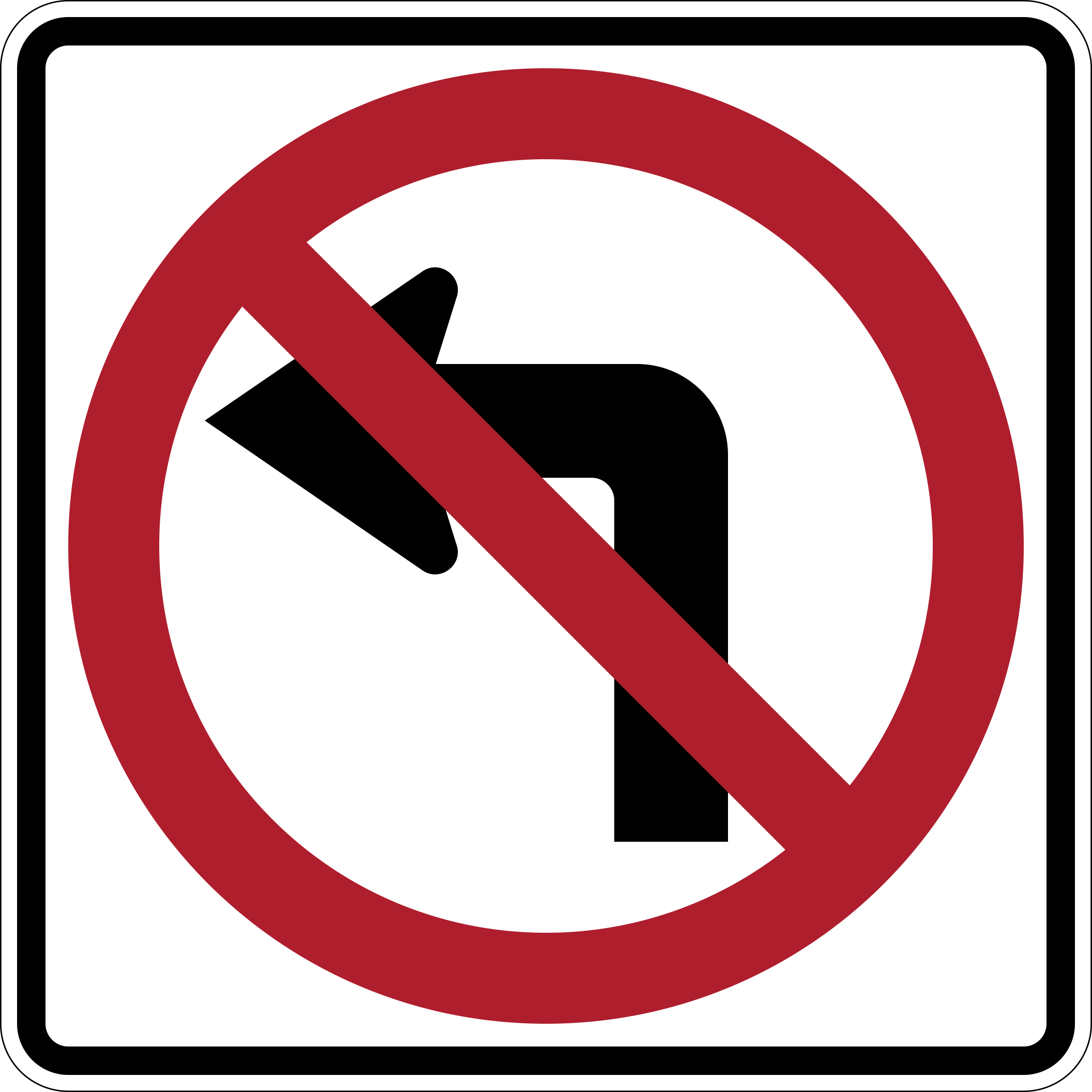
Respuesta correcta: Prohibida en ese lugar
Las señales reglamentarias establecen las leyes que usted debe obedecer, y el círculo con la línea diagonal marca una maniobra que no está permitida en ese lugar.
Fuente: Manual del Conductor de Carolina del Sur - Señales Reglamentarias
4. Una señal roja con blanco en forma de triángulo con la punta hacia abajo le exige:
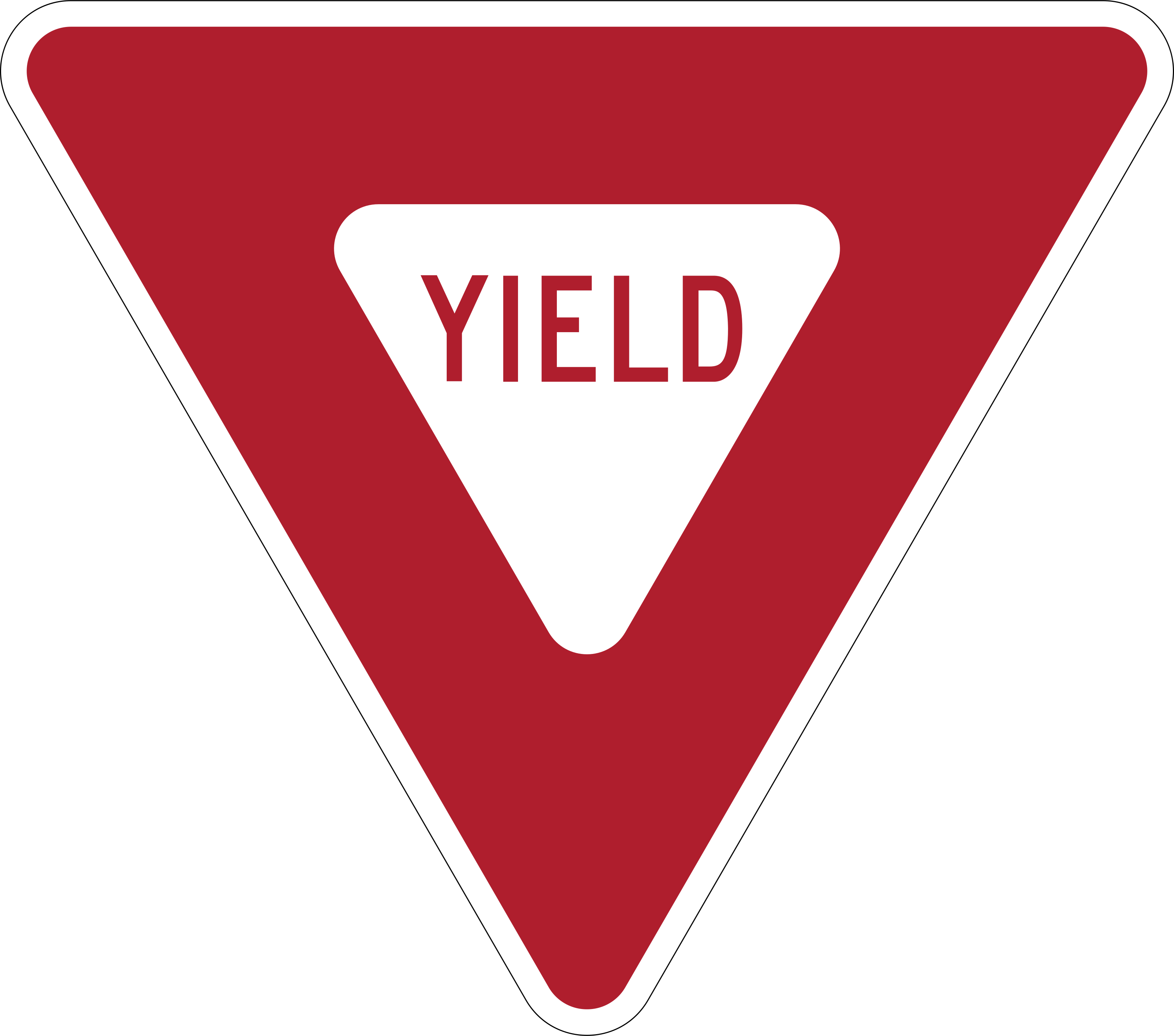
Respuesta correcta: Reducir la velocidad y dejar pasar primero al tránsito que tiene el derecho de paso
Esa señal de tres lados es la señal de ceda el paso. Le pide reducir la velocidad y dejar pasar al tránsito que ya tiene el derecho de paso antes de incorporarse.
Fuente: Manual del Conductor de Carolina del Sur - Señal de Ceda el Paso
5. Antes de cruzar un semáforo en rojo fijo que no responde según la ley de los dos minutos, ¿cuánto tiempo debe permanecer el conductor completamente detenido?
Respuesta correcta: 120 segundos (dos minutos)
El conductor debe permanecer completamente detenido durante 120 segundos completos antes de avanzar con el debido cuidado a través de un semáforo que no se pondrá en verde.
Fuente: Manual del Operador de Motocicletas y Ciclomotores de Carolina del Sur - Ley de los Dos Minutos
6. ¿Qué suele ser cierto sobre dónde se ubican los sensores del pavimento que activan un semáforo?
Respuesta correcta: Sus contornos suelen ser visibles en la superficie de la carretera
Los bucles del sensor generalmente están marcados de modo que sus contornos pueden verse en la superficie de la carretera.
Fuente: Manual del Operador de Motocicletas y Ciclomotores de Carolina del Sur - Semáforos con Sensores Activados por el Tráfico
7. Según la regla de los dos minutos de Carolina del Sur, un conductor detenido en una luz roja fija que no cambia debe eventualmente tratar el semáforo como si fuera:
Respuesta correcta: Una señal de alto
Después de una parada completa en un semáforo que no cambia, la ley permite que un motociclista trate el dispositivo como una señal de alto y avance con cuidado cuando sea seguro.
Fuente: Manual del Operador de Motocicletas y Ciclomotores de Carolina del Sur - Ley de los Dos Minutos
8. Un semáforo que usa un sensor en el pavimento para detectar vehículos puede no detectar una motocicleta. Para mejorar su posibilidad de ser detectado, usted debe:
Respuesta correcta: Detenerse directamente sobre el área del sensor marcada en el pavimento
Debido a que el sensor puede no registrar un vehículo pequeño, un conductor debe detenerse directamente sobre el bucle del sensor, cuyo contorno suele ser visible en el pavimento.
Fuente: Manual del Operador de Motocicletas y Ciclomotores de Carolina del Sur - Semáforos con Sensores Activados por el Tráfico
9. Las señales impresas con letras o símbolos negros sobre fondo anaranjado indican:
Respuesta correcta: Obras viales y otras áreas de construcción o mantenimiento
Las señales de construcción, mantenimiento y operaciones de emergencia son anaranjadas para que los conductores sepan que puede haber cuadrillas trabajando sobre la vía o junto a ella más adelante.
Fuente: Manual del Conductor de Carolina del Sur - Señales de Zona de Trabajo
10. Además de hacer una parada completa, la ley de los dos minutos requiere que un conductor en un semáforo en rojo inactivo también:
Respuesta correcta: Emplear el debido cuidado y asegurarse de que es seguro antes de avanzar
El conductor debe emplear el debido cuidado y confirmar que es seguro, tratando la luz como una señal de alto antes de cruzar.
Fuente: Manual del Operador de Motocicletas y Ciclomotores de Carolina del Sur - Ley de los Dos Minutos
11. ¿Dónde puede un solicitante de licencia de motocicleta de Carolina del Sur encontrar la información detallada sobre las señales de carretera que puede cubrir el examen de conocimientos?
Respuesta correcta: En el Manual del Conductor de Carolina del Sur
Los detalles sobre las señales de tránsito se encuentran en el Manual del Conductor del estado, al cual el manual de motocicletas remite por separado.
Fuente: Manual del Operador de Motocicletas y Ciclomotores de Carolina del Sur - Preguntas de Muestra del Examen de Conocimientos
12. A medida que un motociclista observa bien adelante en el tráfico, detectar las señales y los semáforos que se aproximan ayuda principalmente al conductor a:
Respuesta correcta: Entender qué esperar en el camino más adelante
Buscar los dispositivos de control de tráfico y las señales mientras se mira bien adelante permite al conductor anticipar lo que viene y planificar una respuesta con antelación.
Fuente: Manual del Operador de Motocicletas y Ciclomotores de Carolina del Sur - Gestión del Riesgo (Búsqueda)
Más temas de Motocicleta
Practica Señales de tránsito en otro estado
Cada pregunta de South Carolina se escribe a partir del manual oficial del conductor de South Carolina y se verifica con su edición vigente. DMV Test Free es un recurso de estudio gratuito e independiente, sin afiliación con ningún DMV o agencia gubernamental. Acerca de DMV Test Free