Wisconsin Car / Permit practice
Wisconsin Car / Permit: Road Signs practice test
Learn the shapes, colors, and meanings of regulatory, warning, and guide signs — from stop and yield to construction and school-zone signs.
Content reviewed against official driver handbooks · August 12, 2026
18 questions · pass with 14 correct. You get instant feedback and an explanation after every answer.
Choose your level
Up to 20 questions on this topic, with feedback after every answer.
Study questions with answers
12 sample Road Signs questions with the correct answer, a short explanation, and the official handbook reference. Read through them, then take the quiz above.
Show all 12 questions with answers
1. Tall, thin blue or green signs with white numbers placed every few tenths of a mile along a highway are meant to:
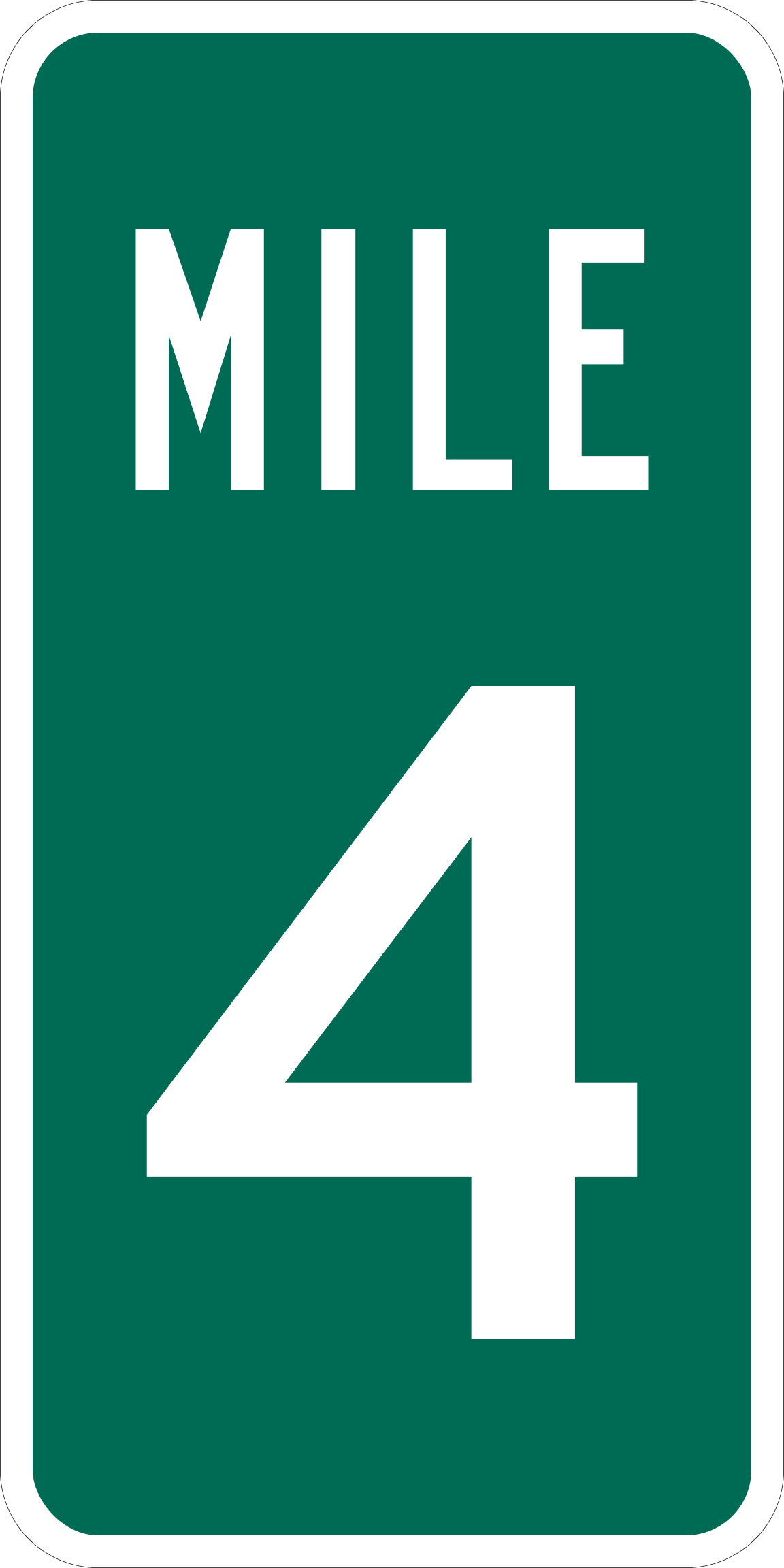
Correct answer: Help you know where you are on the road
Mile markers show your location on the roadway and help emergency crews find highway incidents faster; each lists the travel direction, route number, and mile number.
Source: Section 4: Signs — F. Mile Marker
2. What does a yellow pennant-shaped sign with black lettering warn you about?
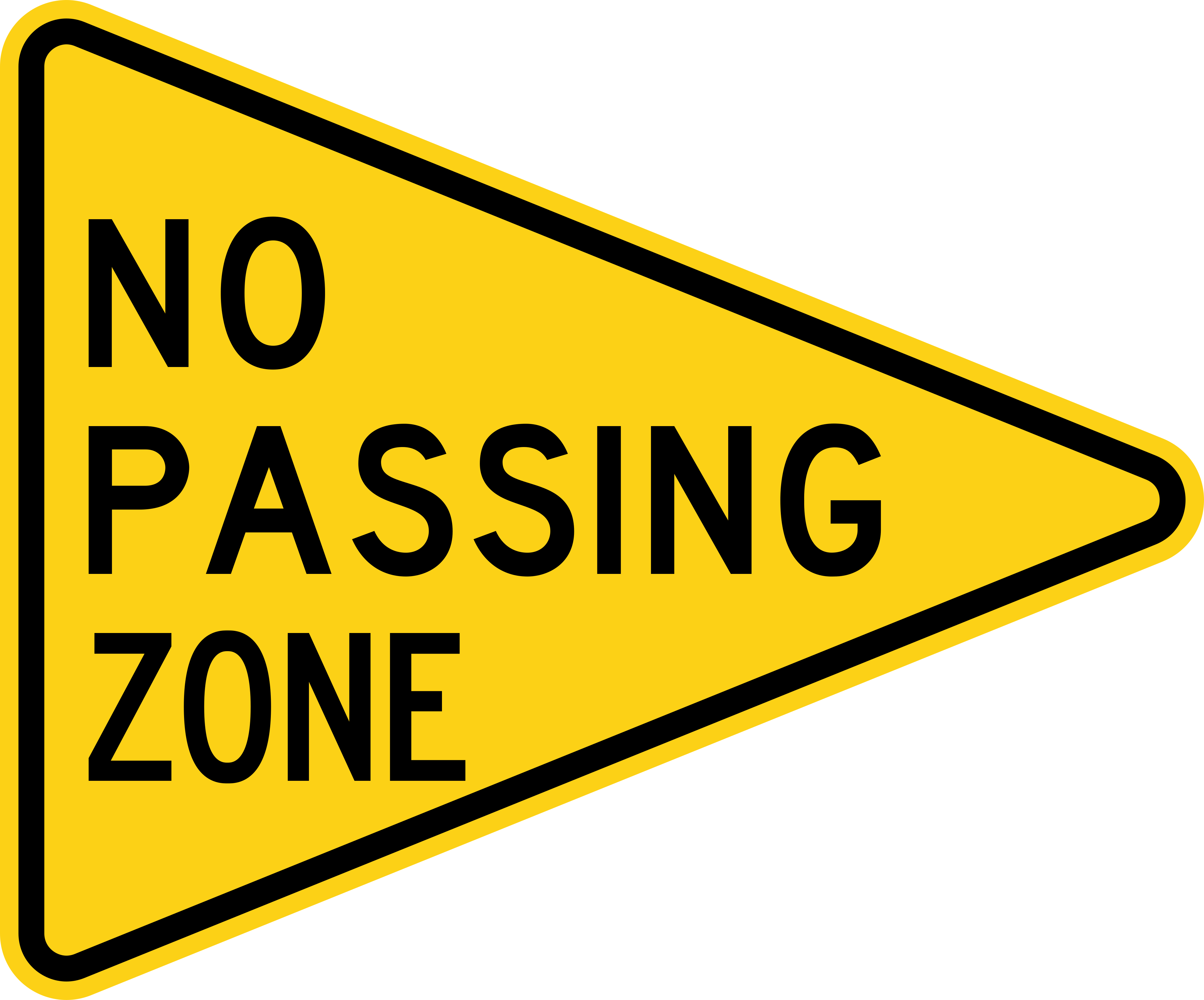
Correct answer: You may not pass in this area
The yellow pennant marks a no-passing zone, where you are not permitted to pass any vehicle.
Source: Section 4: Signs — B. Regulatory
3. Regulatory signs, which may be square, rectangular, or a special shape, exist mainly to:
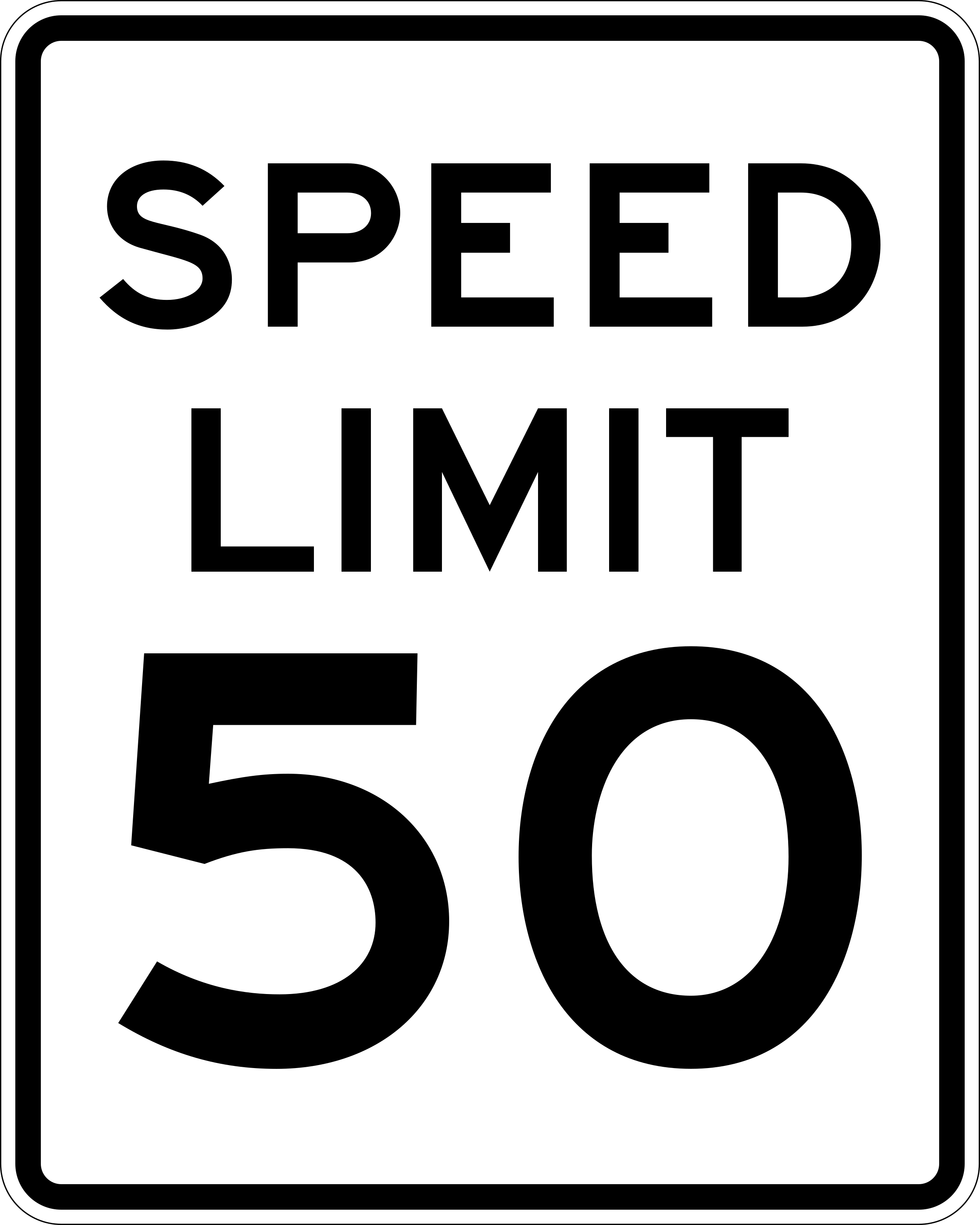
Correct answer: Tell you the traffic laws you must follow
Regulatory signs state the rules of the road that you are required to obey.
Source: Section 4: Signs — B. Regulatory
4. A white X-shaped crossbuck sign at a railroad crossing that lists "3 tracks" is telling you what?
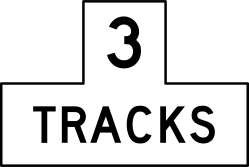
Correct answer: There are three separate tracks to cross at this location
The crossbuck marks a railroad crossing, and a number posted with it shows how many tracks you must cross, so more than one train could be present.
Source: Section 4: Signs — H. Railroad Crossing
5. A yellow diamond sign showing the outline of a deer is telling you to:

Correct answer: Watch carefully because deer are likely to cross here
The deer crossing warning marks an area where deer often cross the road, so you should stay alert and be ready for them.
Source: Section 4: Signs — A. Warning
6. A sign showing walking figures that may appear in fluorescent yellow-green is used to mark:

Correct answer: A school crossing or school zone
School crossing and school zone signs show pedestrian figures and may be fluorescent yellow-green or yellow; you must yield to pedestrians crossing there.
Source: Section 4: Signs — A. Warning
7. You see a yellow diamond "Slippery When Wet" sign. What should you do?

Correct answer: Slow down because the road may be slick
This warning tells you the pavement ahead may be slick, so reduce your speed.
Source: Section 4: Signs — A. Warning
8. A blue sign with white letters or symbols along the highway is most likely showing you what?
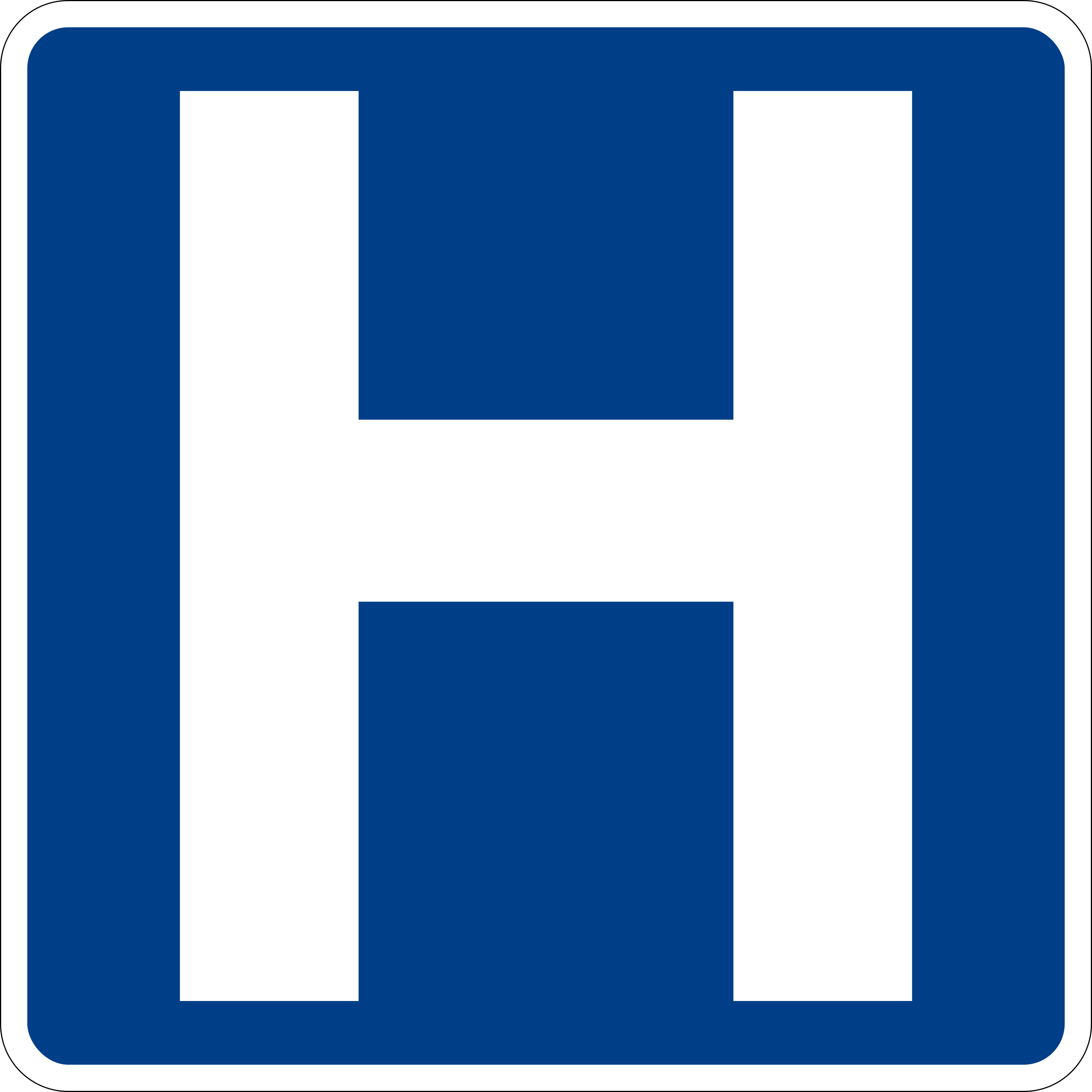
Correct answer: How to reach a nearby service such as a hospital
Blue service signs guide you toward nearby services such as a hospital or a campground.
Source: Section 4: Signs — E. Service
9. A parking sign marked for vehicles displaying disabled plates or a state disabled card means you may park there only if you:
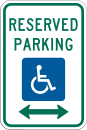
Correct answer: Hold a valid disabled parking permit or plate
Reserved-parking spaces may be used only by drivers who hold a valid disabled parking permit or a valid disabled license plate.
Source: Section 4: Signs — B. Regulatory
10. A downward-pointing red and white triangle with red letters tells a driver to do what?
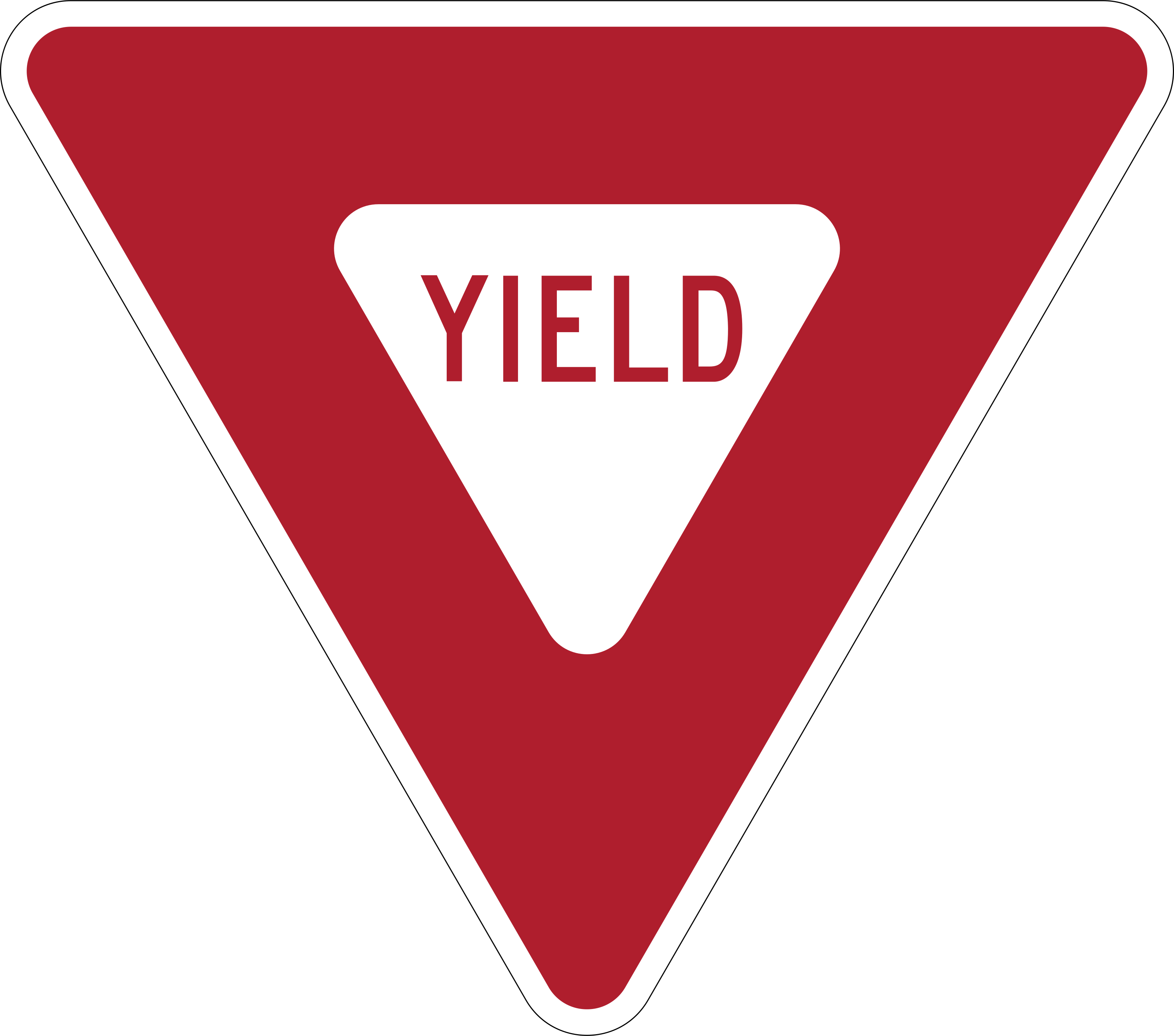
Correct answer: Let other vehicles go first
The yield sign is a downward triangle in red and white; it means you must give the right-of-way to other traffic.
Source: Section 4: Signs — B. Regulatory
11. A yellow diamond sign containing a counterclockwise circular arrow warns that you are approaching a:

Correct answer: Roundabout
The roundabout-ahead warning uses a counterclockwise symbol to tell you a circular intersection is coming up so you can prepare to slow and yield.
Source: Section 4: Signs — A. Warning
12. Where would you most often see a "Do Not Enter" sign?
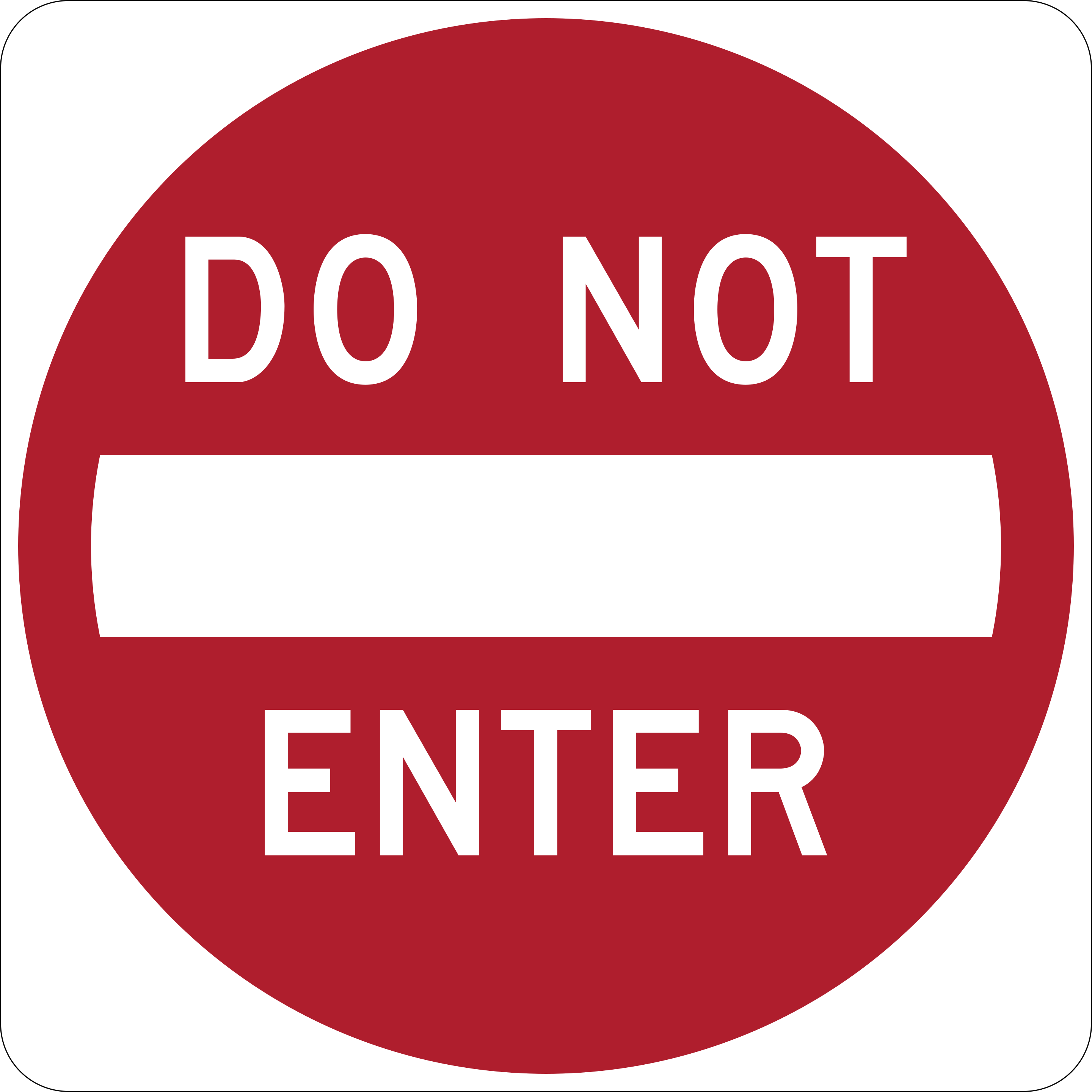
Correct answer: On an exit ramp facing the wrong direction or a one-way street
The Do Not Enter sign is posted where you are prohibited from entering, such as an exit ramp being approached the wrong way or a one-way street.
Source: Section 4: Signs — B. Regulatory
More Car / Permit topics
Practice Road Signs in another state
Every Wisconsin question is written from the official Wisconsin driver handbook and checked against its current edition. DMV Test Free is a free, independent study resource — not affiliated with any DMV or government agency. About DMV Test Free