New York Road Signs and Their Meanings
Fourteen correct out of twenty is not, on its own, a passing score in New York. The New York State Driver's Manual attaches two conditions to the same twenty-question written test: at least fourteen right overall, and at least two of the four road-sign questions right. Clear the first and miss the second and the attempt is a failure. Road signs are the only subject New York singles out that way, with a threshold of their own sitting underneath the overall score.
The rule is a single sentence in the manual, and it repays reading exactly as written: "To pass the written test, you must correctly answer at least 14 of the 20 questions asked, but you must correctly answer two of the four questions about road signs." Two conditions, one sitting, and no averaging between them — a strong total cannot buy back a third missed sign. That same written test serves a Class D, M, DJ, MJ or E application, so someone testing for a motorcycle permit in New York meets an identical sign floor to someone testing for a car. Only the commercial license is examined separately, on a written test built from the Commercial Driver Manual.
New York does not file its road-sign material under one chapter heading. In the printed manual it is the SIGNS section that opens Chapter 4, Traffic Control, next to traffic signals, pavement markings and traffic officers, and it is prefaced with a line that leaves nothing to interpretation: "Know the signs shown below and what they indicate. You will be asked about them on your written test." In the DMV's online edition the same material also stands alone as a chart — "Road Signs You Must Know" — listed after the numbered chapters with a Road Signs Quiz of its own. That arrangement is why every New York question in this bank cites the manual's traffic-sign material rather than a chapter or a page number: New York's sign content is not subdivided the way most states' is, and manufacturing a subdivision to cite would be manufacturing precision.
Four sign questions is a small sample, and the smallness is precisely what makes New York's rule bite: there is no room to be right on average. The manual's own chart is a recognition aid, a picture set beside a meaning, and recognition is the first skill to fail when a sign turns up at an unfamiliar angle, in an unfamiliar color pairing, or spelled out in words instead of drawn as a symbol. Every question in this bank is answered with an explanation of why the correct answer is correct, so the set can be worked through until what stays with you is the reasoning rather than the picture. With four sign questions on the paper and two of them required, understanding is cheaper insurance than coverage.
29 published New York road-sign questions, each with an explanation and a citation to the handbook section it came from.
Content reviewed against official driver handbooks · August 12, 2026
Every sign you can be tested on in New York
Regulatory signs
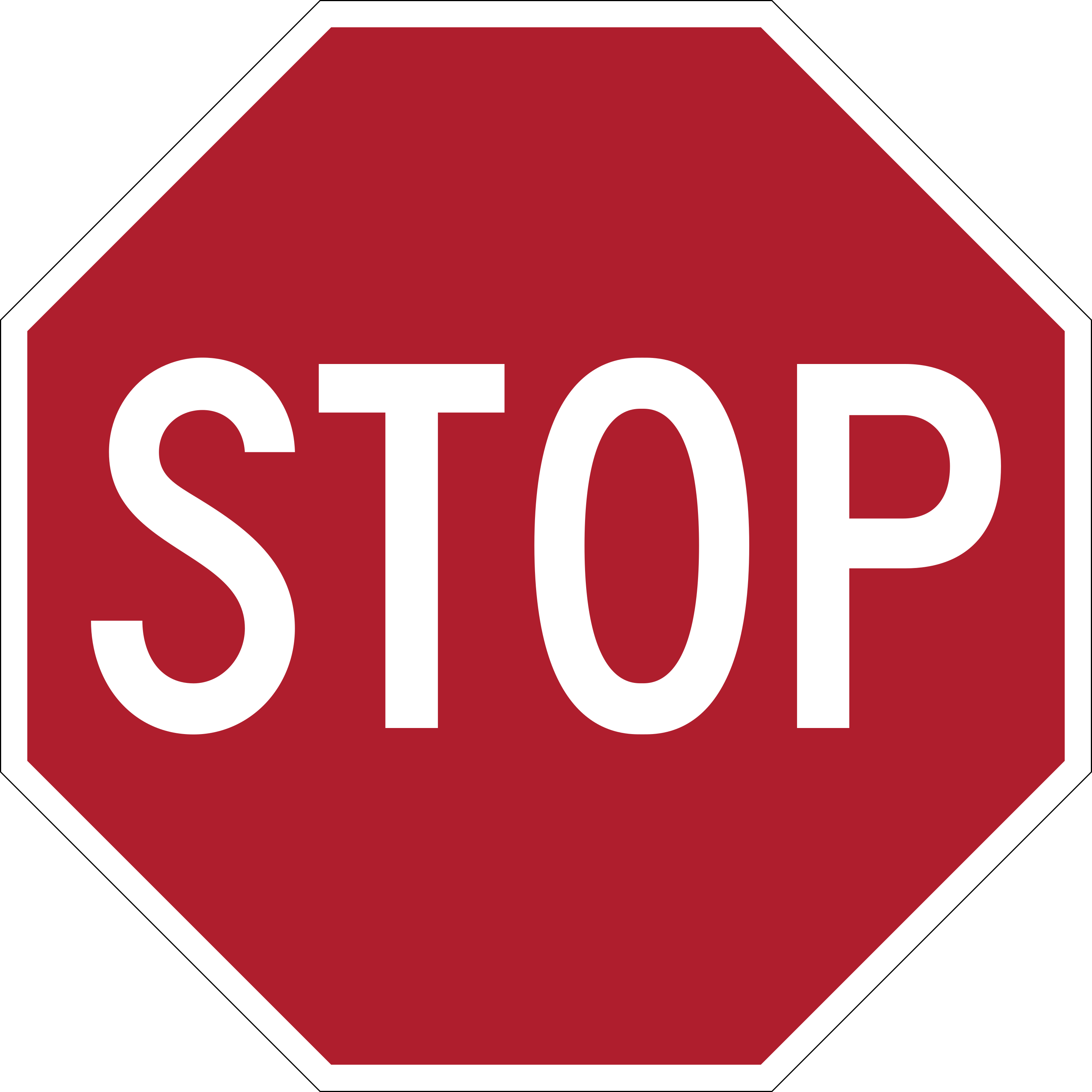
- Stop
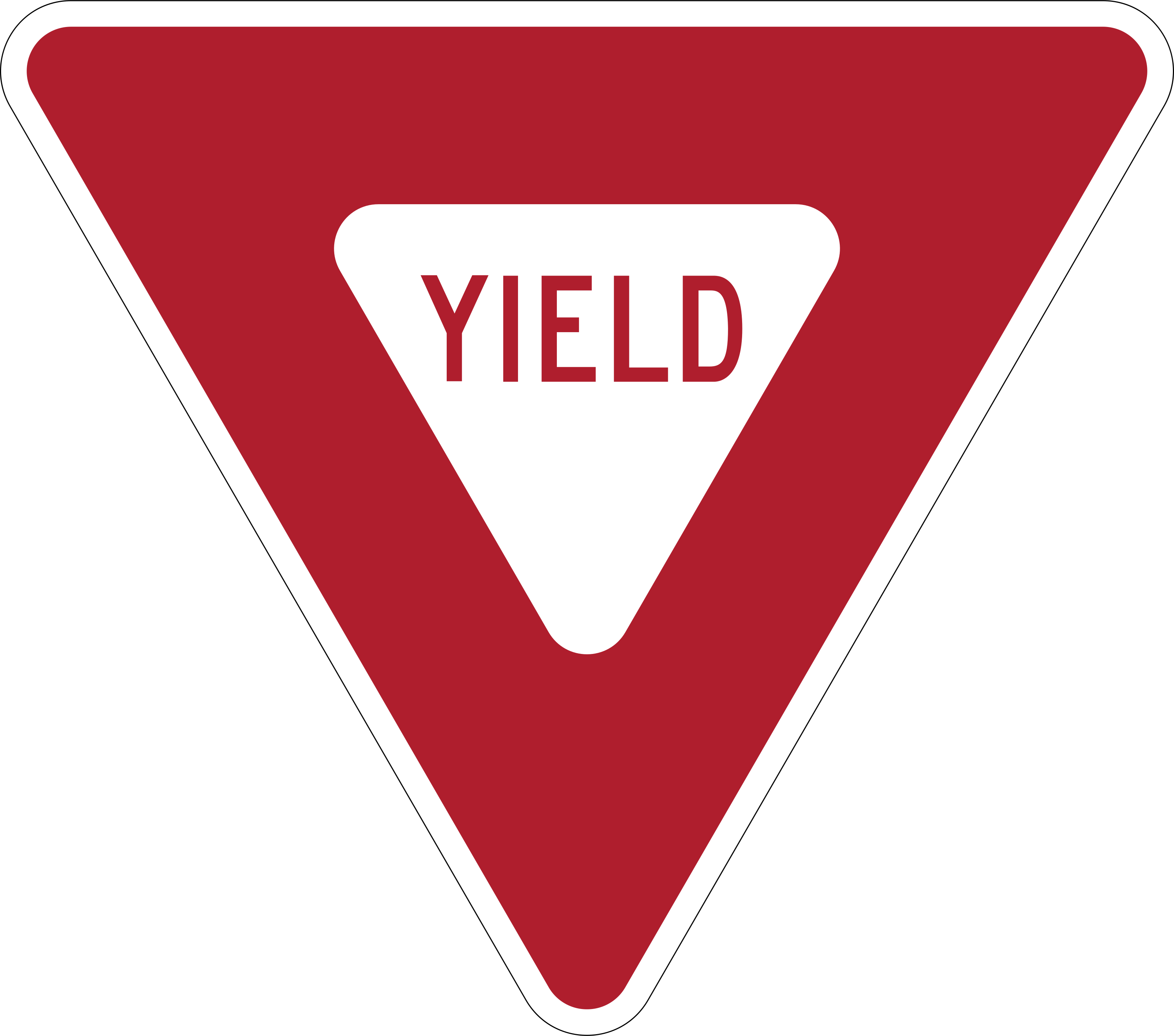
- Yield
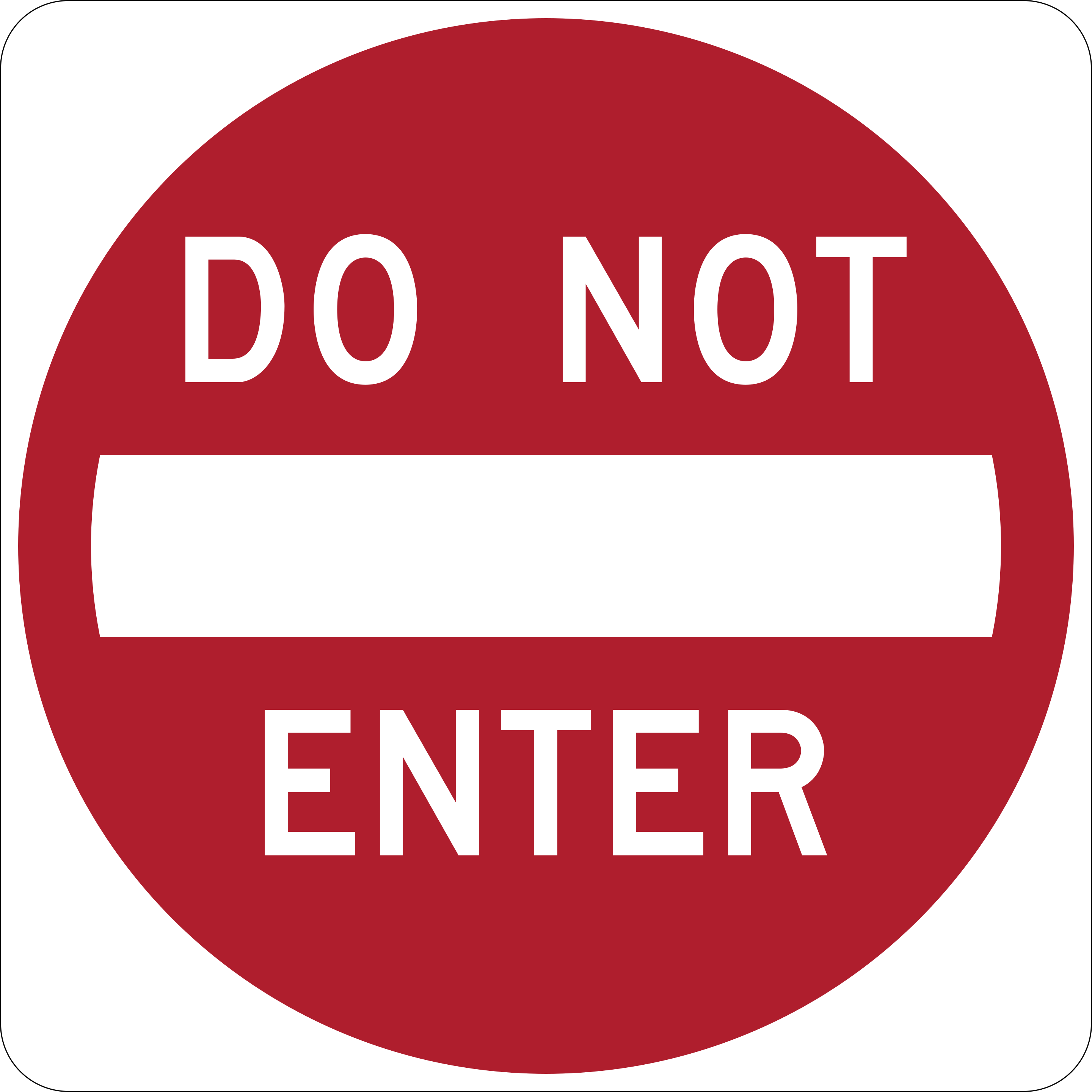
- Do Not Enter
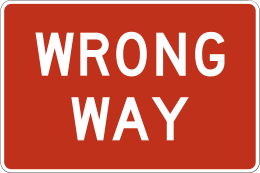
- Wrong Way
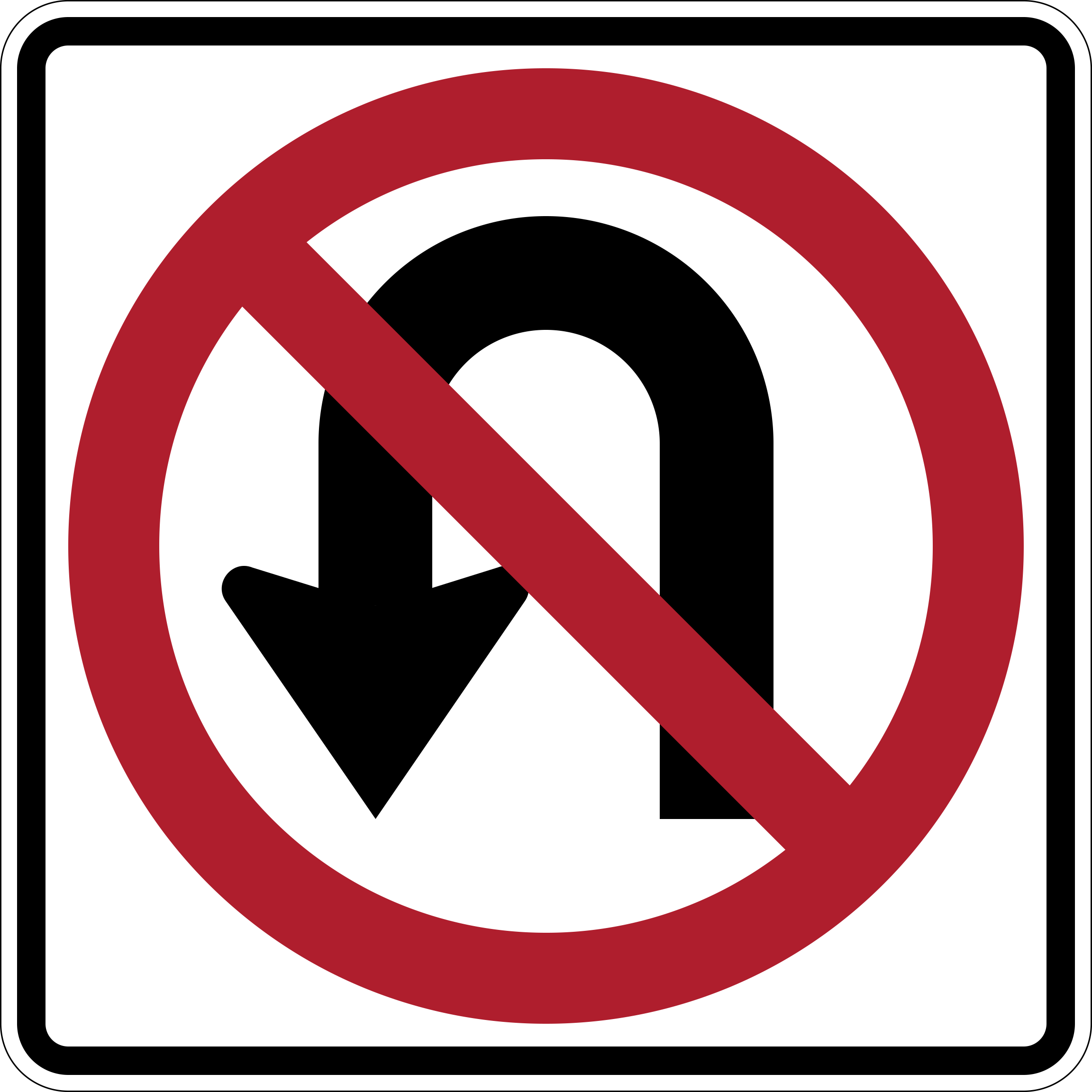
- No U-Turn
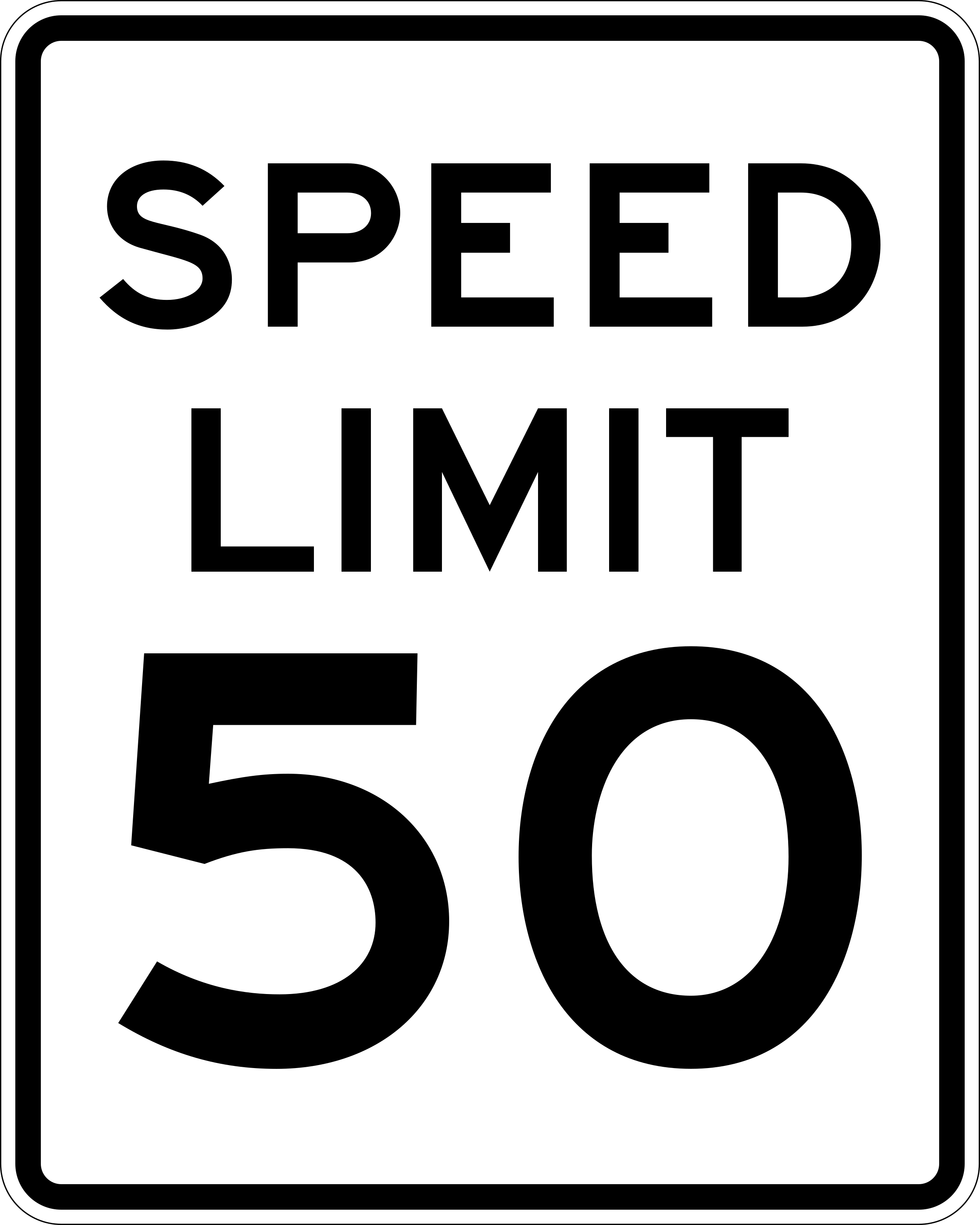
- Speed Limit
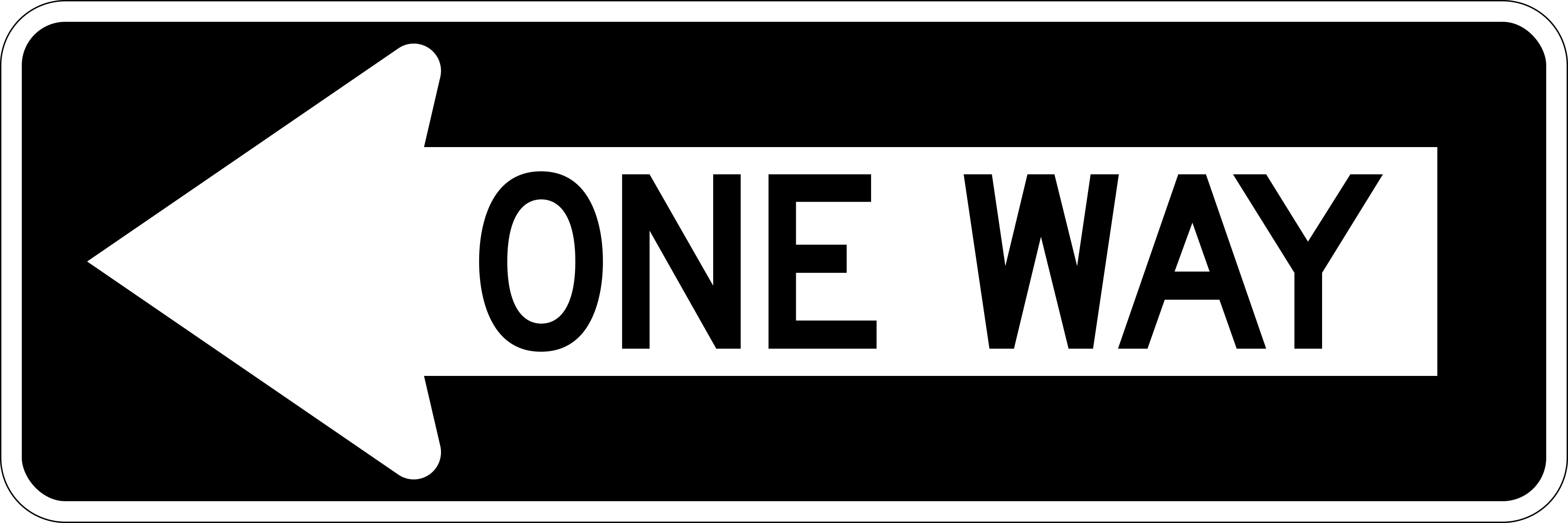
- One Way
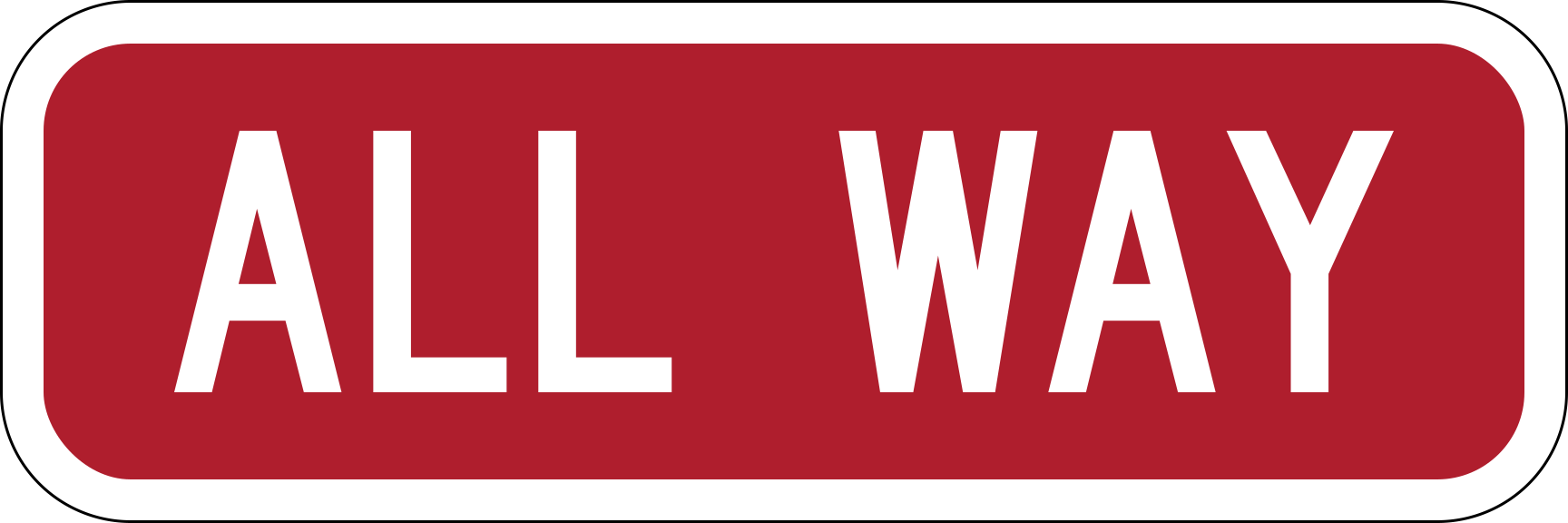
- All Way
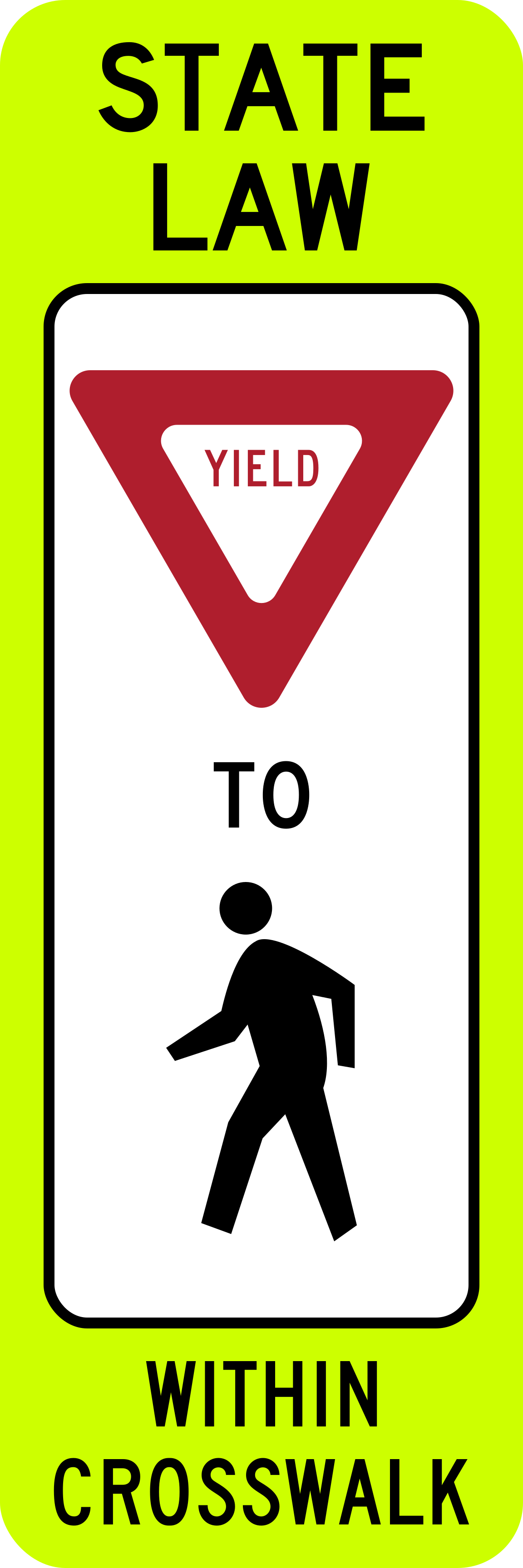
- State Law: Yield to Pedestrians
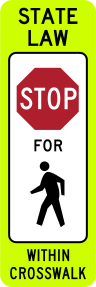
- State Law: Stop for Pedestrians
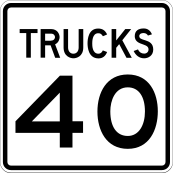
- Truck Speed Limit
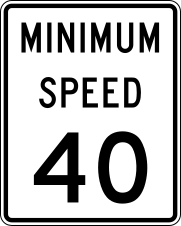
- Minimum Speed Limit
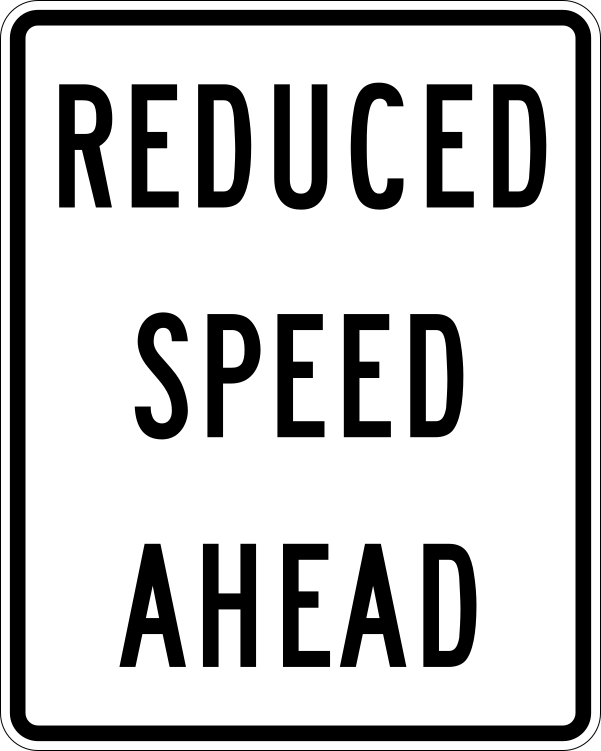
- Reduced Speed Limit Ahead
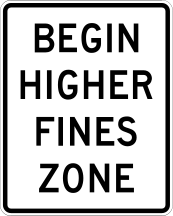
- Begin Higher Fines Zone
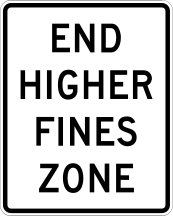
- End Higher Fines Zone
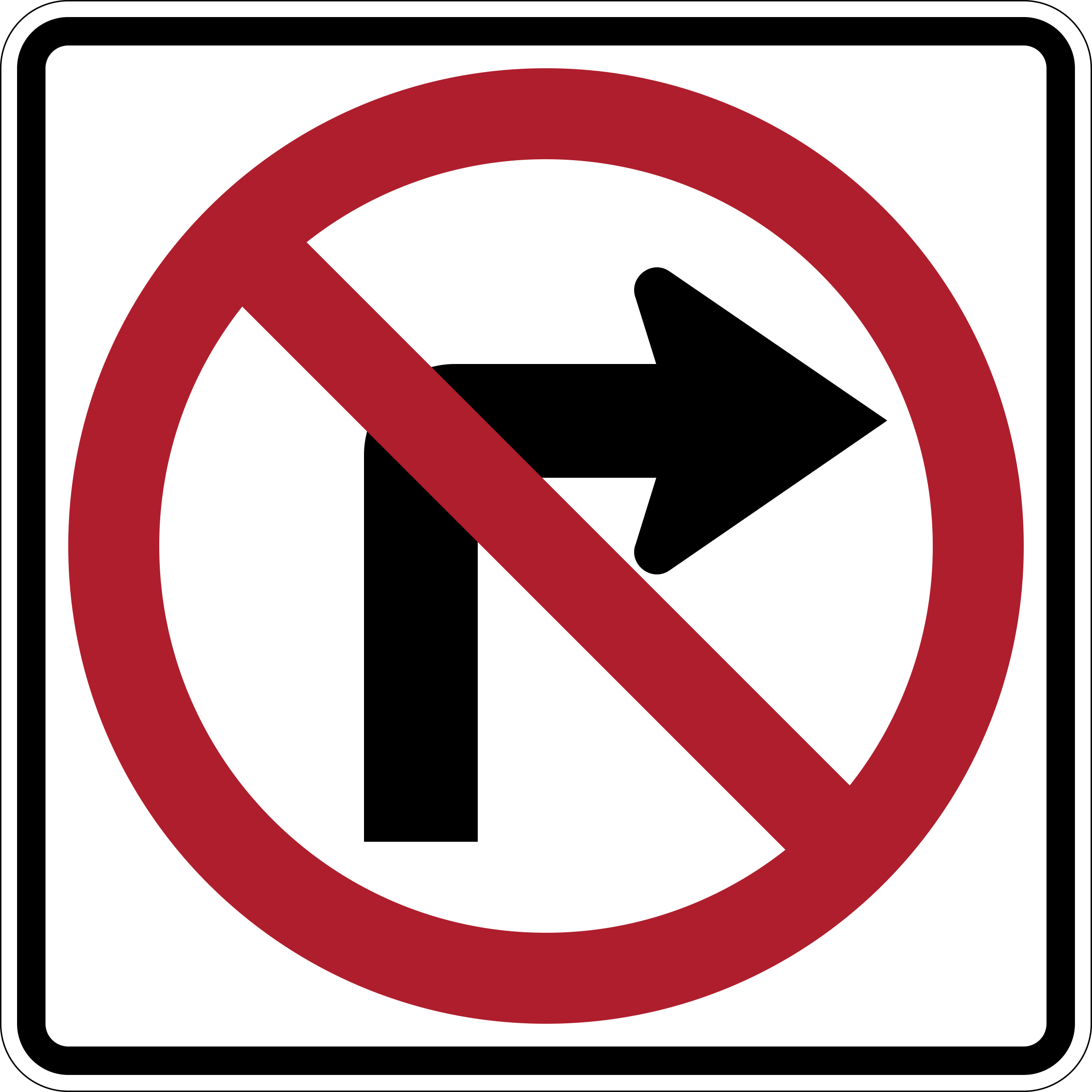
- No Right Turn
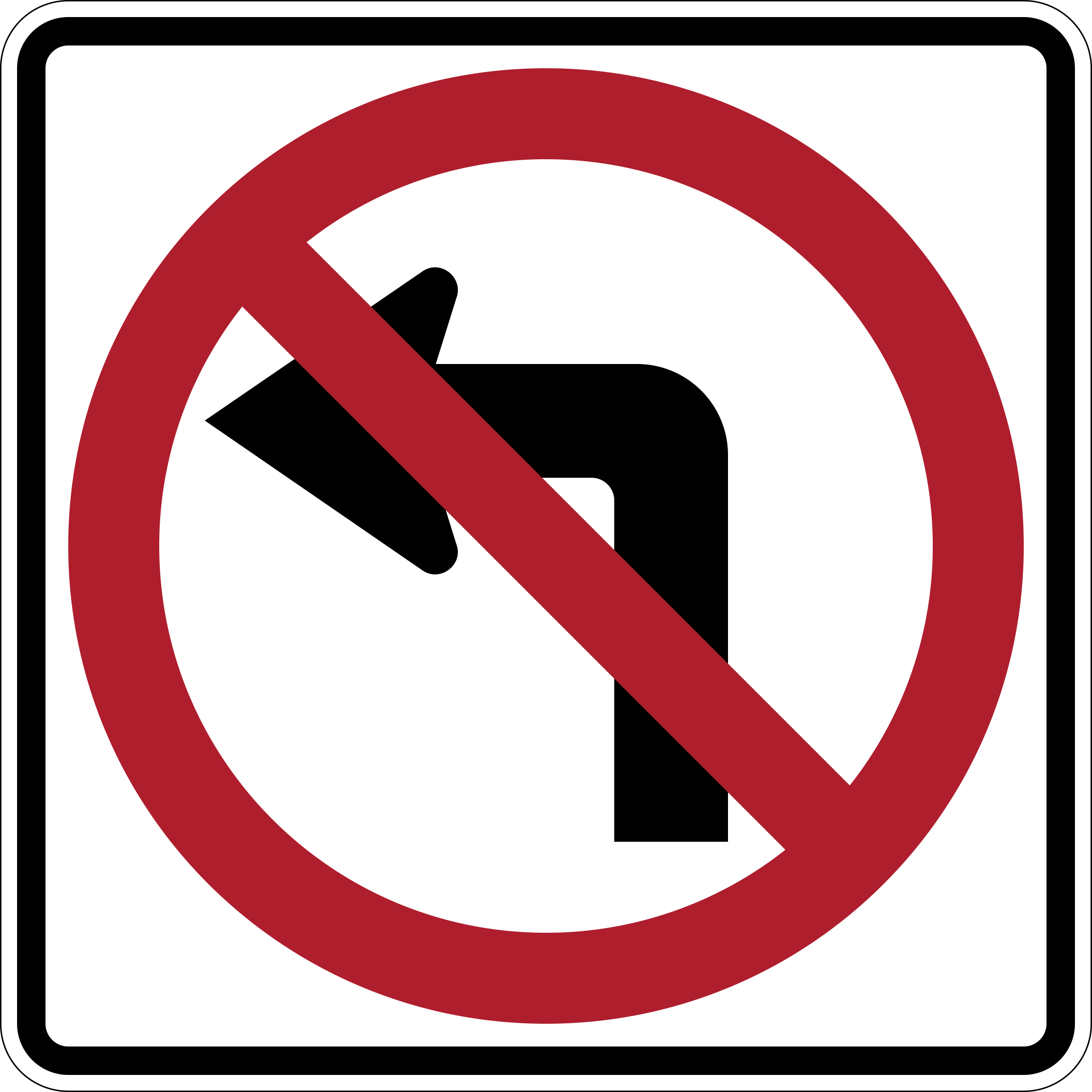
- No Left Turn
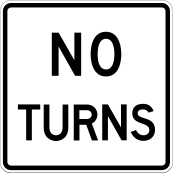
- No Turns
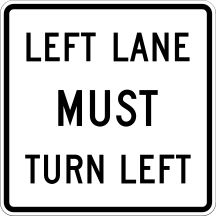
- Left Lane Must Turn Left
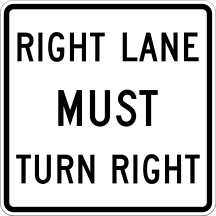
- Right Lane Must Turn Right
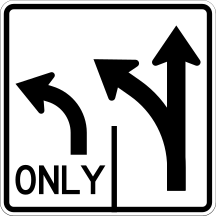
- Intersection Lane Control
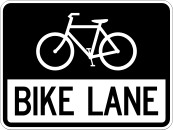
- Bike Lane
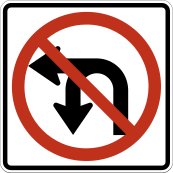
- No Left or U-Turn
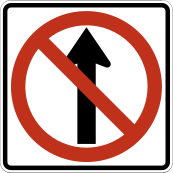
- No Straight Through
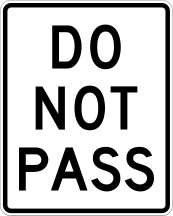
- Do Not Pass
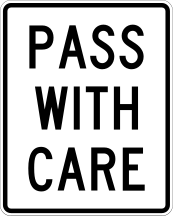
- Pass With Care
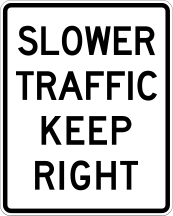
- Slower Traffic Keep Right
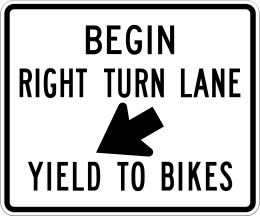
- Begin Right Turn Lane — Yield to Bikes
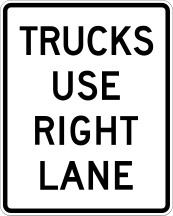
- Trucks Use Right Lane
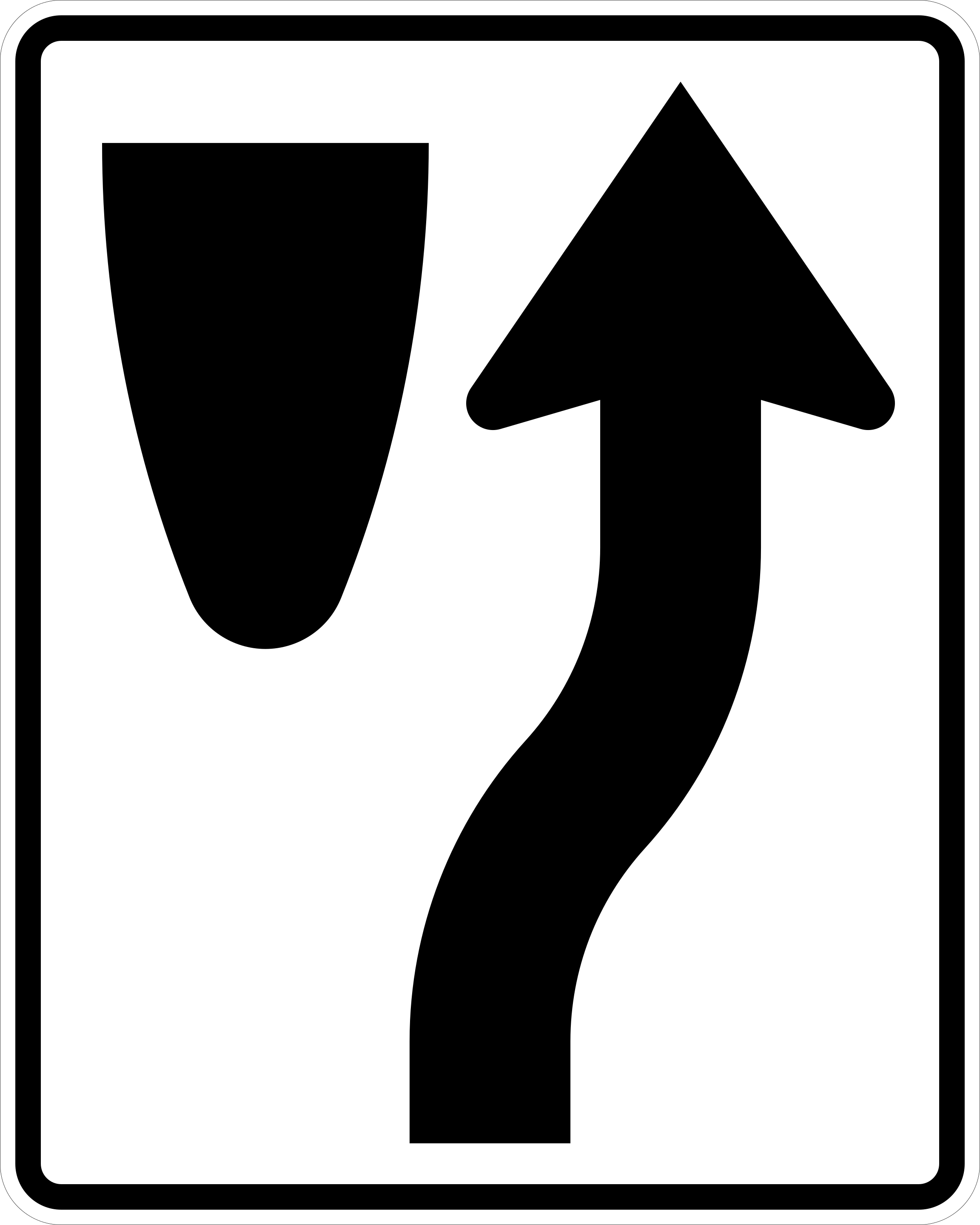
- Keep Right
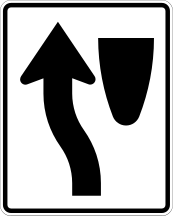
- Keep Left
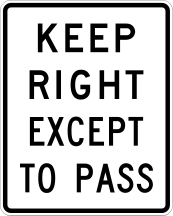
- Keep Right Except to Pass
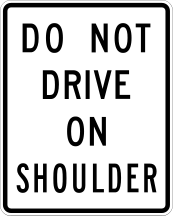
- Do Not Drive on Shoulder
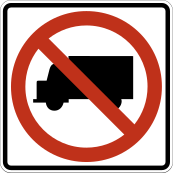
- No Trucks
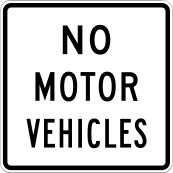
- No Motor Vehicles
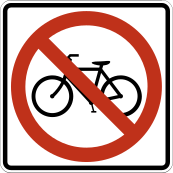
- No Bicycles
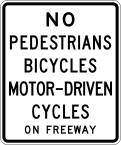
- No Pedestrians, Bicycles, or Motor-Driven Cycles
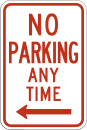
- No Parking Any Time
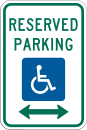
- Accessible Parking
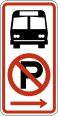
- No Parking Bus Stop
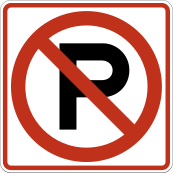
- No Parking
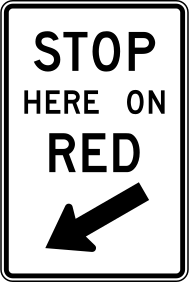
- Stop Here on Red
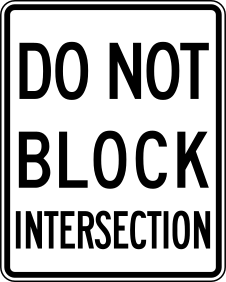
- Do Not Block Intersection
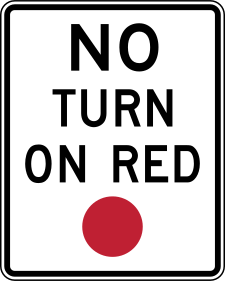
- No Turn on Red
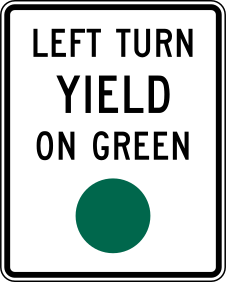
- Left Turn Yield on Green
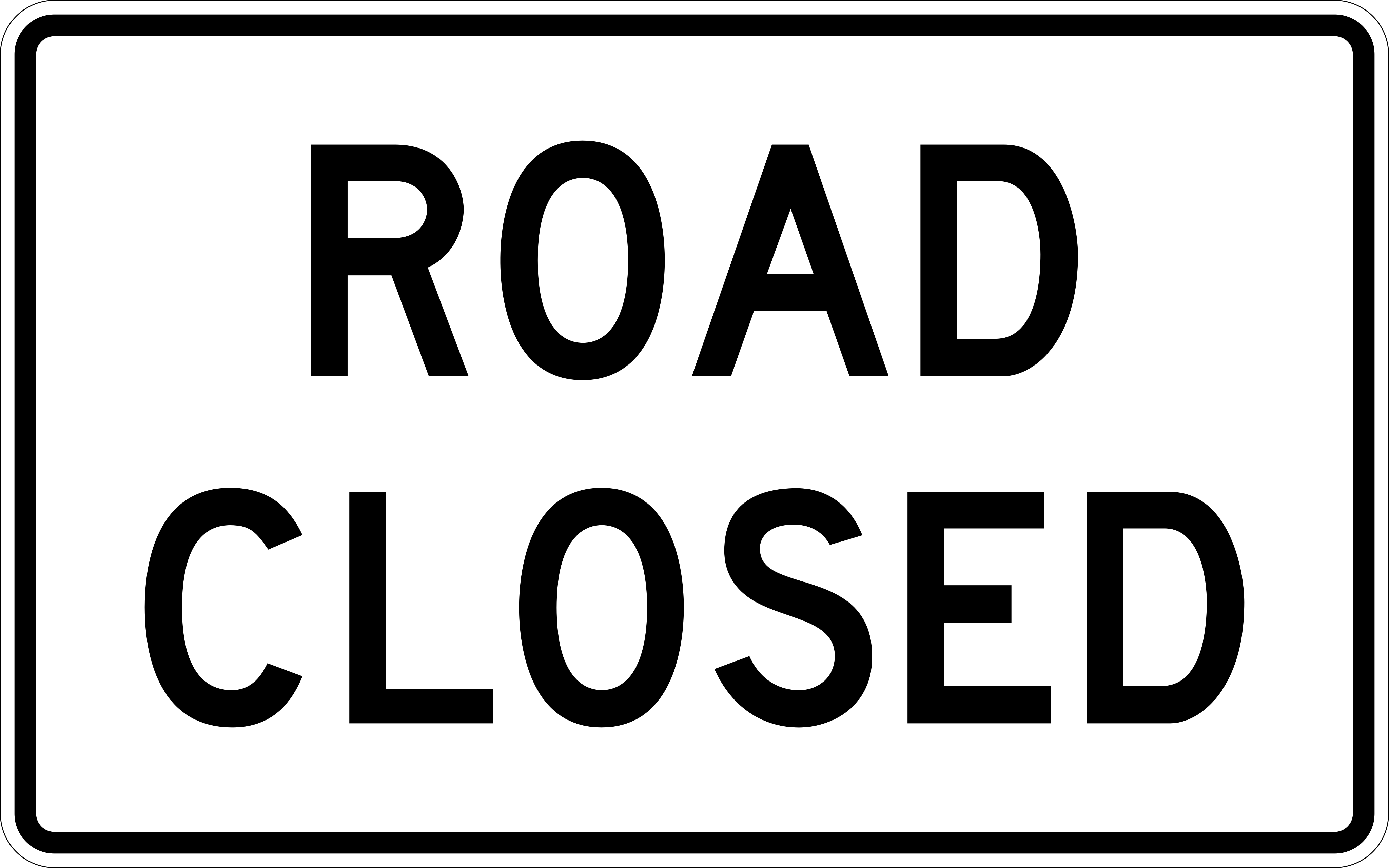
- Road Closed
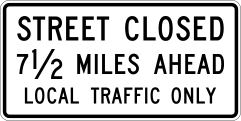
- Road Closed — Local Traffic Only
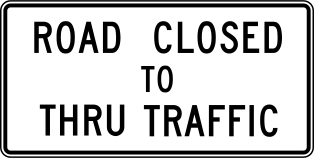
- Road Closed to Thru Traffic
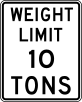
- Weight Limit
- No Hazardous Materials

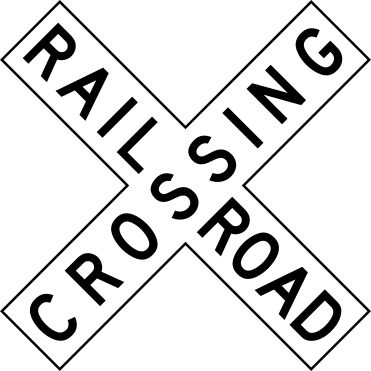
- Railroad Crossing (Crossbuck)
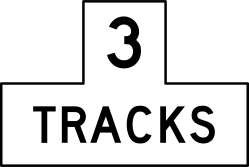
- Number of Tracks
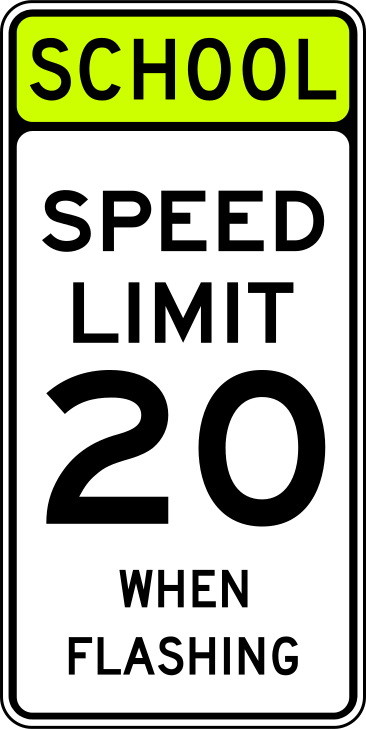
- School Speed Limit When Flashing
- HOV Lane
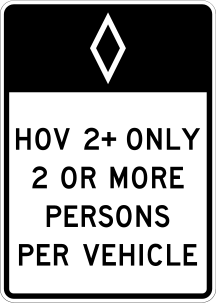
- Exempt

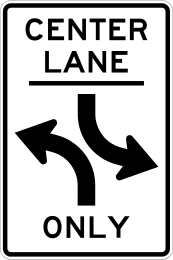
- Two-Way Left Turn Only
Warning signs
- Turn Ahead

- Stop Ahead

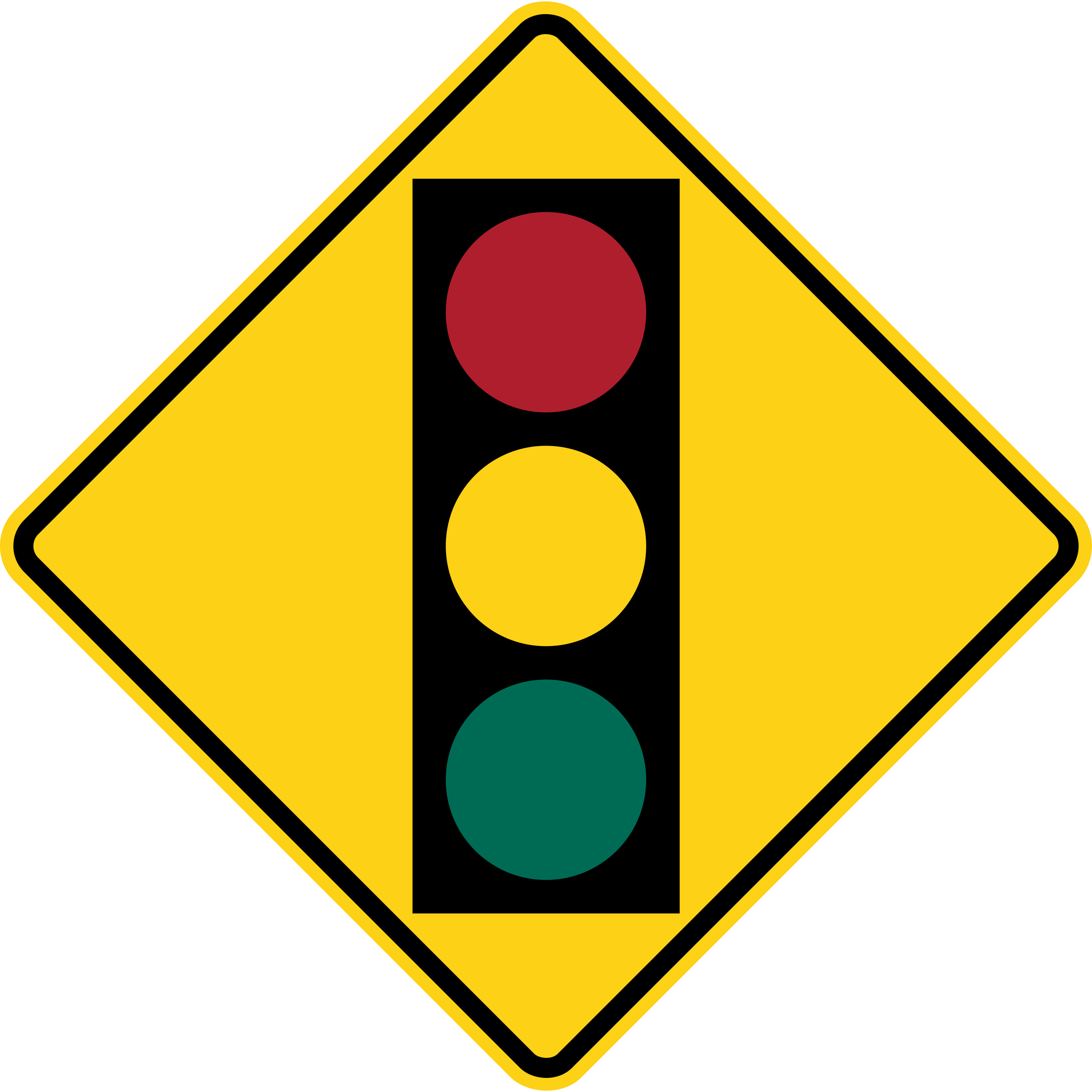
- Signal Ahead
- Pedestrian Crossing

- Curve

- Reverse Turn

- Reverse Curve

- Winding Road

- One-Direction Large Arrow
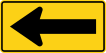
- Two-Direction Large Arrow
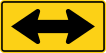
- Chevron Alignment

- Hairpin Curve

- Cross Road

- Side Road

- Roundabout Ahead

- Yield Ahead

- Be Prepared to Stop

- Reduced Speed Limit Ahead
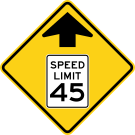
- Merging Traffic

- Lane Ends

- Added Lane

- Lanes Merge
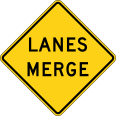
- Road Narrows

- Narrow Bridge

- One Lane Bridge

- Ramp Narrows

- Divided Highway Begins

- Divided Highway Ends

- Two-Way Traffic
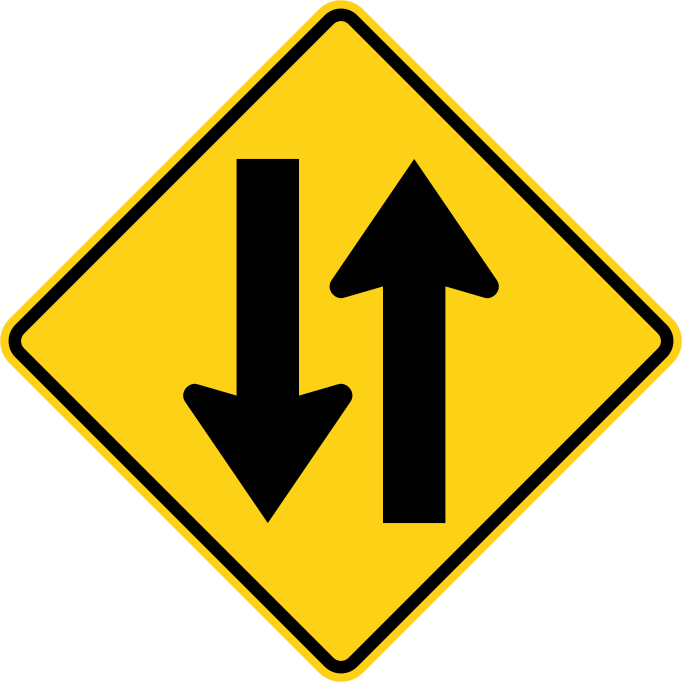
- Hill / Steep Grade

- Bump

- Dip

- Pavement Ends

- Soft Shoulder

- Slippery When Wet

- Loose Gravel

- Rough Road

- Low Shoulder

- Uneven Lanes

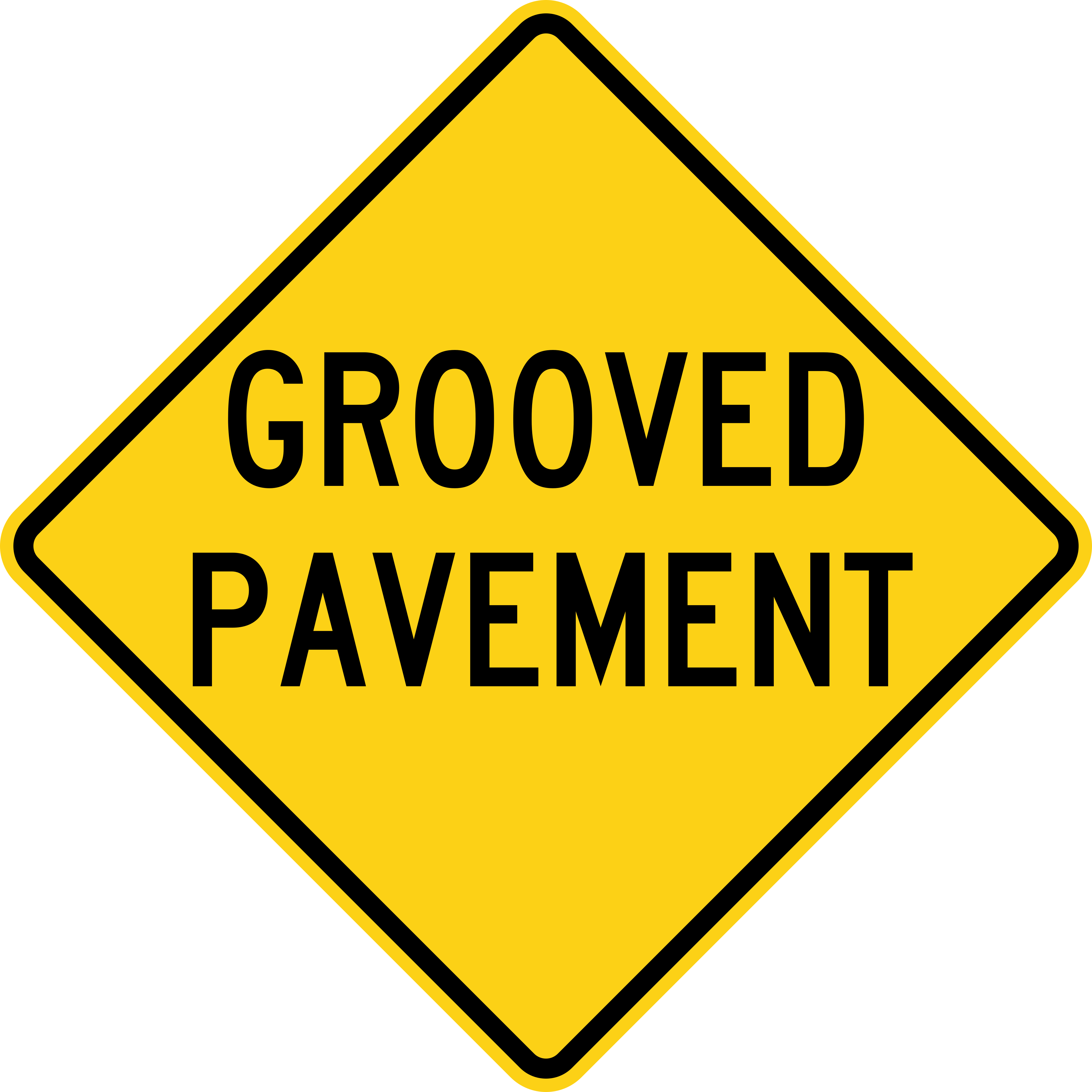
- Grooved Pavement
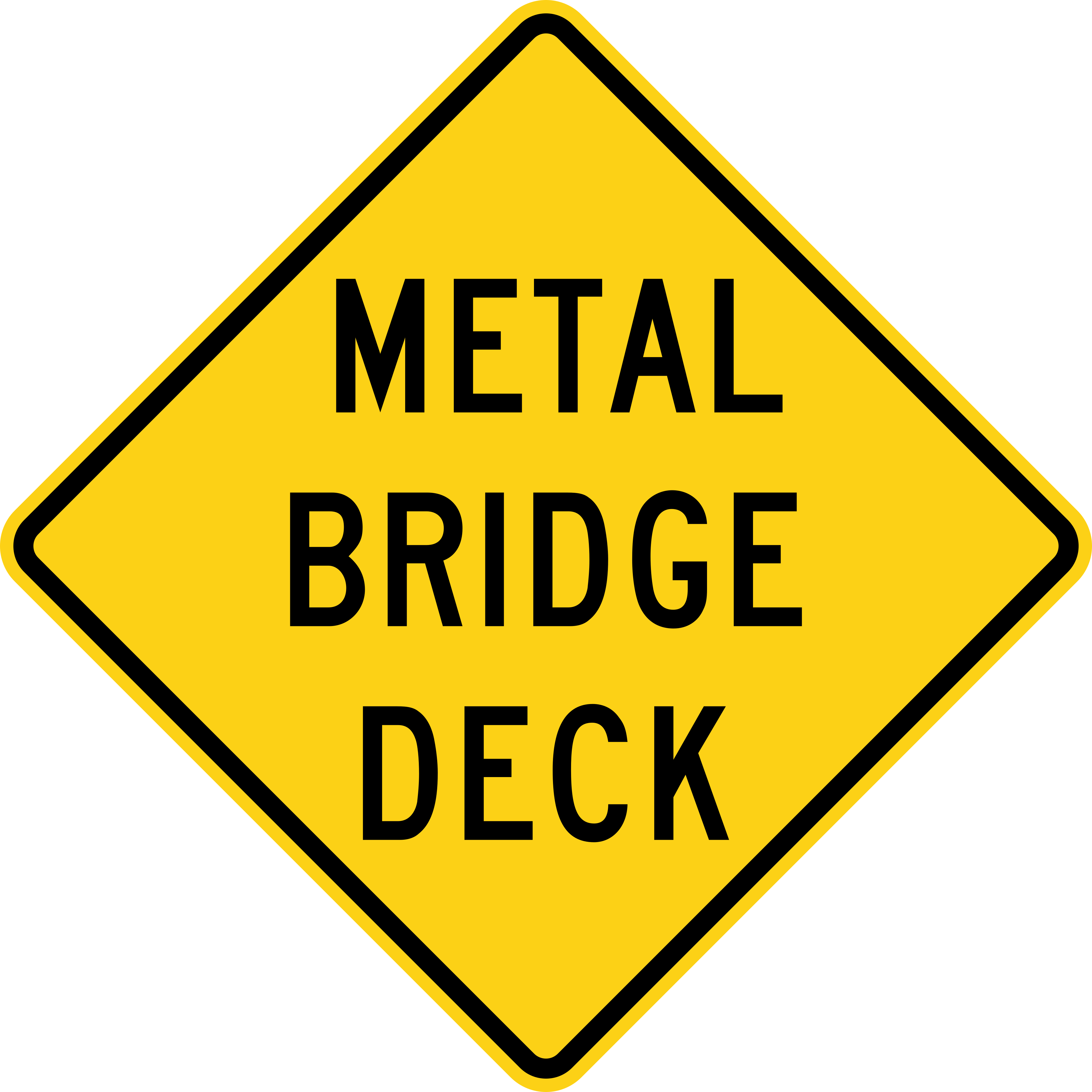
- Metal Bridge Deck
- Railroad Crossing Ahead

- Bicycle Crossing

- Deer Crossing

- Cattle Crossing

- Farm Machinery

- Snowmobile Crossing

- Equestrian Crossing

- Persons with Disabilities

- Golf Cart Crossing

- Horse-Drawn Vehicle Crossing

- Low Clearance

- Advisory Speed

- Dead End

- No Outlet

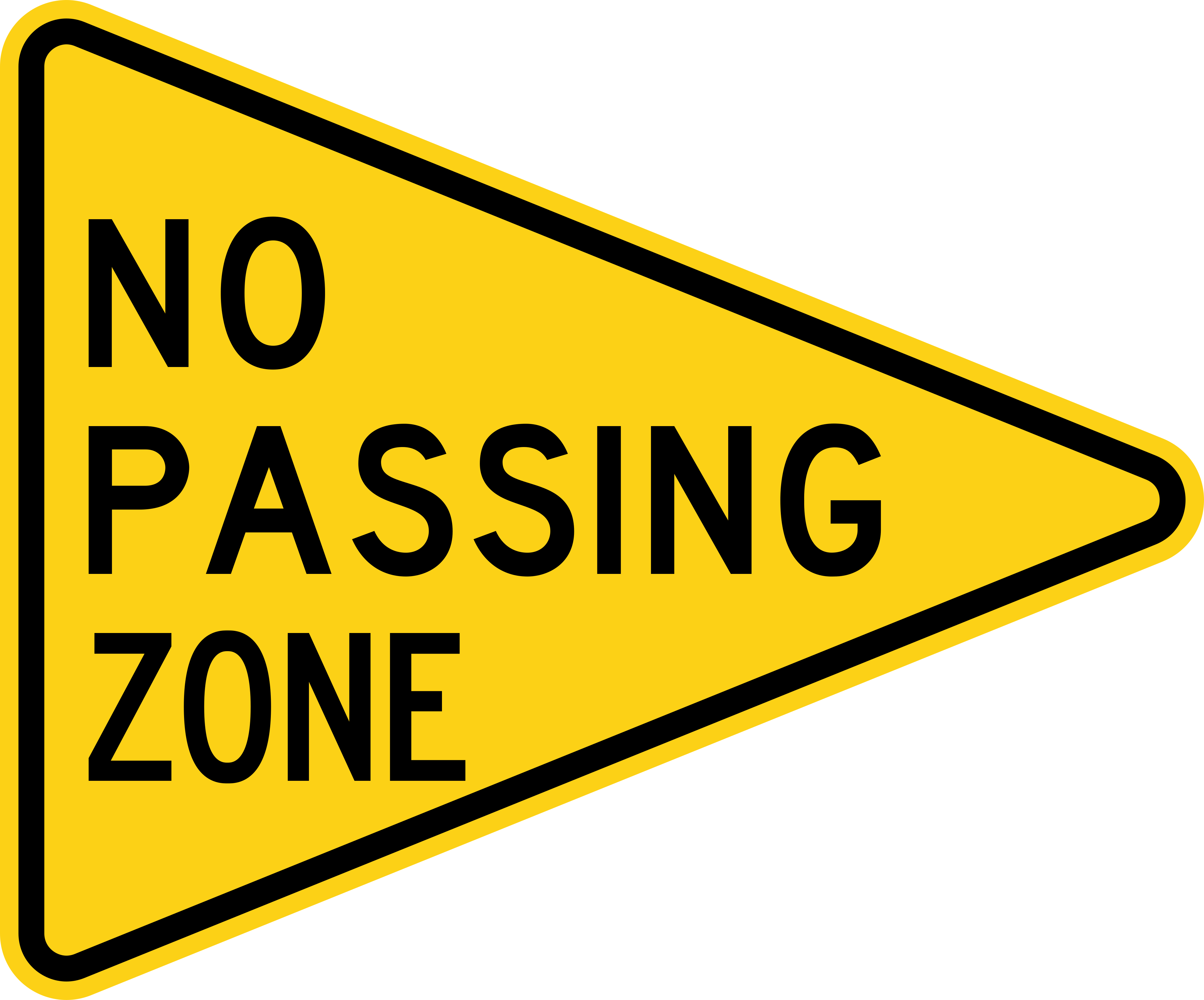
- No Passing Zone
- Playground

- Speed Hump

- School

- Truck Rollover

- Bridge Ices Before Road

- Road May Flood

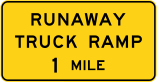
- Runaway Truck Ramp
Construction & work-zone signs


Guide signs


Service & information signs



New York road signs: frequently asked questions
Can I answer 14 questions correctly on the New York test and still fail?
Yes. Fourteen of twenty is the overall threshold, but the manual adds a second condition on top of it: two of the four road-sign questions must also be correct. Answer fourteen correctly while missing three of the four sign questions and the attempt is scored as a failure. The two conditions apply to the same sitting and neither one substitutes for the other.
Where does the New York manual actually put its road-sign material?
In two places. In the printed manual the SIGNS section opens Chapter 4, Traffic Control; in the DMV's online edition a separate chart titled "Road Signs You Must Know" sits after the numbered chapters with its own Road Signs Quiz. The DMV states that Chapters 4 through 11 contain the material required to pass the written test for a Class D, DJ or E learner permit, and that Part 1 — Chapters 1 through 3 — is information every driver should know but is not covered on the permit written test.
Is the motorcycle permit test in New York a different written test?
No. The manual describes one written test covering a Class D, M, DJ, MJ or E license, examining rules of the road, safe driving techniques, road signs and the alcohol and drug laws — so the sign requirement is identical for a motorcycle applicant. New York does recommend studying the Motorcycle Operator's Manual as well, and a commercial license has its own separate written test drawn from the Commercial Driver Manual.
Can I take New York's written test at my high school?
Sometimes. Through the DMV's Online Knowledge Test Application program, students who are at least 15 years and 11 months old can sit the written test at a participating New York high school, in English or Spanish, before applying for a learner permit. The test is scored automatically on screen; students who pass receive a receipt and the forms to bring to a motor vehicle office at 16, and students who fail may retake it online as many times as the school allows.
Does the New York driver's manual include practice questions?
Yes, and they are unevenly distributed. The DMV's online edition of the manual attaches an interactive quiz with actual test questions to each of Chapters 4 through 11, gives the "Road Signs You Must Know" chart a Road Signs Quiz of its own, and offers a combined quiz across all chapters. No chapter outside 4 through 11 has a quiz.
Official sources
- New York State Driver's Manual (MV-21)
- NY DMV — Driver's Manual and practice tests (online edition)
- New York State Department of Motor Vehicles
Checked against official state sources on 2026-07-29.