New Jersey Road Signs and Their Meanings
The MVC's own Knowledge Test page tells you what to study, which thirteen languages the written test comes in, how to book an interpreter and what a certified interpreter for a deaf applicant has to be — and never gives a question count or a pass mark. The numbers are in the manual that page sends you to. Chapter 2 of the New Jersey Driver Manual, New Jersey Driver Testing, states that the knowledge test consists of 50 questions, and the Test Requirements table on the following page sets the written standard at 80 percent, or 40 of the 50 questions answered correctly. If you have been hunting the MVC website for those figures and coming up empty, that is where they went.
None of that 80 percent is set aside for signs. New Jersey publishes a single written standard covering the whole test, sets no separate sign threshold beneath it, and never breaks the 50 questions down by subject. There is one wrinkle in how the manual counts, and it works in your favor: an organ-donation survey item rides along with the paper without belonging to the fifty the standard is measured against. Everything that does count is scored together, which means a driver who is strong on rules and vague on signs is relying on the sign questions being a small slice of a paper whose composition New Jersey has never described.
New Jersey keeps its sign reference at the back of the book. Chapters one through ten of the New Jersey Driver Manual cover the license system, driver testing, driver responsibility, safe driving rules, defensive driving, drinking, drugs and health, privileges and penalties, sharing the road, vehicle information and a complete motorcycle manual; the signs, signals and road markings are in the first of the manual's two appendix chapters, Chapter 11: Driver Safety, beginning on page 211. The manual divides signs into three basic categories — Warning, which warn of hazards ahead that are difficult to see; Guidance, which identify the route to a destination; and Regulatory, which regulate traffic speed and movement — then treats Road Work Signs and Special Warning Signs alongside them, and the citations on this bank use those headings because they are the manual's own. One consequence of the layout is worth knowing before you start reading: the sign reference sits nearly two hundred pages behind the chapter that tells you the knowledge test exists, so a driver working front to back reaches the signs last.
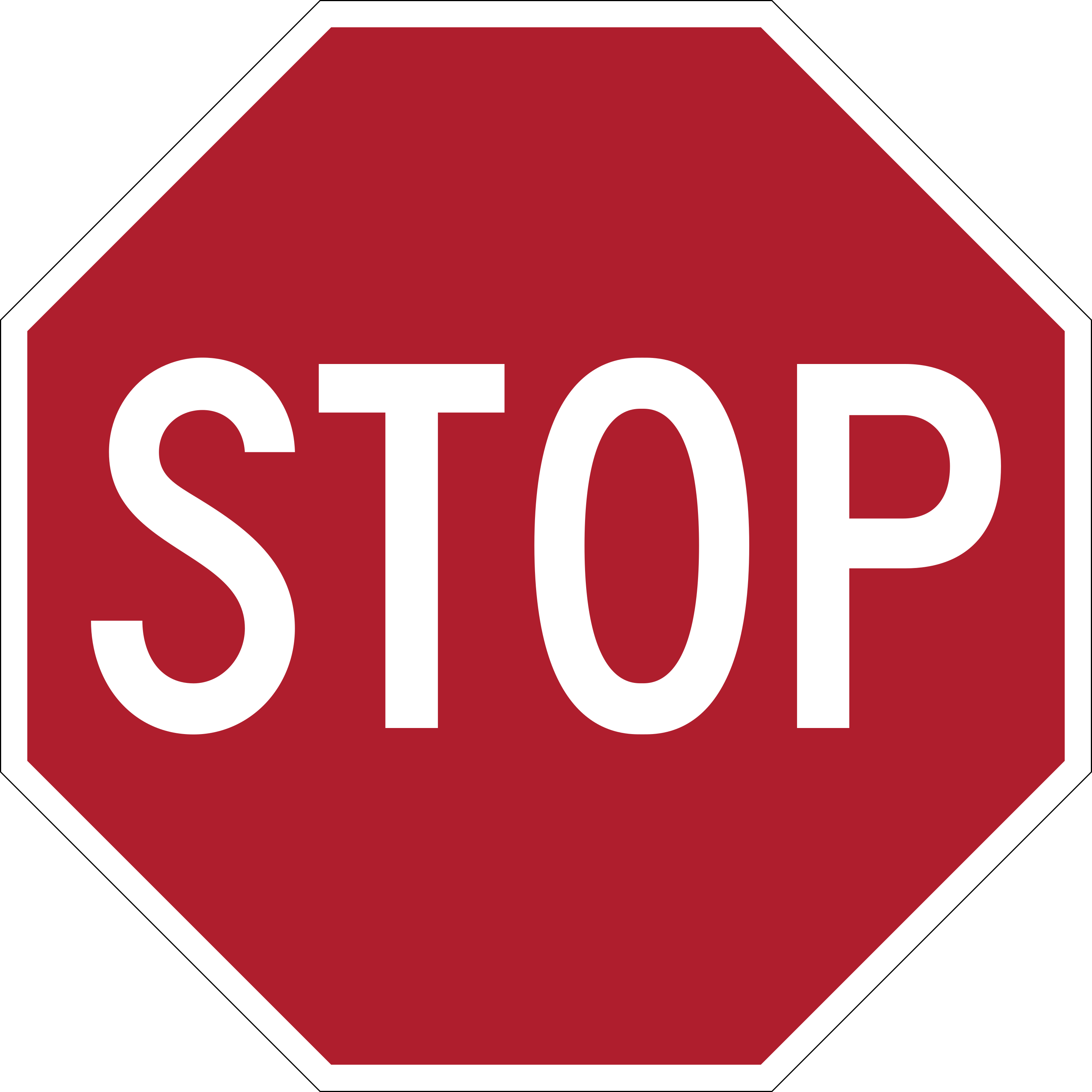
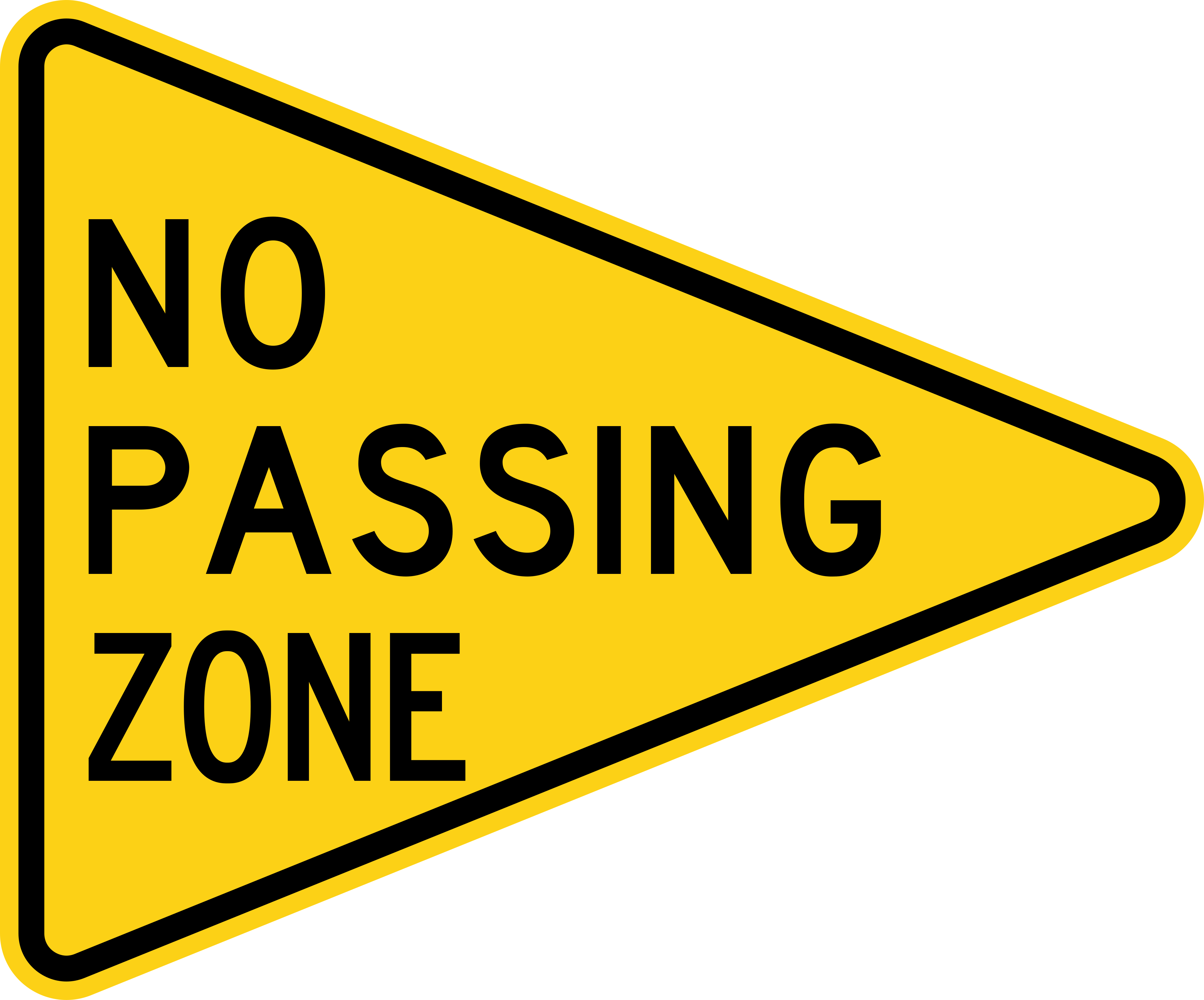
The framework these questions lean on is a grid, not a paragraph. New Jersey's manual lays out color, shape, number of sides and message together in one table, and the column that does the work is the third one: an octagon has eight sides and is used for STOP signs only, a red triangle has three and is YIELD, a yellow pennant has three and warns of a no-passing zone, a yellow pentagon has five and means school, and the railroad crossbuck is simply listed as an X with no side count at all. A driver who can count sides can place an unfamiliar sign before reading a word of it, which is exactly the skill the table is built to teach — and it is why several questions in this set turn on shape rather than on wording.
34 published New Jersey road-sign questions, each with an explanation and a citation to the handbook section it came from.
Content reviewed against official driver handbooks · August 12, 2026
Every sign you can be tested on in New Jersey
Regulatory signs
- Stop
- Yield
- Do Not Enter
- Wrong Way
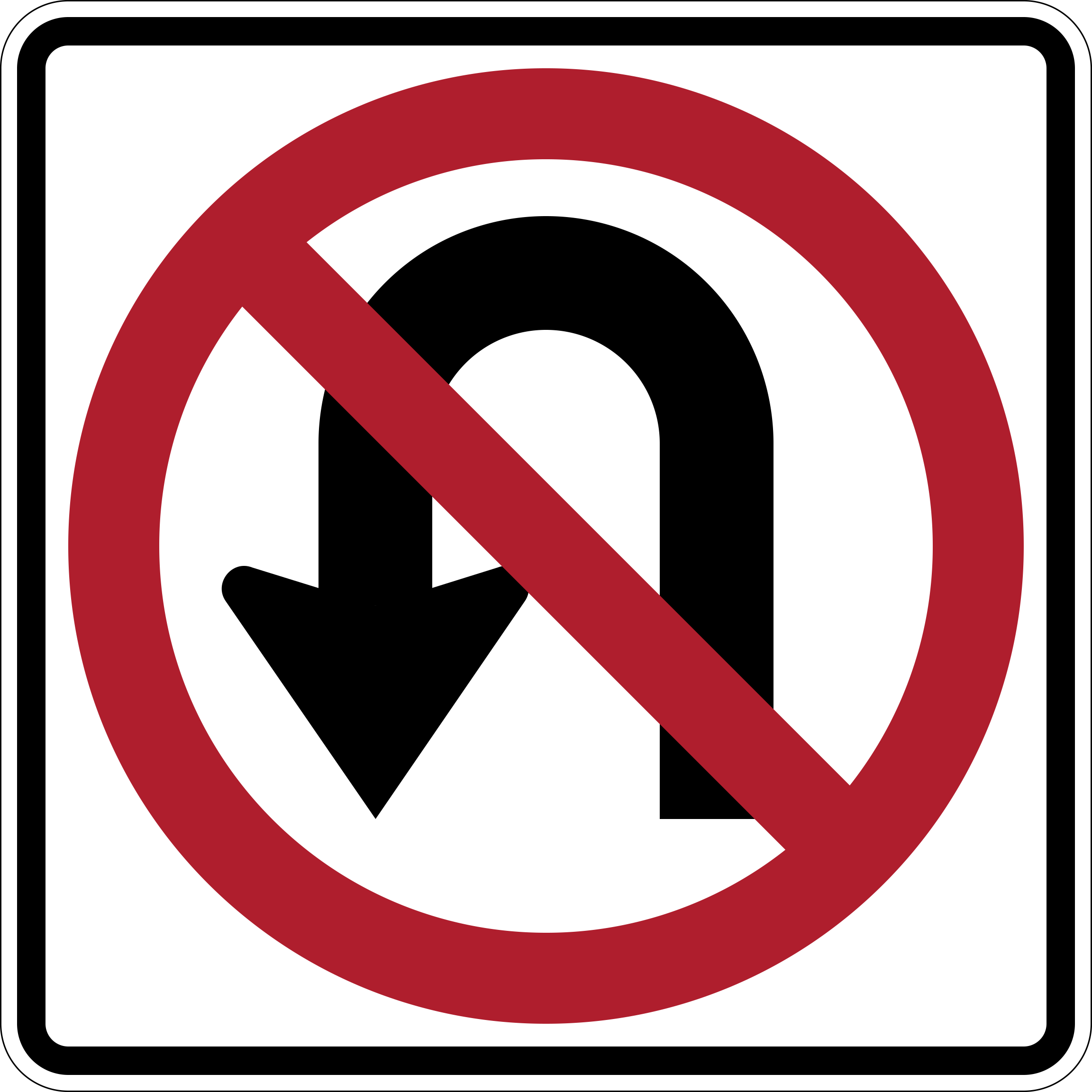
- No U-Turn
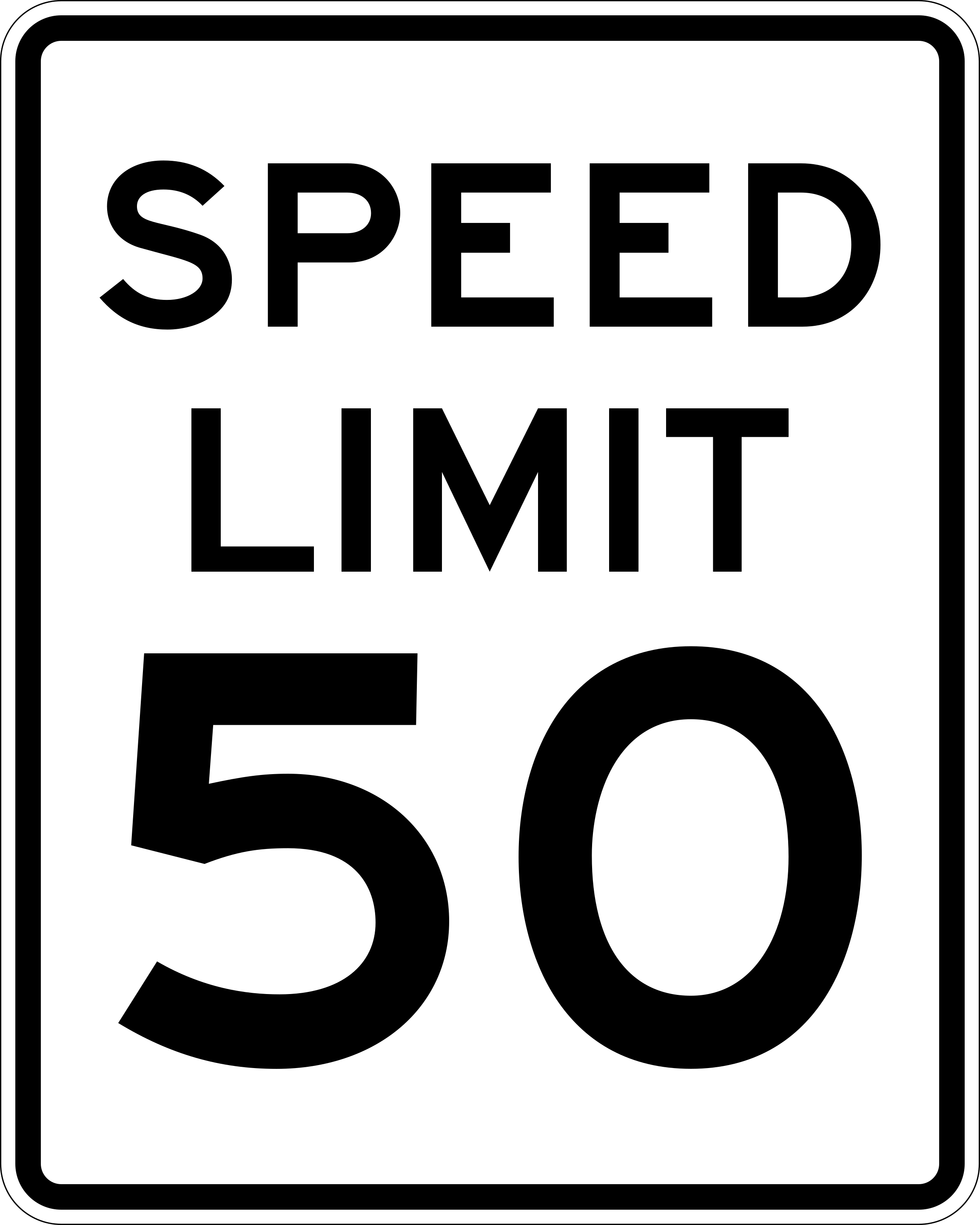
- Speed Limit
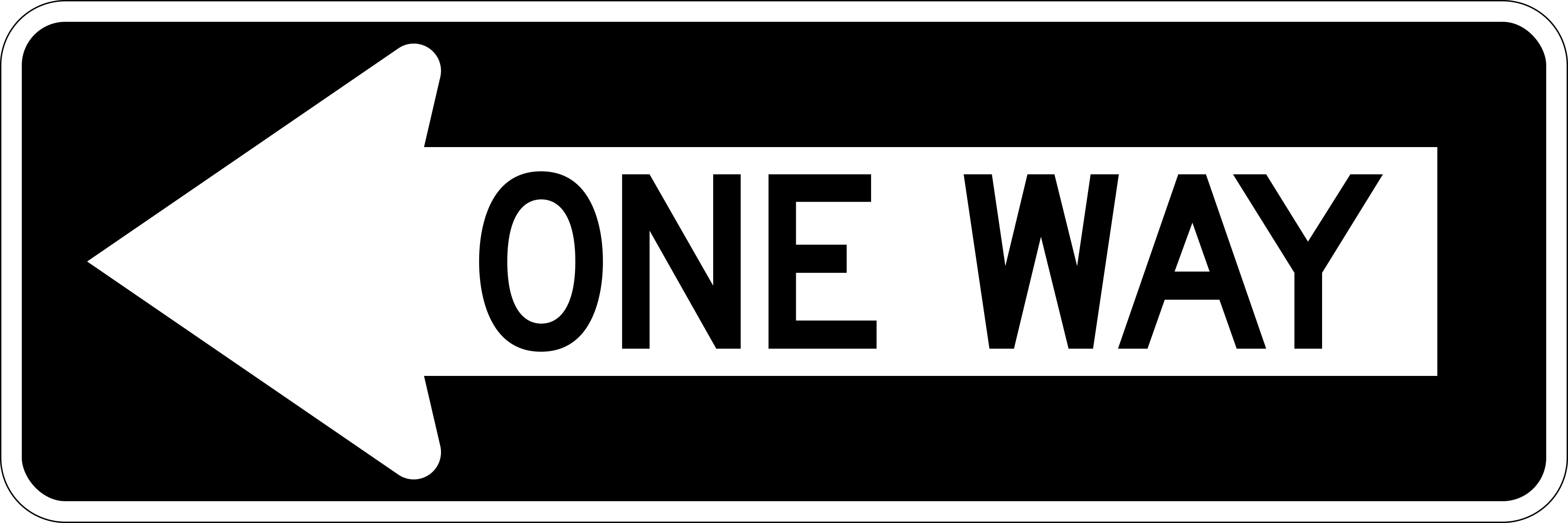
- One Way
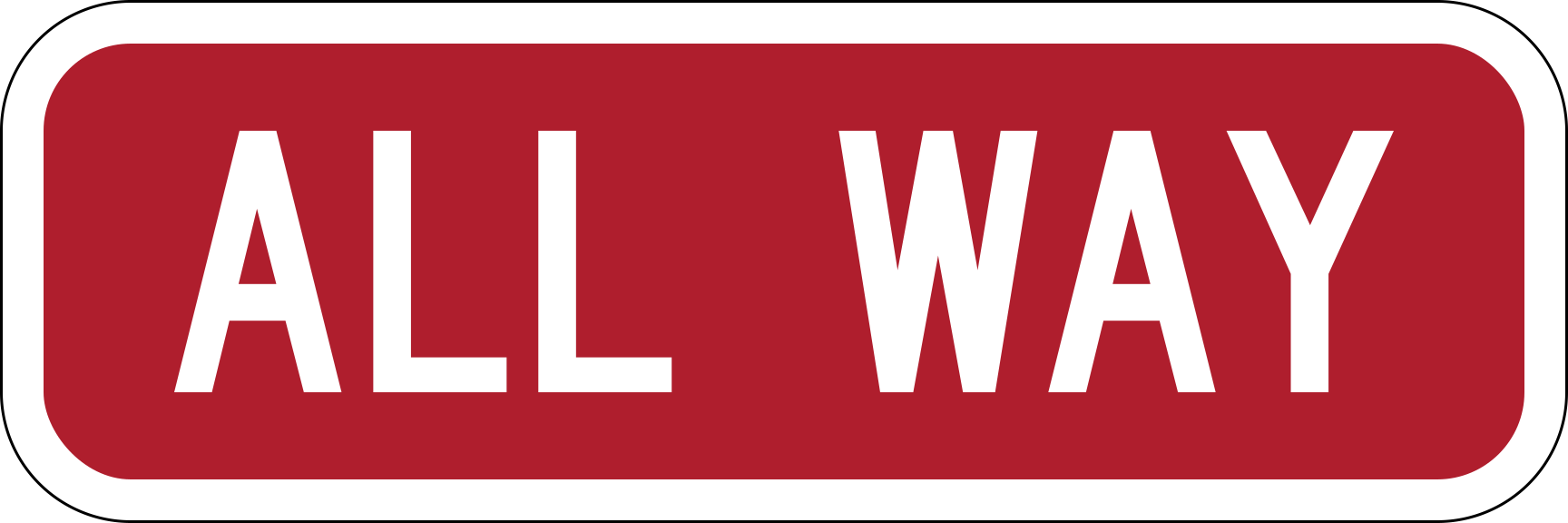
- All Way
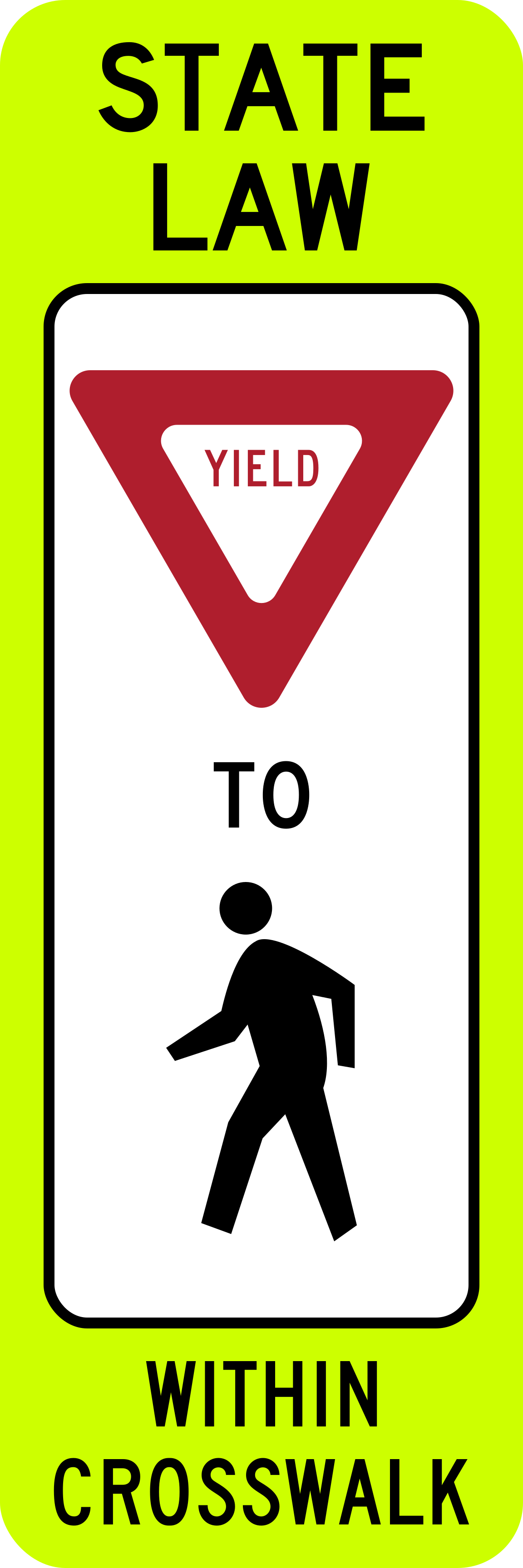
- State Law: Yield to Pedestrians
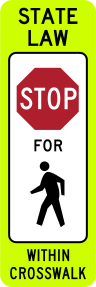
- State Law: Stop for Pedestrians
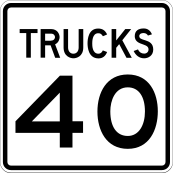
- Truck Speed Limit
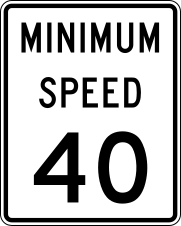
- Minimum Speed Limit
- Reduced Speed Limit Ahead
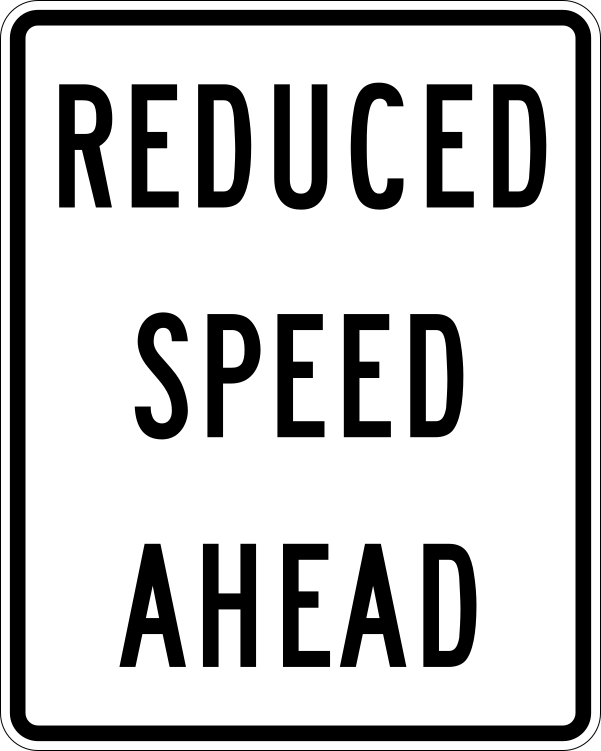
- Begin Higher Fines Zone
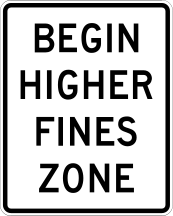
- End Higher Fines Zone
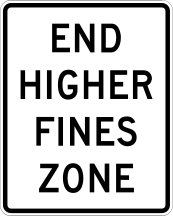
- No Right Turn
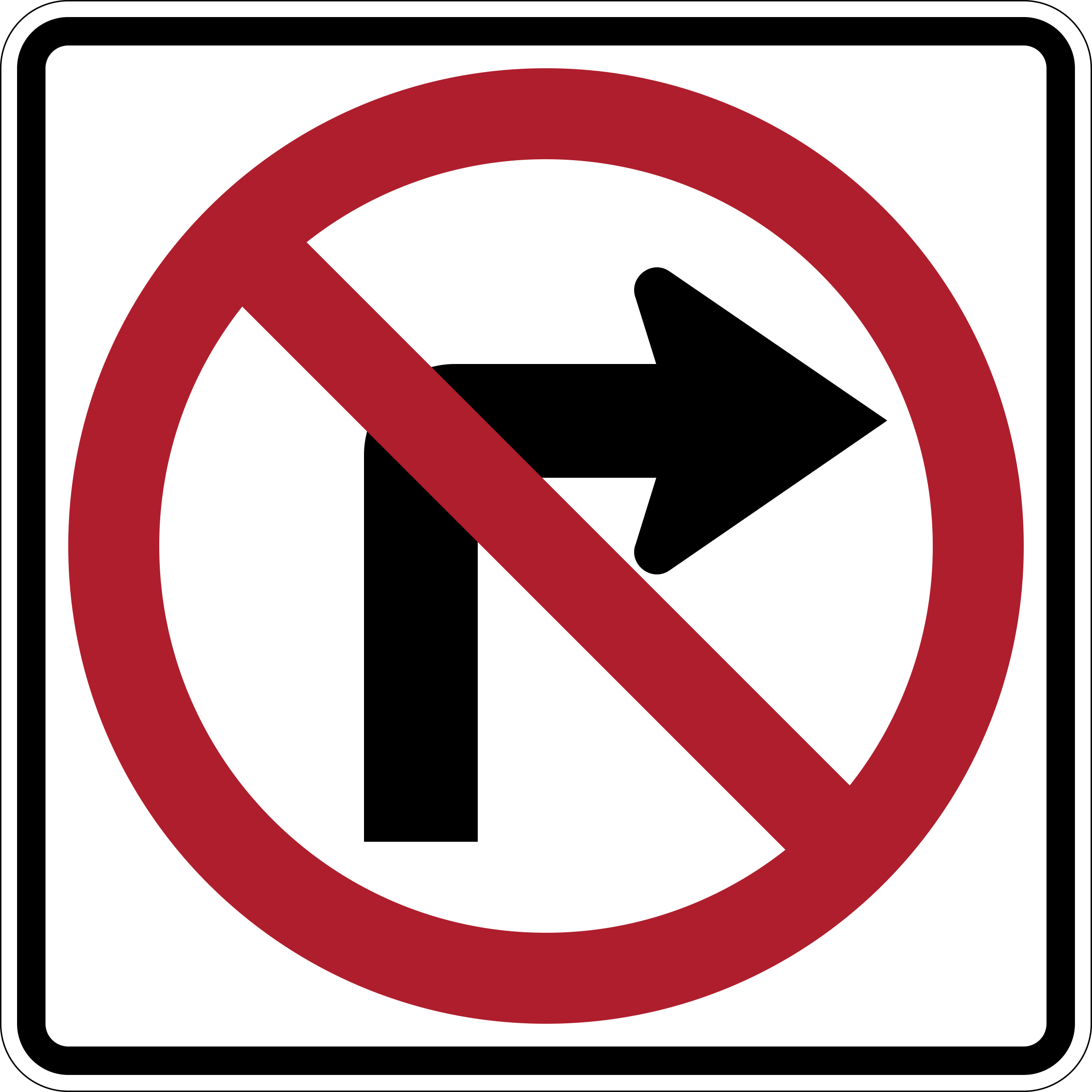
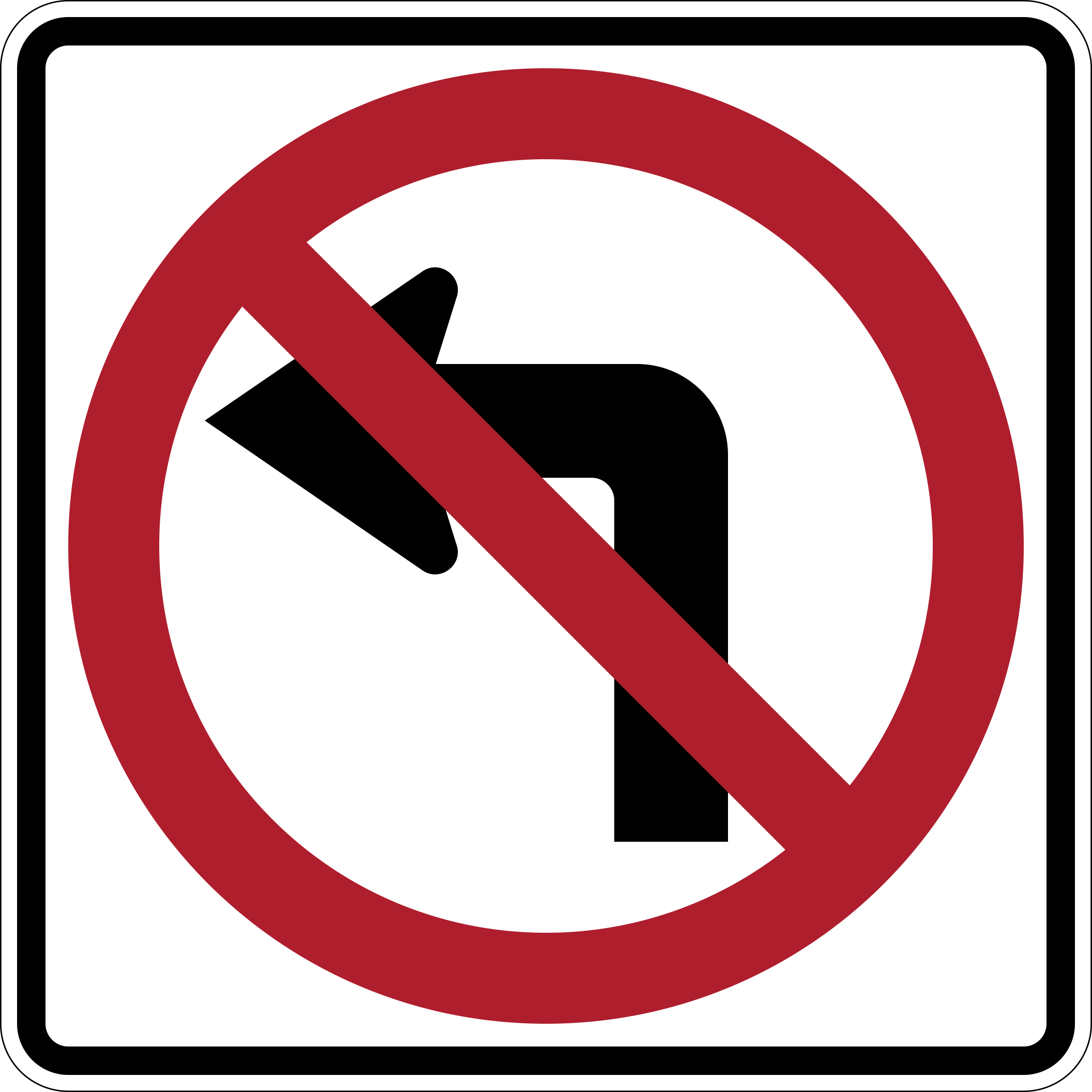
- No Left Turn
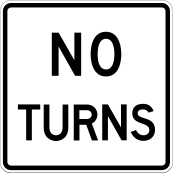
- No Turns
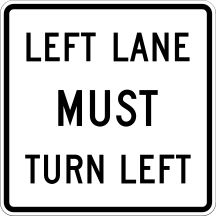
- Left Lane Must Turn Left
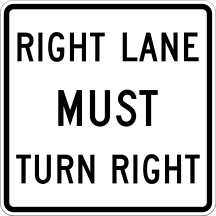
- Right Lane Must Turn Right
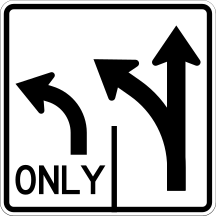
- Intersection Lane Control
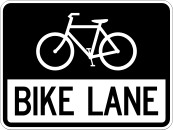
- Bike Lane
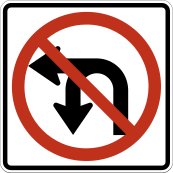
- No Left or U-Turn
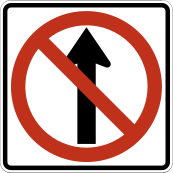
- No Straight Through
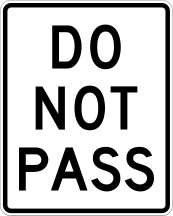
- Do Not Pass
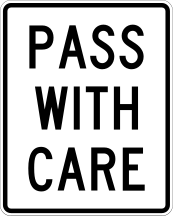
- Pass With Care
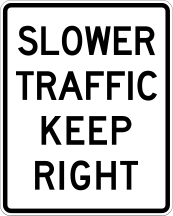
- Slower Traffic Keep Right
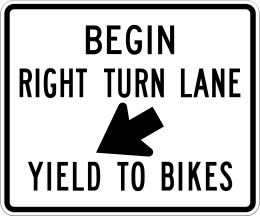
- Begin Right Turn Lane — Yield to Bikes
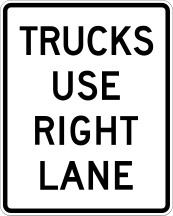
- Trucks Use Right Lane
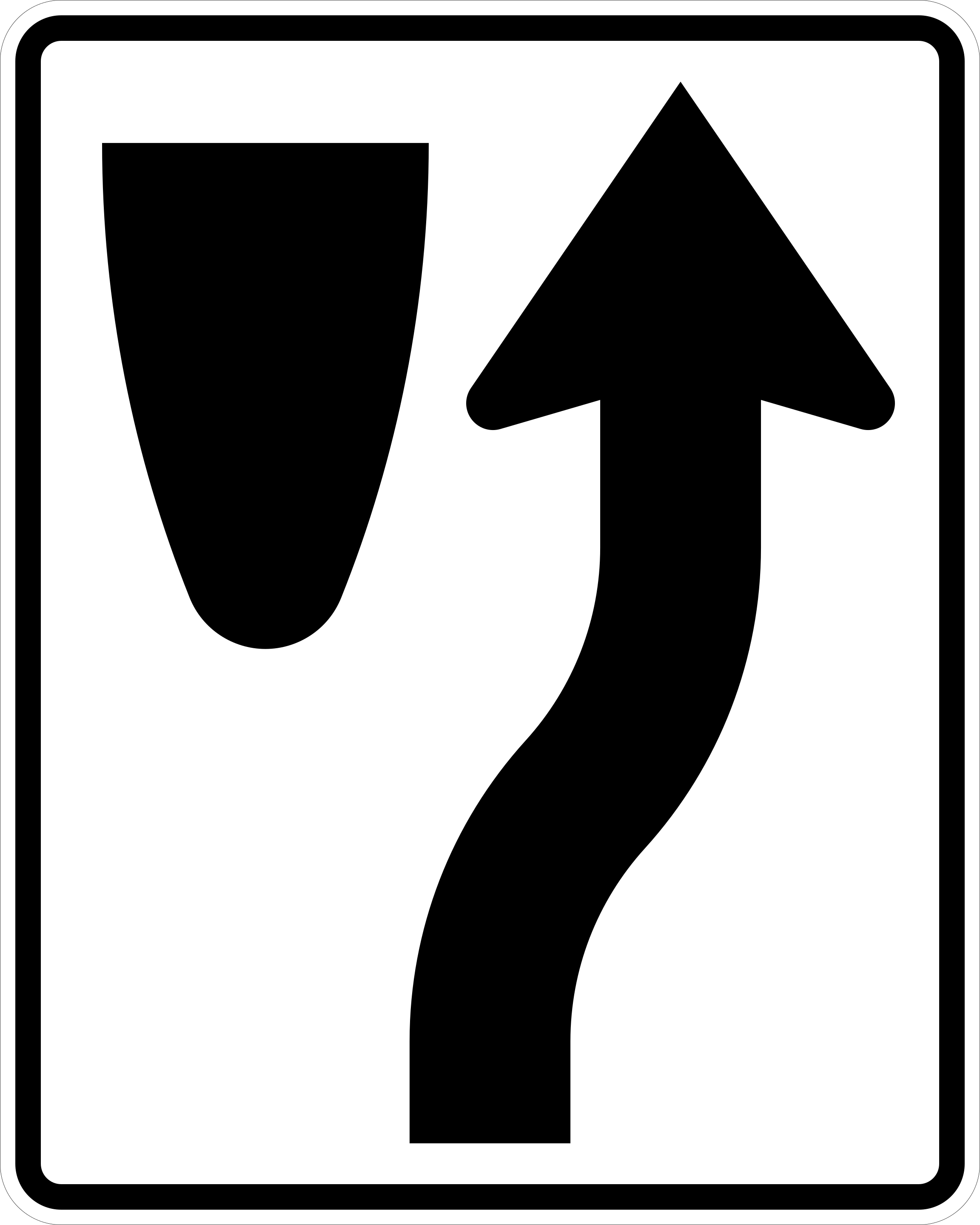
- Keep Right
- Keep Left
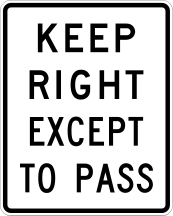
- Keep Right Except to Pass
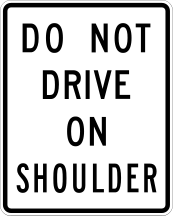
- Do Not Drive on Shoulder
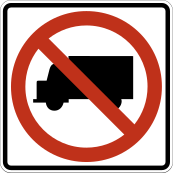
- No Trucks
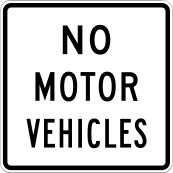
- No Motor Vehicles
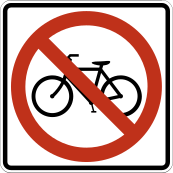
- No Bicycles
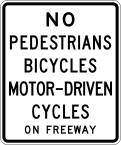
- No Pedestrians, Bicycles, or Motor-Driven Cycles
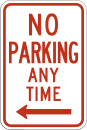
- No Parking Any Time
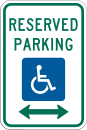
- Accessible Parking
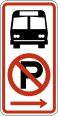
- No Parking Bus Stop
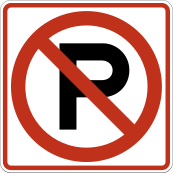
- No Parking
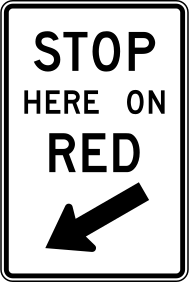
- Stop Here on Red
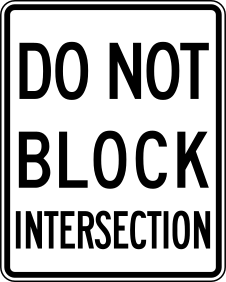
- Do Not Block Intersection
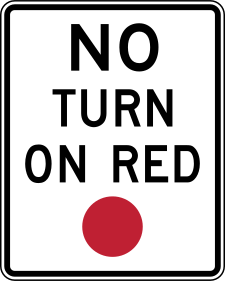
- No Turn on Red
- Left Turn Yield on Green
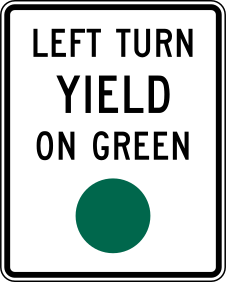
- Road Closed
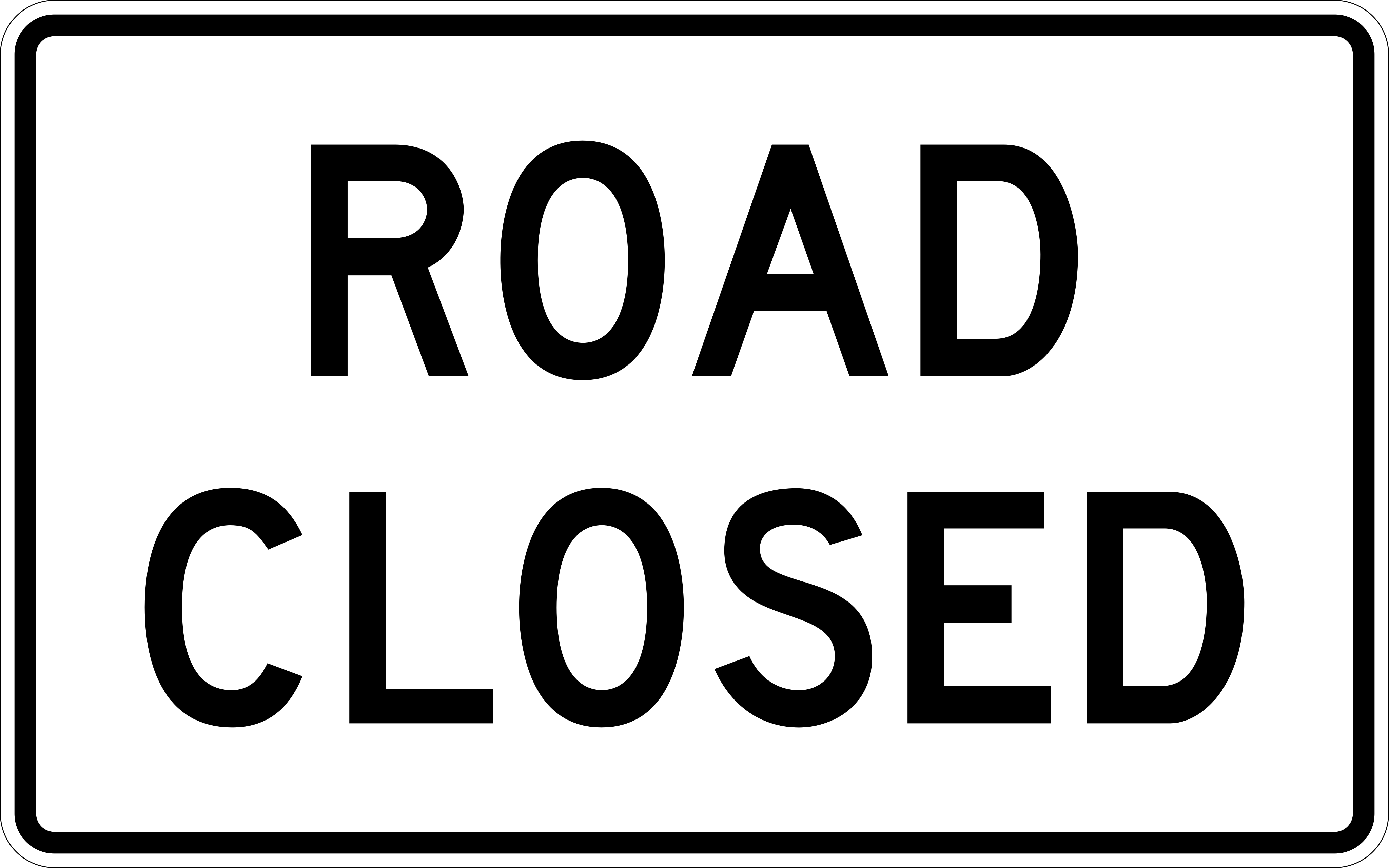
- Road Closed — Local Traffic Only
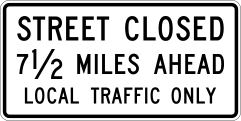
- Road Closed to Thru Traffic
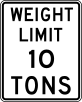
- Weight Limit
- No Hazardous Materials

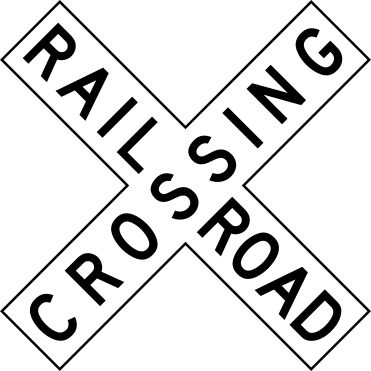
- Railroad Crossing (Crossbuck)
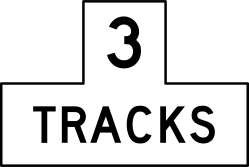
- Number of Tracks
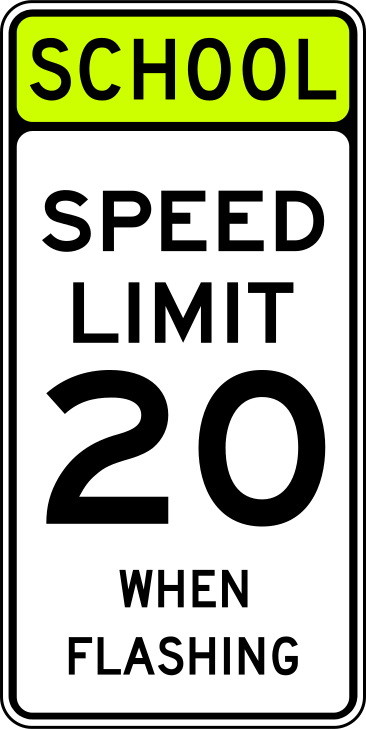
- School Speed Limit When Flashing
- HOV Lane
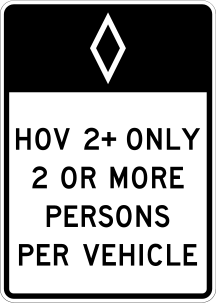
- Exempt

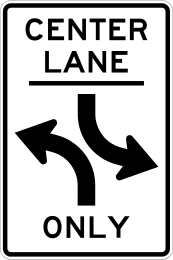
- Two-Way Left Turn Only
Warning signs
- Turn Ahead

- Stop Ahead

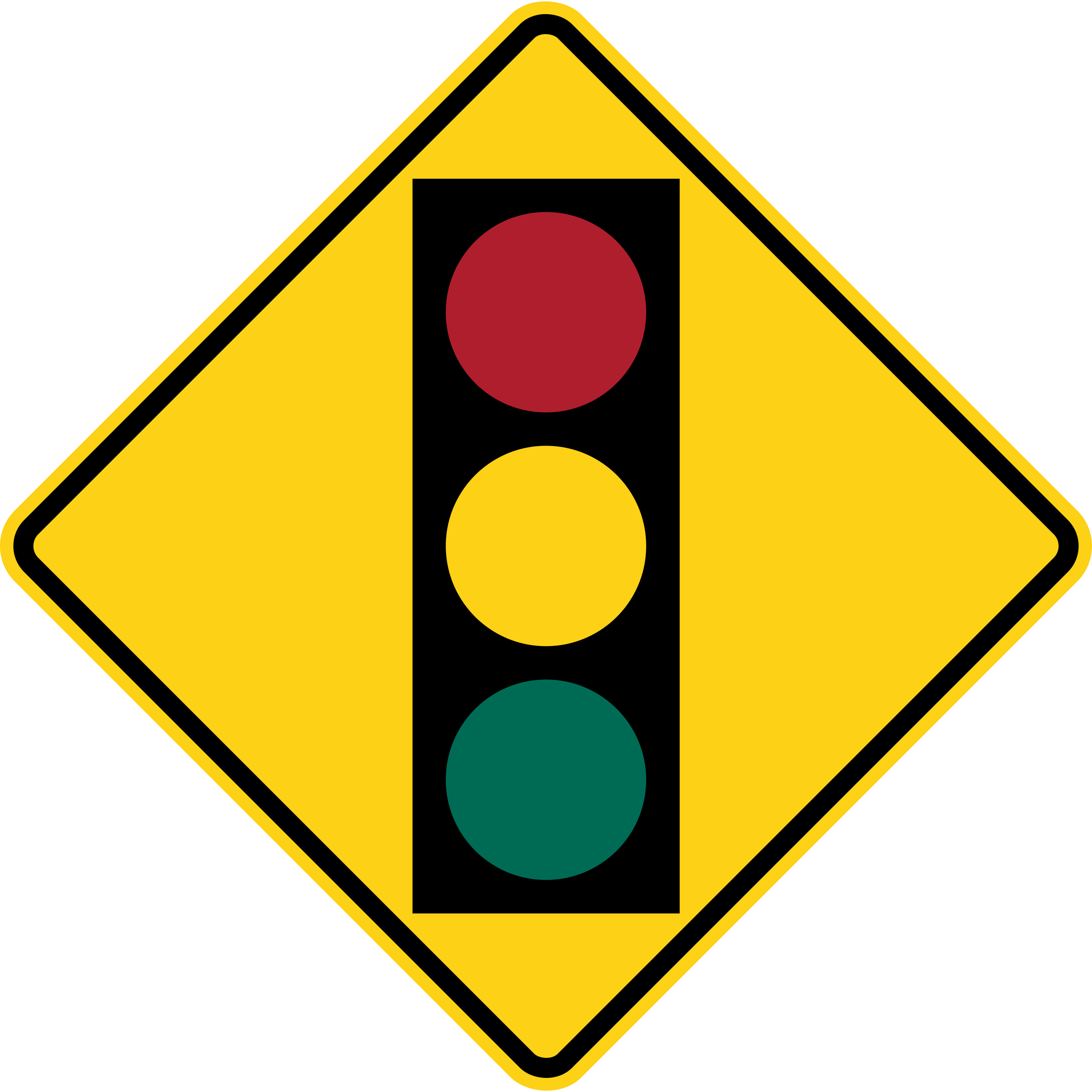
- Signal Ahead
- Pedestrian Crossing

- Curve

- Reverse Turn

- Reverse Curve

- Winding Road

- One-Direction Large Arrow
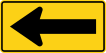
- Two-Direction Large Arrow

- Chevron Alignment

- Hairpin Curve

- Cross Road

- Side Road

- Roundabout Ahead

- Yield Ahead

- Be Prepared to Stop

- Reduced Speed Limit Ahead
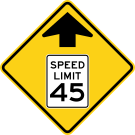
- Merging Traffic

- Lane Ends

- Added Lane

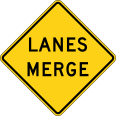
- Lanes Merge
- Road Narrows

- Narrow Bridge

- One Lane Bridge

- Ramp Narrows

- Divided Highway Begins

- Divided Highway Ends

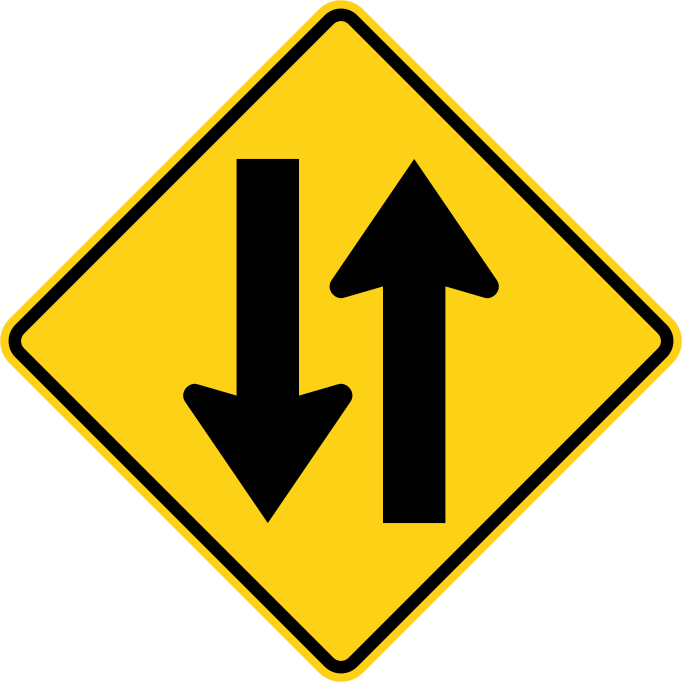
- Two-Way Traffic
- Hill / Steep Grade

- Bump

- Dip

- Pavement Ends

- Soft Shoulder

- Slippery When Wet

- Loose Gravel

- Rough Road

- Low Shoulder

- Uneven Lanes

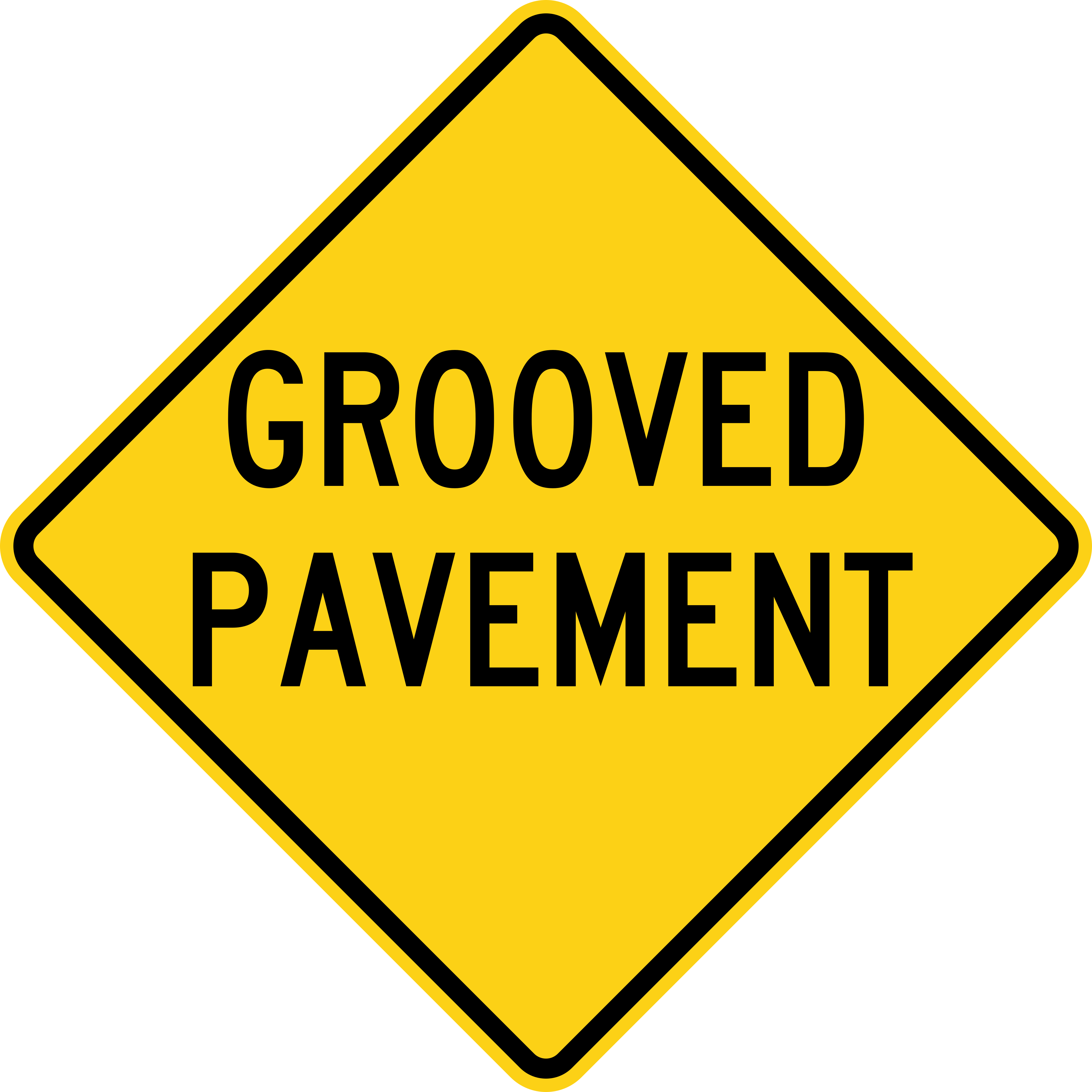
- Grooved Pavement
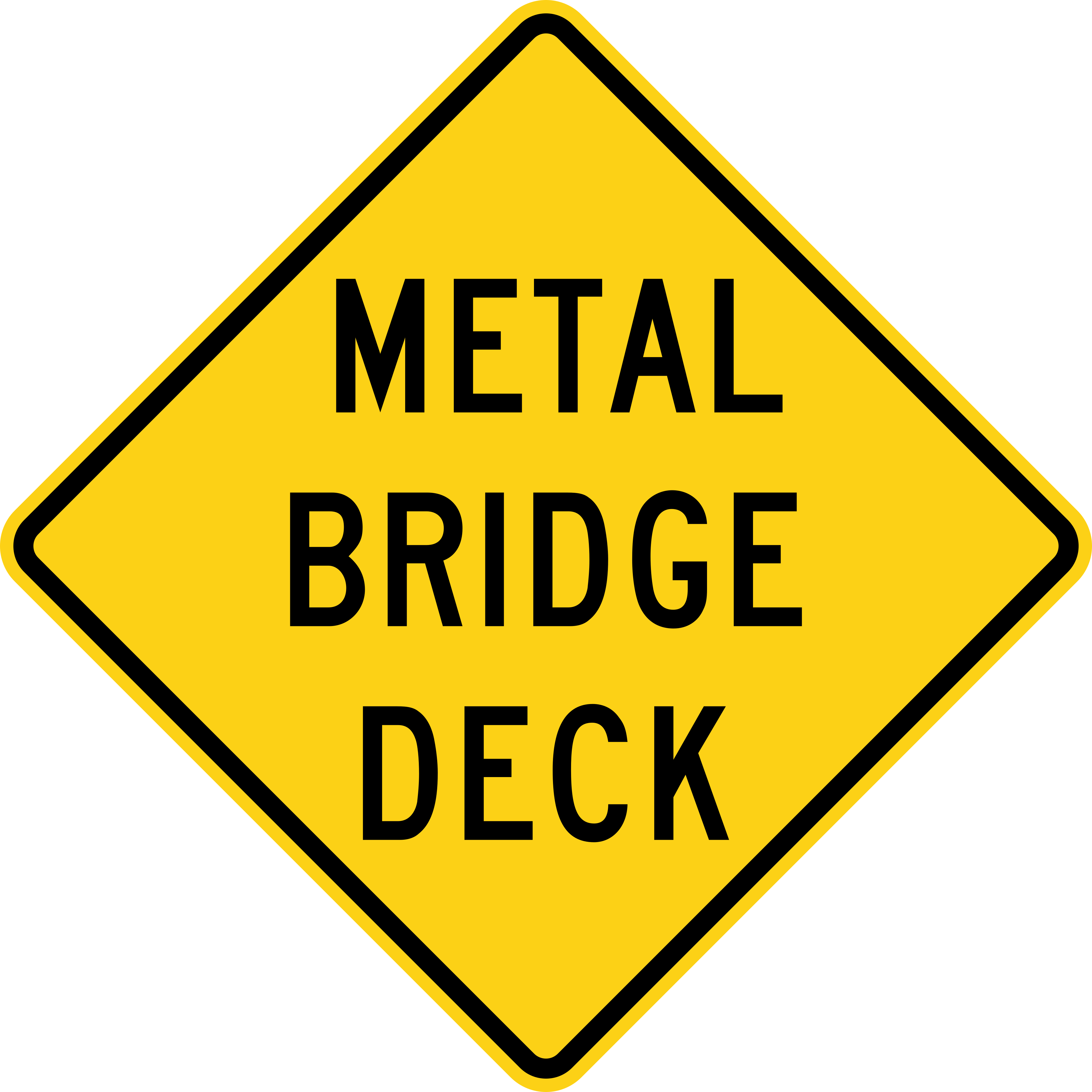
- Metal Bridge Deck
- Railroad Crossing Ahead

- Bicycle Crossing

- Deer Crossing

- Cattle Crossing

- Farm Machinery

- Snowmobile Crossing

- Equestrian Crossing

- Persons with Disabilities

- Golf Cart Crossing

- Horse-Drawn Vehicle Crossing

- Low Clearance

- Advisory Speed

- Dead End

- No Outlet

- No Passing Zone
- Playground

- Speed Hump

- School

- Truck Rollover

- Bridge Ices Before Road

- Road May Flood

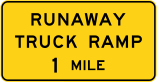
- Runaway Truck Ramp
Construction & work-zone signs


Guide signs


Service & information signs



New Jersey road signs: frequently asked questions
I am moving to New Jersey with a valid license. Do I still have to take the knowledge test?
Probably not, if you are 18 or older. New Jersey may waive the knowledge and road tests for an applicant at least 18 years of age who submits a valid, non-provisional license issued by any of the 50 states, the District of Columbia, the U.S. territories of Samoa and Guam, Puerto Rico or the U.S. Virgin Islands. You still meet the 6-Point ID requirement, you surrender the old license, and you are issued a four-year basic New Jersey license. Applicants between 17 and 18 get a probationary license for a year under the GDL rules instead, and all out-of-country applicants must pass the knowledge test and a vision screening.
Does the organ donation question count against my score?
No. New Jersey's manual adds the item to the paper without adding it to the count — its phrasing is "plus, a survey question about organ donation" — and the passing standard is written against the fifty, not against fifty-one. Answer it whichever way you mean it; nothing about your result moves either way.
What does a railroad crossbuck mean in New Jersey?
New Jersey lists the crossbuck under regulatory signs and defines it in one line: the X-shaped railroad crossing sign with black wording on a white background means the same as a Yield sign. Motorists must always yield the right-of-way to trains, on the manual's blunt reasoning that trains cannot swerve to avoid motorists. The manual also separates passive from active warning at a crossing: pavement markings, signs and crossbucks are passive; flashing red lights, ringing bells and lowered gates are active.
What do the green and red truck signs on New Jersey routes mean?
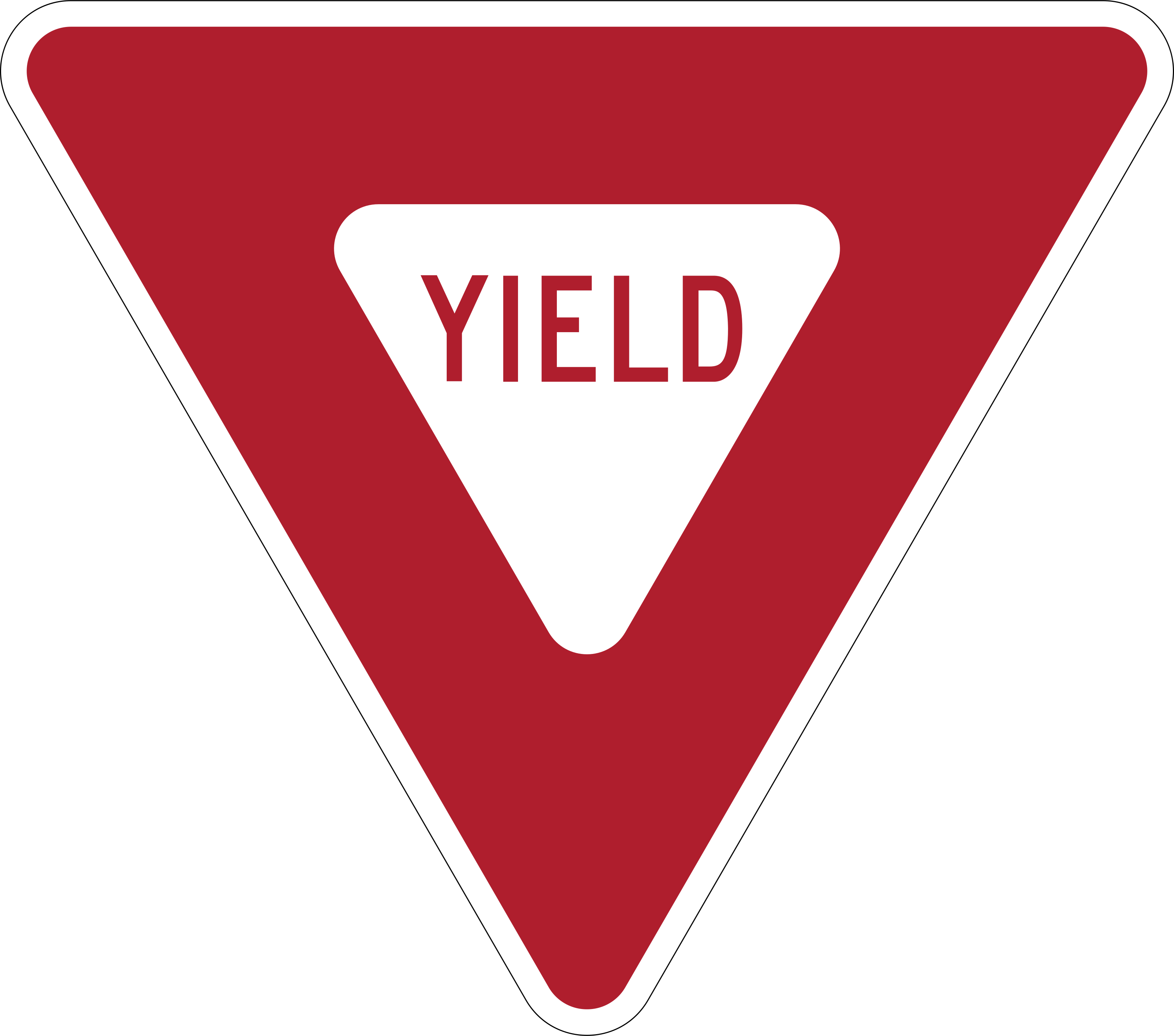
They mark where certain interstate trucks may and may not go. The manual describes them as two national signs now in use in New Jersey: green marks the routes and ramps where trucks are permitted, and also marks the travel route to services and terminals; red marks the routes and ramps where trucks are prohibited, and marks the end of designated routes. They sit in the manual's regulatory section alongside STOP, YIELD, DO NOT ENTER and the crossbuck, so they carry the force of a regulatory sign rather than of a suggestion.
Are traffic fines really doubled in New Jersey work zones?
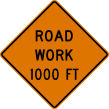
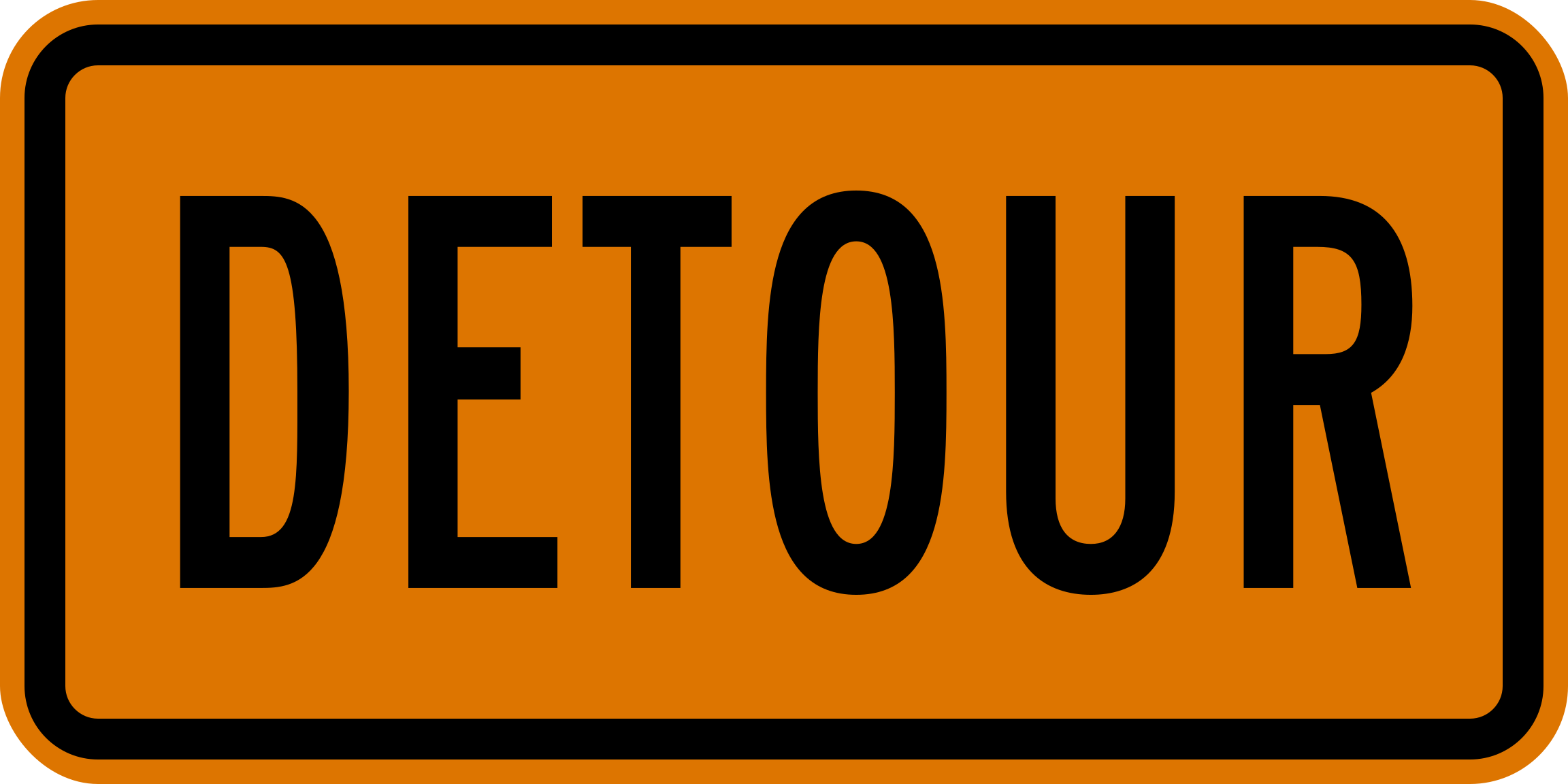
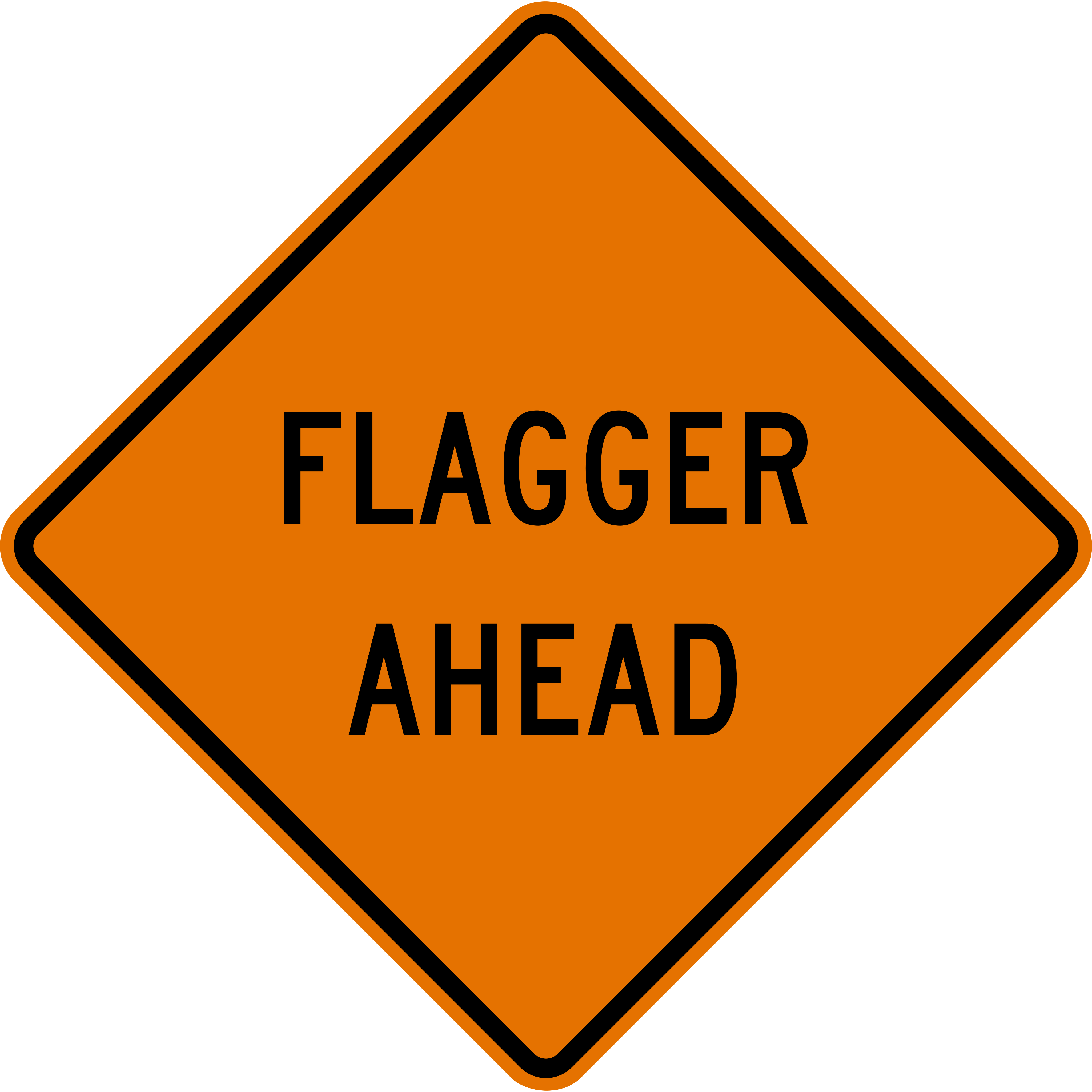
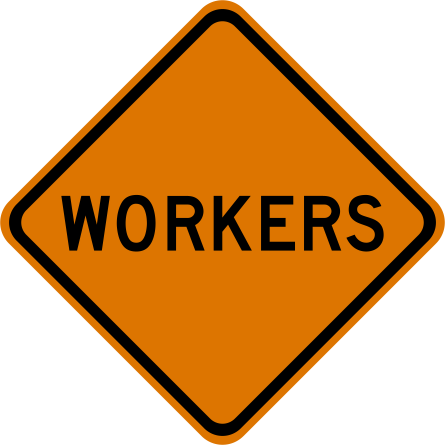
Yes — the manual states it flatly: in New Jersey, all traffic fines are doubled in work zones. Reduced speed limit signs are posted alongside the orange work zone signs, and the orange diamonds themselves warn of lane closings, lane shifts, flaggers, uneven pavement and detours. One rule is easy to miss and expensive to break: a flagger has the same authority as a regulatory sign, so disobeying a flagger's directions can be cited exactly as ignoring a posted sign would be.
Official sources
Checked against official state sources on 2026-07-29.