California Road Signs and Their Meanings
The chart on this page is arranged by shape and color, because that is how a sign announces itself from a distance. California's own handbook opens its sign pages with the opposite instruction. Under a single one-word heading — Signs — the first line the California Driver's Handbook prints is: "Obey all warning signs regardless of their shape or color." The department does not explain the sentence, and it is worth not over-reading. What it plainly says is that your duty to obey a warning sign is not conditional on classifying it first. Shape and color are how you recognize a sign early enough to act; they are not a test the sign has to pass before it binds you. Learn the outlines to get fast, then learn the meanings so that the speed is worth something.
No part of California's knowledge test is set aside for signs, and no part of its length is published either. Section 3 of the handbook describes the exam in three sentences: you must pass "a knowledge test with multiple choice questions", you are allowed three attempts before you must reapply, and a minor who fails must wait a week before retaking it. It never says how long the test is, and the pages on dmv.ca.gov that describe the testing process do not state a length either. Thirty-six items with thirty right are the numbers a California practice paper is built on here, and forty-six is what gets quoted for the under-eighteen version; both have circulated for years without appearing in anything the department itself prints. One rule is stated plainly and is worth planning around: "You are not allowed to use any testing aids during knowledge tests, such as a California Driver's Handbook or cell phone." There is a single substitute for the exam, and an original applicant cannot use it: the DMV restricts eLearning to eligible renewals of a noncommercial Class C license.
The handbook ends its sign pages by sending you to a different department. "For more information about signs, visit dot.ca.gov/programs/safety-programs/sign-charts" — that is Caltrans, not the DMV, and the page it points at is candid about its own limits: the California MUTCD sign charts there "contain commonly used signs in California and is not meant to be used as a comprehensive or stand-alone design tool." The DMV's own treatment is short and filed where you may not think to look for it. Signs sit inside Section 7, Laws and Rules of the Road, between the pedestrian signal material before them and the right-of-way rules after, running roughly three pages. Within those pages California groups by color and function rather than by outline: Red and White Regulatory Signs, White Regulatory Signs, Highway Construction and Maintenance Signs, Guide Signs, Hazardous Loads Placards, Slow Moving Vehicle, then Warning Signs, then a short run of shape glosses — a five-sided sign means a school is near, a diamond "warns you of specific road conditions and dangers ahead", and a white rectangular sign "communicates many important rules you must obey."
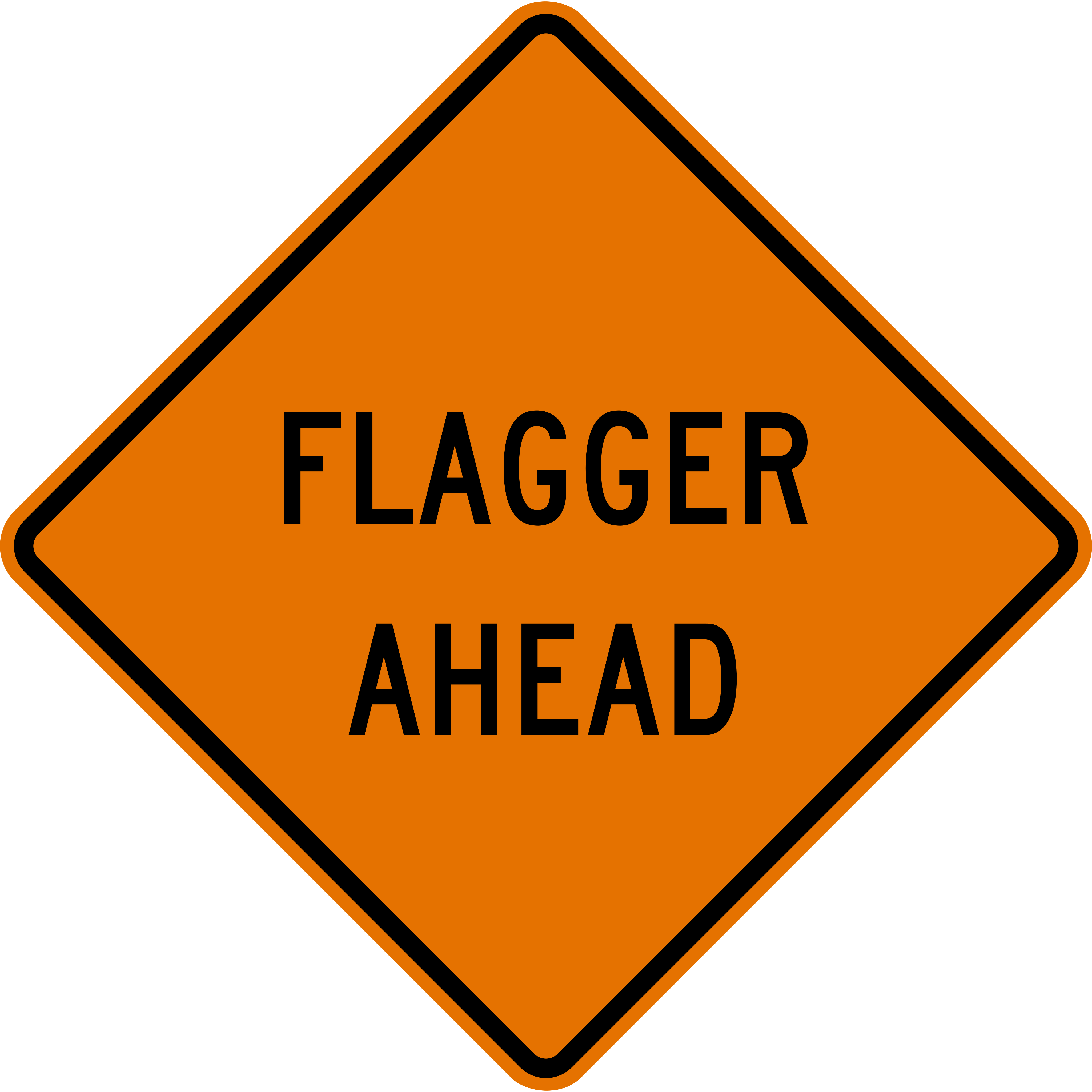
The hardest work in this California set is not telling a diamond from a rectangle. It is telling one yellow diamond from another. Four of the published questions here differ only in the arrow drawn on the same yellow diamond face — one bending sharply, one curving gently, one winding in an S, one turning first one way and then back — and three more put a stop symbol, a traffic signal and a yield symbol inside that same outline. That is a great deal of weight on one shape, and the handbook's own gloss explains why the load is bearable: the outline is a promise that something particular is coming, and the symbol is where the particulars actually live. Two questions in the set sit outside all of that, and both concern something attached to a vehicle rather than planted beside the road — the diamond placard on a truck carrying a hazardous load, and the route markings for neighborhood electric vehicles.
37 published California road-sign questions, each with an explanation and a citation to the handbook section it came from.
Content reviewed against official driver handbooks · August 12, 2026
Every sign you can be tested on in California
Regulatory signs
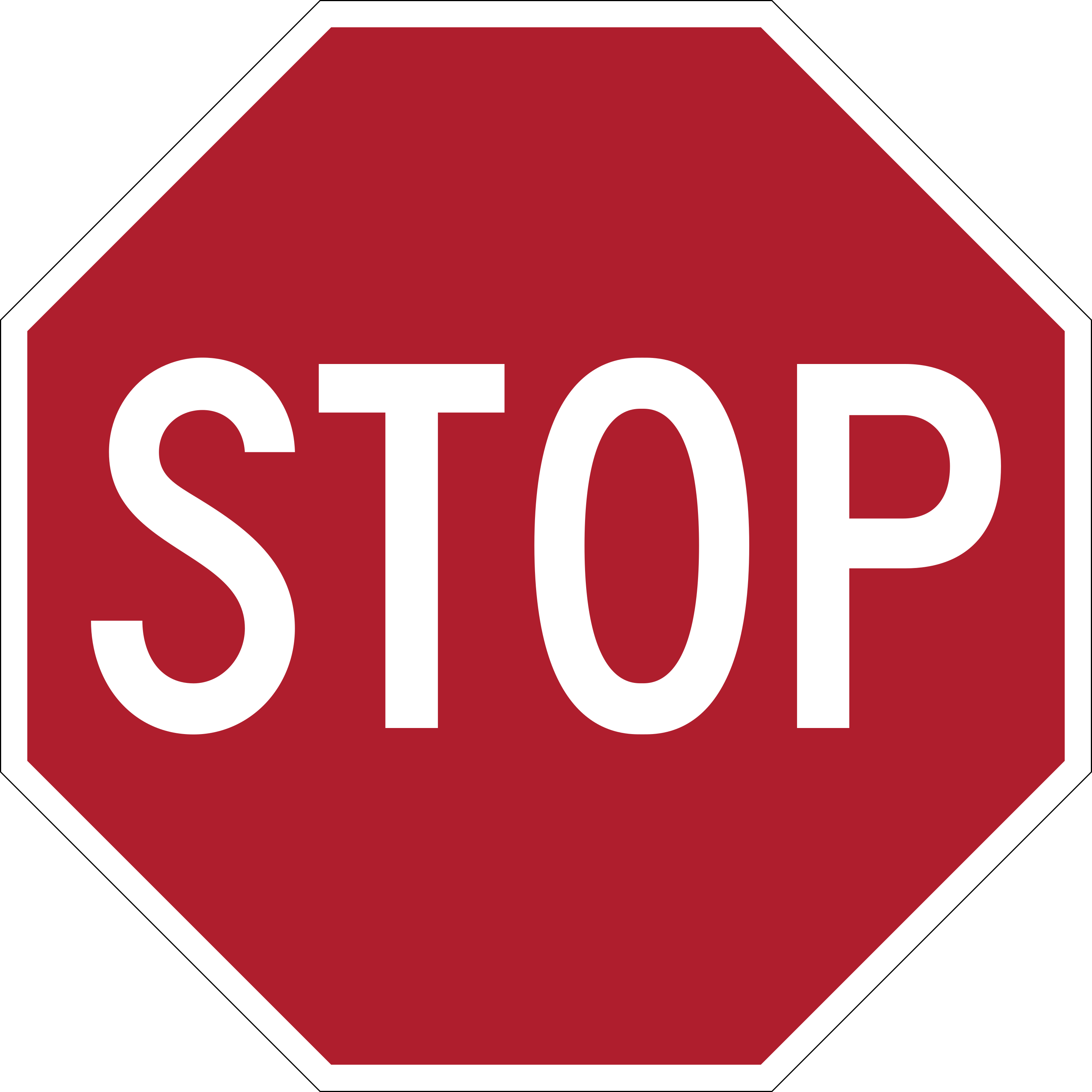
- Stop
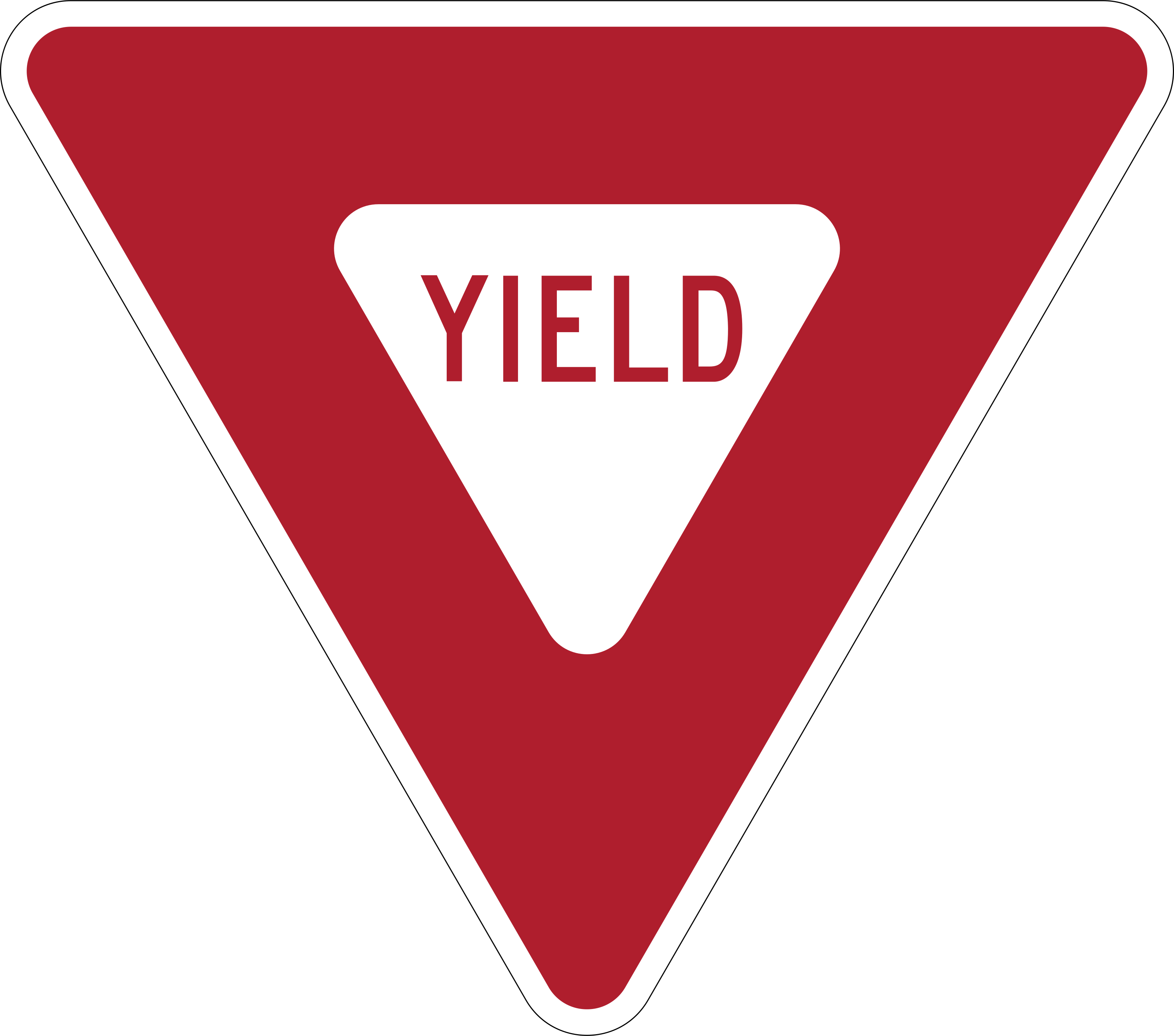
- Yield
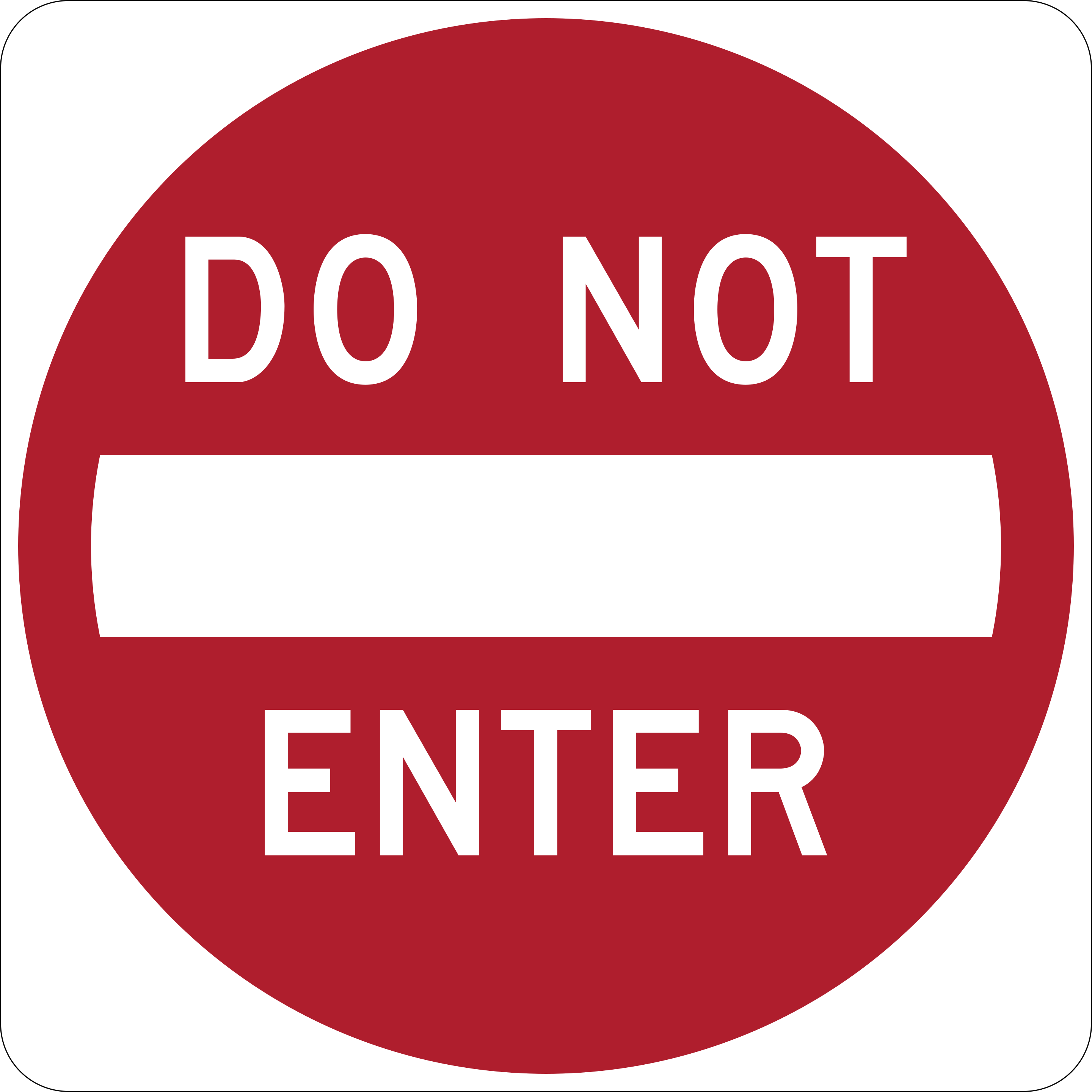
- Do Not Enter
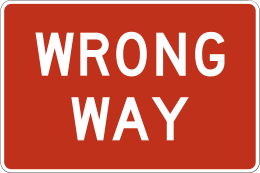
- Wrong Way
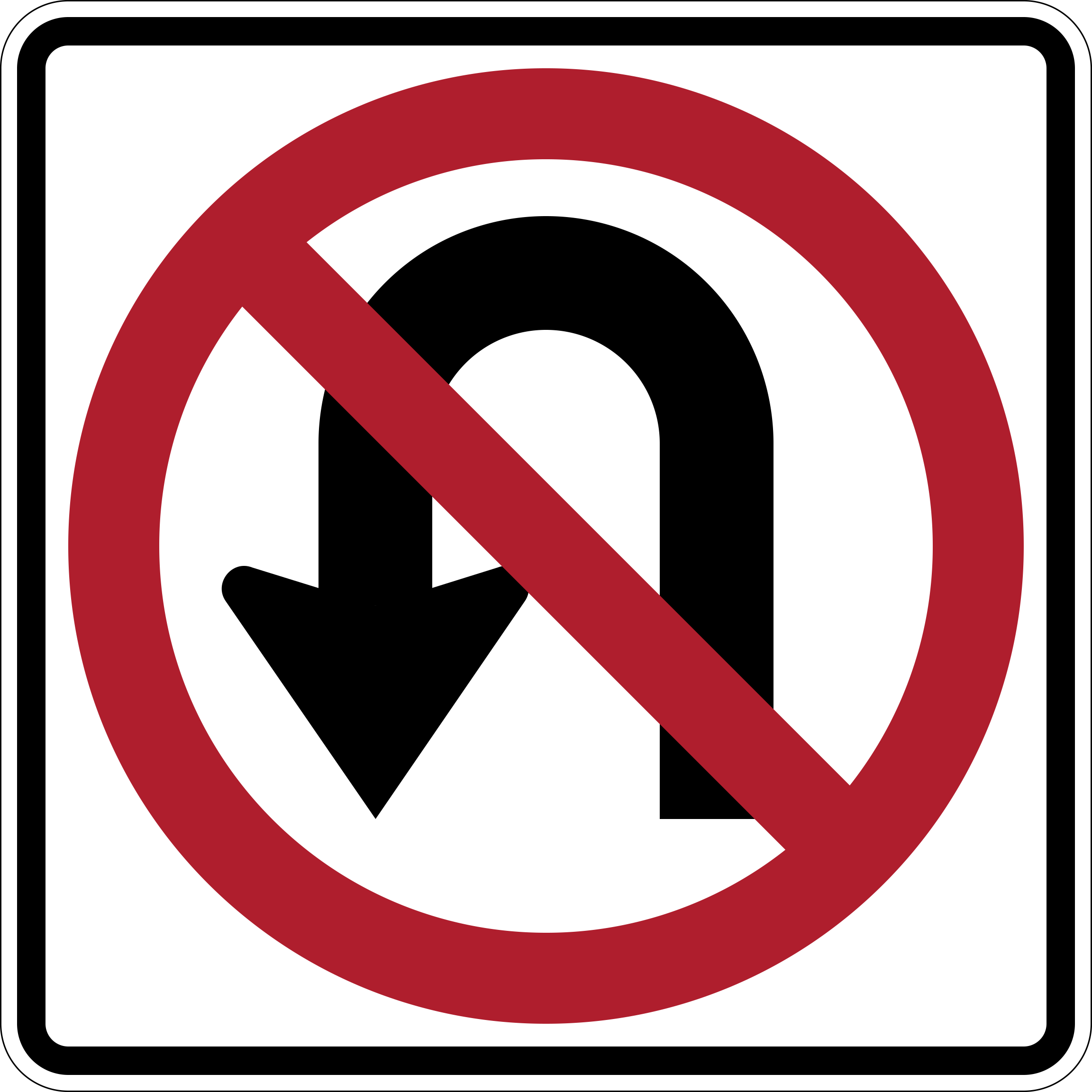
- No U-Turn
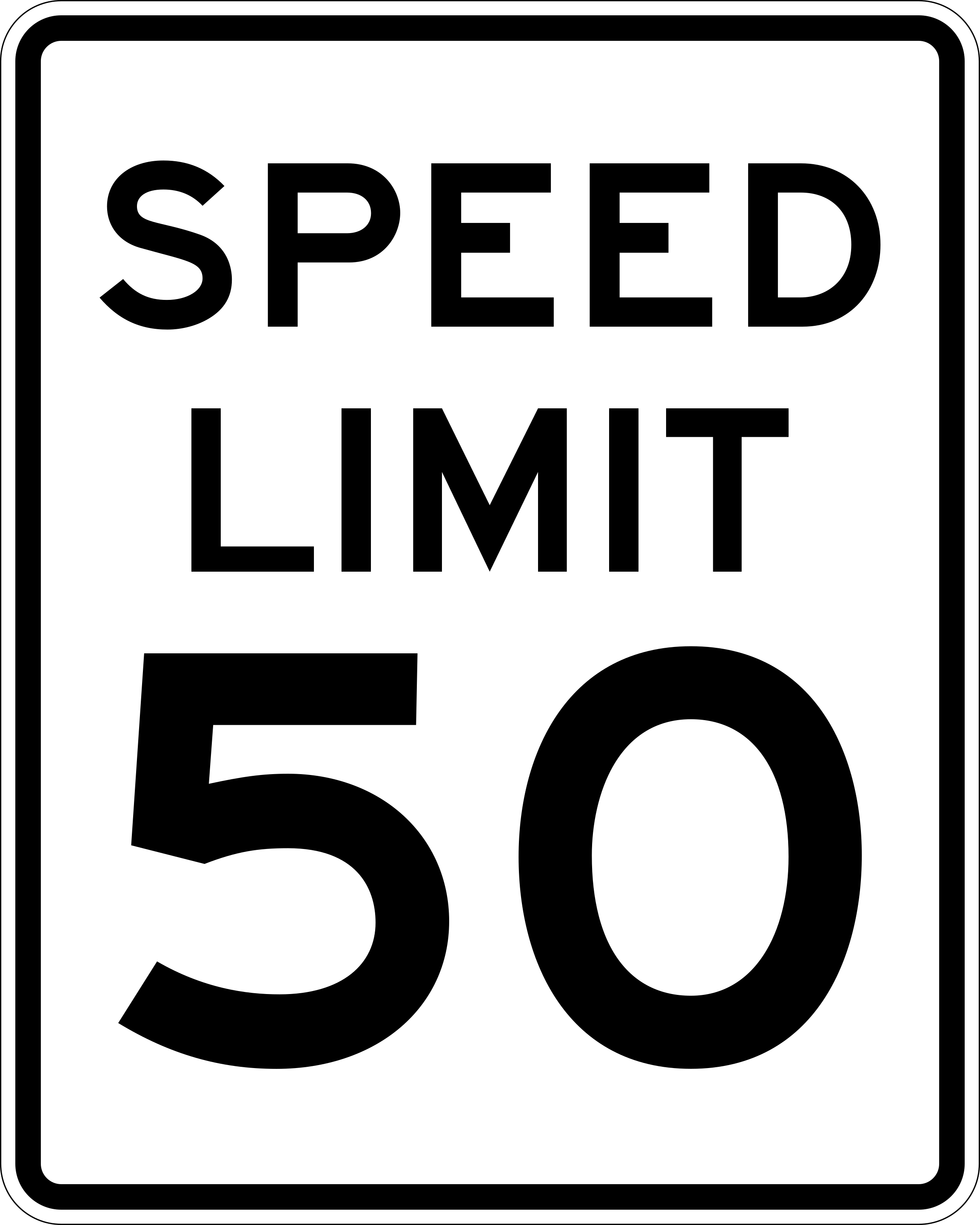
- Speed Limit
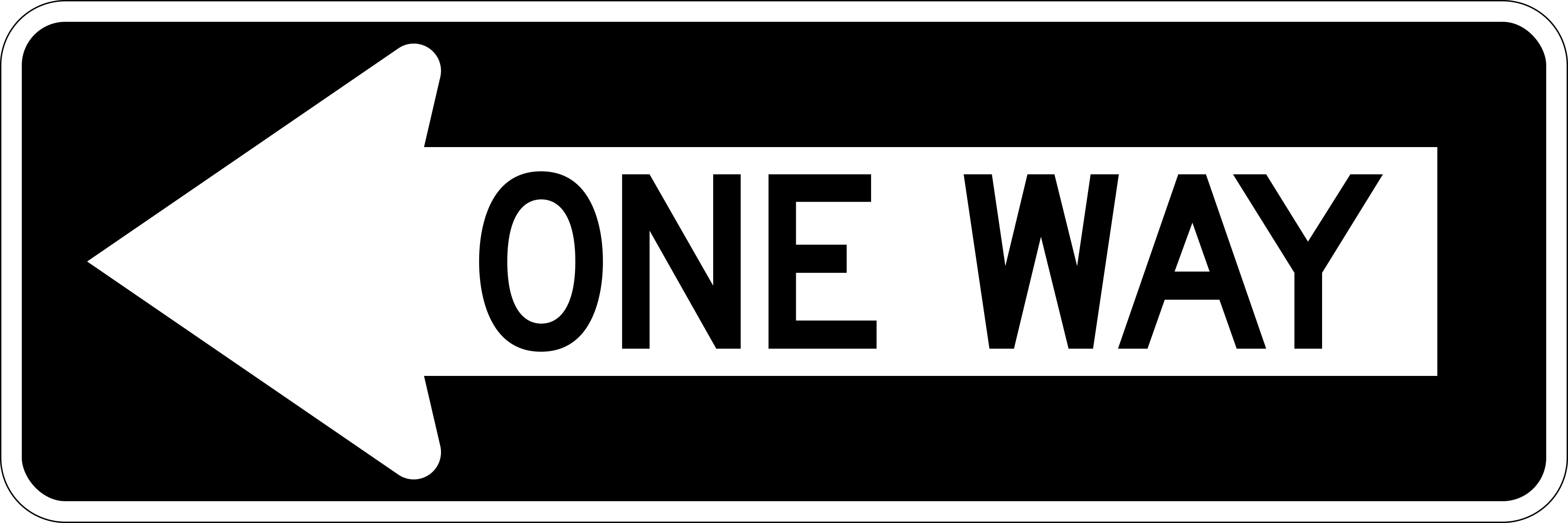
- One Way
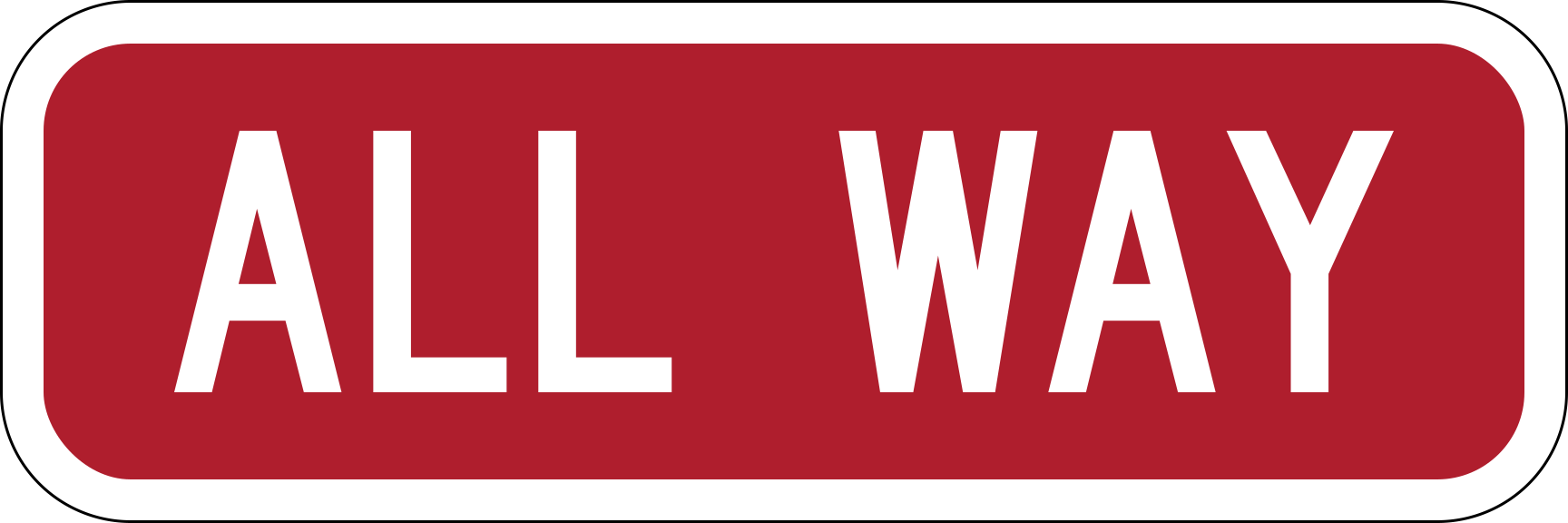
- All Way
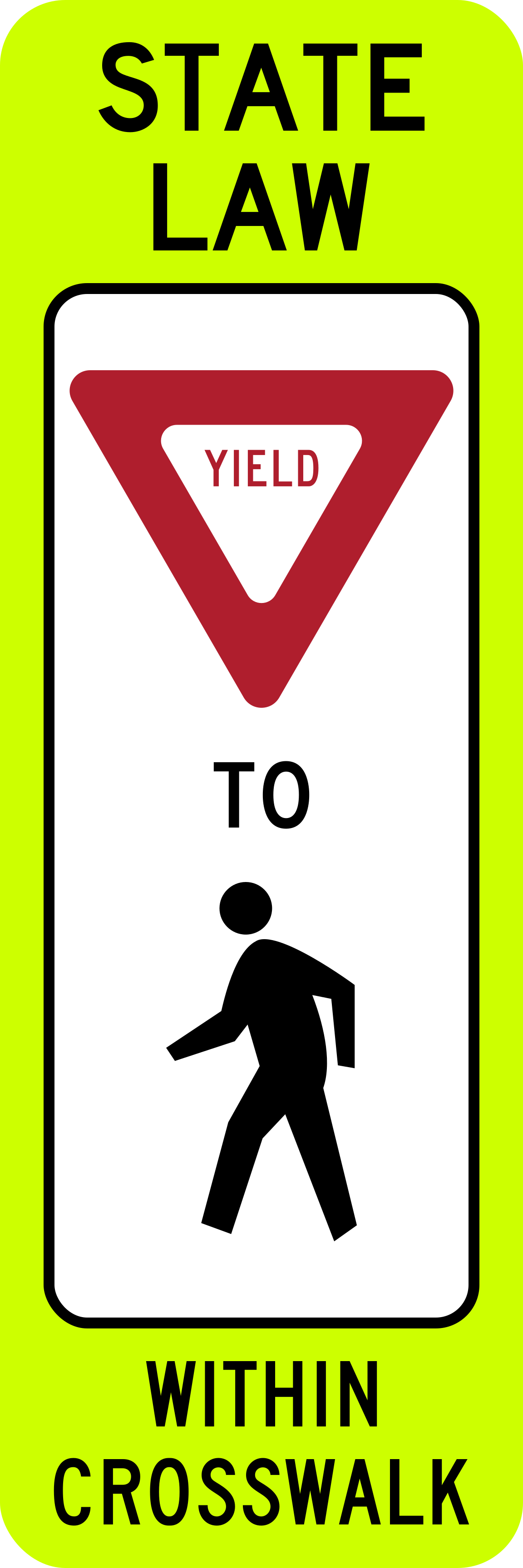
- State Law: Yield to Pedestrians
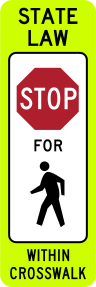
- State Law: Stop for Pedestrians
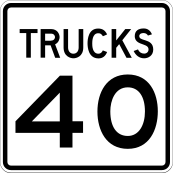
- Truck Speed Limit
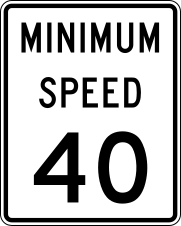
- Minimum Speed Limit
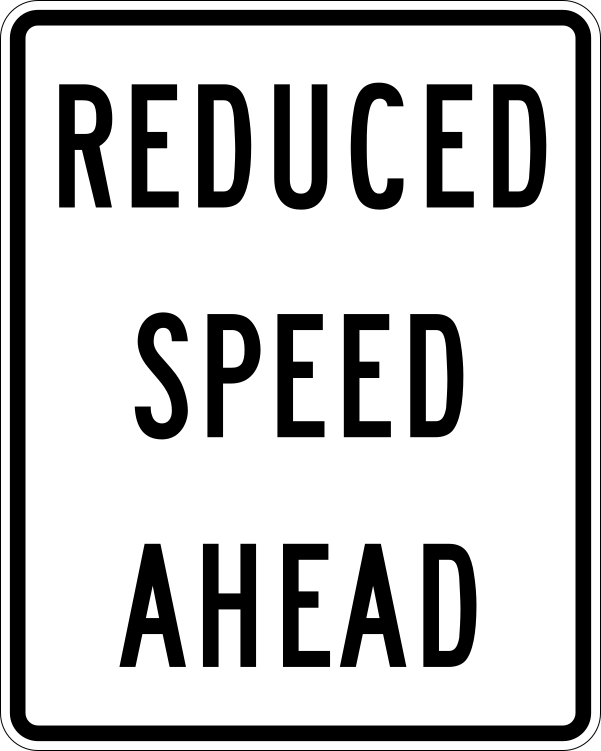
- Reduced Speed Limit Ahead
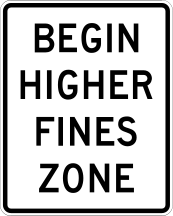
- Begin Higher Fines Zone
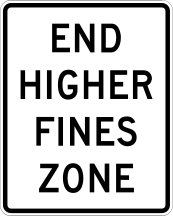
- End Higher Fines Zone
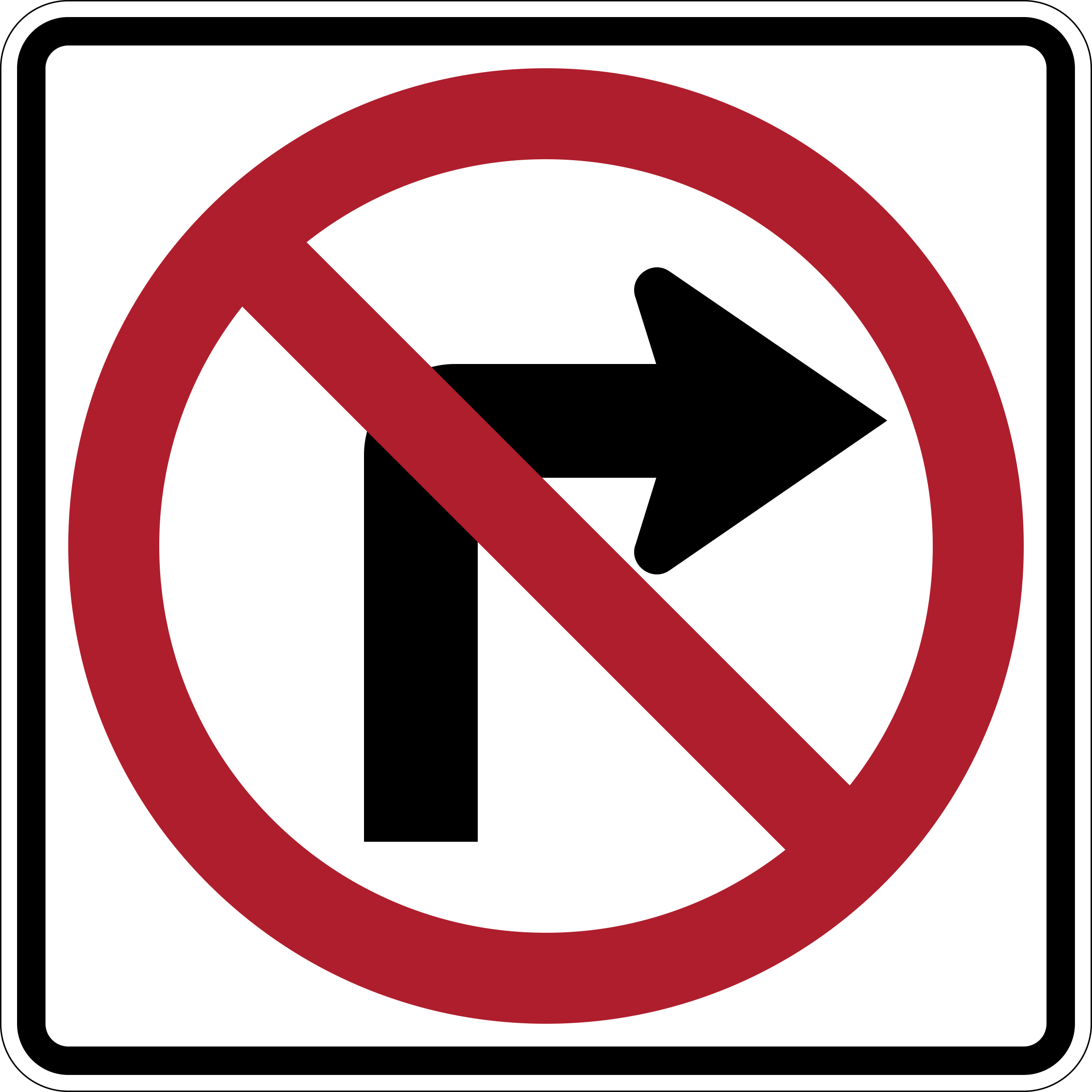
- No Right Turn
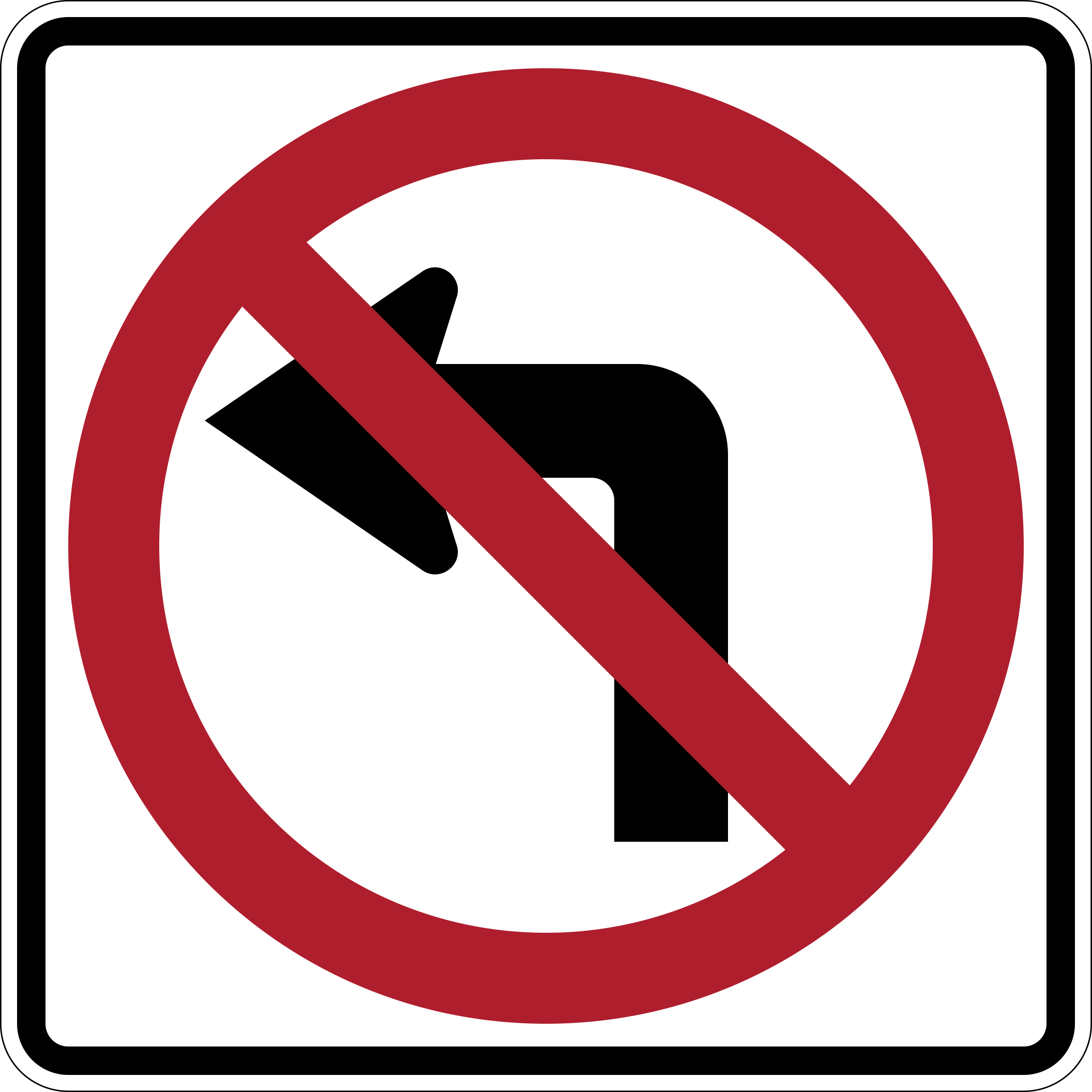
- No Left Turn
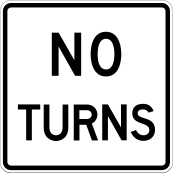
- No Turns
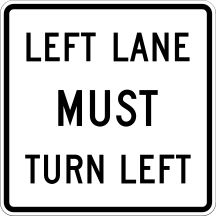
- Left Lane Must Turn Left
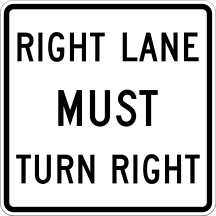
- Right Lane Must Turn Right
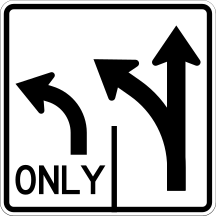
- Intersection Lane Control
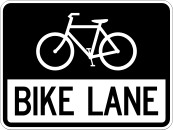
- Bike Lane
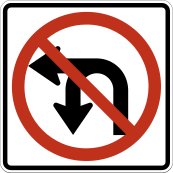
- No Left or U-Turn
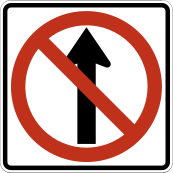
- No Straight Through
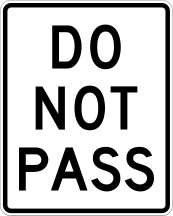
- Do Not Pass
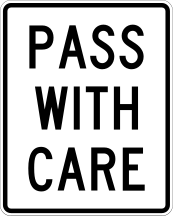
- Pass With Care
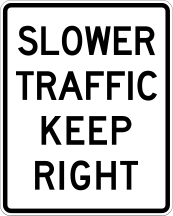
- Slower Traffic Keep Right
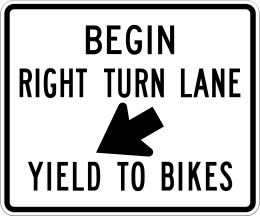
- Begin Right Turn Lane — Yield to Bikes
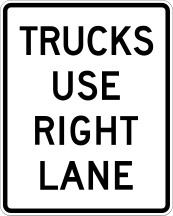
- Trucks Use Right Lane
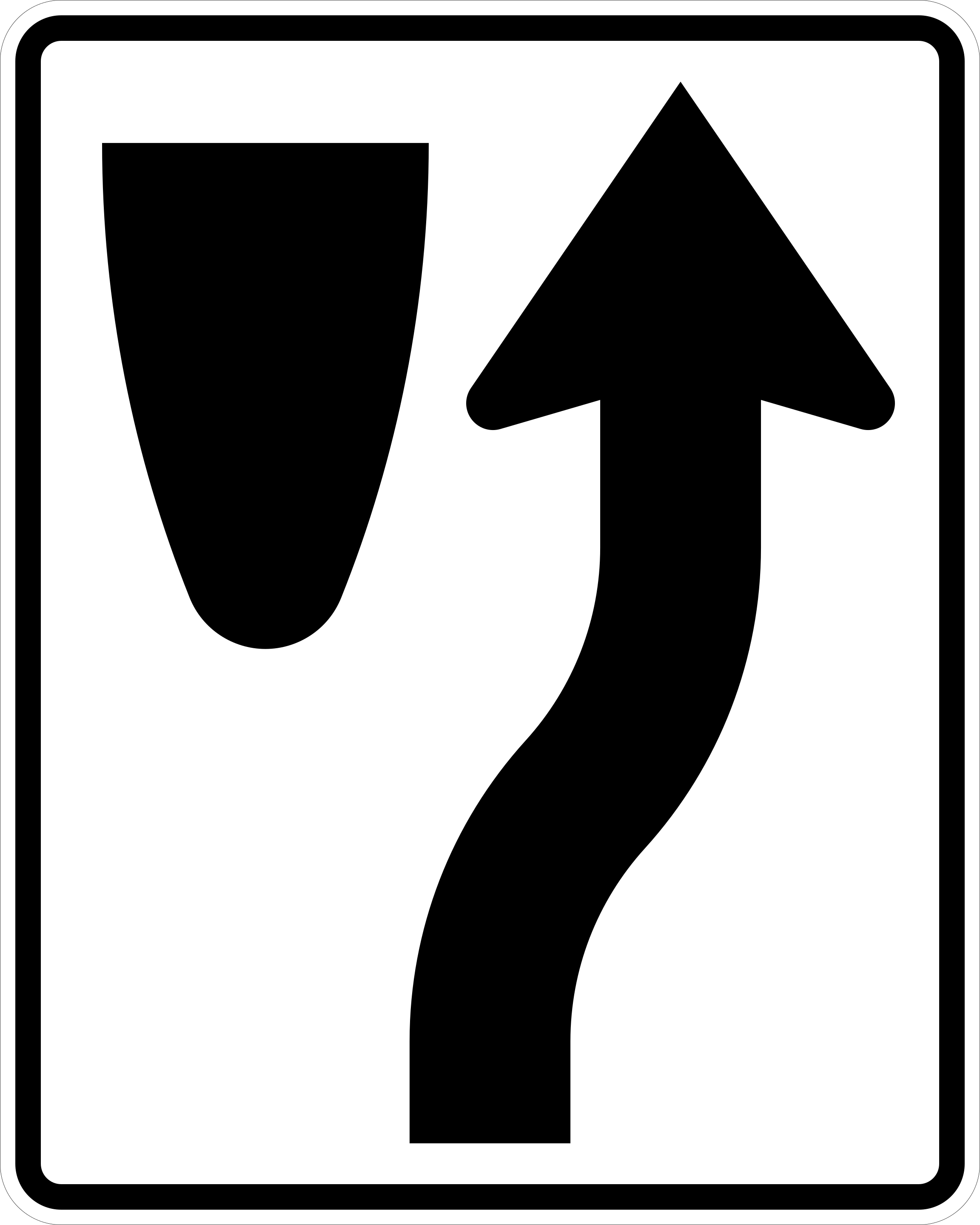
- Keep Right
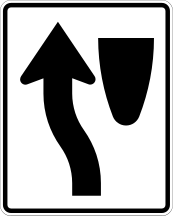
- Keep Left
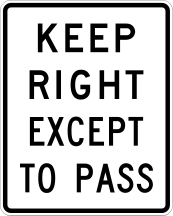
- Keep Right Except to Pass
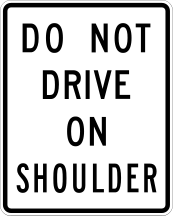
- Do Not Drive on Shoulder
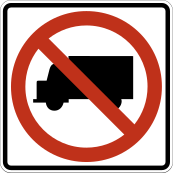
- No Trucks
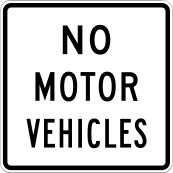
- No Motor Vehicles
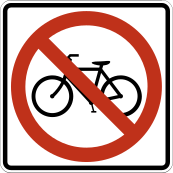
- No Bicycles
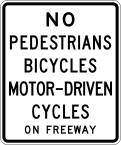
- No Pedestrians, Bicycles, or Motor-Driven Cycles
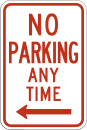
- No Parking Any Time
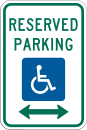
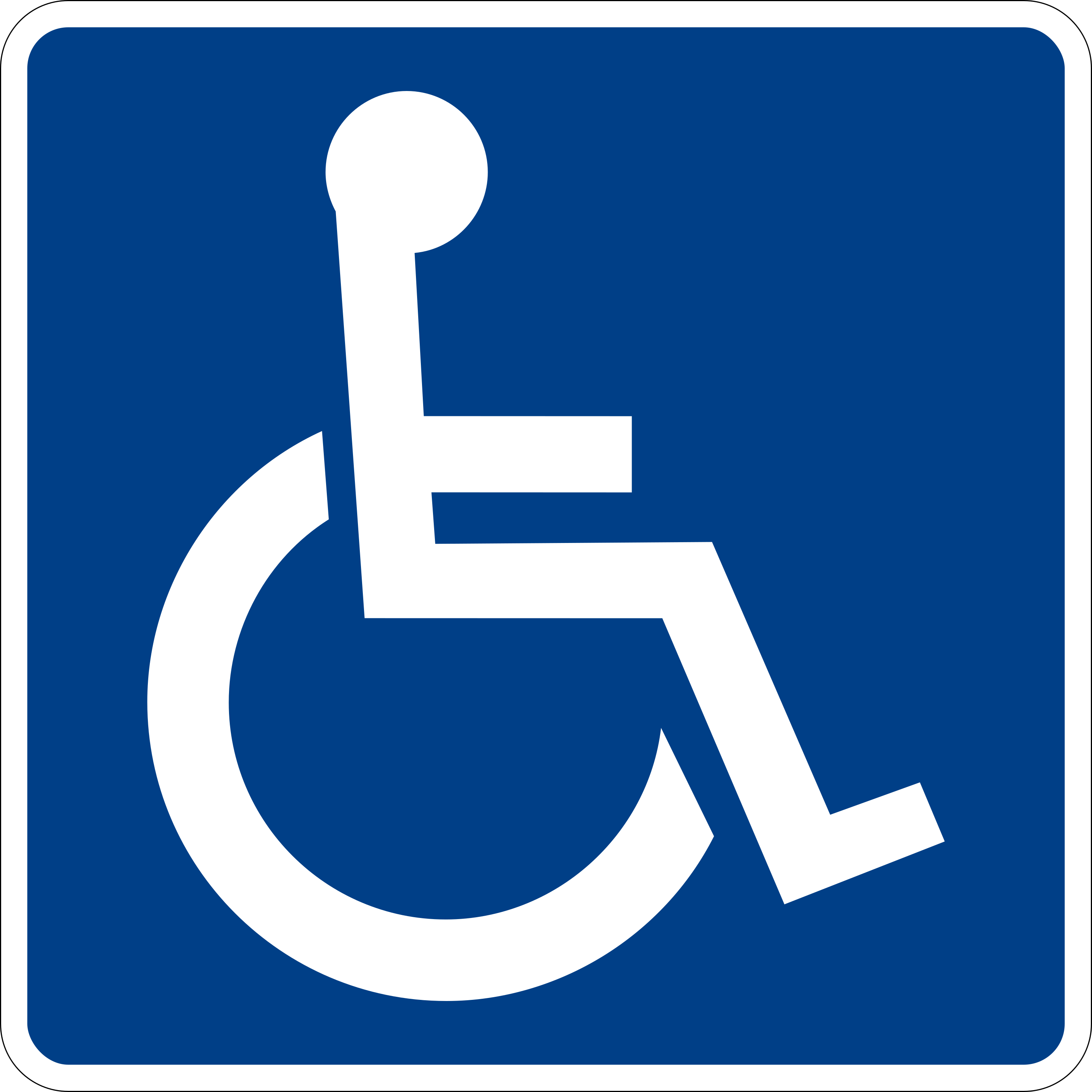
- Accessible Parking
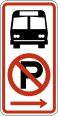
- No Parking Bus Stop
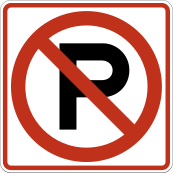
- No Parking
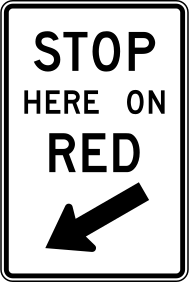
- Stop Here on Red
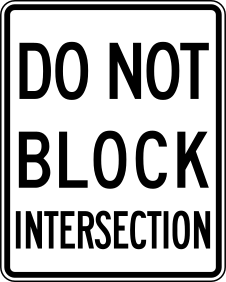
- Do Not Block Intersection
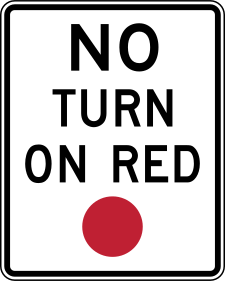
- No Turn on Red
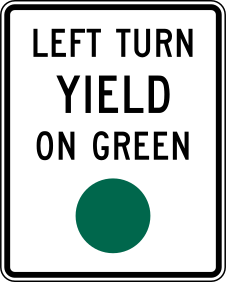
- Left Turn Yield on Green
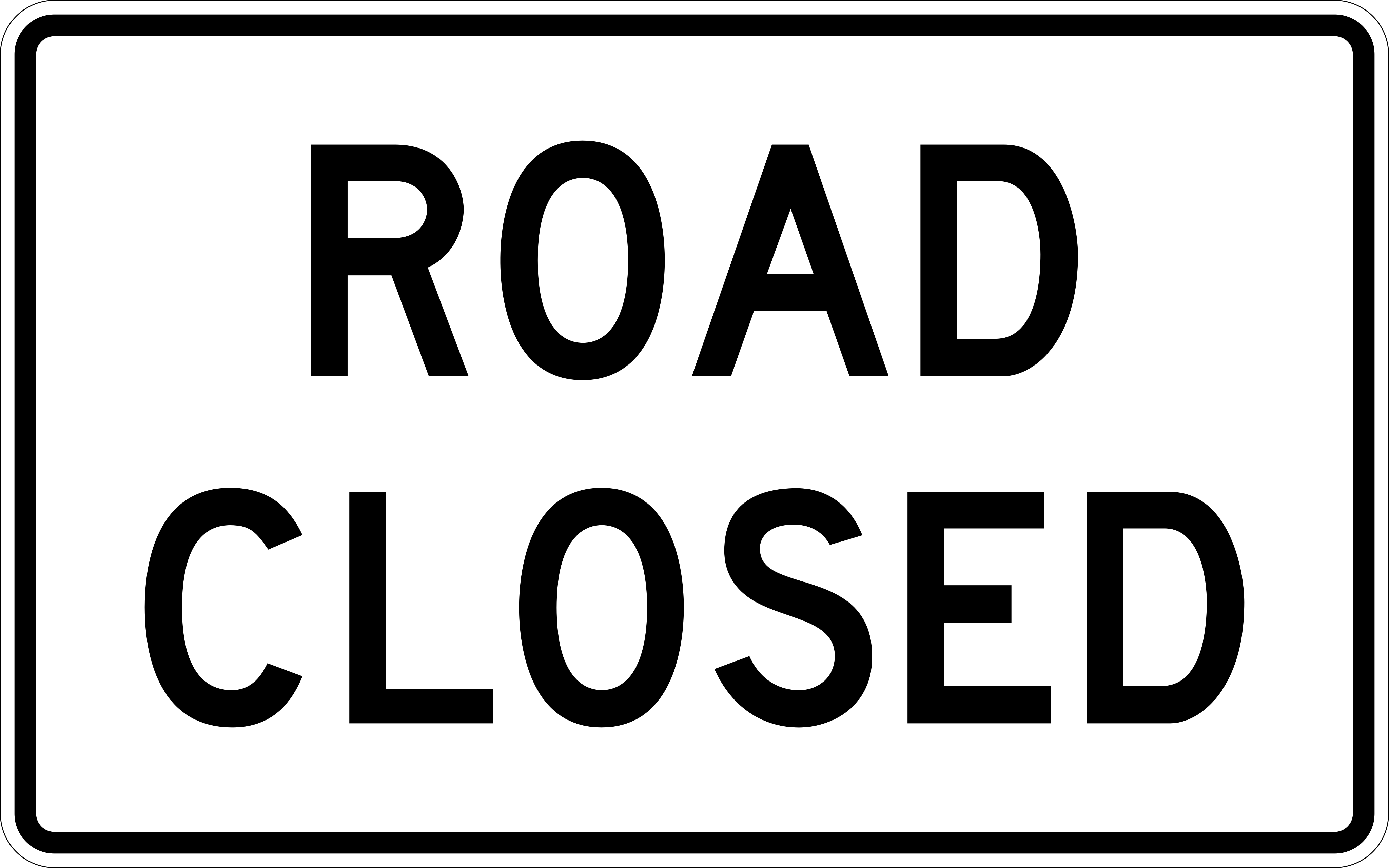
- Road Closed
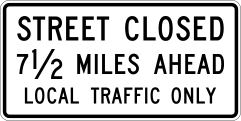
- Road Closed — Local Traffic Only
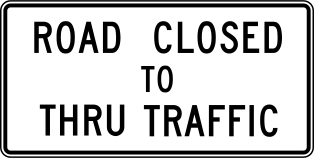
- Road Closed to Thru Traffic
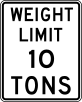
- Weight Limit
- No Hazardous Materials

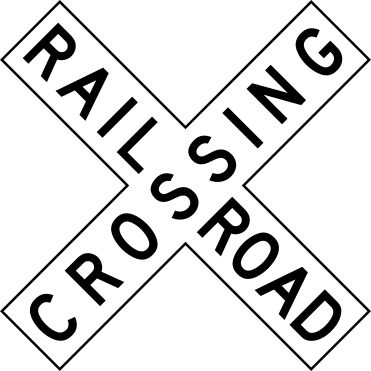
- Railroad Crossing (Crossbuck)
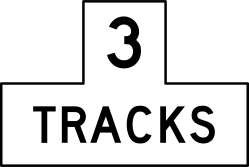
- Number of Tracks
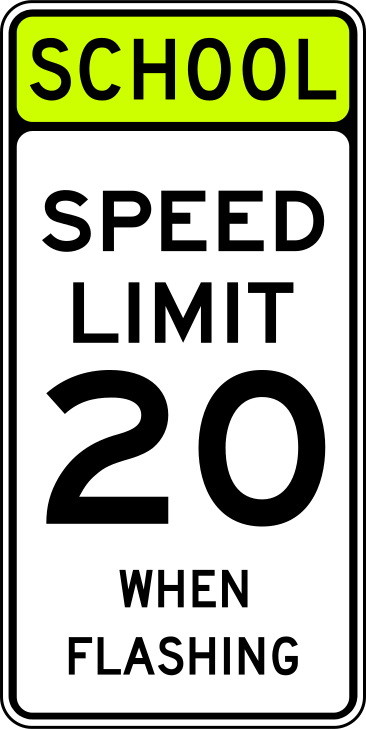
- School Speed Limit When Flashing
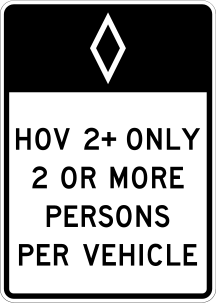
- HOV Lane
- Exempt

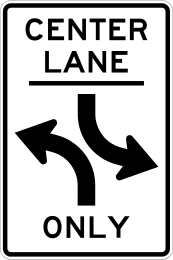
- Two-Way Left Turn Only
Warning signs
- Turn Ahead

- Stop Ahead

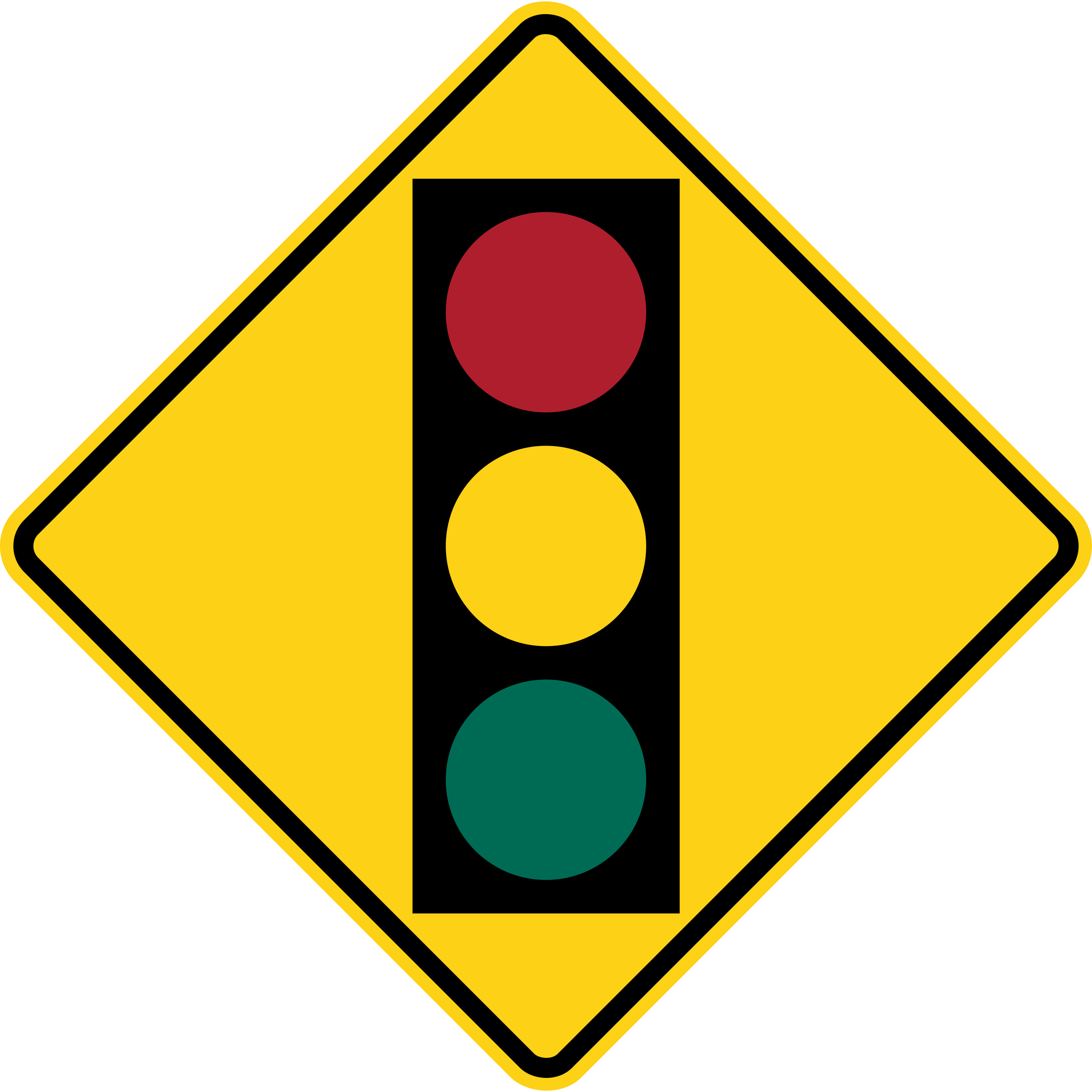
- Signal Ahead
- Pedestrian Crossing

- Curve

- Reverse Turn

- Reverse Curve

- Winding Road

- One-Direction Large Arrow

- Two-Direction Large Arrow

- Chevron Alignment

- Hairpin Curve

- Cross Road

- Side Road

- Roundabout Ahead

- Yield Ahead

- Be Prepared to Stop

- Reduced Speed Limit Ahead
- Merging Traffic

- Lane Ends

- Added Lane

- Lanes Merge
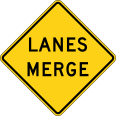
- Road Narrows

- Narrow Bridge

- One Lane Bridge

- Ramp Narrows

- Divided Highway Begins

- Divided Highway Ends

- Two-Way Traffic
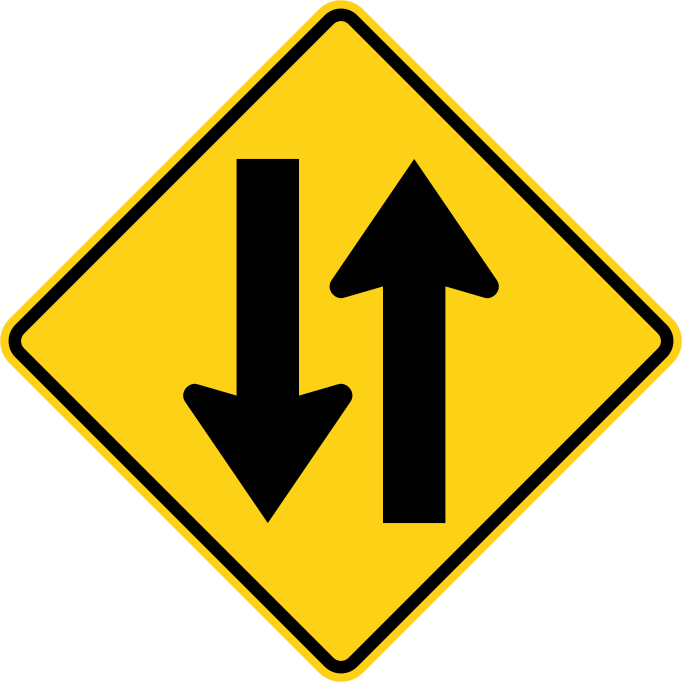
- Hill / Steep Grade

- Bump

- Dip

- Pavement Ends

- Soft Shoulder

- Slippery When Wet

- Loose Gravel

- Rough Road

- Low Shoulder

- Uneven Lanes

- Grooved Pavement
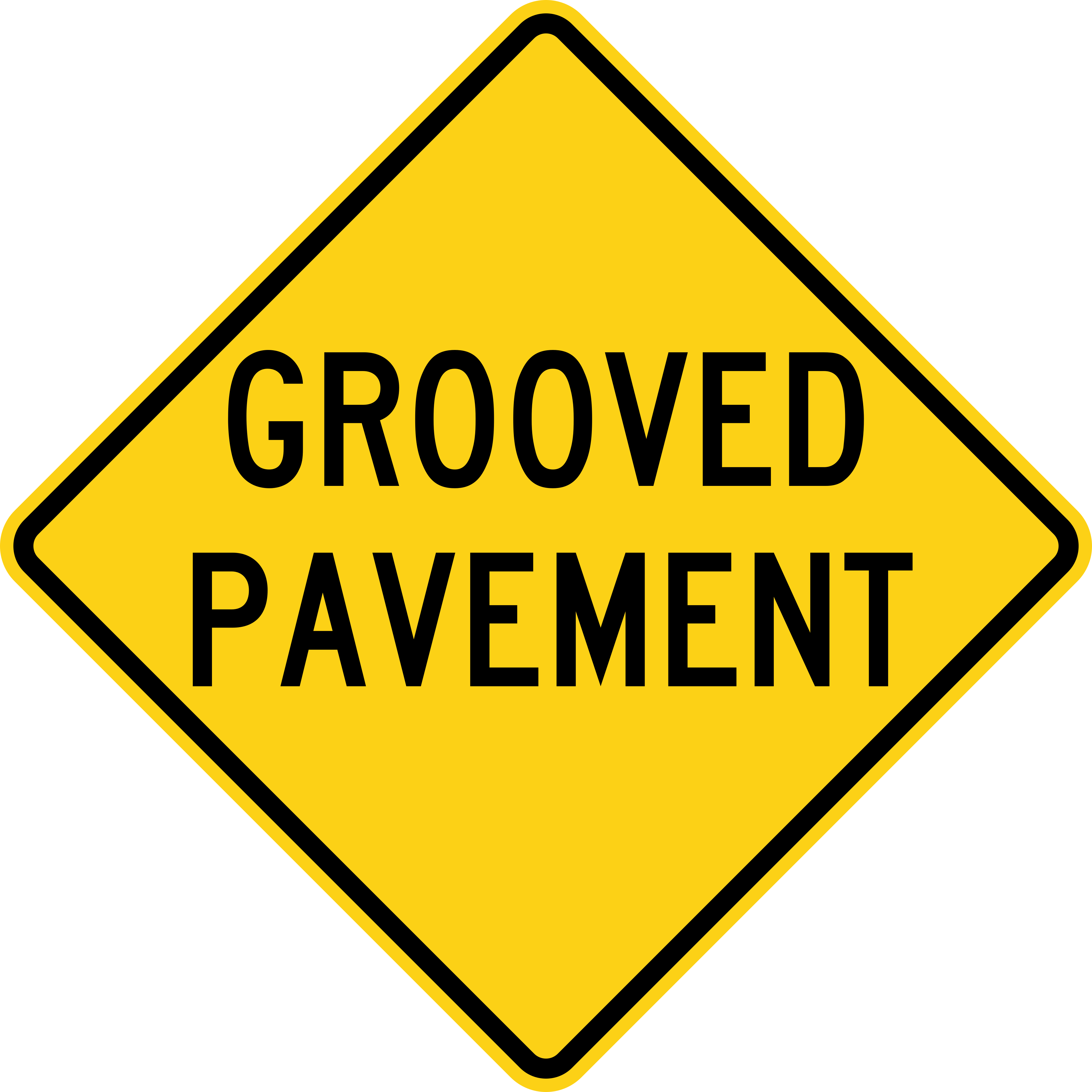
- Metal Bridge Deck
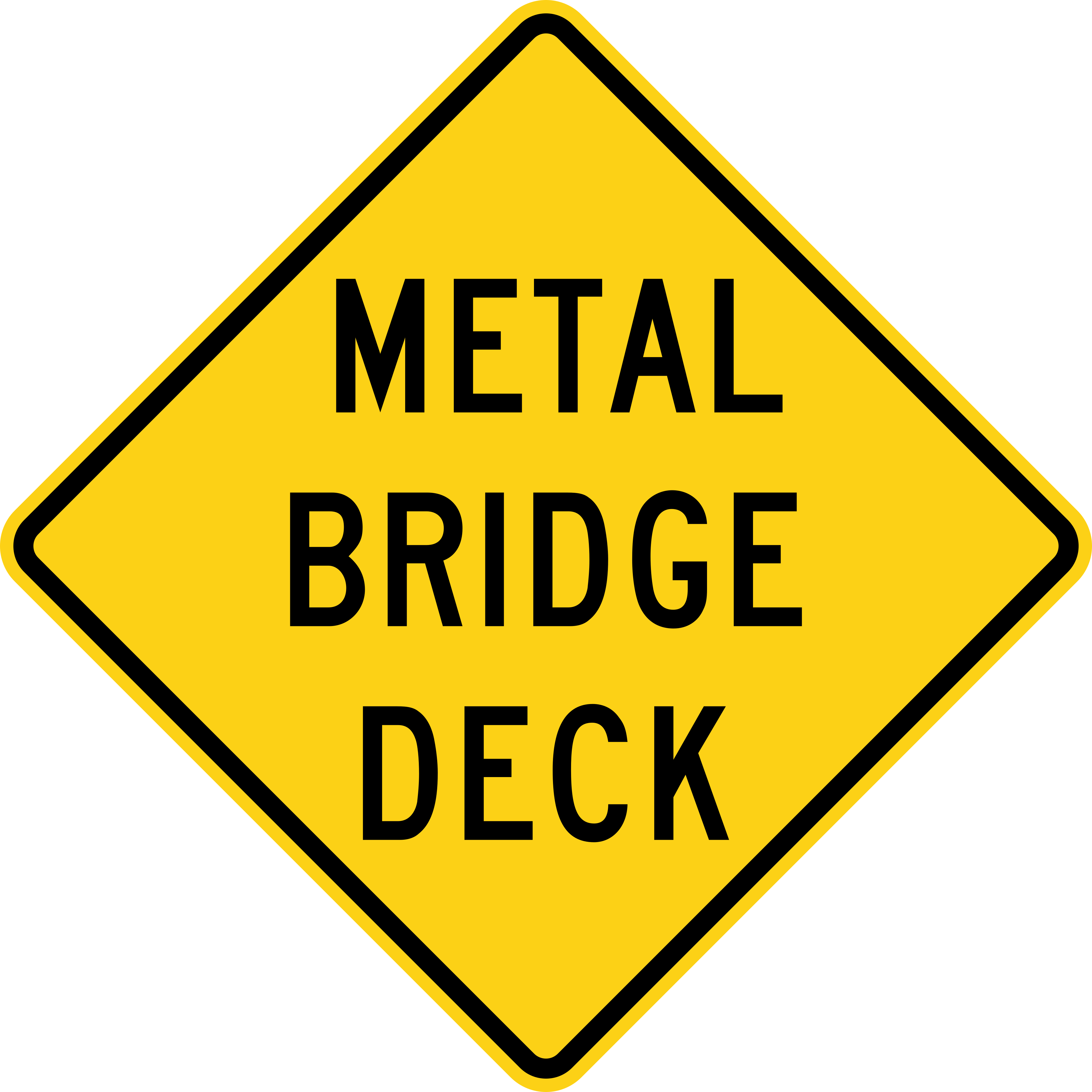
- Railroad Crossing Ahead

- Bicycle Crossing

- Deer Crossing

- Cattle Crossing

- Farm Machinery

- Snowmobile Crossing

- Equestrian Crossing

- Persons with Disabilities

- Golf Cart Crossing

- Horse-Drawn Vehicle Crossing

- Low Clearance

- Advisory Speed

- Dead End

- No Outlet

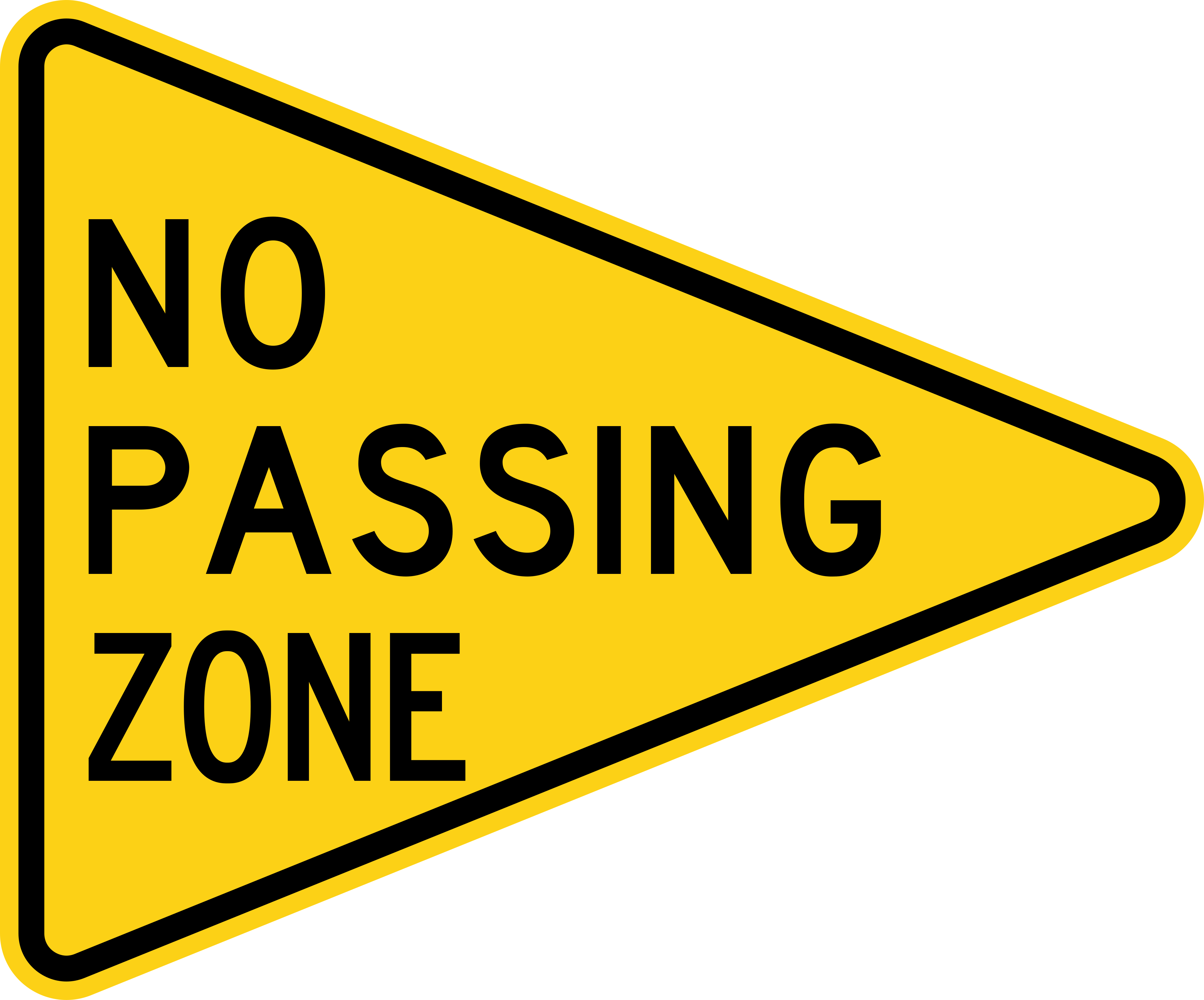
- No Passing Zone
- Playground

- Speed Hump

- School

- Truck Rollover

- Bridge Ices Before Road

- Road May Flood

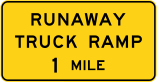
- Runaway Truck Ramp
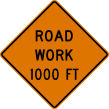
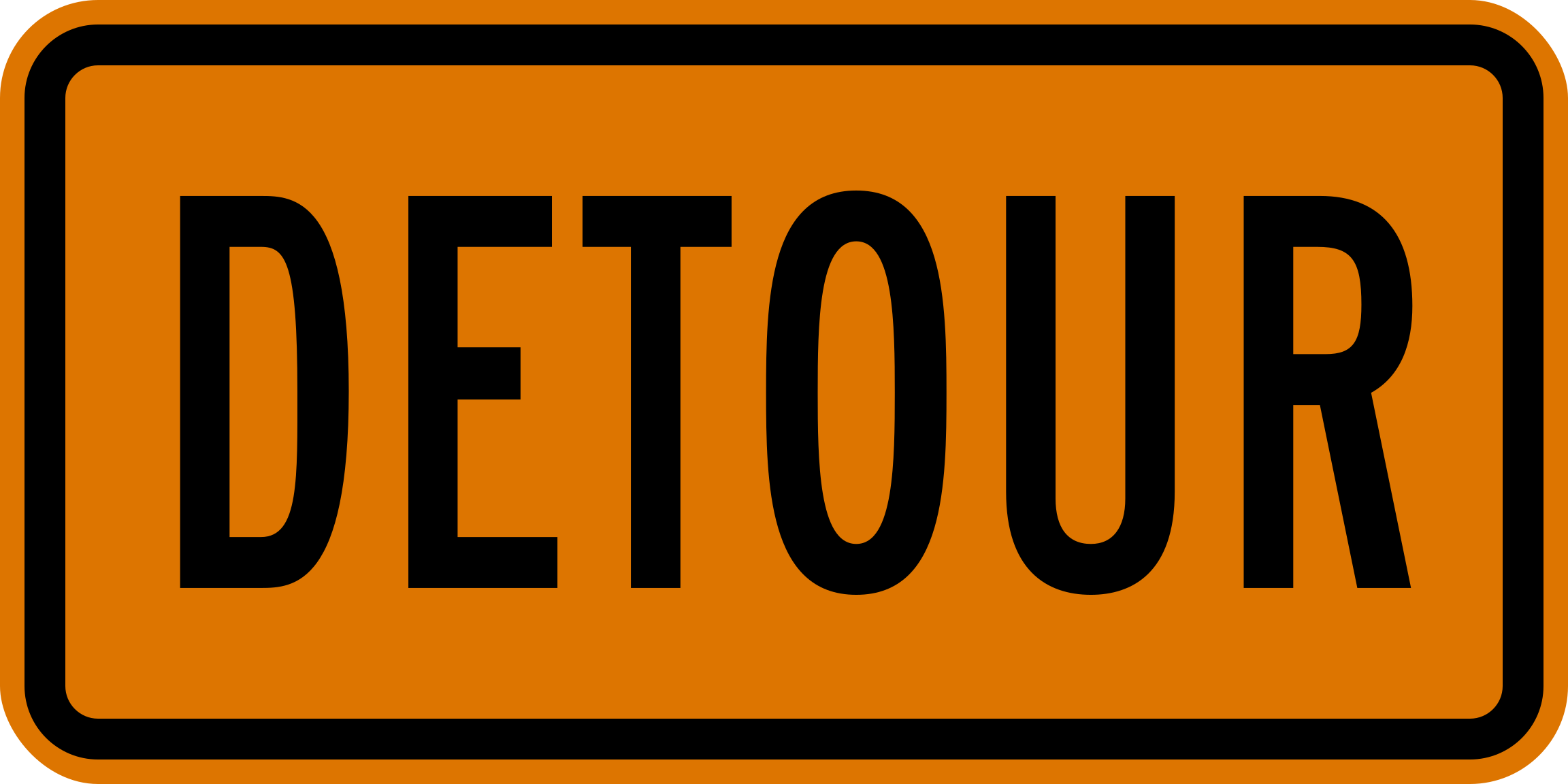
Construction & work-zone signs


Guide signs
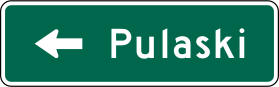
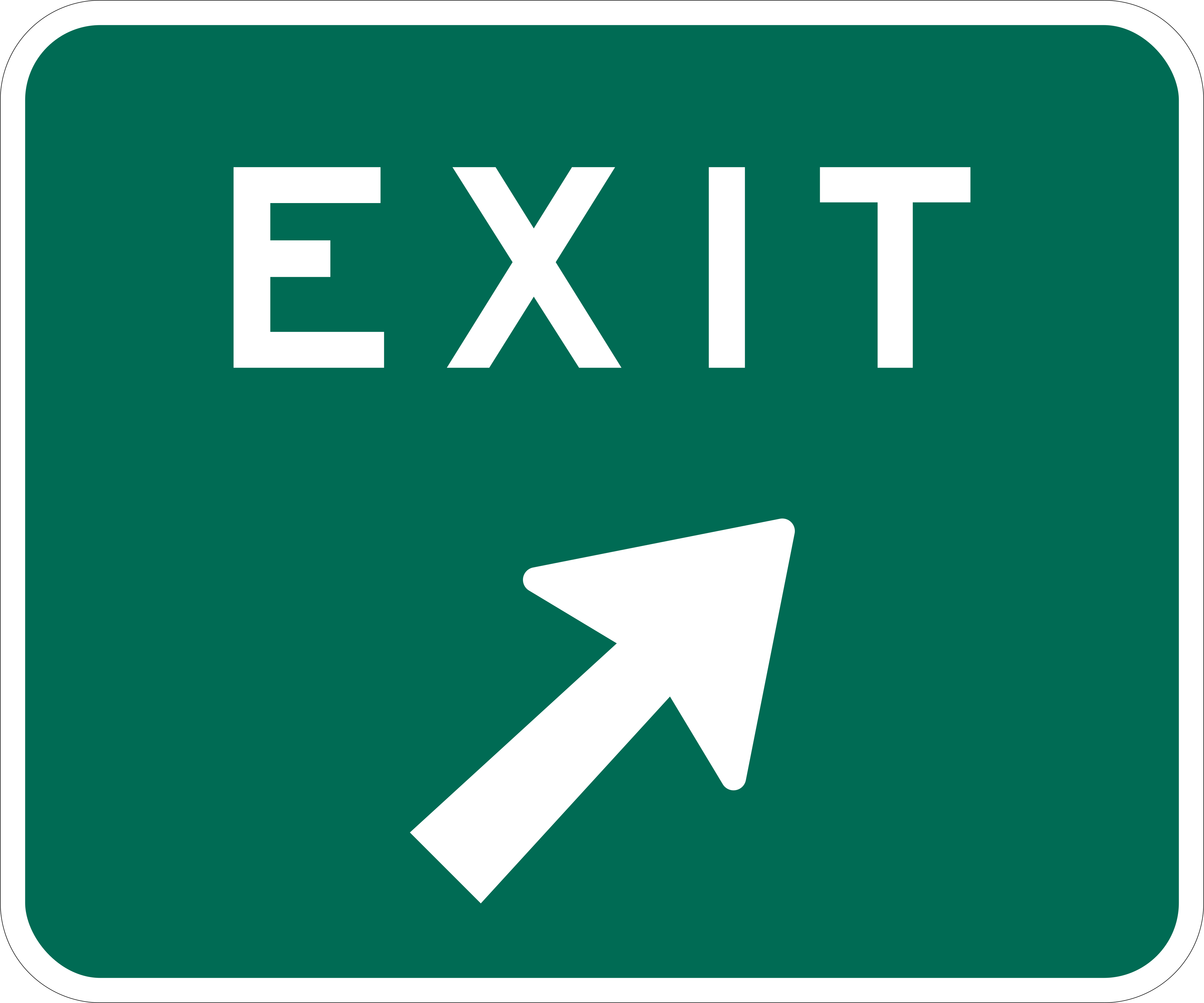


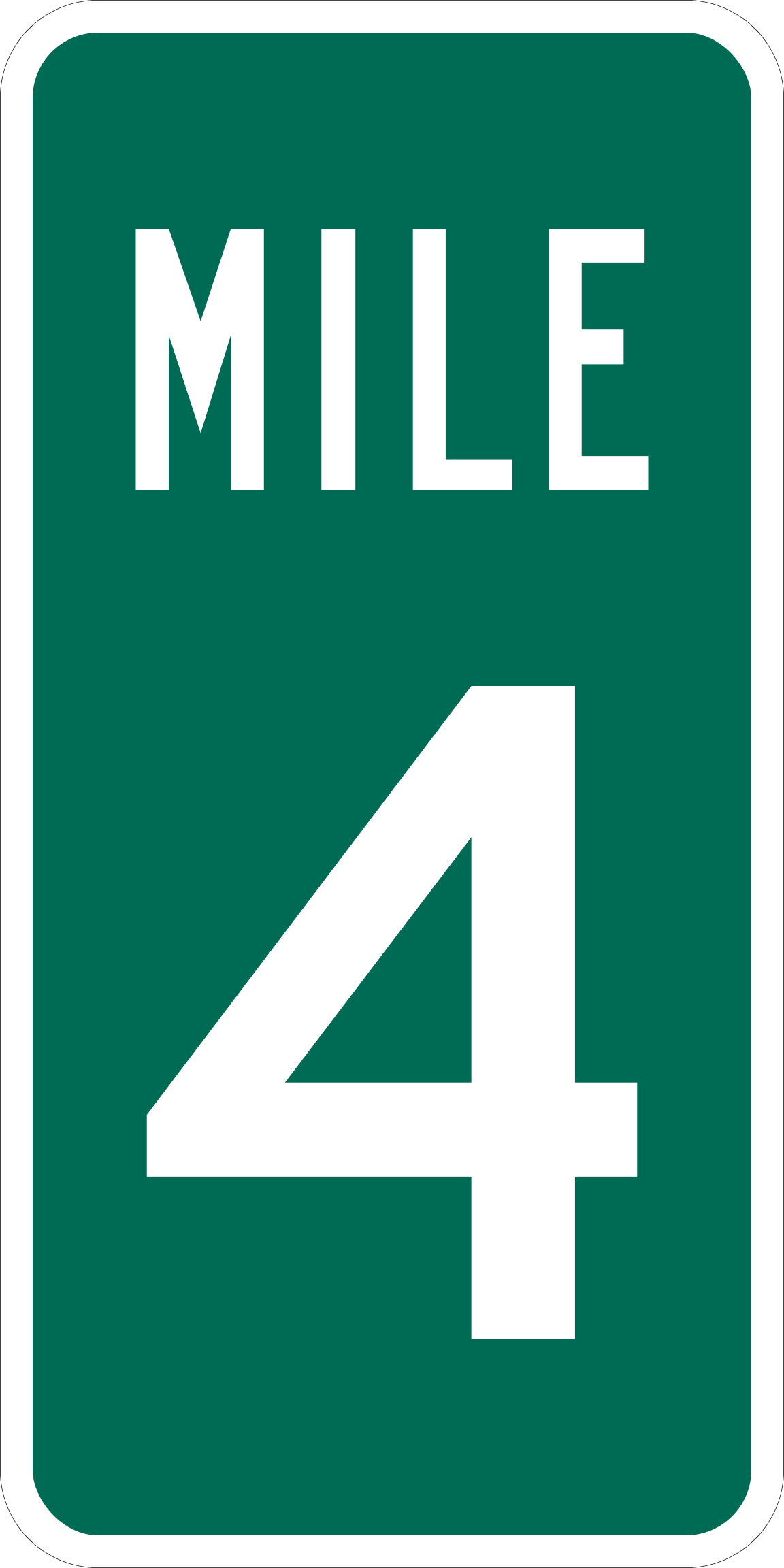
Service & information signs
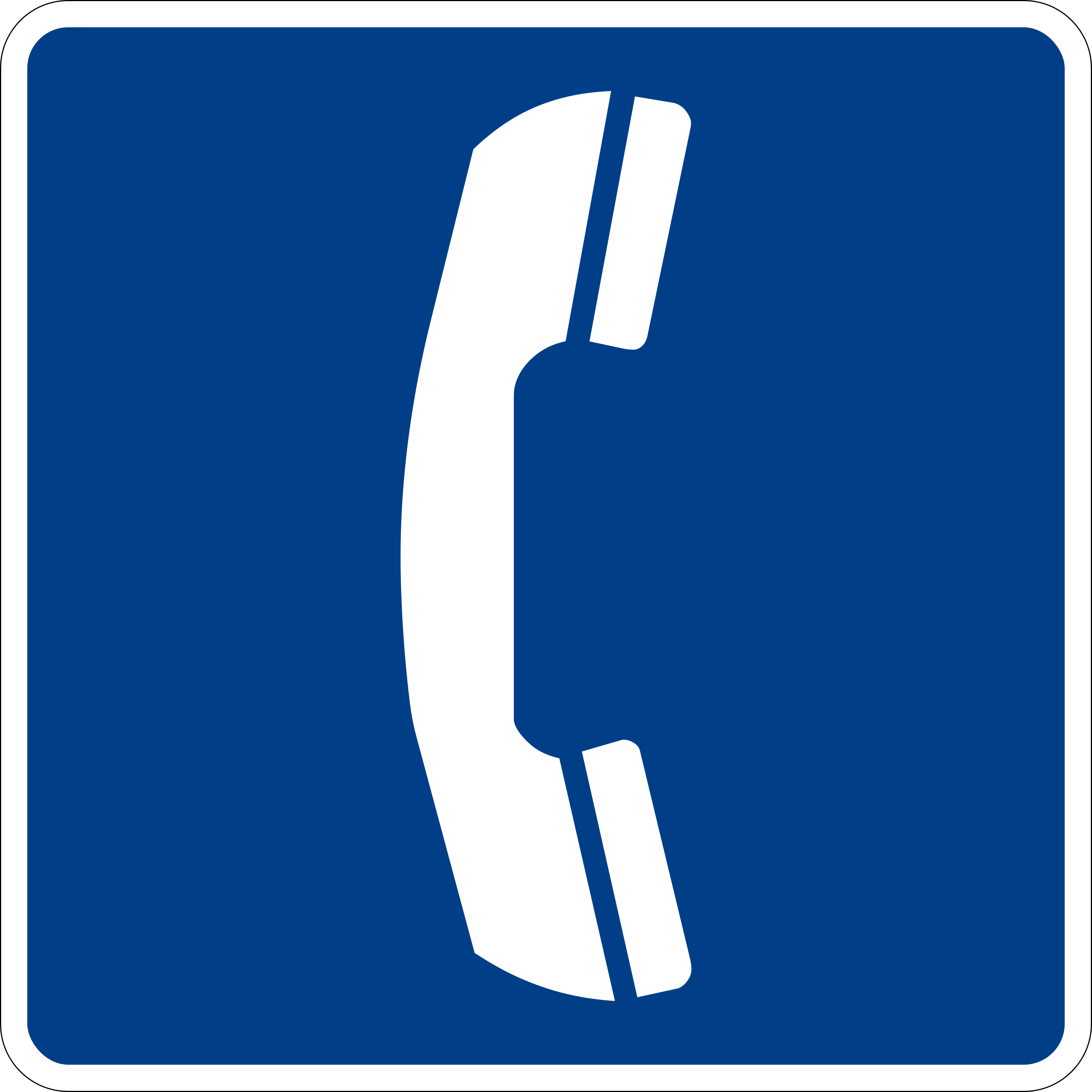
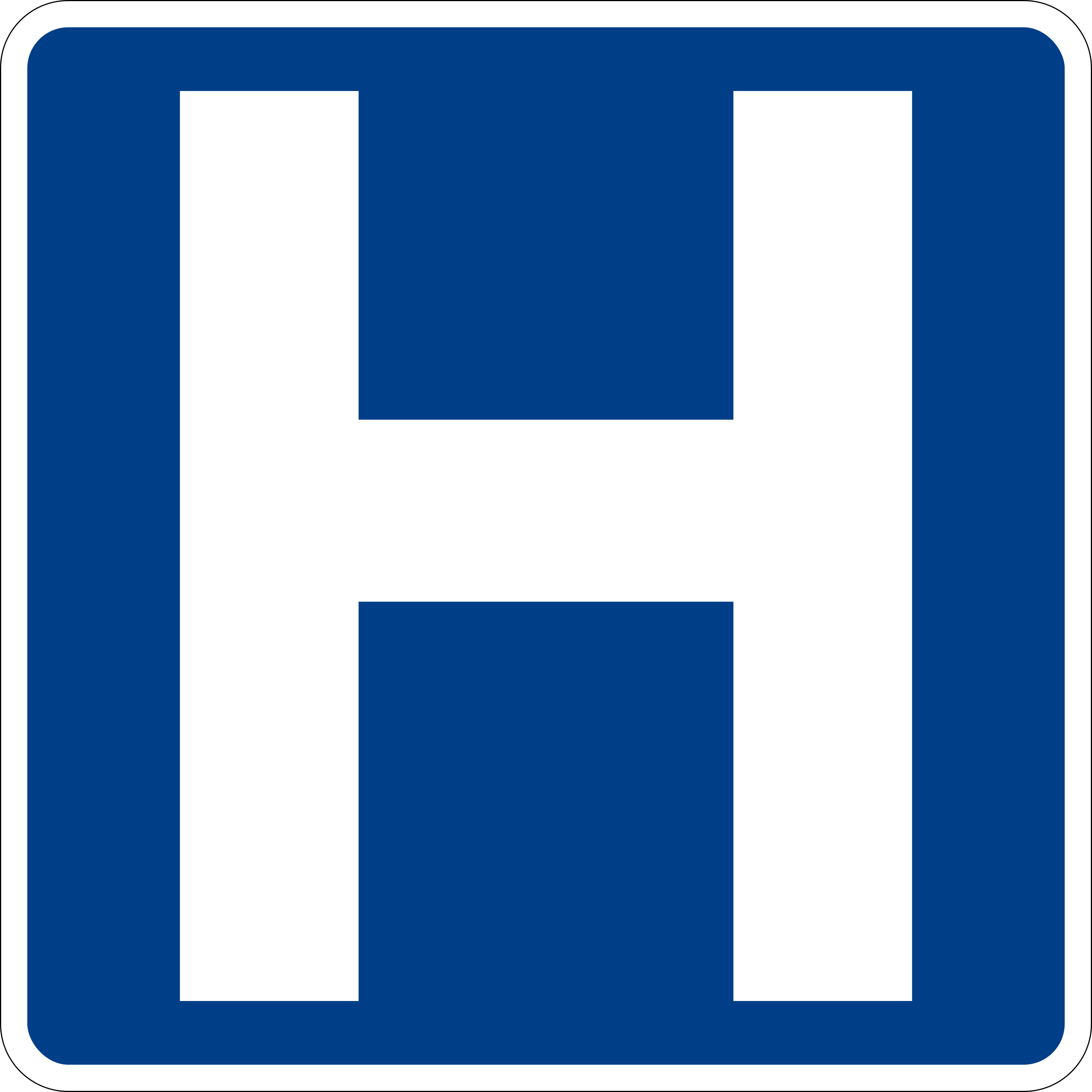



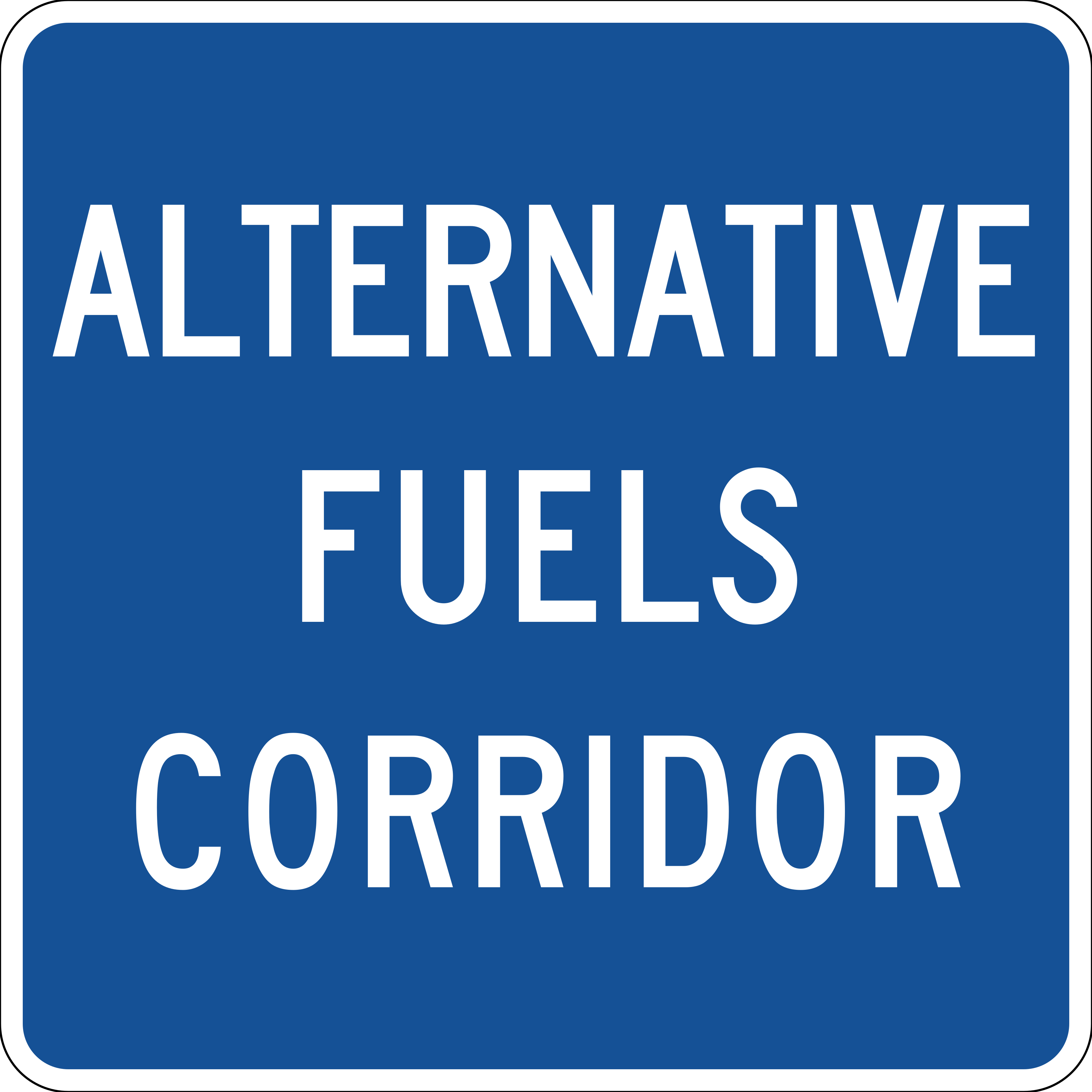
California road signs: frequently asked questions
Is there any way to get a California license without sitting the knowledge test?
One, and only for renewals. The DMV's eLearning option is a fully online, self-directed course of seven interactive lessons that substitutes for the written or online exam, and only eligible renewal noncommercial Class C applicants qualify. You cannot fail it — the DMV says so outright, adding that an incomplete course simply does not satisfy the knowledge test requirement. You have to select it on the online application before your office visit, because the DMV will not switch you to it once the application has been processed at a counter. It runs in English, Spanish and Traditional Chinese with Mandarin audio, and you may pause and resume it for the life of the application.
Does a failed California knowledge test cost me the whole application?
Not the first one, and not the second. On the third it does: the handbook states that you are allowed three attempts to pass before you must reapply, so a third failure ends the application rather than the visit. On waiting between tries, California distinguishes by age rather than by test. A minor must wait seven days to retake a failed knowledge test, not counting the day of the failure; the handbook sets no equivalent wait for adults. That asymmetry is worth planning around if you are close to eighteen, because the seven days are study time whether you use them or not.
Why do two of the California sign questions here cite passages about vehicles?
Because in California two of the things you have to read on the road are not standing beside it. One is the diamond-shaped placard on the back of a truck: the handbook's Vehicles with Hazardous Loads passage says such a placard means the load may be dangerous — gas, explosives and the like — and that vehicles carrying it must stop before crossing railroad tracks. The other is a route marking. Where you see NEV USE ONLY or NEV ROUTE, the handbook tells you to watch for slow-moving vehicles: neighborhood electric vehicles and low-speed vehicles reach a maximum of 25 mph and are barred from roads posted above 35 mph.
At seventy, will California make me prove I still know the signs?
Possibly. The handbook states that if you are seventy or older when your license expires you must renew in person and pass a vision test, and that in some cases other exams may be required. Where a knowledge test is required, the handbook says you may be eligible to select eLearning when completing the application online — which is the same no-fail course offered to other eligible renewals, so the renewal route can end up teaching the sign material rather than examining it. The renewal notice you receive about ninety days before expiry is where the department tells you which version applies to you.
If I have to obey a warning sign regardless of shape or color, why learn the colors at all?
Because obligation and recognition are different jobs, and that sentence only addresses the first one. It settles an argument — that a warning sign which looks unfamiliar can be safely disregarded — and it says nothing at all against using color. The department itself keeps using it: every heading after that line sorts signs by what color they are and what job they do. The practical case for color is about distance rather than duty. Color and outline tell you what kind of message is coming while the face is still unreadable, and the kind of message is usually what decides whether you lift off the accelerator now or in a few seconds' time.
Official sources
- California Driver's Handbook
- California DMV — sample knowledge tests and preparation
- Caltrans — California MUTCD sign charts
Checked against official state sources on 2026-07-29.

Study offline
California Practice Test Pack — 2026 Printable Edition
$4.99 · One-time purchase. Instant download.
Our own printable edition — nobody paid us to show it to you, and everything in it is free to read here too.