West Virginia Road Signs and Their Meanings
Nineteen is the number to hold on to. West Virginia's knowledge examination puts twenty-five questions on the screen and asks for nineteen right — a pass mark of 76 percent, not the four-out-of-five bar most drivers assume they are aiming at. The Driver's Licensing Handbook states both figures in the same breath: the exam "has at least 25 questions based on the basic knowledge, traffic rules, regulations, signs, and markings found in the handbook," and "You must answer 19 out of the 25 questions correctly to pass the test." Signs are named in that subject list, sitting beside markings at the end of it. Two more details from the same paragraph shape how the sitting feels. "Automated testing is given at all locations," so you are working through a machine rather than a paper booklet. And there is a clock, described but never sized: "There is a time limit on the test and any questions not answered in the prescribed time will be considered incorrect." The book that supplies the questions comes from the Division of Motor Vehicles, which sits inside the West Virginia Department of Transportation — the DMV's own handbooks page hands you the PDF off the Department's file server. What no page of it does is break the twenty-five down by subject, so nobody can tell you how many will put a sign in front of you.
No slice of that score is set aside for signs. Nineteen right passes and eighteen fails, whatever mix of subjects the six permitted misses came from, and the handbook publishes no separate sign threshold to clear alongside the main one. Where West Virginia does write signs into a requirement is the part of licensing that happens outdoors. Under a heading reading Traffic Signs, the road-test chapter tells candidates: "During the road test you will be asked to identify a number of traffic signs. They can be located anywhere on the road test. If the examiner asks you what sign you just passed, you should be able to tell the examiner." The score form printed in the same chapter turns that sentence into a scored line — it reads "signs (randomly pick 2)", with its point values beside it, under a heading on the sheet reading SIGNS — and the form's list of automatic failures opens with a moving violation or disobeying signs and signals. Read the two together and the shape of the requirement is clear enough. On the written test a sign question is worth exactly what any other question is worth, one of twenty-five. On the road test there is no multiple choice at all: the sign is already behind you, the car is still moving, and the answer has to come out of memory.
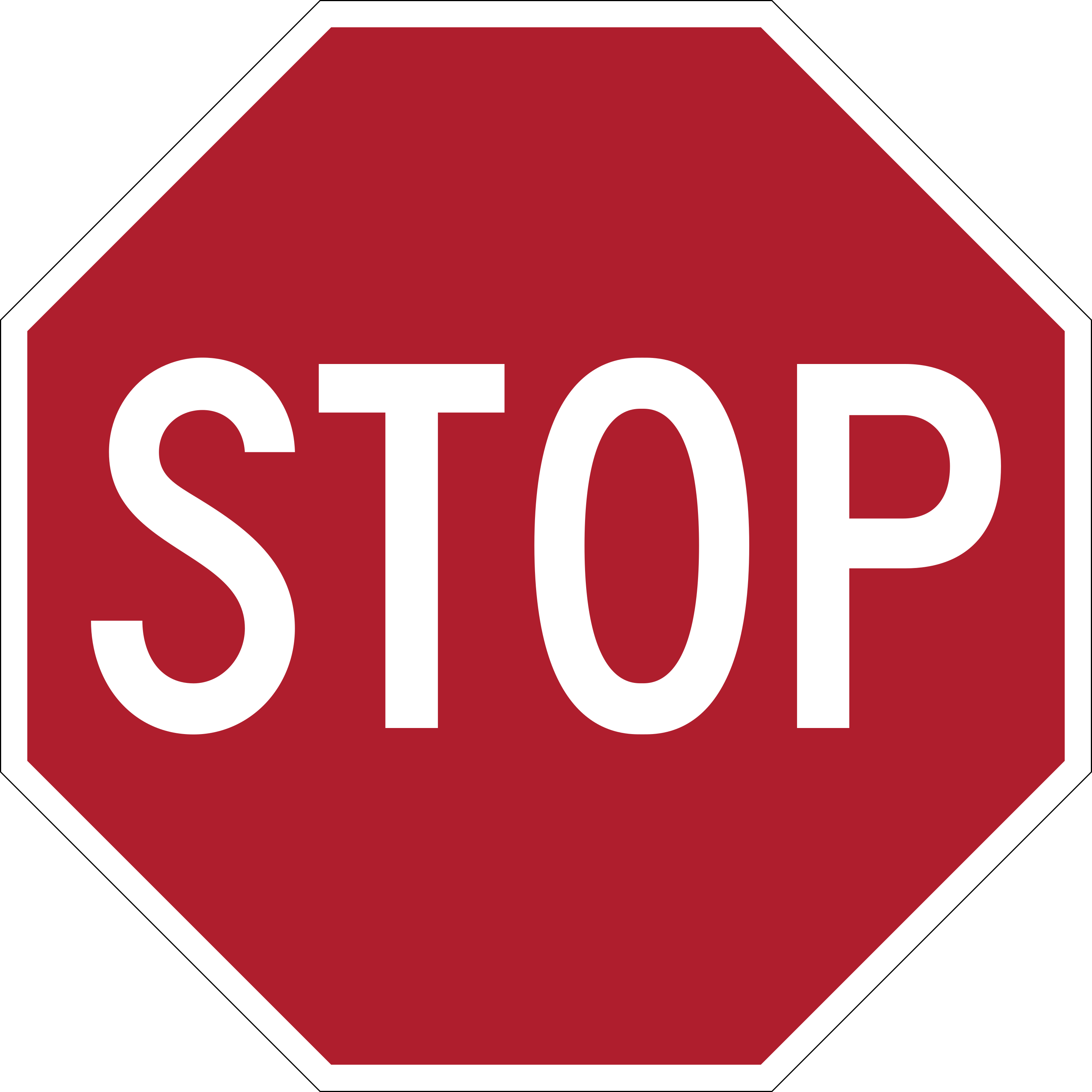
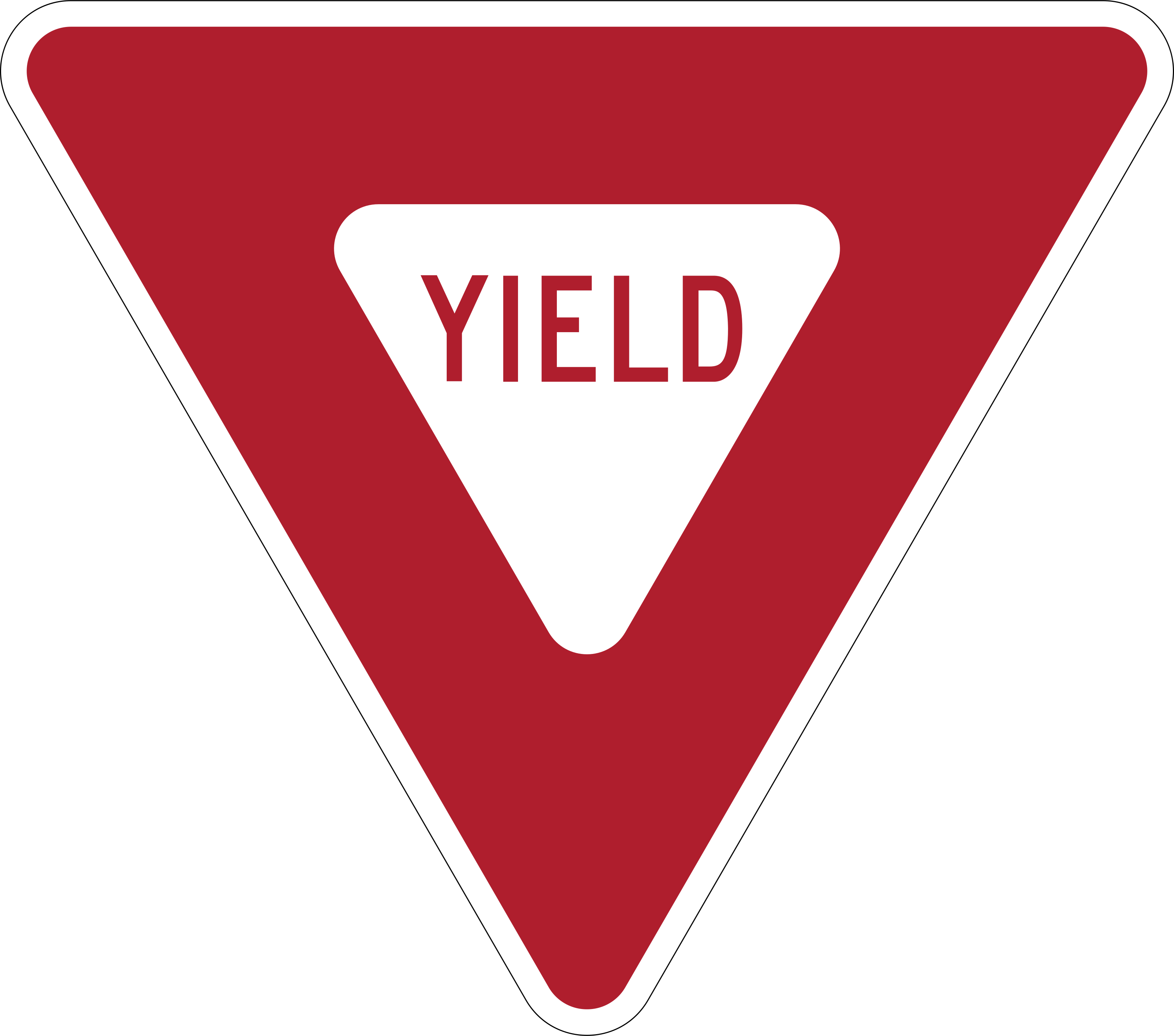
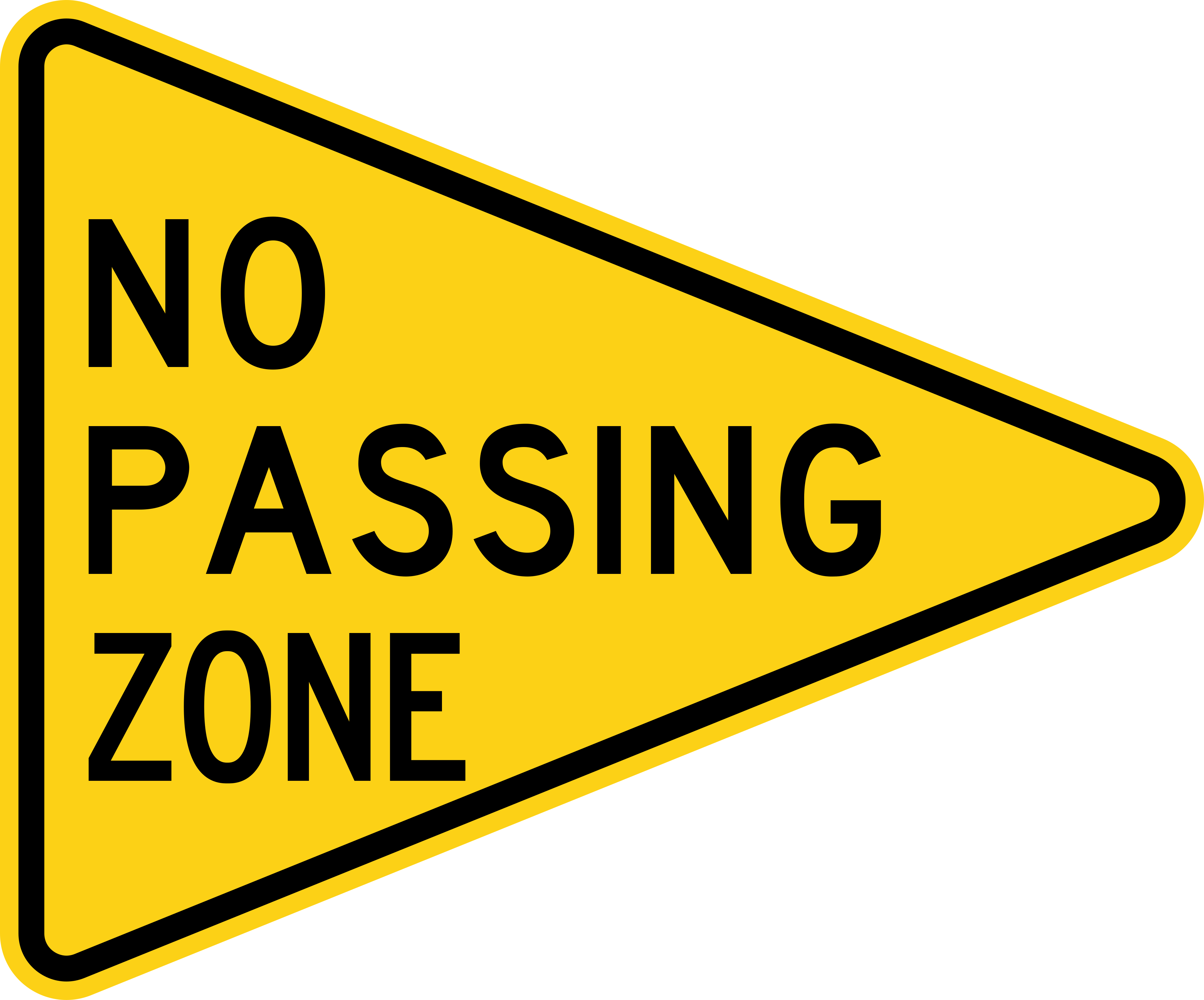
The sign material is Chapter V of the West Virginia Driver's Licensing Handbook, titled Traffic Control Devices, and it deserves describing carefully, because it does not file signs the way driver handbooks usually do. Rather than opening with regulatory signs and working outward through warning, guide and construction, it opens with a section called Single Message Shaped Signs — and the entries inside it are not sign names. They are outlines. Octagon. Triangle (upside down). Pennant. Circle. Pentagon. Triangle (right side up). Each outline gets a short paragraph about the single message it is allowed to carry: "These eight-sided signs are reserved for stop signs." "This shape requires that you yield the right-of-way to cross traffic or to merging traffic." "This sign marks the beginning of a no-passing zone." The two sections after it keep the geometry in their titles — Square & Rectangular Signs, then Diamond & Warning Signs — so shape is doing the sorting work that purpose usually does, with color riding along inside each family: white with black letters for most rectangles, red with white letters when the message matters most, yellow with black letters on the diamonds, yellow-green on pedestrian and school warnings. Only past that point does the chapter switch to function, running through Construction and Maintenance Signs, Guide Signs and Railroad Crossing Signs and Signals before leaving signs altogether for traffic lights, intersection flashers, lane use control signals, crosswalk signals and pavement markings. The reason for the arrangement is in the chapter's first two sentences: "The shape and color of signs have meaning. If fading light, fog, rain, snow, or darkness make it difficult to see the letters, applicants should still know how to recognize a sign and respond accordingly." A few pages on, the gallery is interrupted by a banner across the page: "BE PREPARED: KNOW YOUR SIGNS." Learn the outline and you have the meaning before you can read a single word on the panel — which is a good argument for studying West Virginia's signs in the order the state presents them rather than regrouping them yourself.
Every published West Virginia sign question here cites the handbook and then a named part of Chapter V, so an explanation can be walked back to the passage that produced it. The citations cluster where the chapter puts its own weight: the largest share point at Single Message Shaped Signs, the shape-by-shape opening, and the rest spread across Square & Rectangular Signs, Diamond & Warning Signs, Guide Signs, Railroad Crossing Signs and Signals, and Construction and Maintenance Signs and Devices. That last label repays a second look, because the chapter carries two headings that read almost alike — one over the work-zone signs themselves, and a later one over the signs and the devices together, the barricades, drums, cones, tubes, flashing arrow panels and flaggers that share the orange with them. A citation naming the longer heading is pointing at the second of the pair, not repeating the first. Nothing on this page cites the traffic-light, intersection-flasher, lane-control or pavement-marking parts of the chapter. Those are traffic control devices in West Virginia's own filing, and they are worth reading before a test that can ask about any of them — but they are not signs, and the questions here stay on the sign side of that line.
14 published West Virginia road-sign questions, each with an explanation and a citation to the handbook section it came from.
Content reviewed against official driver handbooks · August 12, 2026
Every sign you can be tested on in West Virginia
Regulatory signs
- Stop
- Yield
- Do Not Enter
- Wrong Way
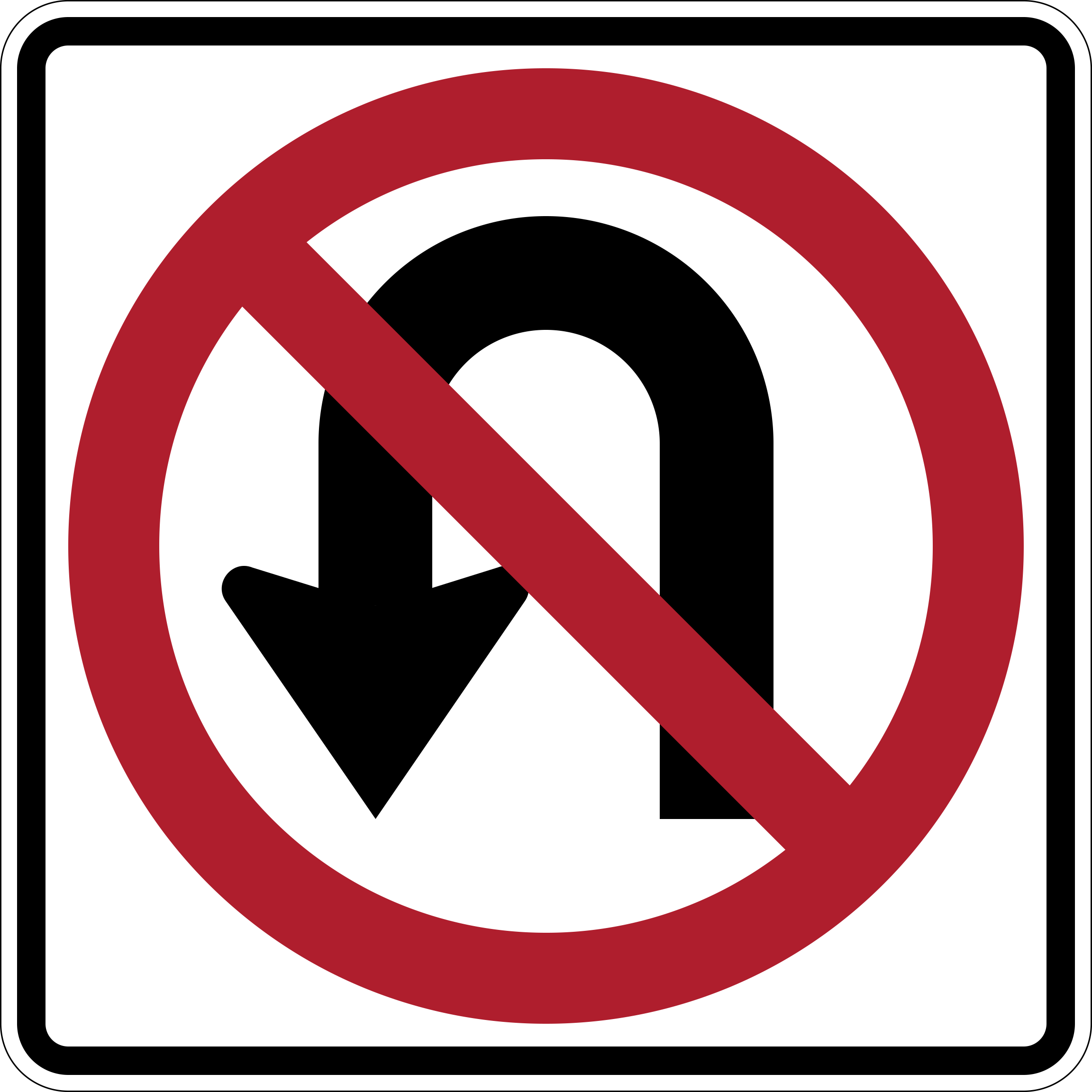
- No U-Turn
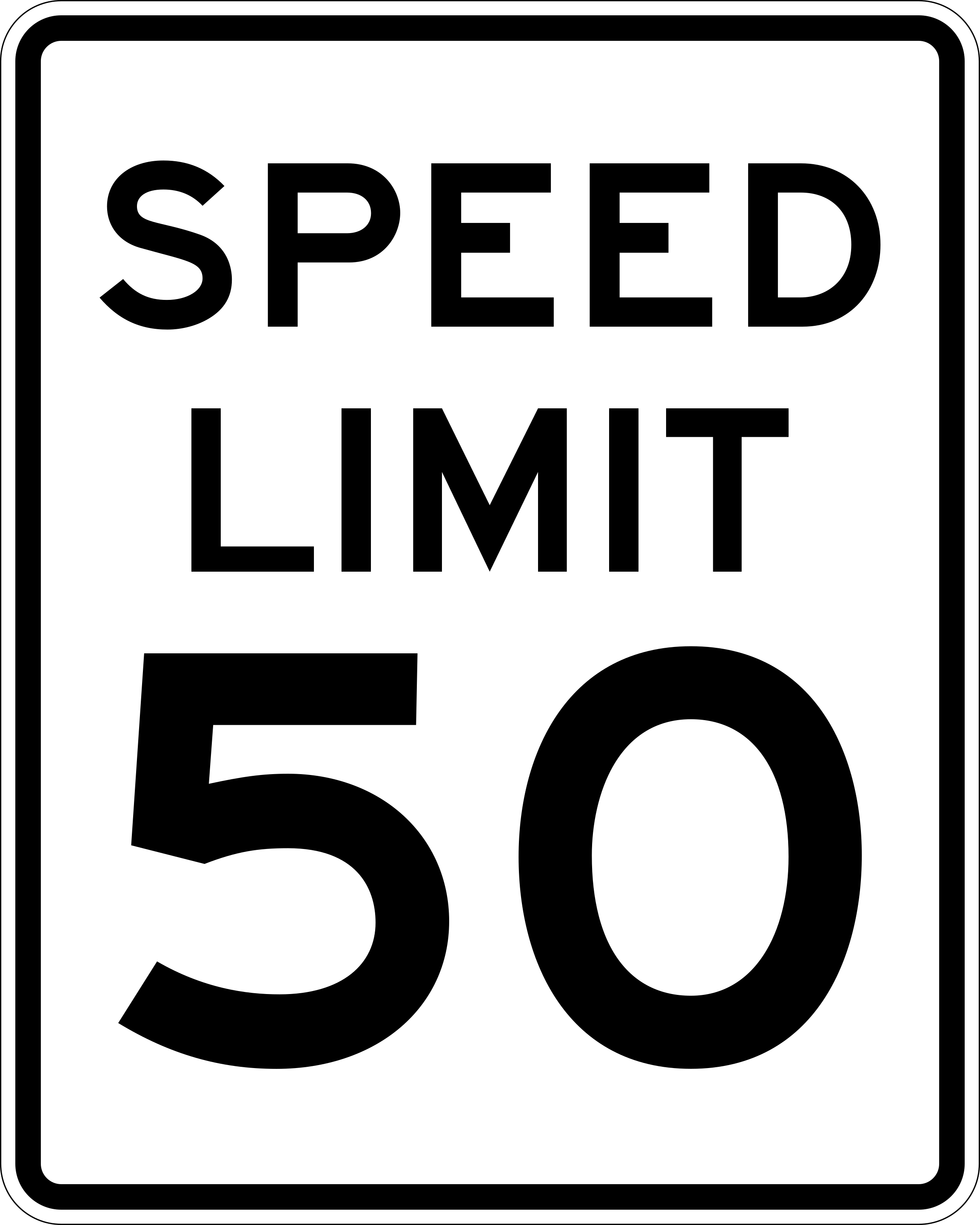
- Speed Limit
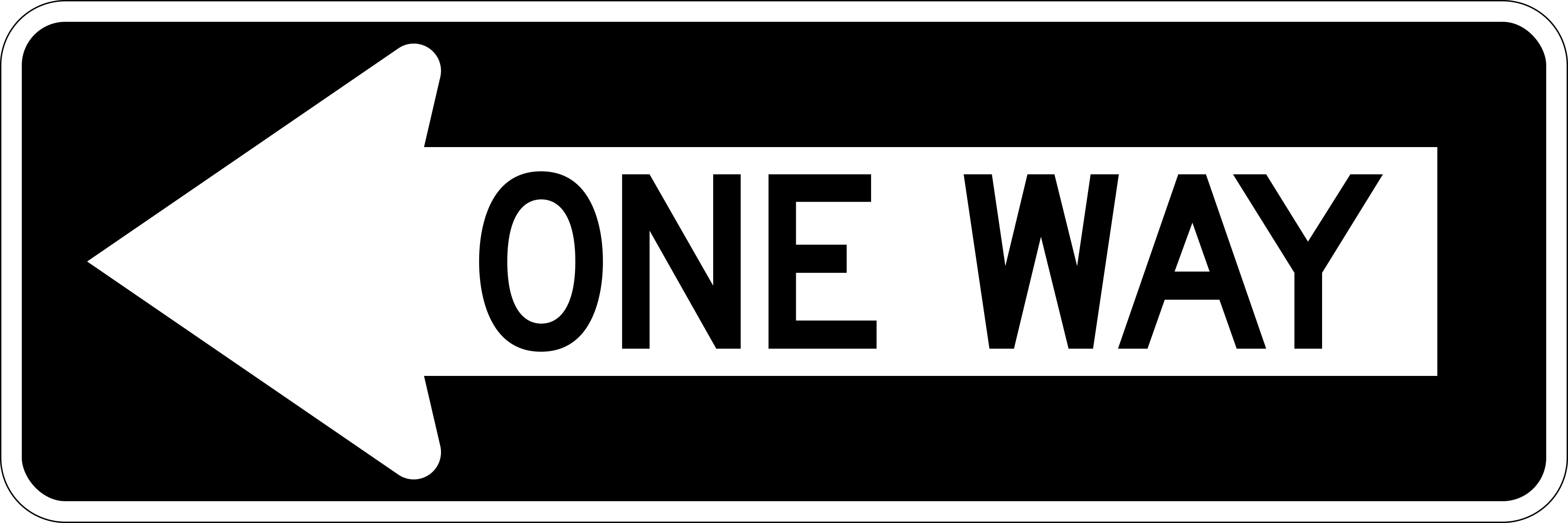
- One Way
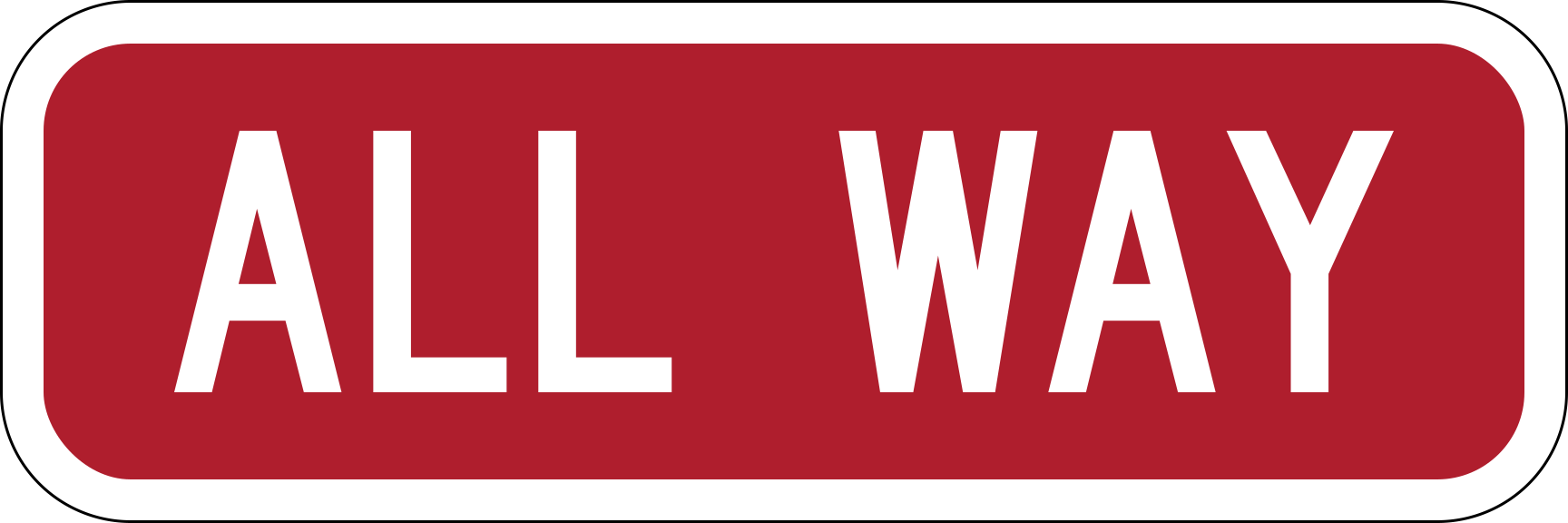
- All Way
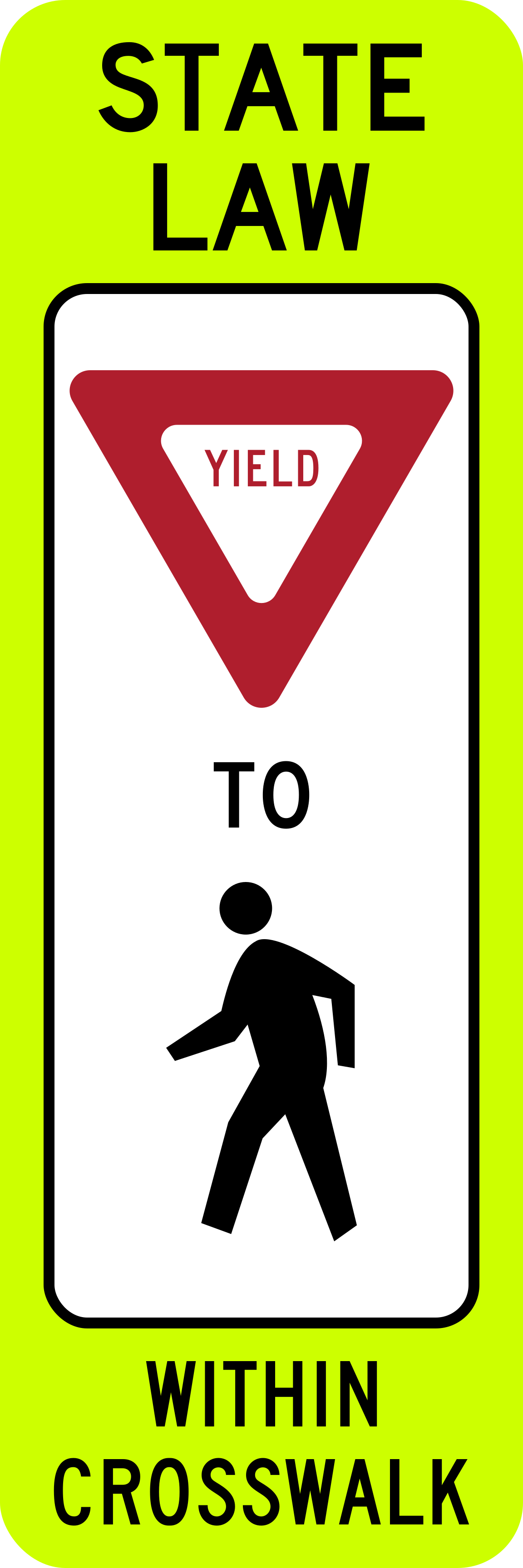
- State Law: Yield to Pedestrians
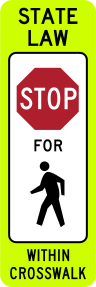
- State Law: Stop for Pedestrians
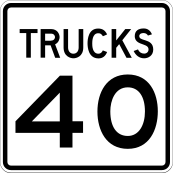
- Truck Speed Limit
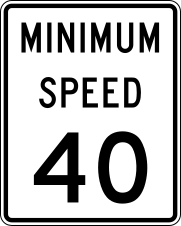
- Minimum Speed Limit
- Reduced Speed Limit Ahead
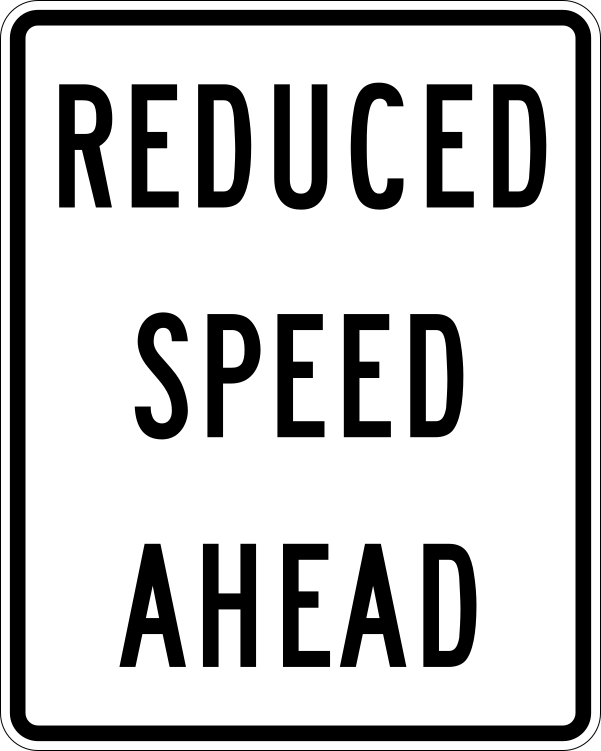
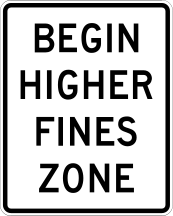
- Begin Higher Fines Zone
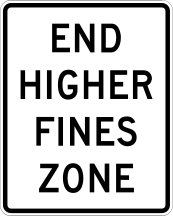
- End Higher Fines Zone
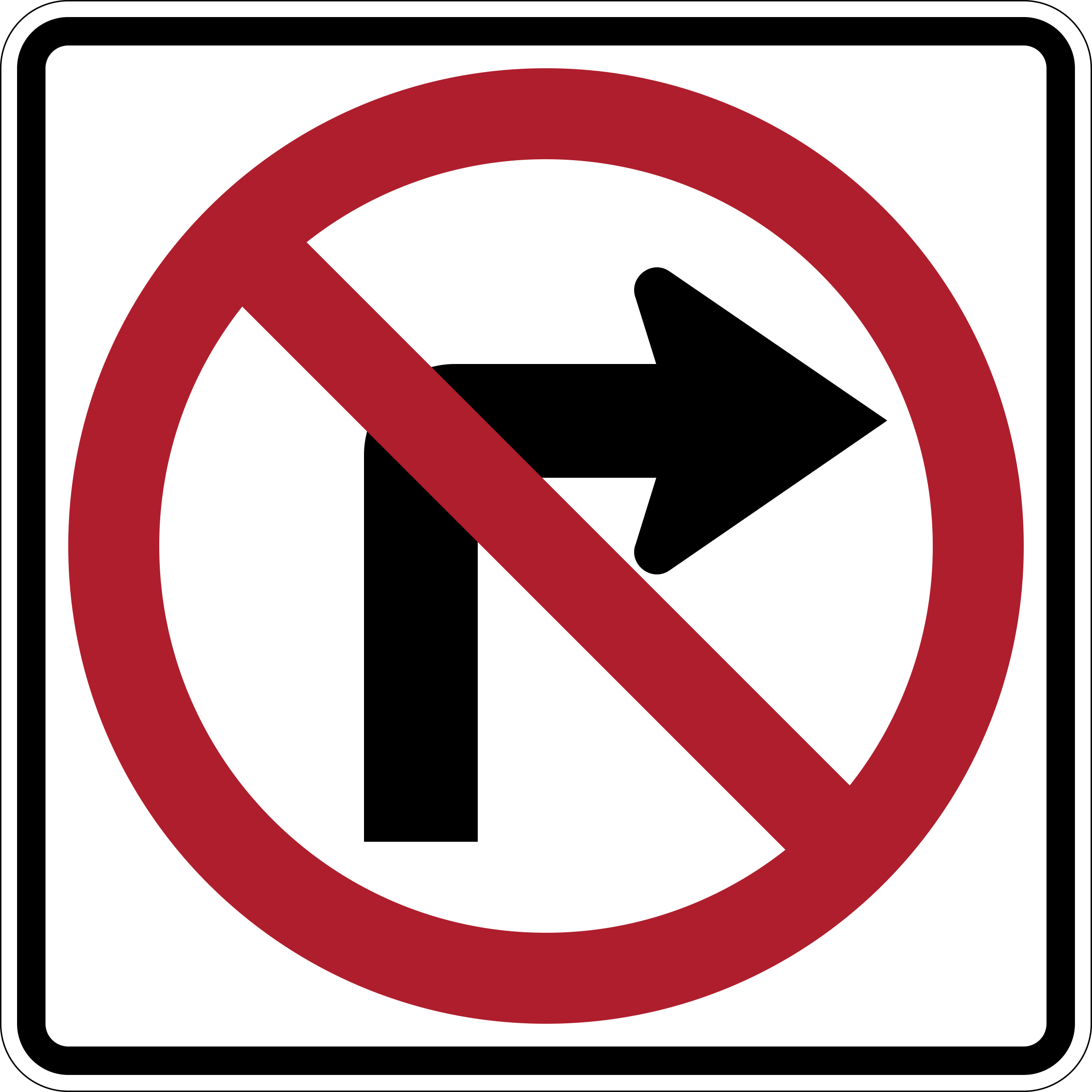
- No Right Turn
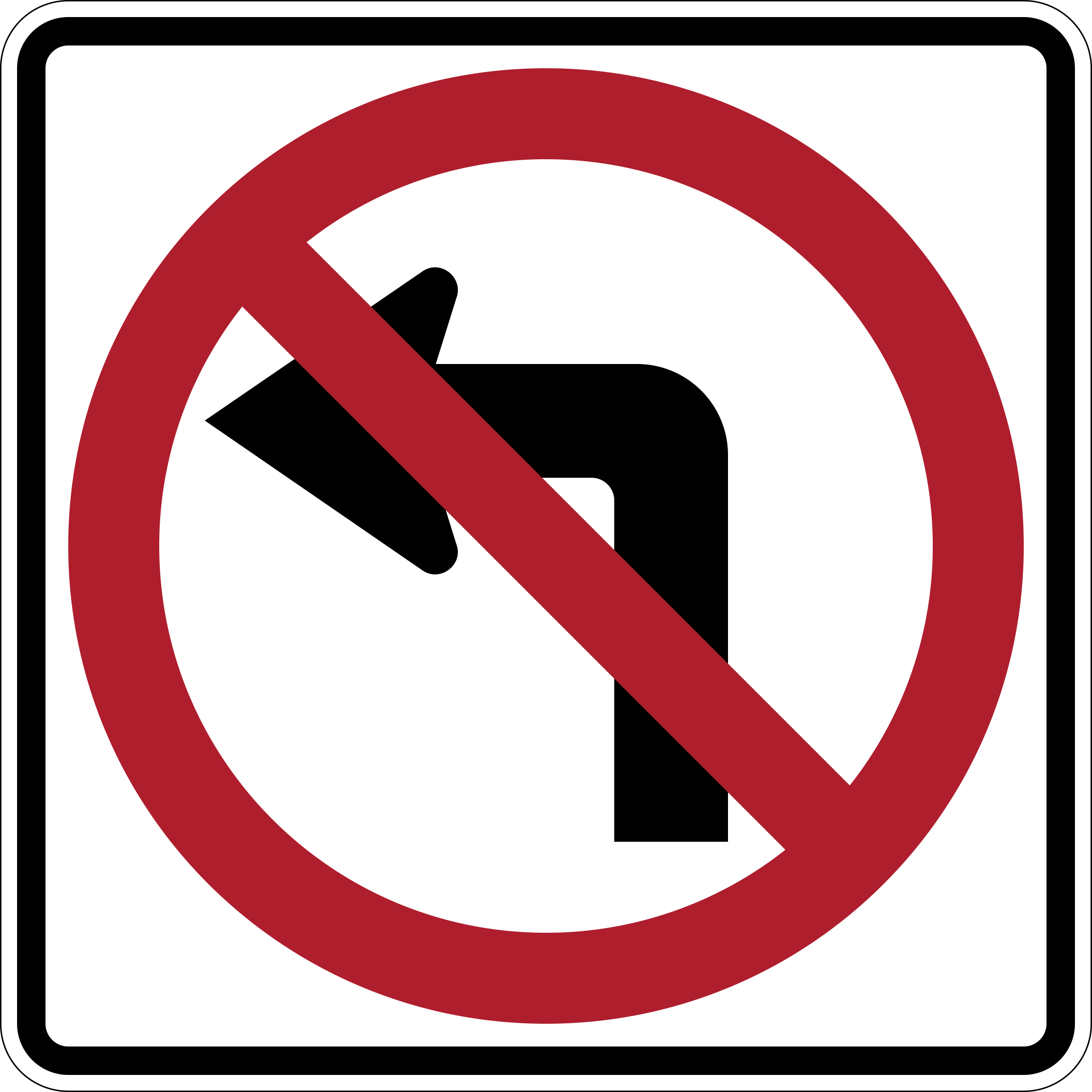
- No Left Turn
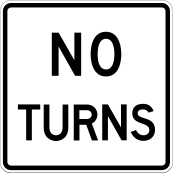
- No Turns
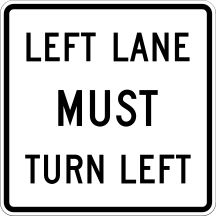
- Left Lane Must Turn Left
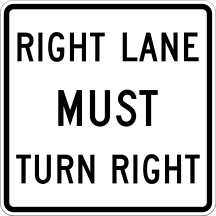
- Right Lane Must Turn Right
- Intersection Lane Control
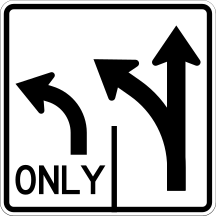
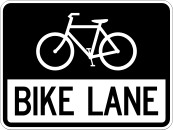
- Bike Lane
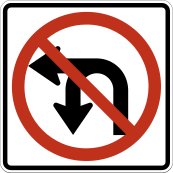
- No Left or U-Turn
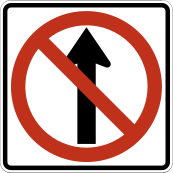
- No Straight Through
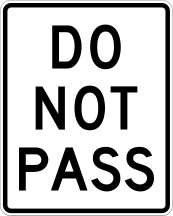
- Do Not Pass
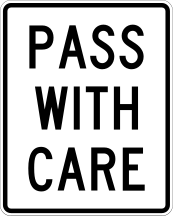
- Pass With Care
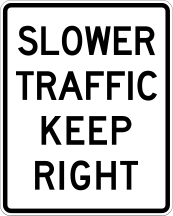
- Slower Traffic Keep Right
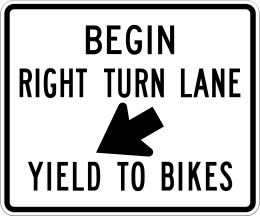
- Begin Right Turn Lane — Yield to Bikes
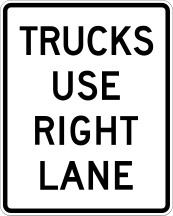
- Trucks Use Right Lane
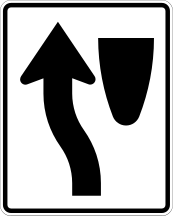
- Keep Right
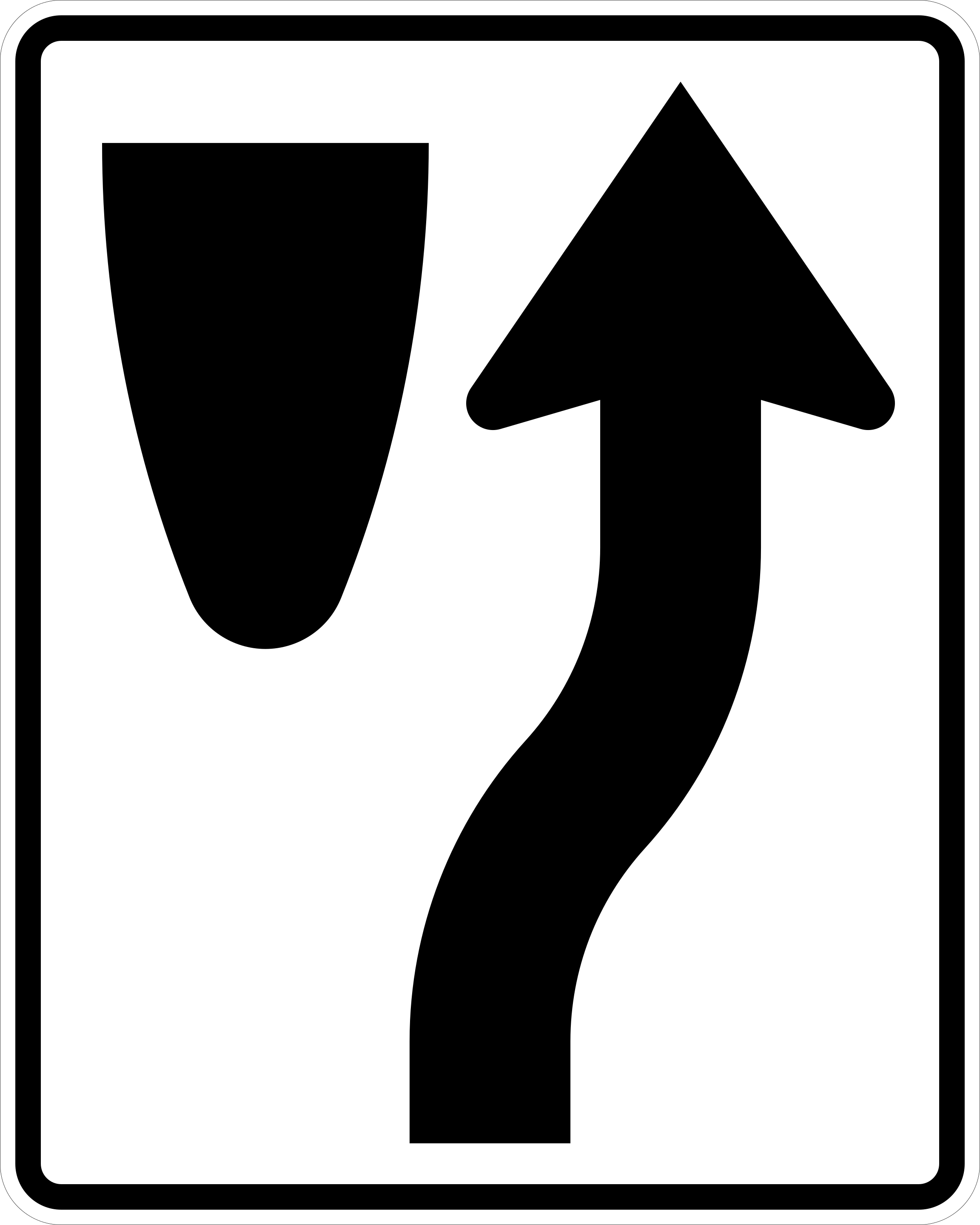
- Keep Left
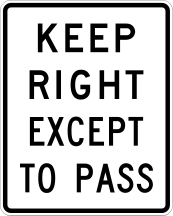
- Keep Right Except to Pass
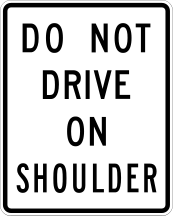
- Do Not Drive on Shoulder
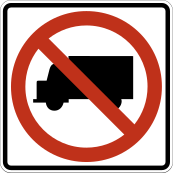
- No Trucks
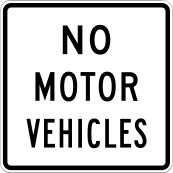
- No Motor Vehicles
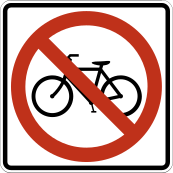
- No Bicycles
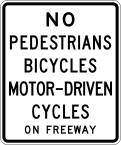
- No Pedestrians, Bicycles, or Motor-Driven Cycles
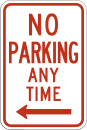
- No Parking Any Time
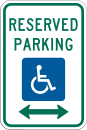
- Accessible Parking
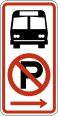
- No Parking Bus Stop
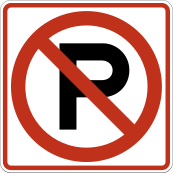
- No Parking
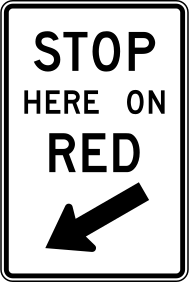
- Stop Here on Red
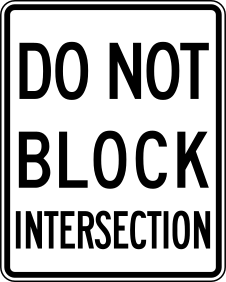
- Do Not Block Intersection
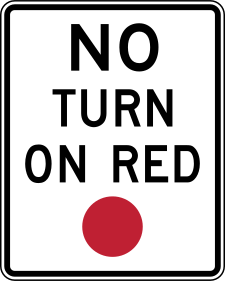
- No Turn on Red
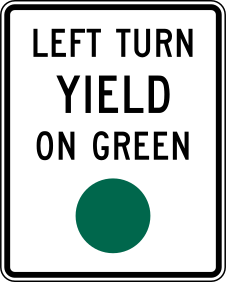
- Left Turn Yield on Green
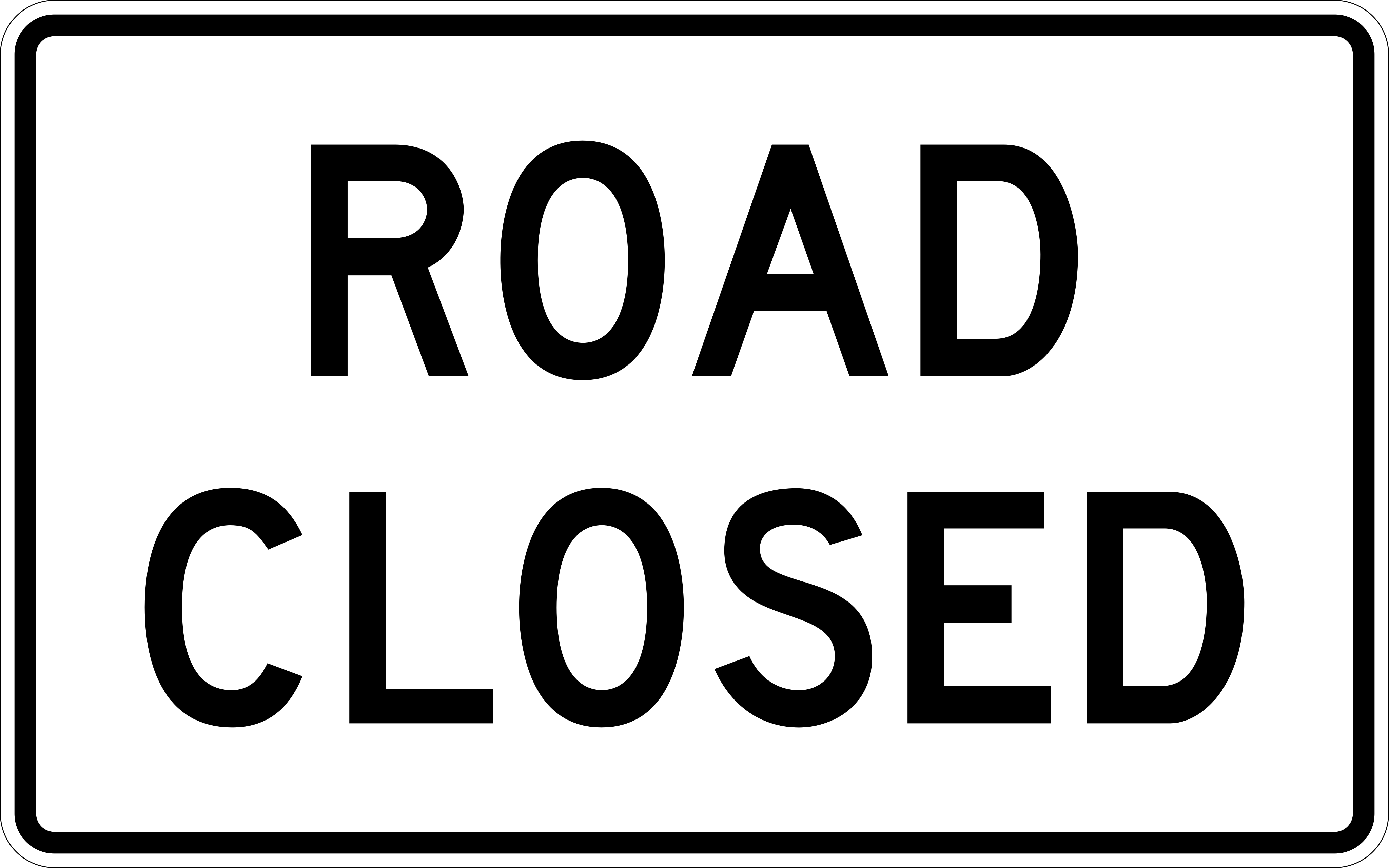
- Road Closed
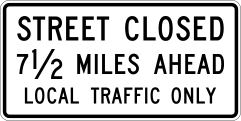
- Road Closed — Local Traffic Only
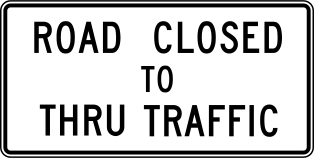
- Road Closed to Thru Traffic
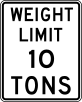
- Weight Limit
- No Hazardous Materials

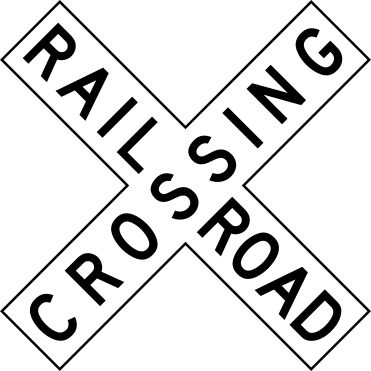
- Railroad Crossing (Crossbuck)
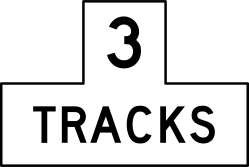
- Number of Tracks
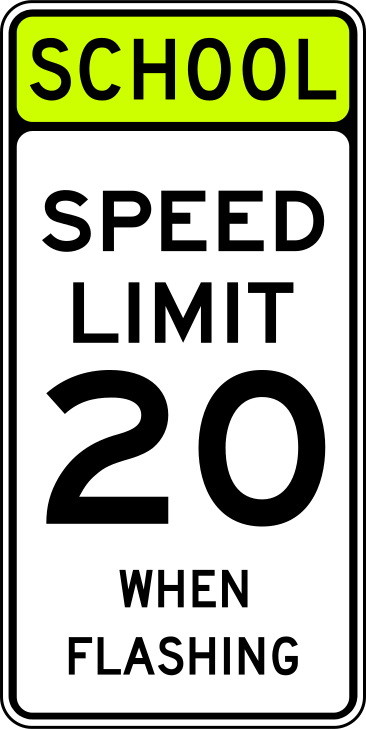
- School Speed Limit When Flashing
- HOV Lane
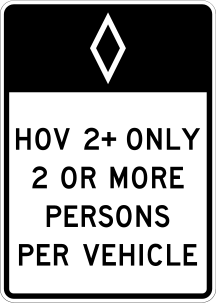
- Exempt

- Two-Way Left Turn Only
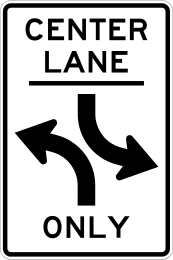
Warning signs
- Turn Ahead

- Stop Ahead

- Signal Ahead
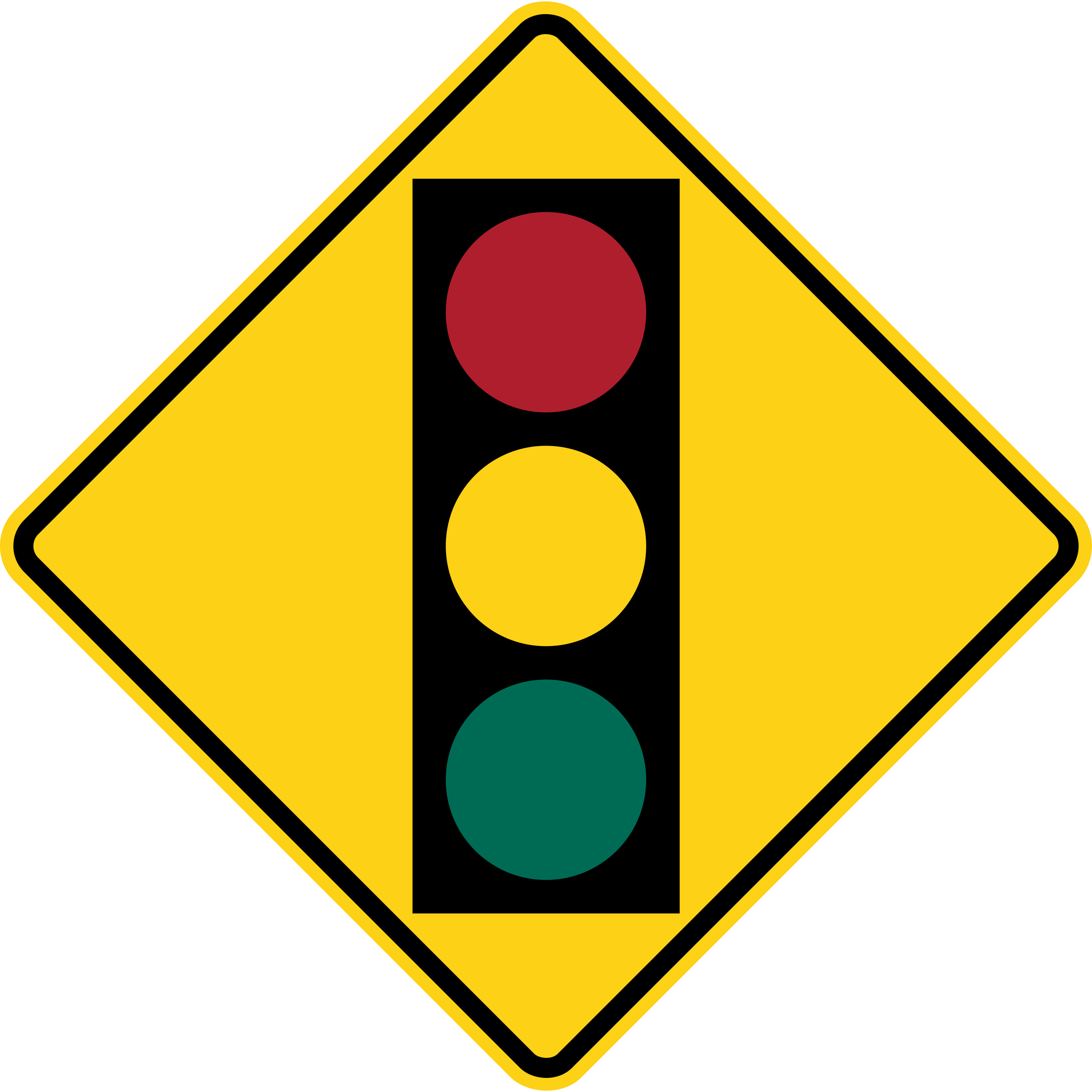
- Pedestrian Crossing

- Curve

- Reverse Turn

- Reverse Curve

- Winding Road

- One-Direction Large Arrow

- Two-Direction Large Arrow

- Chevron Alignment

- Hairpin Curve

- Cross Road

- Side Road

- Roundabout Ahead

- Yield Ahead

- Be Prepared to Stop

- Reduced Speed Limit Ahead
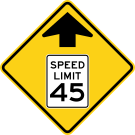
- Merging Traffic

- Lane Ends

- Added Lane

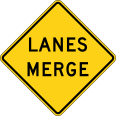
- Lanes Merge
- Road Narrows

- Narrow Bridge

- One Lane Bridge

- Ramp Narrows

- Divided Highway Begins

- Divided Highway Ends

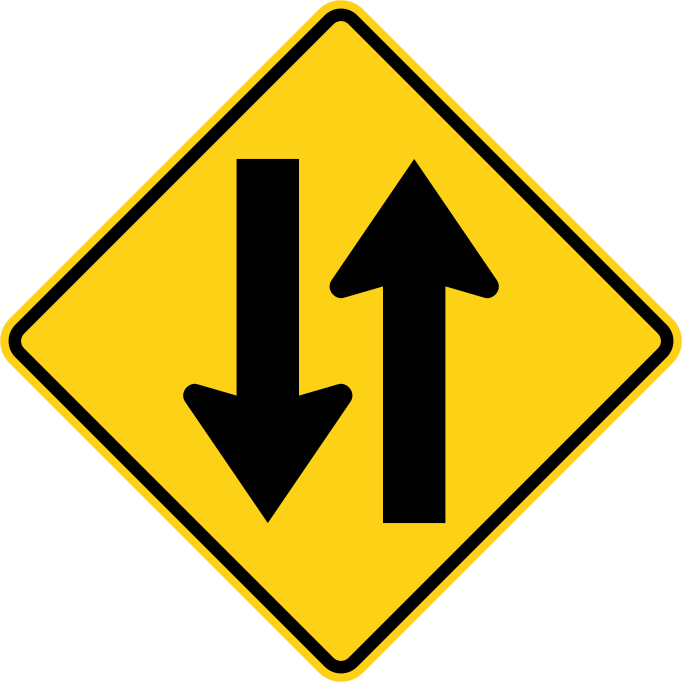
- Two-Way Traffic
- Hill / Steep Grade

- Bump

- Dip

- Pavement Ends

- Soft Shoulder

- Slippery When Wet

- Loose Gravel

- Rough Road

- Low Shoulder

- Uneven Lanes

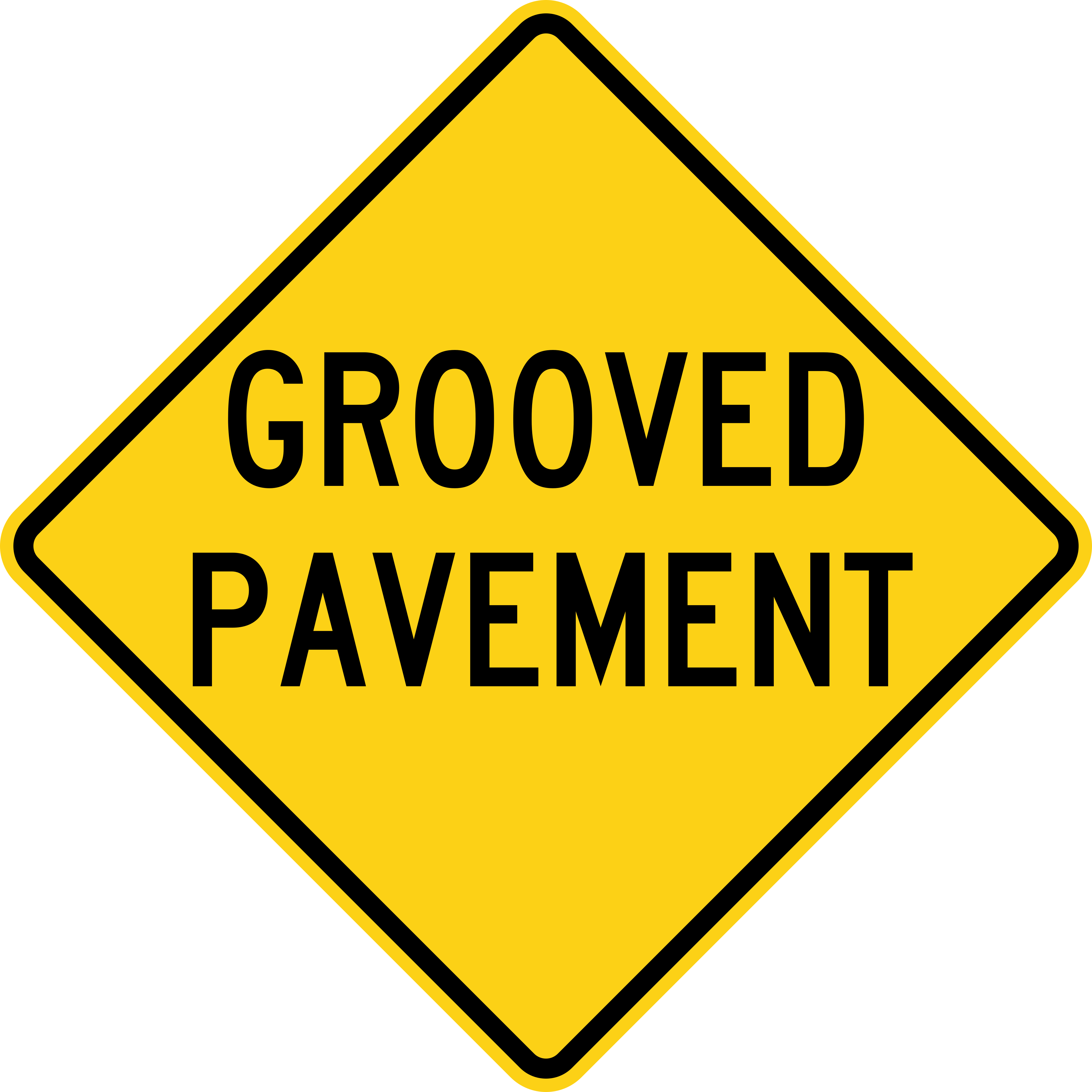
- Grooved Pavement
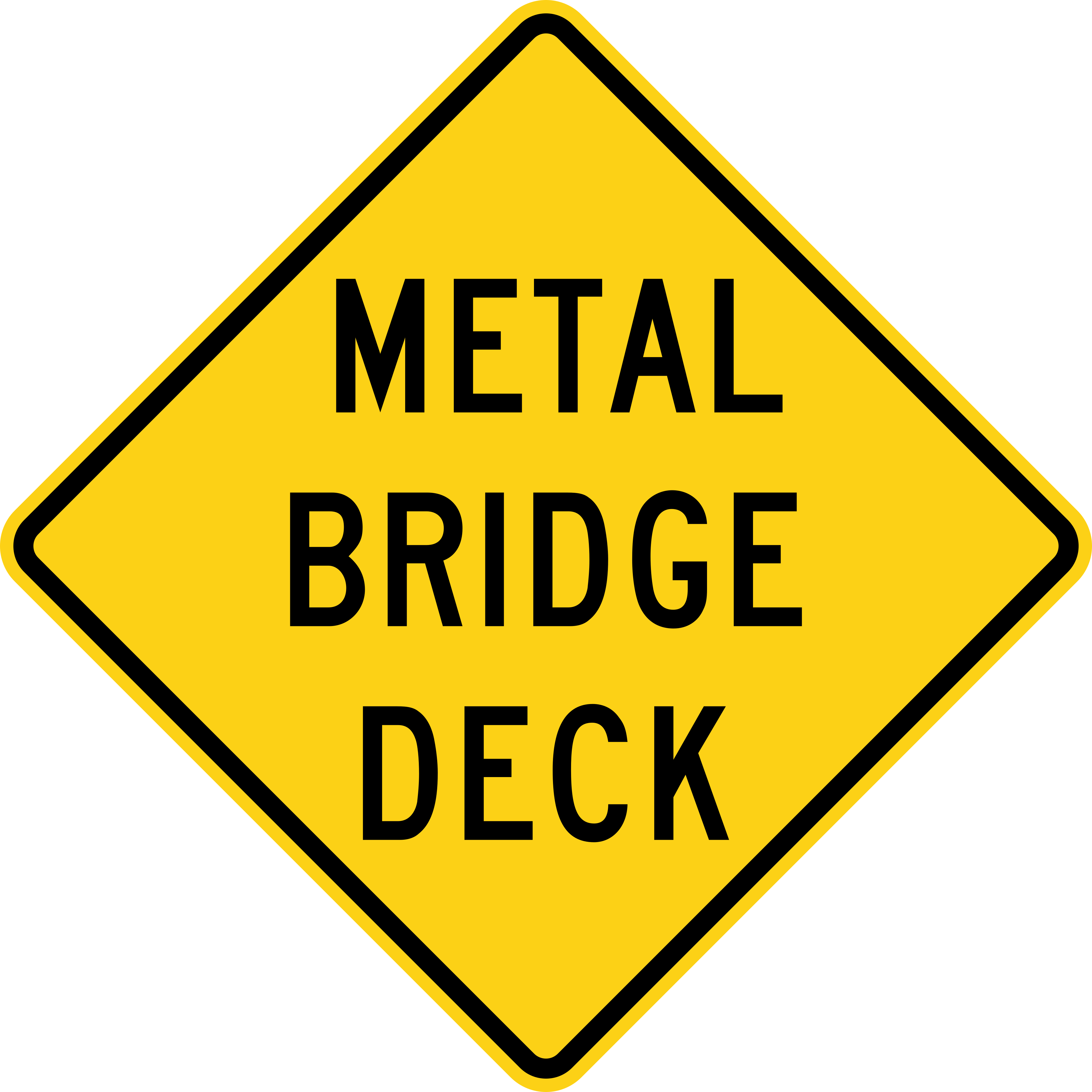
- Metal Bridge Deck
- Railroad Crossing Ahead

- Bicycle Crossing

- Deer Crossing

- Cattle Crossing

- Farm Machinery

- Snowmobile Crossing

- Equestrian Crossing

- Persons with Disabilities

- Golf Cart Crossing

- Horse-Drawn Vehicle Crossing

- Low Clearance

- Advisory Speed

- Dead End

- No Outlet

- No Passing Zone
- Playground

- Speed Hump

- School

- Truck Rollover

- Bridge Ices Before Road

- Road May Flood

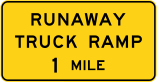
- Runaway Truck Ramp
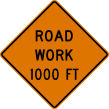
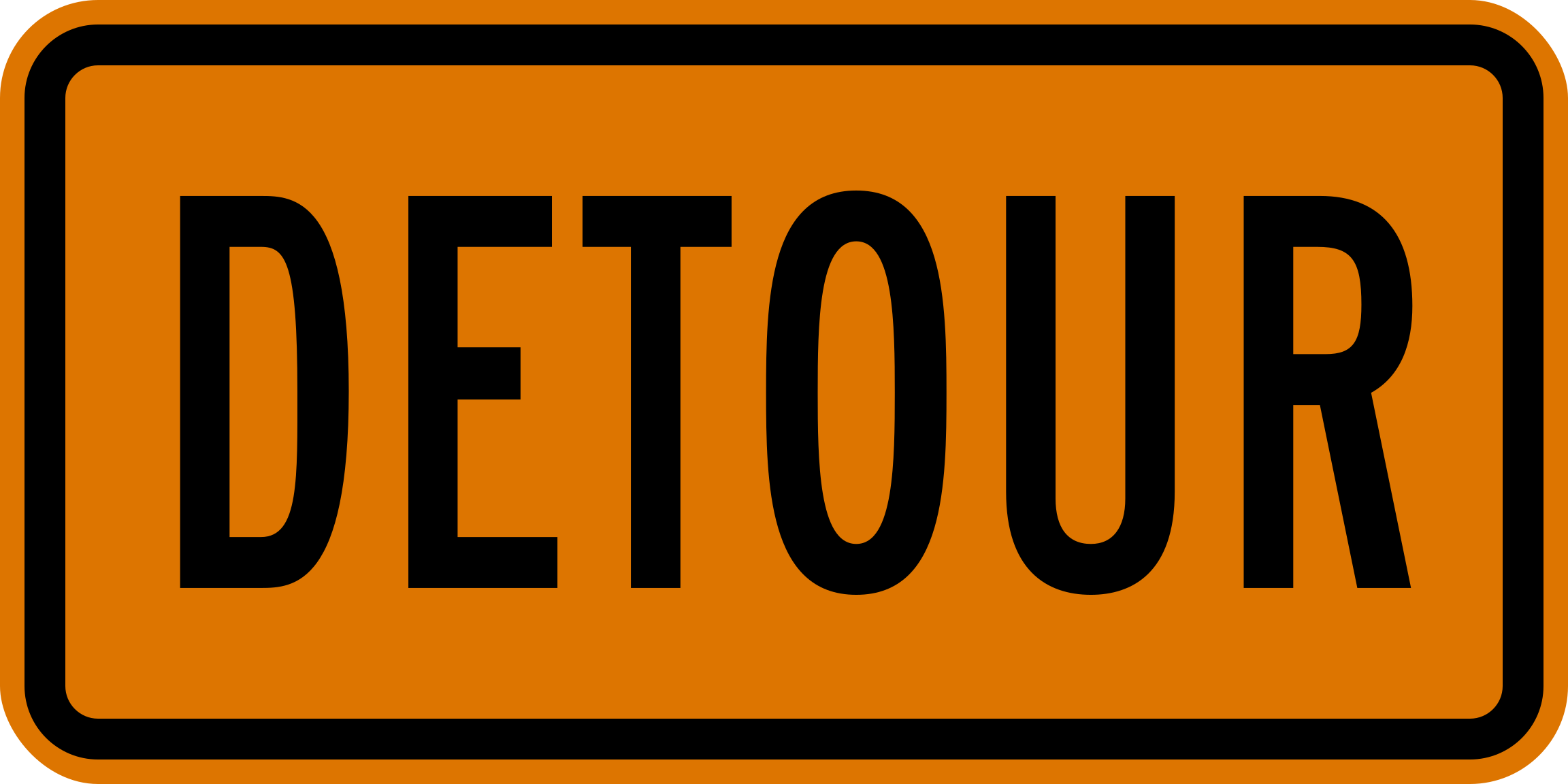
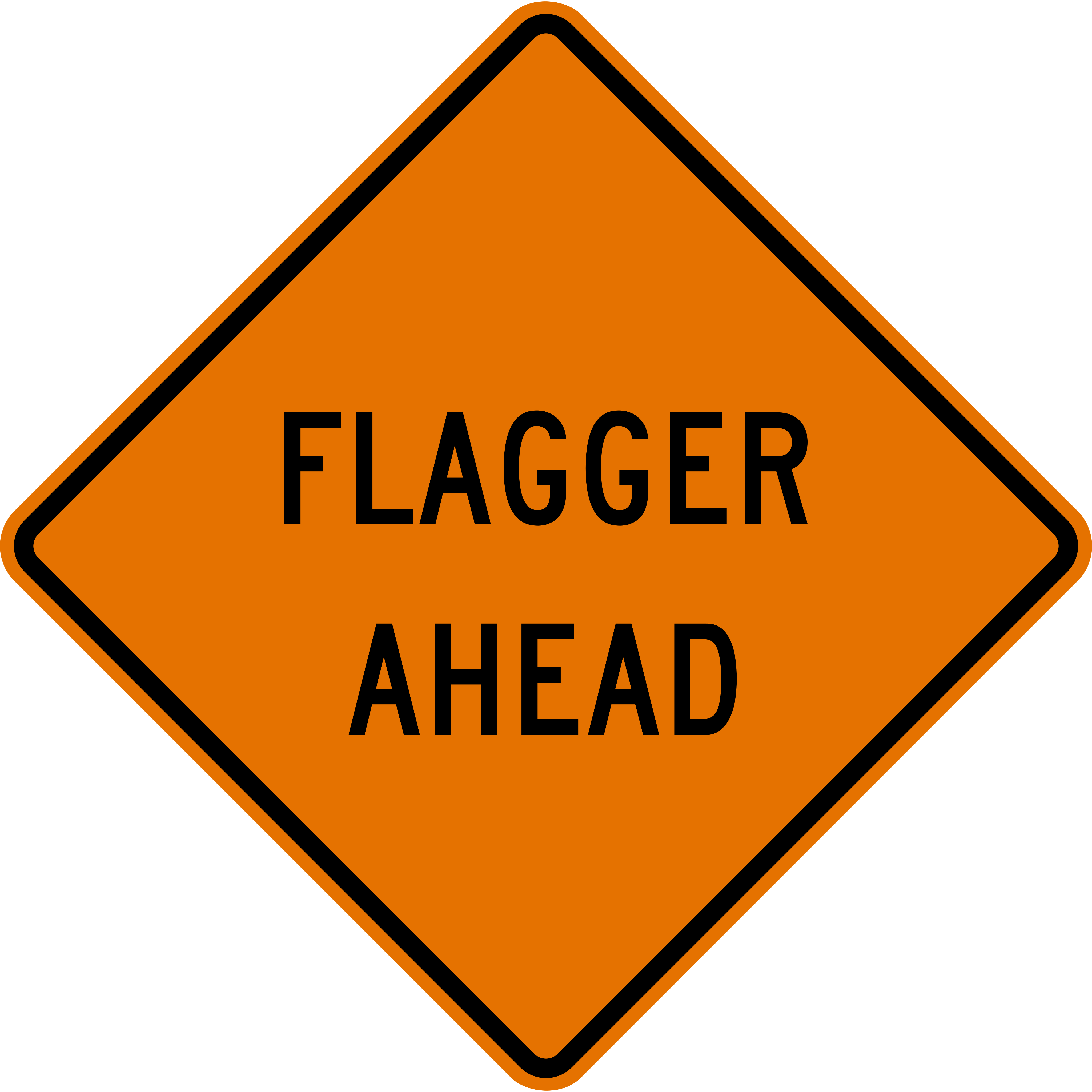
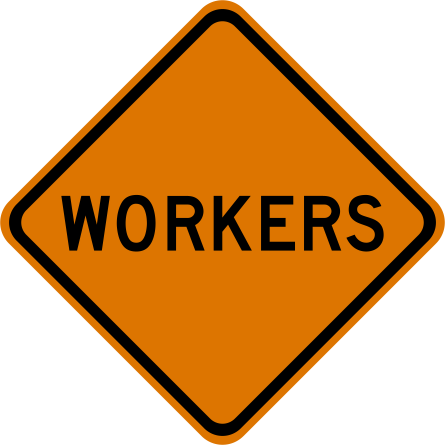
Construction & work-zone signs


Guide signs
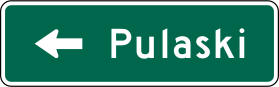
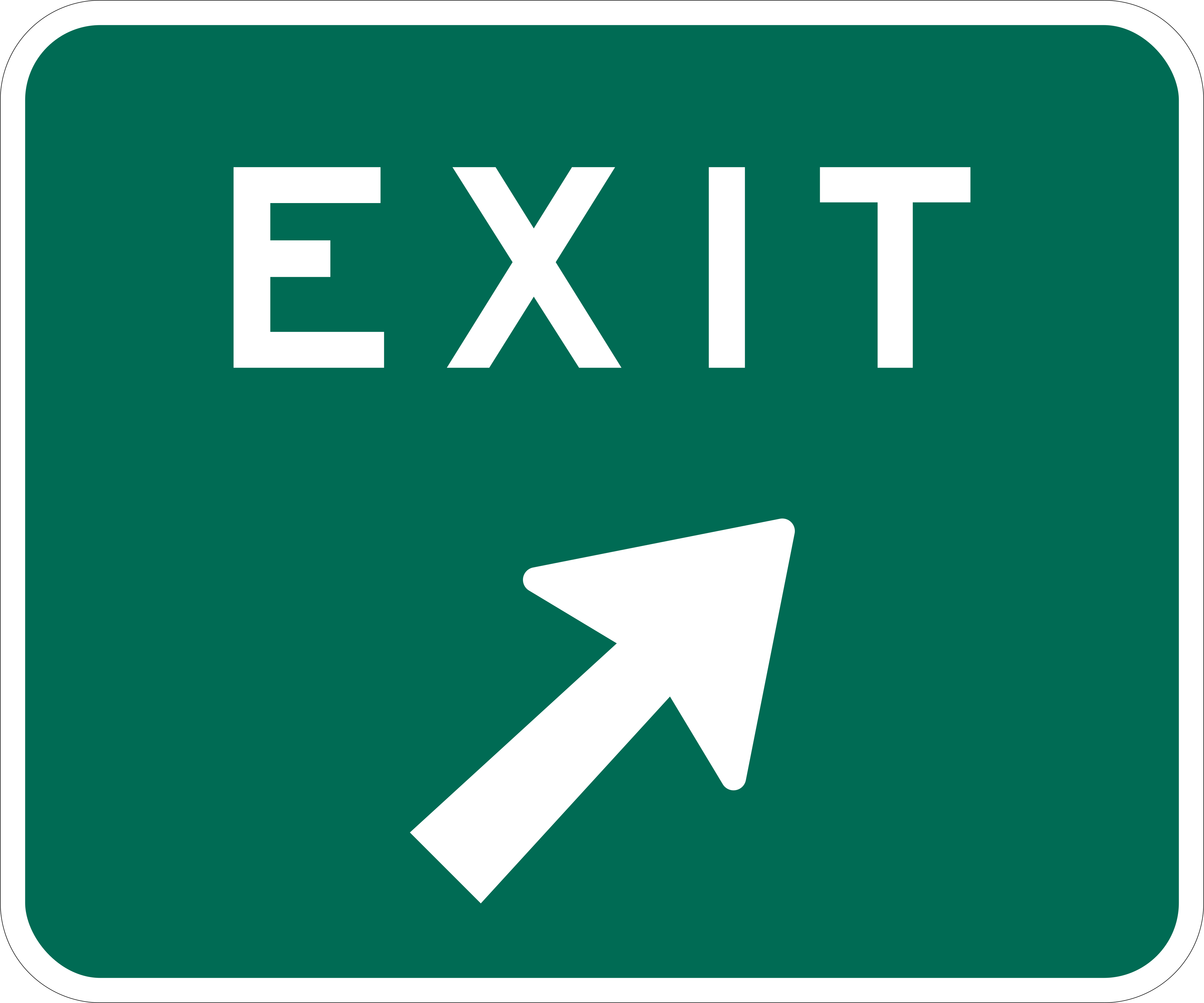


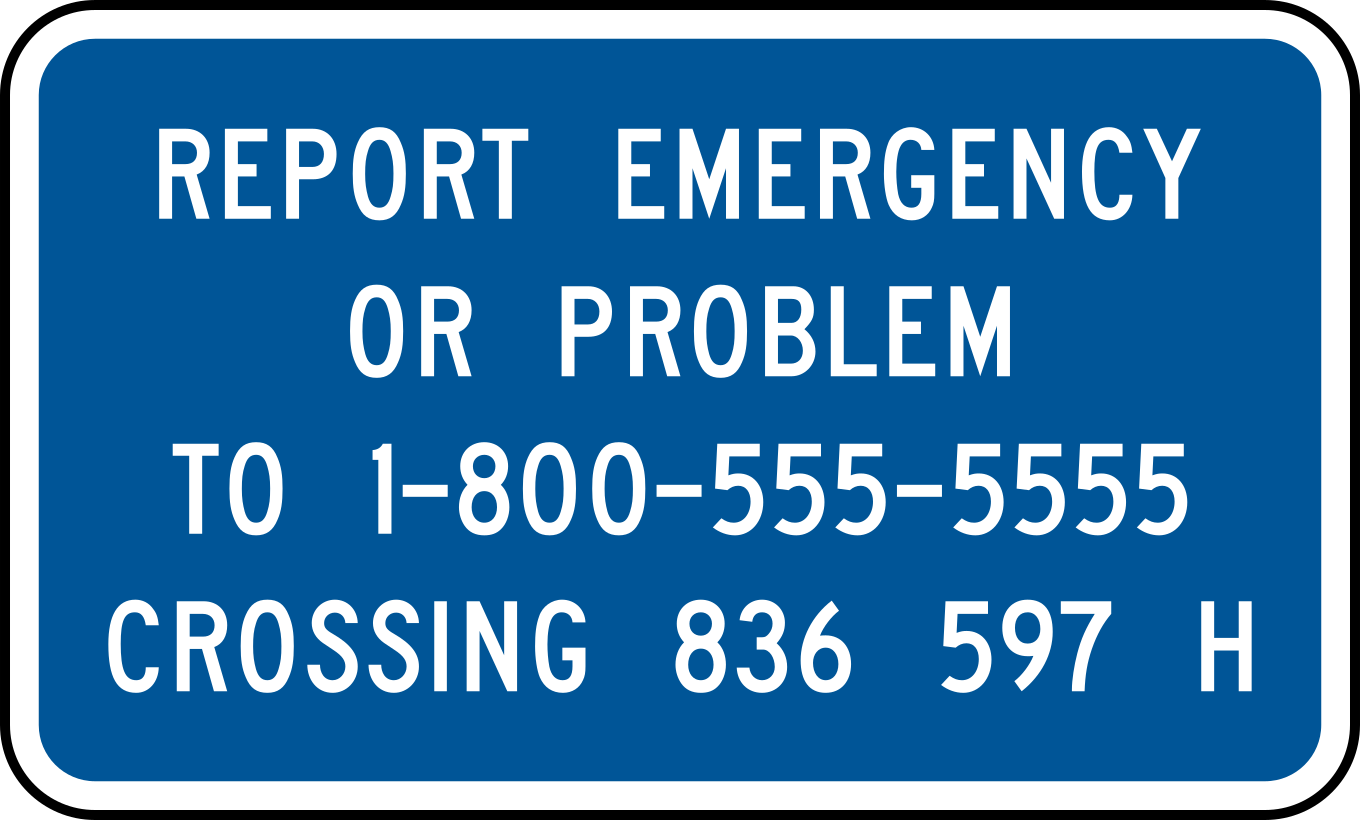
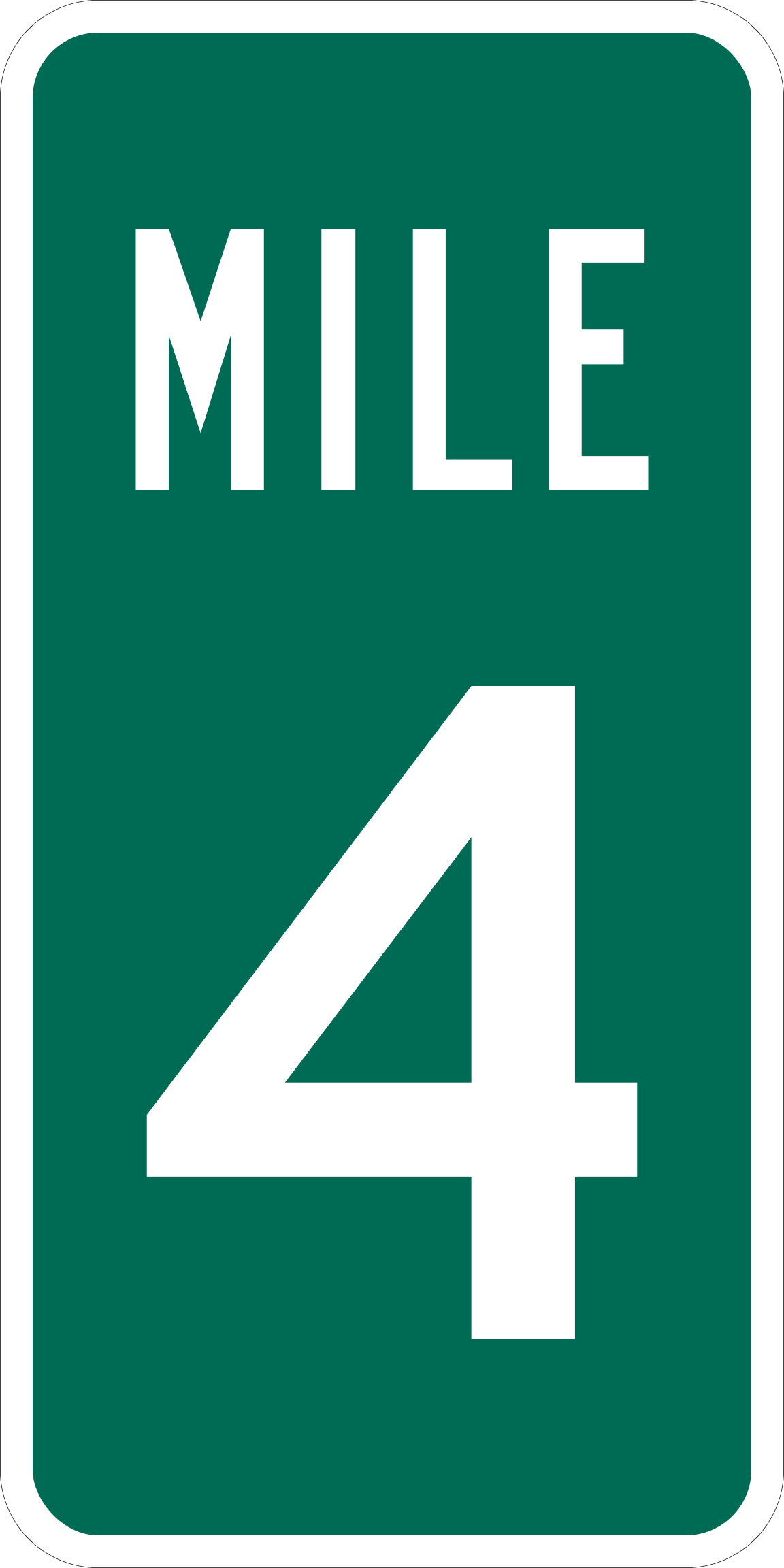
Service & information signs



West Virginia road signs: frequently asked questions
How many of West Virginia's 25 written-test questions are about road signs?
West Virginia does not publish that figure. The handbook names signs among the subjects the exam draws on — "the basic knowledge, traffic rules, regulations, signs, and markings found in the handbook" — and then stops. No chapter assigns a number of items to signs, sets a separate sign score, or promises a minimum, and the DMV's website adds nothing on the point either. What is published is the whole-test bar, and it is worth saying slowly: 25 questions, 19 correct. Nineteen, not twenty. West Virginia's pass mark is 76 percent, so the exam leaves room for six wrong answers rather than five, spread across every subject combined. There is no safe number of sign questions to skip, but there is a little more margin than a round eighty percent would suggest.
Does West Virginia's knowledge test have a time limit?
Yes, and the handbook states the consequence without ever stating the length: "There is a time limit on the test and any questions not answered in the prescribed time will be considered incorrect." No figure is attached to that sentence anywhere in the book, so plan on treating an unanswered question as a wrong one and keeping the screen moving. Two other conditions of the room are published. Testing is automated at every location, and nothing electronic comes in with you — cell phones, smart glasses, PDAs, Bluetooth devices and the like are barred from the exam room, and only the applicant taking the test is allowed inside it. An audio version exists for the reading impaired, delivered over headphones, covering the same material under the same rules as the printed exam; the handbook warns that headsets are limited and that you may have to wait for one.
Can I take the West Virginia written test online?
The handbook says yes, under a heading called Know to Drive Online Testing: "Applicants may take the written test Online. Online testing is considered part of the Driver's License Application process." It then sets the limit of that in capitals, which is unusual enough to quote as printed: "THE CERTIFICATE RECEIVED FROM THIS TEST IS NOT PERMISSION TO DRIVE. YOU MUST GO TO A DMV LOCATION FOR PROCESSING." So passing at your kitchen table advances the application; it does not put you behind a wheel. A DMV regional office still handles the documents, the vision screening — the handbook's standard is "at least 20/40 vision in one (1) eye" — and the issuing of the permit itself. First-time applicants also have a short DUI awareness course to complete, given after the road skills test is passed.
What happens in West Virginia if I fail the knowledge test?
You wait a week. Under Retest Information the handbook states that applicants who fail either the knowledge or the road skills test "may not be tested twice within a period of one (1) week, in accordance with §17B-2-6, West Virginia State Code" — a statutory interval rather than an office preference, and it applies the same way to the driving test. Each attempt is also priced: in the conditions listed for a Level 1 GDL instruction permit, the handbook sets the fee for a knowledge test at $7.50 for each attempt. A failure does not reset your paperwork or your documents, but it does cost you seven days of the calendar, which is the argument for reading the sign chapter properly before the first try rather than after it.
Are road signs part of the West Virginia driving test as well?
Yes, and West Virginia says so outright, which not every handbook bothers to do. The road-test chapter carries a Traffic Signs heading warning that you will be asked to identify signs, that they "can be located anywhere on the road test," and that if the examiner asks what sign you just passed you should be able to answer. The printed score form backs it with a scored line reading "signs (randomly pick 2)", and its automatic-failure list opens with a moving violation or disobeying signs and signals. So the sign work does not end when the screen does. It is worth practicing the way it will actually be tested: name what you passed a few seconds after passing it, out loud, from memory, while still driving normally.
Does the West Virginia DMV publish practice questions of its own?
It does. The DMV's Sample Driver's Test page carries a twenty-question study guide with an answer key at the bottom, introduced with the caveat that the items are "NOT the actual test questions" but are "taken from state law and from the Driver's Licensing Handbook." It is short enough to work through in a few minutes and worth doing for the register alone. One item on that sheet is about a sign, and the way it is asked is the whole point: it asks what shape a stop sign is, and the key gives octagon. Not what the sign says, not what color it is — what its outline commits it to. The state's own sample question runs on exactly the logic its sign chapter is built on.
Official sources
- West Virginia Driver's Licensing Handbook (WV Division of Motor Vehicles)
- WV Division of Motor Vehicles — Sample Driver's Test
- WV Division of Motor Vehicles — Driver's Licensing Handbooks
Checked against official state sources on 2026-08-29.