Washington Road Signs and Their Meanings
You could read the Washington Driver Guide from cover to cover and still not know how long the knowledge test is. The exam has a numbered section of its own — 1.12, Personal Driver License Exams — and the guide spends it on the sequence rather than on the arithmetic: there are two exams, you must pass the Driving Knowledge Exam before you may take the Driving Skills Exam, and once the knowledge exam is behind you, you have two years in which to complete the skills exam. What that section never gives, and what nearly two hundred pages on roads, drivers and vehicles never give either, is the question count or the passing score. Those live somewhere else entirely — on the Department of Licensing's own website, where the requirement is stated in one line: you must get 32 out of 40 correct answers to pass. Signs are part of what those 40 cover, and the guide is where the state expects you to learn them.
Ask Washington where to sit the knowledge exam and the guide answers twice. Section 1.12 lists both routes under Taking the exams: find a driver training school exam location by searching approved driver training school at dol.wa.gov, or schedule an appointment at a driver licensing office in License Express. What the Department of Licensing will not tell you is the price. You will need to pay a fee that varies by location, it says, and to check with your testing location for the exact amount. Language carries the same caveat: the knowledge test is available in twelve languages and the driver guide is published as a PDF in seventeen, but the DOL still tells you to check with your driver training school that they offer the test in the language you need. The scoring is the part that does not move — thirty-two of forty correct on the knowledge test, and at least 80 out of 100 on the drive test, which is graded separately and whose result lasts a year. Neither figure is broken down by subject. Washington has never said how many of the forty questions are about signs, and it publishes no minimum number of sign answers.
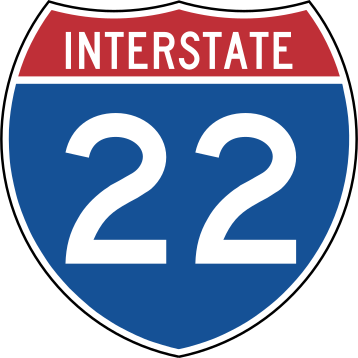
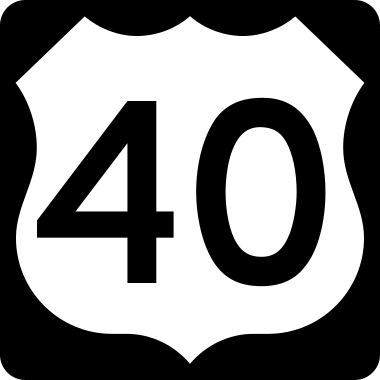
In the guide, signs are section 4.12, sitting inside the chapter on roads between traffic light signals at 4.11 and common intersections at 4.13. It opens with a color table of eight entries — red for a prohibitive or restricted action, orange for construction and maintenance warning, yellow for general and unexpected road conditions, fluorescent yellow green for school, pedestrian and bicycling activity, white for regulatory, green for guide or directional information, blue for motorist services guidance, brown for public recreation, cultural and historical areas. Then it stops and admits that the list is incomplete. Some, but not all, Washington State signs are shown below, section 4.12 says, and adds that you are responsible for knowing all signs, including city and county signs. The signs it does show make the state obvious from the page alone — chain advisory, light rail, national forest, tsunami hazard zone, volcano evacuation route.
Most of the published Washington questions here describe a sign instead of naming it. You are given the color, the shape and whatever is printed or drawn on the face — a yellow diamond carrying a tractor, a round yellow sign with a black X and two R letters, a blue sign showing a fork and knife — and asked what it means. That is deliberate, and it follows the half of the guide's signs section that actually teaches: the common signs block pairs every picture with a short explanation. The block beside it runs the other way. Other traffic signs is a caption grid — a picture, a name, nothing else — which tells you what a sign is called but not what it requires of you, and being able to name a sign is not what the exam is testing. Describing the face and asking for the meaning is also the situation the exam is standing in for, since no sign on a Washington road arrives with its name attached. One published question reaches outside the signs section for its source — the reflective triangle carried by farm vehicles, which the guide explains where it explains how to share a road with them. Every other one here is cited to the guide's sign material.
34 published Washington road-sign questions, each with an explanation and a citation to the handbook section it came from.
Content reviewed against official driver handbooks · August 12, 2026
Every sign you can be tested on in Washington
Regulatory signs
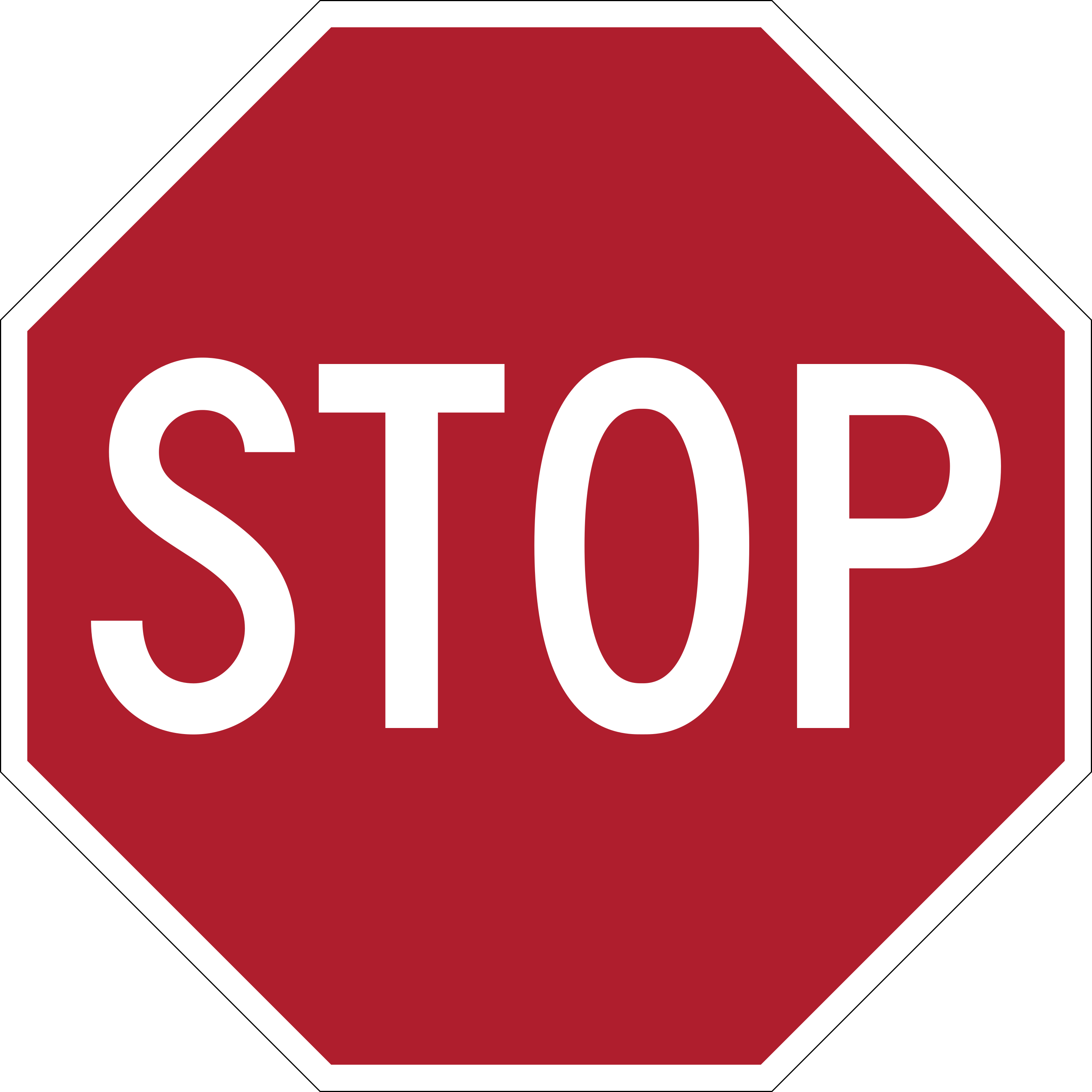
- Stop
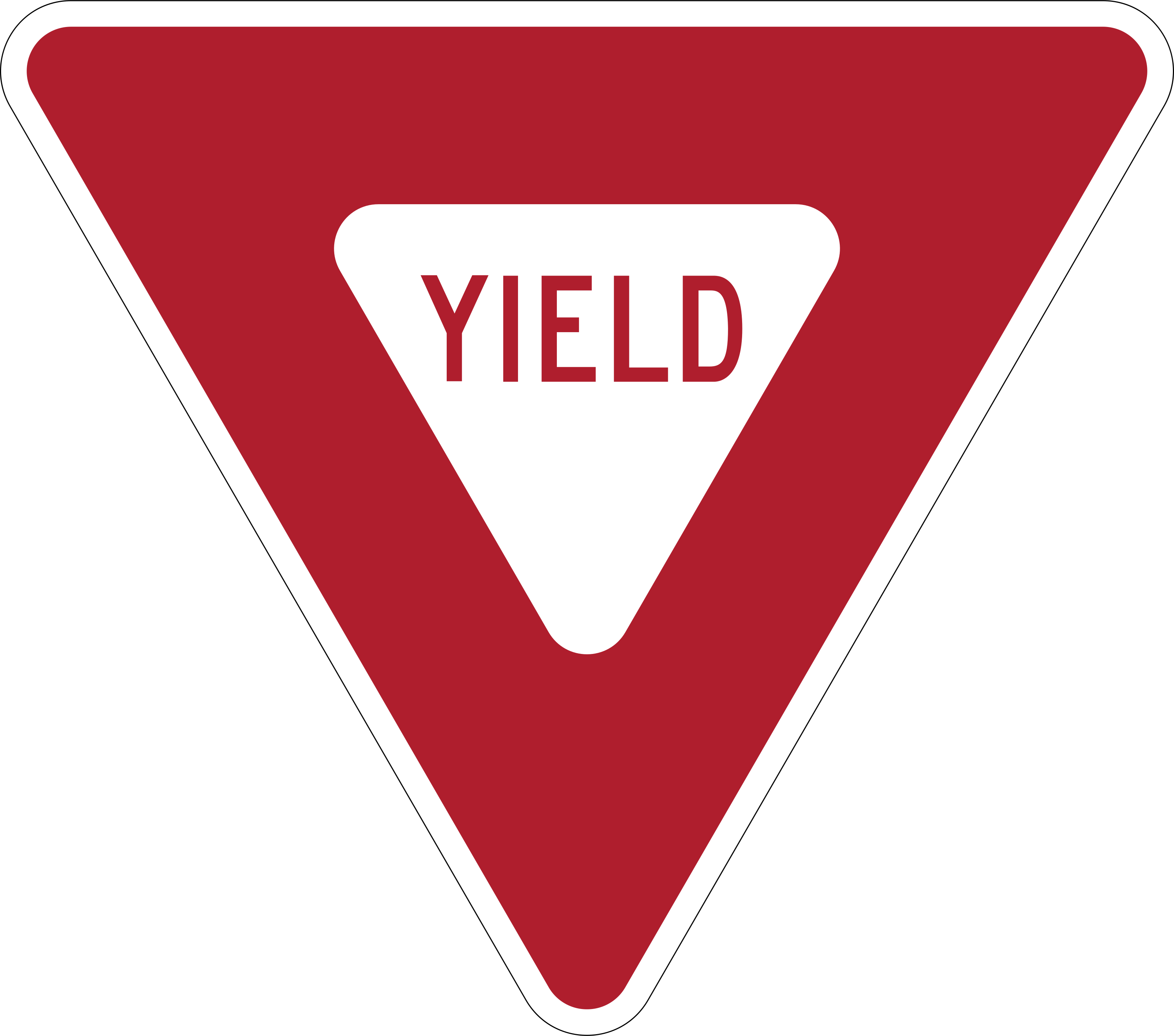
- Yield
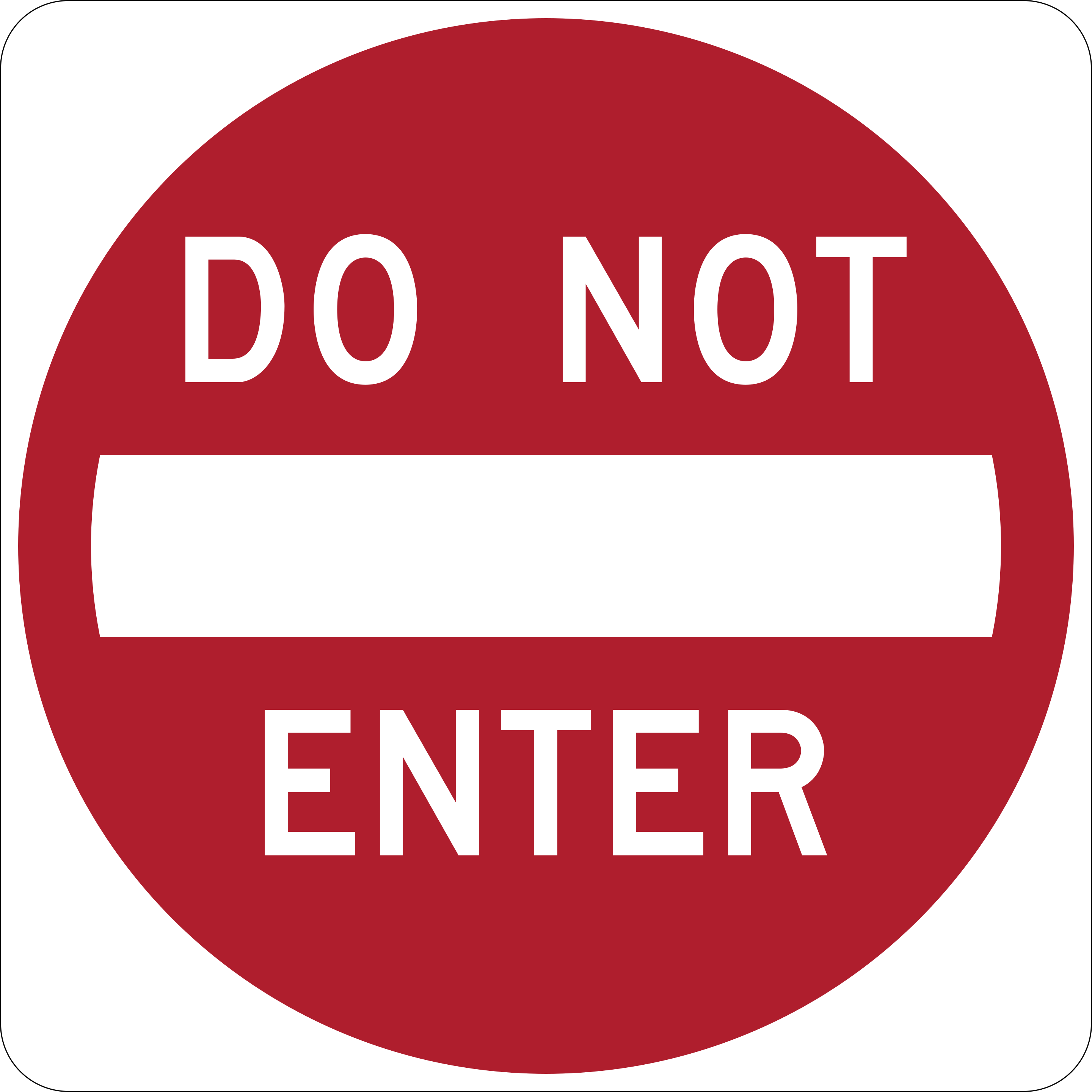
- Do Not Enter
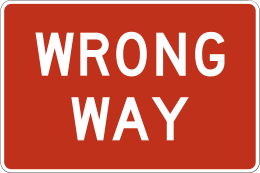
- Wrong Way
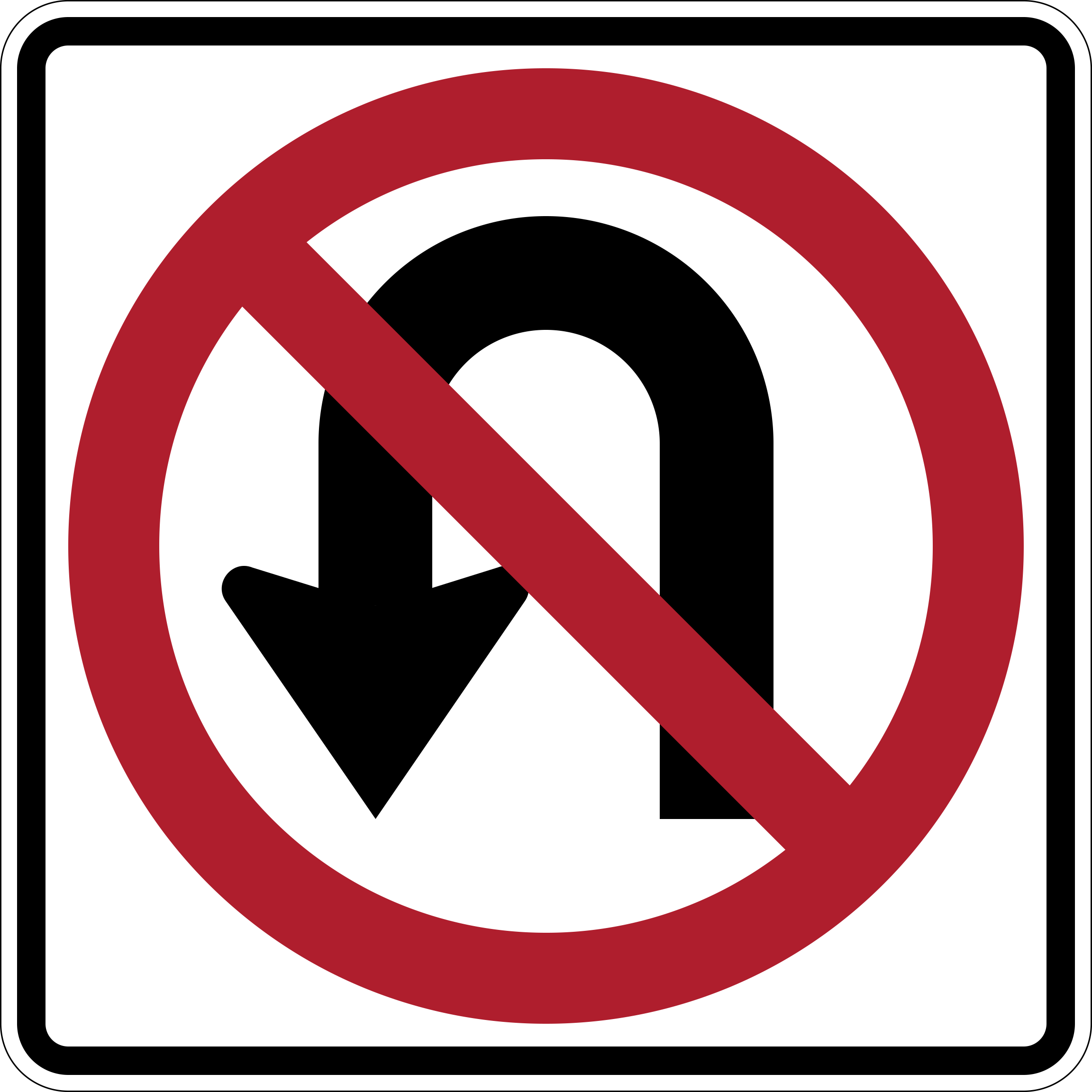
- No U-Turn
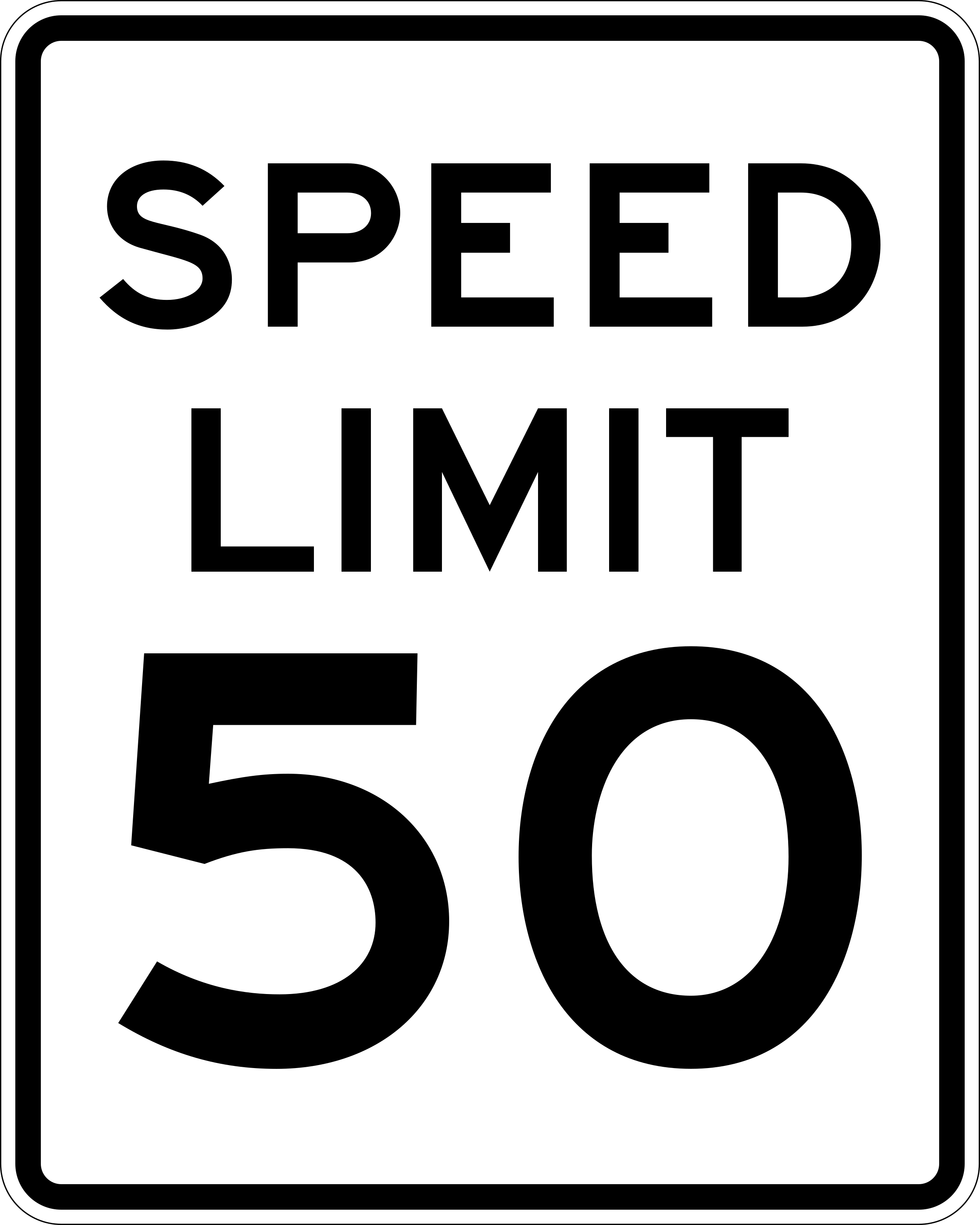
- Speed Limit
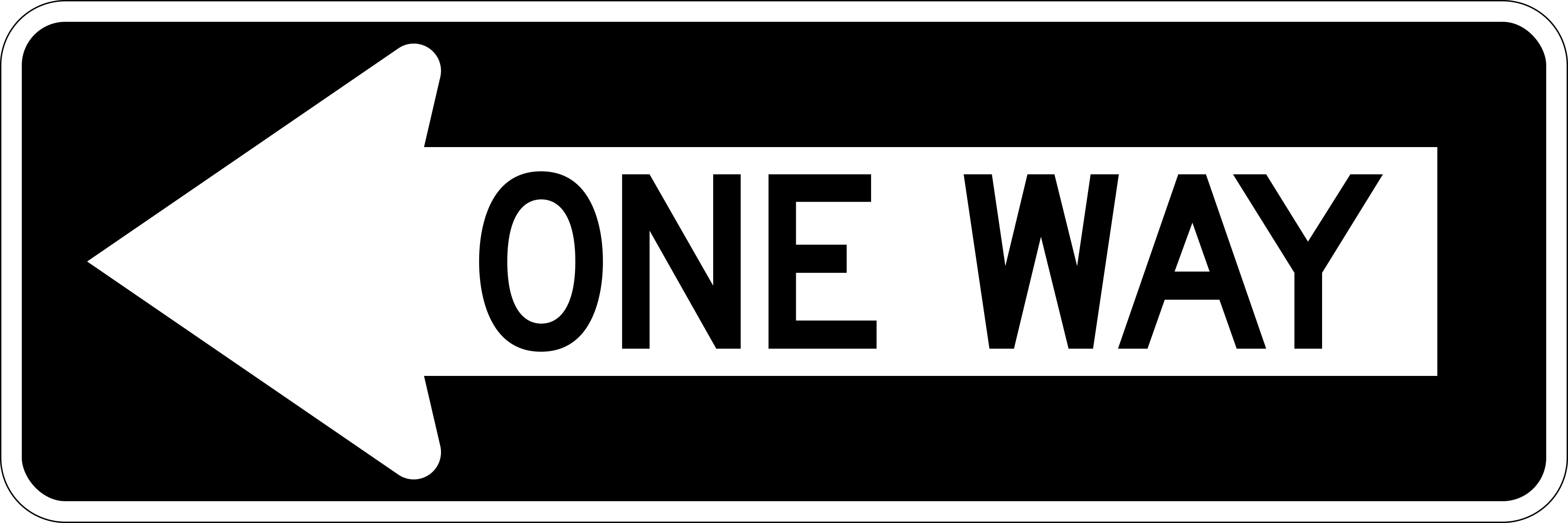
- One Way
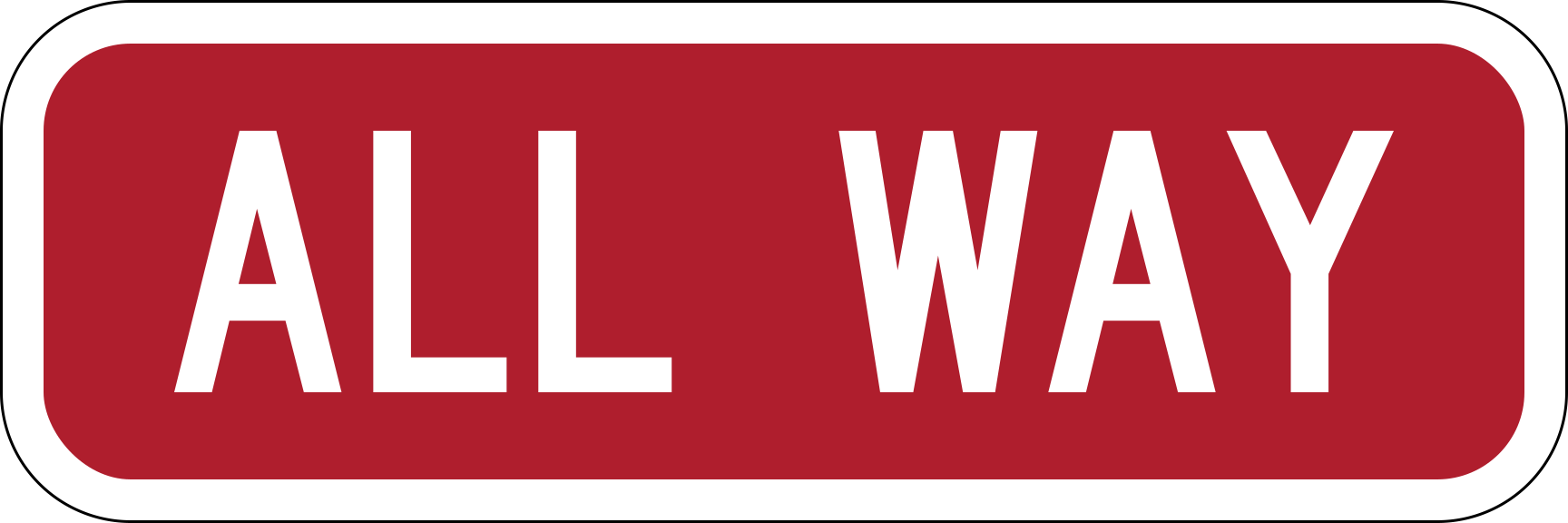
- All Way
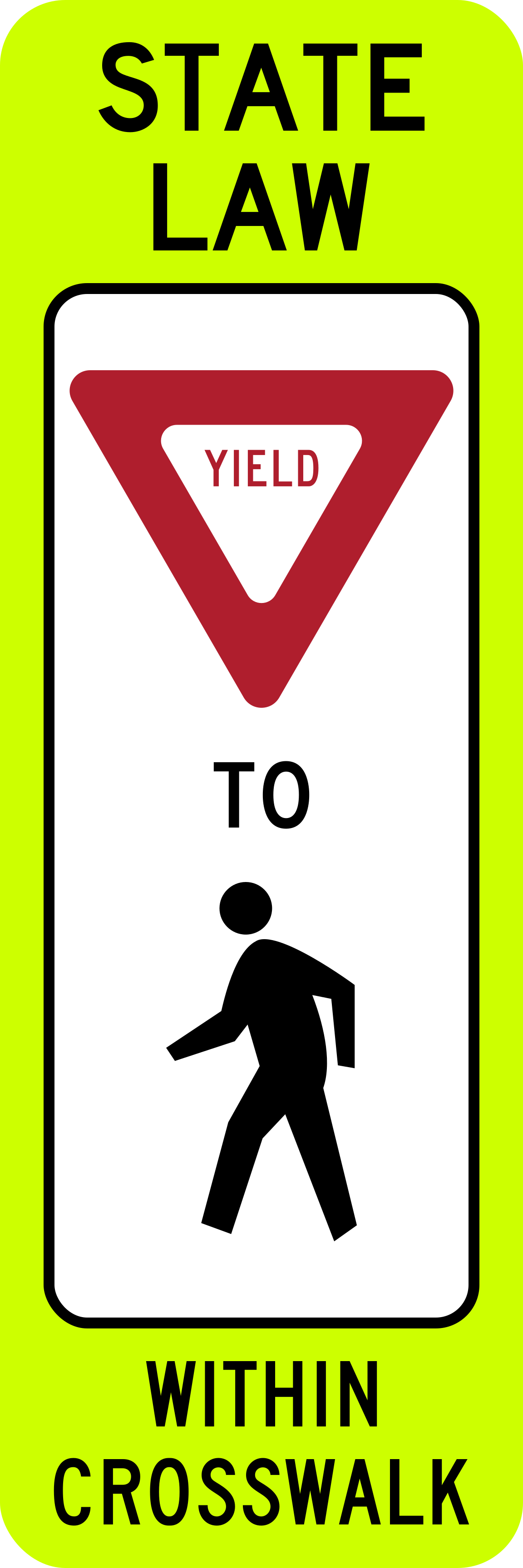
- State Law: Yield to Pedestrians
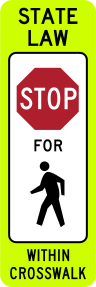
- State Law: Stop for Pedestrians
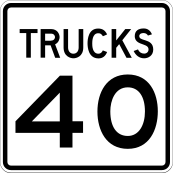
- Truck Speed Limit
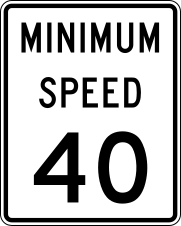
- Minimum Speed Limit
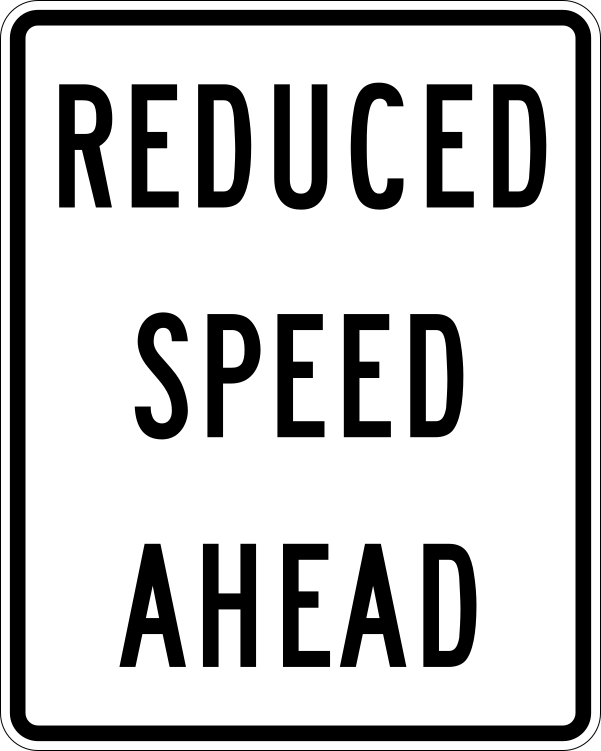
- Reduced Speed Limit Ahead
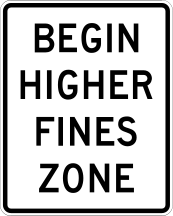
- Begin Higher Fines Zone
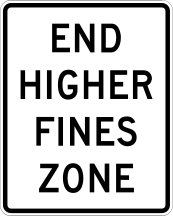
- End Higher Fines Zone
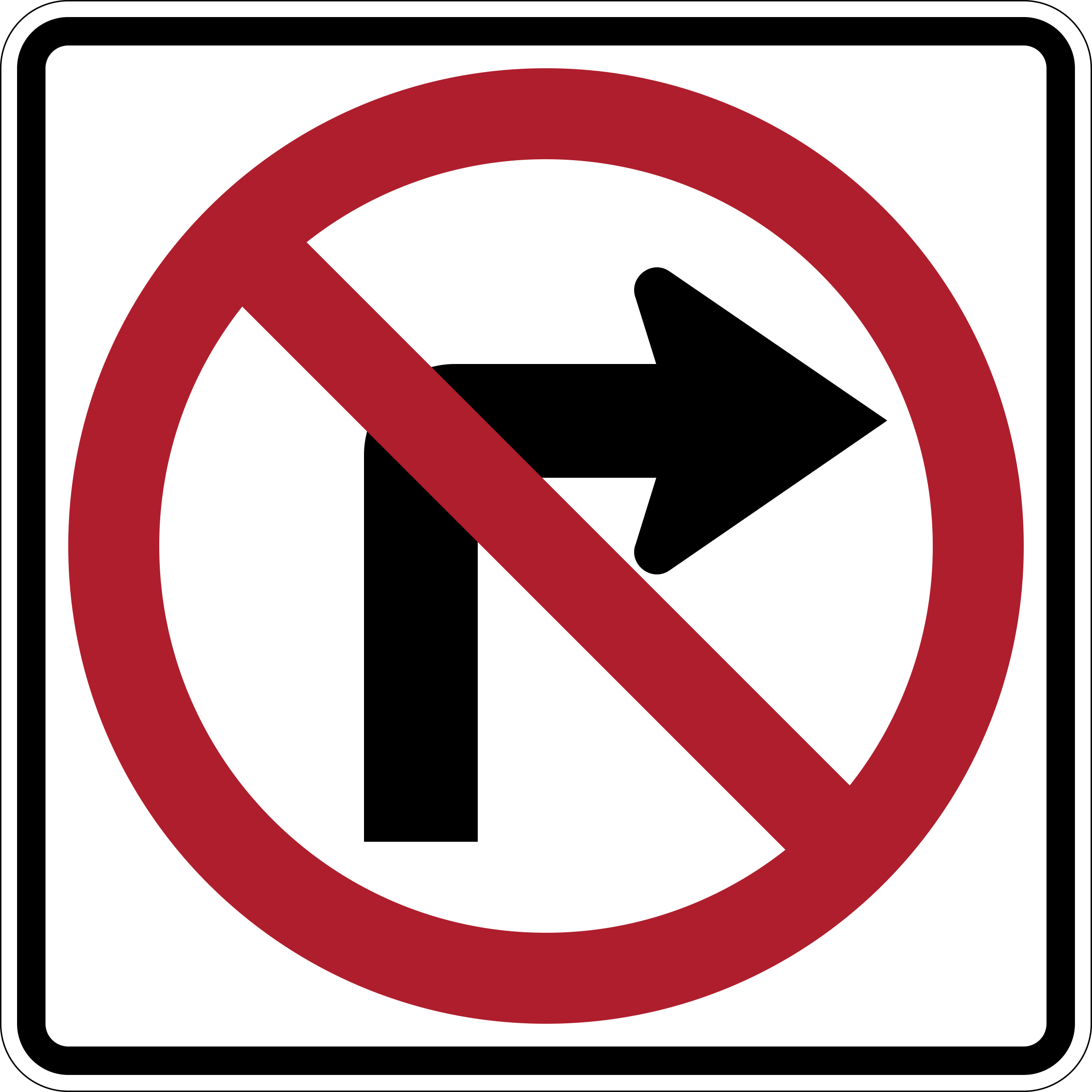
- No Right Turn
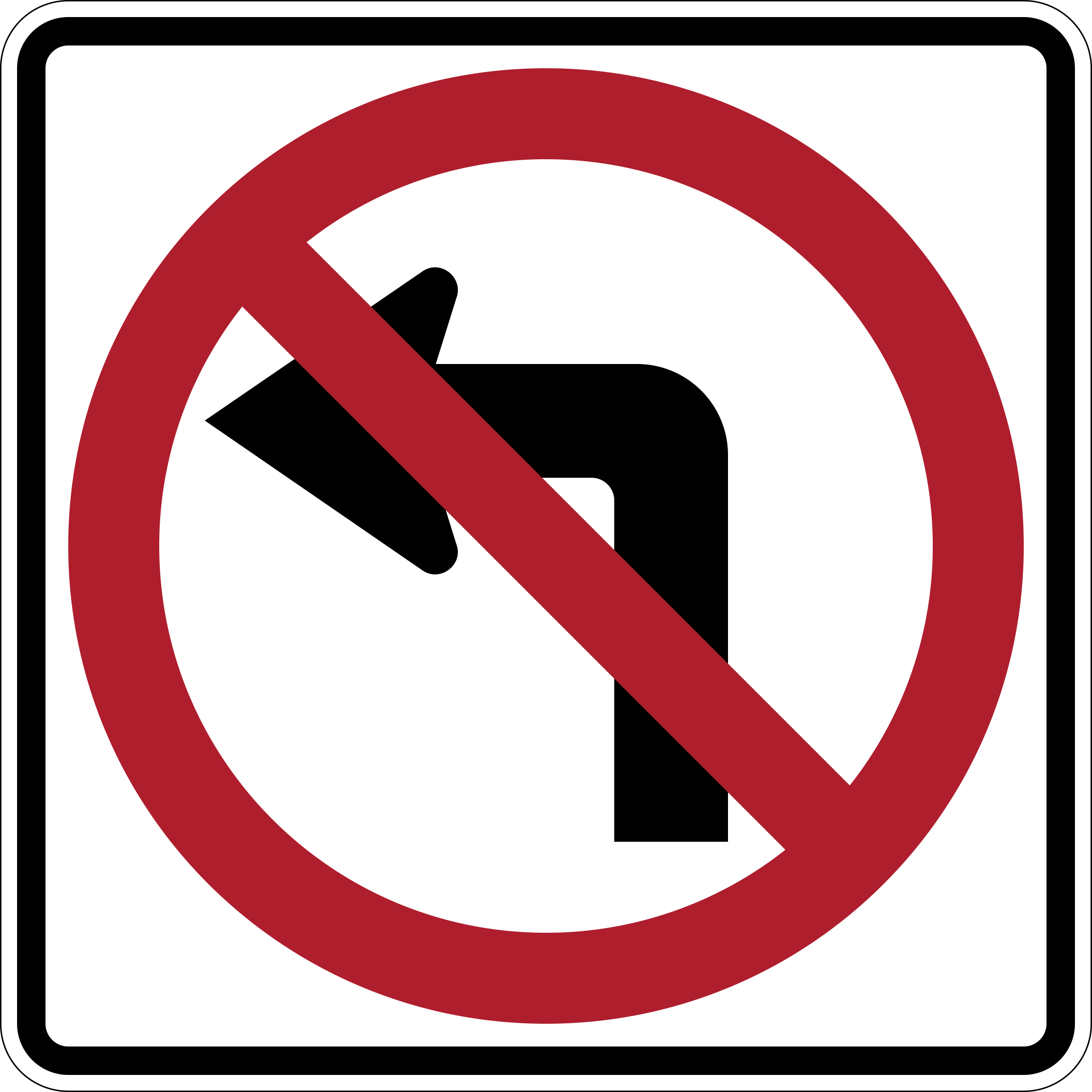
- No Left Turn
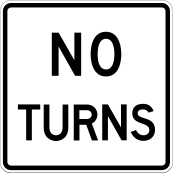
- No Turns
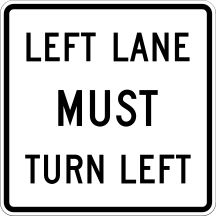
- Left Lane Must Turn Left
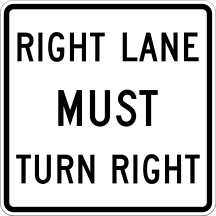
- Right Lane Must Turn Right
- Intersection Lane Control
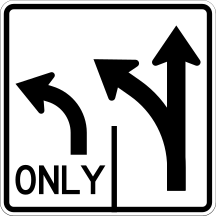
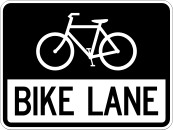
- Bike Lane
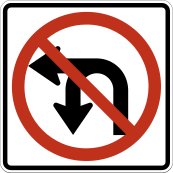
- No Left or U-Turn
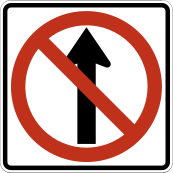
- No Straight Through
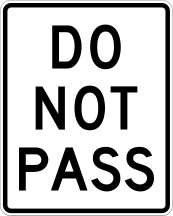
- Do Not Pass
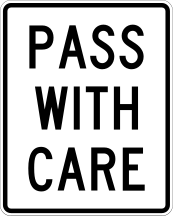
- Pass With Care
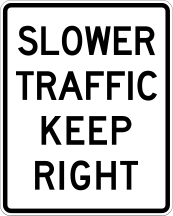
- Slower Traffic Keep Right
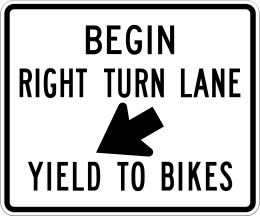
- Begin Right Turn Lane — Yield to Bikes
- Trucks Use Right Lane
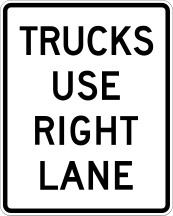
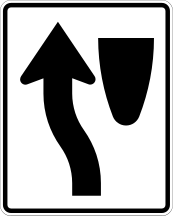
- Keep Right
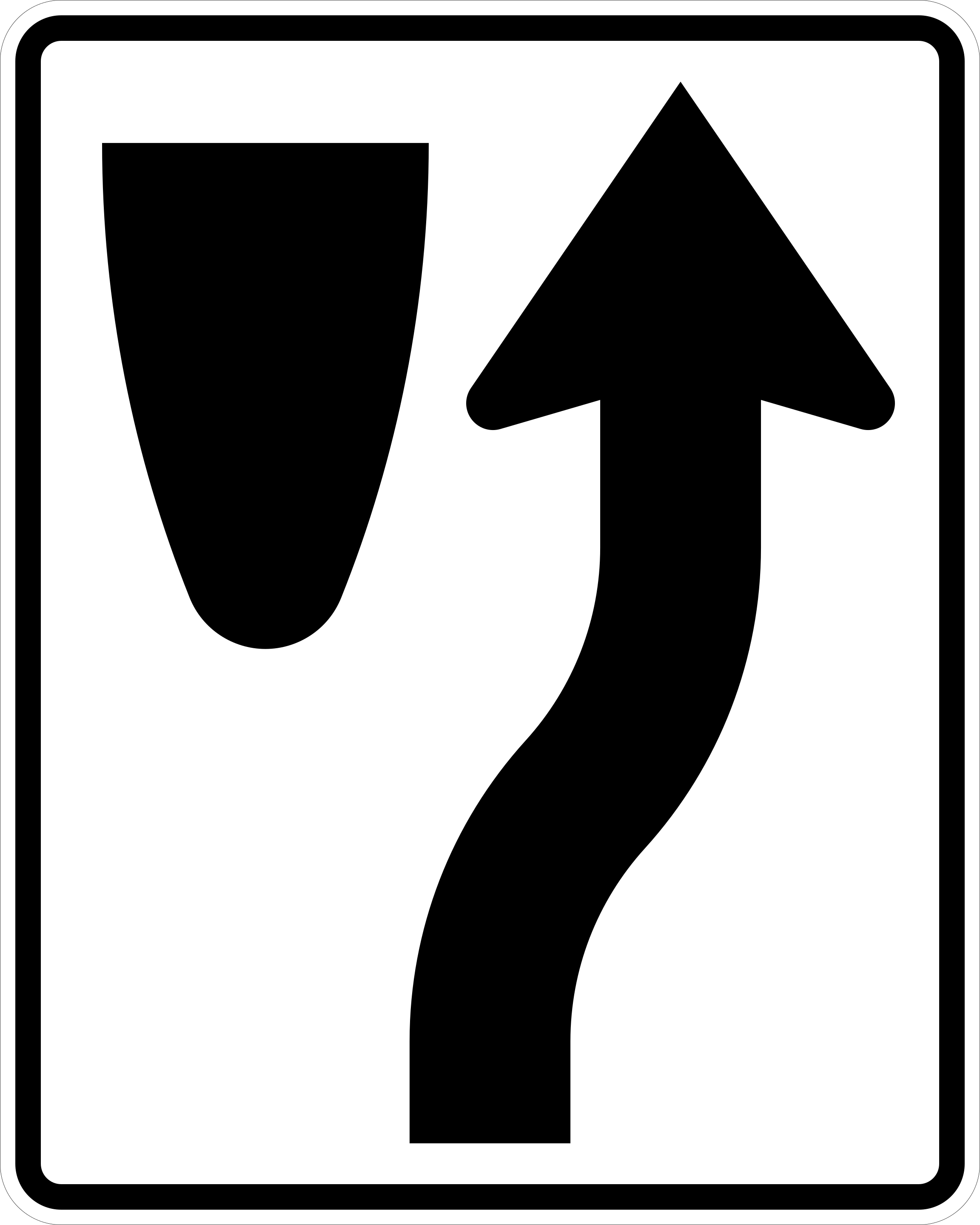
- Keep Left
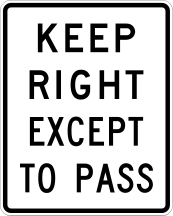
- Keep Right Except to Pass
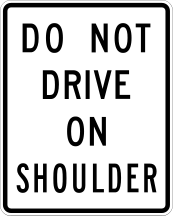
- Do Not Drive on Shoulder
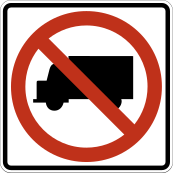
- No Trucks
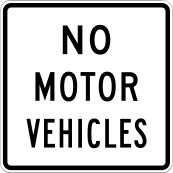
- No Motor Vehicles
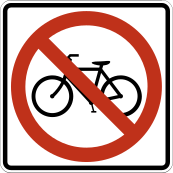
- No Bicycles
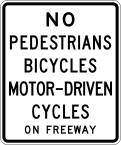
- No Pedestrians, Bicycles, or Motor-Driven Cycles
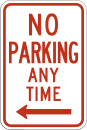
- No Parking Any Time
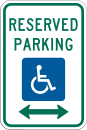
- Accessible Parking
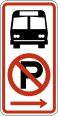
- No Parking Bus Stop
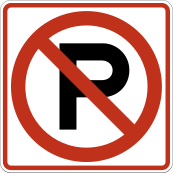
- No Parking
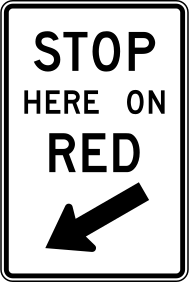
- Stop Here on Red
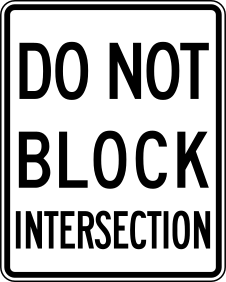
- Do Not Block Intersection
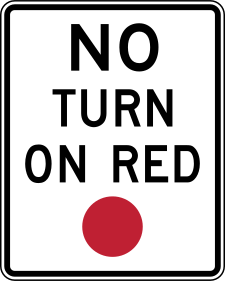
- No Turn on Red
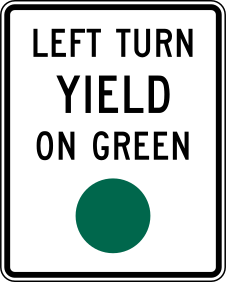
- Left Turn Yield on Green
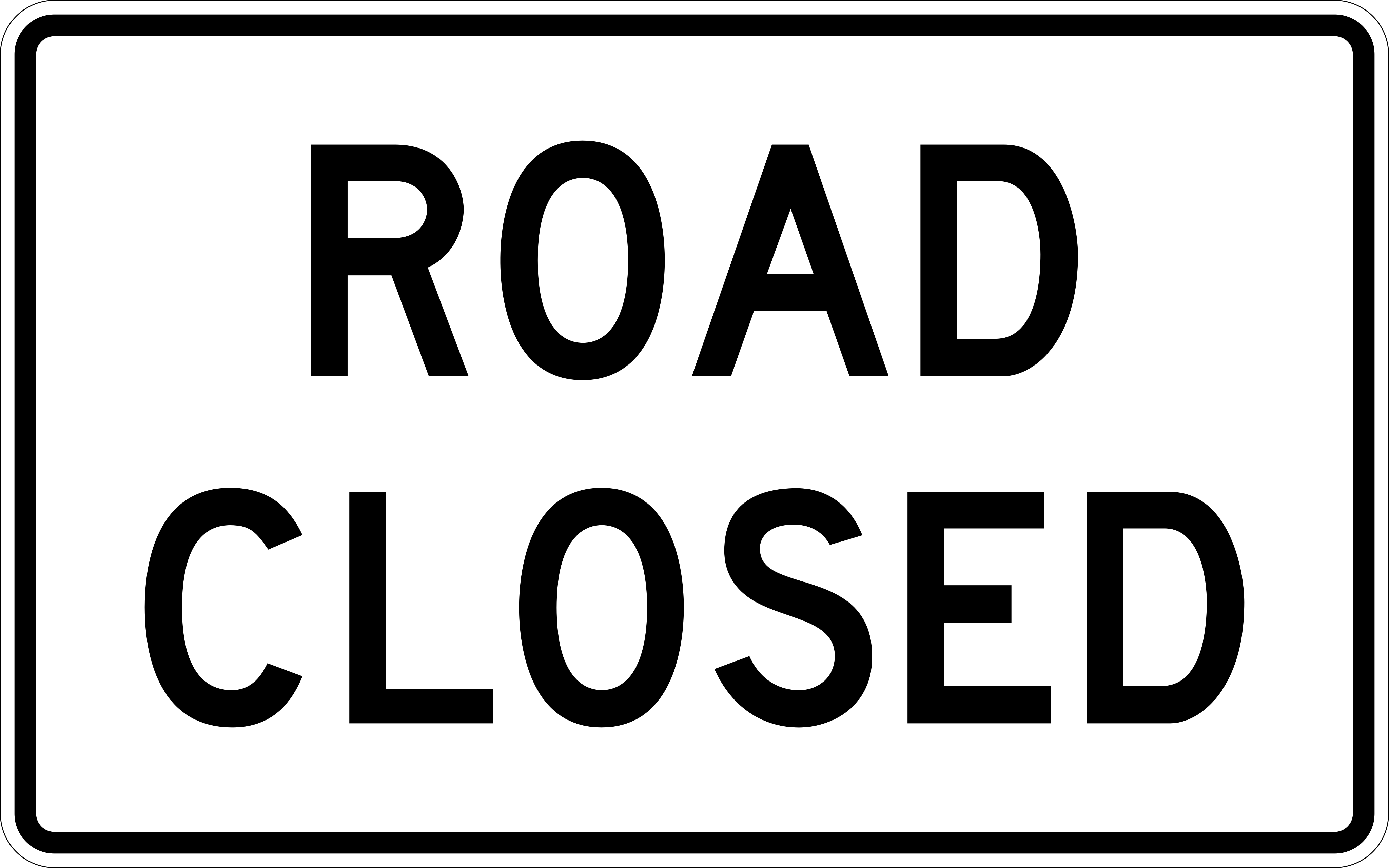
- Road Closed
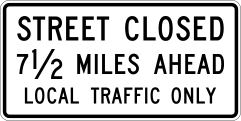
- Road Closed — Local Traffic Only
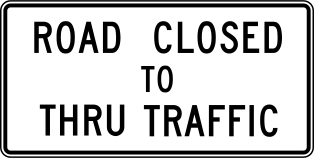
- Road Closed to Thru Traffic
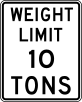
- Weight Limit
- No Hazardous Materials

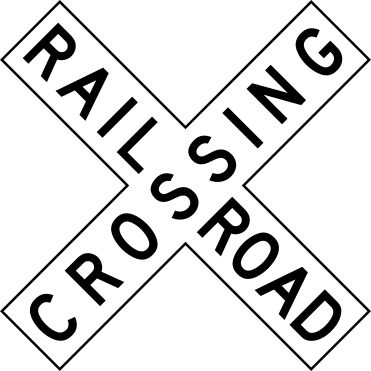
- Railroad Crossing (Crossbuck)
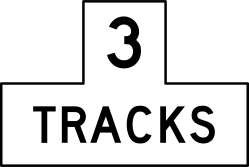
- Number of Tracks
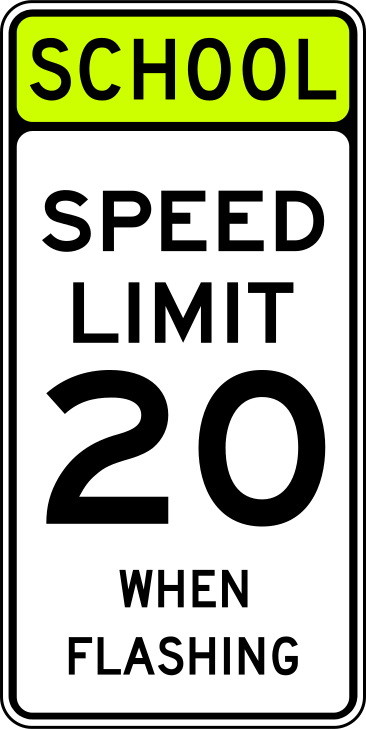
- School Speed Limit When Flashing
- HOV Lane
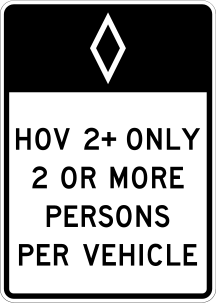
- Exempt

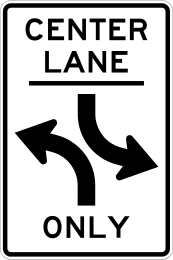
- Two-Way Left Turn Only
Warning signs
- Turn Ahead

- Stop Ahead

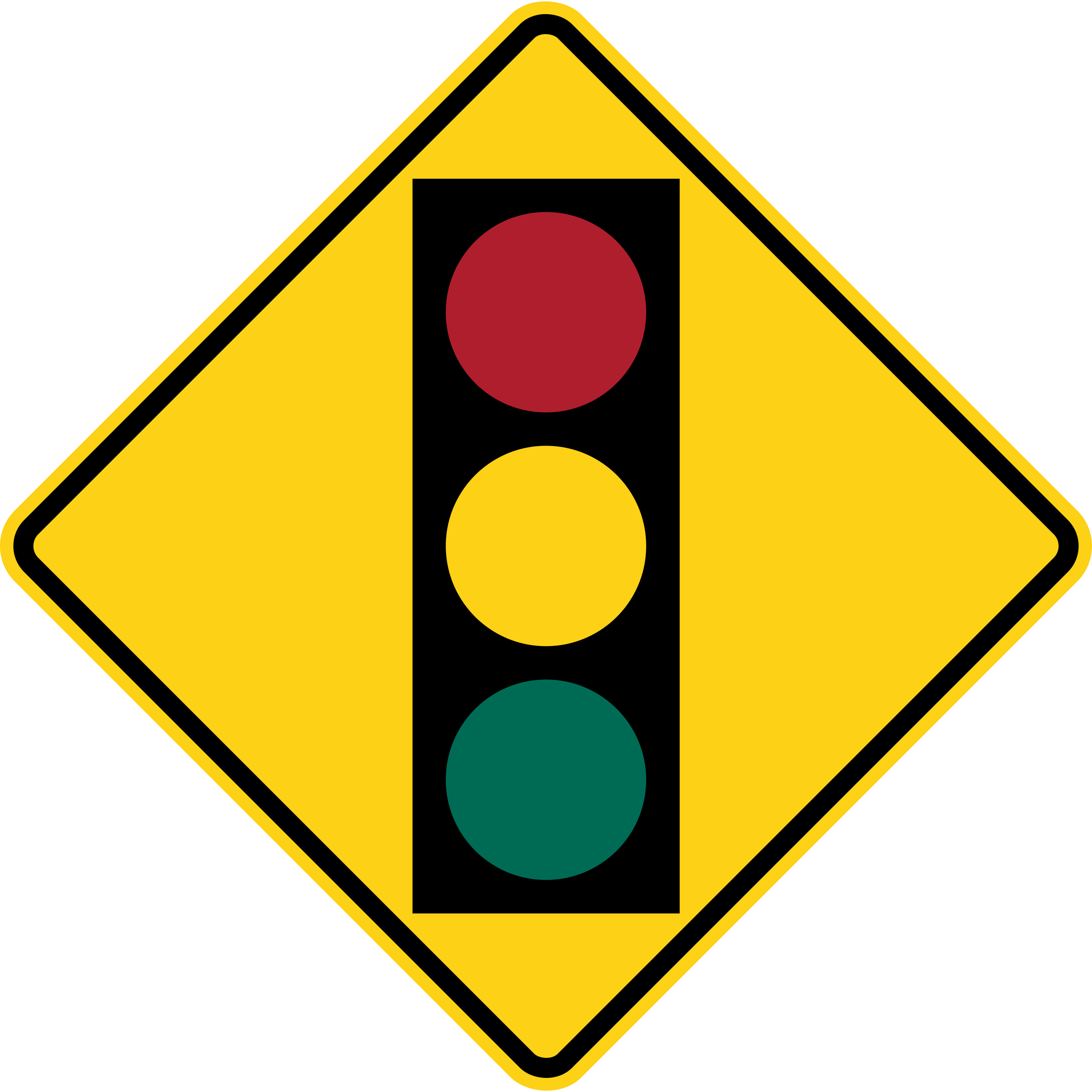
- Signal Ahead
- Pedestrian Crossing

- Curve

- Reverse Turn

- Reverse Curve

- Winding Road

- One-Direction Large Arrow
- Two-Direction Large Arrow
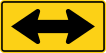
- Chevron Alignment

- Hairpin Curve

- Cross Road

- Side Road

- Roundabout Ahead

- Yield Ahead

- Be Prepared to Stop

- Reduced Speed Limit Ahead
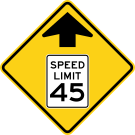
- Merging Traffic

- Lane Ends

- Added Lane

- Lanes Merge
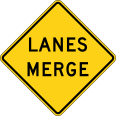
- Road Narrows

- Narrow Bridge

- One Lane Bridge

- Ramp Narrows

- Divided Highway Begins

- Divided Highway Ends

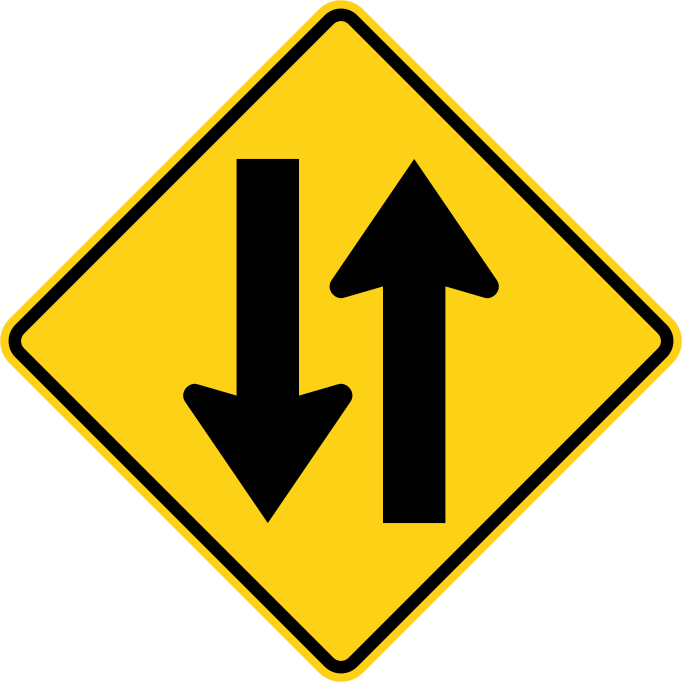
- Two-Way Traffic
- Hill / Steep Grade

- Bump

- Dip

- Pavement Ends

- Soft Shoulder

- Slippery When Wet

- Loose Gravel

- Rough Road

- Low Shoulder

- Uneven Lanes

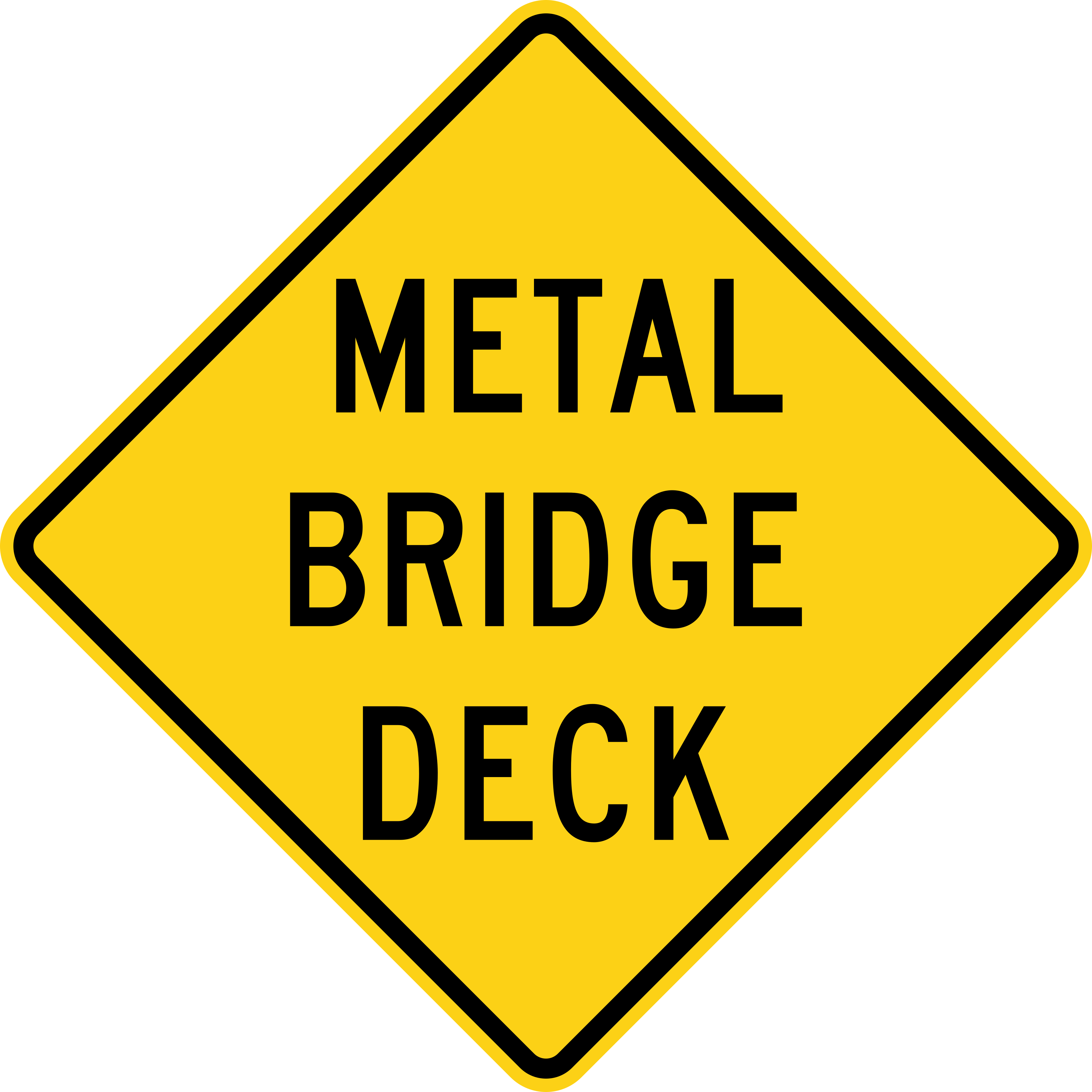
- Grooved Pavement
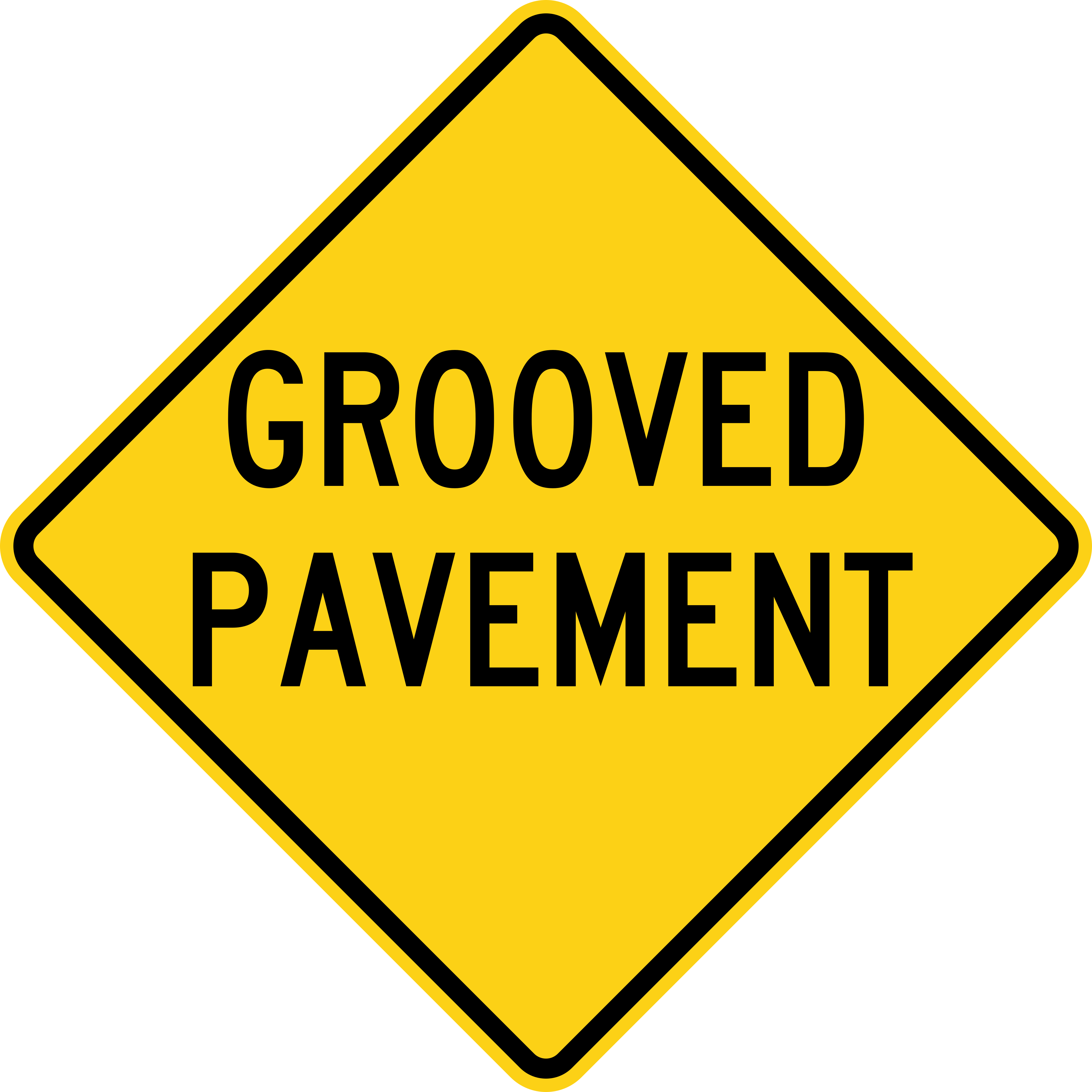
- Metal Bridge Deck
- Railroad Crossing Ahead

- Bicycle Crossing

- Deer Crossing

- Cattle Crossing

- Farm Machinery

- Snowmobile Crossing

- Equestrian Crossing

- Persons with Disabilities

- Golf Cart Crossing

- Horse-Drawn Vehicle Crossing

- Low Clearance

- Advisory Speed

- Dead End

- No Outlet

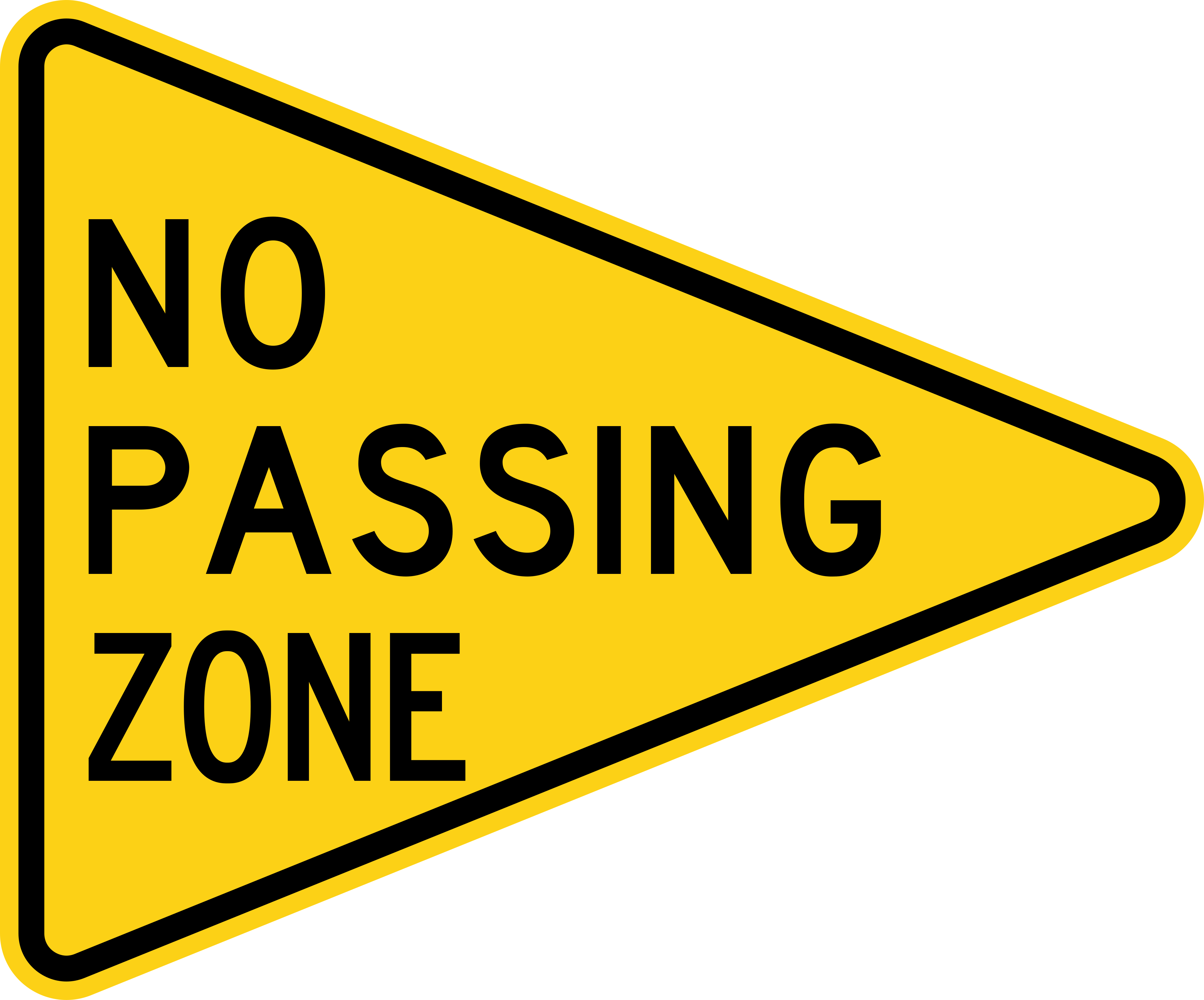
- No Passing Zone
- Playground

- Speed Hump

- School

- Truck Rollover

- Bridge Ices Before Road

- Road May Flood

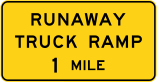
- Runaway Truck Ramp
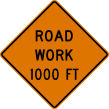
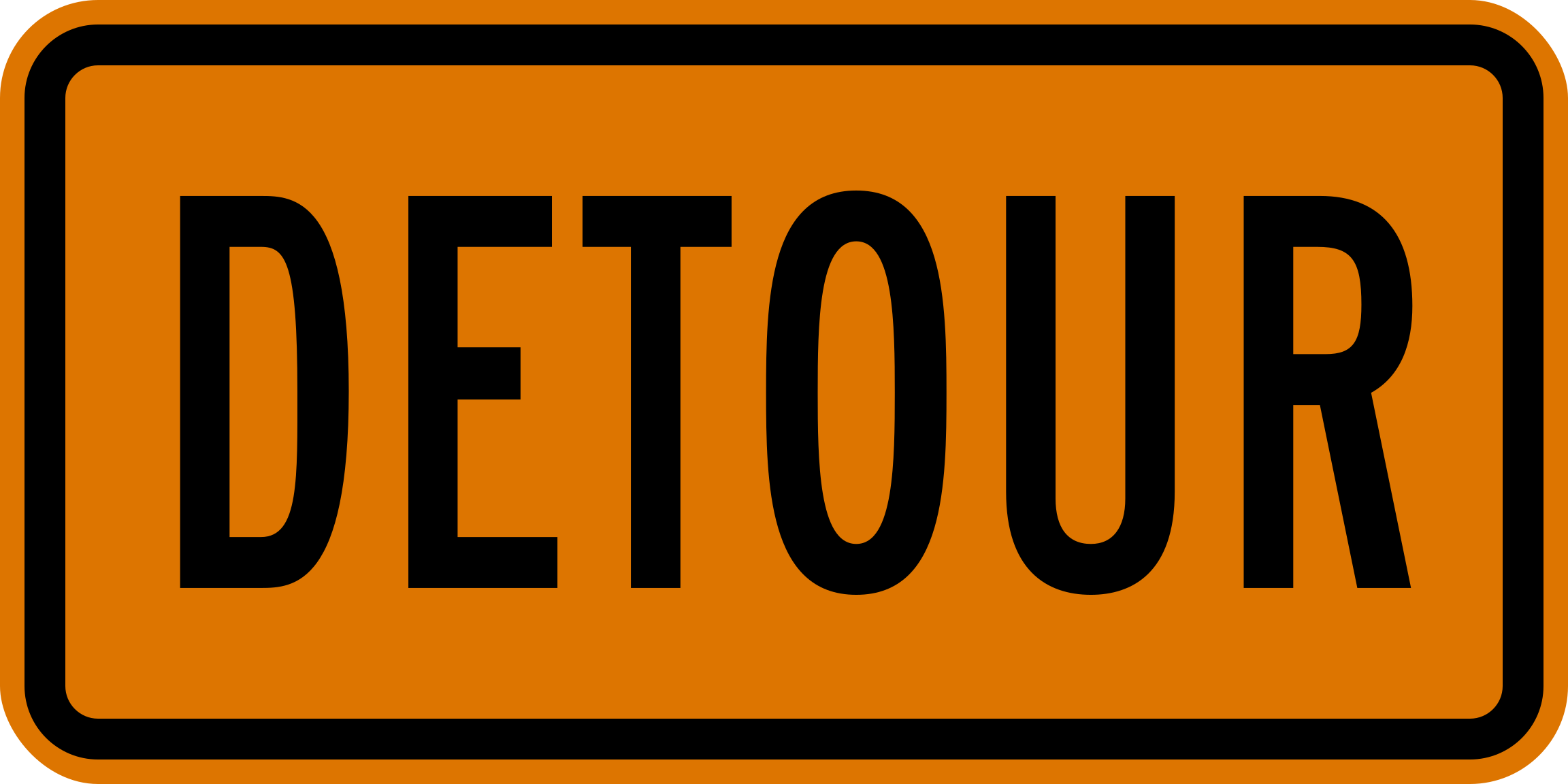
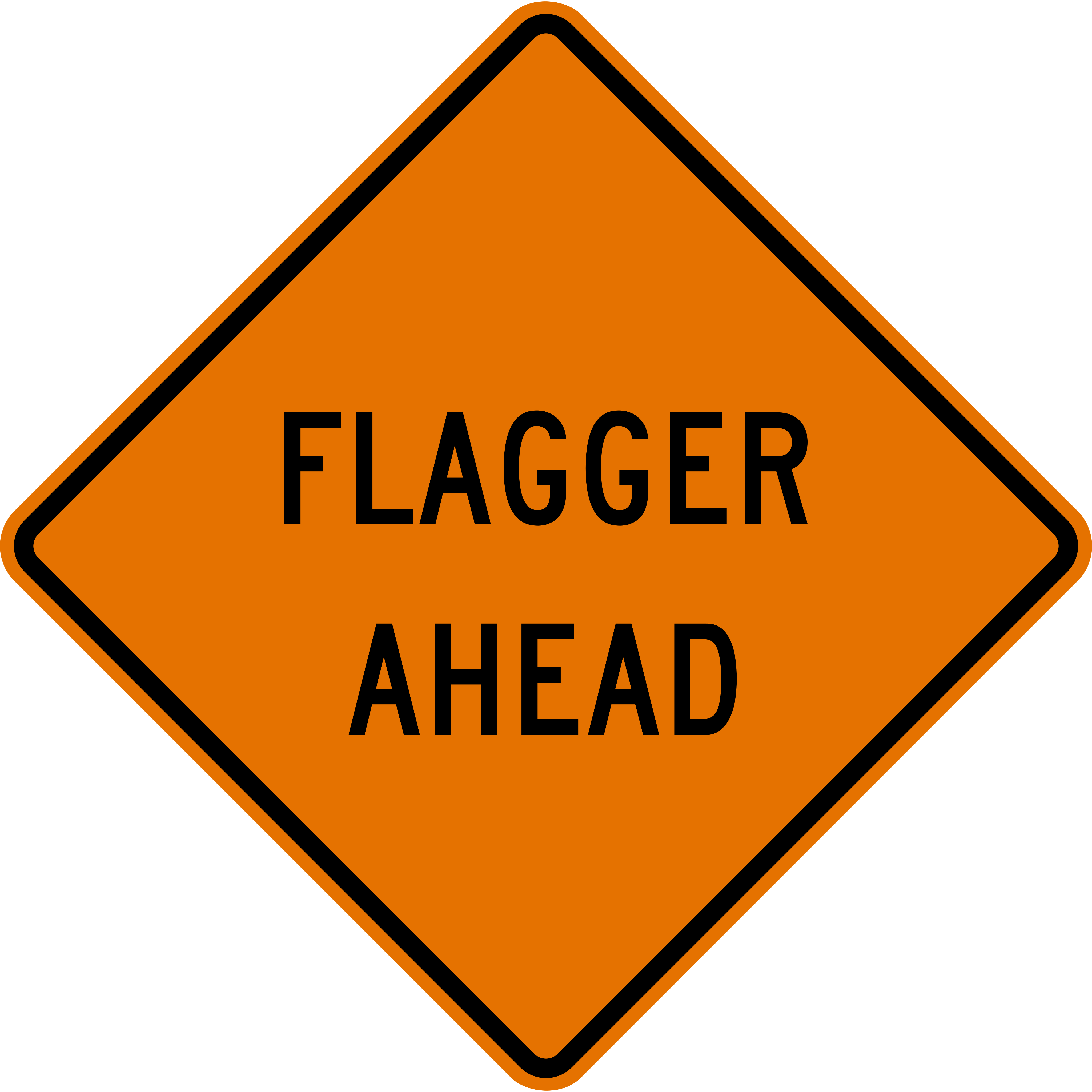
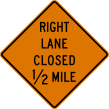
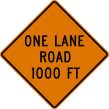
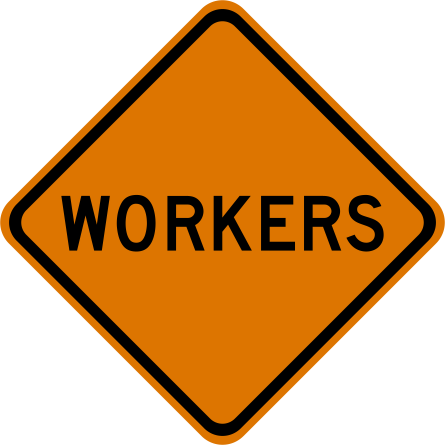
Construction & work-zone signs


Guide signs


Service & information signs



Washington road signs: frequently asked questions
Where do I take the Washington knowledge test?
Two places, and the guide names both: a driver training school that runs exams, or a driver licensing office, with the appointment booked in License Express. The Department of Licensing's testing page pushes you toward the first of those — its instruction there is to schedule your test at a training and testing location — and it maintains a lookup for driver, CDL and motorcycle training and testing locations that shows which services each one offers. Because those locations set their own fee, the DOL does not quote a price; it tells you to check with the testing location for the exact amount.
How long does a passing Washington knowledge score last?
Two years. The drive test result is separate and lasts one year, and its passing standard is different again — at least 80 out of 100. If you do not pass either test, the DOL notes there may be a waiting period before you can retest, and points you back to the testing location for the specifics.
If the Washington Driver Guide doesn't print every sign, what should I study instead?
No, and the guide admits it in the passage quoted above rather than leaving you to discover it. It is a useful thing for a manual to say out loud, and it changes what studying it is for: the standard Washington sets is recognition of the system — shape, color, the symbol on the face — not recall of one book's illustrations. If you would rather work from paper, the DOL hands out printed driver guides at licensing offices and will post one to you free of charge if you live out of state or cannot get to an office.
Why does Washington's sign list include a volcano evacuation route?
Because the state posts them. The other traffic signs group in section 4.12 gathers signs a Washington driver actually meets, and alongside the merge, curve and school crossing symbols it carries a tsunami hazard zone sign, a volcano evacuation route sign and a chain advisory. None of them are exotic here. They are the reason the guide's warning about city and county signs is worth reading twice.
Are Washington's traffic cameras signposted?
Yes. The guide states within its signs section that all locations with automated traffic safety cameras are clearly marked. Those cameras record images if a driver fails to stop at a steady red light, fails to stop at a railroad crossing signal, or exceeds the speed limit in a school zone, and the guide adds that speeding tickets issued from those locations are mailed to the vehicle owner.
Official sources
Checked against official state sources on 2026-07-29.