Texas Road Signs and Their Meanings
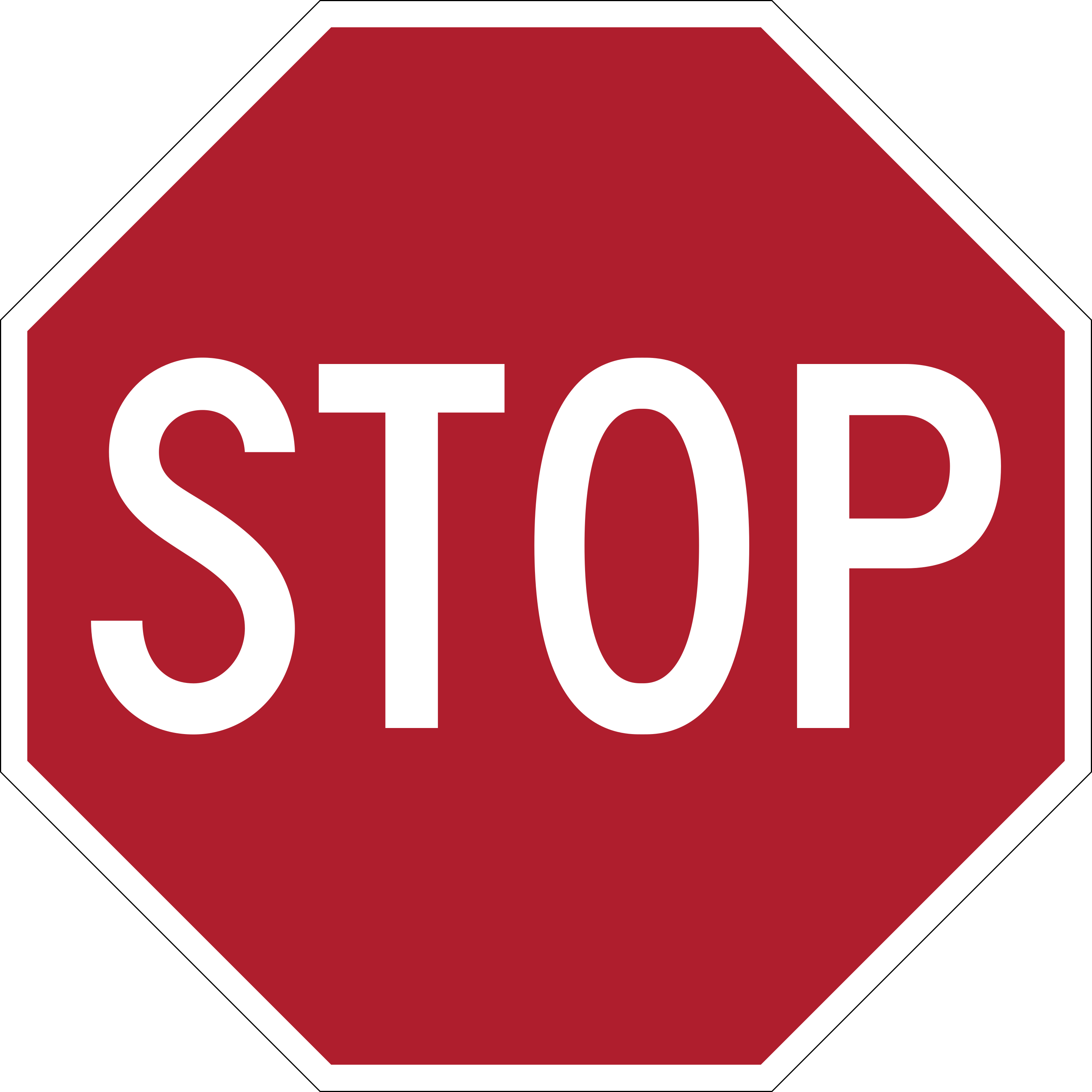
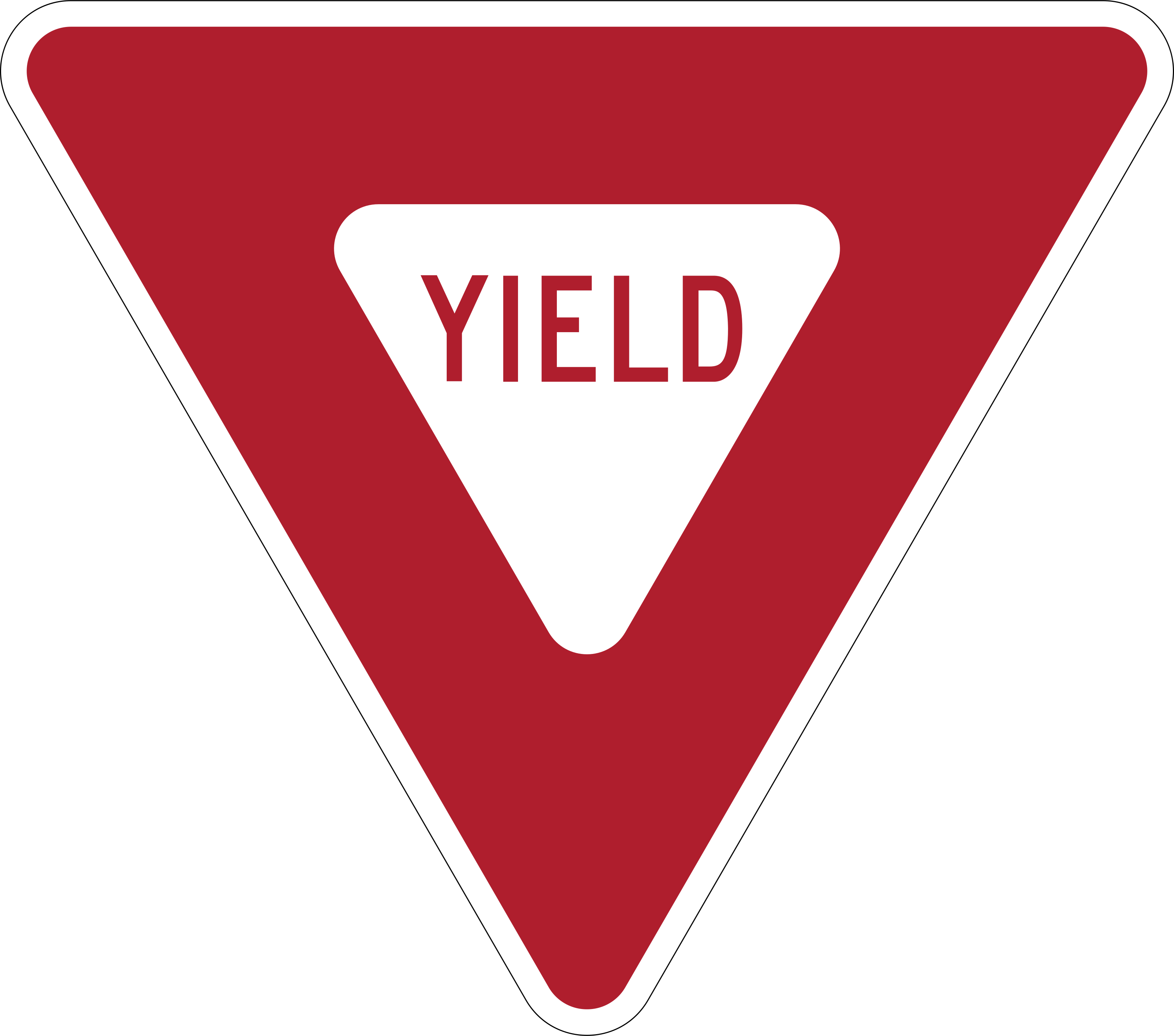
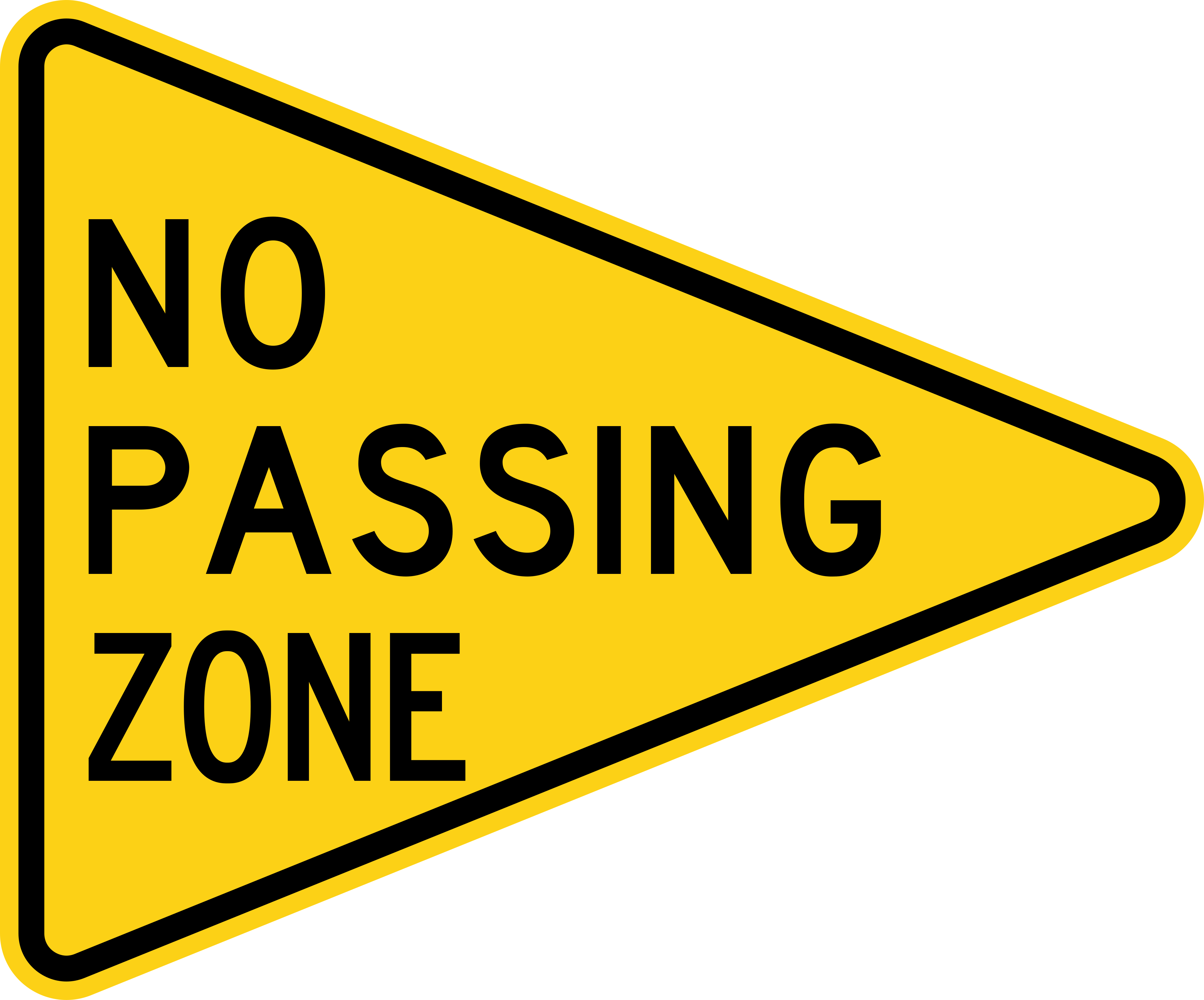
Texas grades its own shape rules, and the grading is the useful part. Table 17 of the Texas Driver Handbook, headed Signs by Shape, uses the word "exclusively" three times and the word "generally" twice, and the difference is not decoration. An octagon is "exclusively for stop signs"; an equilateral triangle is "exclusively for yield signs"; a diamond is "exclusively to warn of existing or possible hazards on roads or adjacent areas." Those three you can read as absolutes and answer from the outline alone. But a horizontal rectangle is only "generally for guide signs" and a vertical rectangle only "generally for regulatory signs", so a rectangle narrows the field without settling it and you have to read the face. The remaining three shapes carry no hedge and are the ones people forget: pennant for advance warning of no-pass zones, pentagon for school advance and school crossing, round for railroad advance warning.
Texas states its passing standard in one flat line and applies it to everything: "You must score a grade of 70 percent or better to pass any knowledge exam." Any covers all three the handbook lists — the Class C exam for original applicants, the Class M motorcycle exam, and the rules exam for Class A and Class B operators — and not one of them has a published length. The Department of Public Safety describes the exams, prices the licenses and lists the documents, but nowhere states how many questions you will face, how long you have, or how many of those questions will show you a sign. A Texas drill on this page runs thirty items and asks for twenty-one, which is the shape the Class C paper has long been described as having rather than one DPS has ever confirmed; the seventy percent is the half of that sentence you can actually rely on. Nothing beneath that percentage is reserved for signs, which means a run of missed sign questions costs exactly what a run of missed right-of-way questions costs — no more, and no less.
Chapter 5 of the Texas Driver Handbook is called Signals, Signs, and Markers, and its structure tells you where Texas thinks the difficulty lies. The chapter teaches through numbered tables of sign-and-description pairs: Table 16 is Standard Colors, Table 17 is Signs by Shape, Table 18 is Warning Signs and is long enough to carry a Continued header more than once, and Table 19 is Regulatory and Warning Signs. Notice what is missing. Warning signs get a table to themselves and then a second one they share; regulatory signs never get one of their own at all, and the chapter's contents confirm it — Warning Signs opens on page 26 and the next heading, on page 30, is Regulatory and Warning Signs. The color table has its own oddity: Black and White are listed as separate entries carrying the identical one-word description, Regulation, and Orange appears twice, once as the construction-and-maintenance warning color and again as Orange (Retroreflective). Throughout, the descriptions are written as instructions rather than definitions — "Slow down, keep right, and do not pass" — and the chapter credits its pictures to somebody else, noting that some images are courtesy of the MUTCD, 2009 Edition, published by the FHWA.
The title of the signs chapter names three things, and this set covers one of them. Every published Texas question here is about a sign: none asks about a pavement marking, a lane-use control signal, a barrel or a channelizing device, even though all of those sit under the same chapter heading and can be examined the same way. Read that as a boundary rather than as a syllabus, and read the rest of the chapter yourself. Inside the signs, the set divides in two. A small group asks about the grammar, where a shape or a background color is the entire question. The much larger group is warning-sign identification, in which the outline never changes and only the symbol inside it does — a merging arrow, a lane ending, a leaping deer, a tractor, a plus-shaped intersection. Getting through the second group is a matter of reading symbols, because by then the outline has already told you everything it can.
32 published Texas road-sign questions, each with an explanation and a citation to the handbook section it came from.
Content reviewed against official driver handbooks · August 12, 2026
Every sign you can be tested on in Texas
Regulatory signs
- Stop
- Yield
- Do Not Enter
- Wrong Way
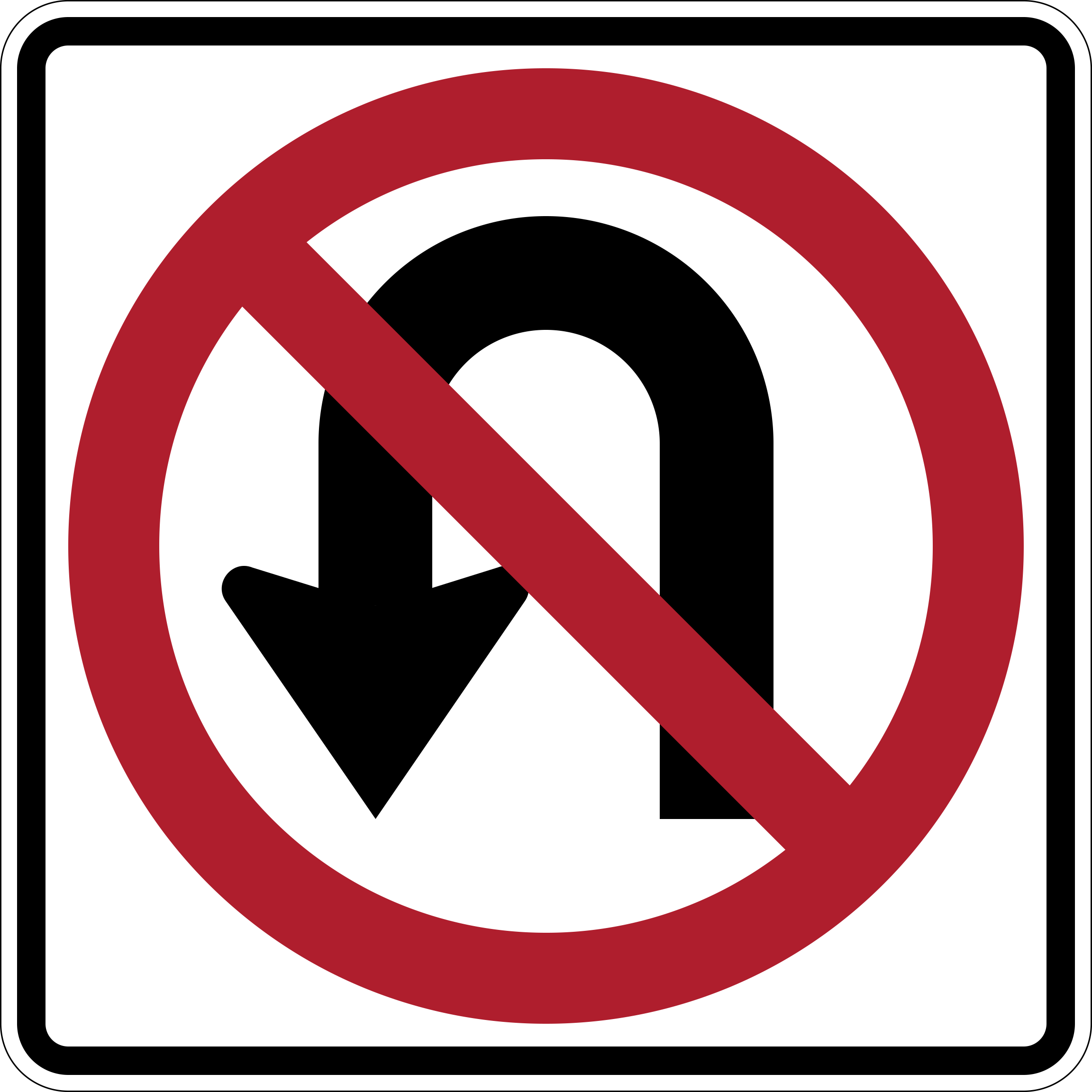
- No U-Turn
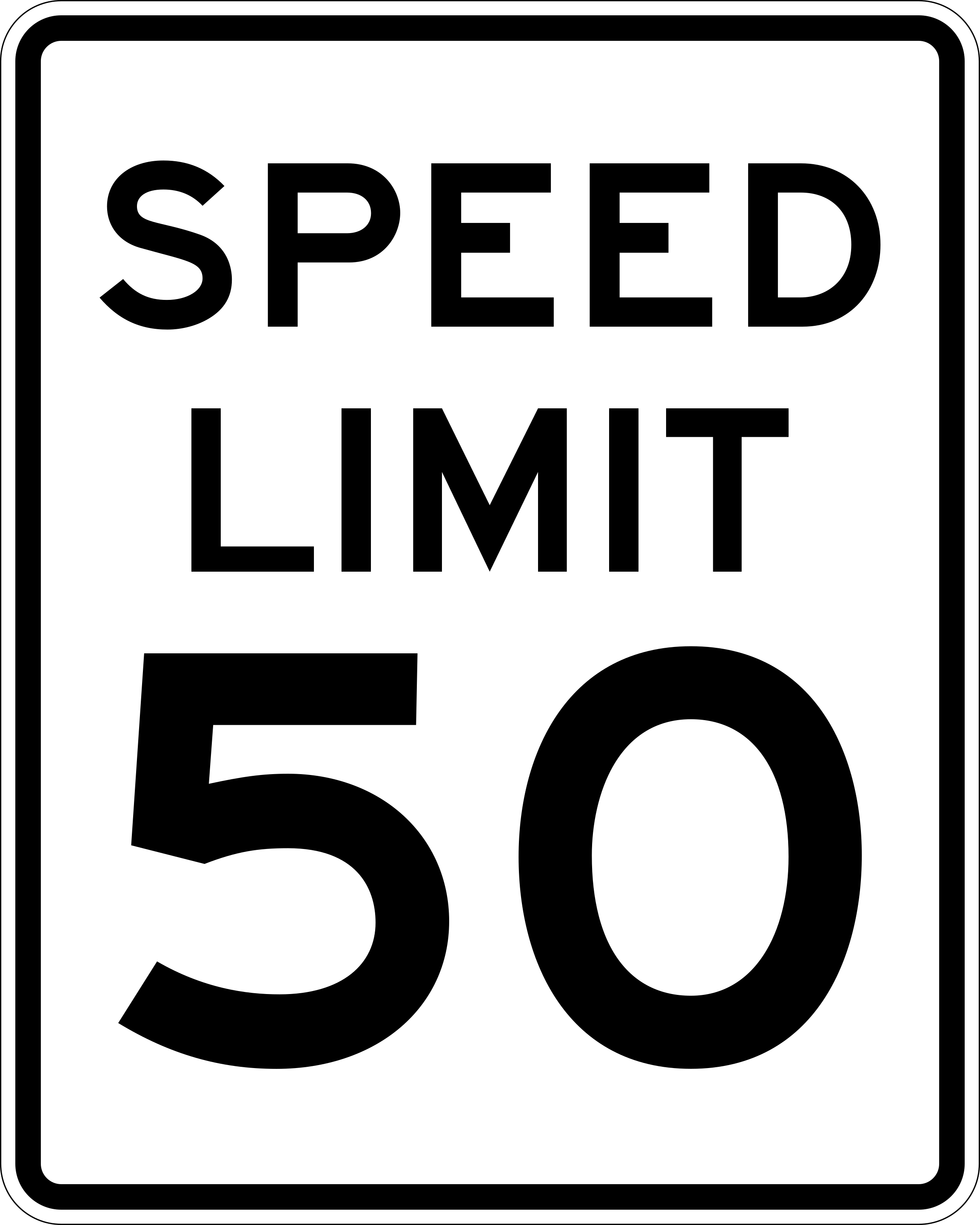
- Speed Limit
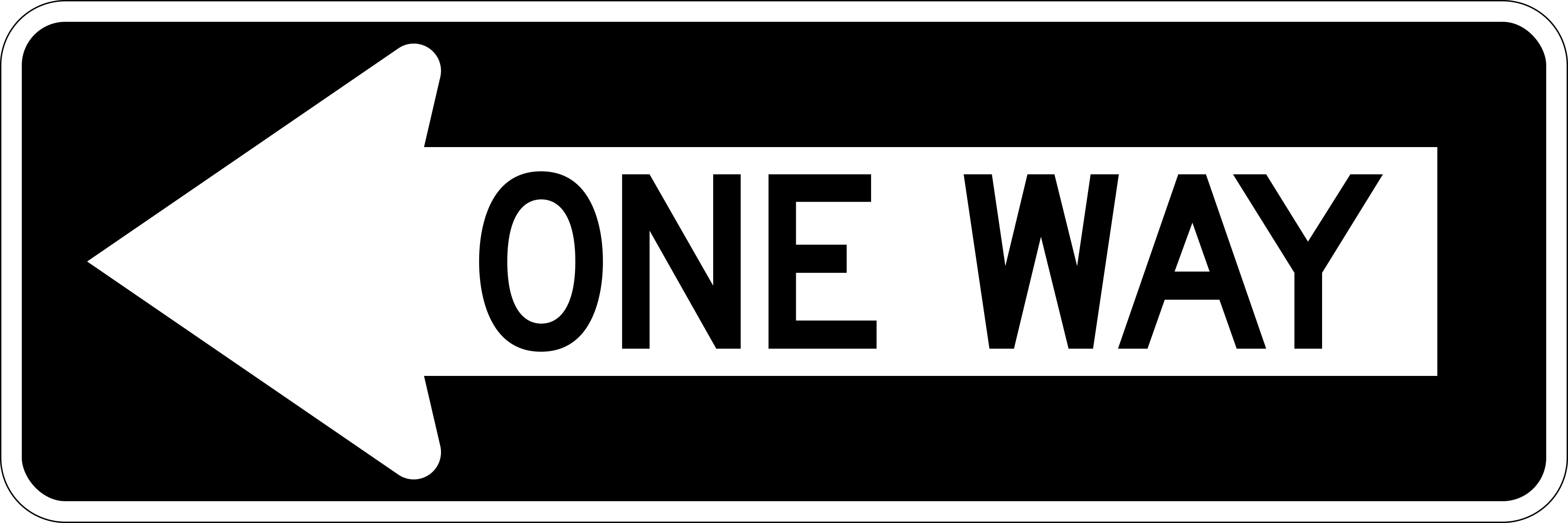
- One Way
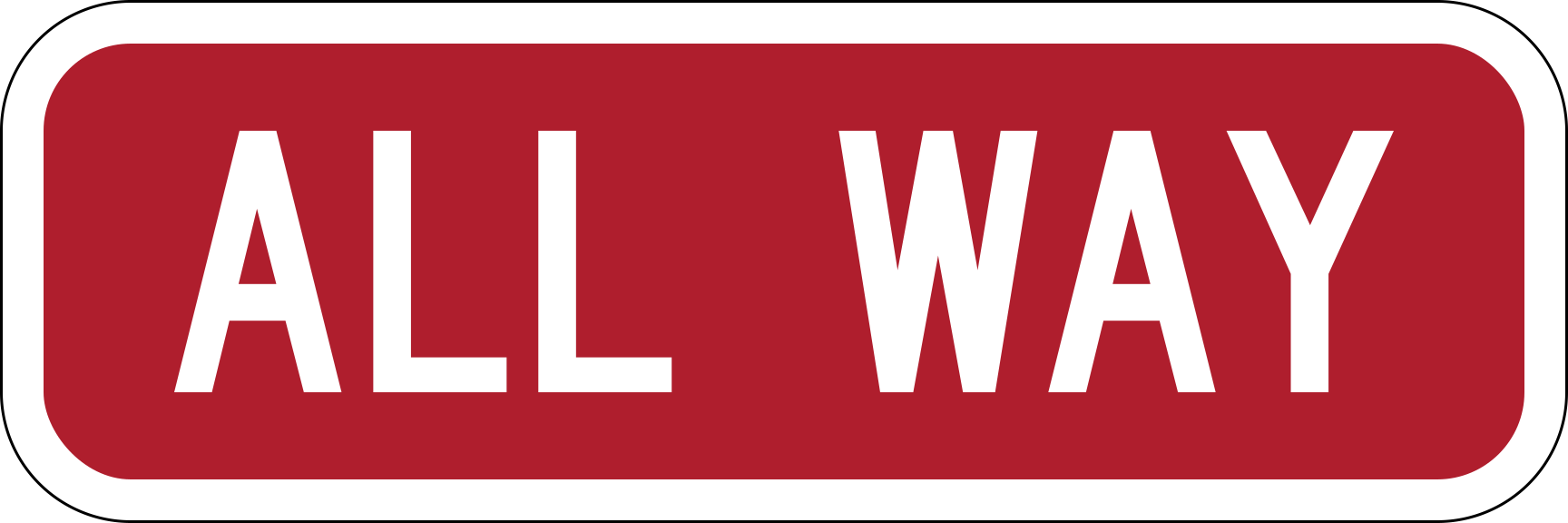
- All Way
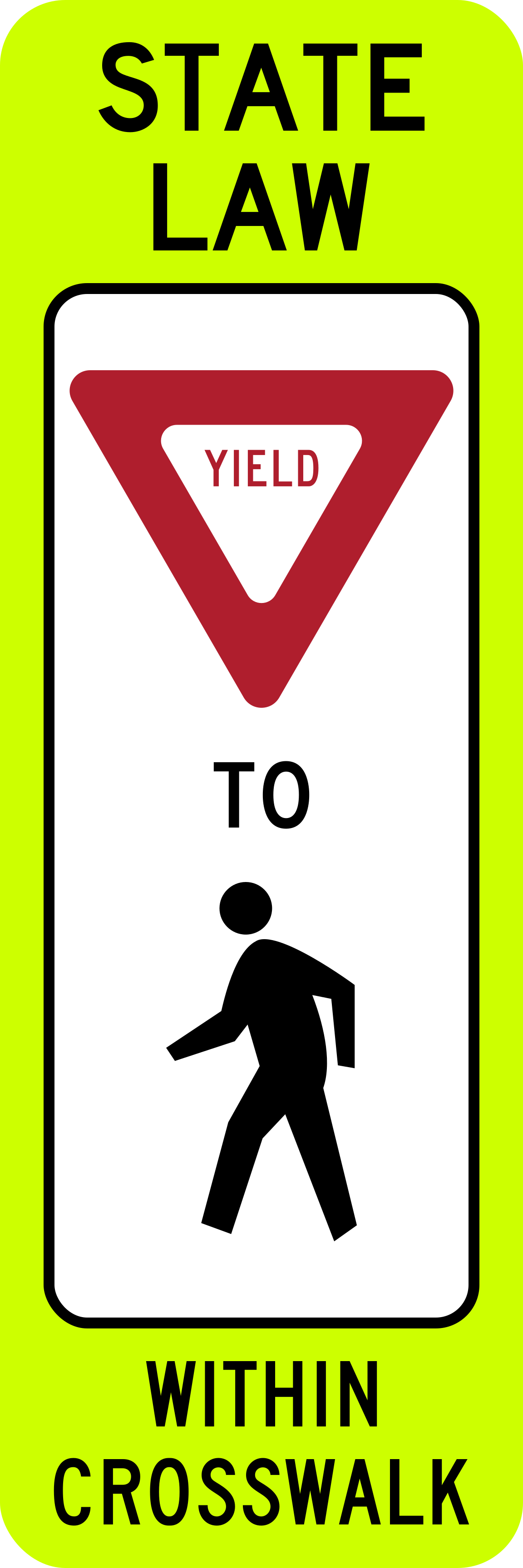
- State Law: Yield to Pedestrians
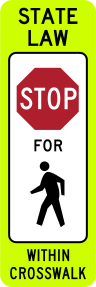
- State Law: Stop for Pedestrians
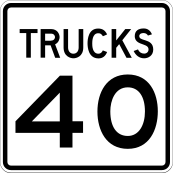
- Truck Speed Limit
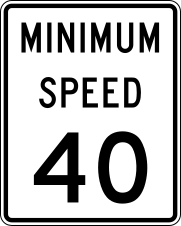
- Minimum Speed Limit
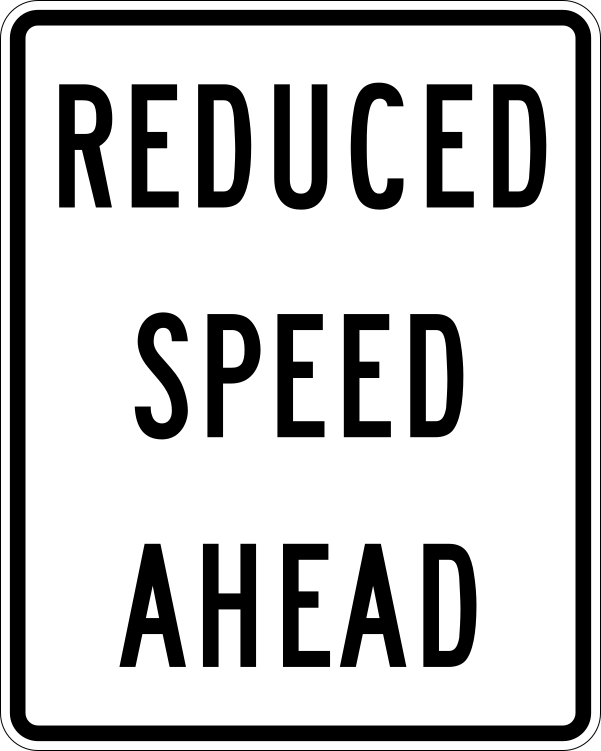
- Reduced Speed Limit Ahead
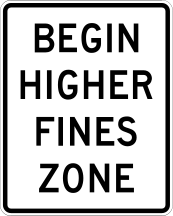
- Begin Higher Fines Zone
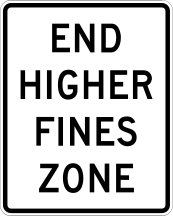
- End Higher Fines Zone
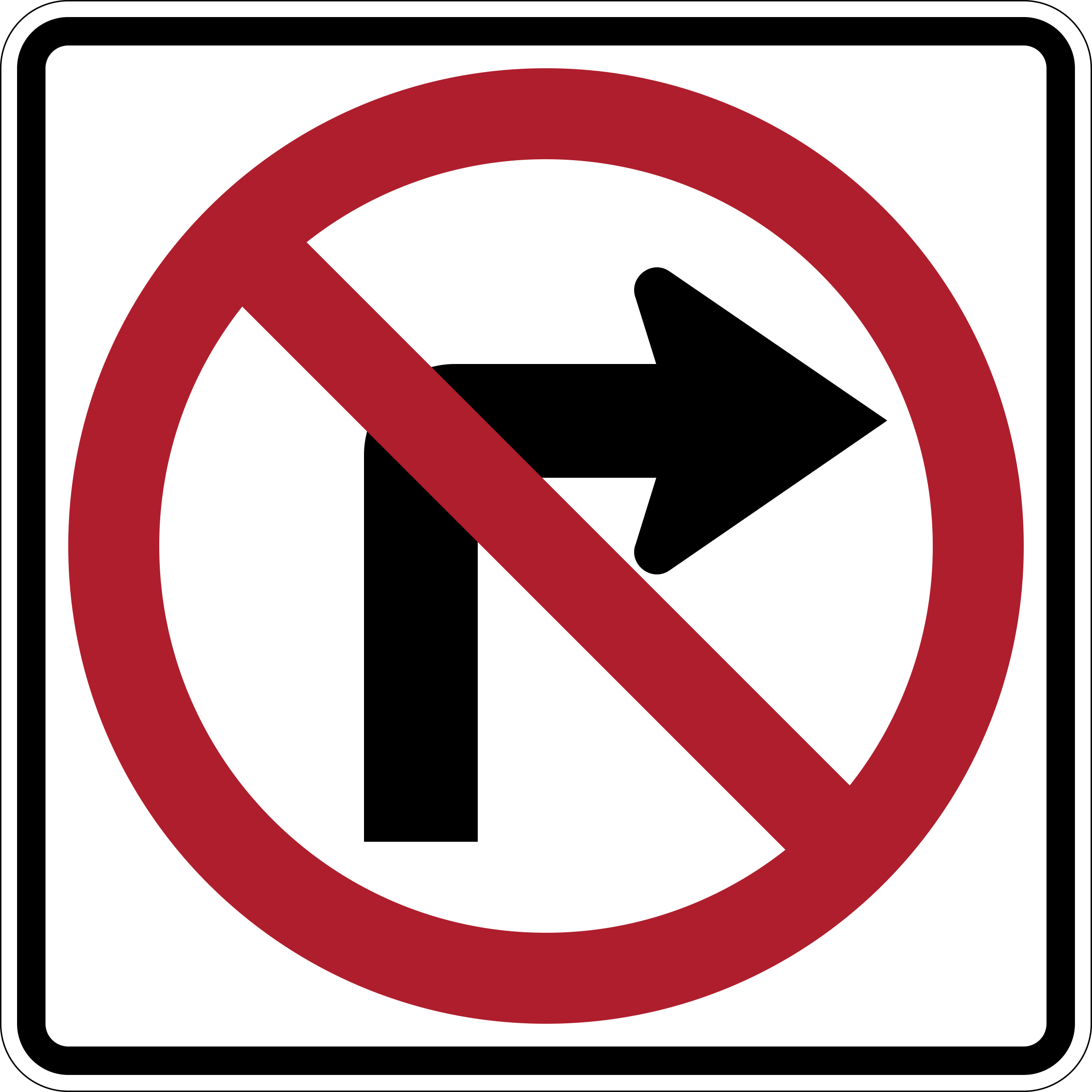
- No Right Turn
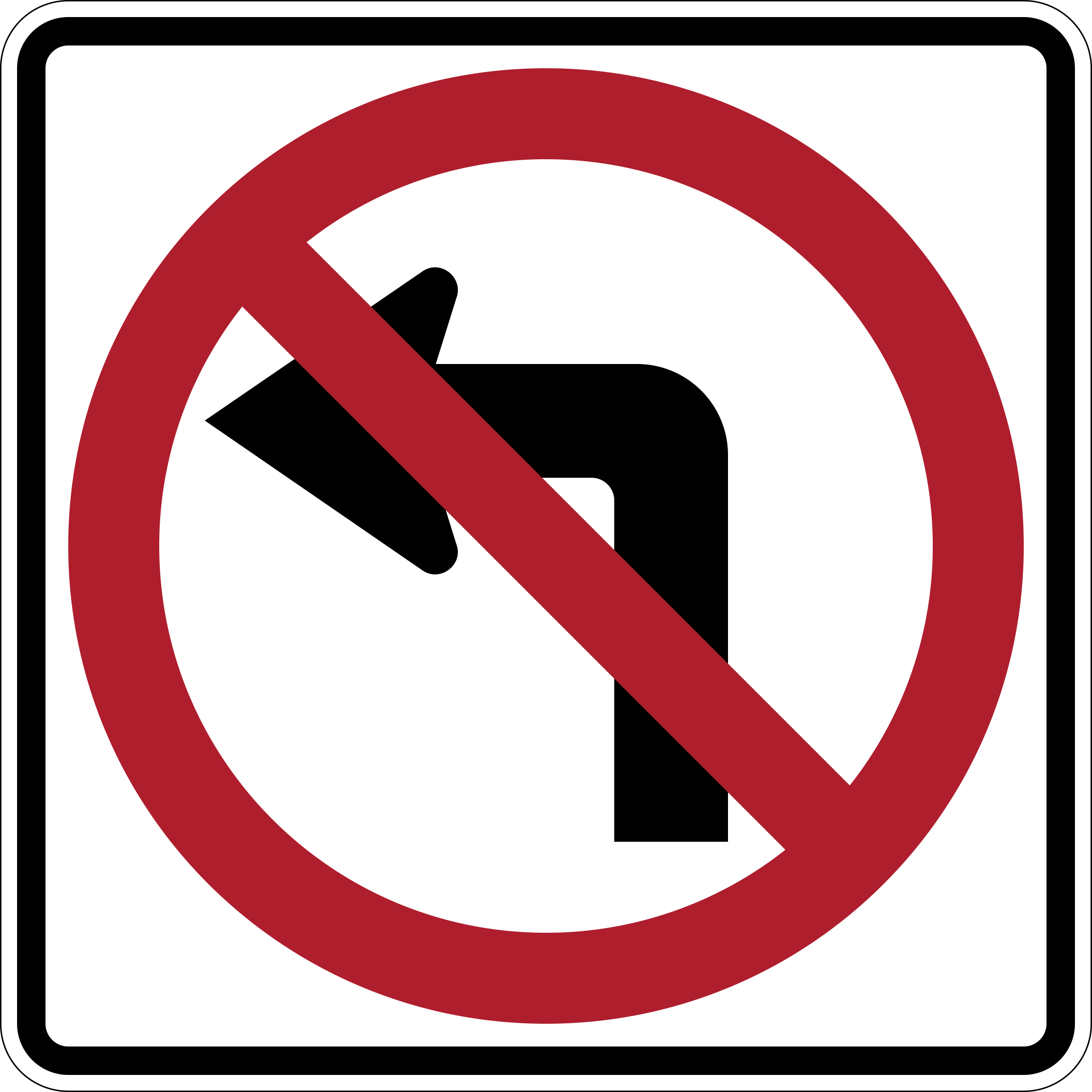
- No Left Turn
- No Turns
- Left Lane Must Turn Left
- Right Lane Must Turn Right
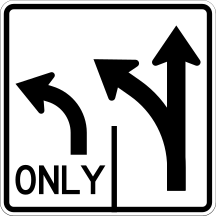
- Intersection Lane Control
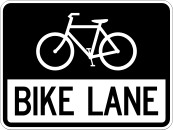
- Bike Lane
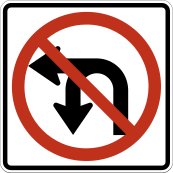
- No Left or U-Turn
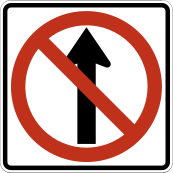
- No Straight Through
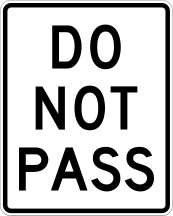
- Do Not Pass
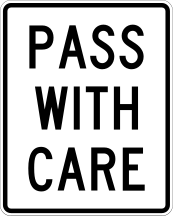
- Pass With Care
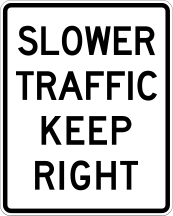
- Slower Traffic Keep Right
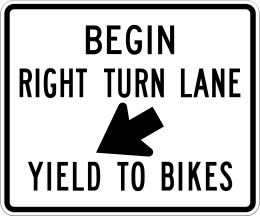
- Begin Right Turn Lane — Yield to Bikes
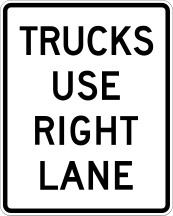
- Trucks Use Right Lane
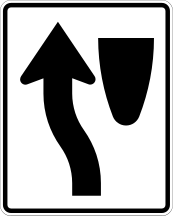
- Keep Right
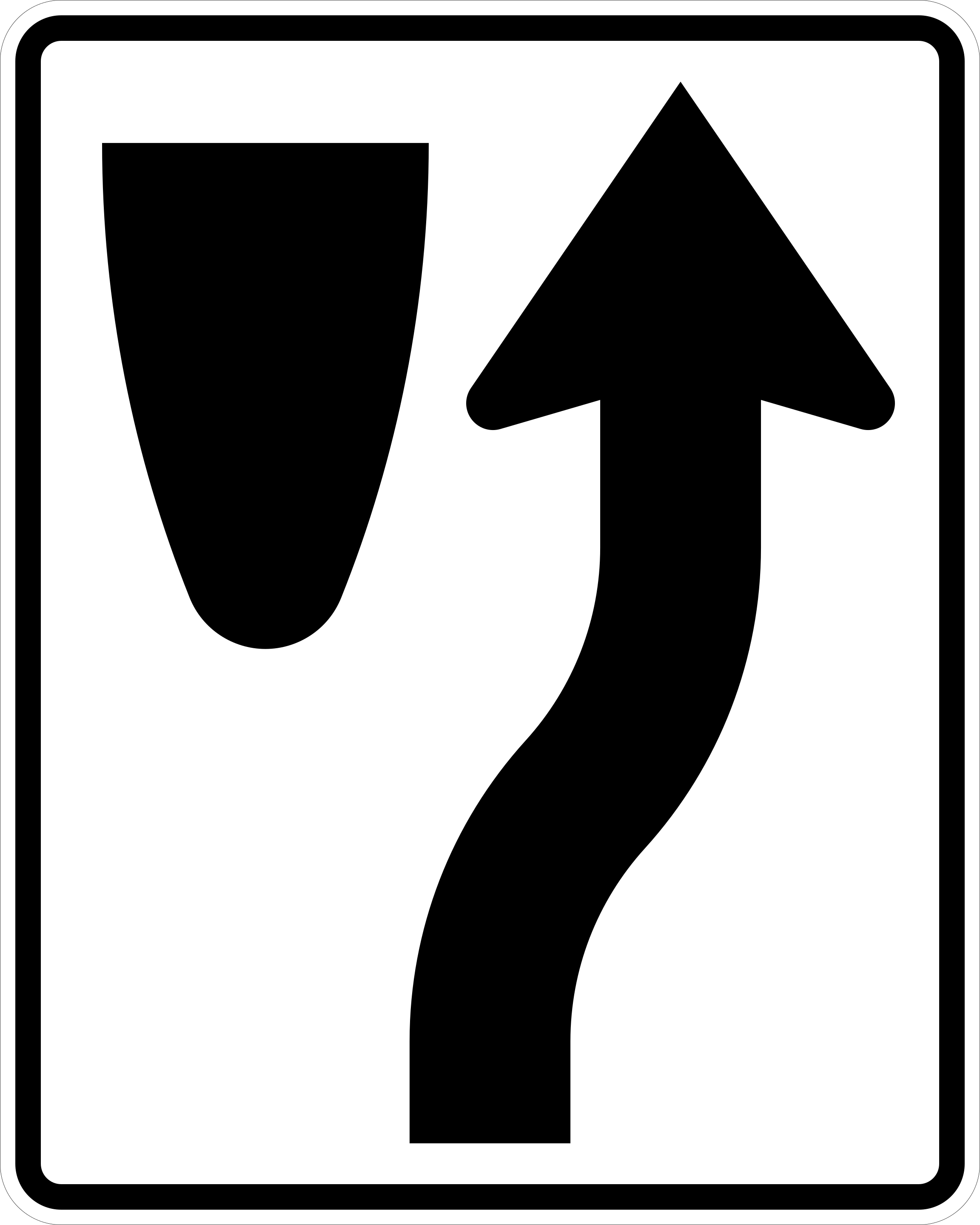
- Keep Left
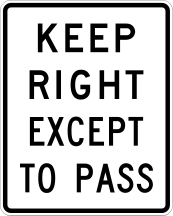
- Keep Right Except to Pass
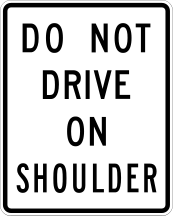
- Do Not Drive on Shoulder
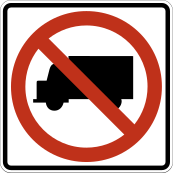
- No Trucks
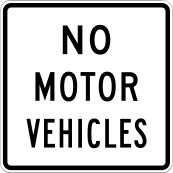
- No Motor Vehicles
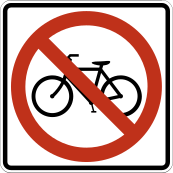
- No Bicycles
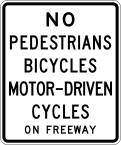
- No Pedestrians, Bicycles, or Motor-Driven Cycles
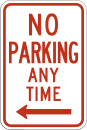
- No Parking Any Time
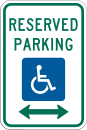
- Accessible Parking
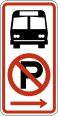
- No Parking Bus Stop
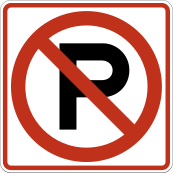
- No Parking
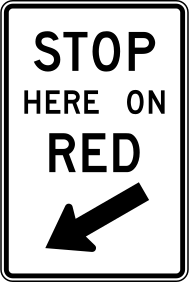
- Stop Here on Red
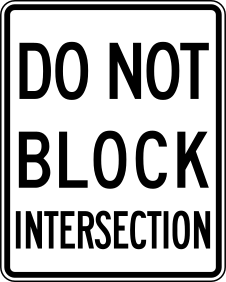
- Do Not Block Intersection
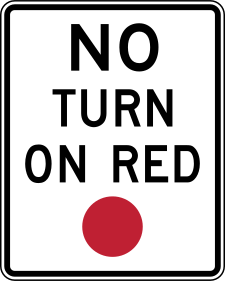
- No Turn on Red
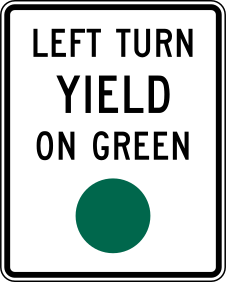
- Left Turn Yield on Green
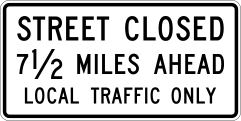
- Road Closed
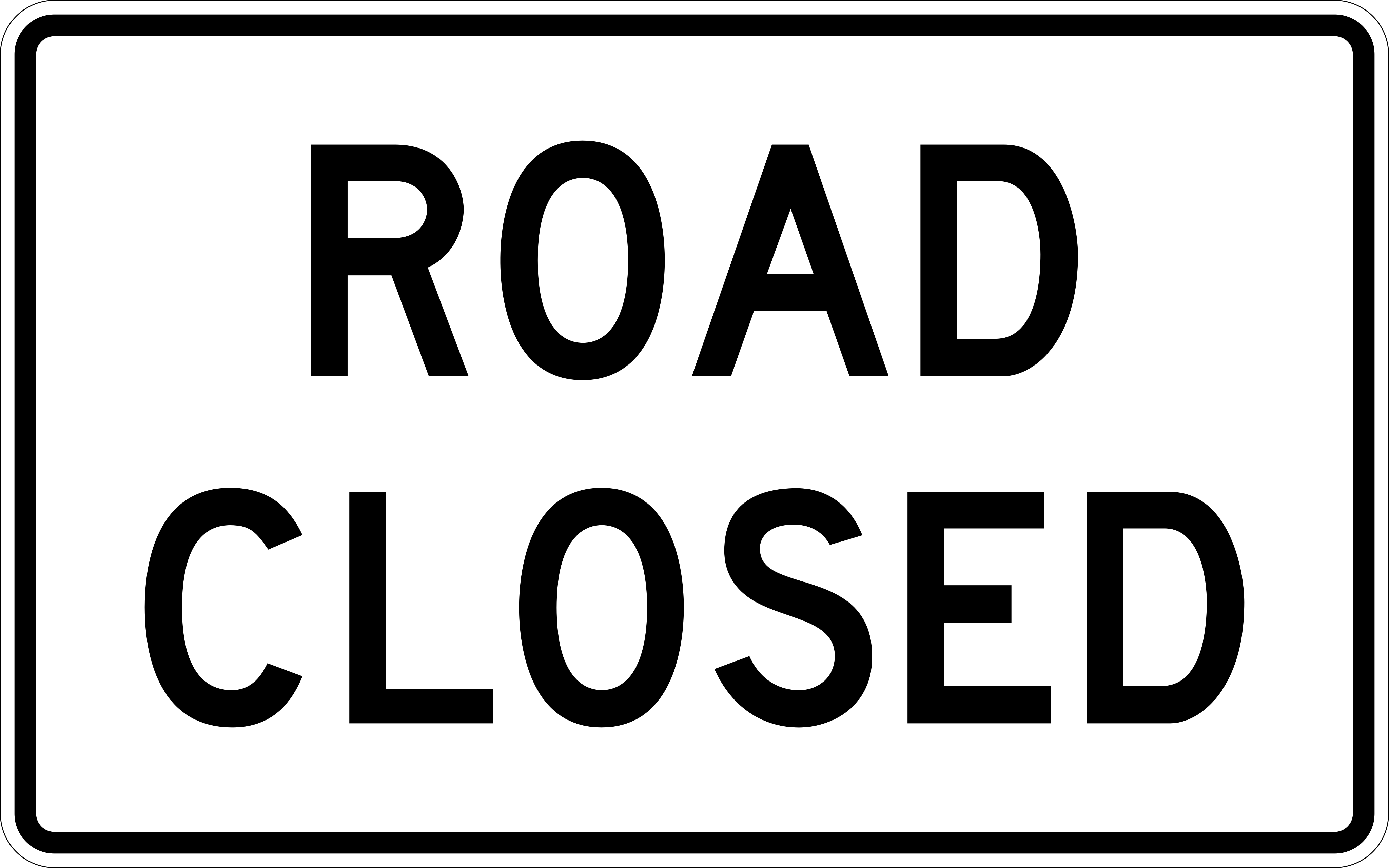
- Road Closed — Local Traffic Only
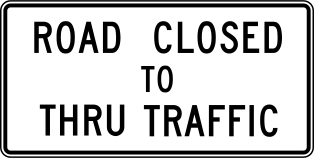
- Road Closed to Thru Traffic
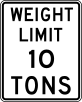
- Weight Limit
- No Hazardous Materials

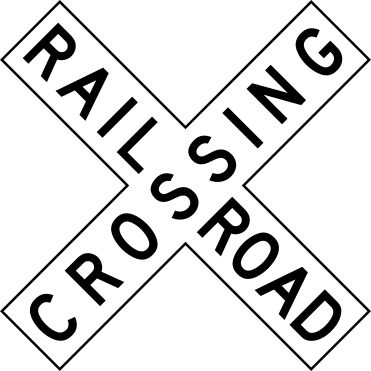
- Railroad Crossing (Crossbuck)
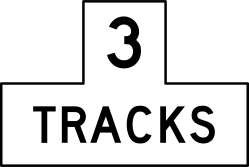
- Number of Tracks
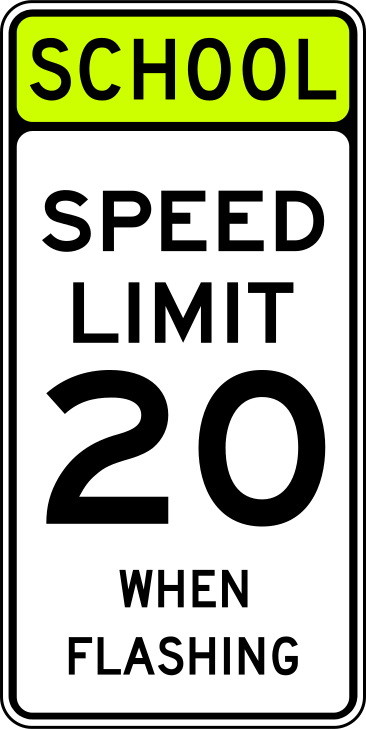
- School Speed Limit When Flashing
- HOV Lane
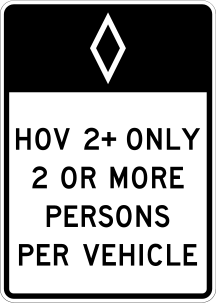
- Exempt

- Two-Way Left Turn Only
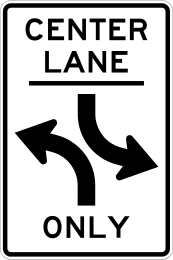
Warning signs
- Turn Ahead

- Stop Ahead

- Signal Ahead
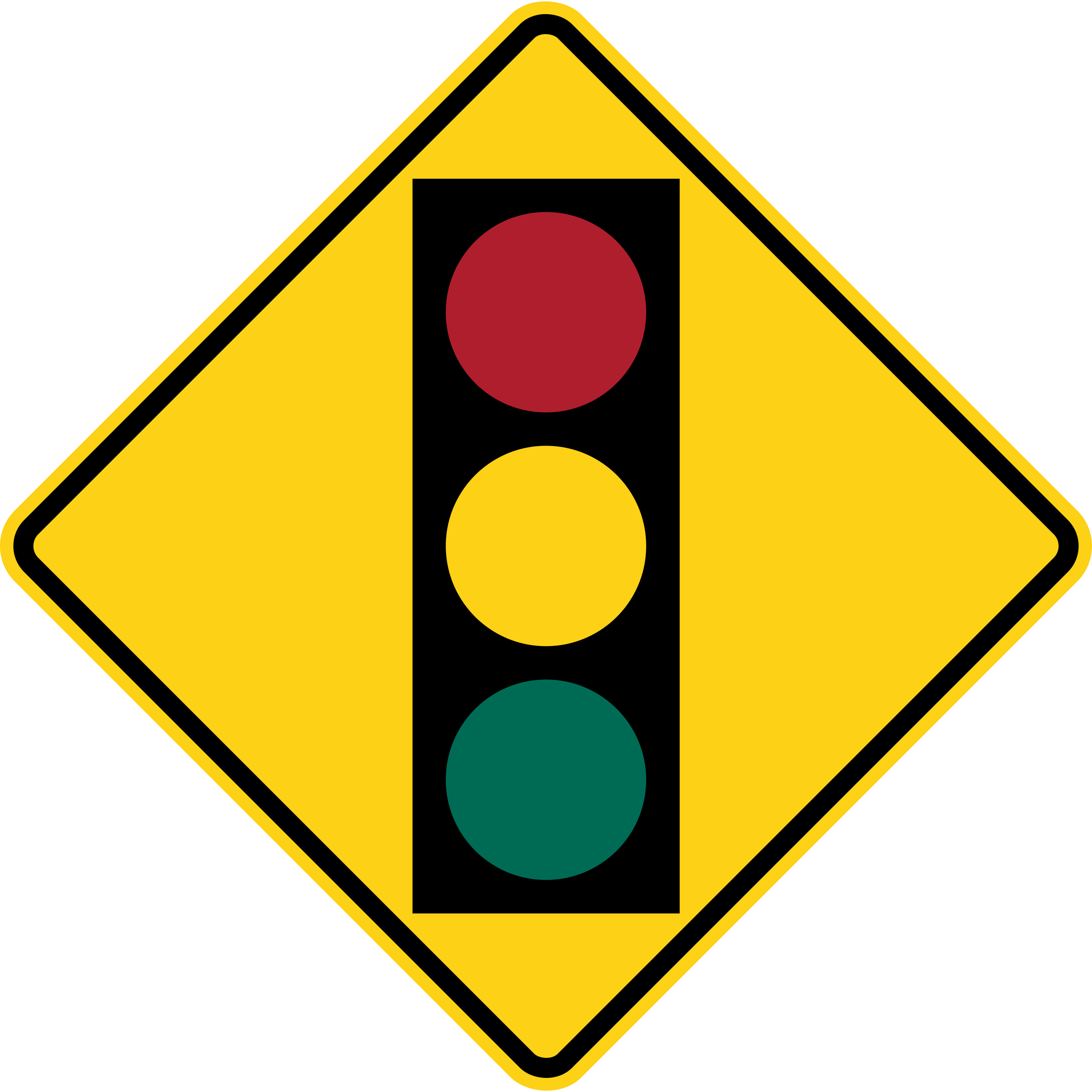
- Pedestrian Crossing

- Curve

- Reverse Turn

- Reverse Curve

- Winding Road

- One-Direction Large Arrow

- Two-Direction Large Arrow

- Chevron Alignment

- Hairpin Curve

- Cross Road

- Side Road

- Roundabout Ahead

- Yield Ahead

- Be Prepared to Stop

- Reduced Speed Limit Ahead
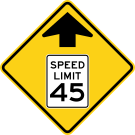
- Merging Traffic

- Lane Ends

- Added Lane

- Lanes Merge
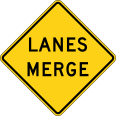
- Road Narrows

- Narrow Bridge

- One Lane Bridge

- Ramp Narrows

- Divided Highway Begins

- Divided Highway Ends

- Two-Way Traffic
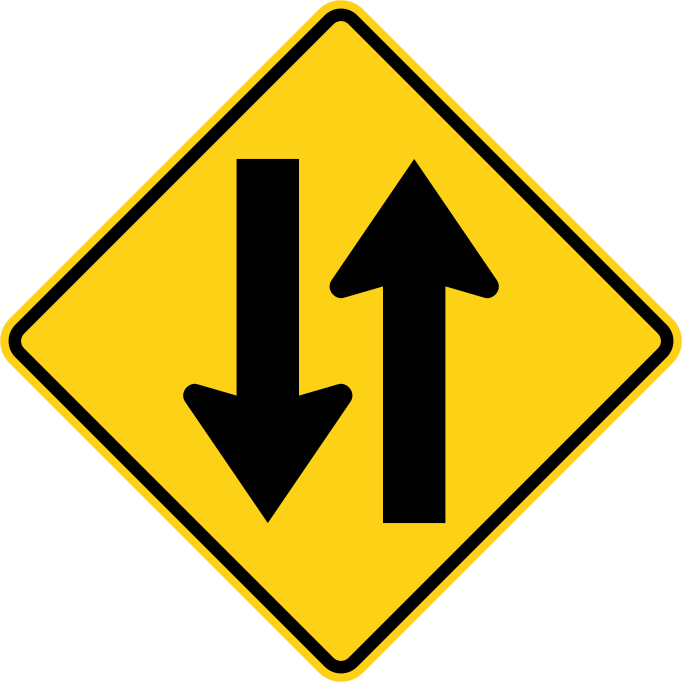
- Hill / Steep Grade

- Bump

- Dip

- Pavement Ends

- Soft Shoulder

- Slippery When Wet

- Loose Gravel

- Rough Road

- Low Shoulder

- Uneven Lanes

- Grooved Pavement
- Metal Bridge Deck
- Railroad Crossing Ahead

- Bicycle Crossing

- Deer Crossing

- Cattle Crossing

- Farm Machinery

- Snowmobile Crossing

- Equestrian Crossing

- Persons with Disabilities

- Golf Cart Crossing

- Horse-Drawn Vehicle Crossing

- Low Clearance

- Advisory Speed

- Dead End

- No Outlet

- No Passing Zone
- Playground

- Speed Hump

- School

- Truck Rollover

- Bridge Ices Before Road

- Road May Flood

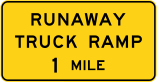
- Runaway Truck Ramp
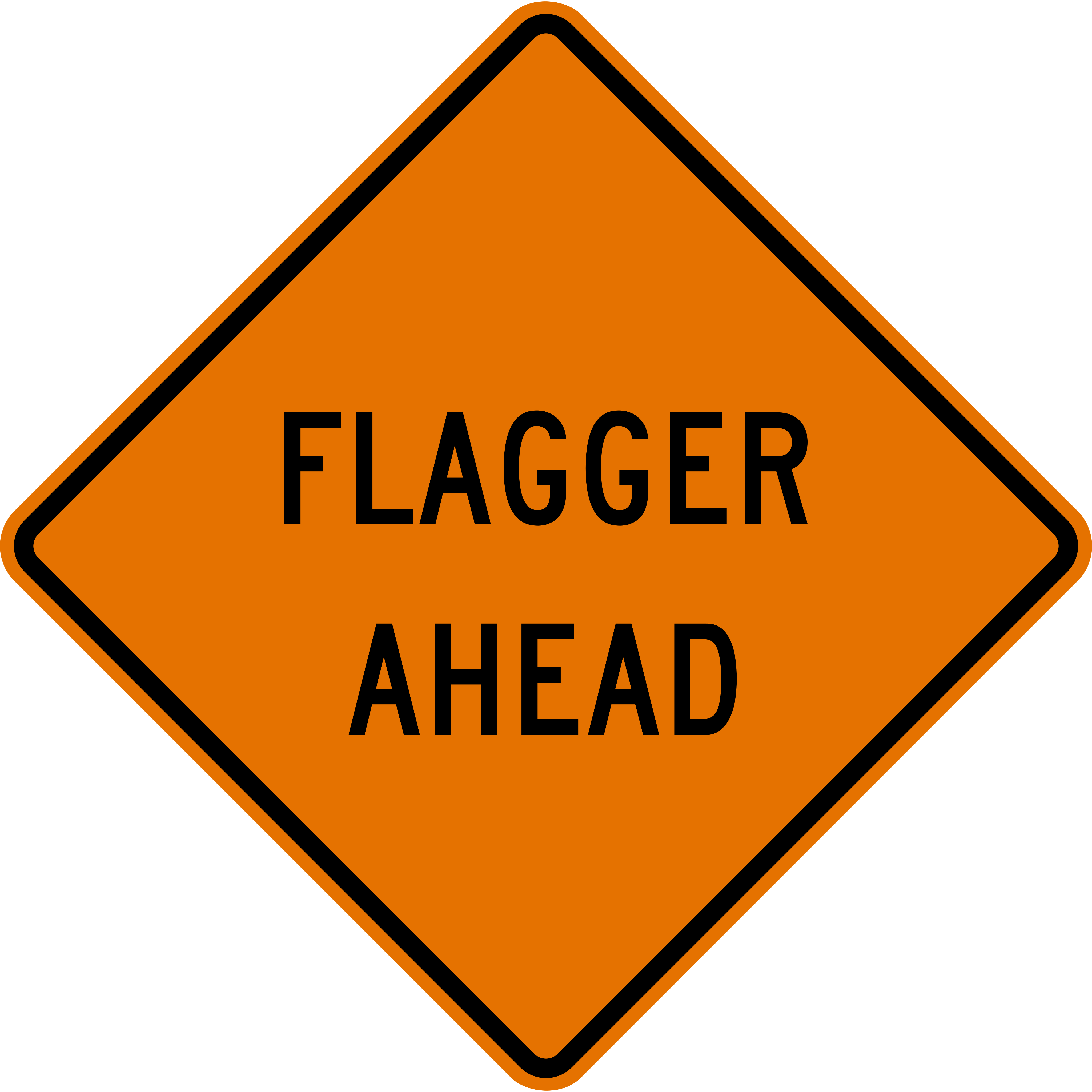
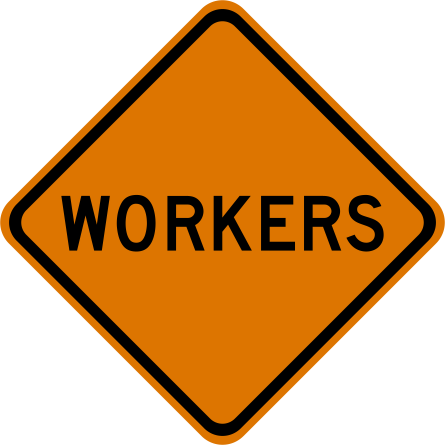
Construction & work-zone signs


Guide signs
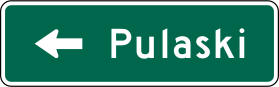
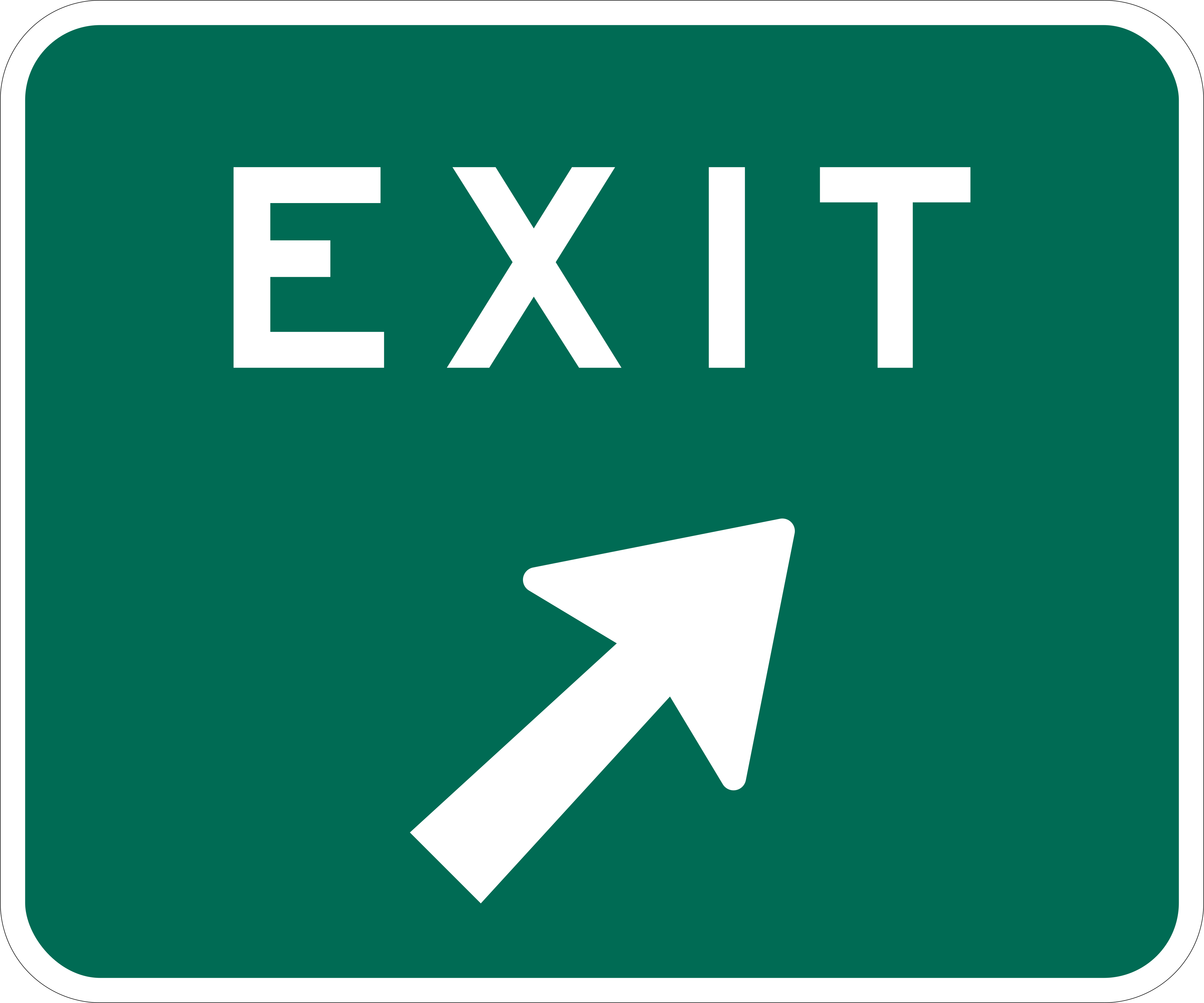


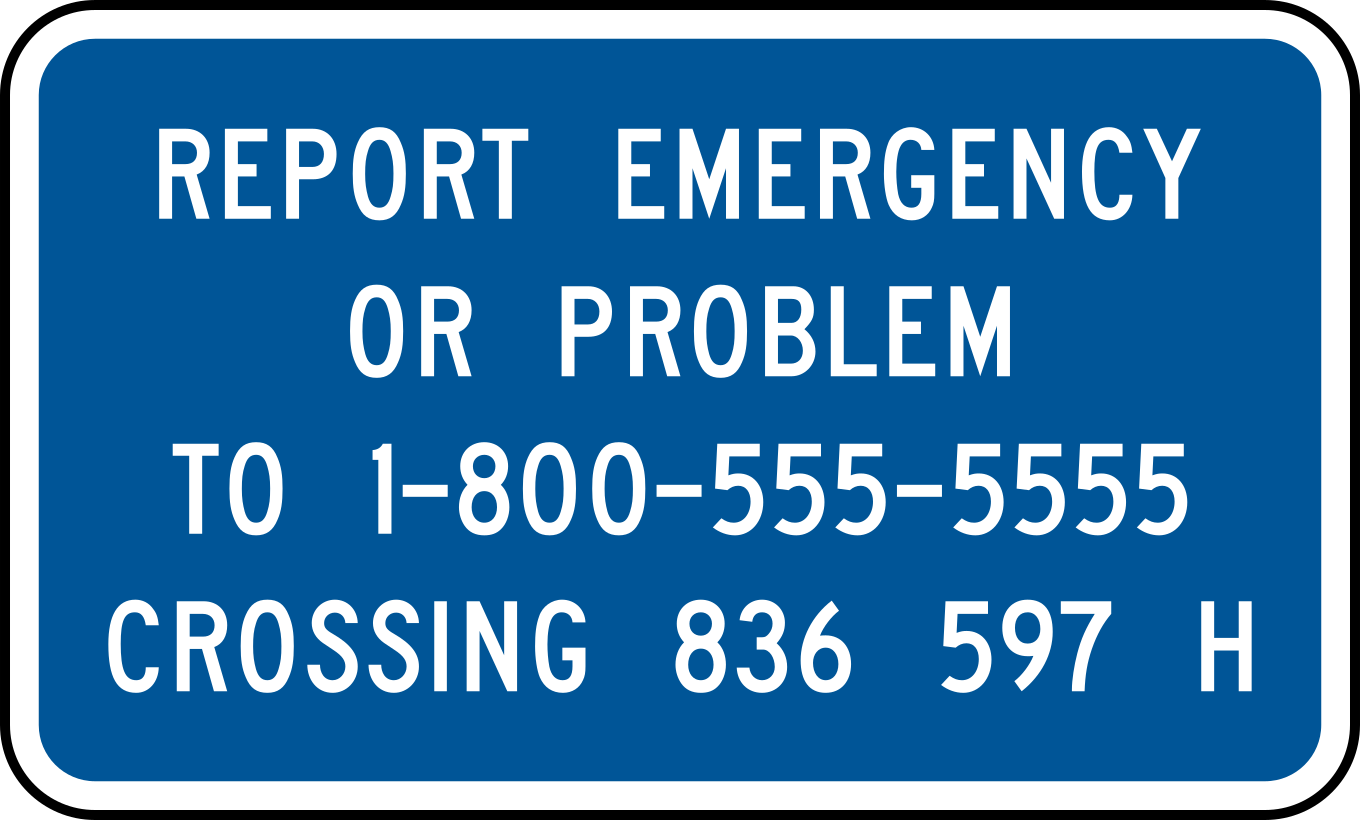
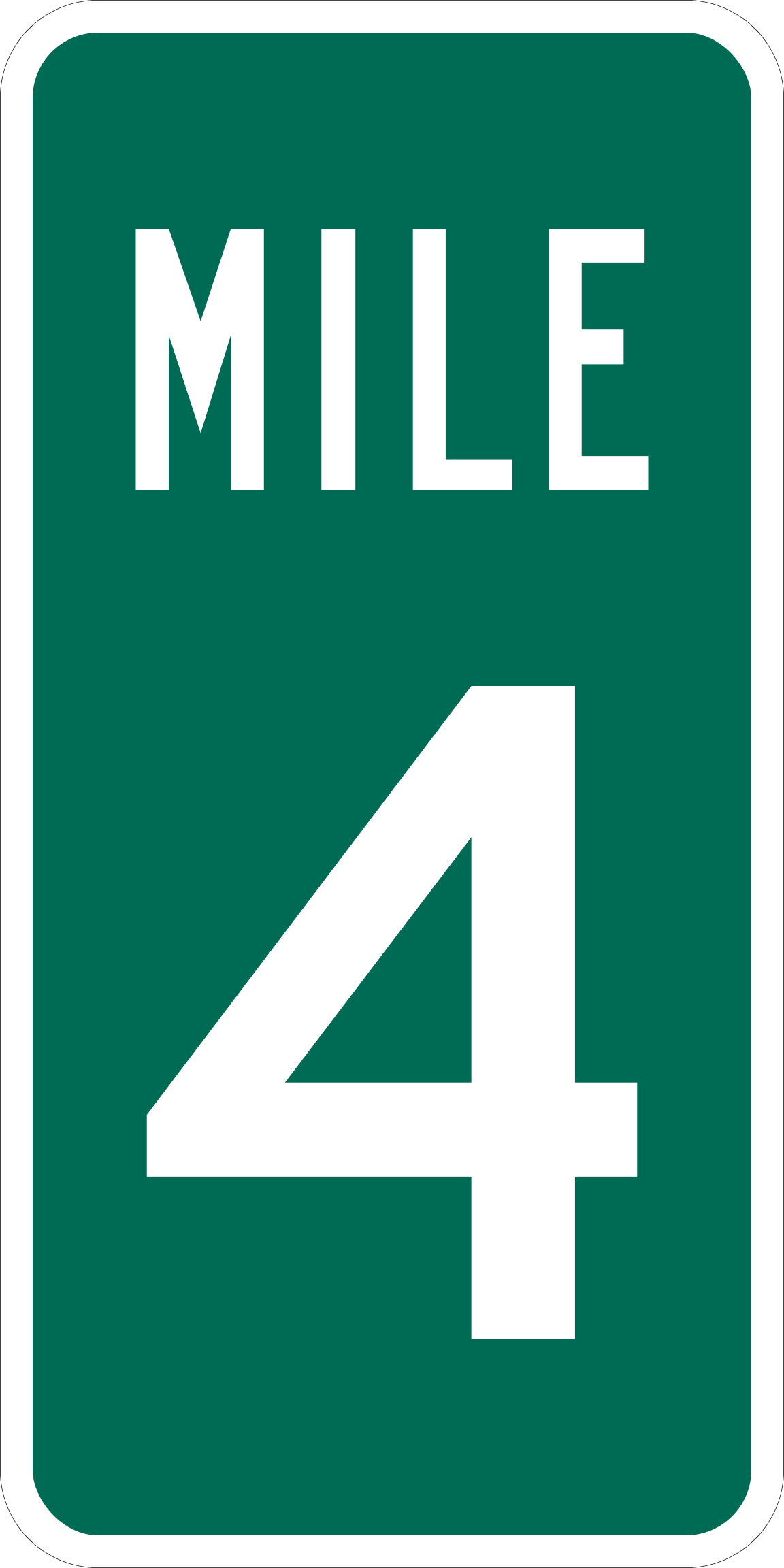
Service & information signs



Texas road signs: frequently asked questions
If a driver education course can replace the DPS written exam, do I still need to know the signs?
Yes — the exemption moves the exam, it does not remove it. The handbook says that on successful completion of certain courses a person is not required to take the Class C knowledge exam at the driver license office, and DPS's own course outline still lists passing the learner's permit written exam as a step, under both the Concurrent and the Block method. Neither source says who administers it, so treat the location as the only thing that changes and the sign material as still on the paper. The requirement is broad: under the Less Tears More Years Act every applicant younger than twenty-five must take a driver education course, which makes this the normal route into a Texas license rather than an exception.
How far into a Texas driver education course does the written exam come?
That is yours to choose, and the two options change how soon you drive. Under the Concurrent Method a teen takes the first six hours of classroom instruction, passes the learner's permit written exam, gets the permit and then finishes the remaining eighteen classroom hours while practicing on the road. Under the Block Method all twenty-four classroom hours come first, then the written exam, then the permit. The Concurrent Method means you meet the sign material once in class and are tested on it a quarter of the way through — before most of the course has happened.
Texas lists three knowledge exams. Does the seventy percent apply to all of them?
Yes — one sentence sets the bar and lets it cover everything. What varies between the three is not the standard but the way out of it. Motorcycle applicants can skip theirs entirely by successfully completing a state-approved motorcycle operator training course and presenting proof of completion. Car applicants can move theirs into an approved driver education course. Whichever you end up sitting, the sign material behind it is identical, because DPS publishes a single driver handbook rather than a separate signs guide — the same Chapter 5 feeds all of them.
What is the penalty in Texas for driving past a warning sign or around a barricade?
The handbook sets out three tiers, and the top one surprises people. Disobeying the instructions, signals, warnings or markings of a warning sign, or driving around a barricade, is a misdemeanour punishable by a fine of one to two hundred dollars. Those fines double in a construction or maintenance work zone when workers are present anywhere in the zone. And where the warning sign or barricade has been placed because water is over any portion of a road, street or highway, the offense becomes a Class B misdemeanour punishable by a fine of up to two thousand dollars, up to a hundred and eighty days in jail, or both.
The Texas tables describe signs instead of naming them. How am I meant to study that?
Meaning first, name second — which is the way the exam works too. Table 18 does not give you a caption like "traffic signal ahead"; it gives you the picture and the sentence "Warns of a traffic control signal ahead." Elsewhere it says "Height of underpass from road surface is shown. Do not try to enter if your load is higher than the figure shown on the sign", or "You are approaching a point where two roads come together and an additional lane begins. You are not required to merge." Those are answers to a question, not labels on a diagram. Practice by covering the description and saying what you would do, rather than by trying to recall what the sign is called.
Official sources
- Texas Driver Handbook (DL-7)
- Texas DPS — choosing a driver education course
- Texas DPS — driver license requirements
Checked against official state sources on 2026-07-29.
Study offline
Texas Practice Test Pack — 2026 Printable Edition
$4.99 · One-time purchase. Instant download.
Our own printable edition — nobody paid us to show it to you, and everything in it is free to read here too.