Vermont Road Signs and Their Meanings
Vermont's Department of Motor Vehicles sits inside the Agency of Transportation, and its driver's manual prints the whole chain of command on the cover: Phil Scott as Governor, Joe Flynn as Secretary of Transportation, Andrew Collier as Commissioner of Motor Vehicles. Before the book describes any test it asks why the state gives them, and the first item on that list is about signs — "Can you read and understand the road signs and lights used on the road?" — printed ahead of knowing the laws and ahead of seeing well enough to drive. Then the examination arrives as a numbered sequence of three. Vision screening is first, the road test is third, and the second is the one this page is about, sized by Vermont in plain language: "The knowledge test is online and has 20 questions. Each question has four answers to choose from, of which only one is correct. You must answer at least 16 questions correctly to pass the test." Four wrong answers is the entire allowance. No clock is attached to any of it, there or anywhere else the DMV publishes. The word carrying the most weight there is "online," and Vermont means it literally: the front matter of the same manual says the permit test "is no longer taken in our office. It is an online test available on our website, mydmv.vermont.gov."
Nothing Vermont publishes cuts those twenty questions into parts, so there is no sign section to clear on its own — no minimum number of signs to name, no separate score, nothing that isolates the sign pages from the rest of the sitting. What Vermont does publish is a rule about how a sign is supposed to be read, and it is written for the weather. "You can tell what road signs mean by the shape and color as well as the wording. If the sign is covered by dirt, snow, or anything else, you should know the general meaning (regulatory, warning, information) of the sign by its shape." That is not a decorative sentence in a state where a sign can spend weeks with snow packed across its face. It sets a bar higher than reading: the outline alone has to put a sign into one of three families before a single word is legible, and the manual names those families in that order — regulatory, warning, information. The very first question in Vermont's published bank tests exactly that, with the wording of an eight-sided sign hidden under snow. As for trying again, Vermont is generous with attempts and strict about the calendar. The manual says that if you fail "you must wait at least one day before taking another one"; the DMV's learner's-permit page repeats the rule almost word for word and then removes any ceiling — "You may take the test as many times as you wish until you pass." The cost sits on the fee page rather than in that sentence. A learner's-permit knowledge test is $39.00, the permit itself another $24.00, and the DMV is blunt about what an extra attempt costs: "You will pay the test fee each time you take the test."
The book is the Vermont Driver's Manual, form VN-007, produced by the DMV and, as its own colophon says, "printed in Vermont." On the page facing the contents sits a warning that now belongs to an earlier era of the exam: THIS MANUAL MAY NOT BE USED DURING THE TEST. Every piece of driving content in the book lives in one chapter, Chapter 7, Driving Safely and Studying for Your Permit. The contents list its subsections in order, from How to Drive Safely and Parking Your Vehicle through Traffic Lights, Road Signs, and Highway Markings, then Road Signs on its own, Sharing the Road, Hazardous Driving Conditions, Interstate Driving, Impaired Driving, Distracted Driving and The Road (Skills) Test. Inside the sign material the running order goes backwards from most manuals. Road Signs comes first with the shapes. Warning Signs comes second, and Vermont's family rule there is one to read twice, because it admits a color other states leave out: warning signs "are usually diamond-shaped and yellow or green." Regulatory Signs comes last and gets two sentences: "Rectangular signs with white backgrounds indicate what things a driver must or must not do. These signs display speed limits, turning and passing laws, and other directions." The DMV also posts the manual as audio, and that listing is the only place the department publicly marks where the sign material starts and stops — the parts are named for the passages they run between, and one of them runs from Road Signs to Common Vehicle-caused Collisions with Bicycles.
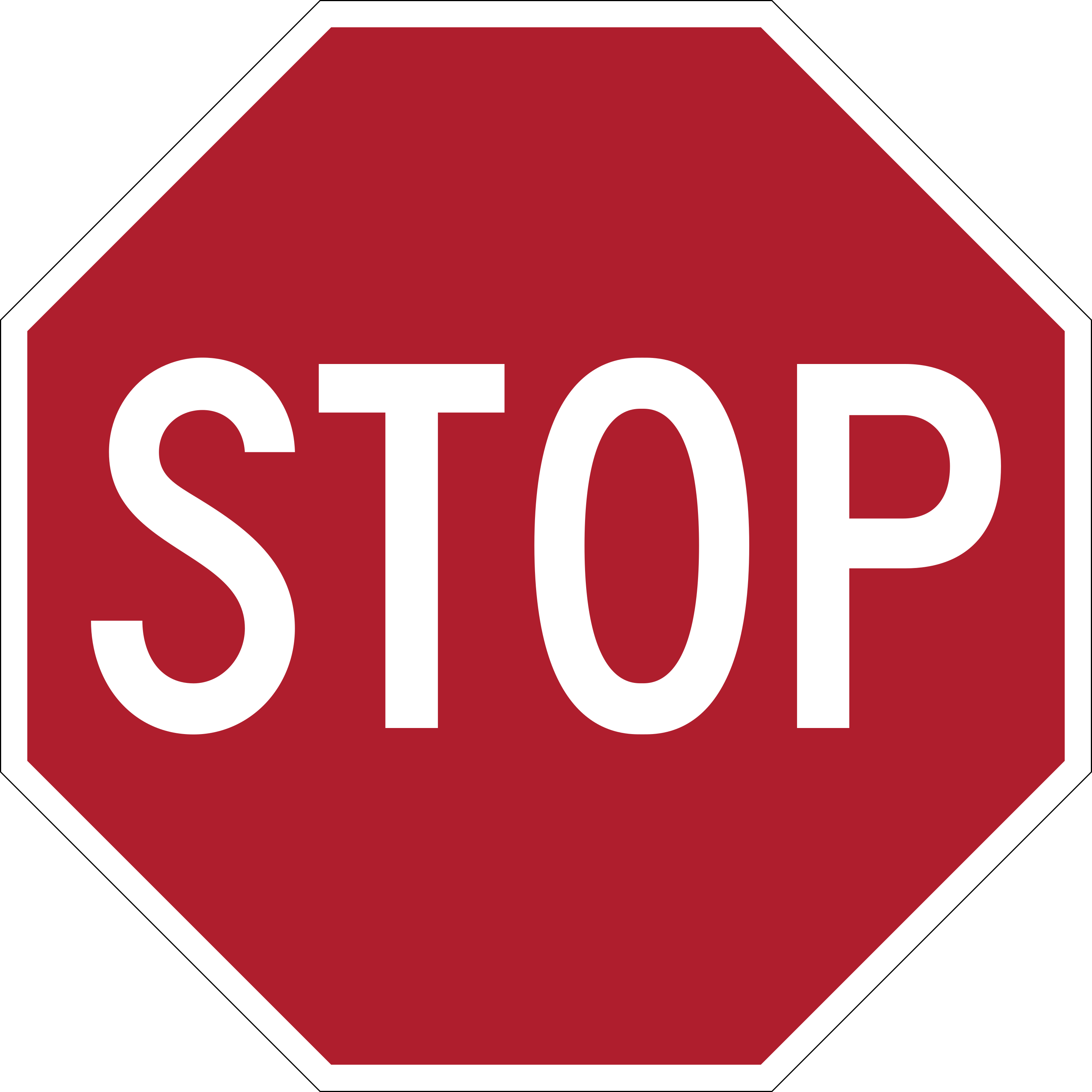
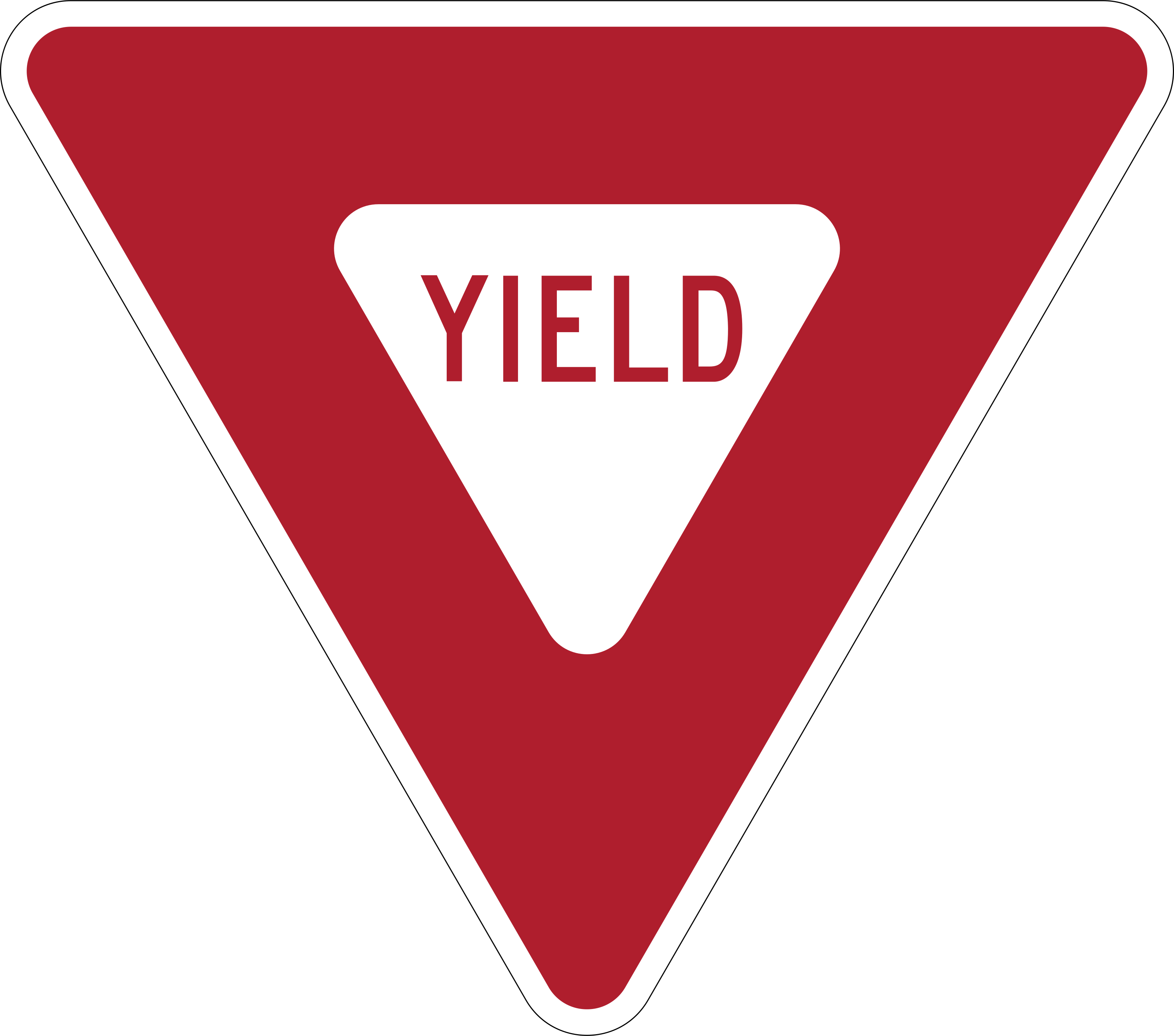
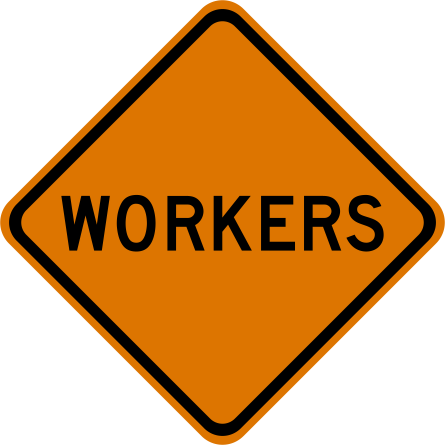
One chapter number sits under every sign question on this page: the Vermont Driver's Manual, Chapter Seven, and only then a heading. The chapter number never changes, which is a fact about the book rather than a habit of ours: Chapter Seven is the whole of Vermont's driving content, so a sign citation cannot leave it without leaving the subject. What moves is the heading, and it moves further across that chapter than you would expect. Road Signs takes the largest share, carrying the shapes themselves: the eight-sided outline, the upside-down triangle, the circular sign with a large X and the letters RR, the crossbuck with its tally of tracks mounted underneath, and the triangle with the points cut off that farm vehicles wear on the back. Warning Signs and Regulatory Signs take the two family rules. After that the citations leave the sign subsection altogether while staying inside the chapter — Work Zone Signs, filed under work-zone safety with its orange diamonds and rectangles; School Zones, filed under sharing the road; and Rules of the Road at Railroad Crossings, filed with the laws about gates, stop lines and the placard that carries a number to call. The last heading is the one to notice. Vermont does not explain its wildlife-warning sign under warning signs at all. It explains it under Moose and Deer Safety, a heading of its own, and what it puts there is the reasoning behind the sign rather than the picture of it: the animals are likeliest at dusk, at night and in the early morning; headlights can freeze a deer or send it bolting toward its habitat across the road; they travel in pairs, so expect a second; and moose are taller, darker and far heavier than deer, which means their eyes may never reflect back at you. A citation that sends a reader there is not wandering off. It is going where Vermont keeps the reason.
14 published Vermont road-sign questions, each with an explanation and a citation to the handbook section it came from.
Content reviewed against official driver handbooks · August 12, 2026
Every sign you can be tested on in Vermont
Regulatory signs
- Stop
- Yield
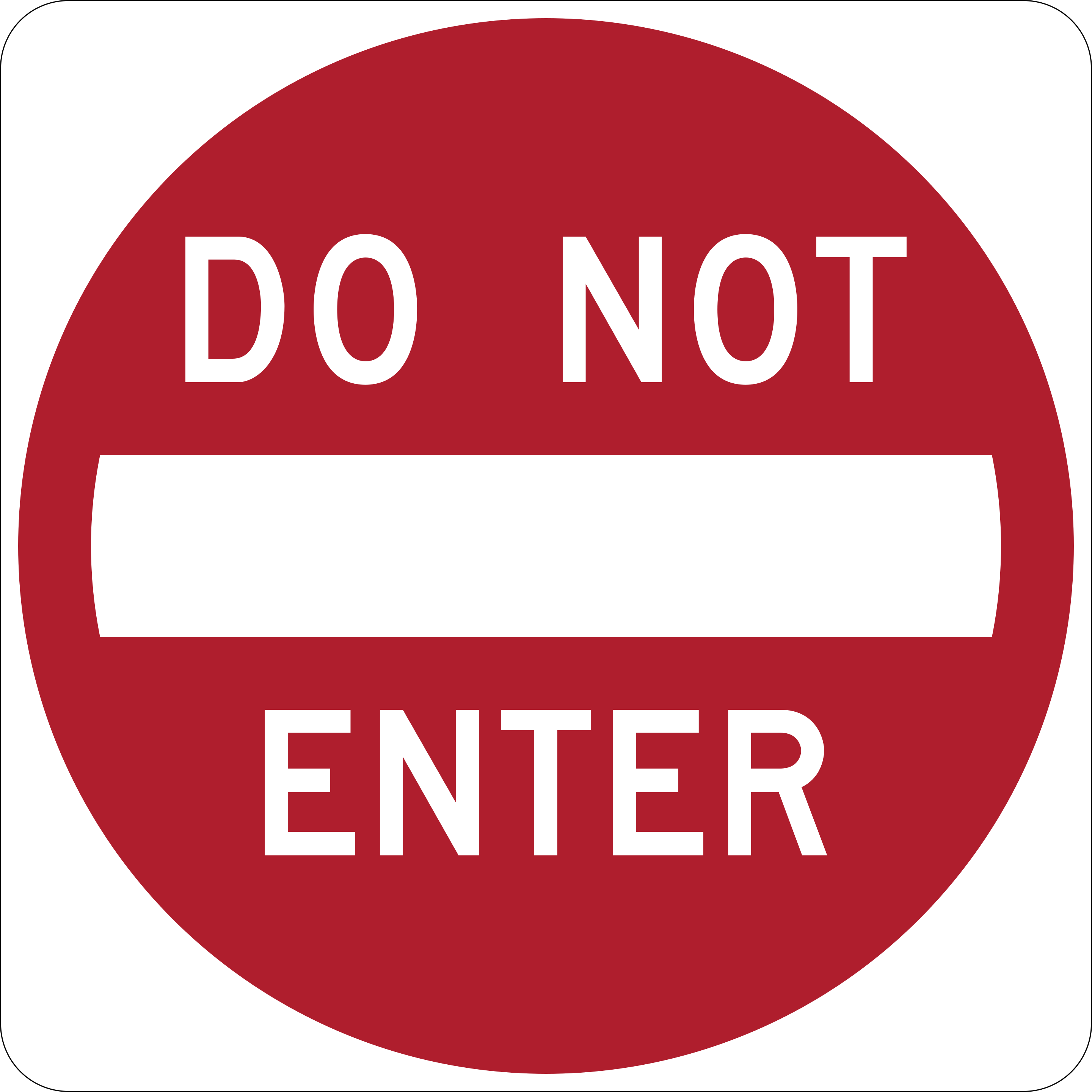
- Do Not Enter
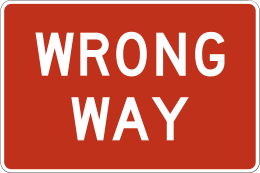
- Wrong Way
- No U-Turn
- Speed Limit
- One Way
- All Way
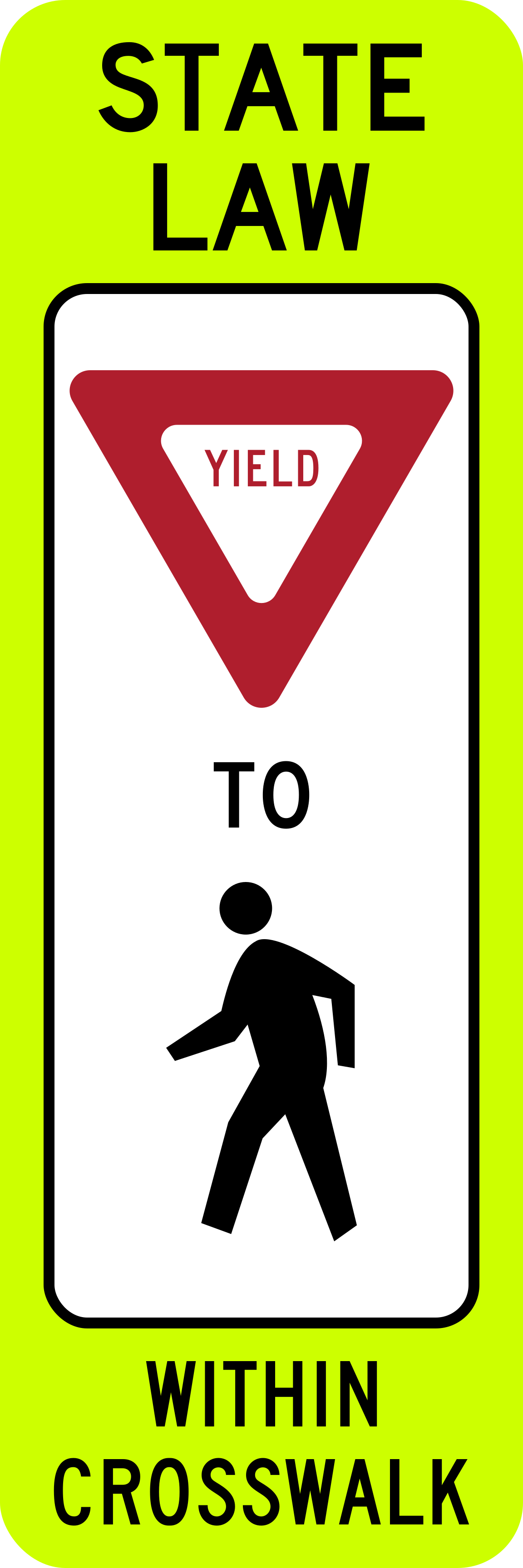
- State Law: Yield to Pedestrians
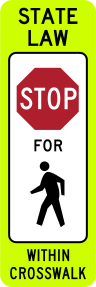
- State Law: Stop for Pedestrians
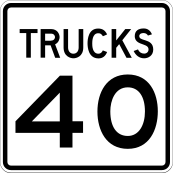
- Truck Speed Limit
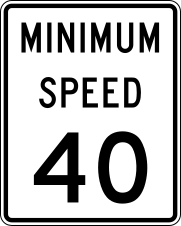
- Minimum Speed Limit
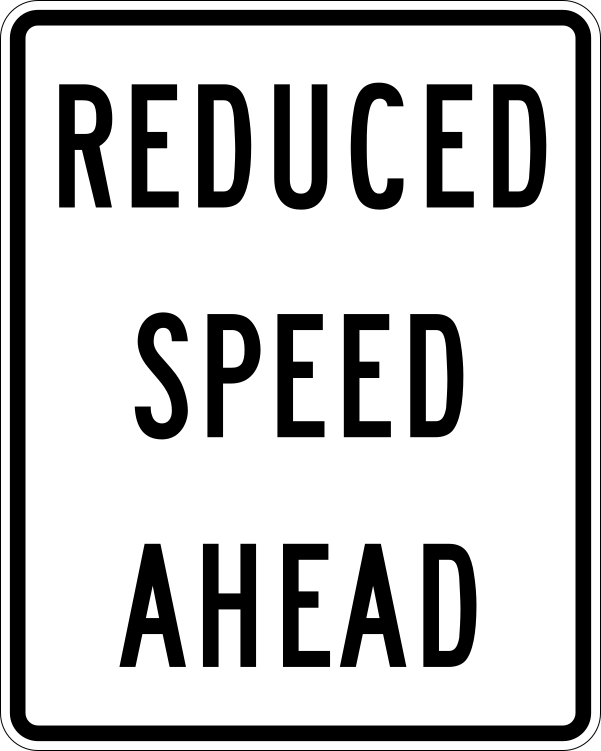
- Reduced Speed Limit Ahead
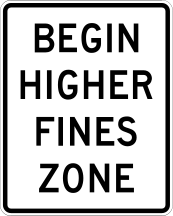
- Begin Higher Fines Zone
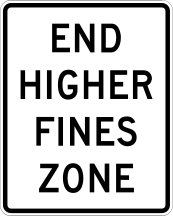
- End Higher Fines Zone
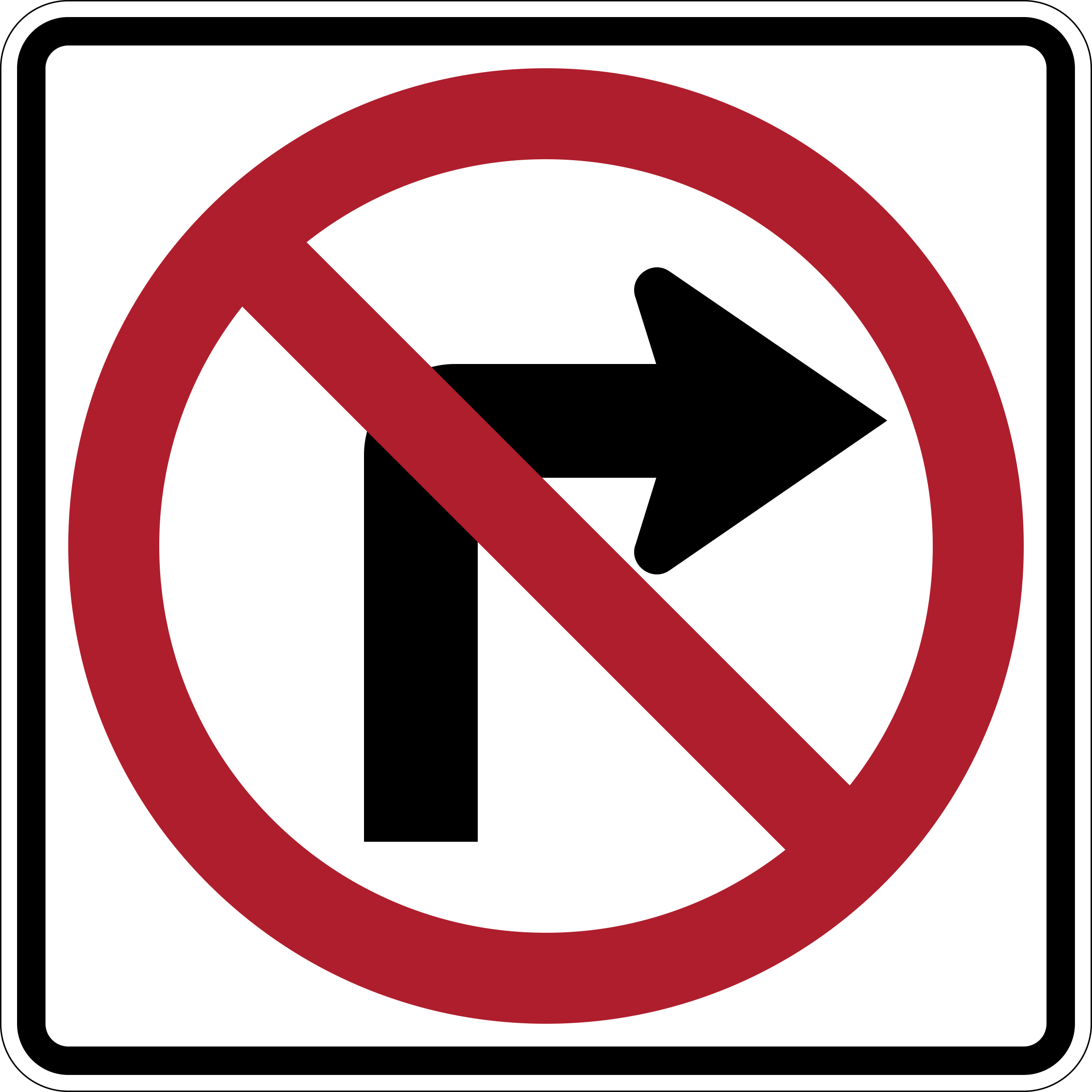
- No Right Turn
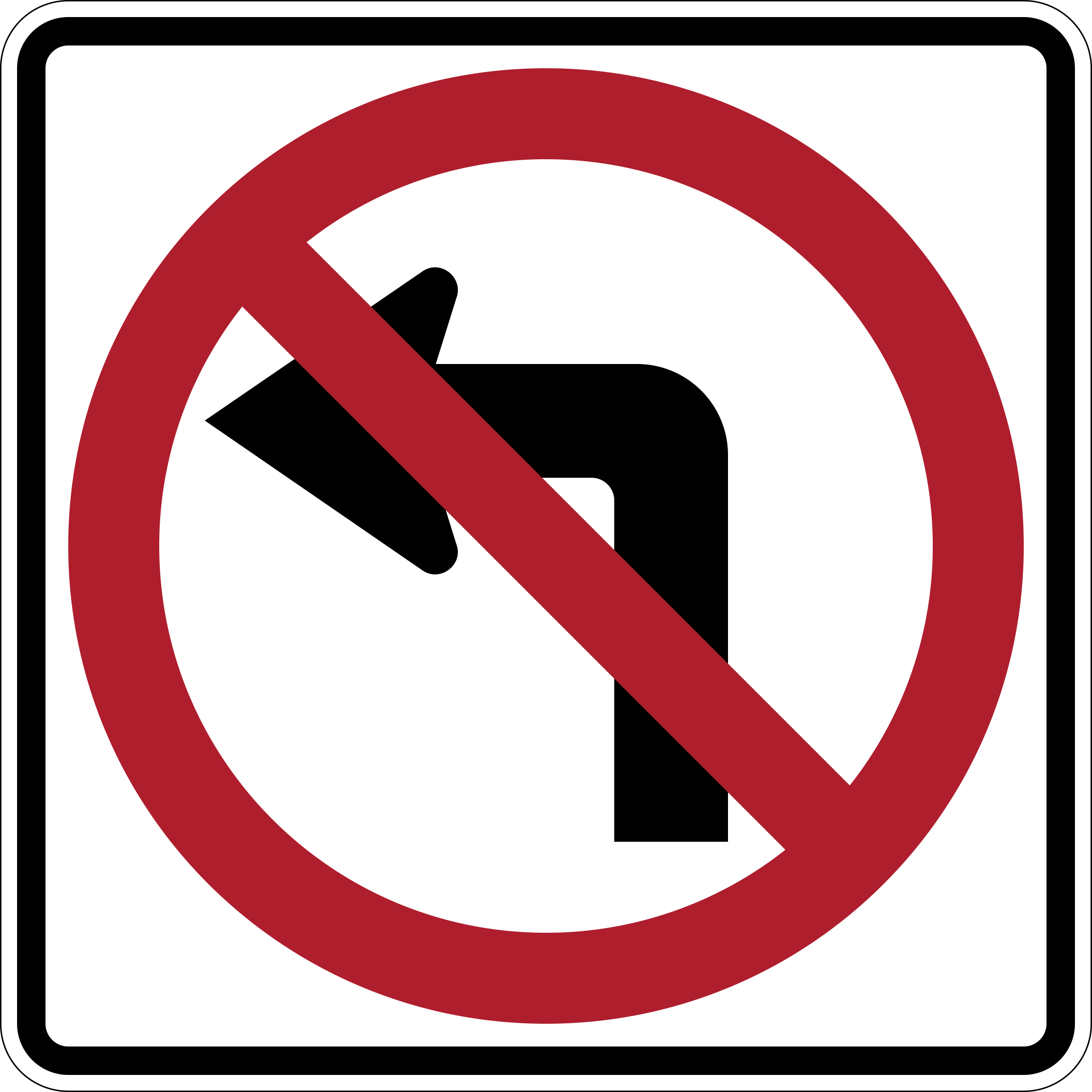
- No Left Turn
- No Turns
- Left Lane Must Turn Left
- Right Lane Must Turn Right
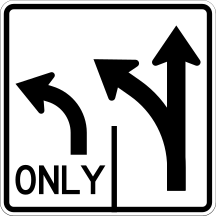
- Intersection Lane Control
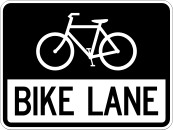
- Bike Lane
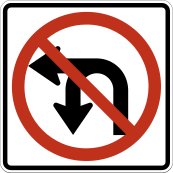
- No Left or U-Turn
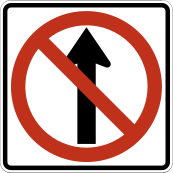
- No Straight Through
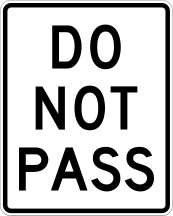
- Do Not Pass
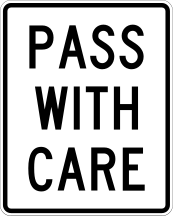
- Pass With Care
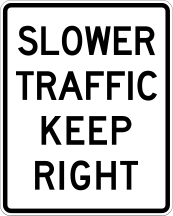
- Slower Traffic Keep Right
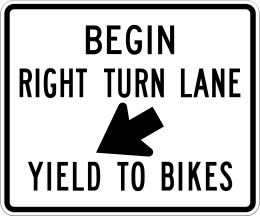
- Begin Right Turn Lane — Yield to Bikes
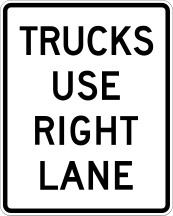
- Trucks Use Right Lane
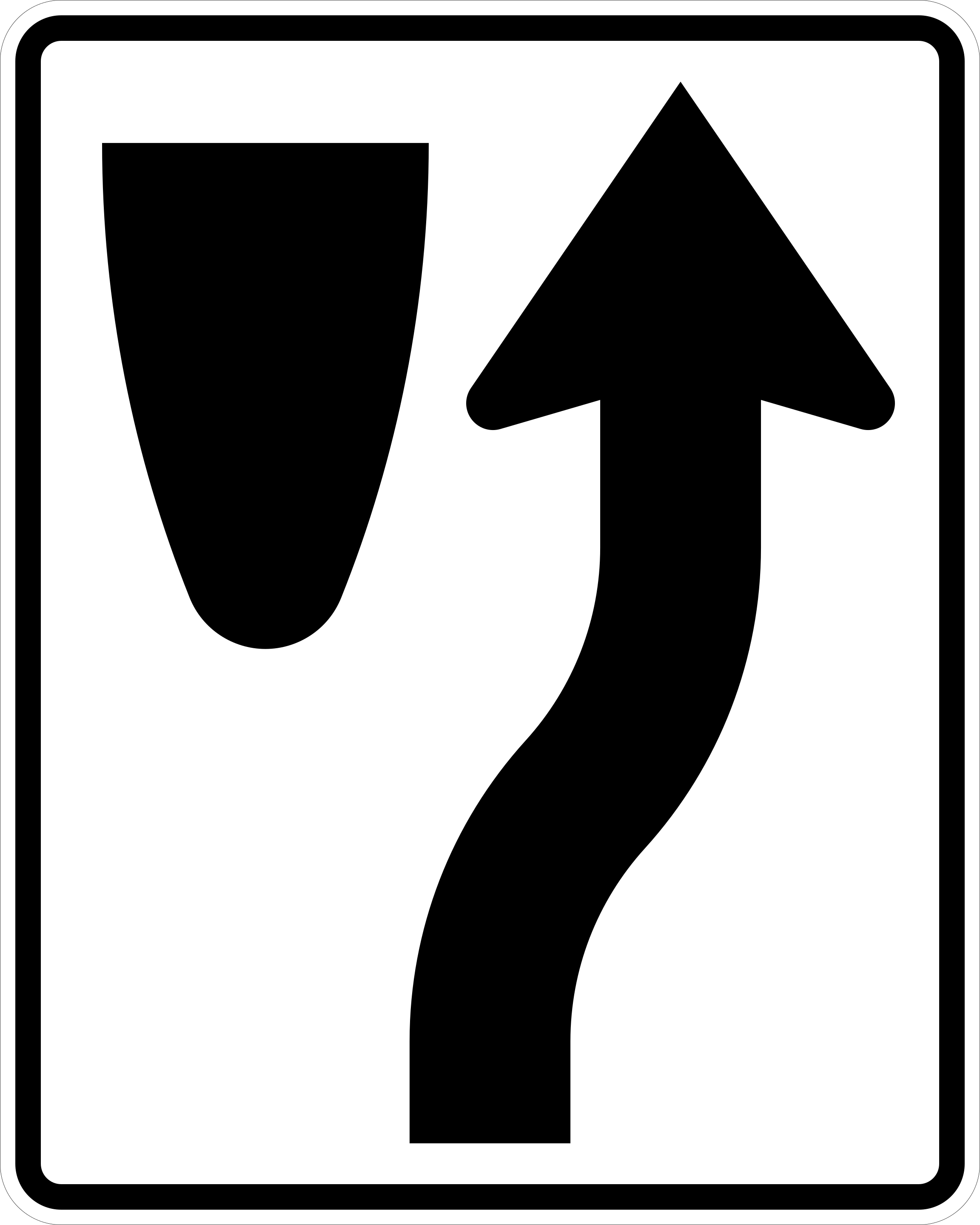
- Keep Right
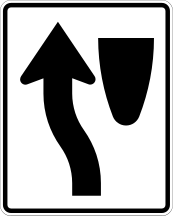
- Keep Left
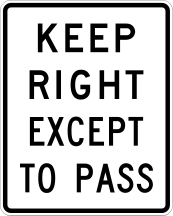
- Keep Right Except to Pass
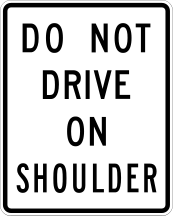
- Do Not Drive on Shoulder
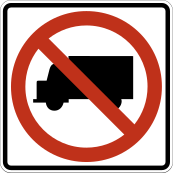
- No Trucks
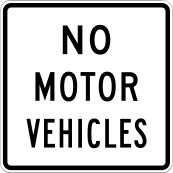
- No Motor Vehicles
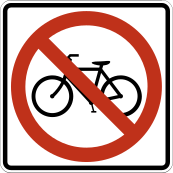
- No Bicycles
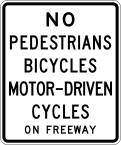
- No Pedestrians, Bicycles, or Motor-Driven Cycles
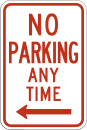
- No Parking Any Time
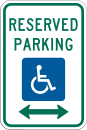
- Accessible Parking
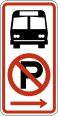
- No Parking Bus Stop
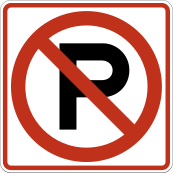
- No Parking
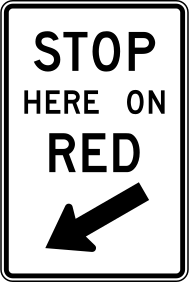
- Stop Here on Red
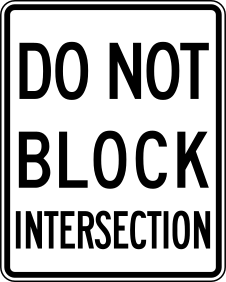
- Do Not Block Intersection
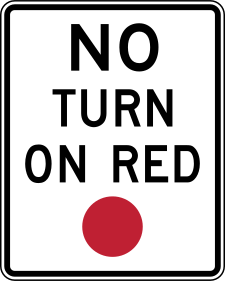
- No Turn on Red
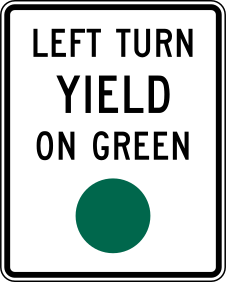
- Left Turn Yield on Green
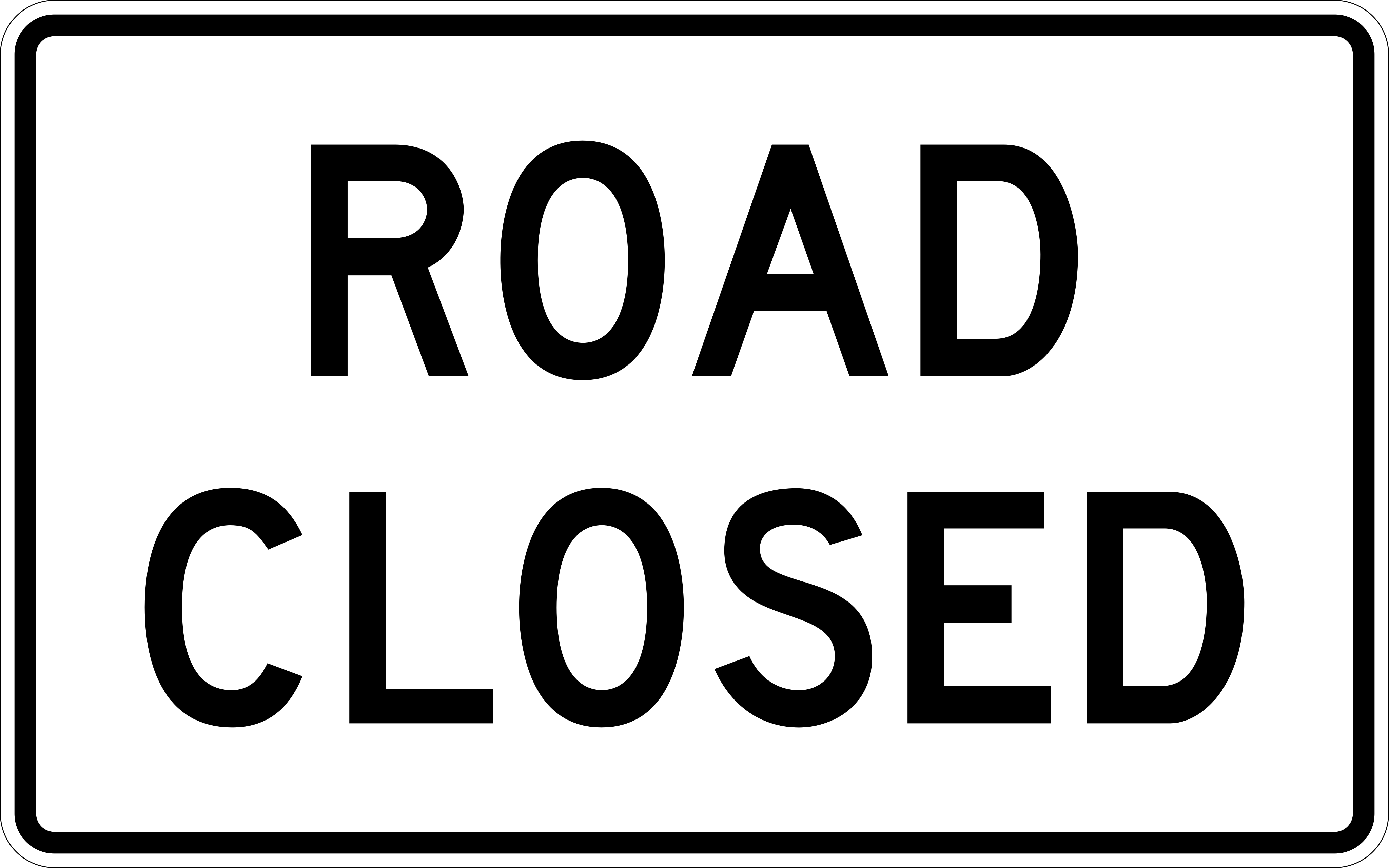
- Road Closed
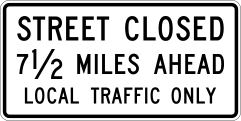
- Road Closed — Local Traffic Only
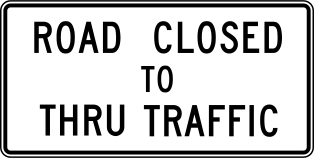
- Road Closed to Thru Traffic
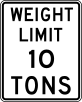
- Weight Limit
- No Hazardous Materials

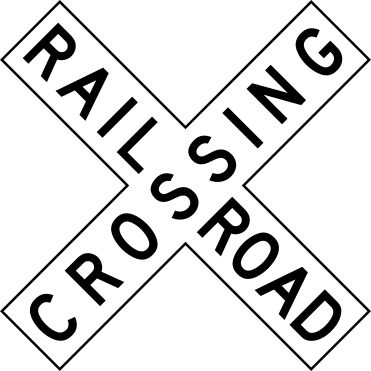
- Railroad Crossing (Crossbuck)
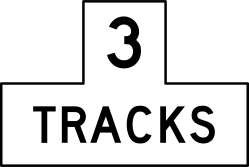
- Number of Tracks
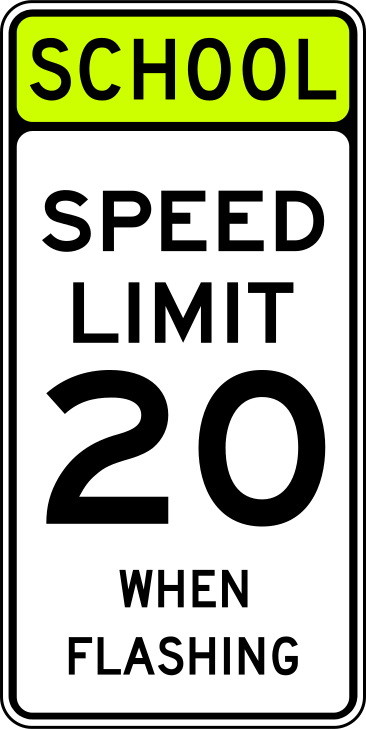
- School Speed Limit When Flashing
- HOV Lane
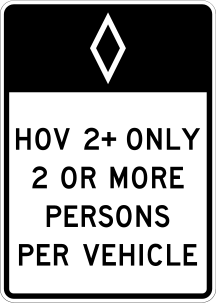
- Exempt

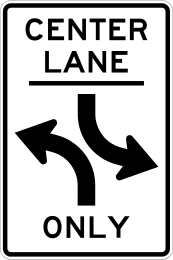
- Two-Way Left Turn Only
Warning signs
- Turn Ahead

- Stop Ahead

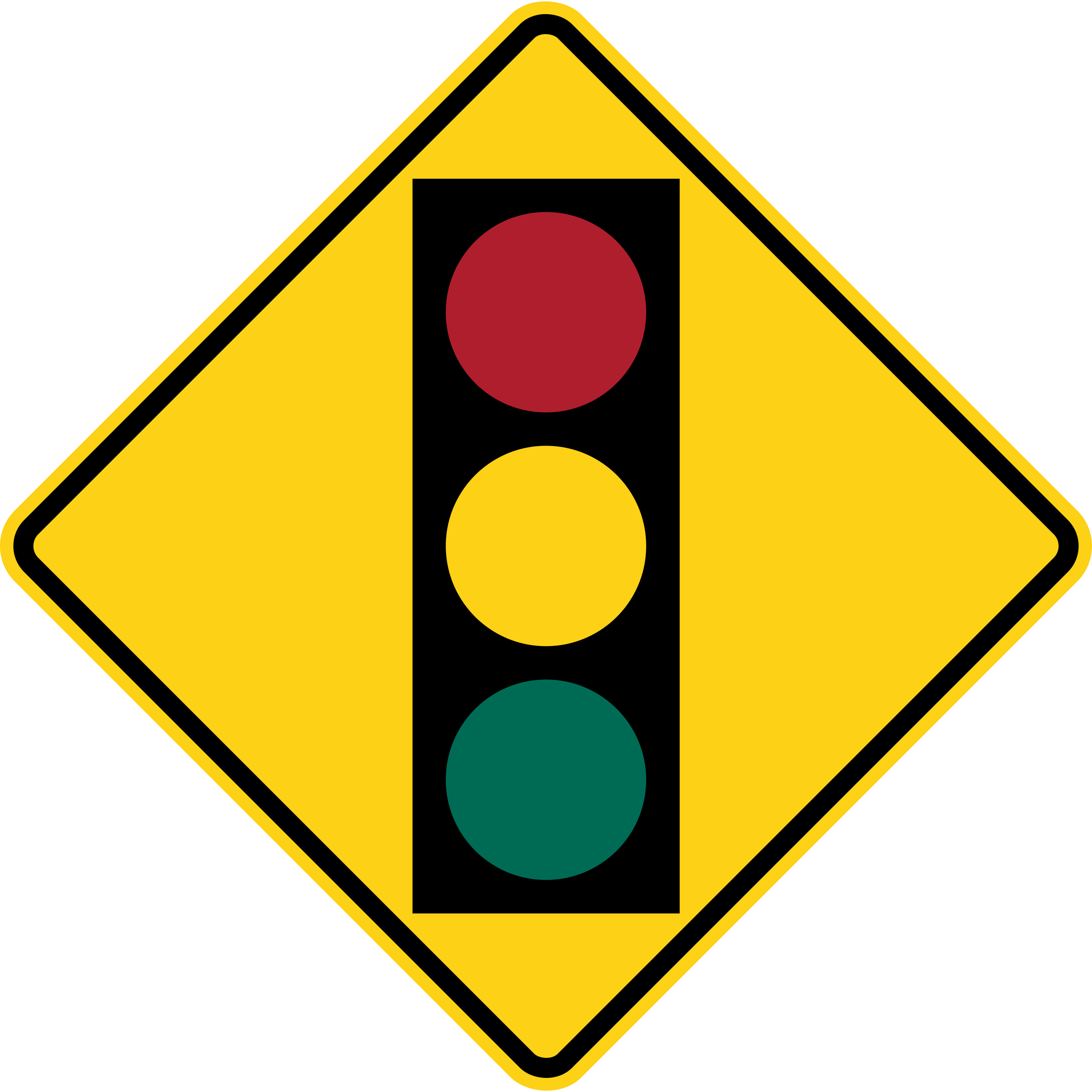
- Signal Ahead
- Pedestrian Crossing

- Curve

- Reverse Turn

- Reverse Curve

- Winding Road

- One-Direction Large Arrow
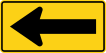
- Two-Direction Large Arrow

- Chevron Alignment

- Hairpin Curve

- Cross Road

- Side Road

- Roundabout Ahead

- Yield Ahead

- Be Prepared to Stop

- Reduced Speed Limit Ahead
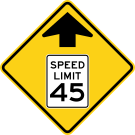
- Merging Traffic

- Lane Ends

- Added Lane

- Lanes Merge
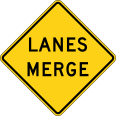
- Road Narrows

- Narrow Bridge

- One Lane Bridge

- Ramp Narrows

- Divided Highway Begins

- Divided Highway Ends

- Two-Way Traffic
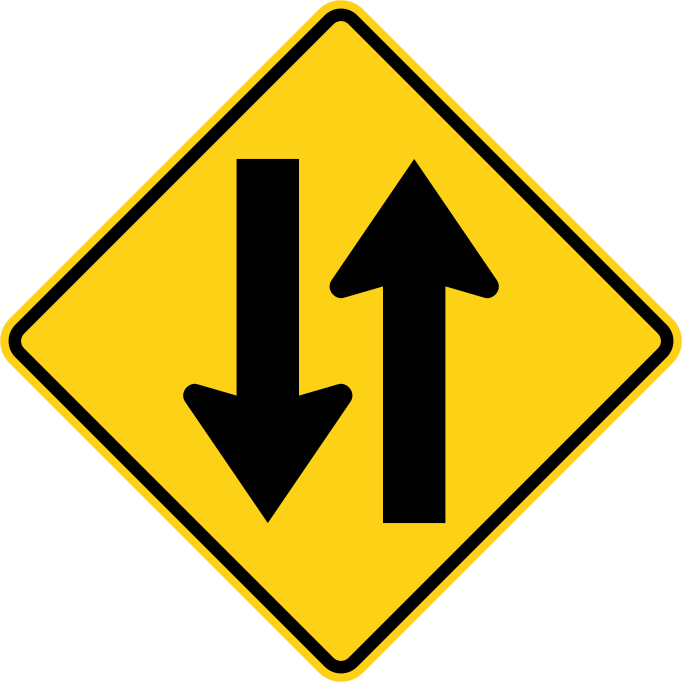
- Hill / Steep Grade

- Bump

- Dip

- Pavement Ends

- Soft Shoulder

- Slippery When Wet

- Loose Gravel

- Rough Road

- Low Shoulder

- Uneven Lanes

- Grooved Pavement
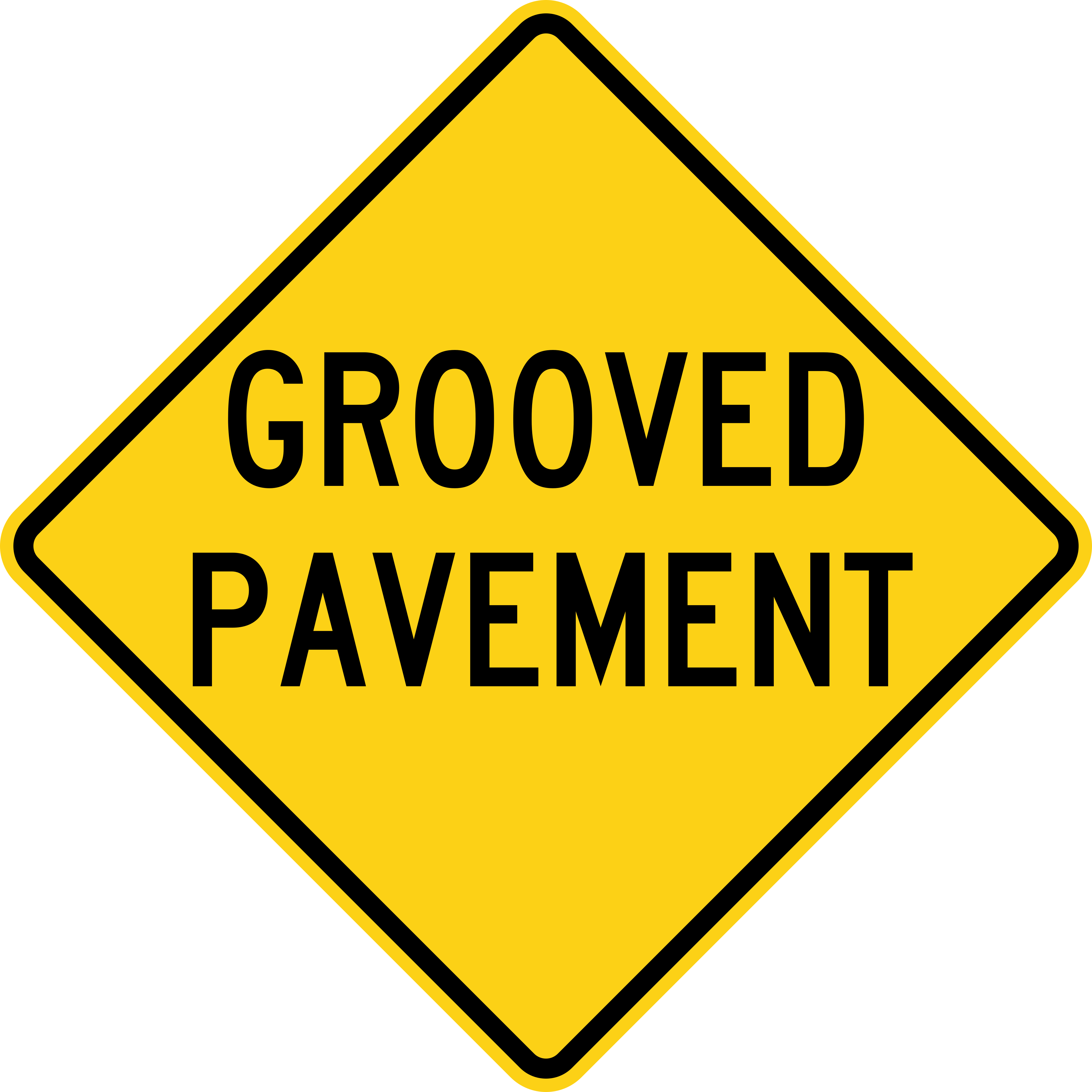
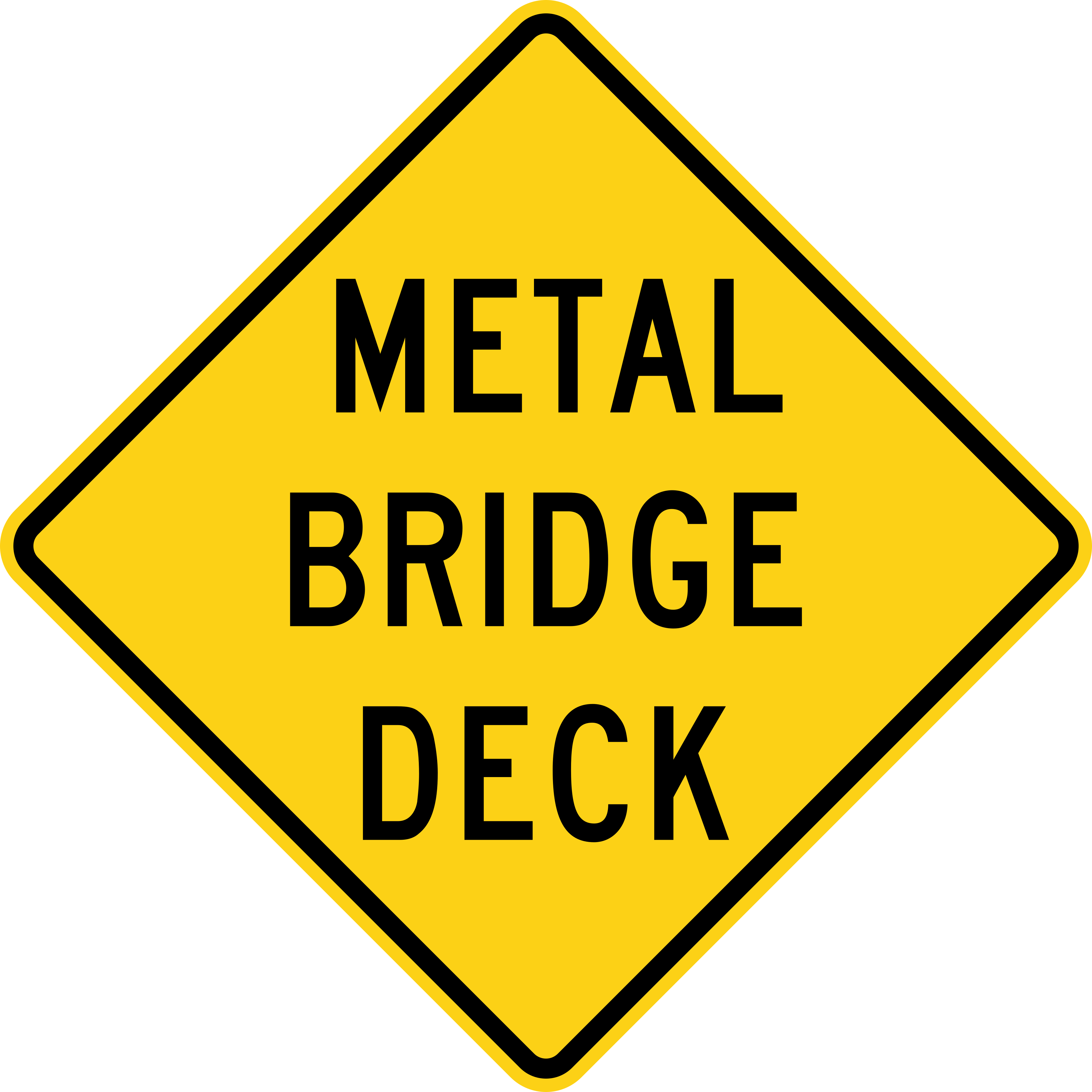
- Metal Bridge Deck
- Railroad Crossing Ahead

- Bicycle Crossing

- Deer Crossing

- Cattle Crossing

- Farm Machinery

- Snowmobile Crossing

- Equestrian Crossing

- Persons with Disabilities

- Golf Cart Crossing

- Horse-Drawn Vehicle Crossing

- Low Clearance

- Advisory Speed

- Dead End

- No Outlet

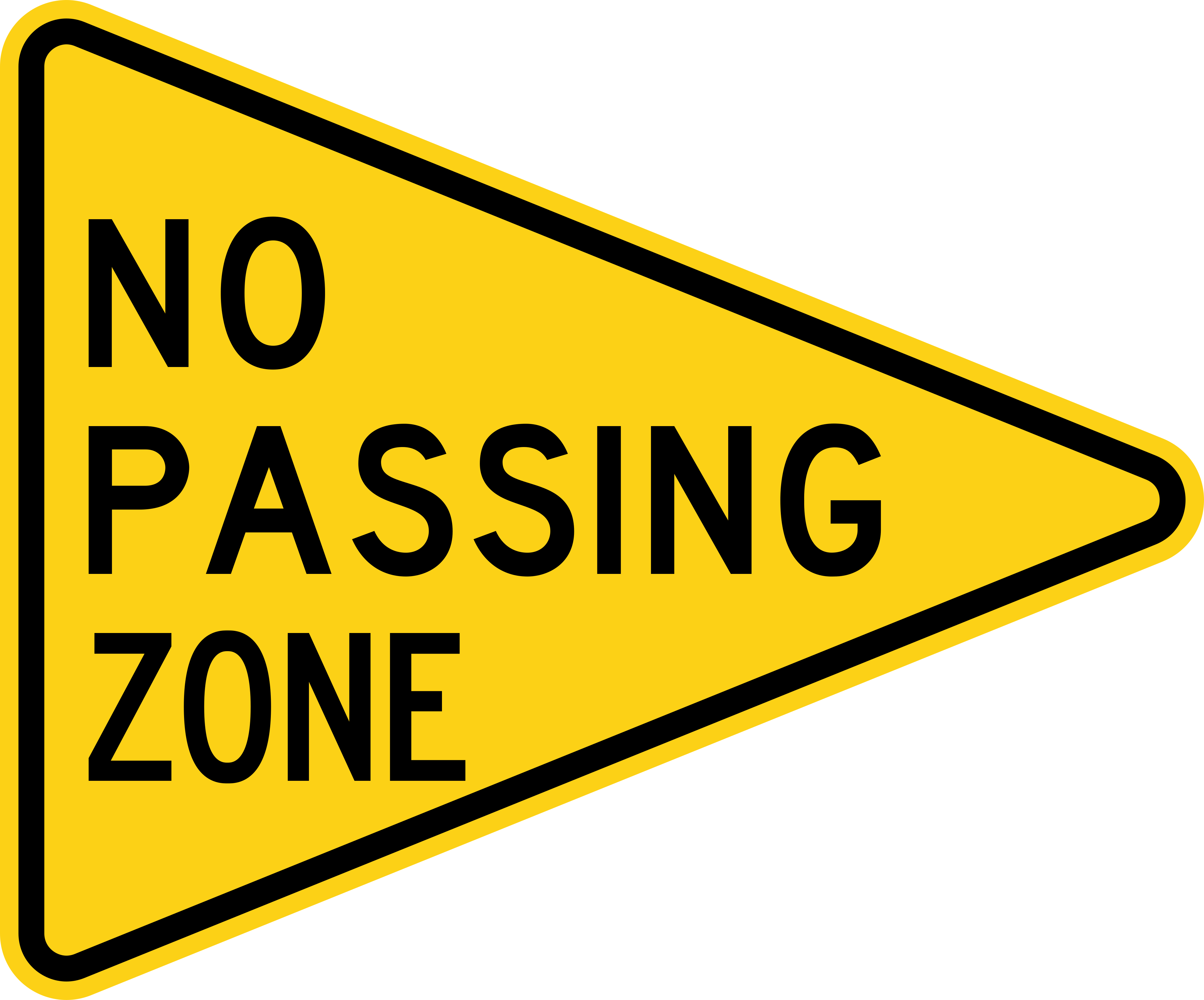
- No Passing Zone
- Playground

- Speed Hump

- School

- Truck Rollover

- Bridge Ices Before Road

- Road May Flood

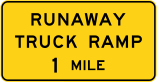
- Runaway Truck Ramp
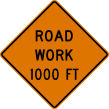
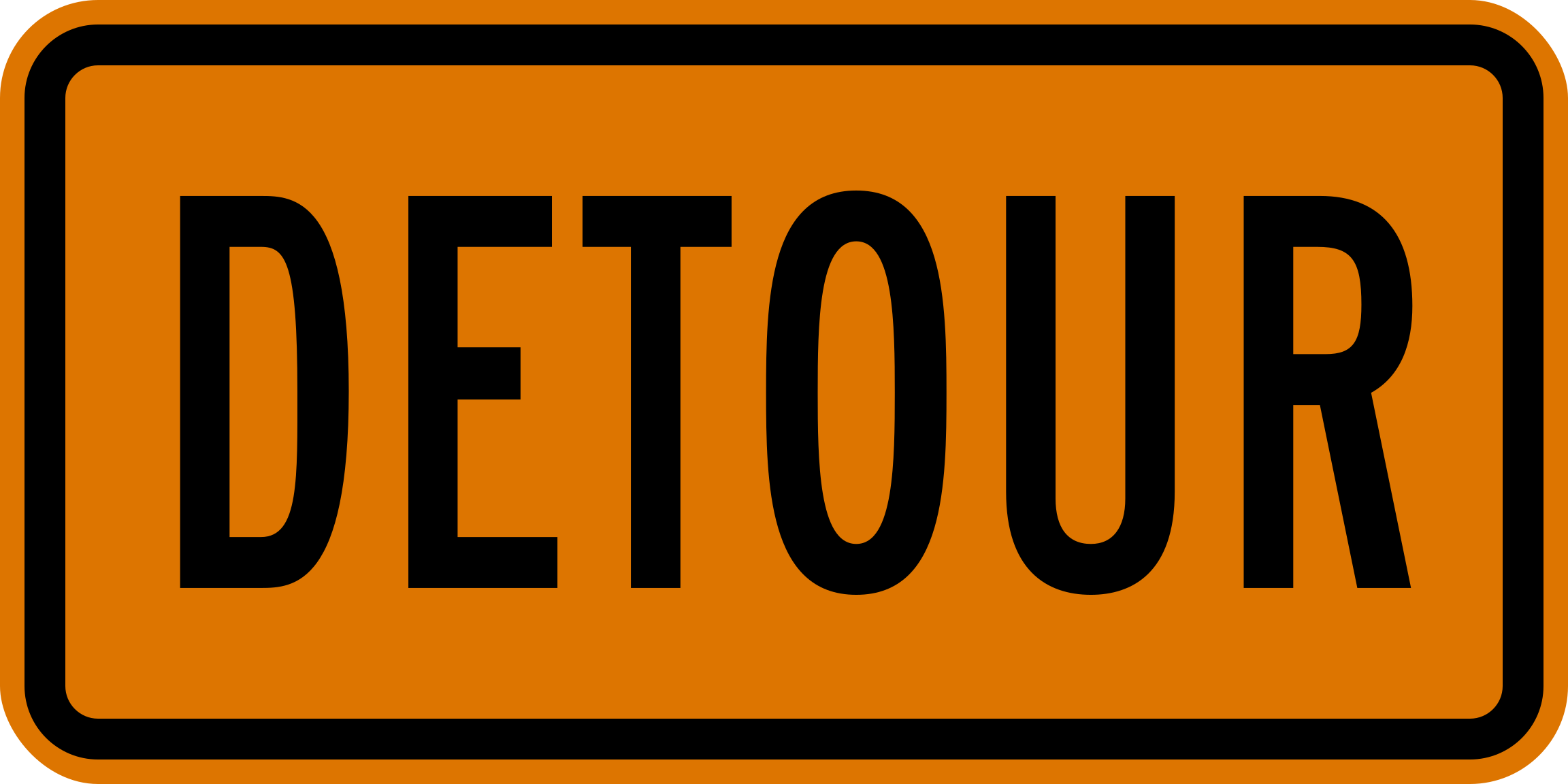
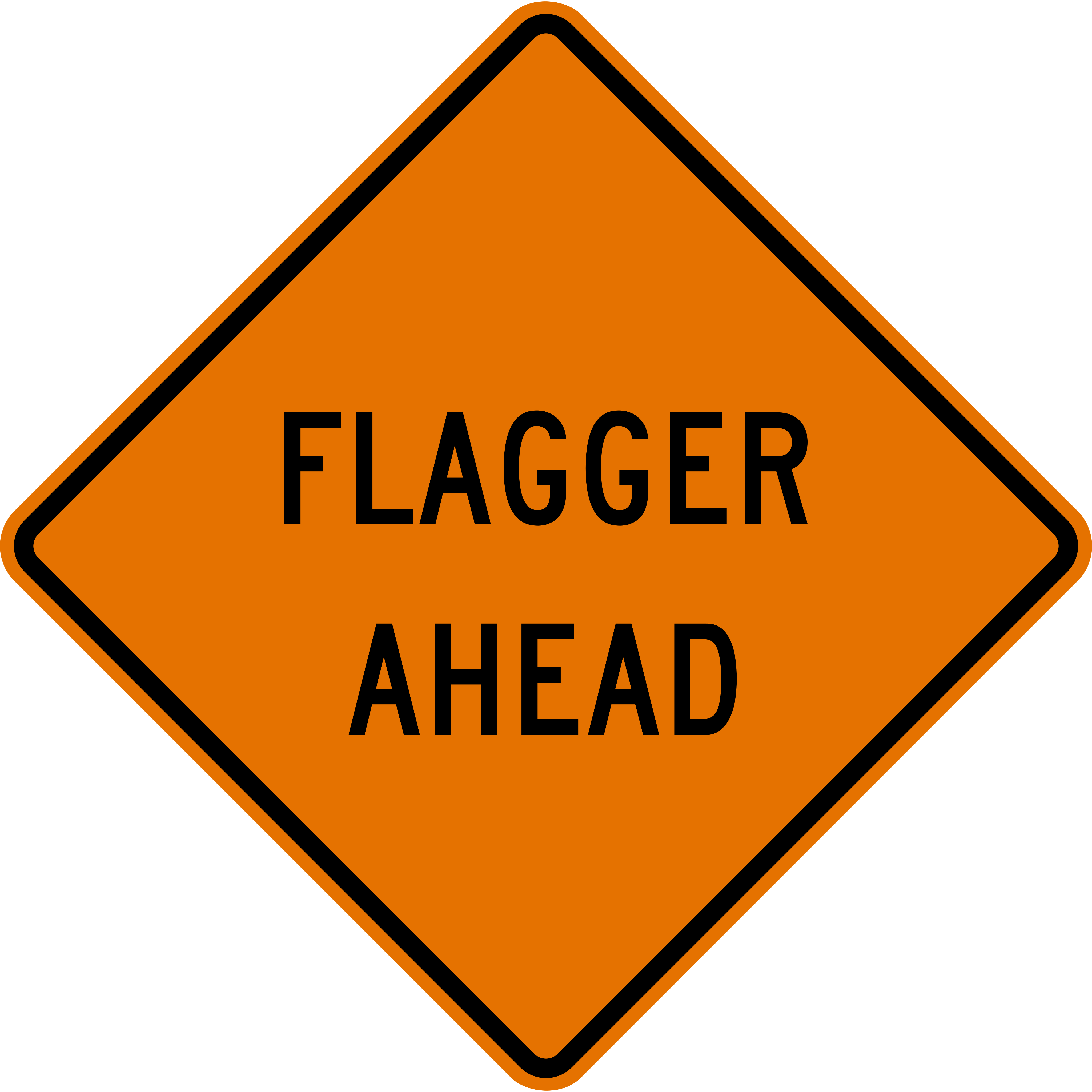
Construction & work-zone signs


Guide signs
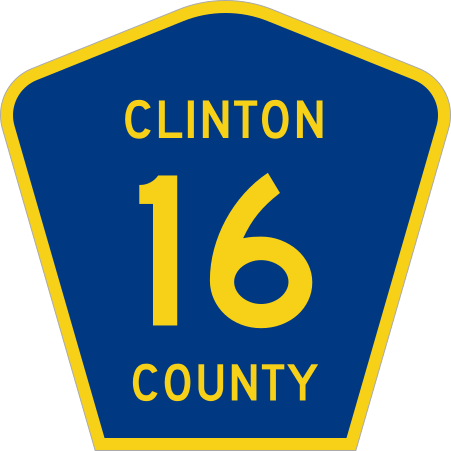
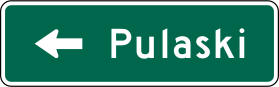
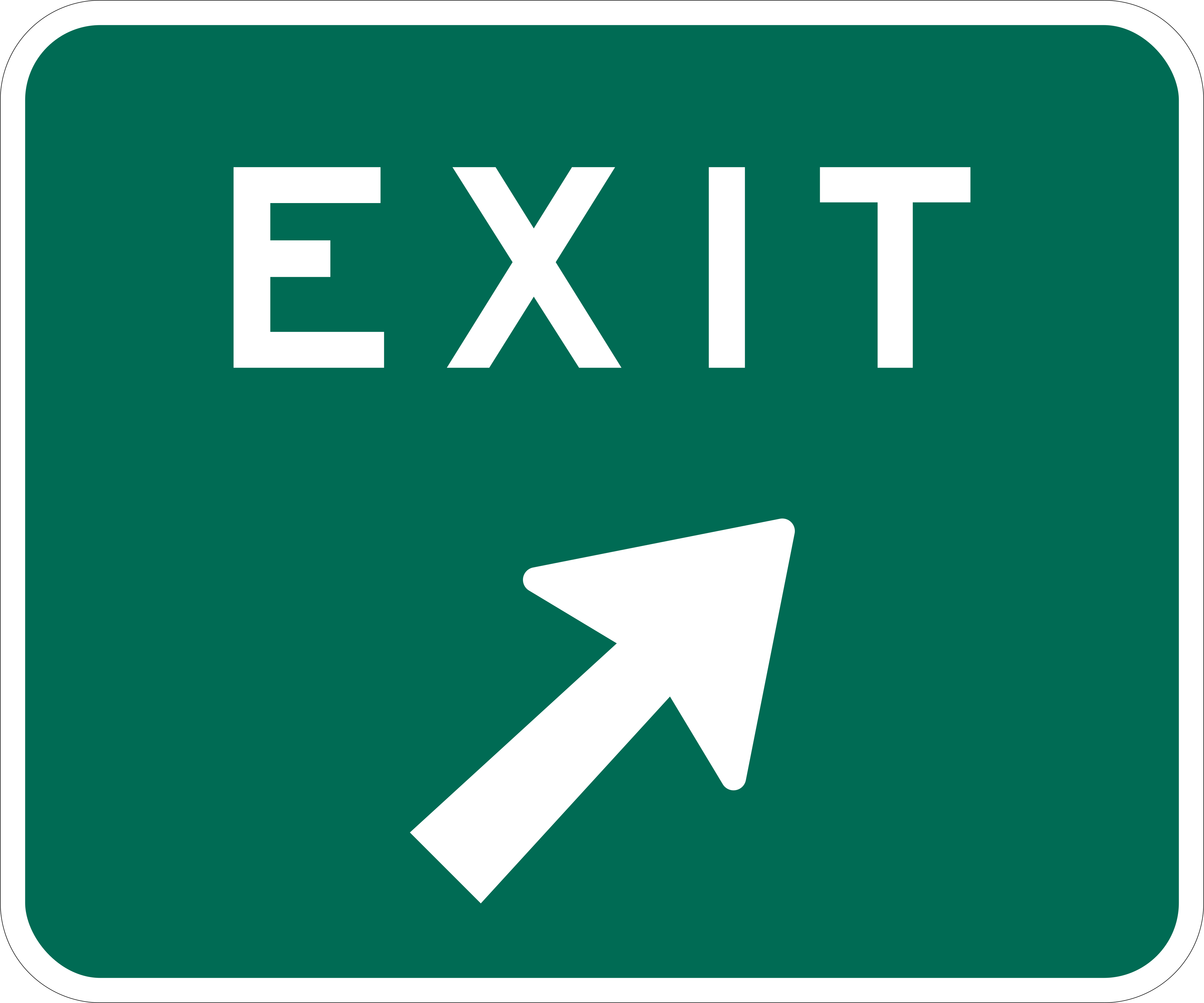


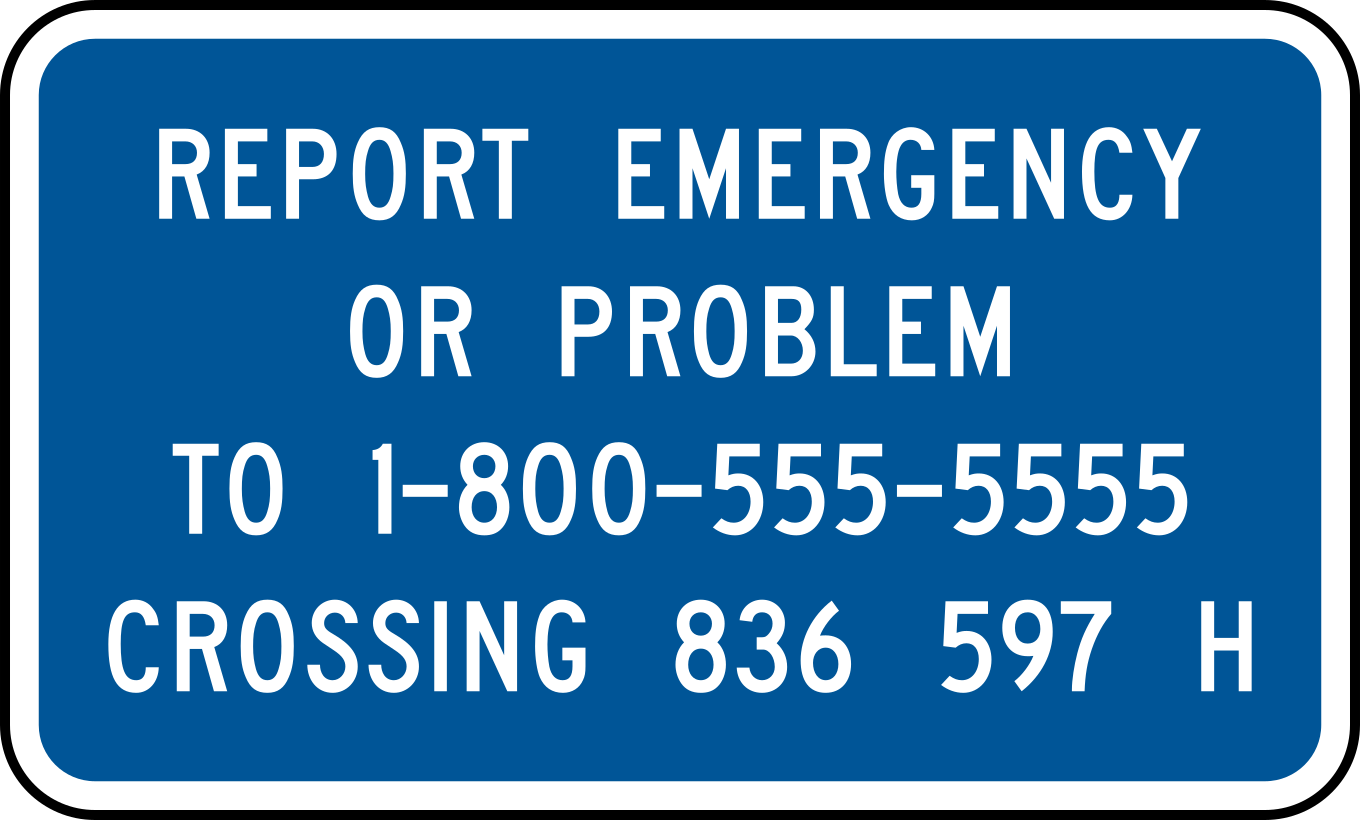
Service & information signs



Vermont road signs: frequently asked questions
Where do I actually take Vermont's permit test, and how long is it?
At a computer, wherever you are, and it is short. The manual's account of the examination is unusually specific for a state this size: "The knowledge test is online and has 20 questions. Each question has four answers to choose from, of which only one is correct. You must answer at least 16 questions correctly to pass the test." The front matter is equally direct about the venue — the test "is no longer taken in our office. It is an online test available on our website, mydmv.vermont.gov." That move explains a wrinkle on the DMV's Prepare for a Written Test page, which still lists a birth certificate or passport, a completed application, two pieces of mail proving a Vermont address and a Social Security number. Those documents are for the permit, not the test, and the learner's-permit page says why the two came apart: "Passing the exam does not automatically issue your permit."
How many of the twenty questions will show me a road sign?
Vermont publishes the total and the pass mark but never the breakdown, and no DMV page assigns signs a share of the twenty. What the state does say is where signs rank in its own reasoning. The manual's answer to "Why Does the State Require Driving Tests?" is a list, and reading and understanding road signs and lights is the first thing on it, above knowing the laws and above vision. Treat that as the guide to effort: with four wrong answers to spend across the whole test, a family of signs you cannot place on sight is an expensive gap, and the shapes are the cheapest part of the book to close.
I failed. How soon can I try again, and does it cost me again?
Tomorrow, and yes. Both the manual and the DMV's learner's-permit page set the same wait — "If you fail a knowledge test you must wait at least one day before retaking the test" — and the same page removes any limit on how many times you come back: "You may take the test as many times as you wish until you pass." The DMV's driver's license fee table lists the learner's-permit knowledge test at $39.00, the permit at $24.00 and the road test at $23.00, and the FAQ leaves no ambiguity: "You will pay the test fee each time you take the test."
Can I take Vermont's permit test in a language other than English, or in ASL?
Both, and the DMV lists them together. Its Interpreter Services page states that the "Driver's License Learner's Permit & Motorcycle Learner's Permit tests are online and are available in English, American Sign Language (ASL), Arabic, Bosnian/Serbian/Croatian, Burmese, Dari, French, Kirundi, Mandarin Chinese, Nepali, Pashto, Russian, Somali, Spanish, Swahili, and Ukrainian," while "CDL Learner Permit tests are only available in English." The manual and the application are offered in the same set. For anything happening at a counter, the department describes a low-tech method that works without a phone call in advance: "Each office displays a 'Need an Interpreter/Please point to your language' poster; point to the language needed, and we will start a three-way call with a qualified interpreter. There is no cost to use this service."
Why does Vermont explain the moose and deer signs in a safety section instead of with the warning signs?
Because in Vermont the sign is the least of it. The manual gives Moose and Deer Safety a heading of its own, well past the sign pages, and opens it on the stake: "A collision with a moose or deer can be fatal not only to the animal, but to the driver and passengers of a vehicle." What follows is a set of facts a diamond cannot carry: the animals are likeliest late in the evening, at night and early in the morning. Headlights can freeze a deer where it stands or send it bounding toward its habitat, which may be on the far side of the road from where you first see it. They move in pairs, so a second one is coming. And the two species behave differently in a crash and in your headlights: moose weigh more than a thousand pounds and stand tall enough to land on the roof, they are more darkly colored than deer, and because of their height "their eyes may not reflect in the vehicle's headlights." The diamond tells you where. This section tells you why the where matters, and it is the reason a Vermont sign question can legitimately cite a safety heading.
Official sources
- Vermont Driver's Manual, form VN-007 (Vermont DMV, Agency of Transportation)
- Vermont DMV — Prepare for a Written Test
- Vermont DMV — Learner's Permit (the one-day retake rule and the unlimited attempts)
- Vermont DMV — Interpreter Services (the languages the online permit test is offered in)
- Vermont DMV — Driver's License Fees (the knowledge-test fee charged per attempt)
- Vermont DMV — Driver's Manual, Audio (where the sign material begins and ends)
Checked against official state sources on 2026-08-30.