Tennessee Road Signs and Their Meanings
Tennessee tells you roughly how much of the knowledge test is about signs, which is not a figure every state is willing to put in writing. Under the heading The Examinations, the Comprehensive Driver License Manual says you can expect the test to approximately consist of four areas, each at a quarter: traffic signs and signals, safe driving principles, rules of the road, and drugs and alcohol. Read that carefully before you plan around it. It is an expectation rather than a rule, the word approximately is the department's own, and the quarter covers signals as well as signs. Even so, it is a real published figure, and it makes signs one of the four things Tennessee expects you to walk in knowing.
Only one of those four quarters is a legal requirement, and it is not the sign quarter. Deeper into the same manual, in the chapter on alcohol and other drugs, Tennessee states that by law at least 25 percent of the questions on the knowledge test must consist of questions dealing with that topic. So one quarter is a floor written into law and the other three, signs included, are the department's own estimate of the paper. The test itself is documented in detail for the version teenagers aged fifteen to seventeen can take at home under a parent or guardian's supervision through the Tennessee Proctor ID app: thirty questions, sixty minutes, a minimum score of 80 percent, and English or Spanish. The rules around it are strict. Navigating away from the test window is an automatic failure. At the thirty-minute mark the supervising adult must re-authenticate by scanning a QR code, and failing to do so is also an automatic failure. Applicants get two online attempts, with twenty-four hours between them.
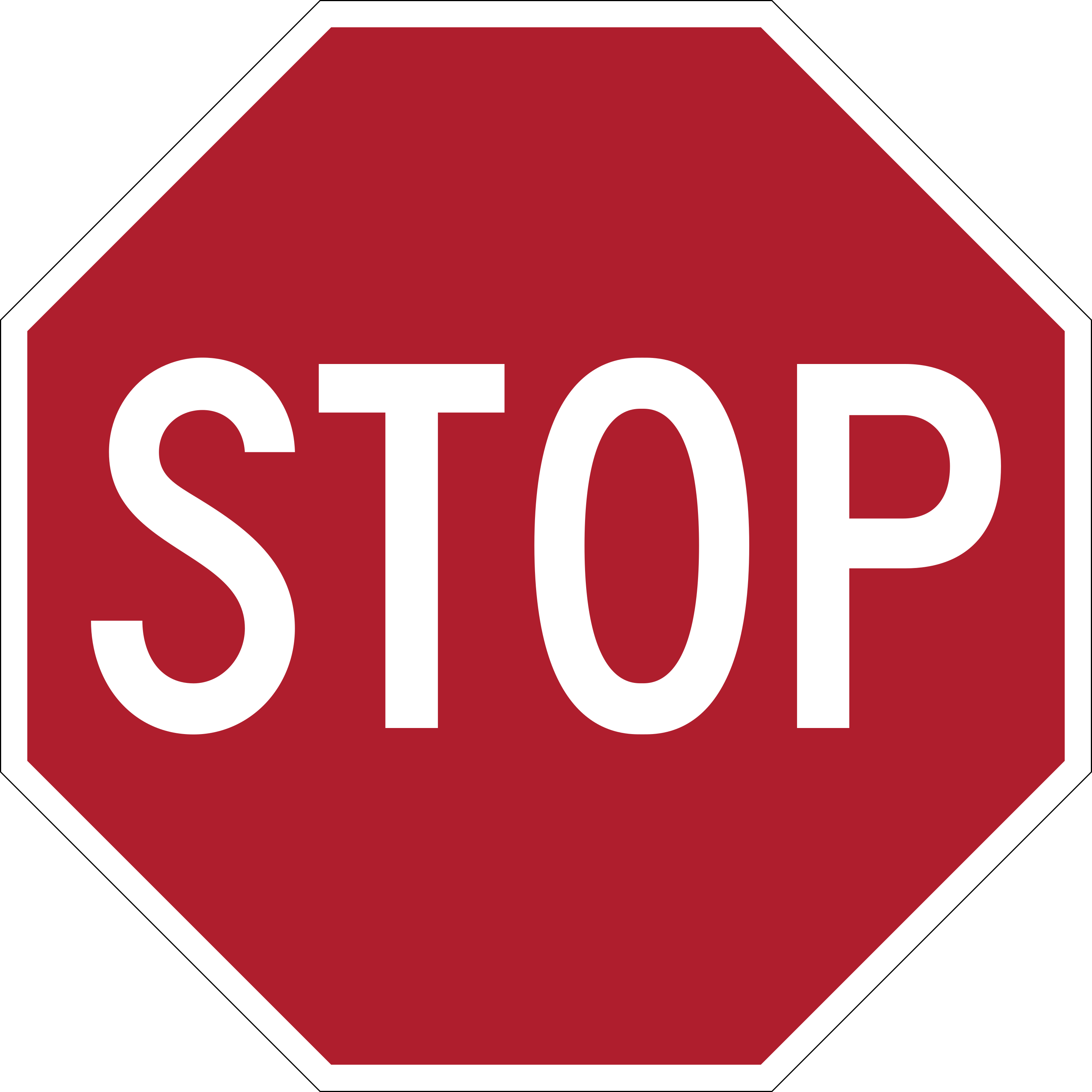
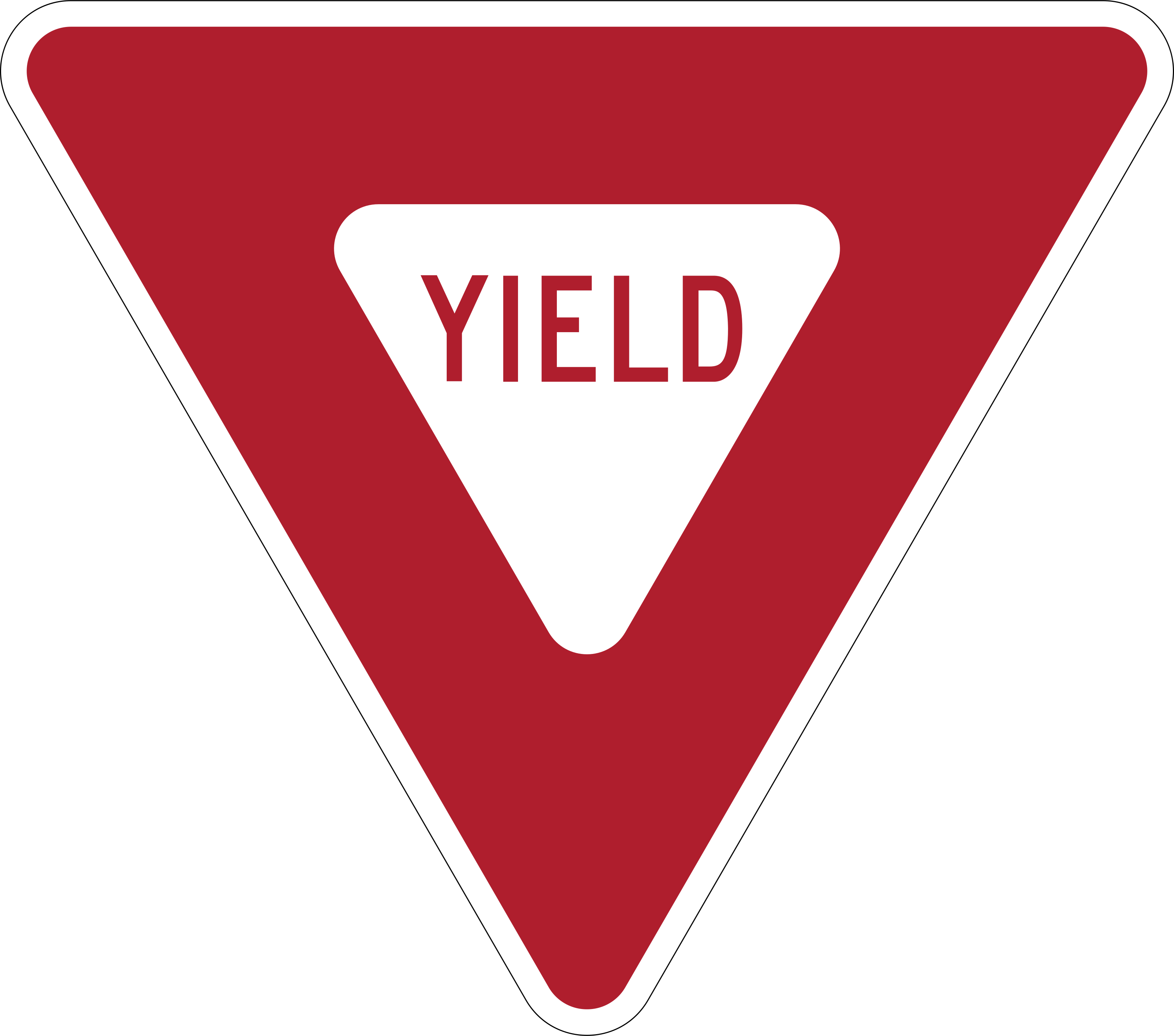
Signs are Chapter 3 of Section B of the manual, titled Traffic Signs and Signals, and Tennessee teaches them shape first. Almost every heading in the chapter is a shape with its meaning welded on: Octagon Shape — Stop. Triangular Shape — Yield. Round Shape — Railroad Ahead. Broad X Shape — Railroad Here. Diamond Shape — Hazardous Or Unexpected Condition Ahead. Rectangular Shape — Special Laws, Regulations or Important Information. The color codes that precede them carry an instruction worth having in advance, printed as a standalone note: whenever white is specified as a sign color, that includes the silver-colored reflective coating and other materials that reflect white light. Two colors get shouted at you. Fluorescent yellow-green is announced in capitals as the color for school zones, and fluorescent pink — sometimes called coral, the manual adds — is reserved for incident management around crashes, wildland fires, floods and hazardous material spills.
Look at the citations under the published Tennessee questions here and you will notice how far down some of them reach. Eight of the twenty name a single sign rather than a section: the object marker, the advisory speed plate, the interstate route marker, the reverse turn sign, the no-passing pennant, the slow-moving vehicle emblem and the two railroad shapes. That is not tidiness on our part, it is the chapter's own structure — Tennessee gives each of those its own heading, so a question drawn from one of them can be cited to the paragraph rather than to the section, and checking the answer takes a page turn instead of a search. The other citations sit higher up, as they should. Six point at the color and shape section, because asking what fluorescent pink means is asking about the whole system rather than about one sign, and the remainder point at a family heading — warning, guide, regulatory — or at the heading the chapter opens on. Those are the questions where you will read a page rather than a paragraph to find the sentence the answer came from.
20 published Tennessee road-sign questions, each with an explanation and a citation to the handbook section it came from.
Content reviewed against official driver handbooks · August 12, 2026
Every sign you can be tested on in Tennessee
Regulatory signs
- Stop
- Yield
- Do Not Enter
- Wrong Way
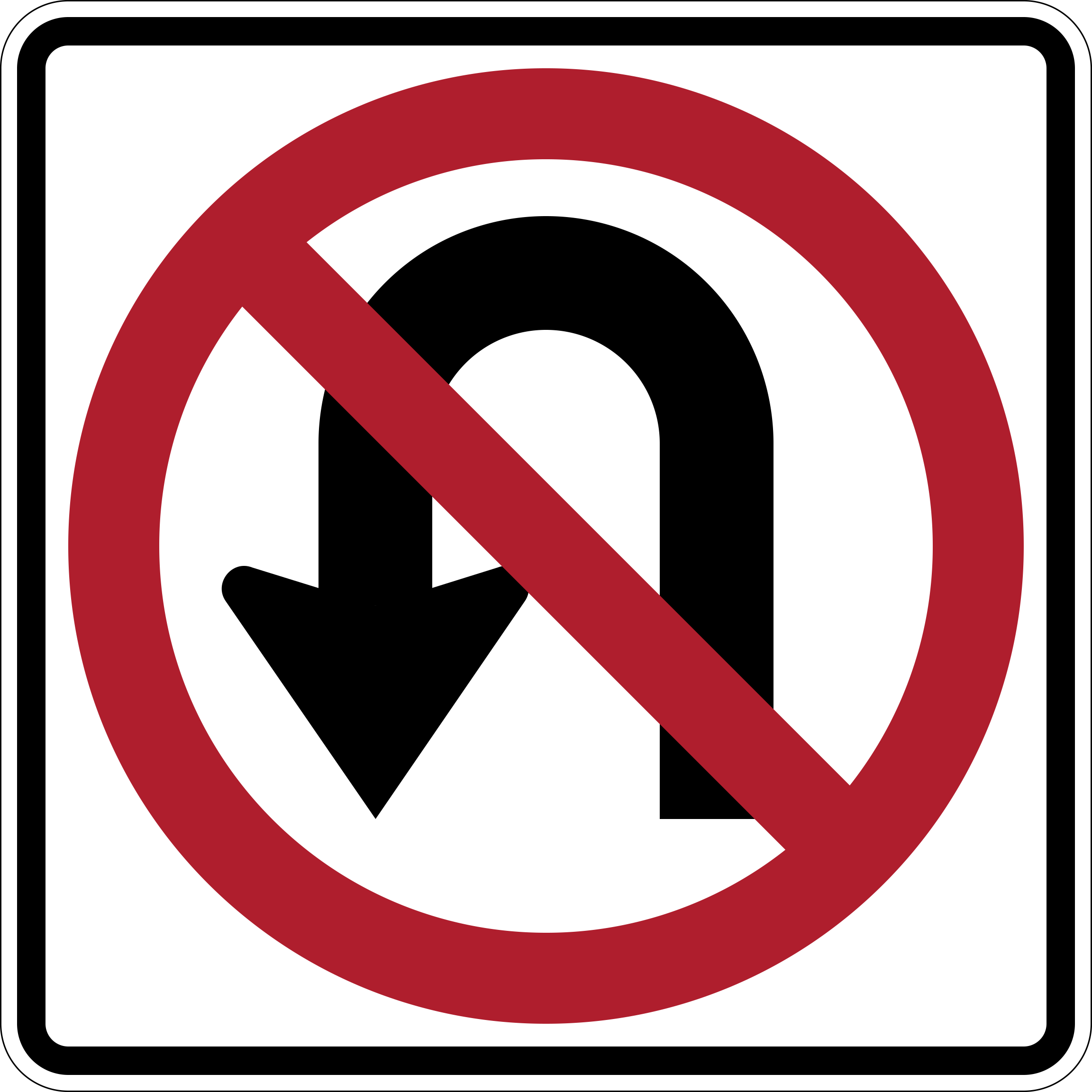
- No U-Turn
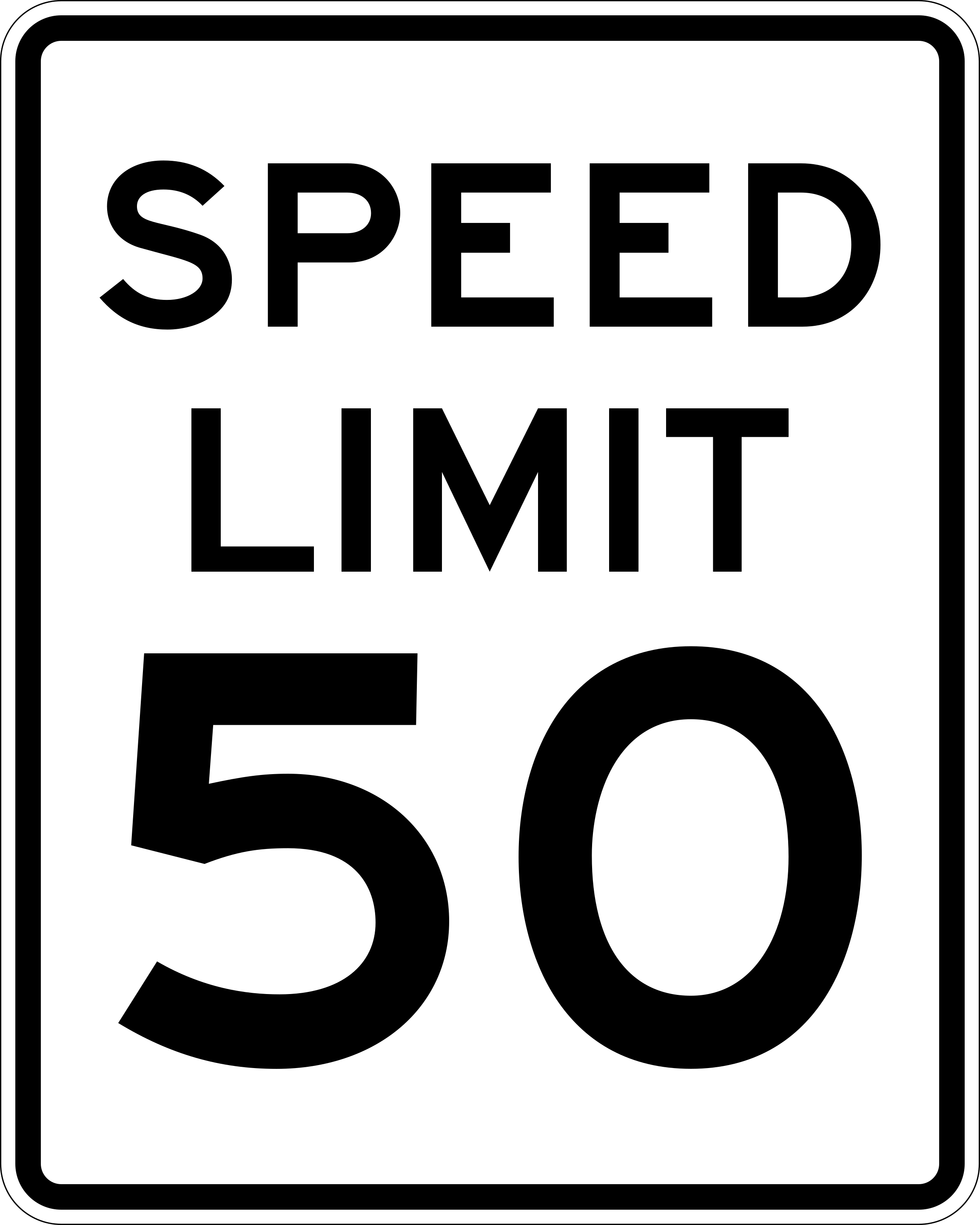
- Speed Limit
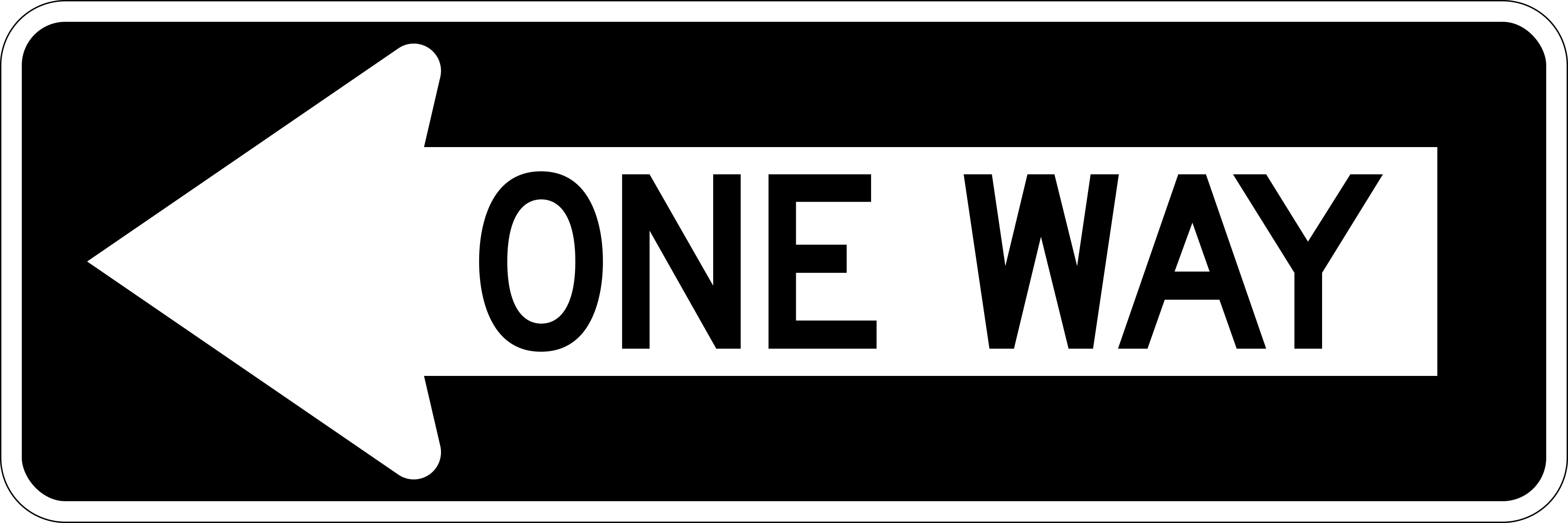
- One Way
- All Way
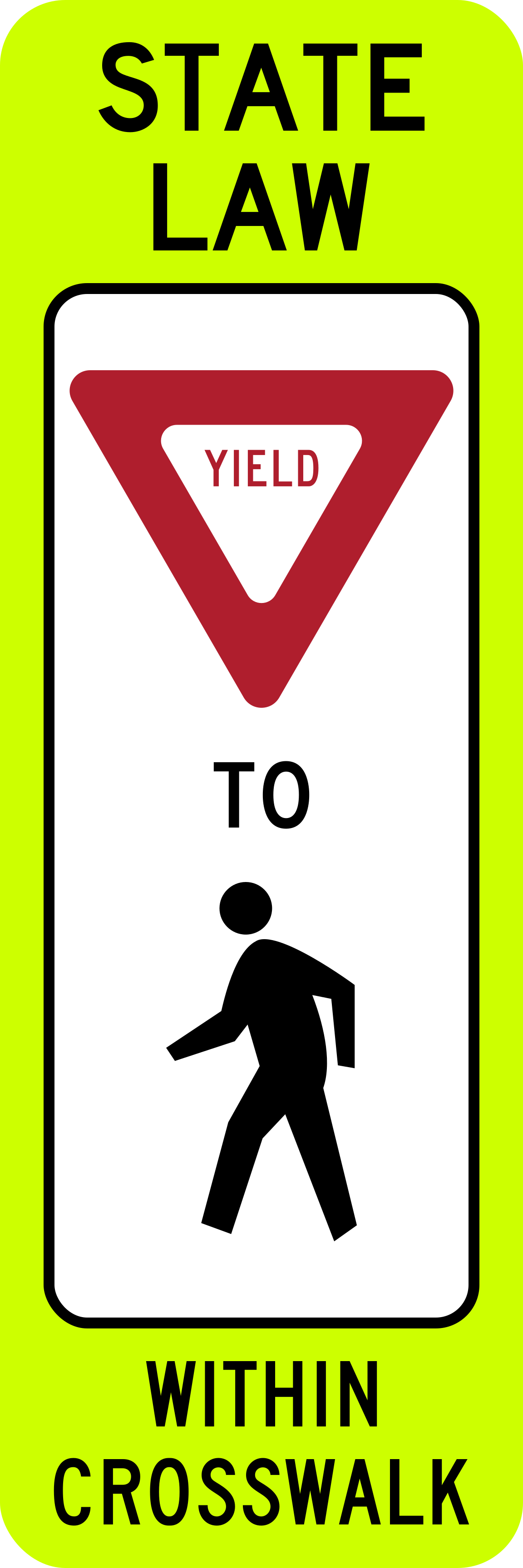
- State Law: Yield to Pedestrians
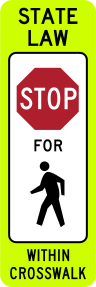
- State Law: Stop for Pedestrians
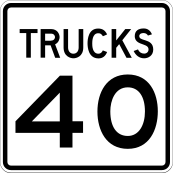
- Truck Speed Limit
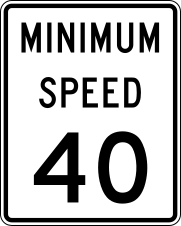
- Minimum Speed Limit
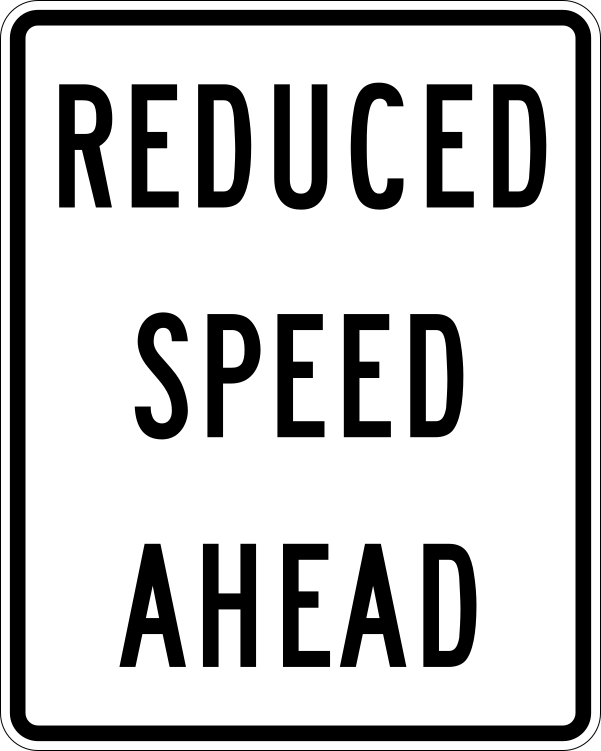
- Reduced Speed Limit Ahead
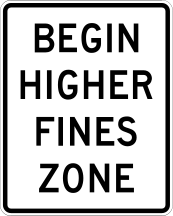
- Begin Higher Fines Zone
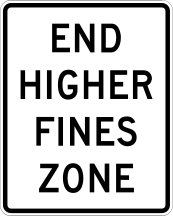
- End Higher Fines Zone
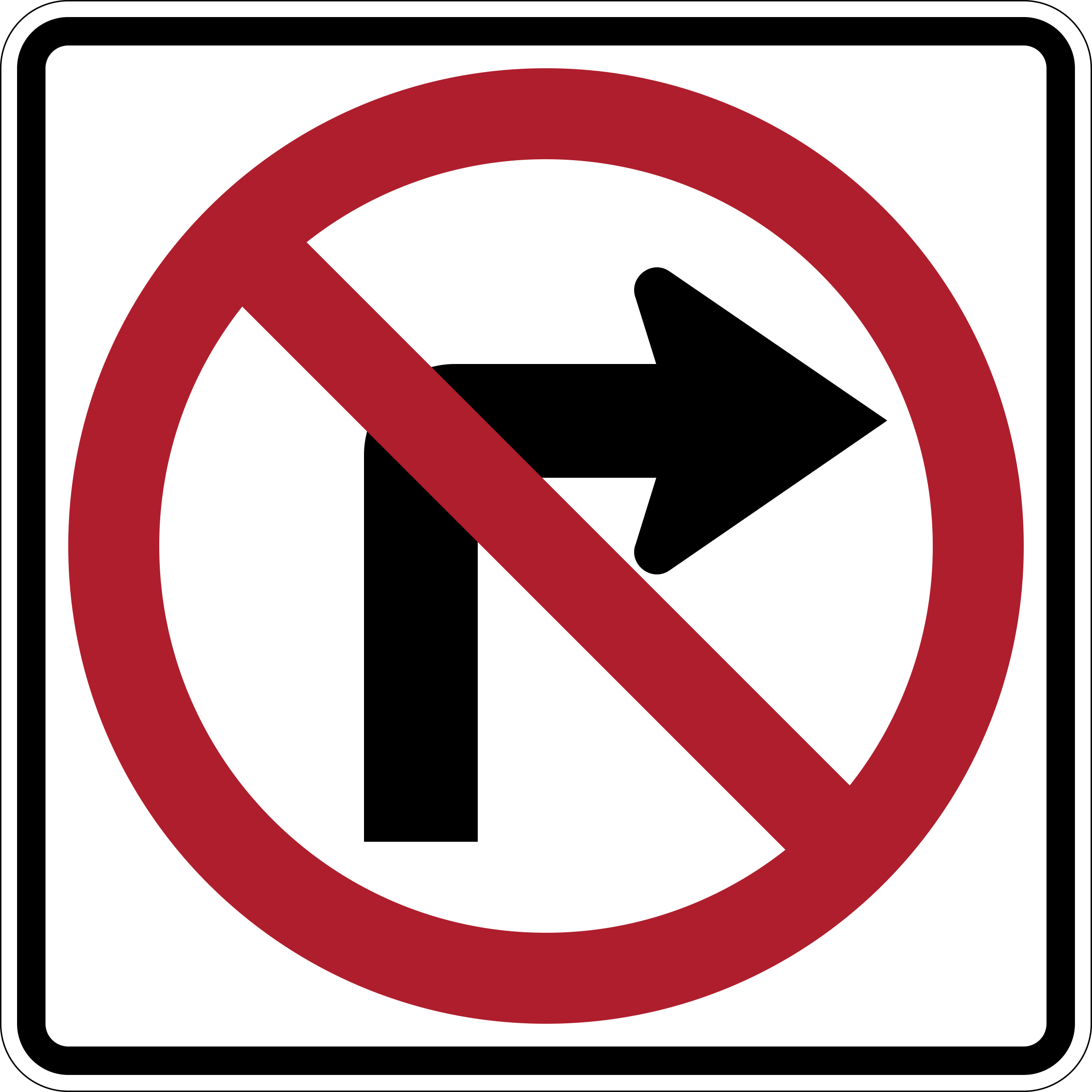
- No Right Turn
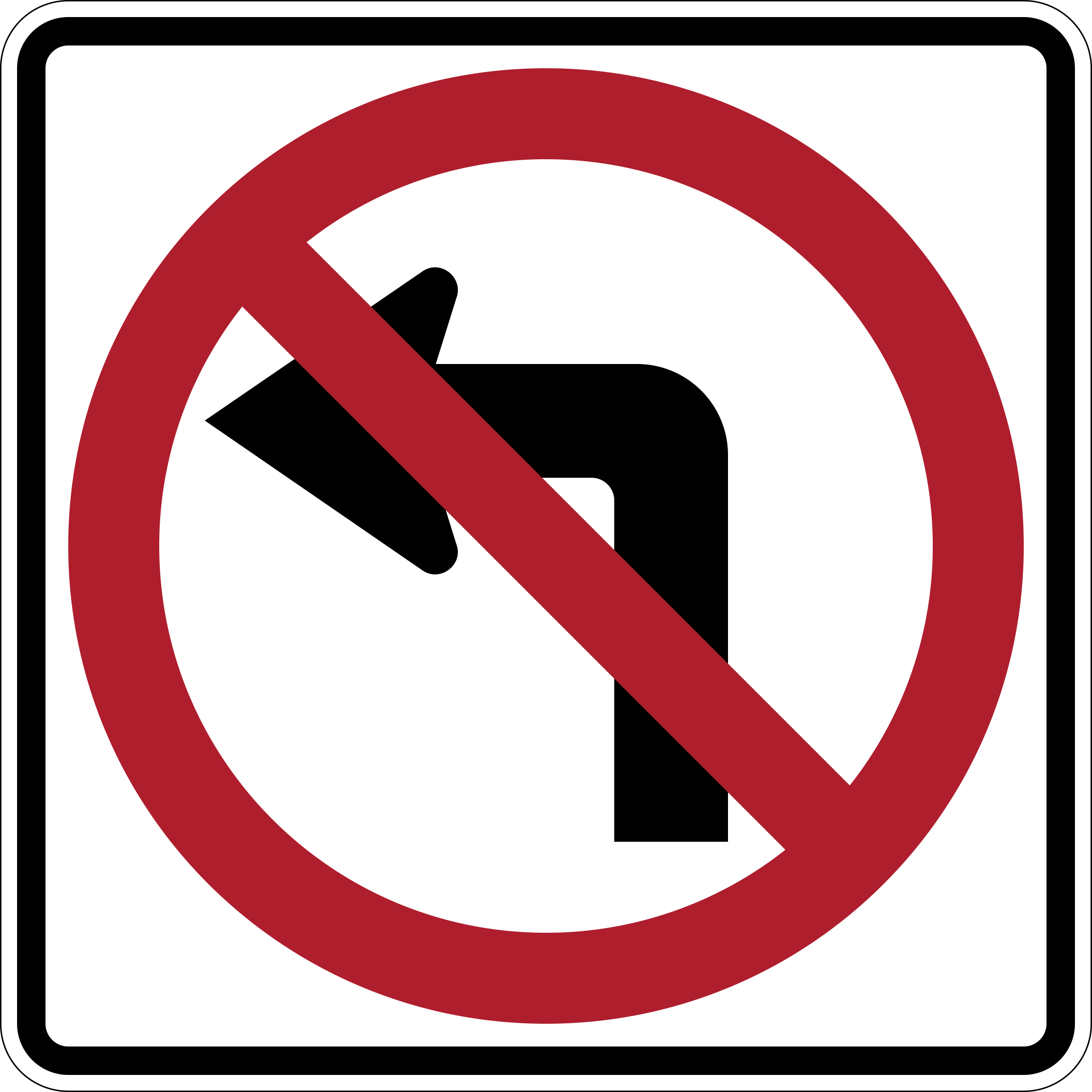
- No Left Turn
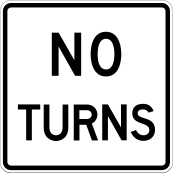
- No Turns
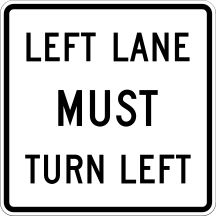
- Left Lane Must Turn Left
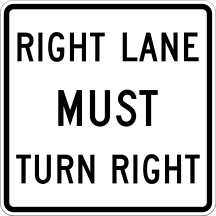
- Right Lane Must Turn Right
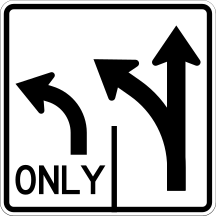
- Intersection Lane Control
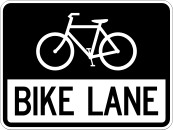
- Bike Lane
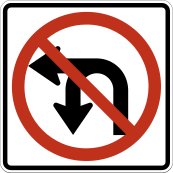
- No Left or U-Turn
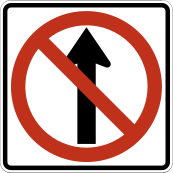
- No Straight Through
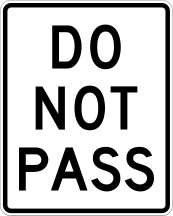
- Do Not Pass
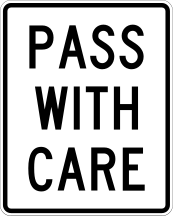
- Pass With Care
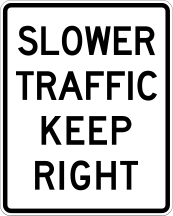
- Slower Traffic Keep Right
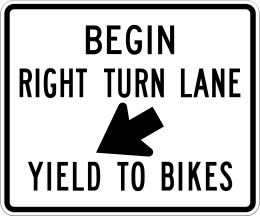
- Begin Right Turn Lane — Yield to Bikes
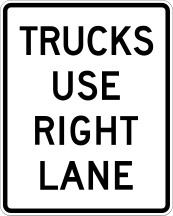
- Trucks Use Right Lane
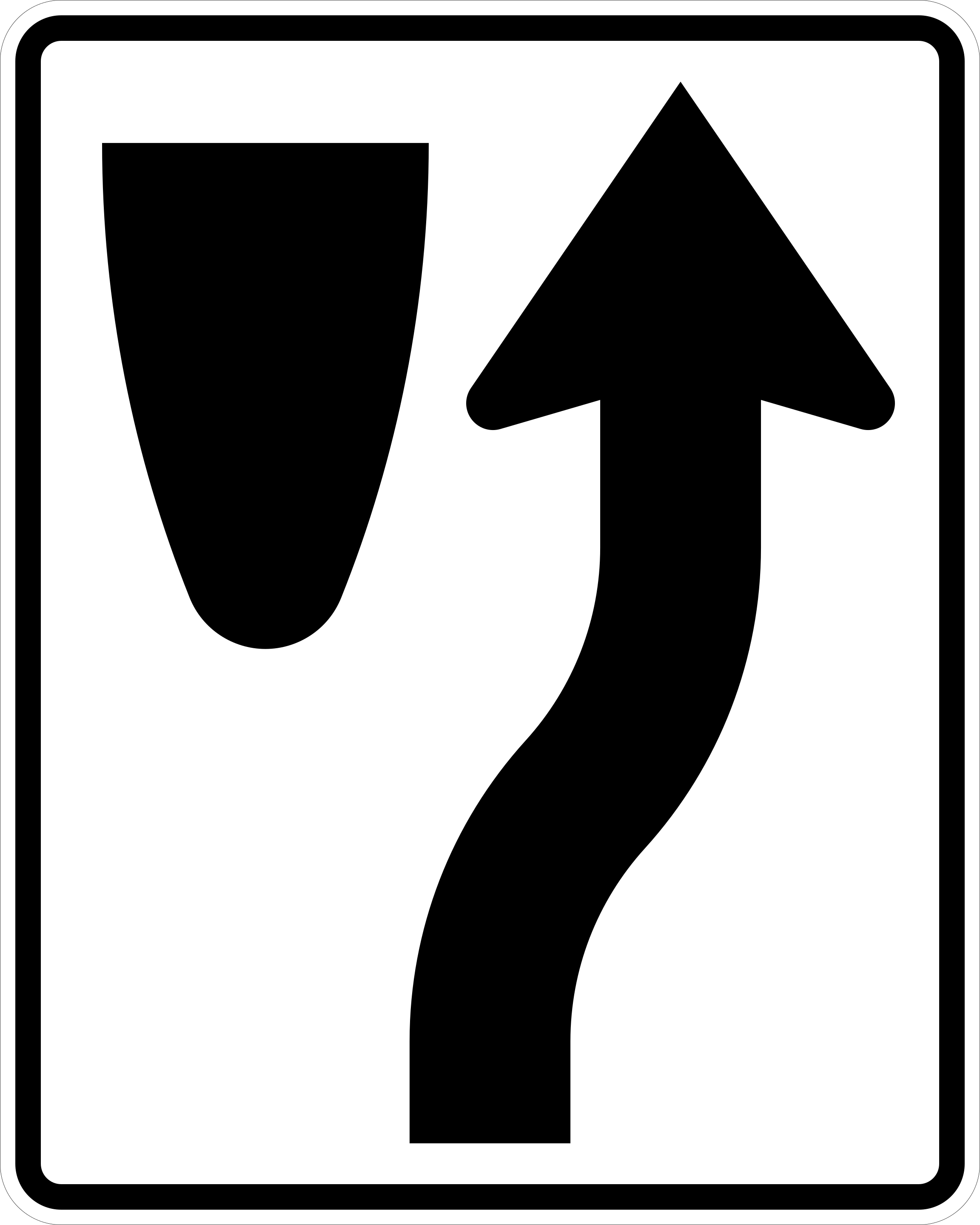
- Keep Right
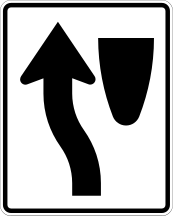
- Keep Left
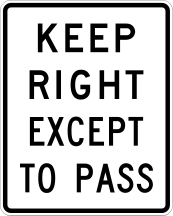
- Keep Right Except to Pass
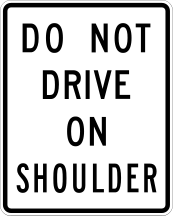
- Do Not Drive on Shoulder
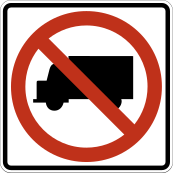
- No Trucks
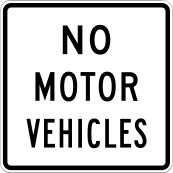
- No Motor Vehicles
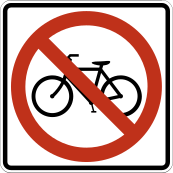
- No Bicycles
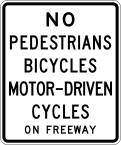
- No Pedestrians, Bicycles, or Motor-Driven Cycles
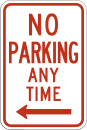
- No Parking Any Time
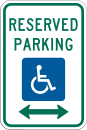
- Accessible Parking
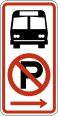
- No Parking Bus Stop
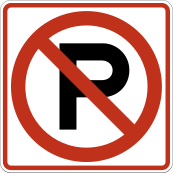
- No Parking
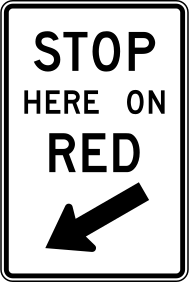
- Stop Here on Red
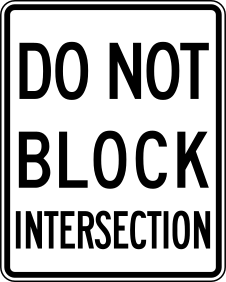
- Do Not Block Intersection
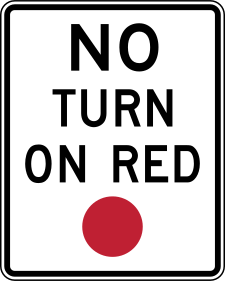
- No Turn on Red
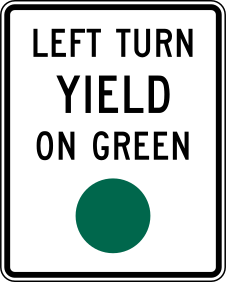
- Left Turn Yield on Green
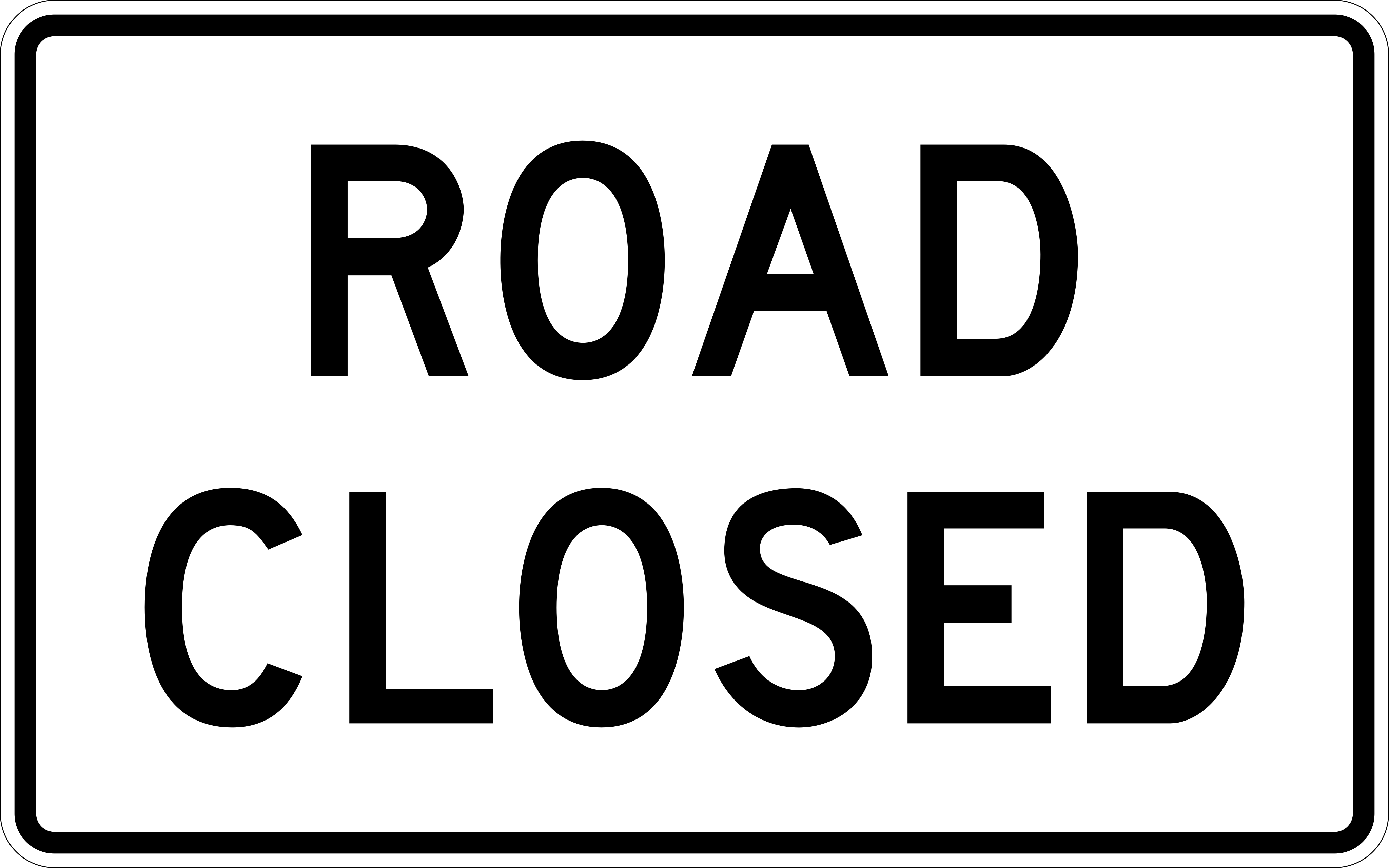
- Road Closed
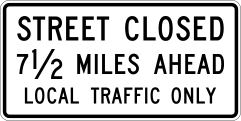
- Road Closed — Local Traffic Only
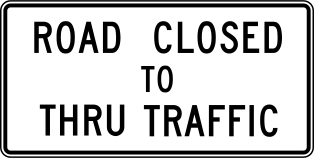
- Road Closed to Thru Traffic
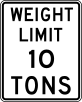
- Weight Limit
- No Hazardous Materials

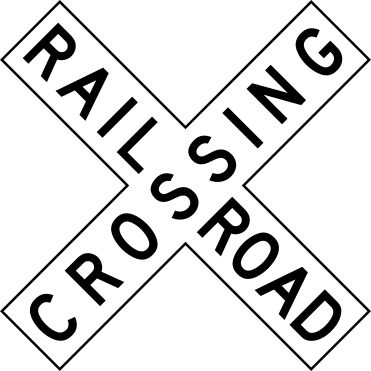
- Railroad Crossing (Crossbuck)
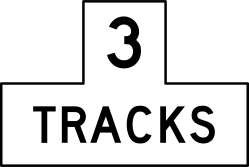
- Number of Tracks
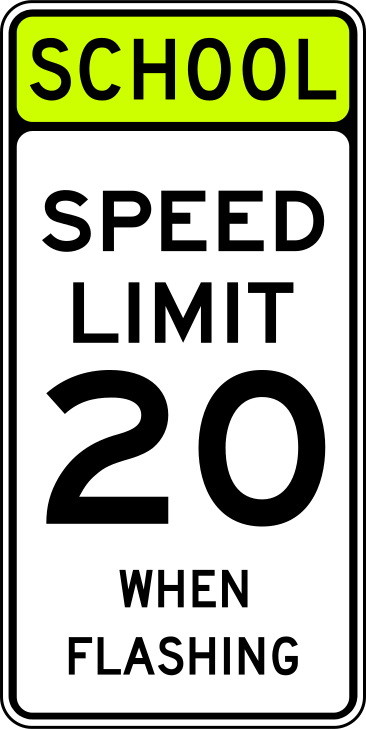
- School Speed Limit When Flashing
- HOV Lane
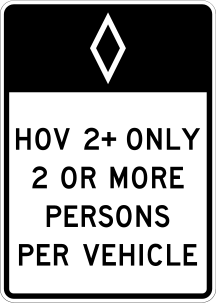
- Exempt

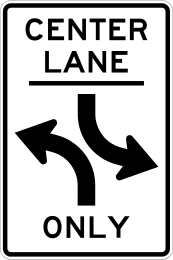
- Two-Way Left Turn Only
Warning signs
- Turn Ahead

- Stop Ahead

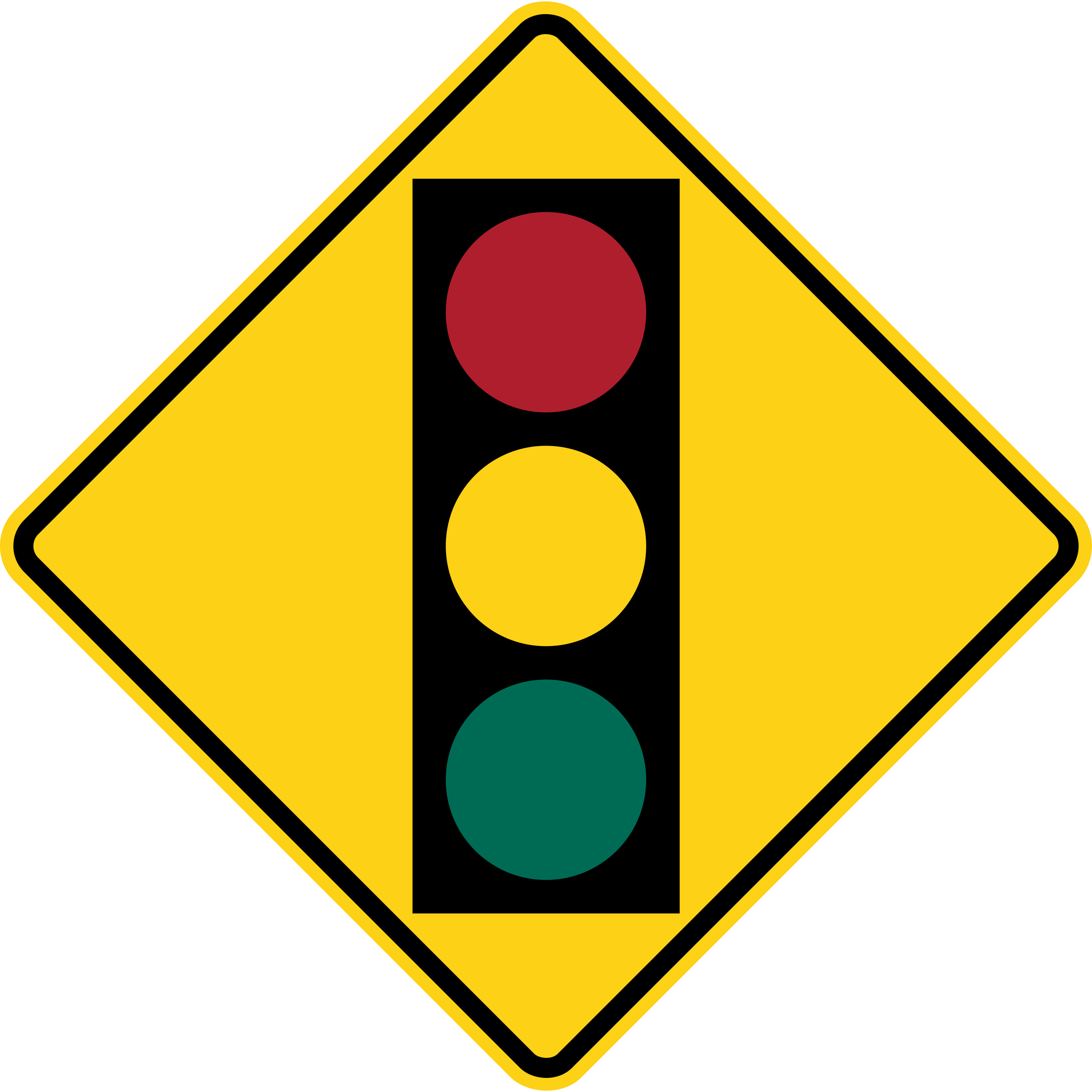
- Signal Ahead
- Pedestrian Crossing

- Curve

- Reverse Turn

- Reverse Curve

- Winding Road

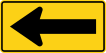
- One-Direction Large Arrow
- Two-Direction Large Arrow

- Chevron Alignment

- Hairpin Curve

- Cross Road

- Side Road

- Roundabout Ahead

- Yield Ahead

- Be Prepared to Stop

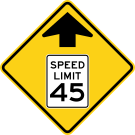
- Reduced Speed Limit Ahead
- Merging Traffic

- Lane Ends

- Added Lane

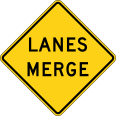
- Lanes Merge
- Road Narrows

- Narrow Bridge

- One Lane Bridge

- Ramp Narrows

- Divided Highway Begins

- Divided Highway Ends

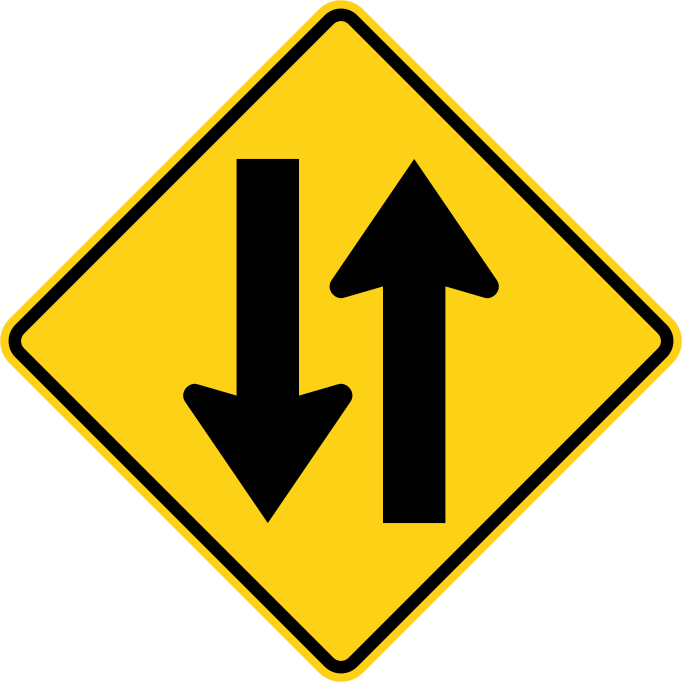
- Two-Way Traffic
- Hill / Steep Grade

- Bump

- Dip

- Pavement Ends

- Soft Shoulder

- Slippery When Wet

- Loose Gravel

- Rough Road

- Low Shoulder

- Uneven Lanes

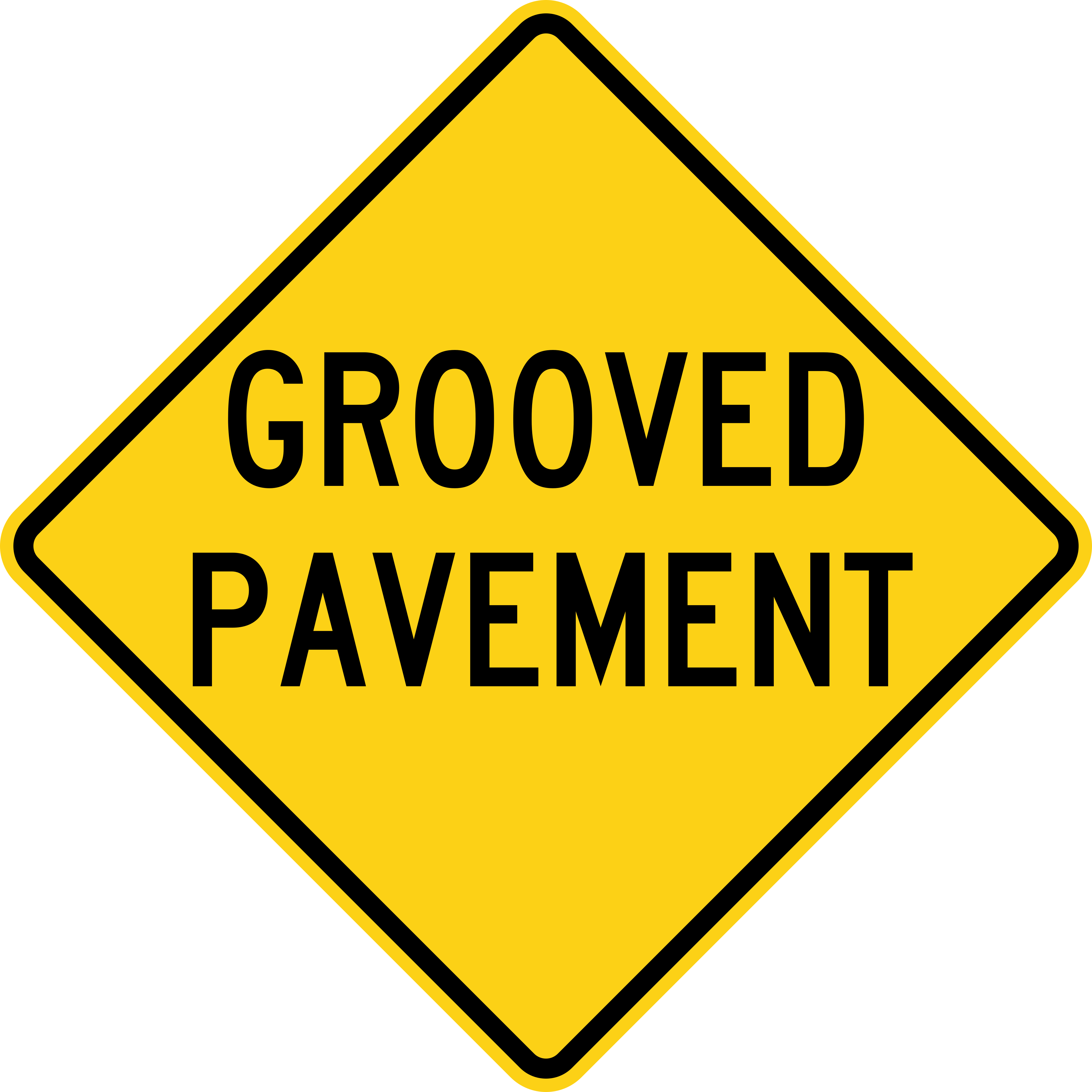
- Grooved Pavement
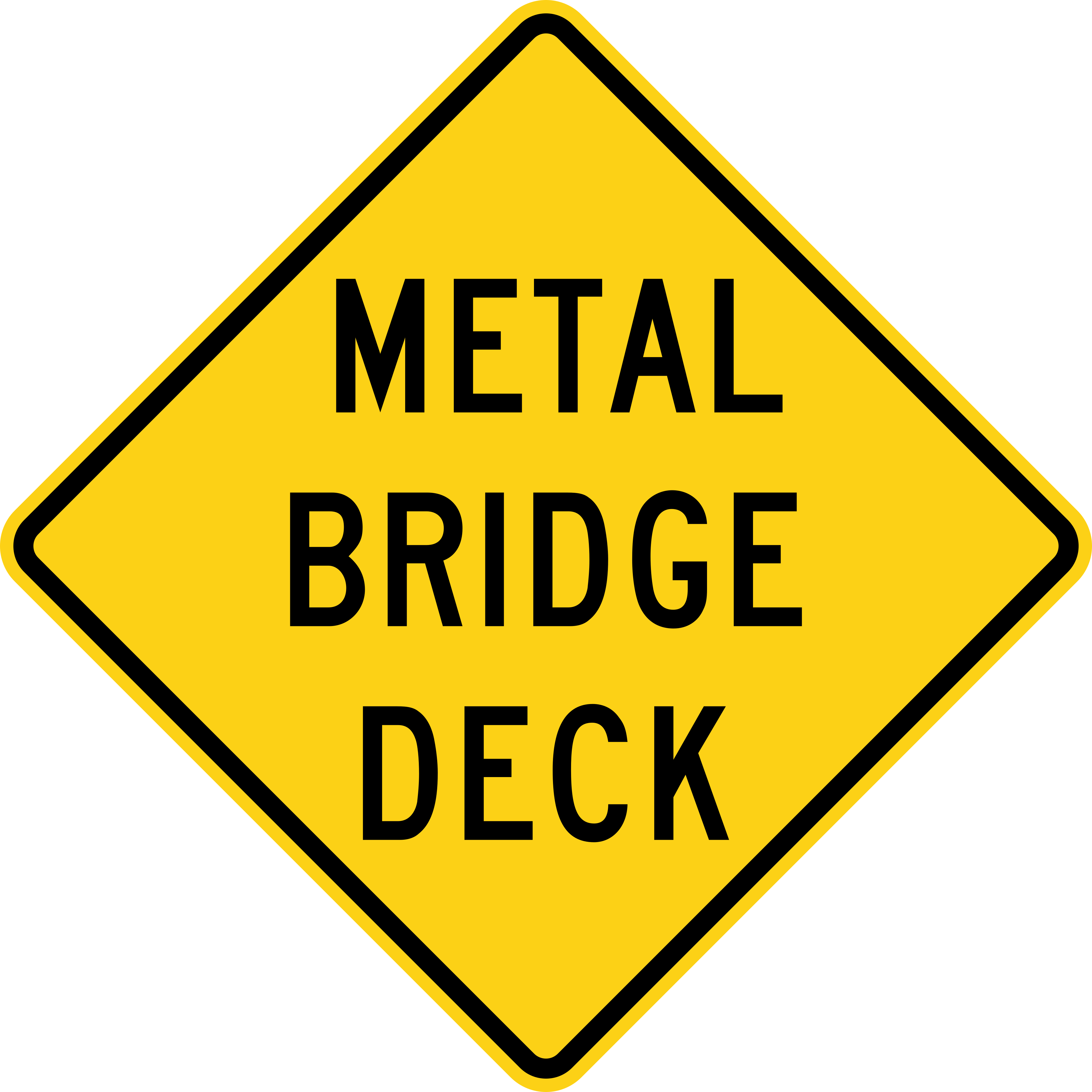
- Metal Bridge Deck
- Railroad Crossing Ahead

- Bicycle Crossing

- Deer Crossing

- Cattle Crossing

- Farm Machinery

- Snowmobile Crossing

- Equestrian Crossing

- Persons with Disabilities

- Golf Cart Crossing

- Horse-Drawn Vehicle Crossing

- Low Clearance

- Advisory Speed

- Dead End

- No Outlet

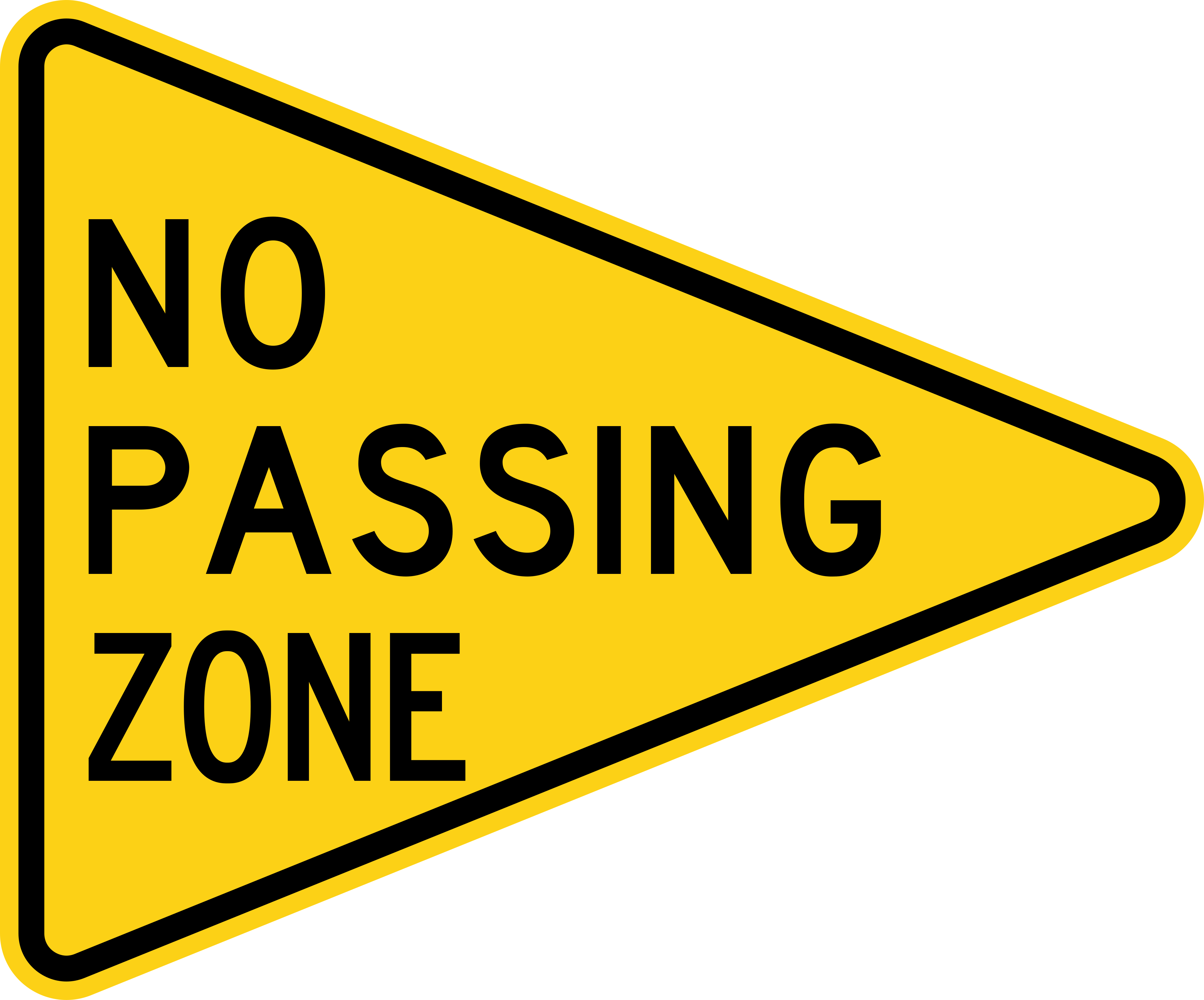
- No Passing Zone
- Playground

- Speed Hump

- School

- Truck Rollover

- Bridge Ices Before Road

- Road May Flood

- Runaway Truck Ramp
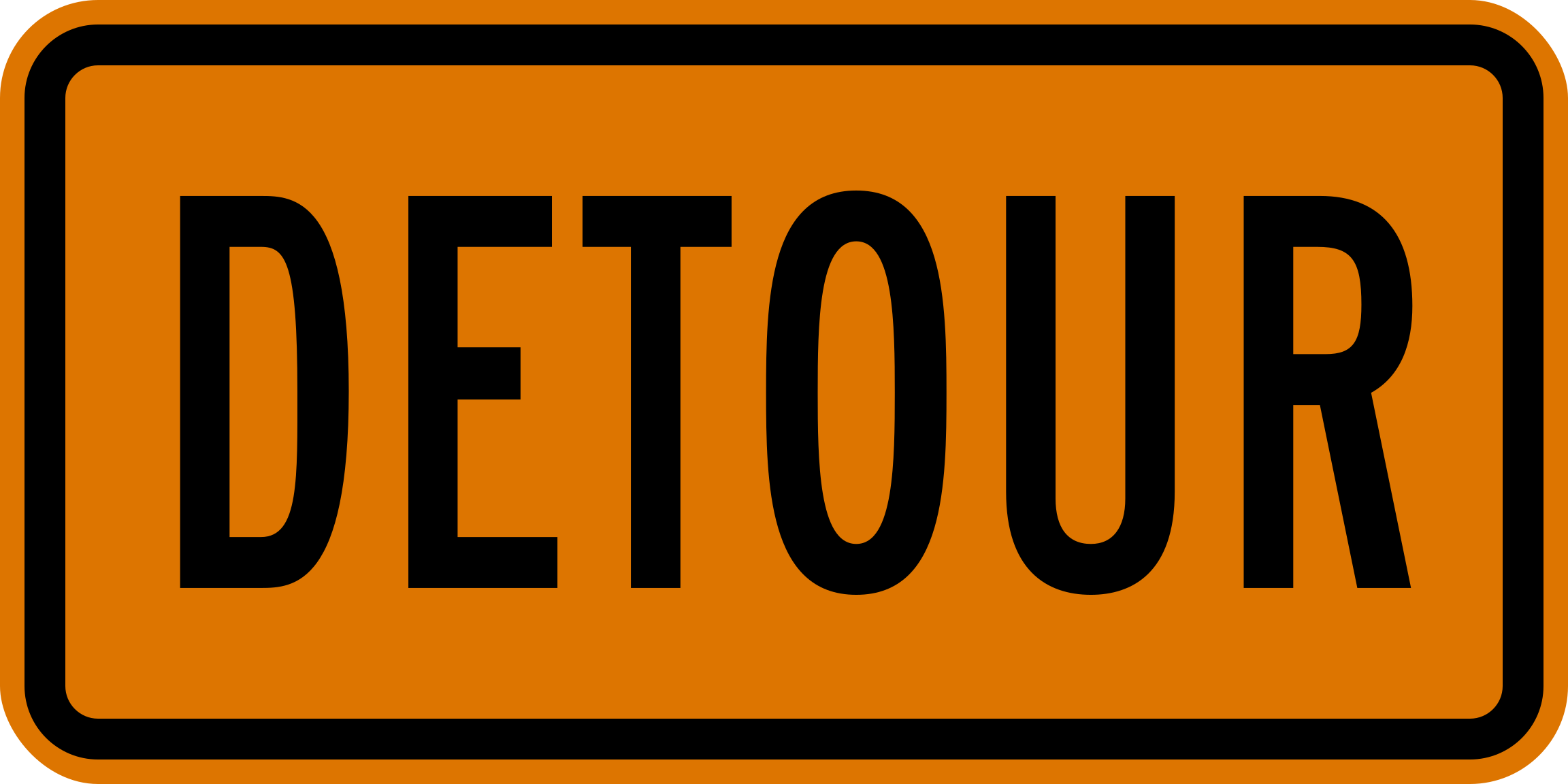
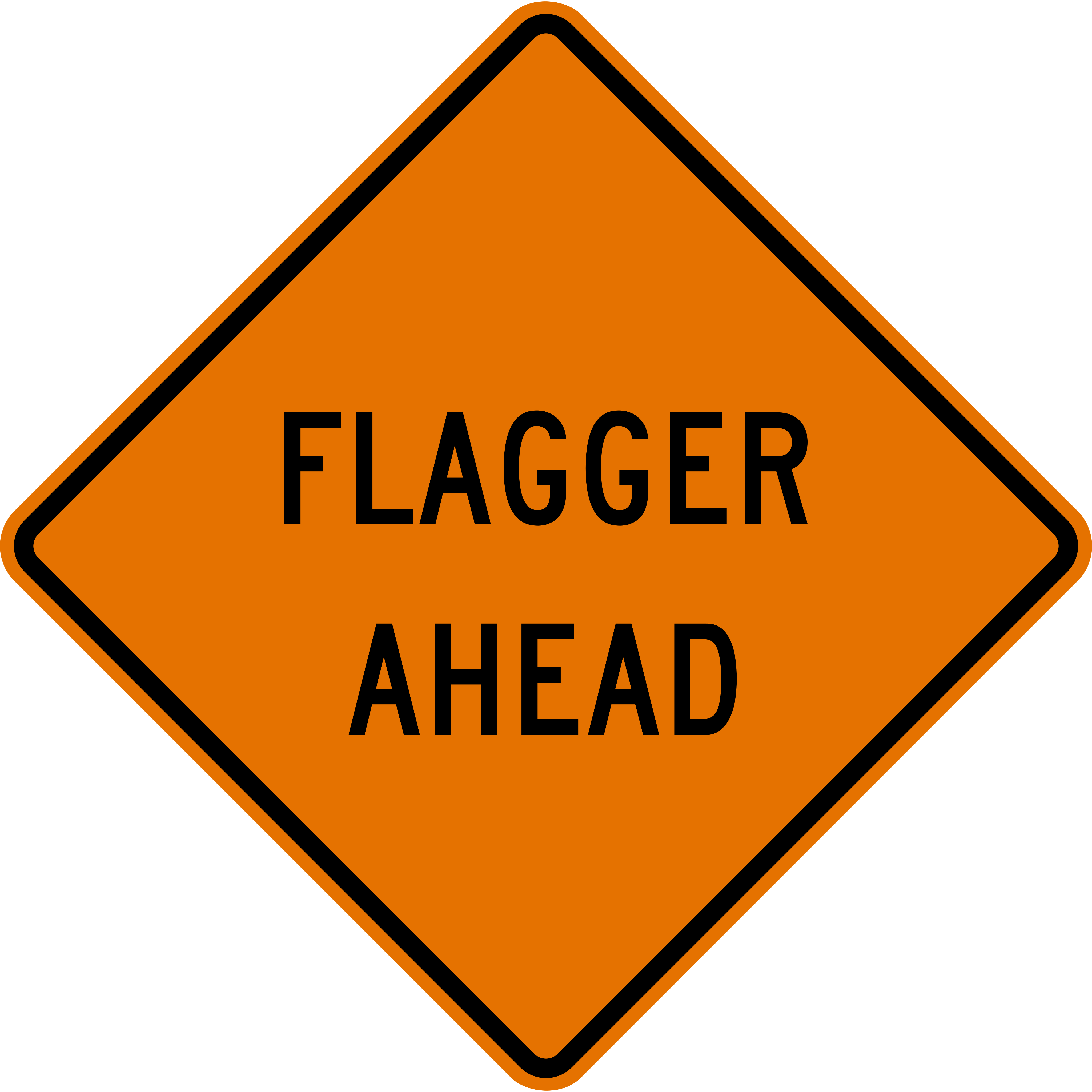
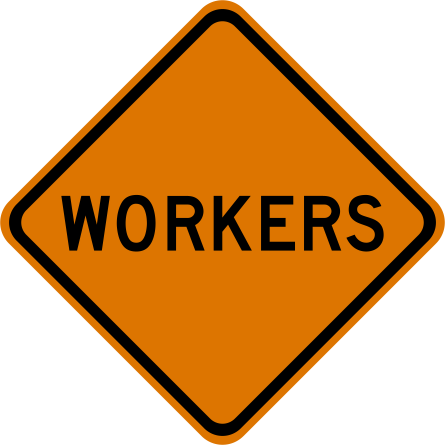
Construction & work-zone signs


Guide signs
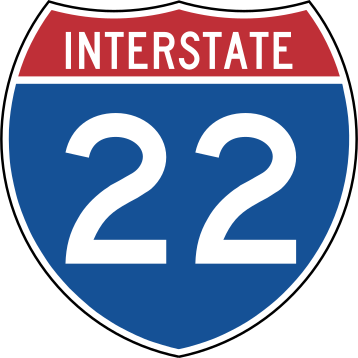
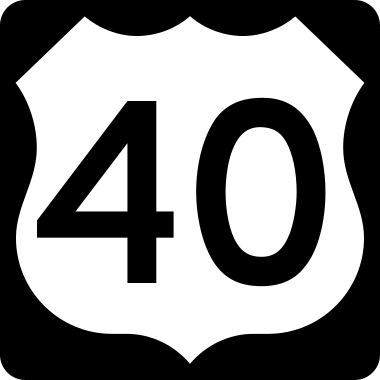
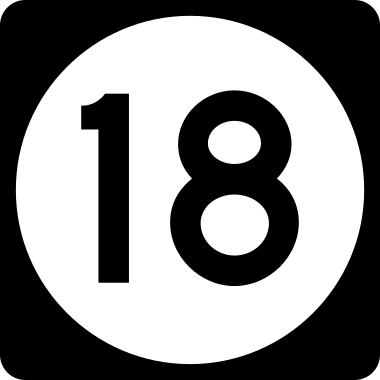
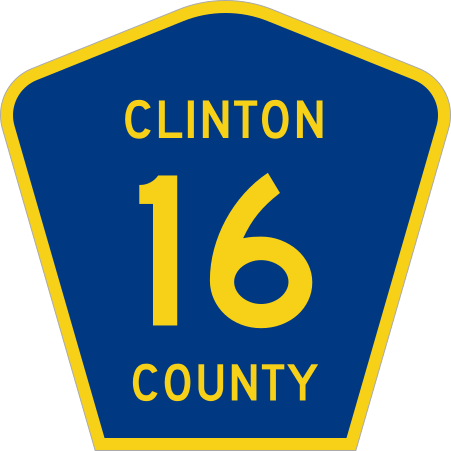
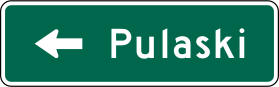
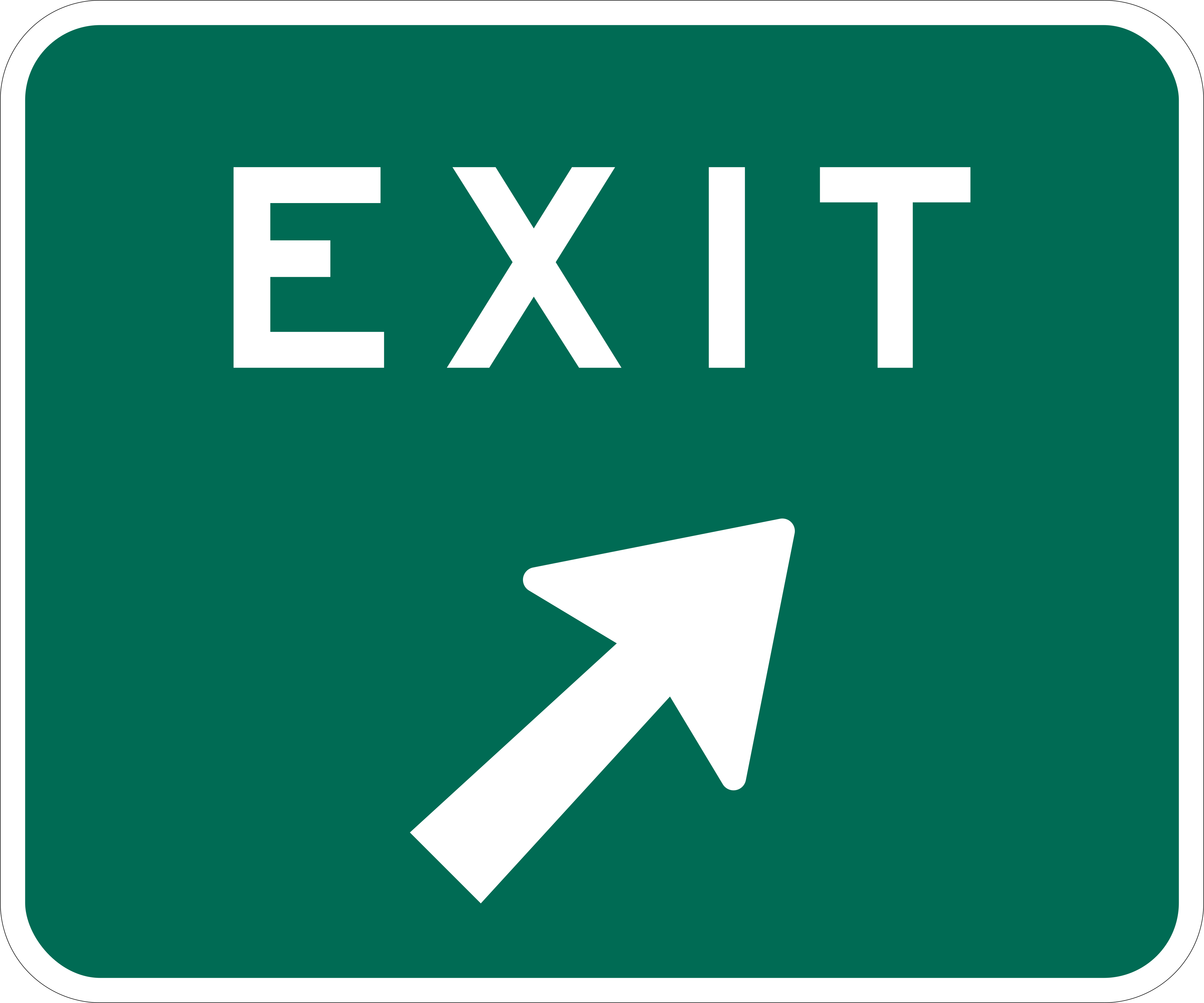


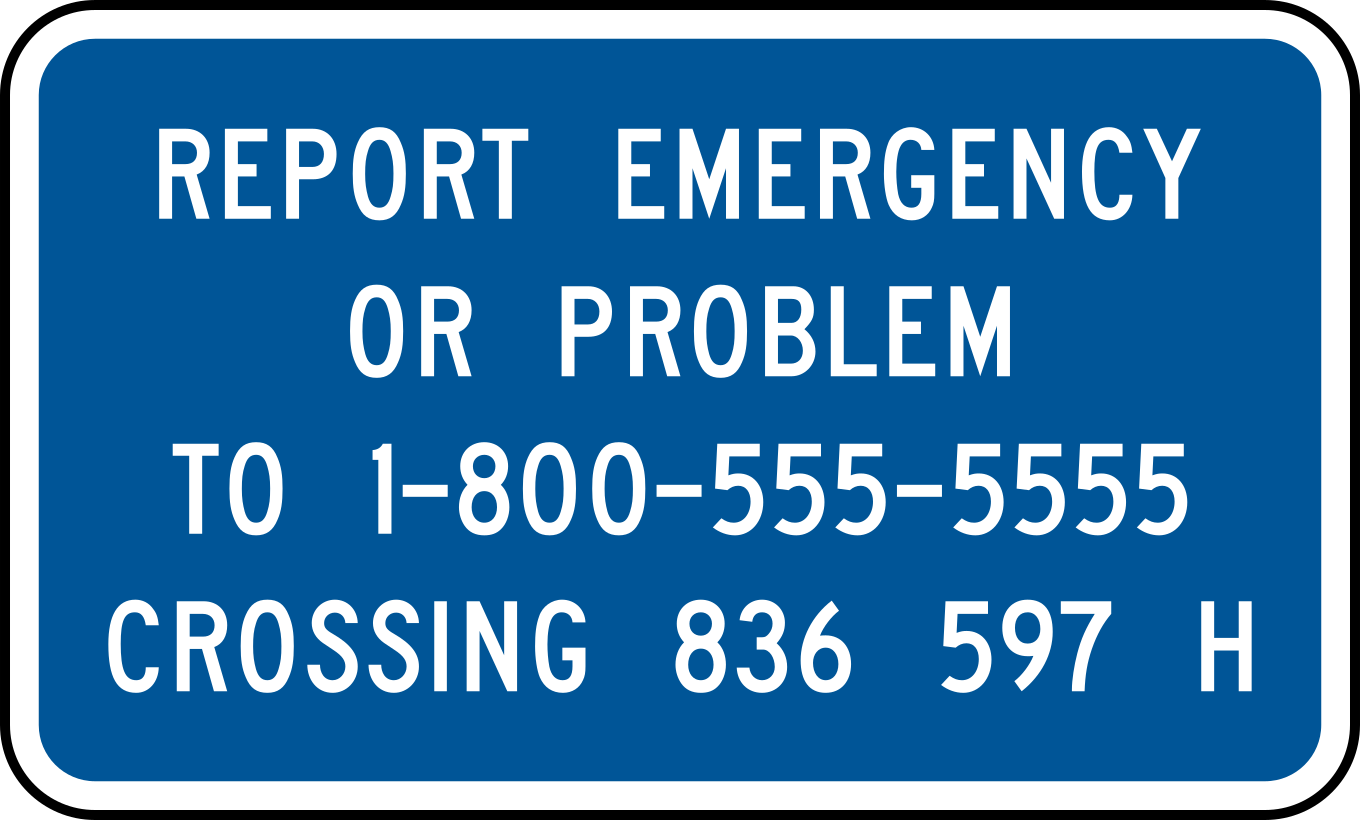
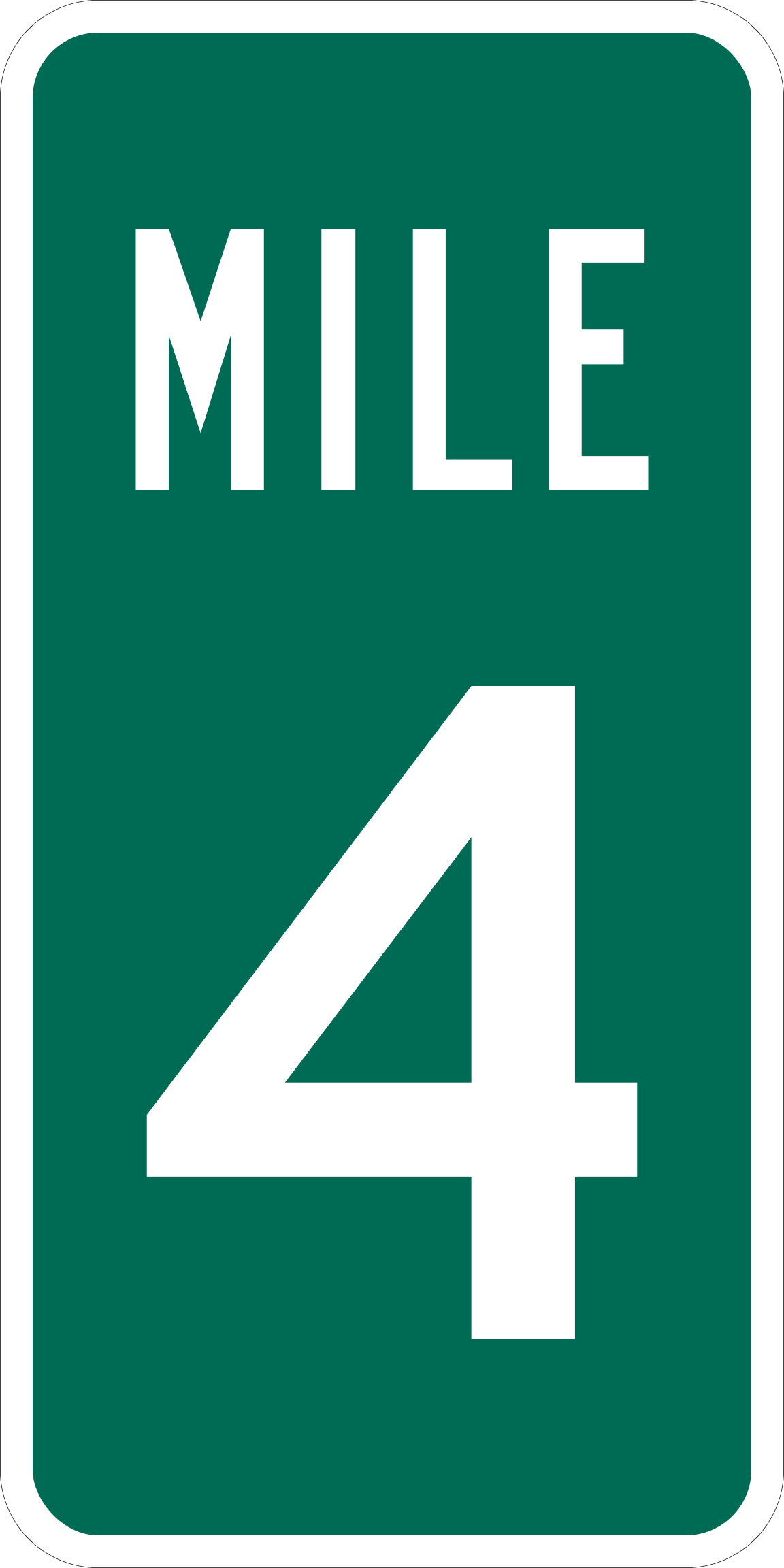
Service & information signs
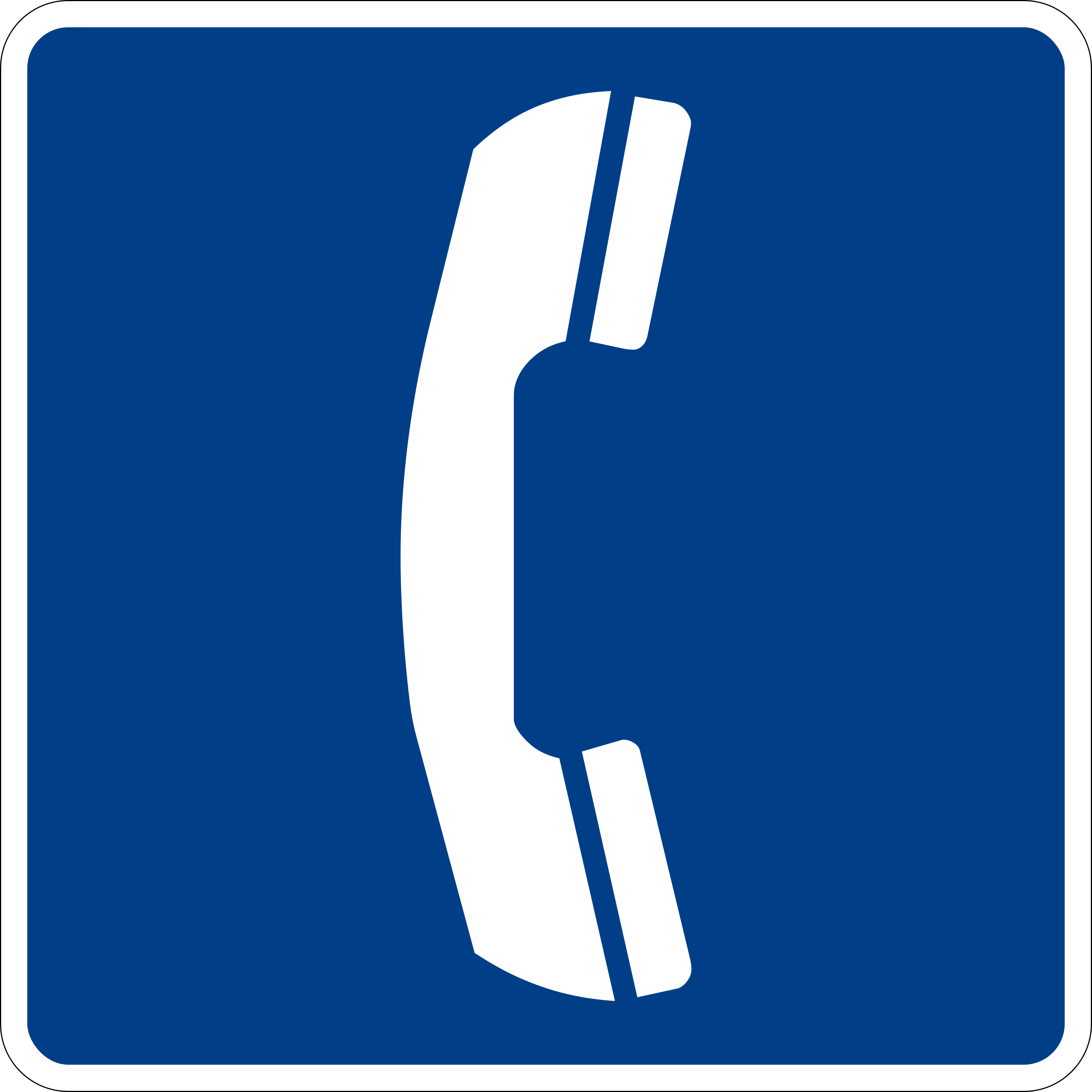
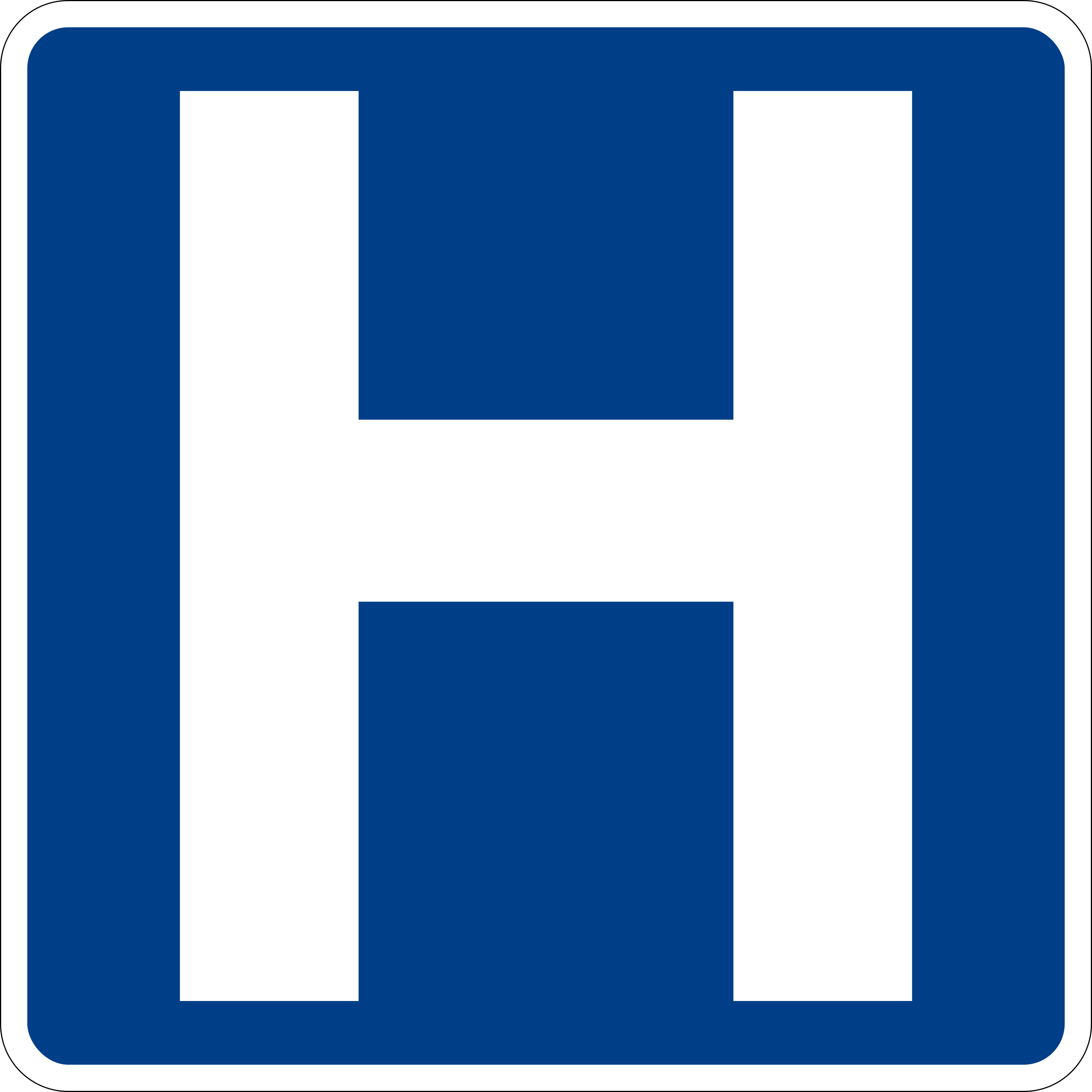

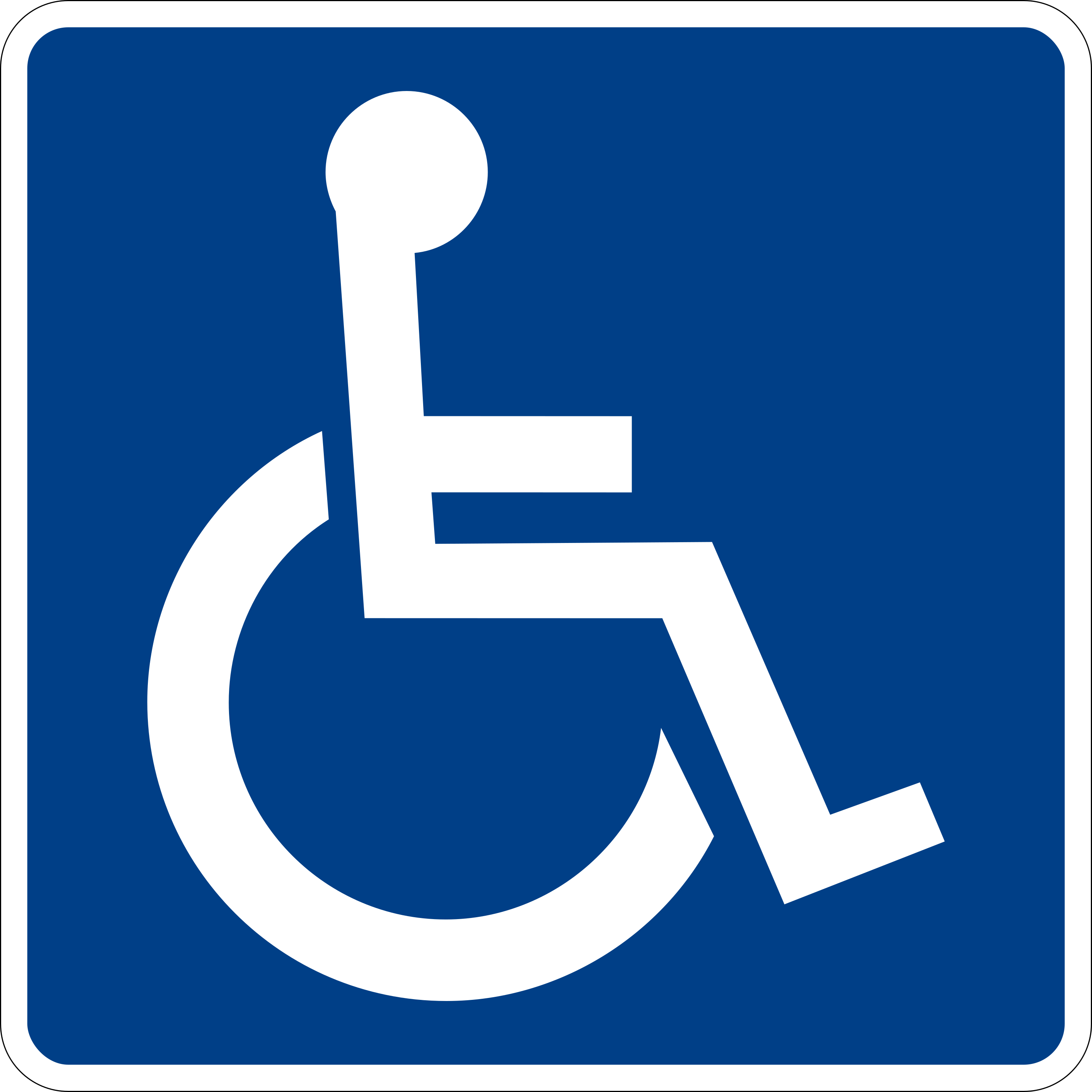


Tennessee road signs: frequently asked questions
What share of the Tennessee knowledge test is about road signs?
About a quarter, on the department's own estimate, as one of the four equal areas listed above. Two cautions go with that number: it is explicitly an approximation, and it is shared with traffic signals, so it is not a pure count of sign items. Every question, whatever the area, is drawn from sections B and C of the manual — the department says so in the same passage — and free practice knowledge tests are published at tn.gov/dlpractice.
Can a Tennessee teenager take the knowledge test at home?
Between the ages of fifteen and seventeen, yes, with a parent or legal guardian acting as proctor through the Tennessee Proctor ID app. One adult may proctor up to five applicants. The test must be taken on a computer, laptop or tablet — phones are not permitted — and results are emailed to the registered address, so the department stresses checking that the address is right before you begin. Passing online does not close the matter entirely: the department reserves the right to require a retake at a driver services center.
What happens if I look away from the screen during the online test?
Leaving the test window is treated as an automatic failure. So is missing the halfway check described above. There is one merciful exception in the rules: a test finished, pass or fail, inside the first half hour needs no re-authentication at all. A network or power interruption lasting more than an hour also ends the attempt, while a shorter outage can be picked up again once the proctor scans the code.
How soon can I retake the Tennessee knowledge test after failing?
There is a mandatory one-day waiting period after any driver license knowledge test failure, and no test may be repeated on the same day. The manual explains why it exists — to encourage applicants to study Section B properly and cut down on repeat visits — and notes that failure dates and scores are keyed into the driver license computer system, so every service center sees them. Each failed attempt also costs a two-dollar application fee. Online retests carry their own rule: twenty-four hours between attempts, two attempts maximum.
What are the small signs under a Tennessee crossbuck for?
They give the number of tracks at that crossing, and the manual explains why that matters: when there are two or more tracks, one train passing can hide a train approaching from the other direction. The crossbuck itself marks exactly where the tracks are, while the round yellow sign further back warns only that a crossing is coming. Where a crossbuck carries flashing lights, stop when they start flashing and stay stopped until the train has passed and the lights stop; where it also carries a gate, stop before the gate comes down and wait until it is fully raised.
Official sources
- Tennessee Comprehensive Driver License Manual
- Tennessee Driver Services — knowledge permit test online
Checked against official state sources on 2026-07-29.