Oregon Road Signs and Their Meanings
Oregon DMV opens its online knowledge test with a warning rather than an instruction. If you already hold a current and valid driver license or motorcycle endorsement, the page says, you are likely not required to take it at all — and "if you take this test out of curiosity, your driving privileges may be suspended if you fail this test." That is a strong argument for practicing somewhere that cannot touch your record. The exam it is warning you away from is, unusually, published in full: the Oregon Driver Manual states that the Class C knowledge test "has 35 multiple-choice questions" and that "you must answer 28 questions correctly to receive a passing score," and it names road signs first in the list of what those questions cover.
Twenty-eight out of thirty-five is the only bar Oregon sets. No portion of it is reserved for signs, and there is no separate signs examination standing beside it, so a sign question costs exactly what any other question costs. Signs are examined a second time, though, on the other test. The manual's description of the behind-the-wheel test says you will demonstrate "your driving skills and knowledge of traffic rules, highway signs, and signals" — meaning the examiner in the passenger seat is entitled to judge whether you read the roadway correctly, not merely whether you handled the car. Studying the chart below is therefore not only preparation for a multiple-choice screen; it is preparation for the other test, the one where nobody offers you four options.
Oregon is the only state on this site whose sign questions cite a page. Every published question in this bank names one — "Warning Signs, p. 10", "Motorist Service Signs, p. 14" — where no other state's citations do. The numbers hold up against the book. The manual's contents place Signs at page 7 and Traffic Signals at page 15, so the sign material runs from page 7 through page 14, and twelve of the fourteen citations here fall inside that span. The precision is finer than the subsection heading, too. Three questions ask about a NO TURN ON RED sign, an HOV 2+ lane and a KEEP RIGHT sign, and all three are cited to page 9 rather than to page 8, where the Regulatory Signs – Other heading opens — page 9 being where those particular three signs are described.
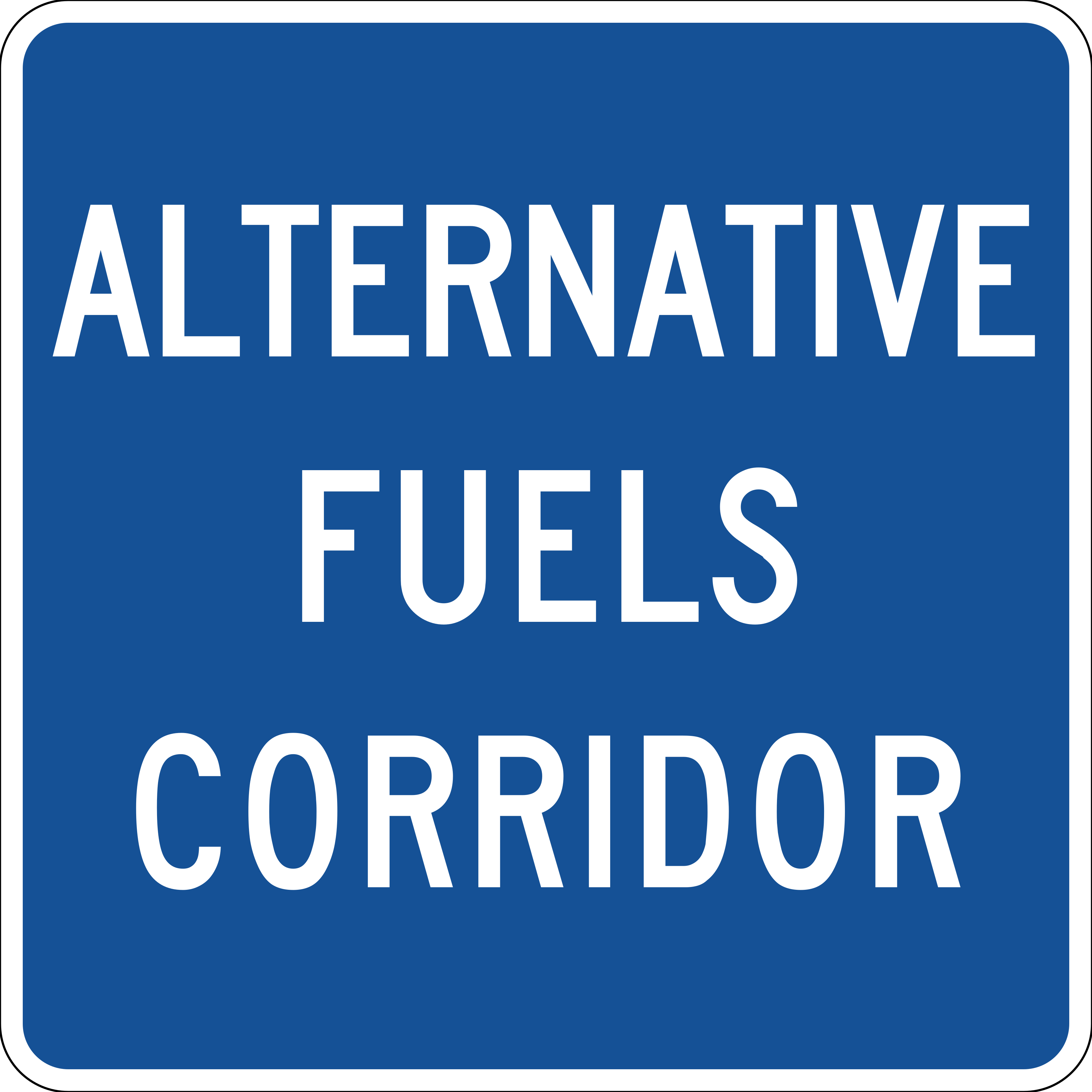
Two questions in this set are cited outside the manual's sign pages, and both land where Oregon actually files the material: the five-sided yellow sign that opens a school zone sits with the school-zone rules much later in the book, and the orange-and-red triangle carried by slow-moving farm equipment sits with the section on other vehicles. Everything else comes from the sign pages, including one entry that is distinctly Oregon's. A Safety Corridor is a designated stretch of highway with more fatal and serious injury collisions than the statewide average; the manual says the signs marking one may include diamond-shaped flags, and what it asks of you inside one is your headlights — not a speed, not a maneuver, just lights on.
14 published Oregon road-sign questions, each with an explanation and a citation to the handbook section it came from.
Content reviewed against official driver handbooks · August 12, 2026
Every sign you can be tested on in Oregon
Regulatory signs
- Stop

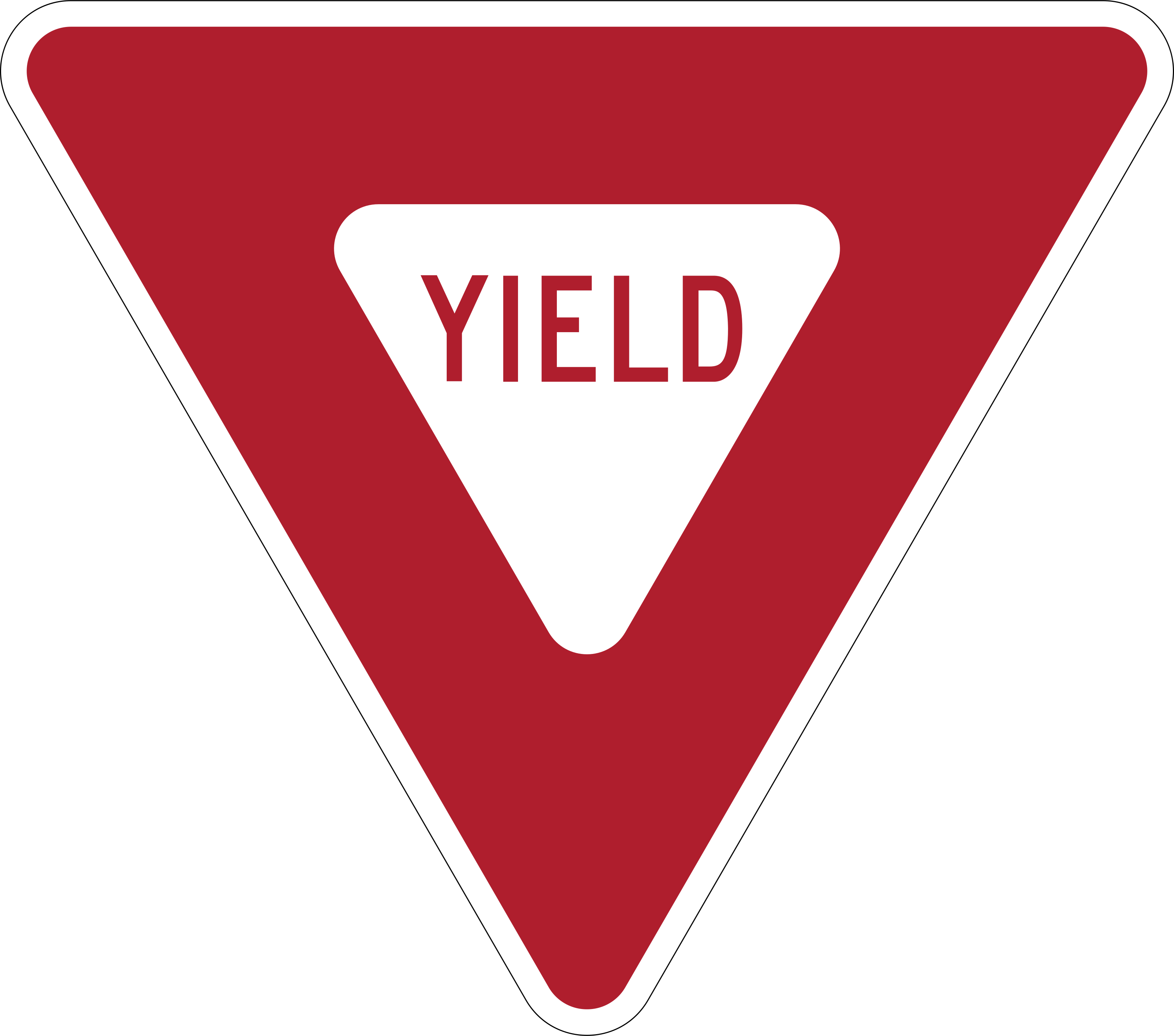
- Yield
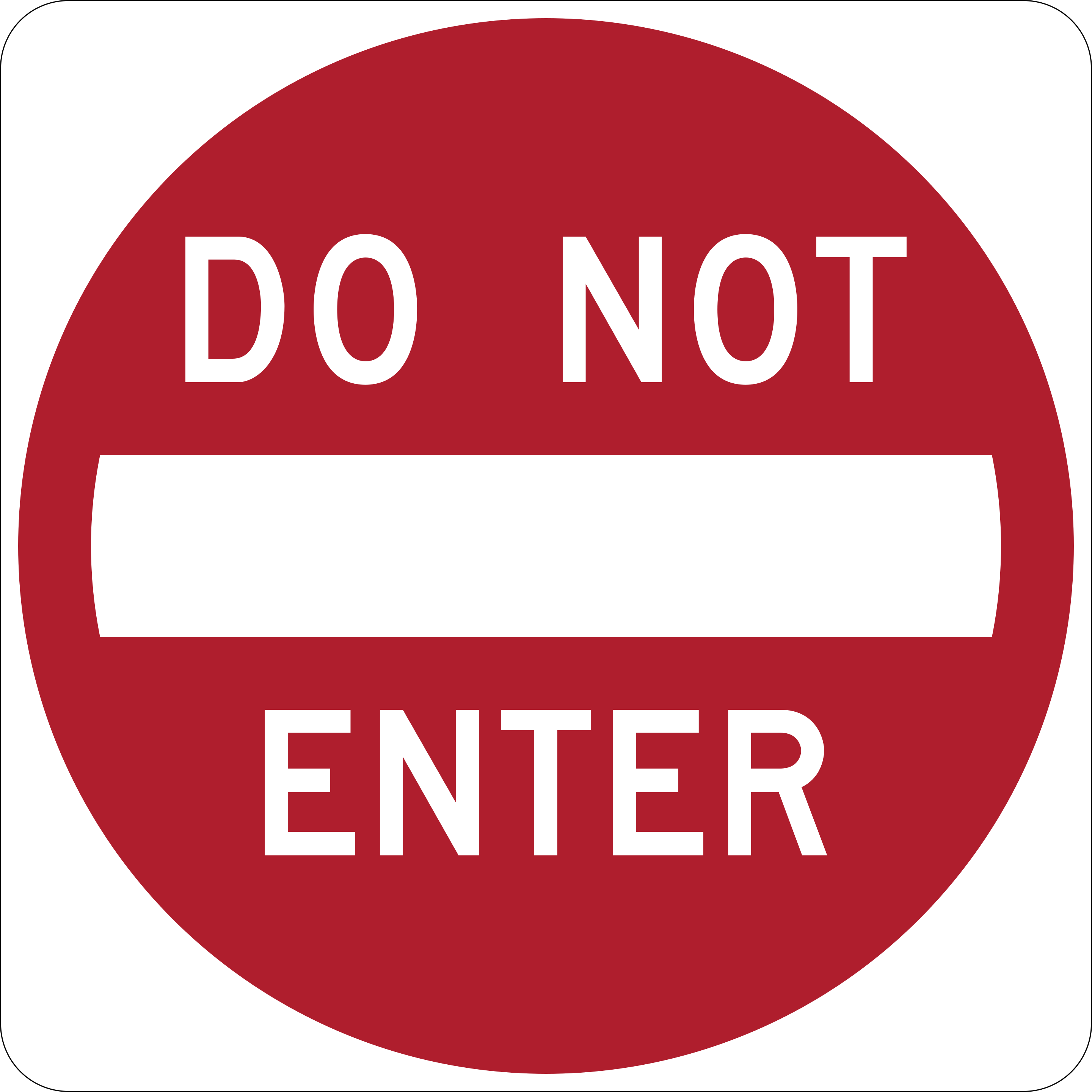
- Do Not Enter
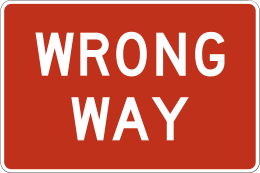
- Wrong Way
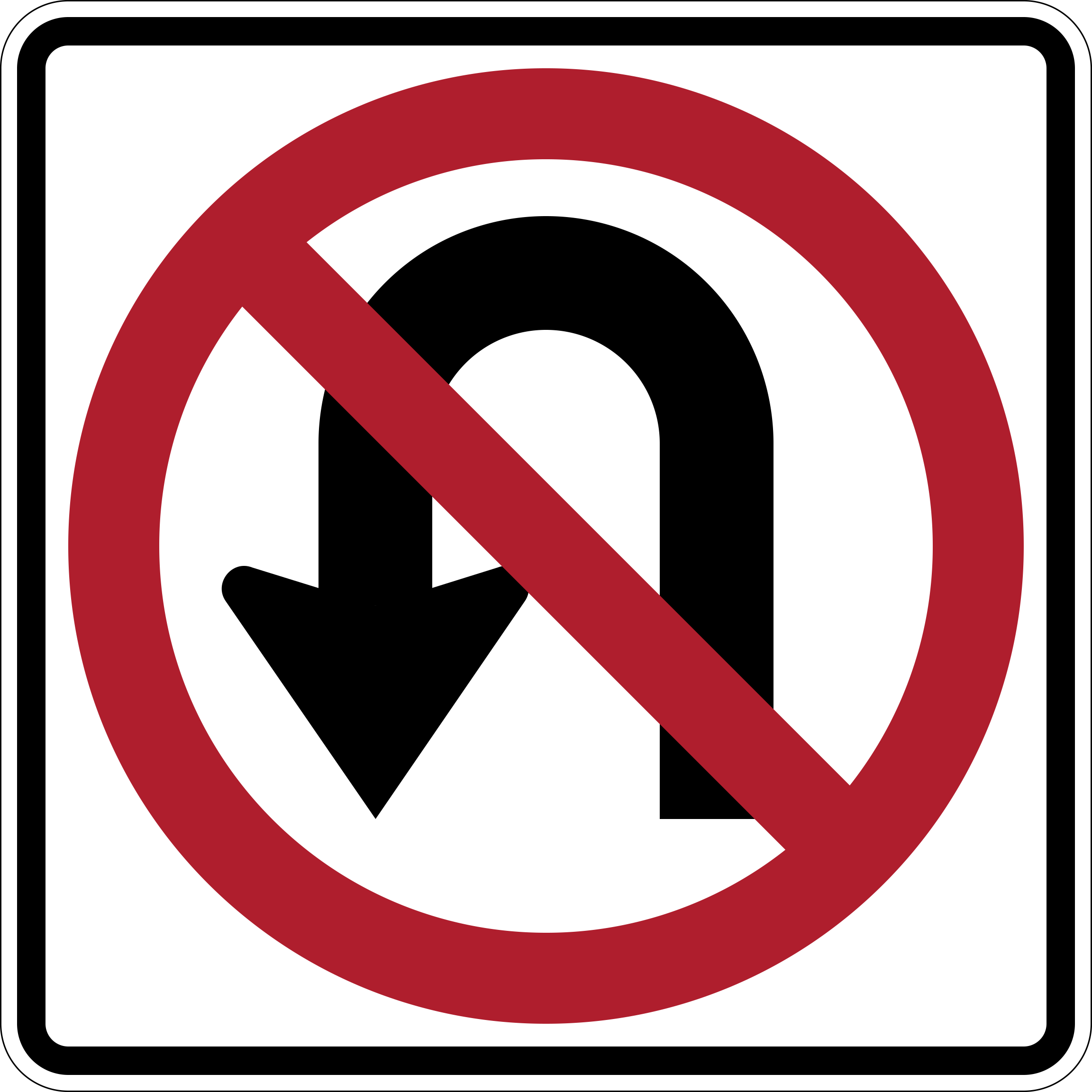
- No U-Turn
- Speed Limit
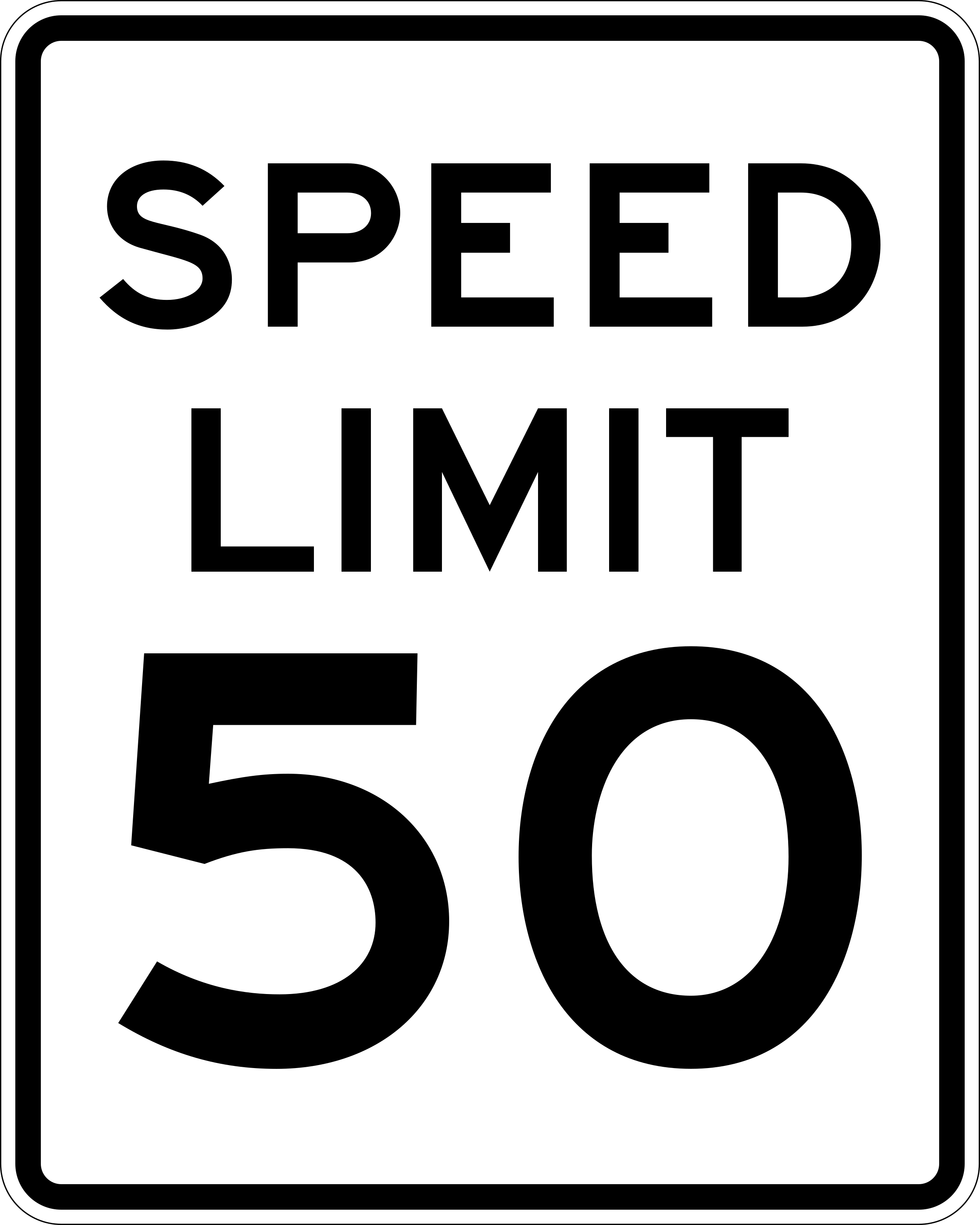
- One Way
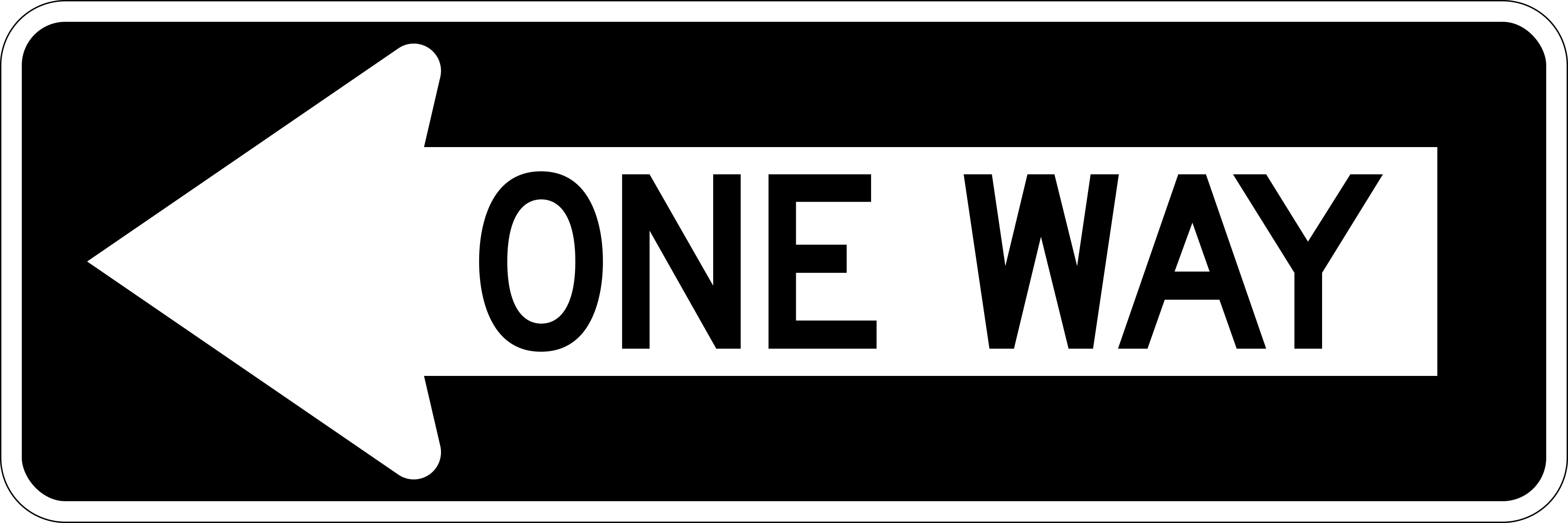
- All Way

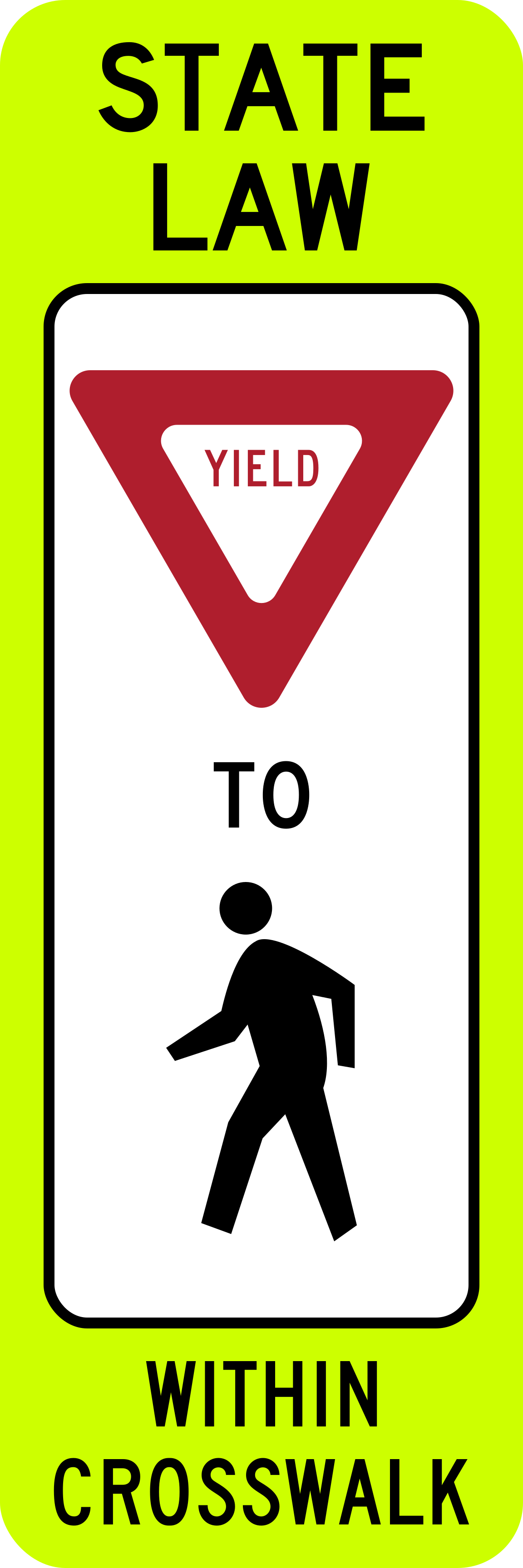
- State Law: Yield to Pedestrians
- State Law: Stop for Pedestrians
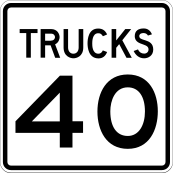
- Truck Speed Limit
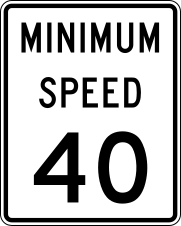
- Minimum Speed Limit
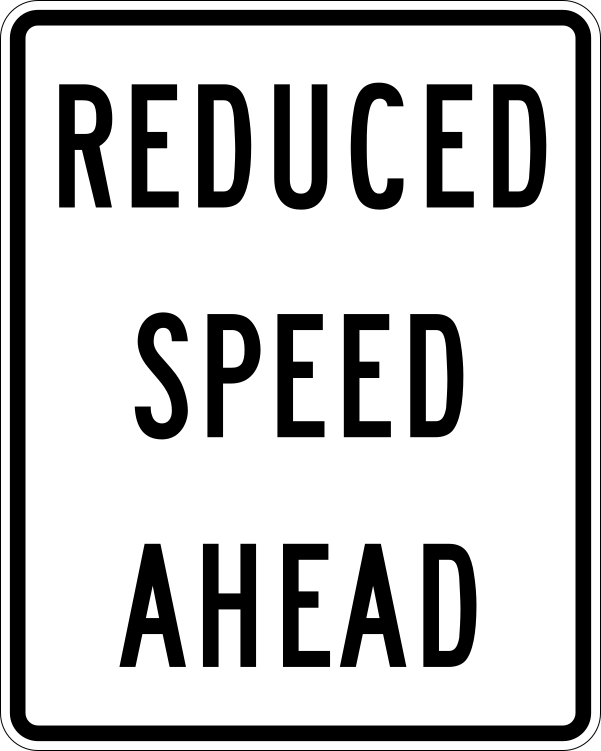
- Reduced Speed Limit Ahead
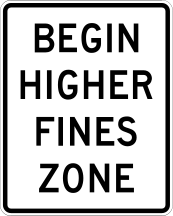
- Begin Higher Fines Zone
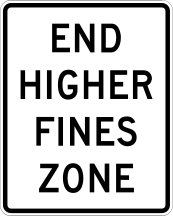
- End Higher Fines Zone
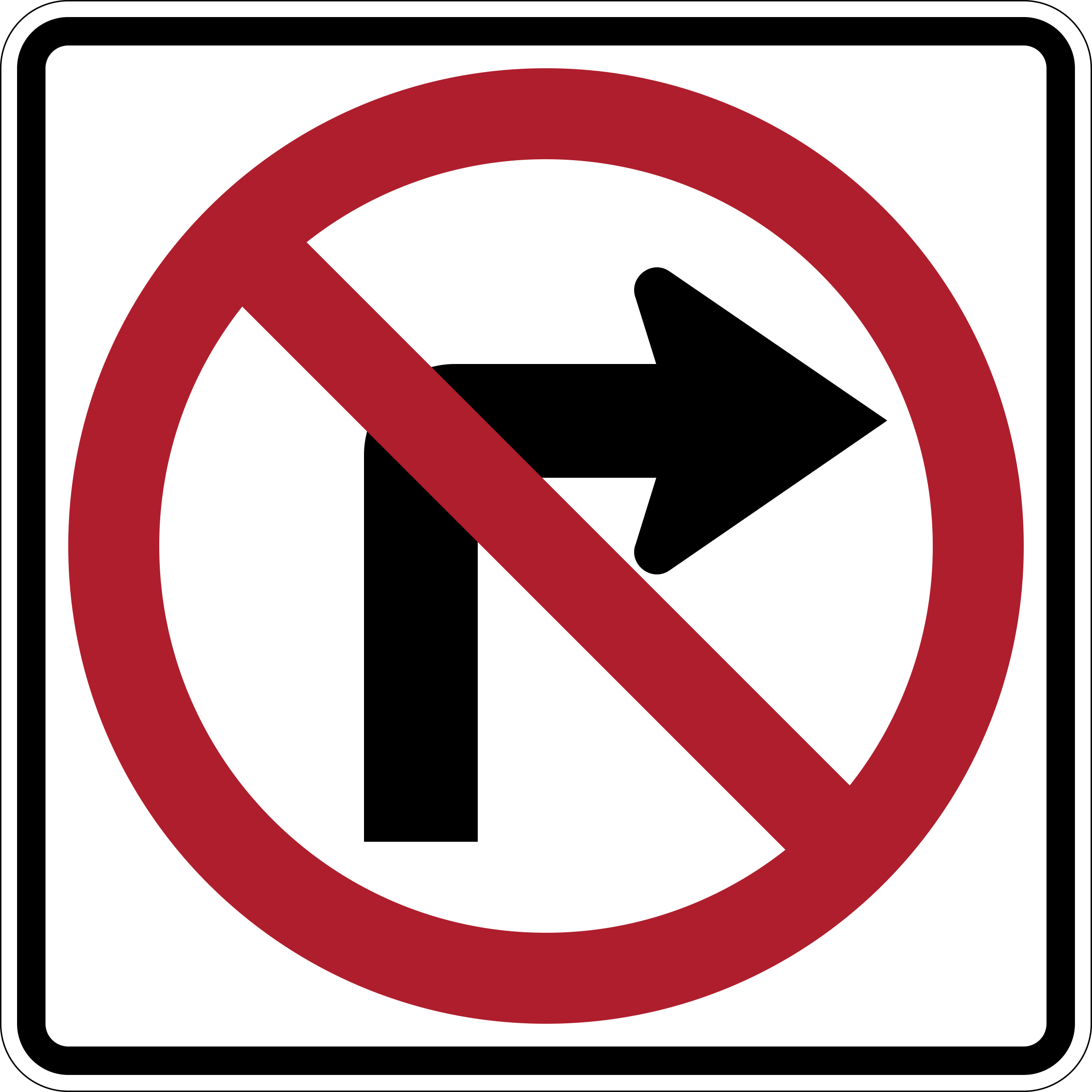
- No Right Turn
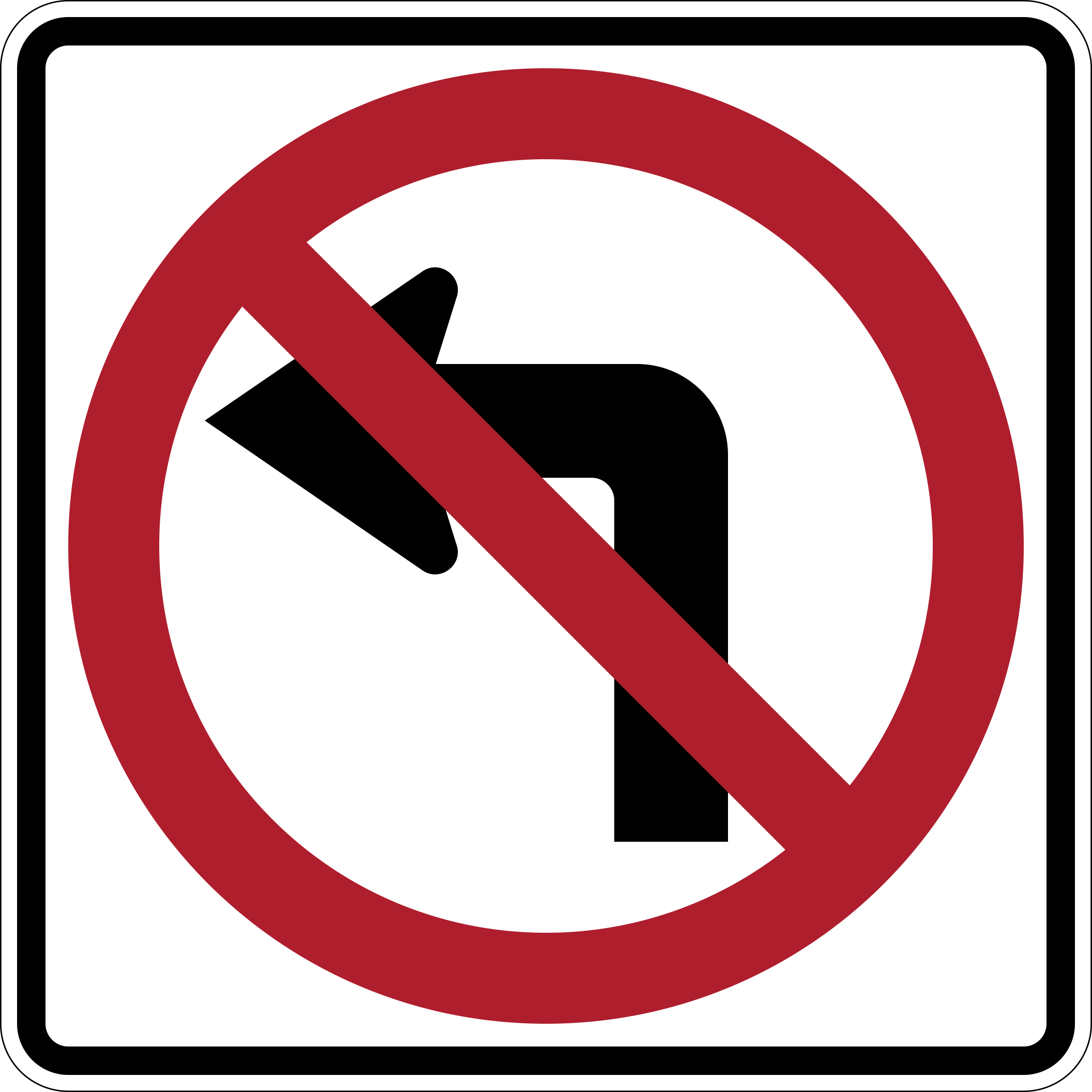
- No Left Turn
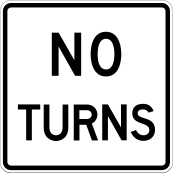
- No Turns
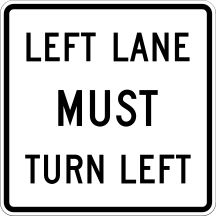
- Left Lane Must Turn Left
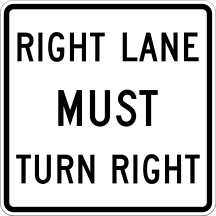
- Right Lane Must Turn Right
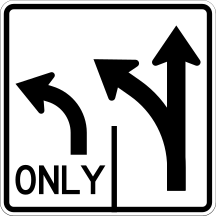
- Intersection Lane Control
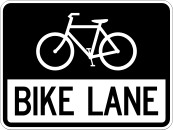
- Bike Lane
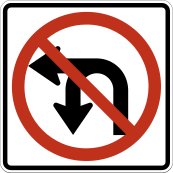
- No Left or U-Turn
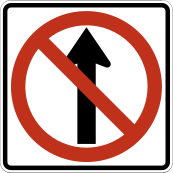
- No Straight Through
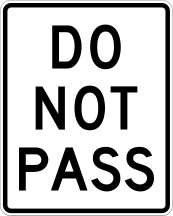
- Do Not Pass
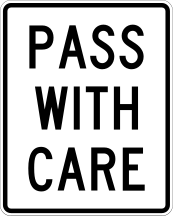
- Pass With Care
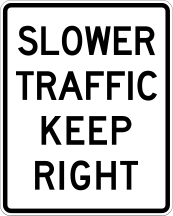
- Slower Traffic Keep Right
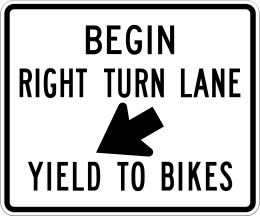
- Begin Right Turn Lane — Yield to Bikes
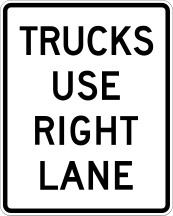
- Trucks Use Right Lane
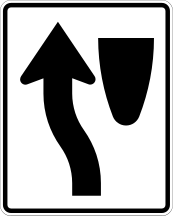
- Keep Right
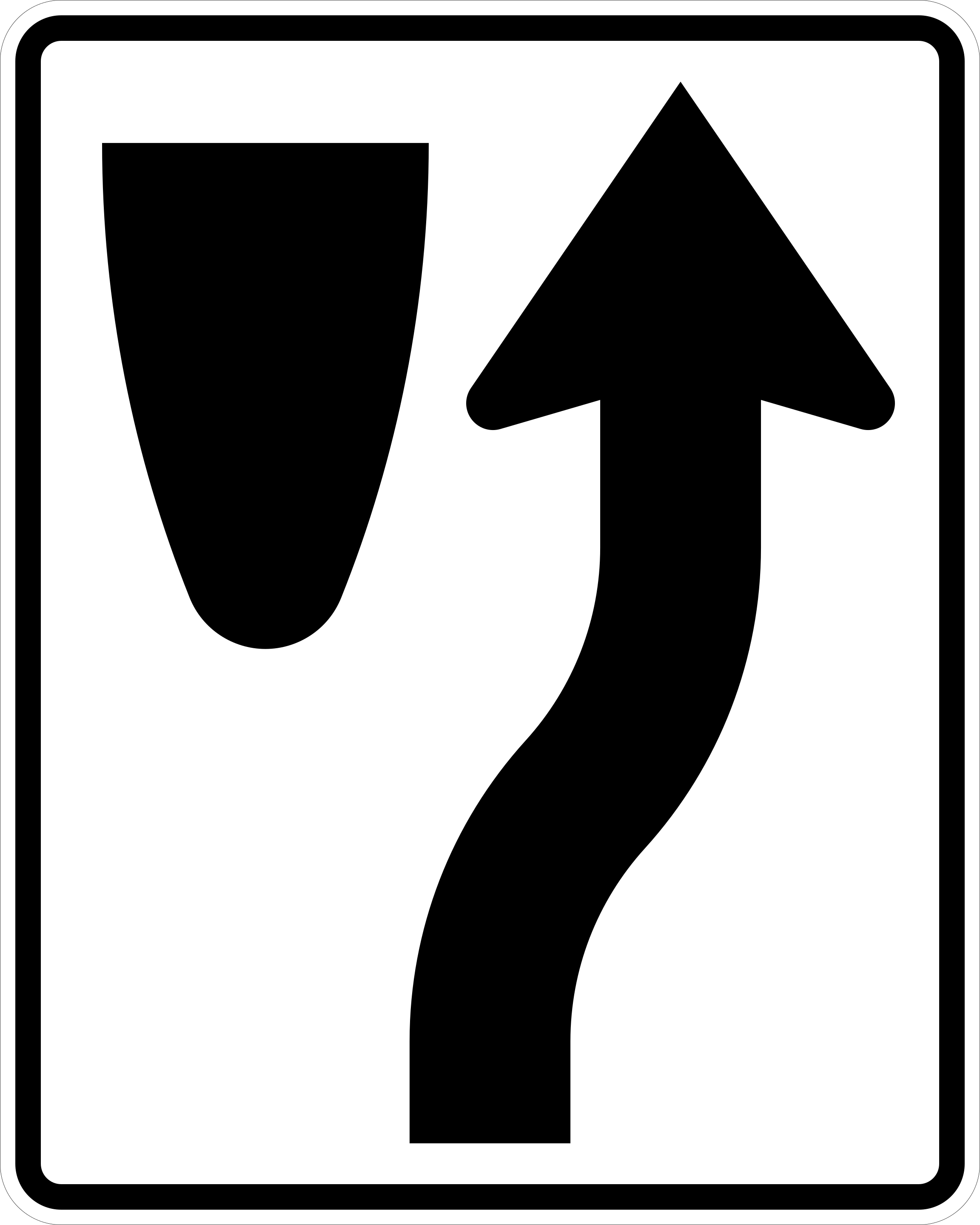
- Keep Left
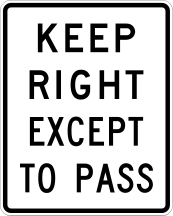
- Keep Right Except to Pass
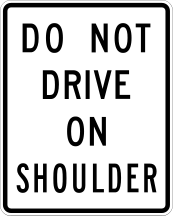
- Do Not Drive on Shoulder
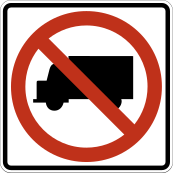
- No Trucks
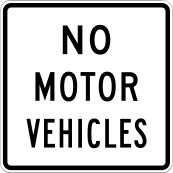
- No Motor Vehicles
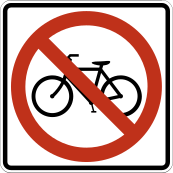
- No Bicycles
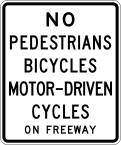
- No Pedestrians, Bicycles, or Motor-Driven Cycles
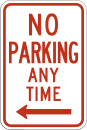
- No Parking Any Time
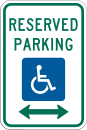
- Accessible Parking
- No Parking Bus Stop

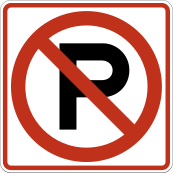
- No Parking
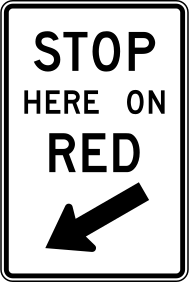
- Stop Here on Red
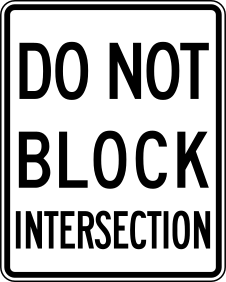
- Do Not Block Intersection
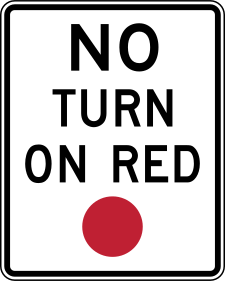
- No Turn on Red
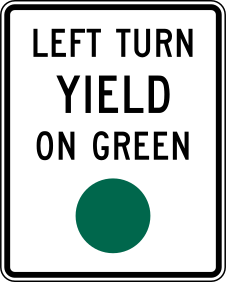
- Left Turn Yield on Green
- Road Closed
- Road Closed — Local Traffic Only
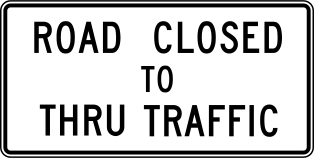
- Road Closed to Thru Traffic
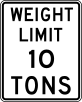
- Weight Limit
- No Hazardous Materials

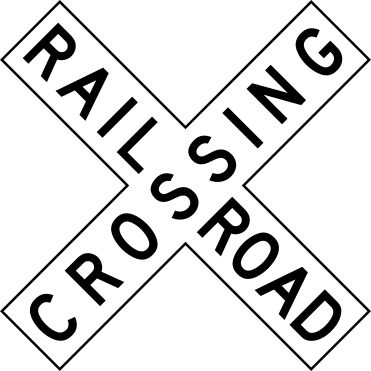
- Railroad Crossing (Crossbuck)
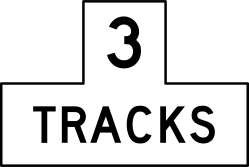
- Number of Tracks
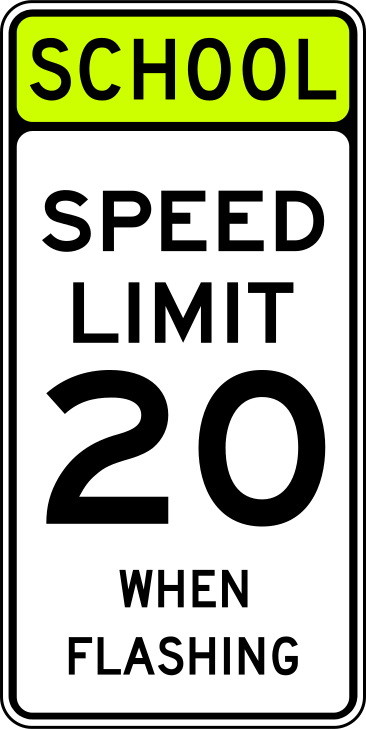
- School Speed Limit When Flashing
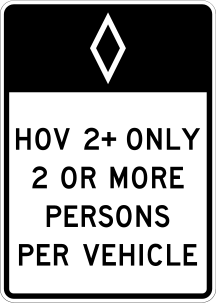
- HOV Lane
- Exempt

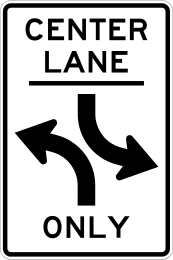
- Two-Way Left Turn Only
Warning signs
- Turn Ahead

- Stop Ahead

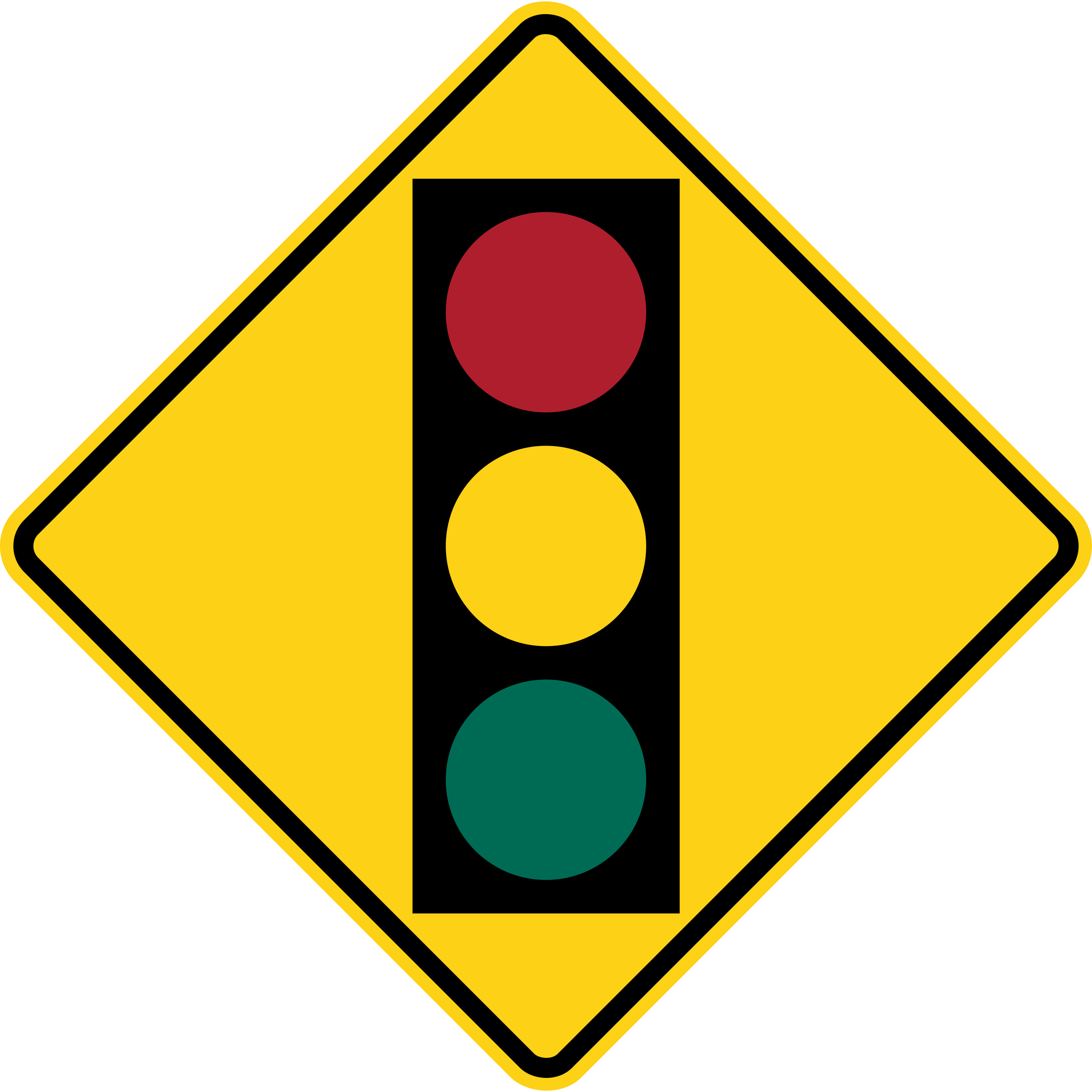
- Signal Ahead
- Pedestrian Crossing

- Curve

- Reverse Turn

- Reverse Curve

- Winding Road

- One-Direction Large Arrow

- Two-Direction Large Arrow

- Chevron Alignment

- Hairpin Curve

- Cross Road

- Side Road

- Roundabout Ahead

- Yield Ahead

- Be Prepared to Stop

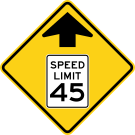
- Reduced Speed Limit Ahead
- Merging Traffic

- Lane Ends

- Added Lane

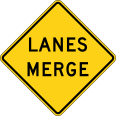
- Lanes Merge
- Road Narrows

- Narrow Bridge

- One Lane Bridge

- Ramp Narrows

- Divided Highway Begins

- Divided Highway Ends

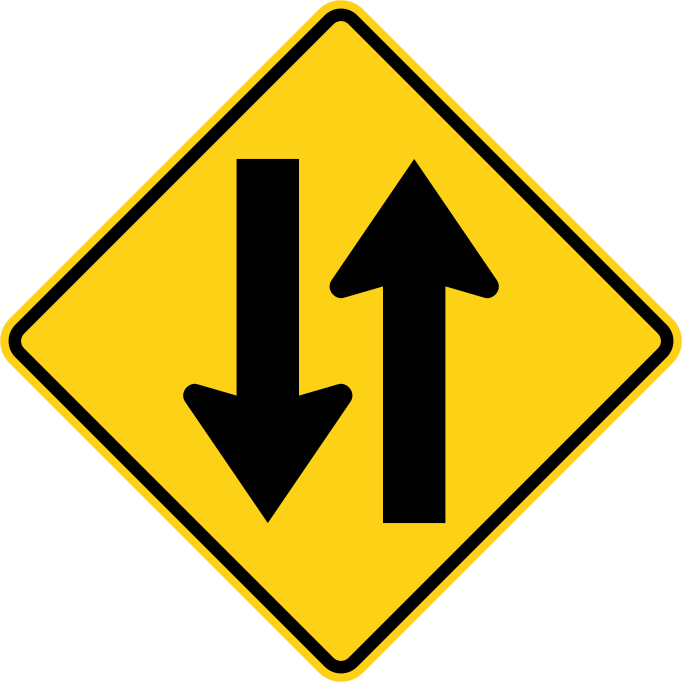
- Two-Way Traffic
- Hill / Steep Grade

- Bump

- Dip

- Pavement Ends

- Soft Shoulder

- Slippery When Wet

- Loose Gravel

- Rough Road

- Low Shoulder

- Uneven Lanes

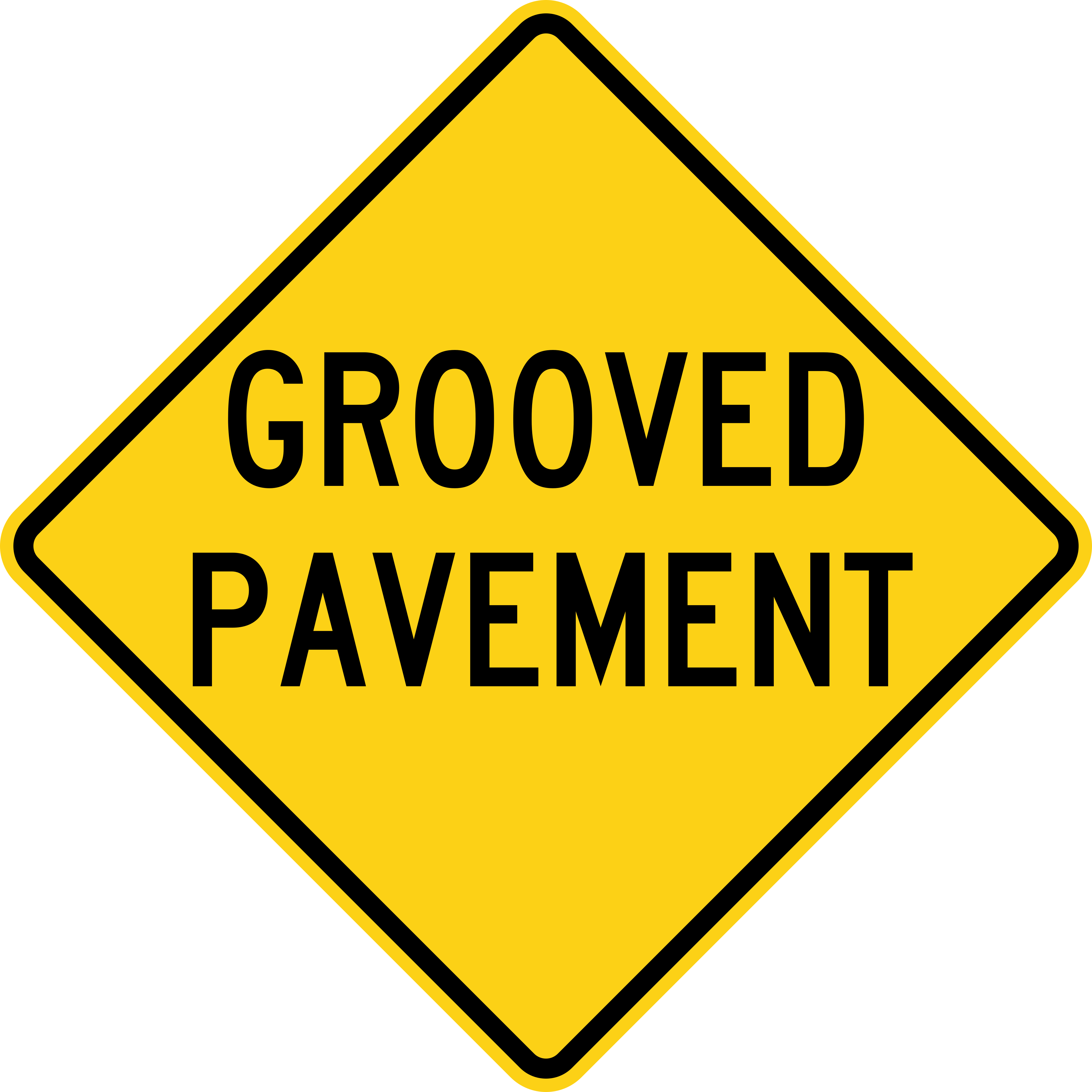
- Grooved Pavement
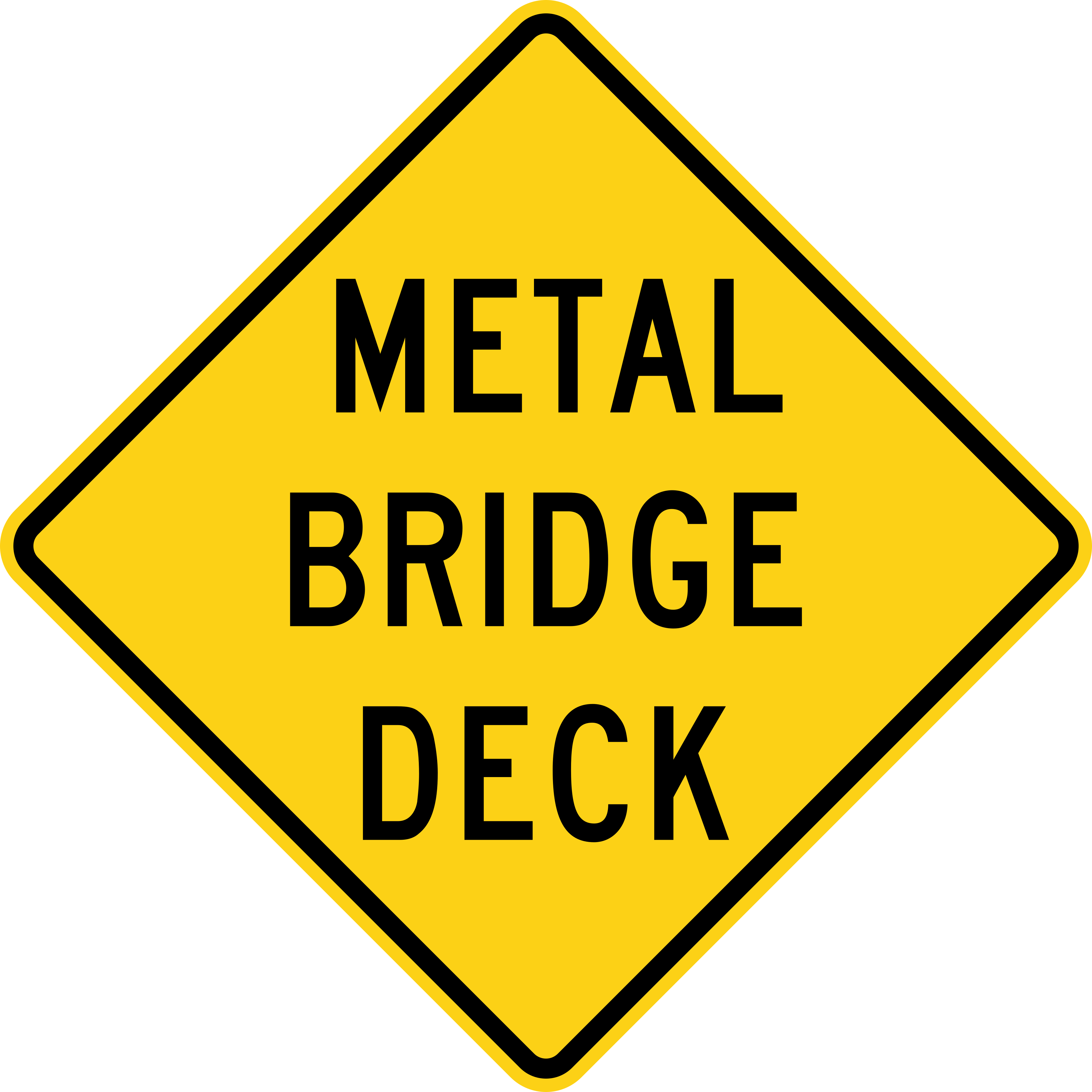
- Metal Bridge Deck
- Railroad Crossing Ahead

- Bicycle Crossing

- Deer Crossing

- Cattle Crossing

- Farm Machinery

- Snowmobile Crossing

- Equestrian Crossing

- Persons with Disabilities

- Golf Cart Crossing

- Horse-Drawn Vehicle Crossing

- Low Clearance

- Advisory Speed

- Dead End

- No Outlet

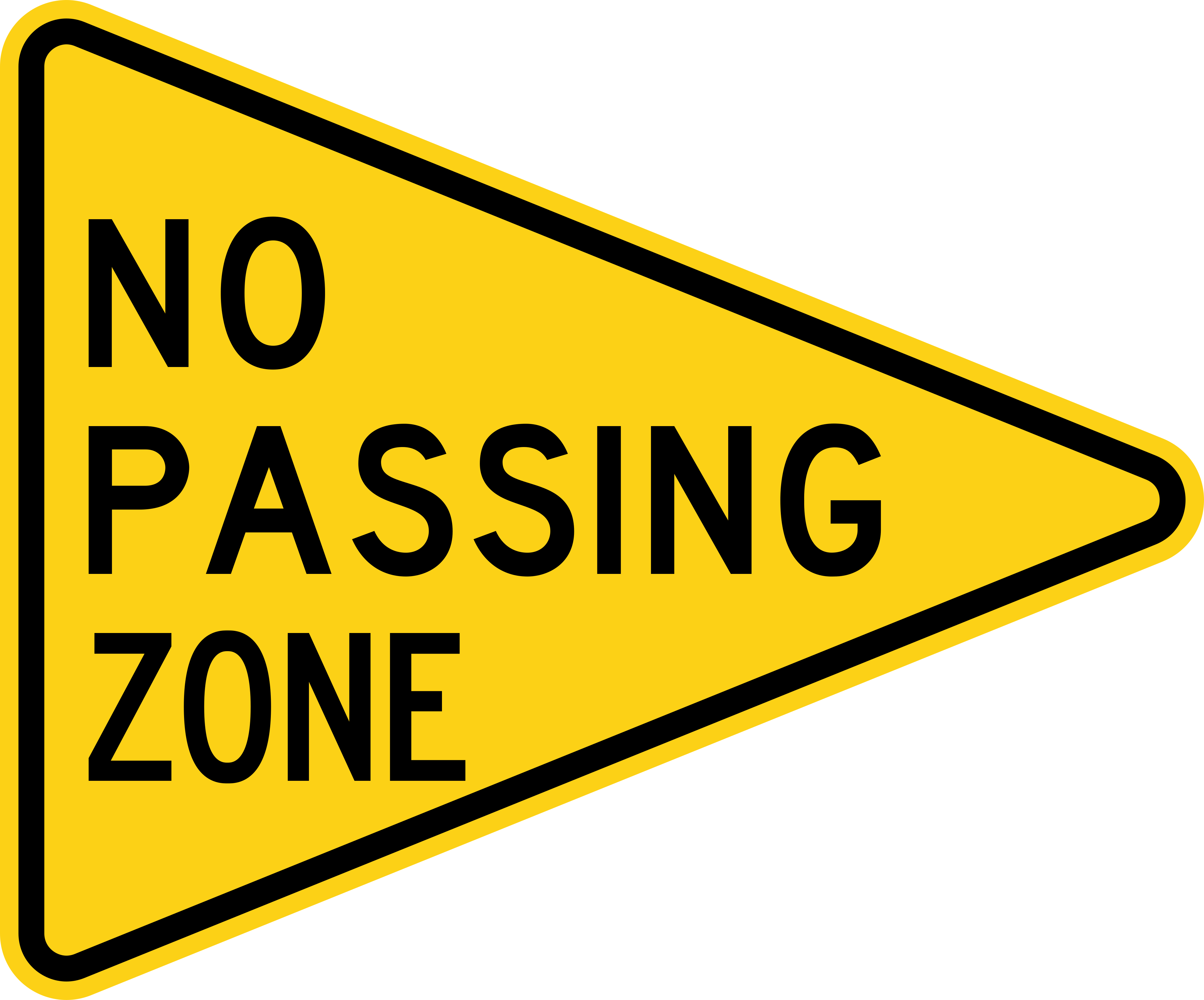
- No Passing Zone
- Playground

- Speed Hump

- School

- Truck Rollover

- Bridge Ices Before Road

- Road May Flood

- Runaway Truck Ramp
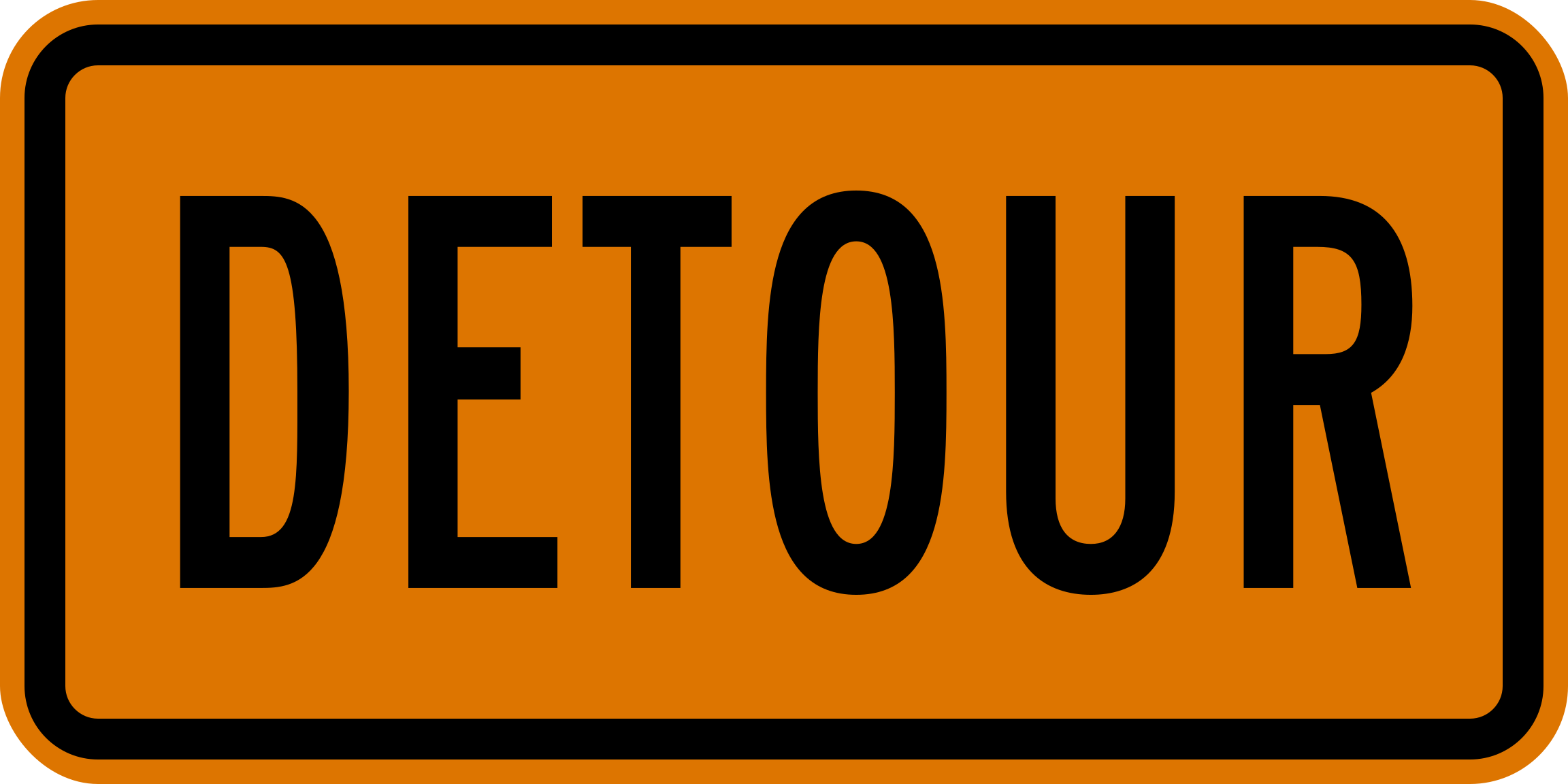
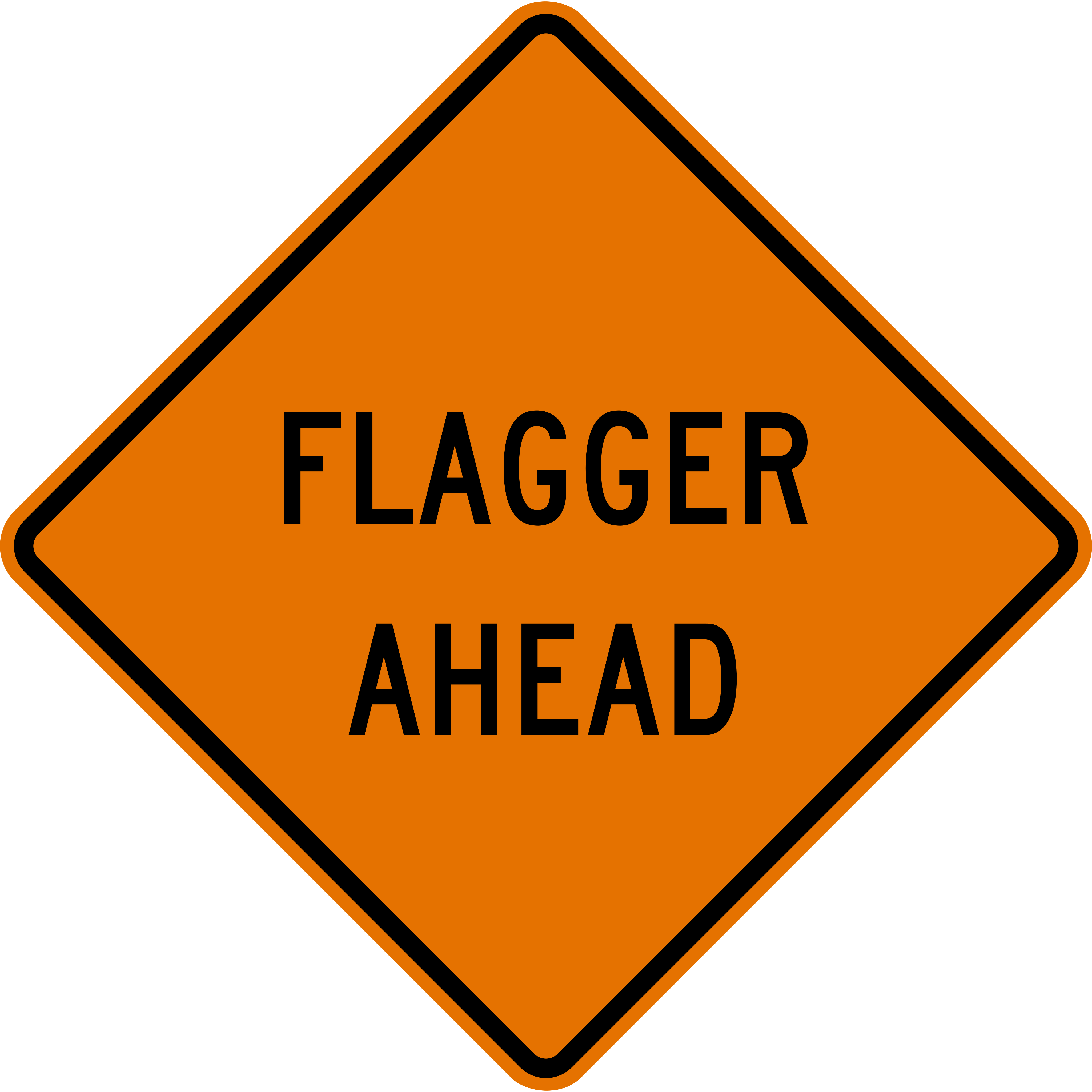
Construction & work-zone signs


Guide signs


Service & information signs



Oregon road signs: frequently asked questions
Is there an official Oregon practice test, and does anything I do on it reach my record?
There is, and it does not. DMV directs anyone who is merely curious about how they would score toward its own practice test, which it says will not impact your driving record — the point being that the real examination can suspend the driving privileges of a licensed driver who fails it. The set on this page belongs to the same category as DMV's practice test rather than to the examination: it is a third-party study aid, scored for your benefit alone, submitted to nobody, and written against the manual DMV publishes so that you can check any answer at its source.
How many attempts at the Oregon knowledge test do I get, and does it matter where I take it?
It matters a great deal. Online, the manual states you may test two times in a twenty-four-hour period and four times in total; after four attempts you must test at a DMV office. In an office the rule is looser — if you fail, you may test again the same day, depending on that office's testing resource availability. The office version is also a different piece of equipment: the manual says knowledge tests there are given on a touch-screen monitor, and that you may bring your own earbuds or headphones for it.
What does Oregon count as cheating on a knowledge test?
The manual lists it explicitly: talking, writing or note taking, cell phone use, operation of any electronic device, or allowing someone else to take a test for you. The penalty is not a warning. "If it is determined that you are cheating, you will fail your test. You will not be allowed to test again for 90 days." Separately, you cannot use a DMV manual, an electronic device or any notes during the test, although with permission you may bring a paper foreign-language translation dictionary.
What do I need in order to sit Oregon's knowledge test online?
A desktop or a laptop, fitted with a keyboard, a mouse and a working webcam — the manual is explicit that a touchscreen device such as a phone or tablet cannot be used. The webcam takes a photo of you at the start and random photos during the test to confirm your identity, and DMV requires testers and proctors to provide a valid Social Security number to register. An applicant under eighteen must be supervised by a proctor over twenty-one, and a proctor may supervise only two tests in a twenty-four-hour period.
The citations here give page numbers. Will they match the copy of the manual I have?
They match the 2026–2027 edition of the Oregon Driver Manual, which is the edition linked below and the one these questions were written against. Oregon reissues the manual periodically, and a page number is the first thing an edition change moves — a heading tends to survive a reprint, a page number rarely does. If your copy disagrees, trust the subsection name in the citation over the number and search for that heading. The material itself changes far more slowly than its pagination.
Official sources
Checked against official state sources on 2026-07-29.