Indiana Road Signs and Their Meanings
The Indiana Bureau of Motor Vehicles (BMV) does not publish a total question count for its knowledge exam — not an approximate one, not a range, nothing. What it does confirm is the exam's structure: two components, one on traffic laws and maneuvers, one on signs, each requiring 80% correct independently. What's public is the rule, not the arithmetic behind it.
The sign component is graded entirely on its own: 80% correct on signs, independent of the score on the traffic-law component. A candidate who scores well above 80% on traffic laws but drops below 80% on signs still fails, because Indiana doesn't let a strong component cover for a weak one. Without a published count, the only reliable way to prepare is to be confident across the whole range of signs Indiana actually tests — not to bank on a fixed, memorizable list of exactly how many will appear.
Chapter 6 of the Indiana Driver's Manual, published by the Indiana BMV, is the source for nearly every question in this bank — each one names the exact chapter and part it's drawn from, including the rare exception that cites Chapter 7 instead. That citation trail matters more here than elsewhere, since the BMV itself won't say how many exam questions are actually about signs.
A candidate preparing for a state with a published sign-question count can rationally stop once that number of signs is covered. Indiana doesn't give you that option: with no published count for either exam component, the safer target here is broad coverage of the manual's sign chapter rather than a narrow guess at what might show up. Every question in this bank includes an explanation of the correct answer, not just a letter, and working through the complete set builds the kind of general confidence that a fixed-length cram list can't — confidence that matters more in a state that won't say how many sign questions are actually coming.
16 published Indiana road-sign questions, each with an explanation and a citation to the handbook section it came from.
Content reviewed against official driver handbooks · August 12, 2026
Every sign you can be tested on in Indiana
Regulatory signs
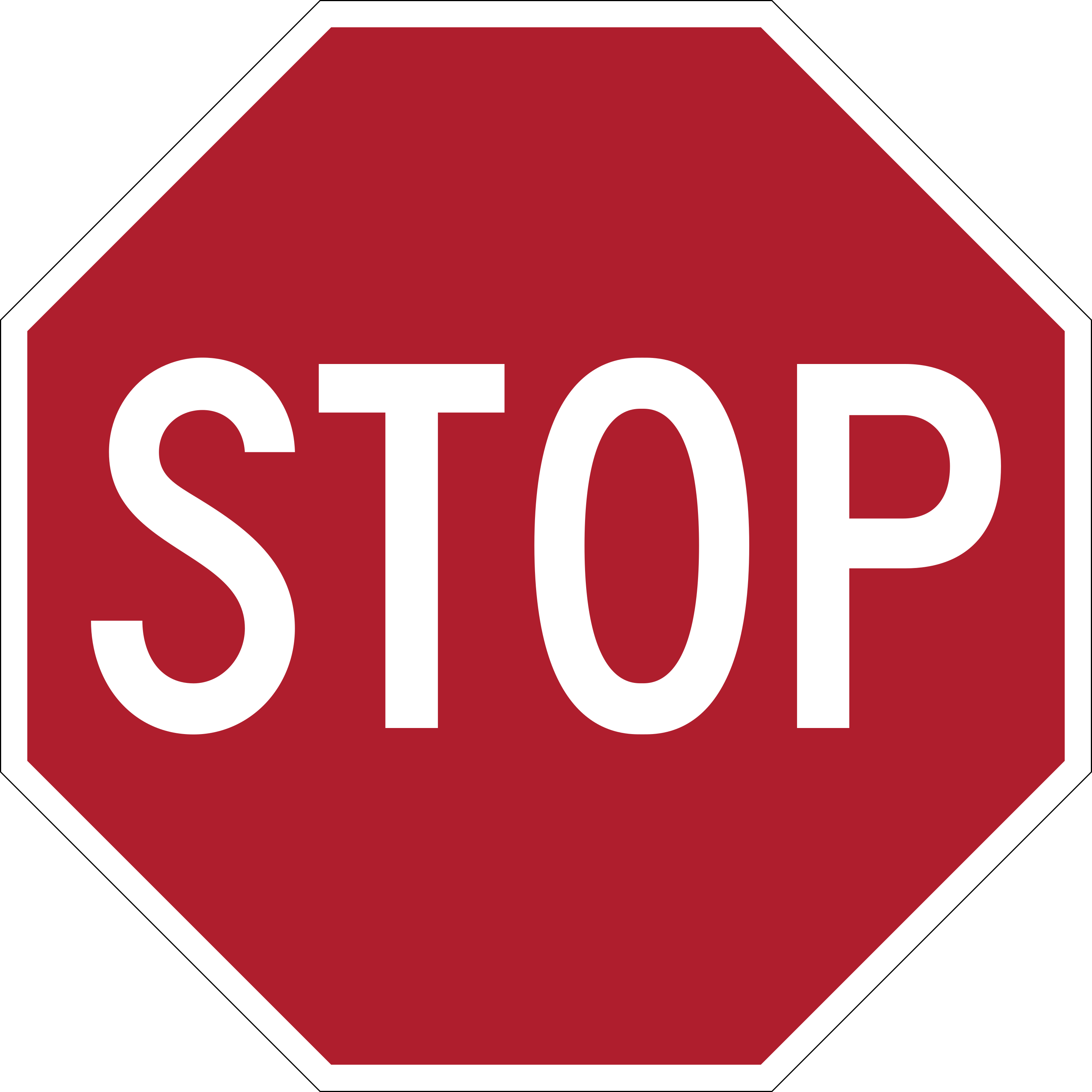
- Stop
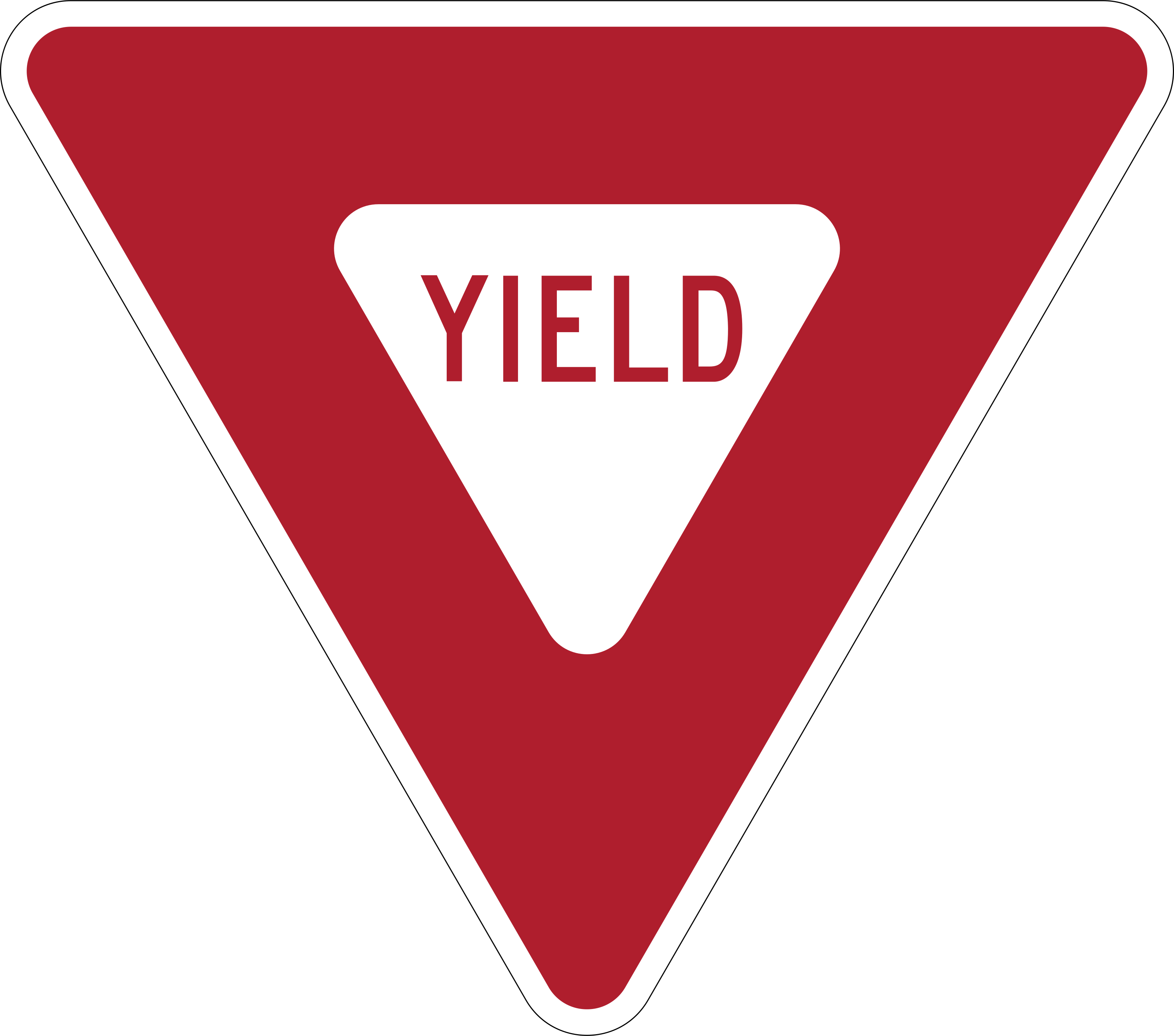
- Yield
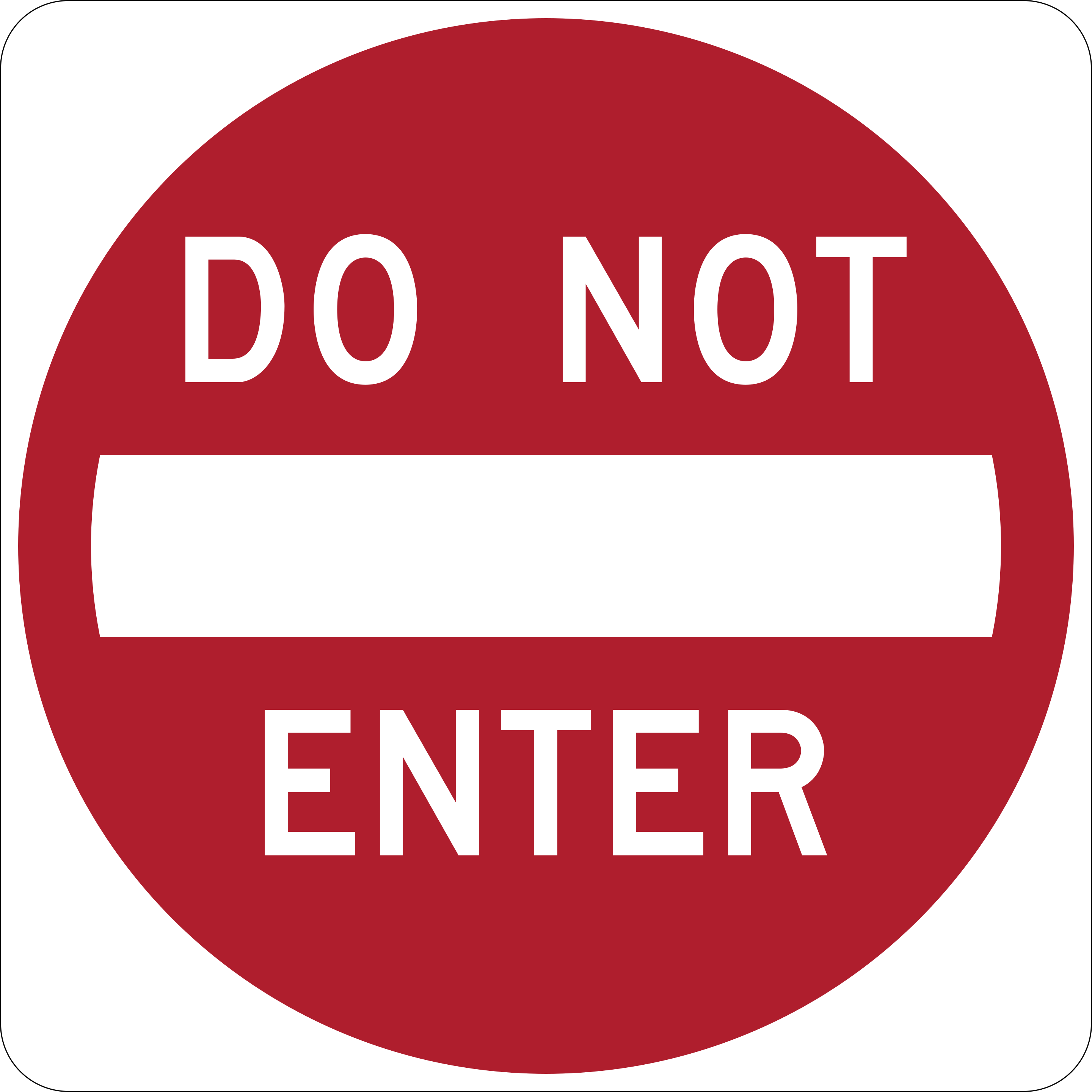
- Do Not Enter
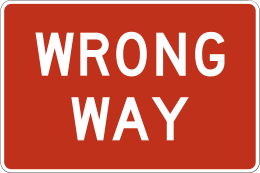
- Wrong Way
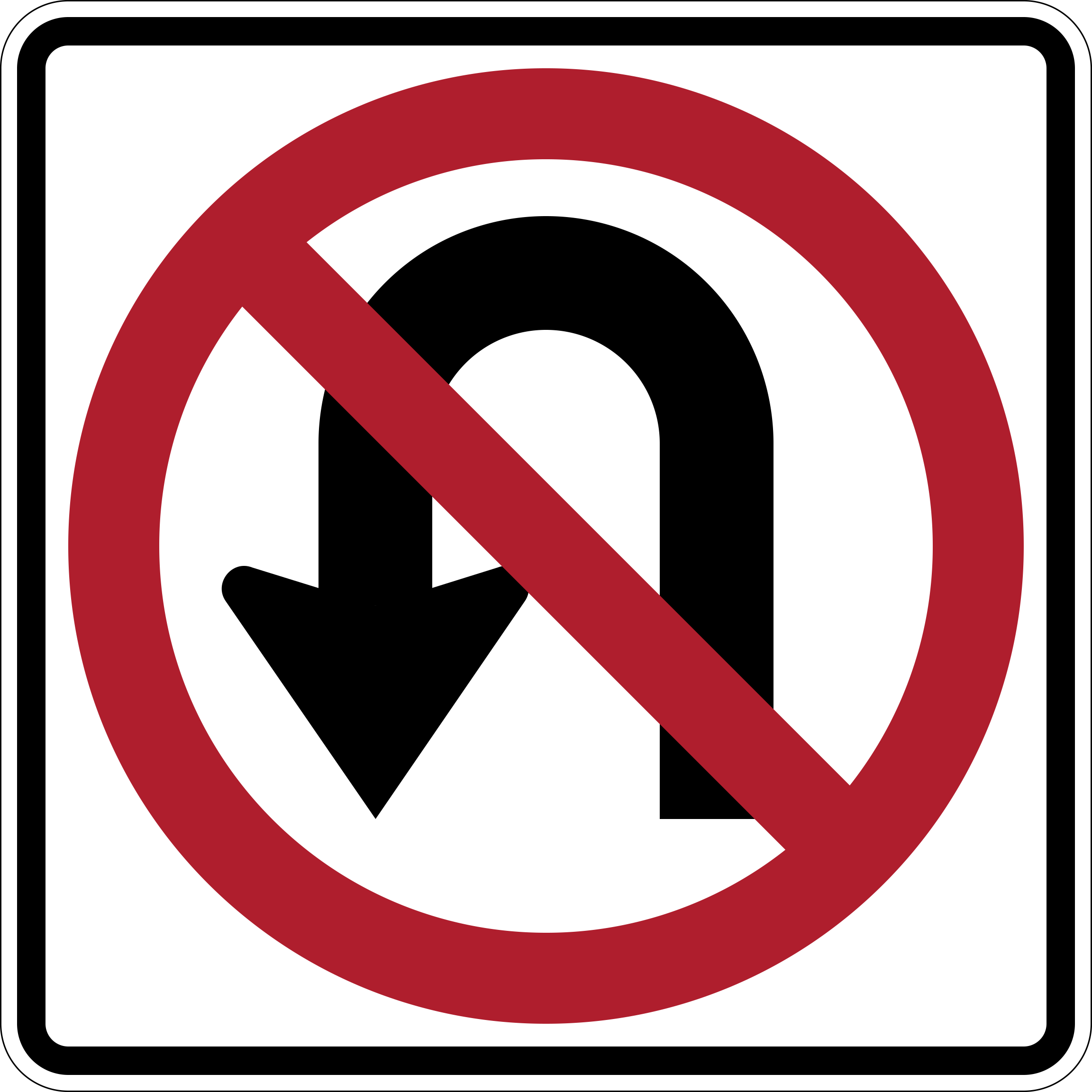
- No U-Turn
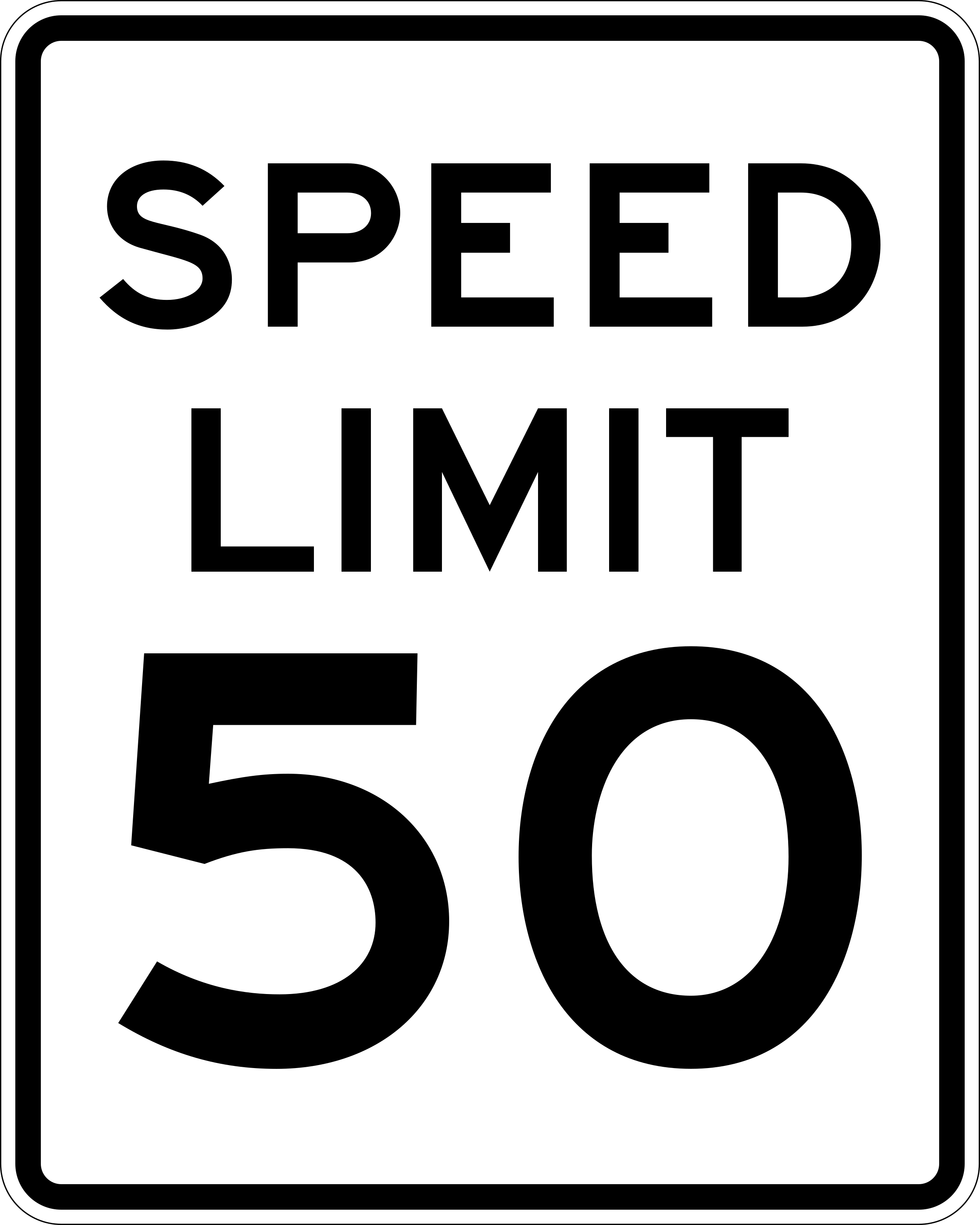
- Speed Limit
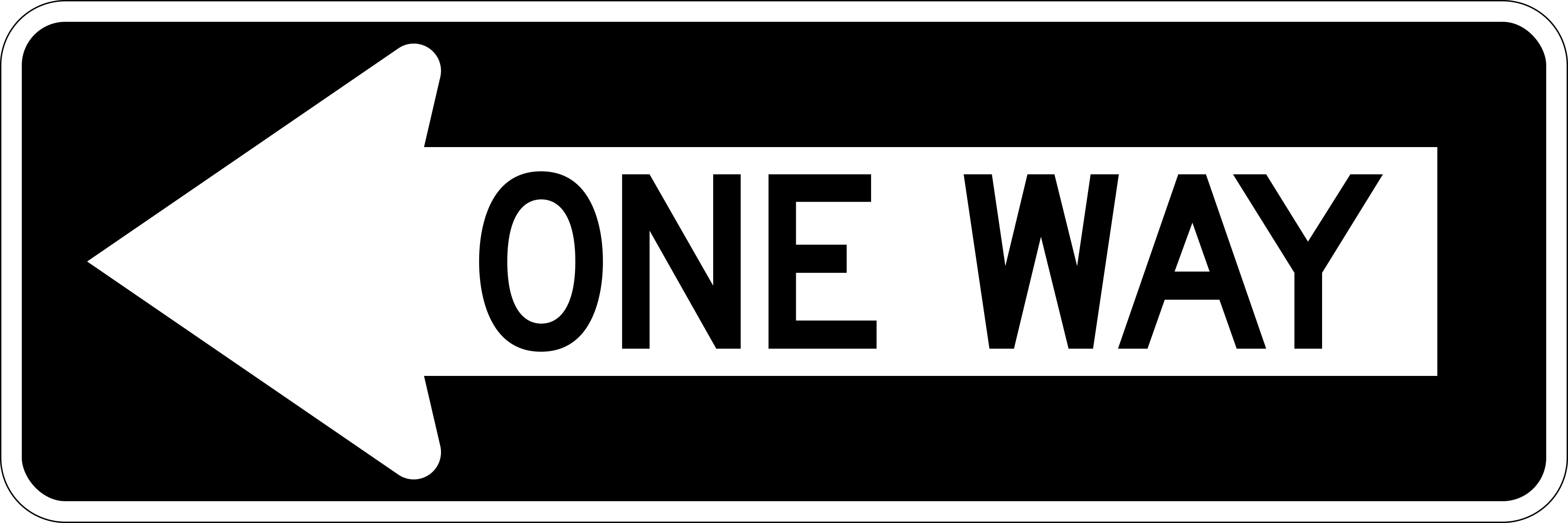
- One Way
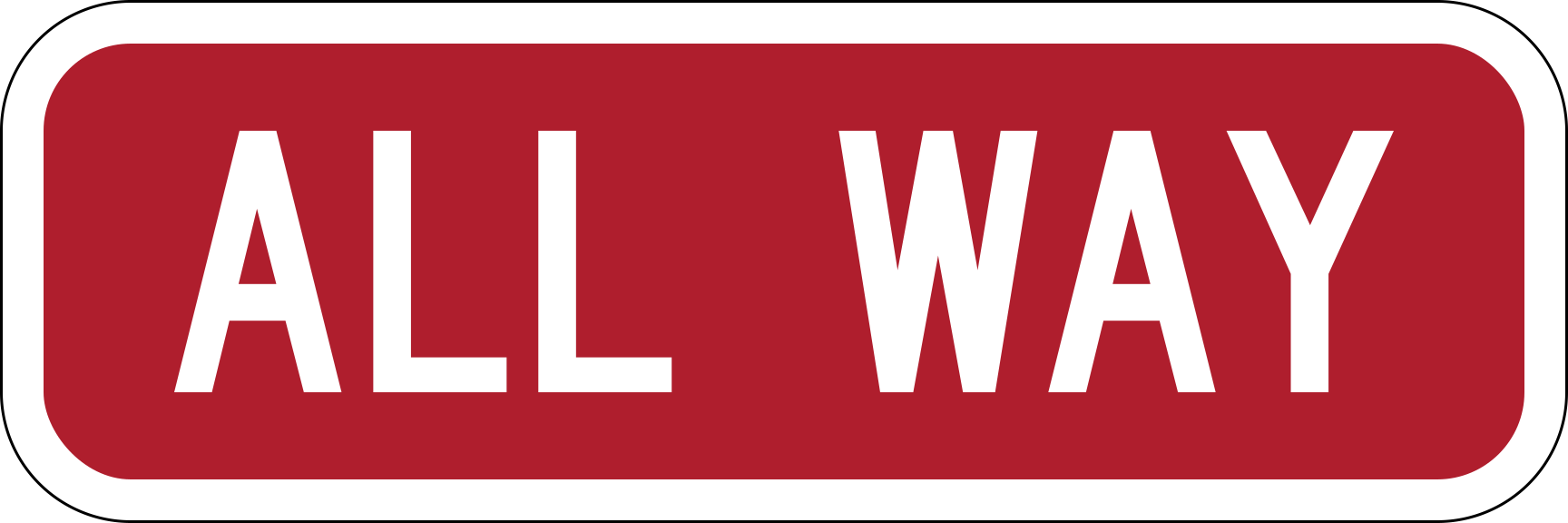
- All Way
- State Law: Yield to Pedestrians
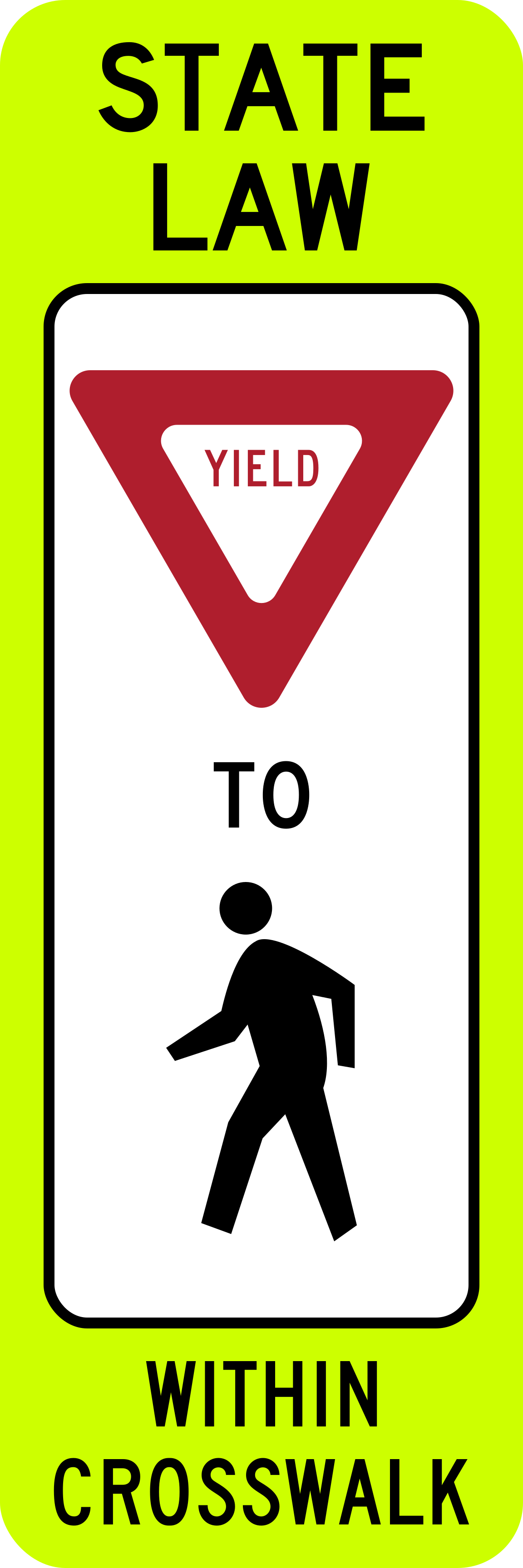
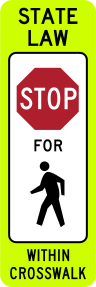
- State Law: Stop for Pedestrians
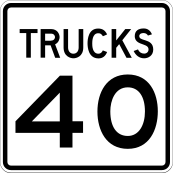
- Truck Speed Limit
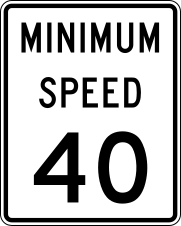
- Minimum Speed Limit
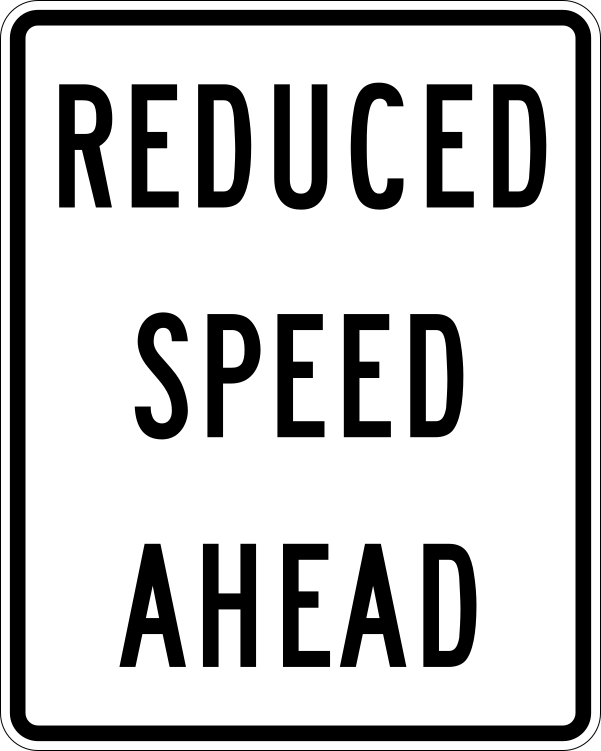
- Reduced Speed Limit Ahead
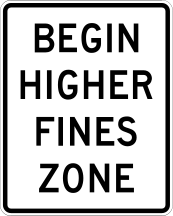
- Begin Higher Fines Zone
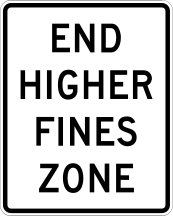
- End Higher Fines Zone
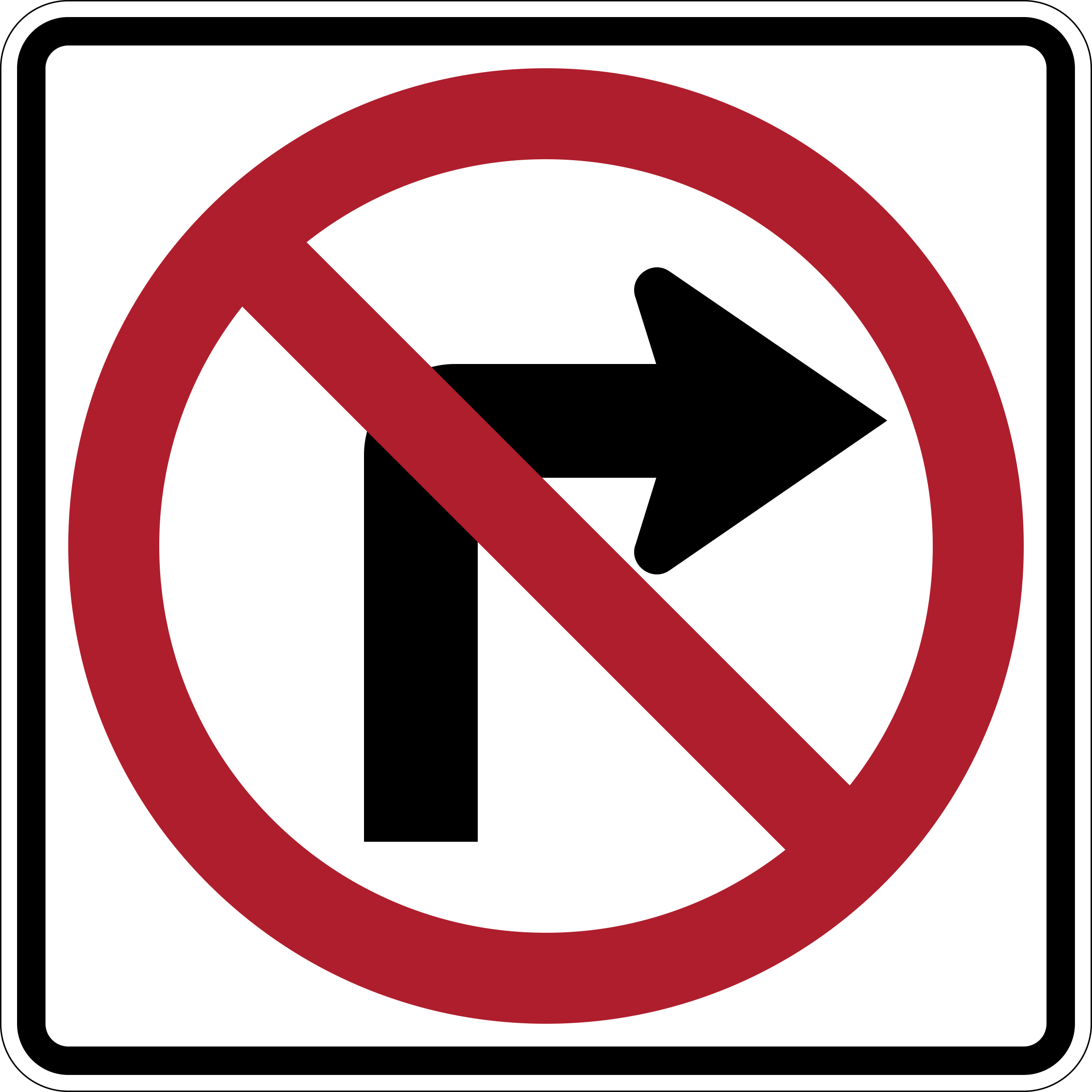
- No Right Turn
- No Left Turn
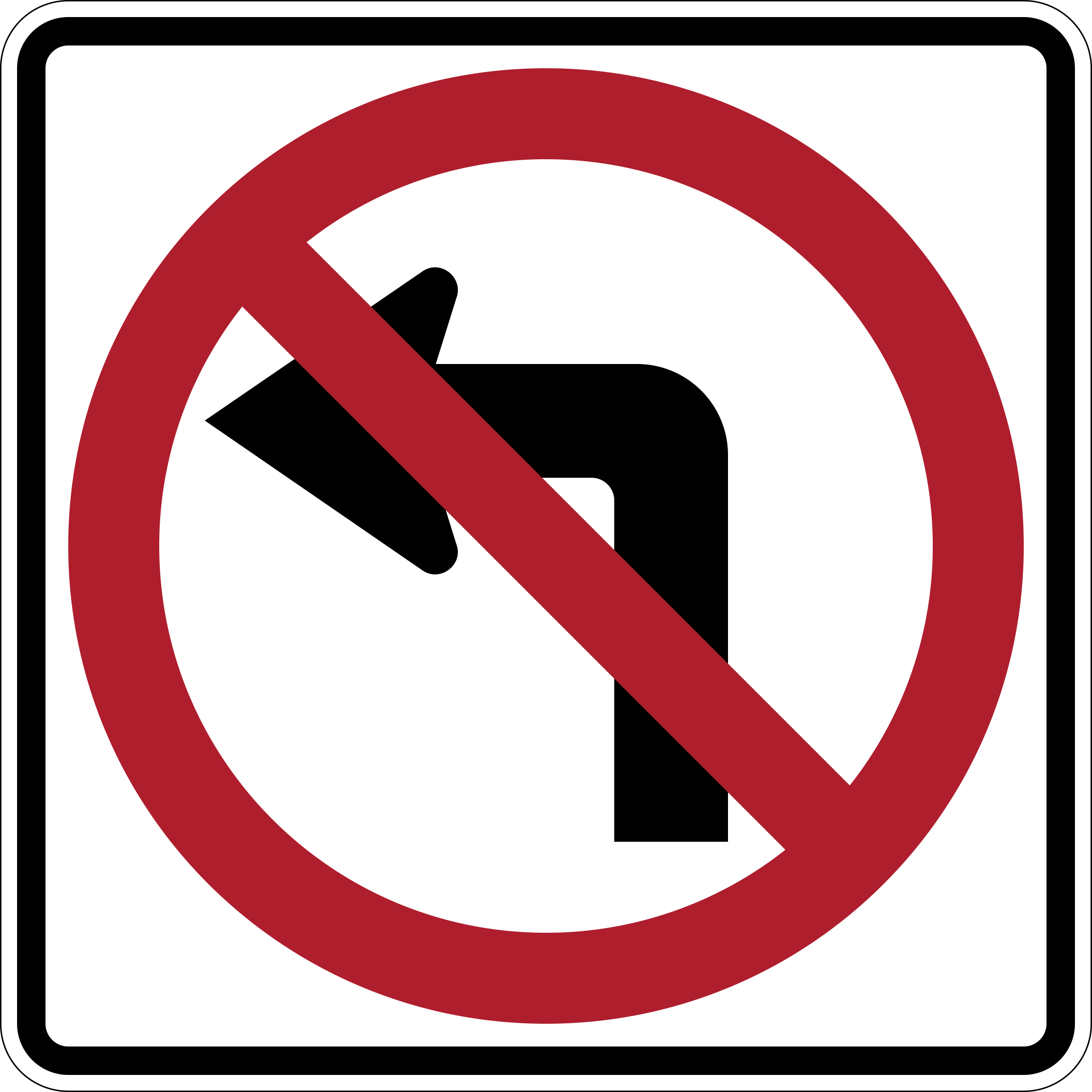
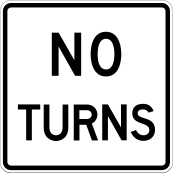
- No Turns
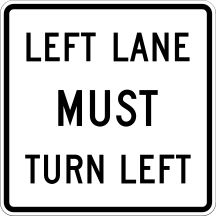
- Left Lane Must Turn Left
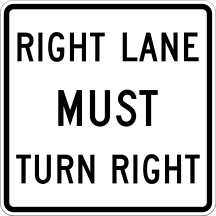
- Right Lane Must Turn Right
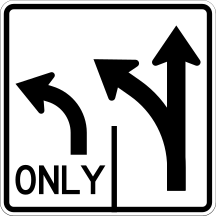
- Intersection Lane Control
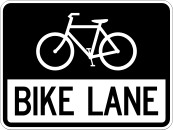
- Bike Lane
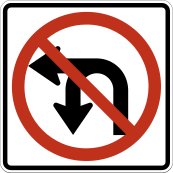
- No Left or U-Turn
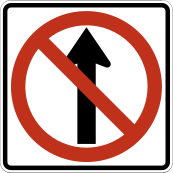
- No Straight Through
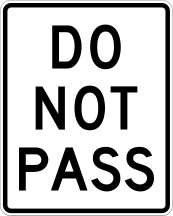
- Do Not Pass
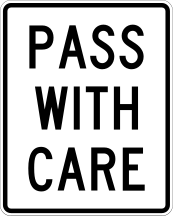
- Pass With Care
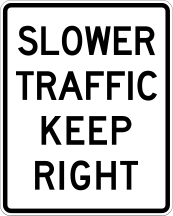
- Slower Traffic Keep Right
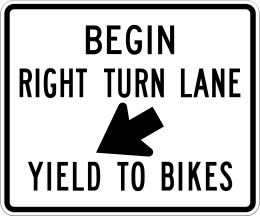
- Begin Right Turn Lane — Yield to Bikes
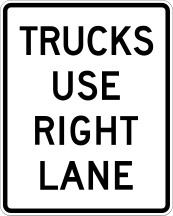
- Trucks Use Right Lane
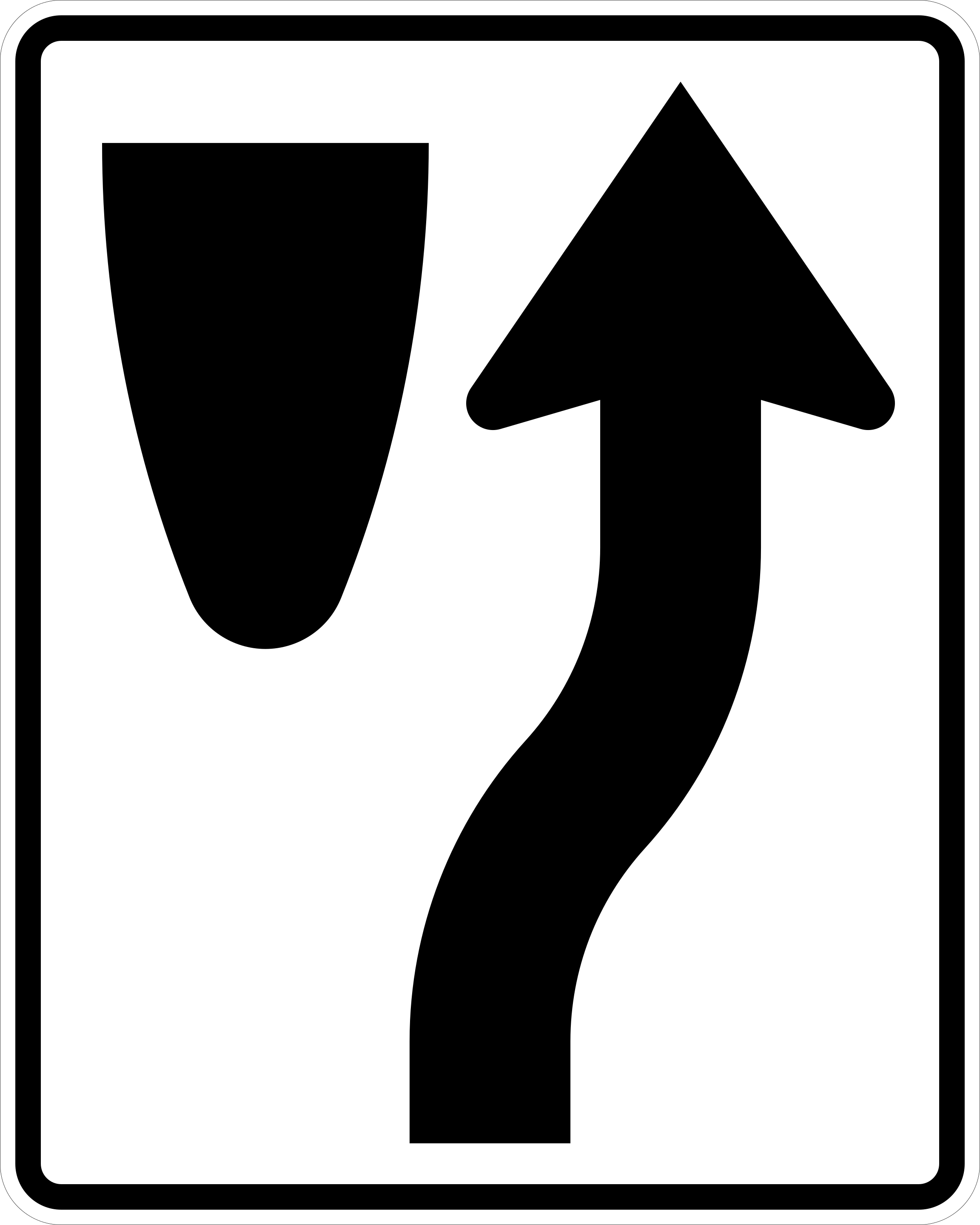
- Keep Right
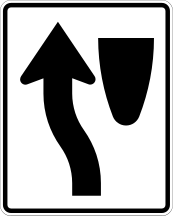
- Keep Left
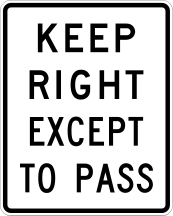
- Keep Right Except to Pass
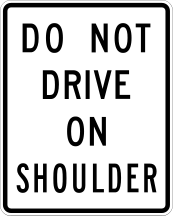
- Do Not Drive on Shoulder
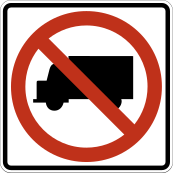
- No Trucks
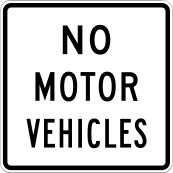
- No Motor Vehicles
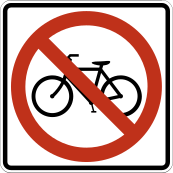
- No Bicycles
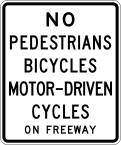
- No Pedestrians, Bicycles, or Motor-Driven Cycles
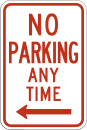
- No Parking Any Time
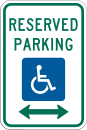
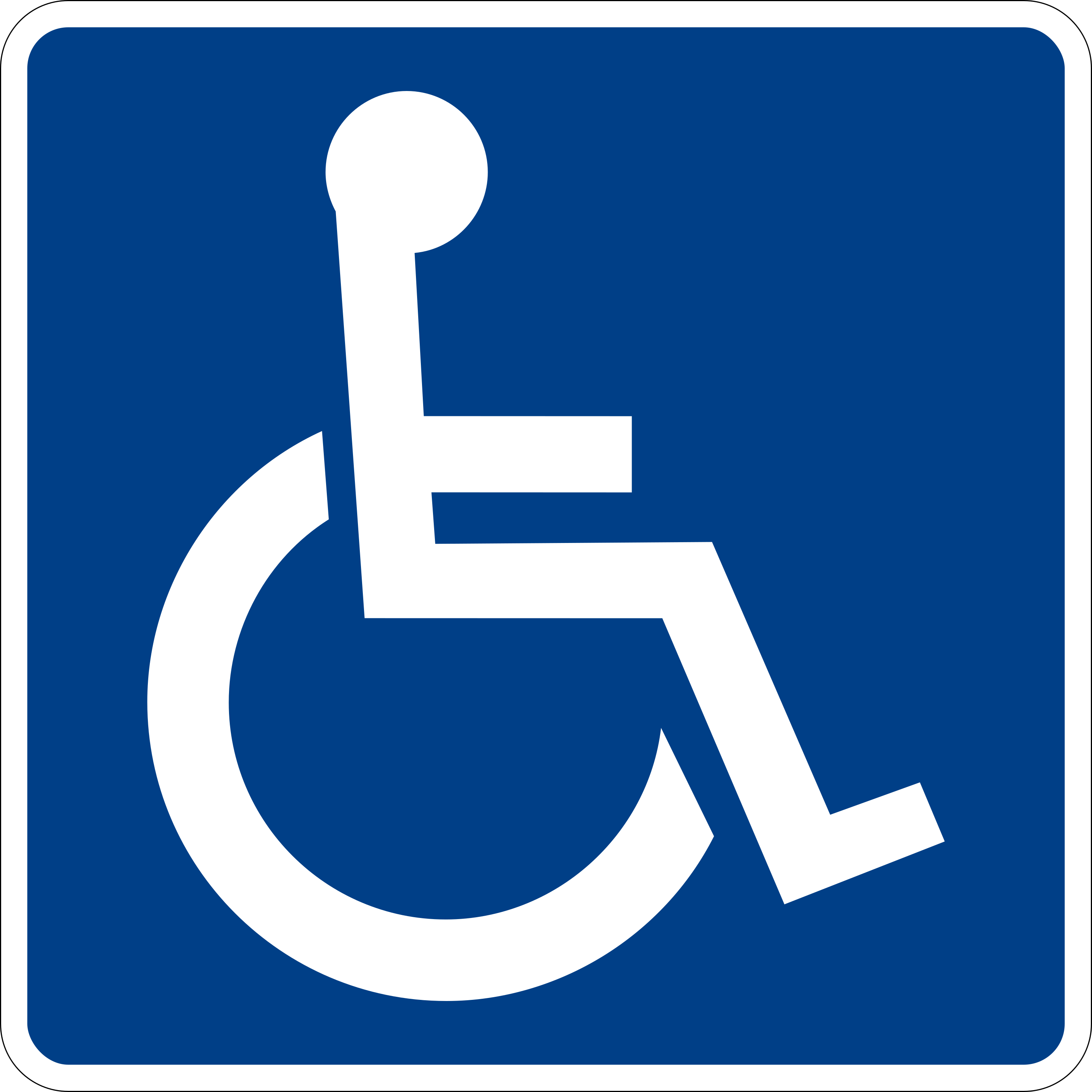
- Accessible Parking
- No Parking Bus Stop

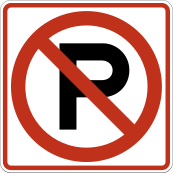
- No Parking
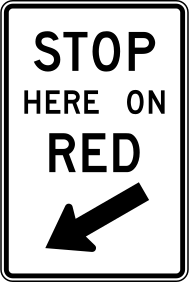
- Stop Here on Red
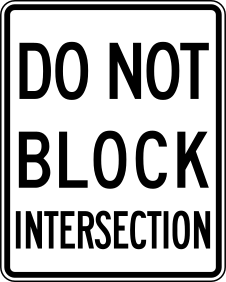
- Do Not Block Intersection
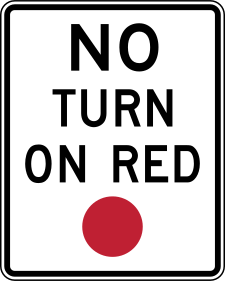
- No Turn on Red
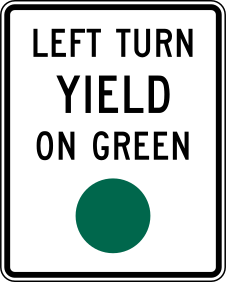
- Left Turn Yield on Green
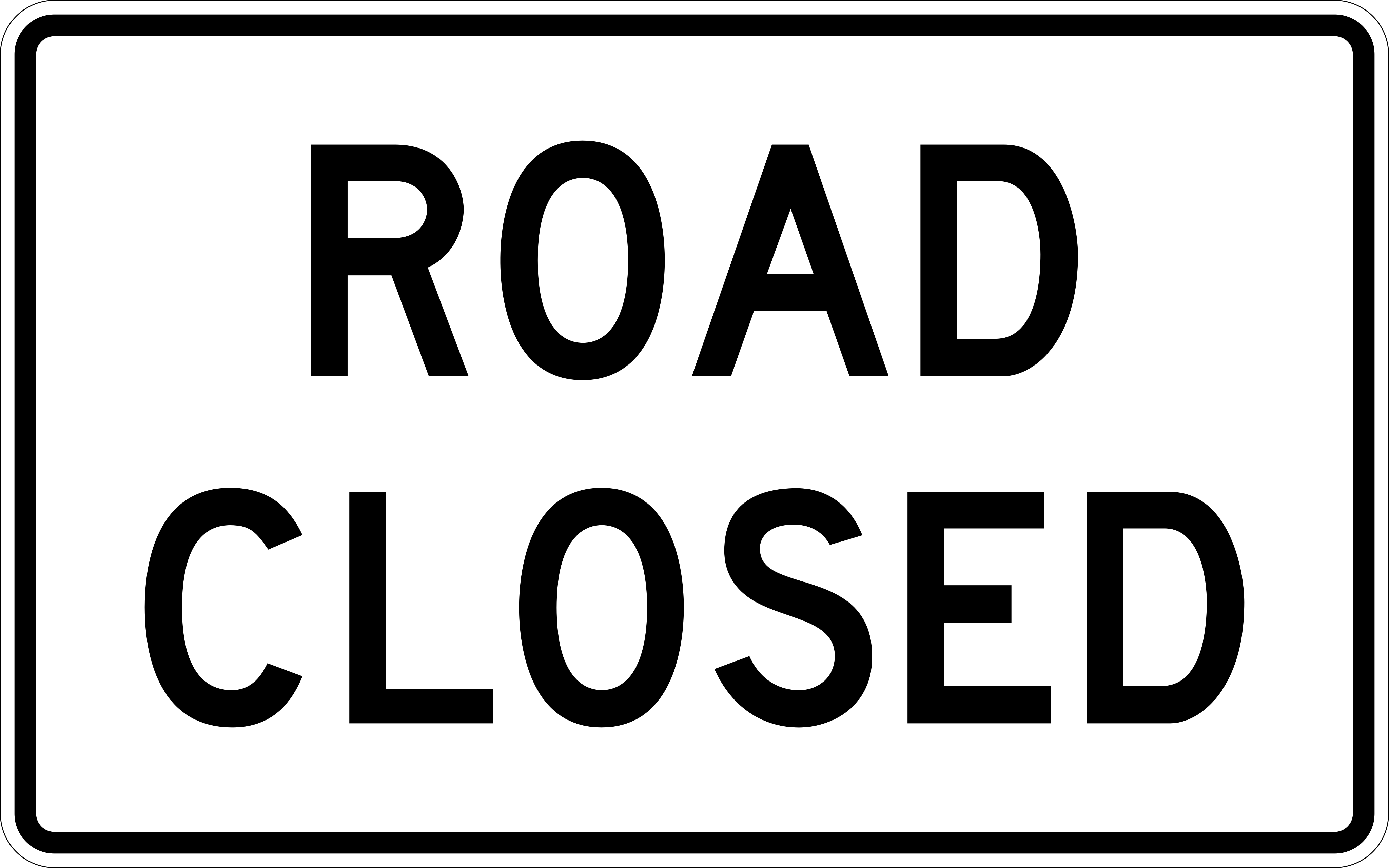
- Road Closed
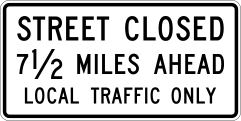
- Road Closed — Local Traffic Only
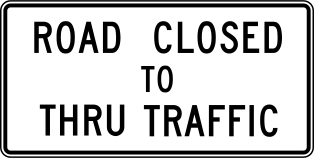
- Road Closed to Thru Traffic
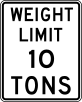
- Weight Limit
- No Hazardous Materials

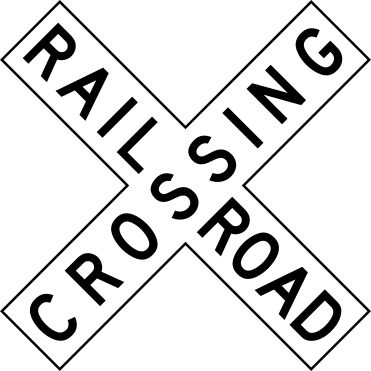
- Railroad Crossing (Crossbuck)
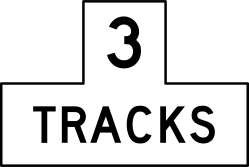
- Number of Tracks
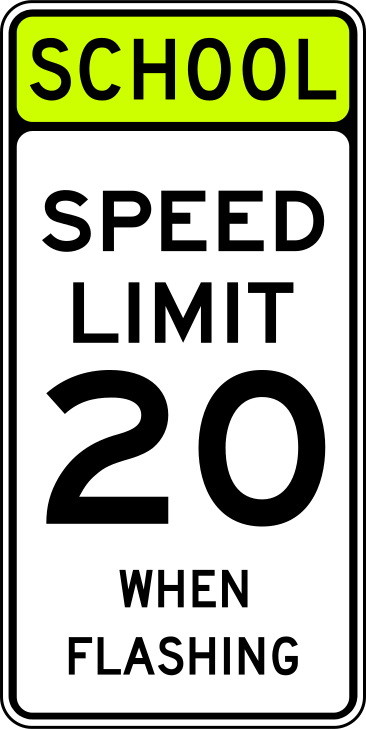
- School Speed Limit When Flashing
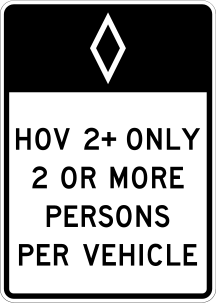
- HOV Lane
- Exempt

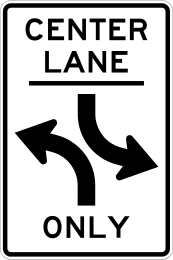
- Two-Way Left Turn Only
Warning signs
- Turn Ahead

- Stop Ahead

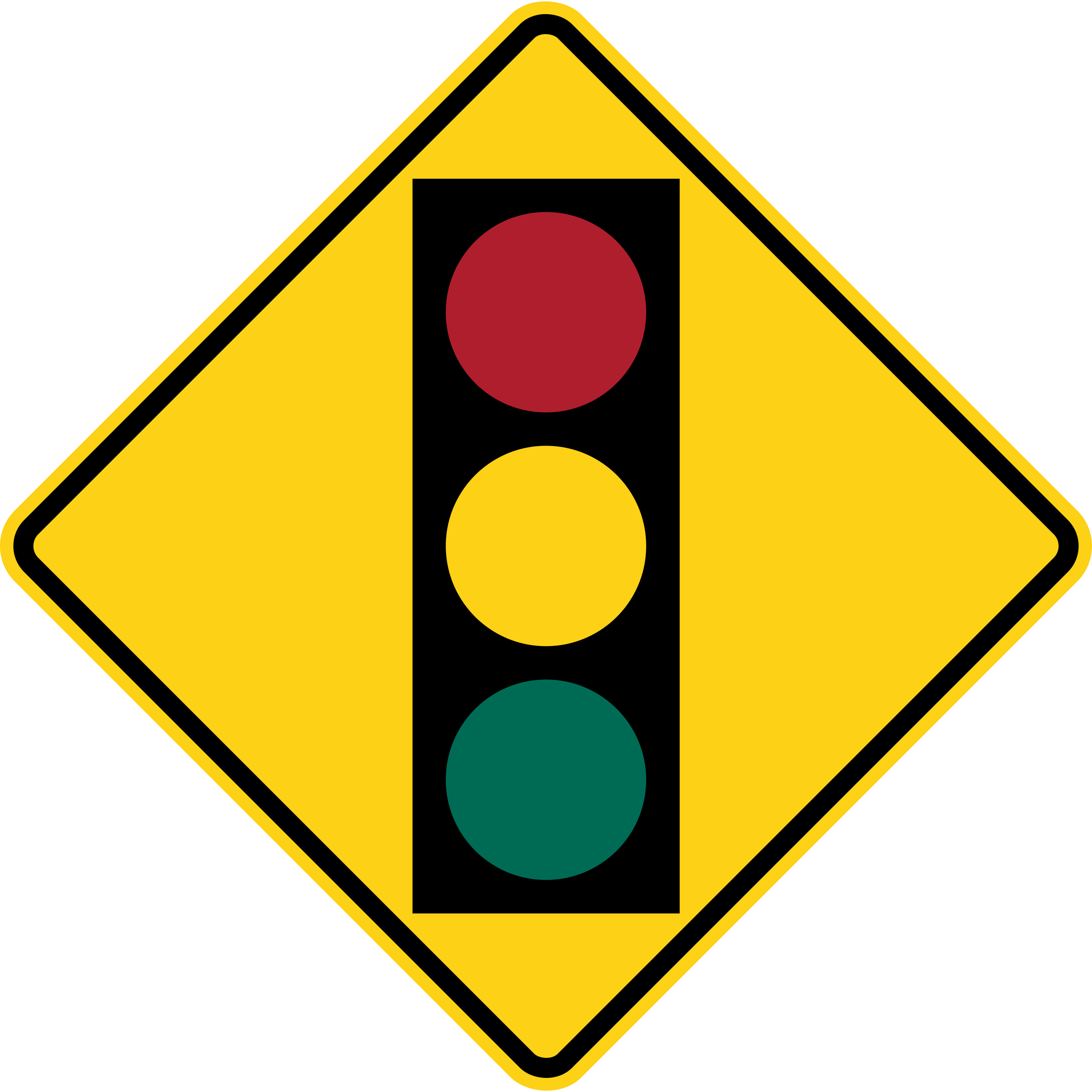
- Signal Ahead
- Pedestrian Crossing

- Curve

- Reverse Turn

- Reverse Curve

- Winding Road

- One-Direction Large Arrow

- Two-Direction Large Arrow

- Chevron Alignment

- Hairpin Curve

- Cross Road

- Side Road

- Roundabout Ahead

- Yield Ahead

- Be Prepared to Stop

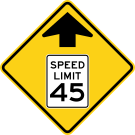
- Reduced Speed Limit Ahead
- Merging Traffic

- Lane Ends

- Added Lane

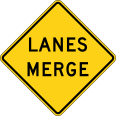
- Lanes Merge
- Road Narrows

- Narrow Bridge

- One Lane Bridge

- Ramp Narrows

- Divided Highway Begins

- Divided Highway Ends

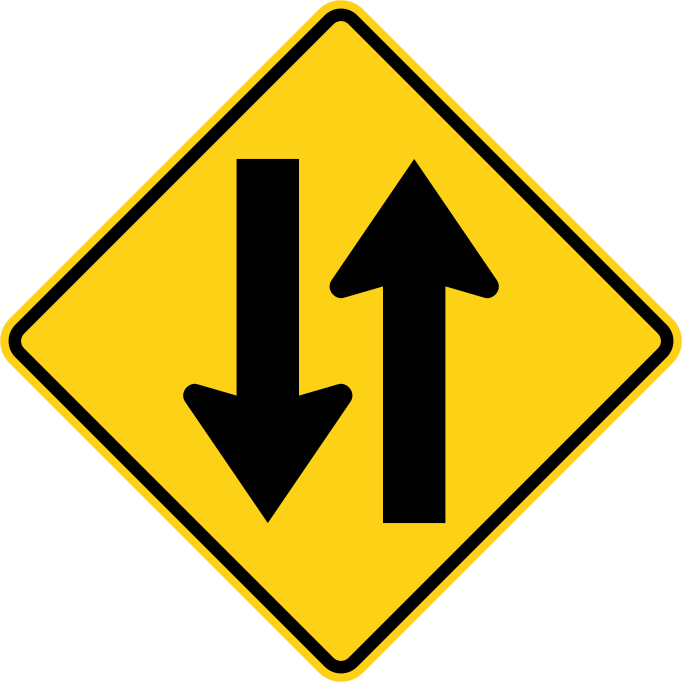
- Two-Way Traffic
- Hill / Steep Grade

- Bump

- Dip

- Pavement Ends

- Soft Shoulder

- Slippery When Wet

- Loose Gravel

- Rough Road

- Low Shoulder

- Uneven Lanes

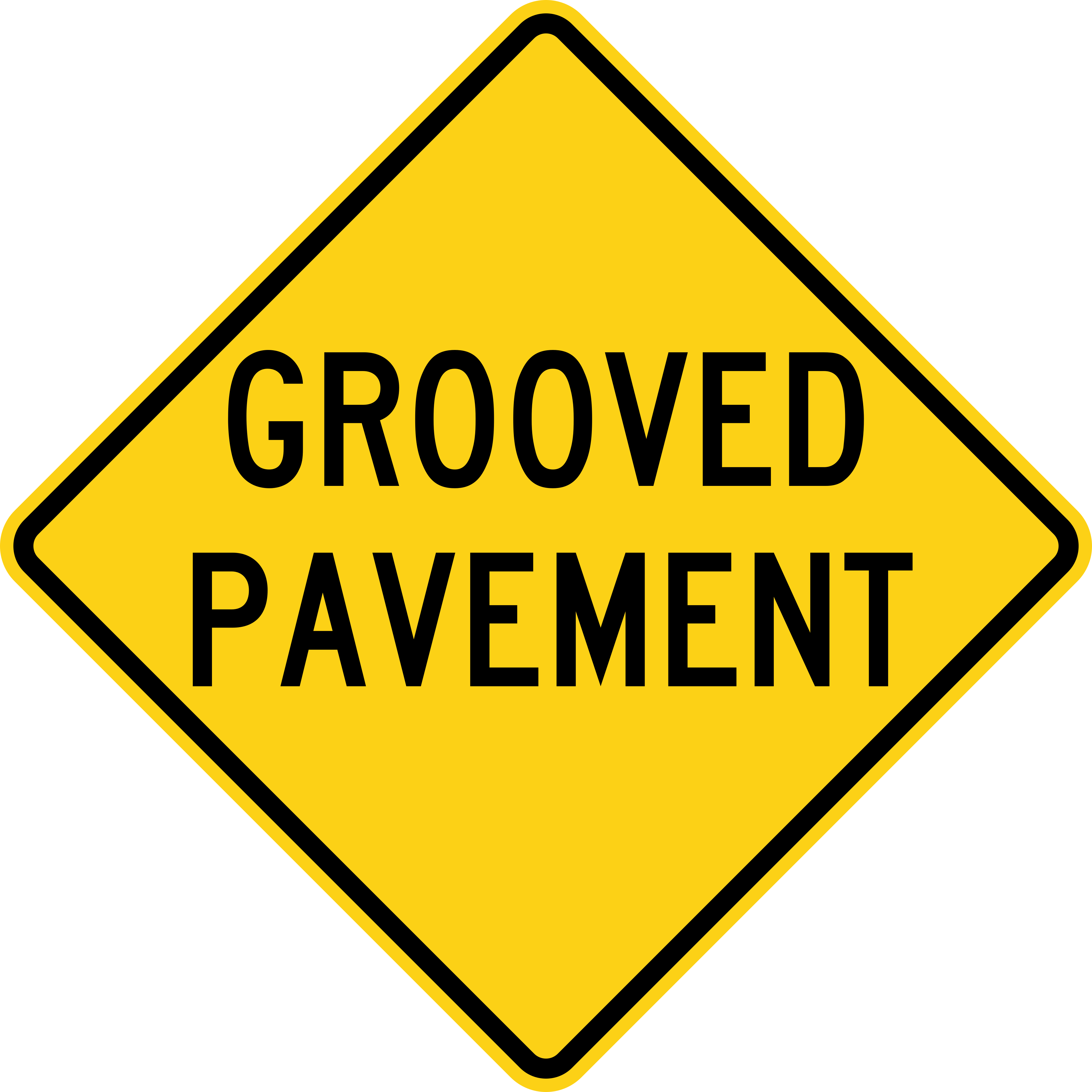
- Grooved Pavement
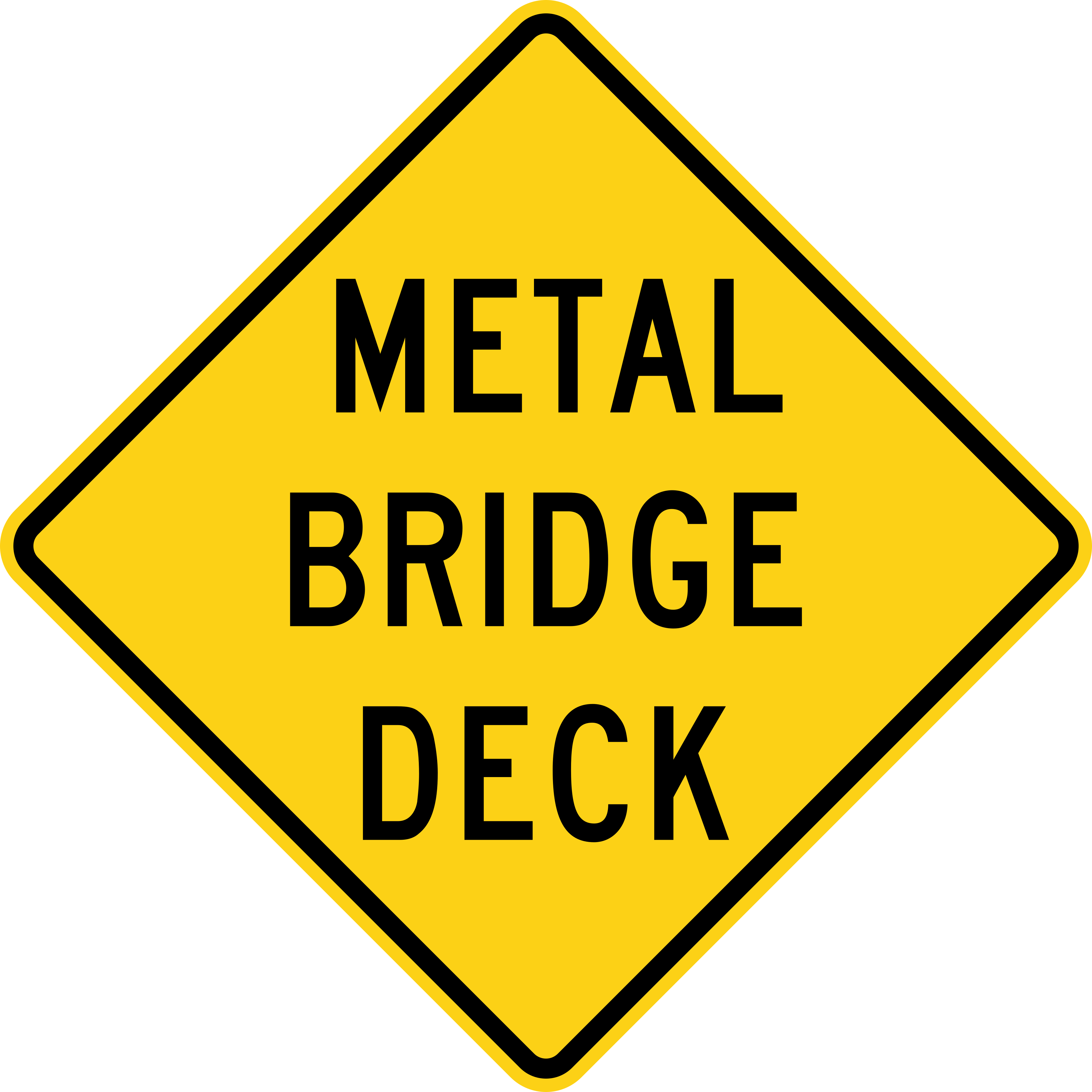
- Metal Bridge Deck
- Railroad Crossing Ahead

- Bicycle Crossing

- Deer Crossing

- Cattle Crossing

- Farm Machinery

- Snowmobile Crossing

- Equestrian Crossing

- Persons with Disabilities

- Golf Cart Crossing

- Horse-Drawn Vehicle Crossing

- Low Clearance

- Advisory Speed

- Dead End

- No Outlet

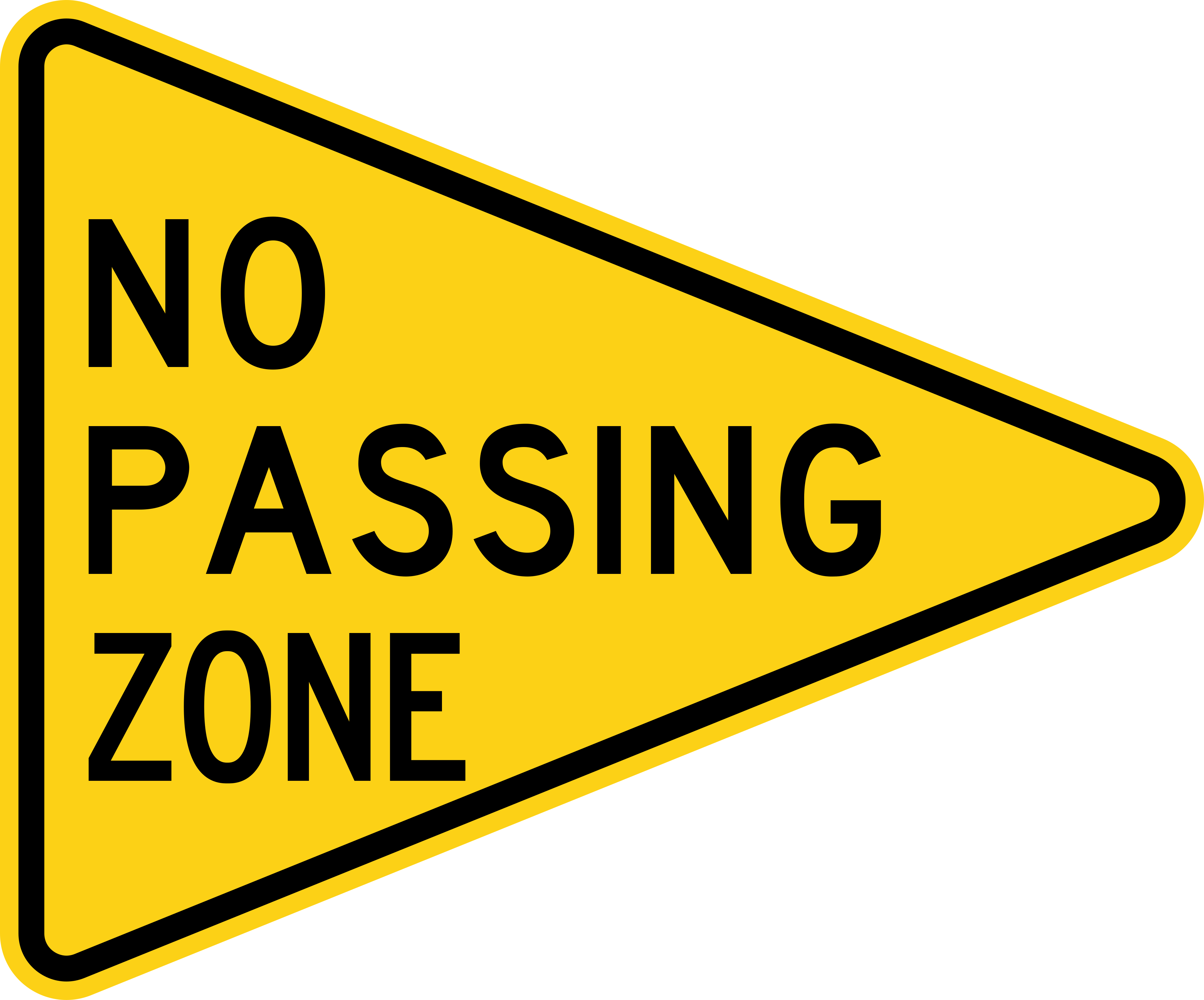
- No Passing Zone
- Playground

- Speed Hump

- School

- Truck Rollover

- Bridge Ices Before Road

- Road May Flood

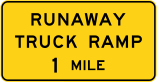
- Runaway Truck Ramp
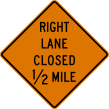
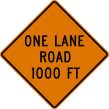
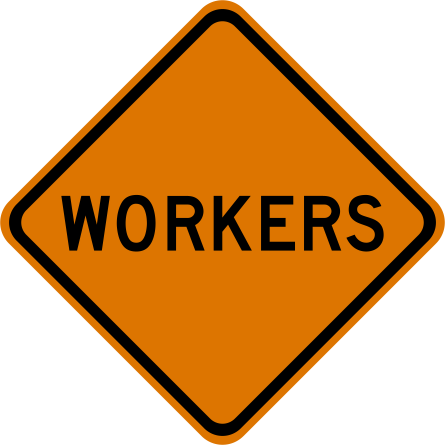
Construction & work-zone signs


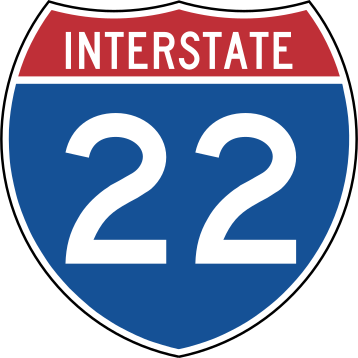
Guide signs
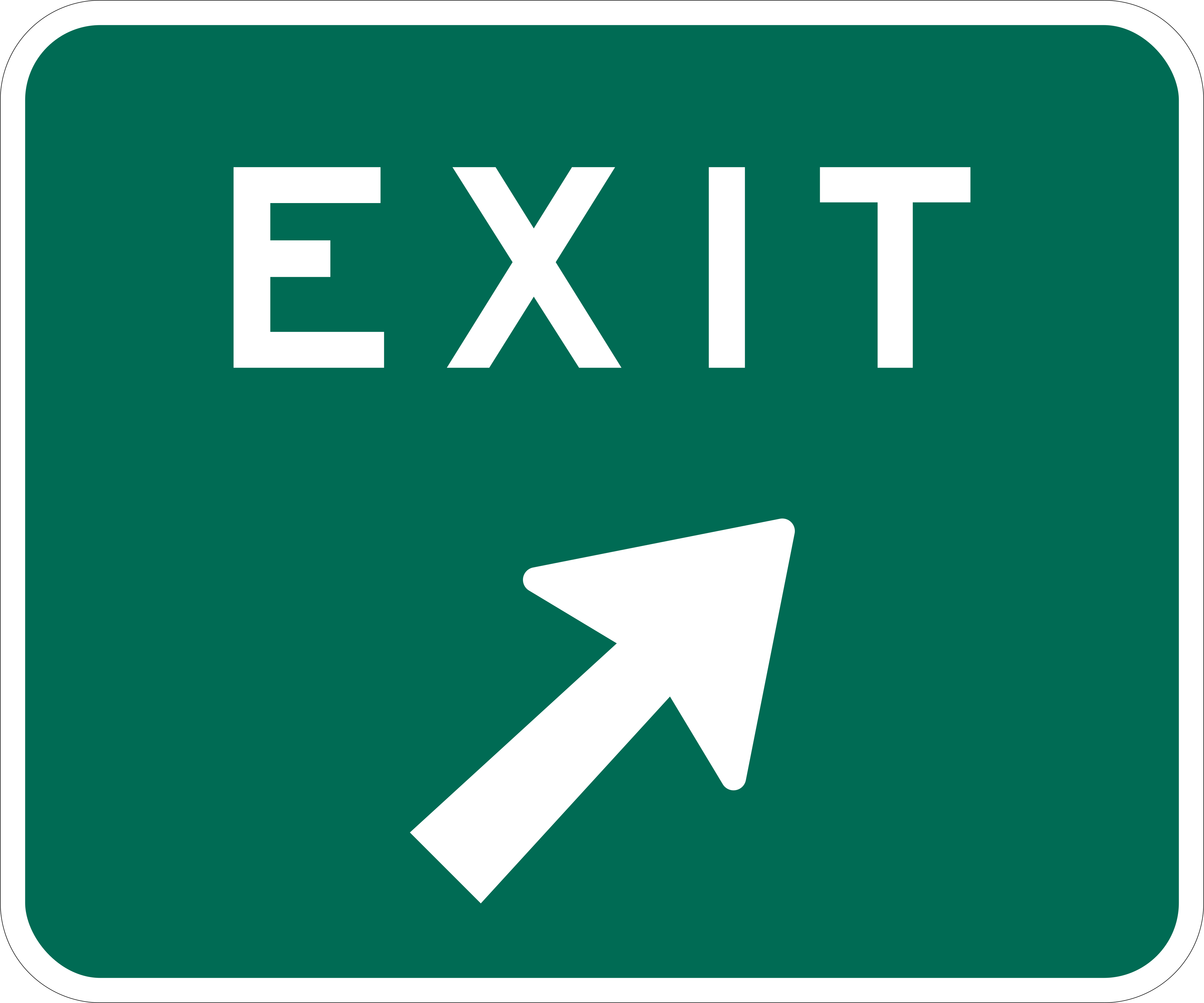


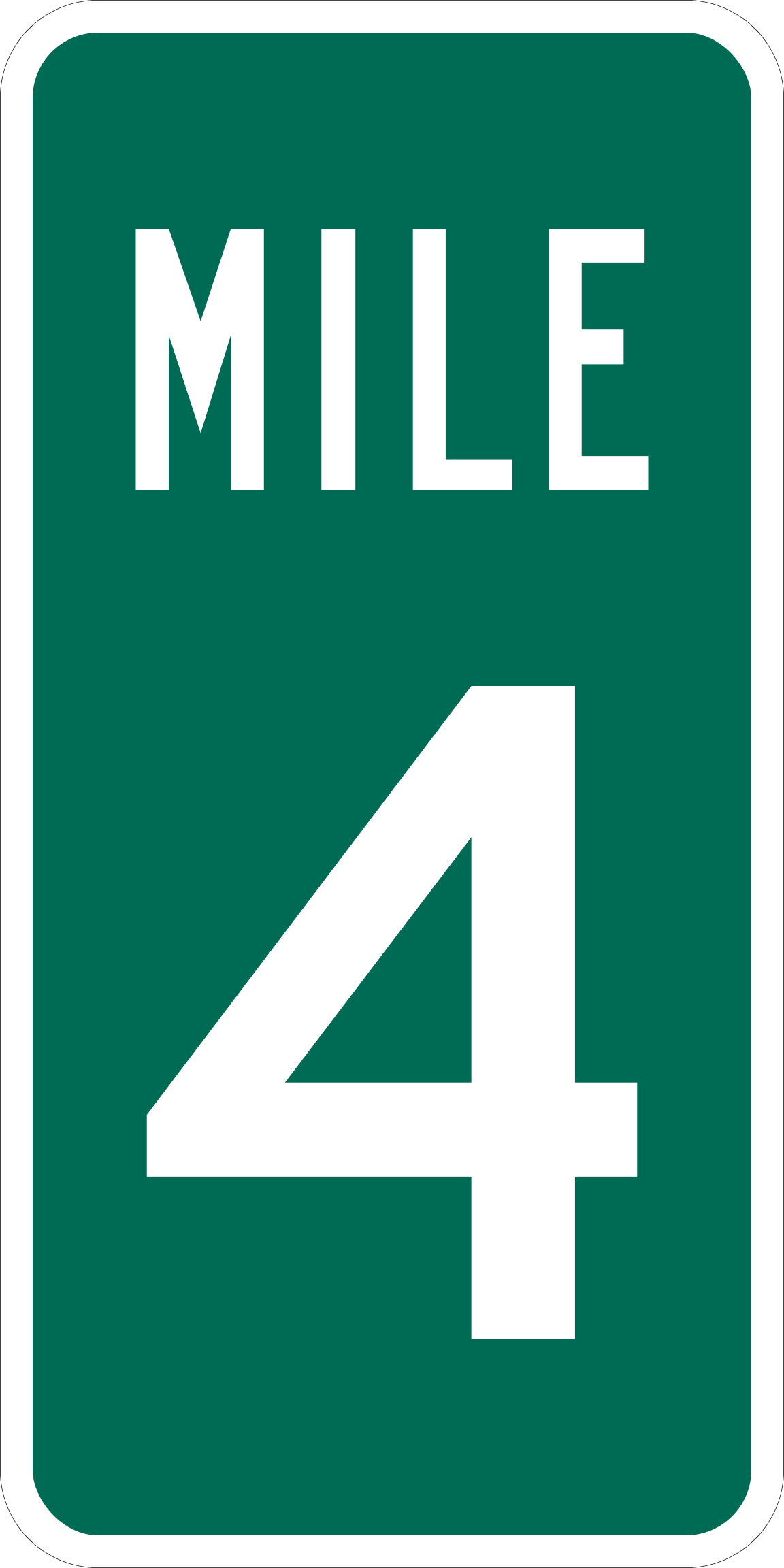
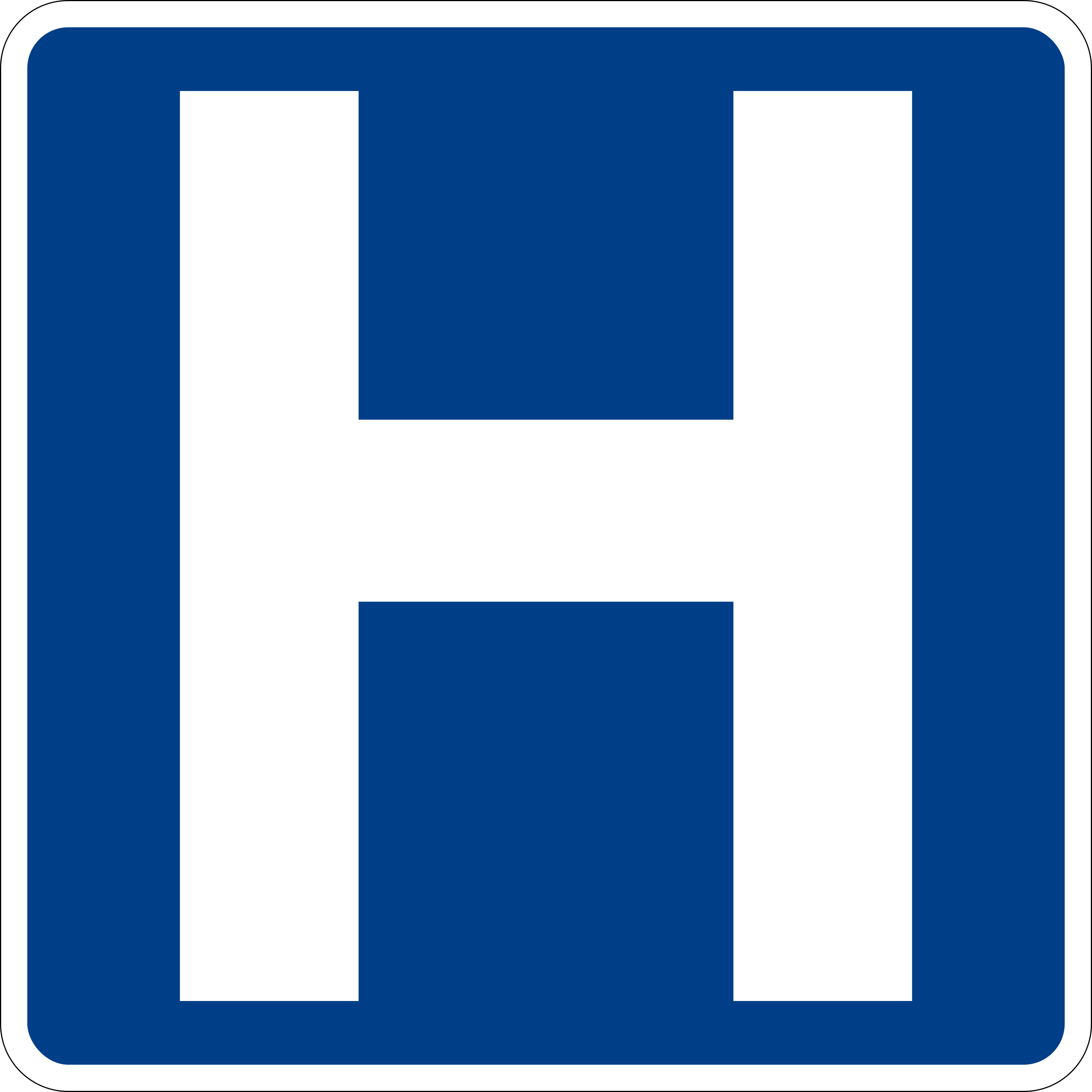
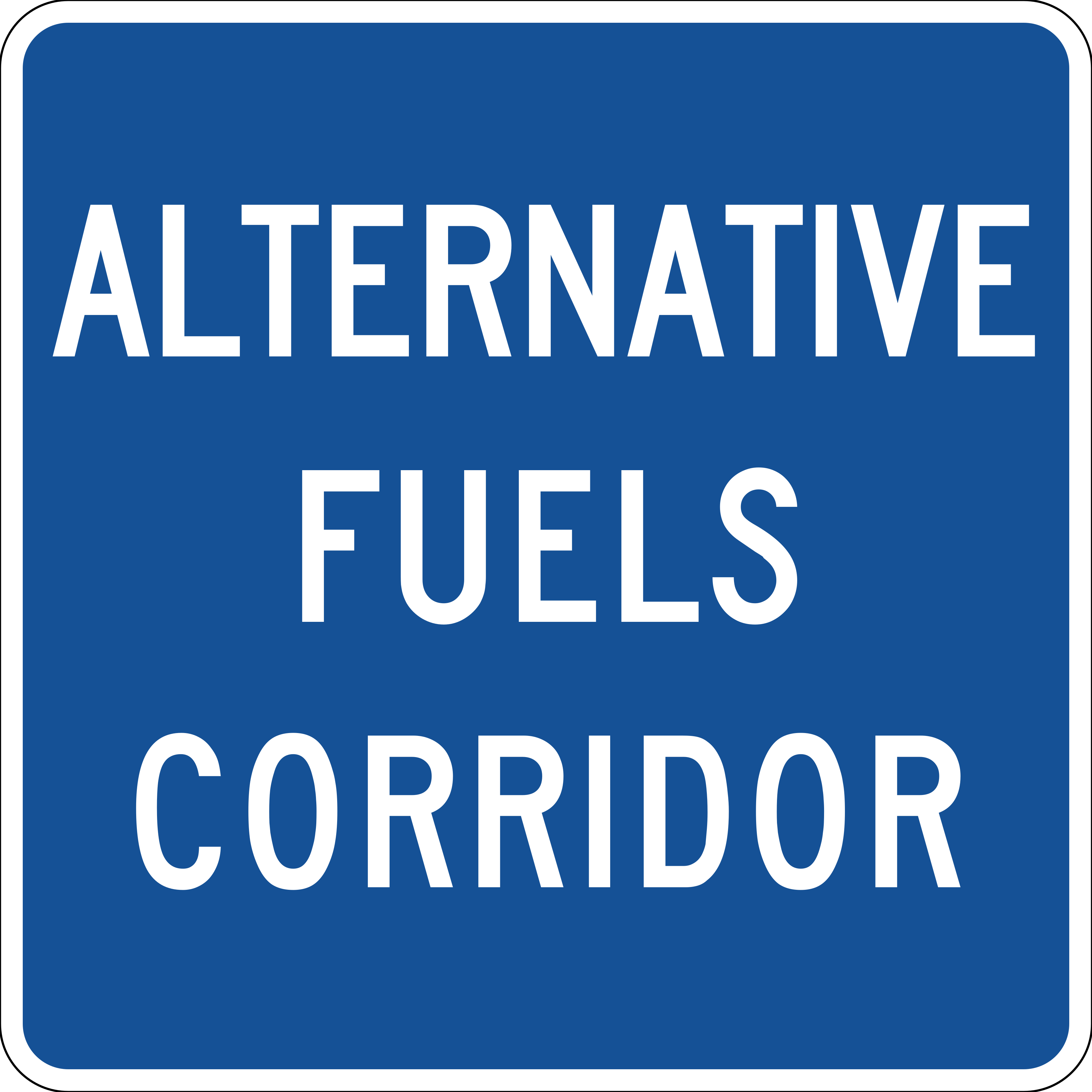
Service & information signs



Indiana road signs: frequently asked questions
Does Indiana's BMV publish how many sign questions are on the test?
Indiana doesn't publish that number. What the BMV does confirm is that its knowledge exam has two components — traffic laws/maneuvers and signs — and that each component requires 80% correct independently. The total number of sign questions isn't stated anywhere official, which is different from most states, where an exact count is published.
Does Indiana average my scores across the two test components?
80% correct on each of the two components — traffic laws and signs — not 80% averaged across the whole exam. A weak score on signs isn't offset by a strong score on traffic laws, or the other way around; both components have to independently clear the 80% bar.
Why doesn't Indiana publish how many sign questions are on the test?
The BMV's own materials describe the exam's structure — two components, each graded at 80% — without stating a total question count for either one. That's simply what Indiana has chosen to publish; this site states the rule as confirmed and does not invent a question count to fill the gap.
Does Indiana use the same road signs as other states?
Yes. Indiana doesn't maintain its own separate sign system — the shapes, colors, and meanings tested here are the same MUTCD-based set used from coast to coast. Where Indiana differs is entirely in how the exam is structured, not in what a stop sign or a yield sign looks like.
Do I need an account to practice Indiana sign questions?
Yes, and there's no account to create — every answer includes an explanation rather than a bare correct/incorrect mark. Because Indiana doesn't publish a fixed sign-question count to aim for, working through the complete set here, rather than a shortened list, is the more reliable way to be ready for a component that has to clear 80% on its own.
Official sources
Checked against official state sources on 2026-07-28.