Connecticut Road Signs and Their Meanings
Connecticut's twenty-five-question knowledge test is not the driver's license exam. It is the learner's permit exam, and until you pass it there is no permit and so no road test to book. Both of its numbers are published, in two documents that agree: the Connecticut Driver's Manual puts it as "the knowledge test consists of 25 questions and you need 20 correct answers to pass," and the DMV's testing page arrives at the same pair of figures in its own words. What changed recently is what comes before it. Effective 1 January 2026, anyone applying for a learner's permit must first complete the free Connecticut Work Zone Safety Course — an online course DMV says takes less than an hour — and bring the completion certificate to the appointment.
None of those twenty-five questions is fenced off for signs. Twenty correct passes, and Connecticut publishes no breakdown by subject, so there is no arithmetic that lets a candidate trade sign study against anything else. What the state does specify is order. The vision and knowledge tests are taken at the same appointment, and DMV states you take the vision test first because you must pass it before sitting the knowledge test — so whatever stops you passing the vision test stops you reaching the sign questions at all. Everything after you arrive is fixed and sequenced, which makes the studying you do beforehand the only part of the process you control.
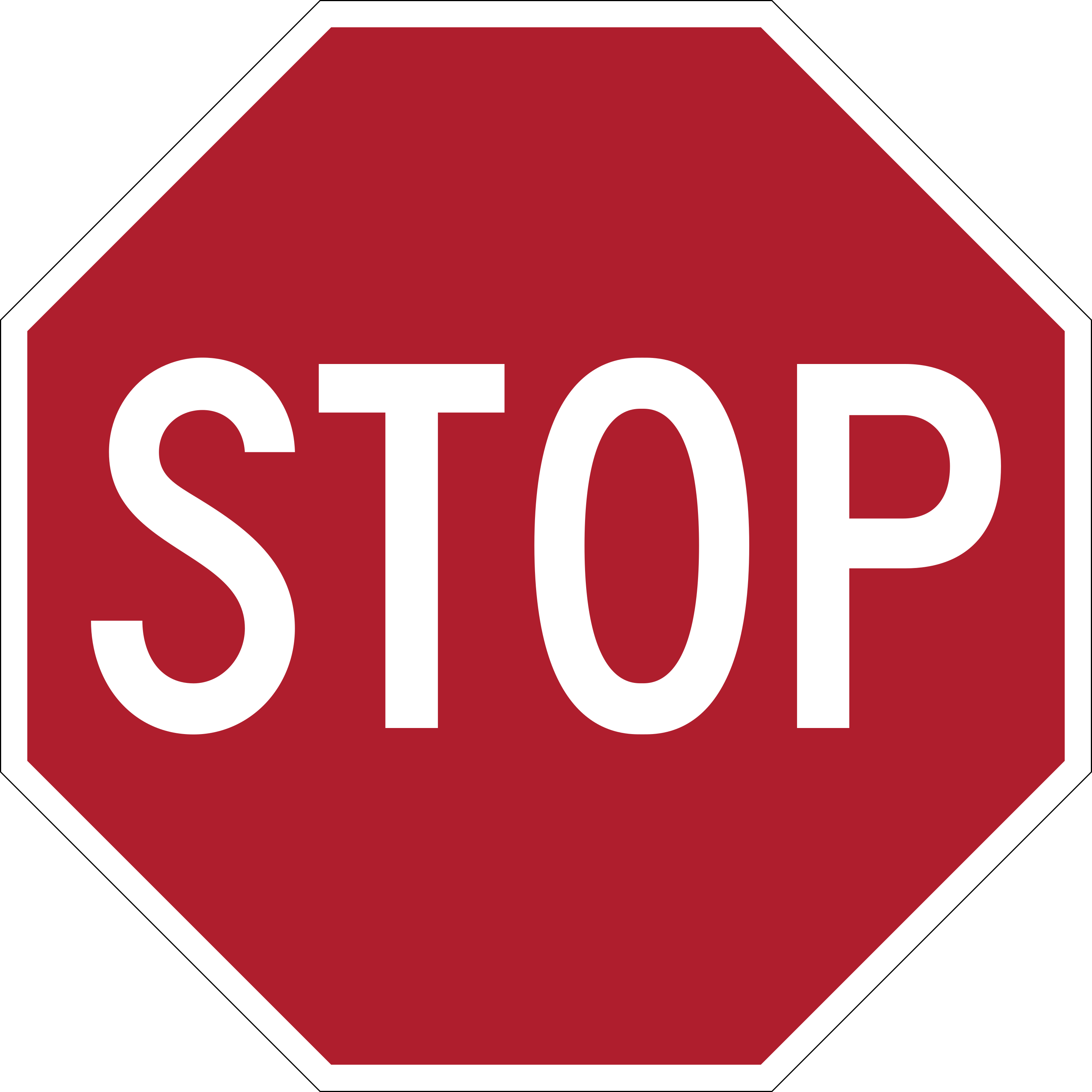
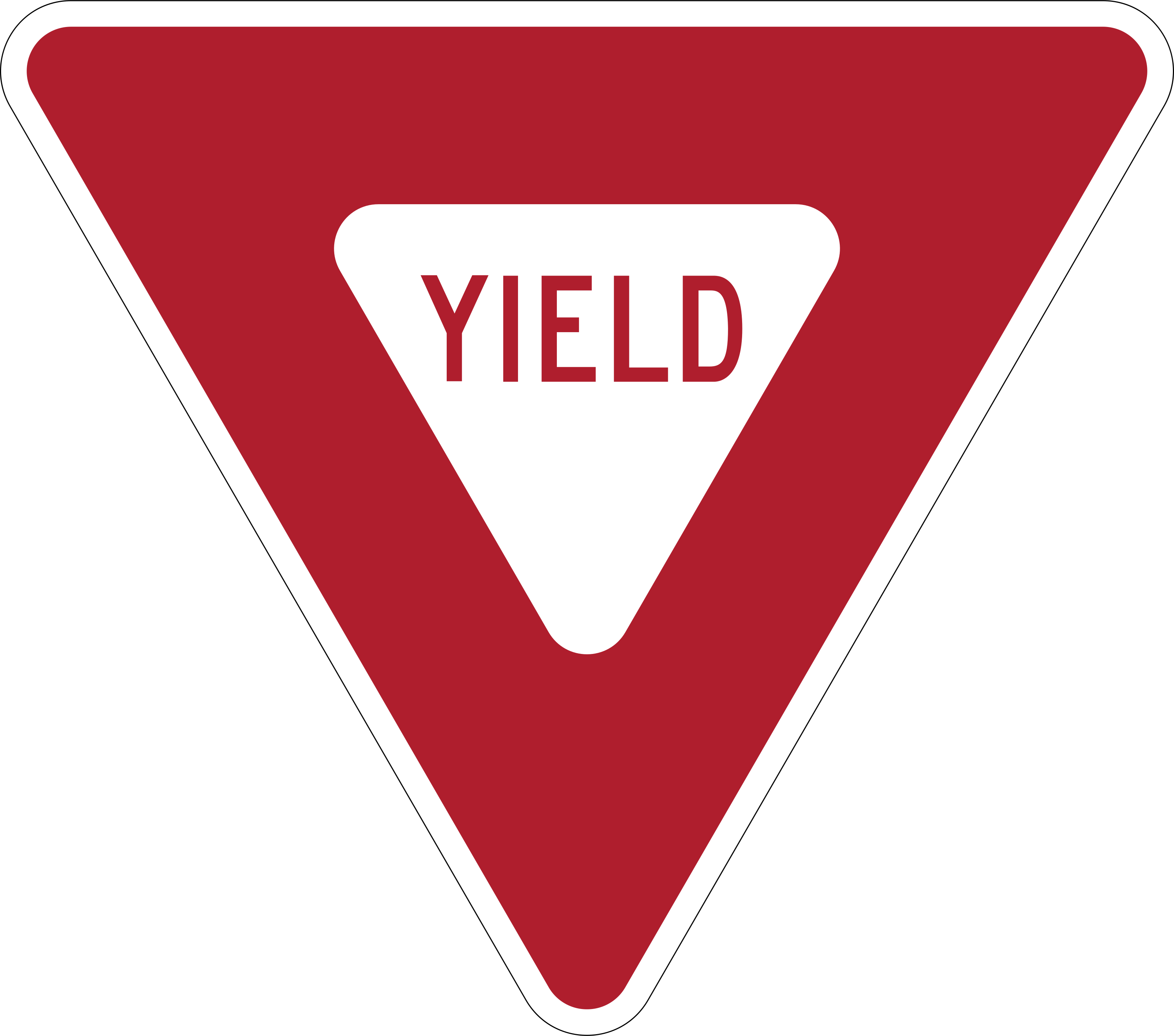
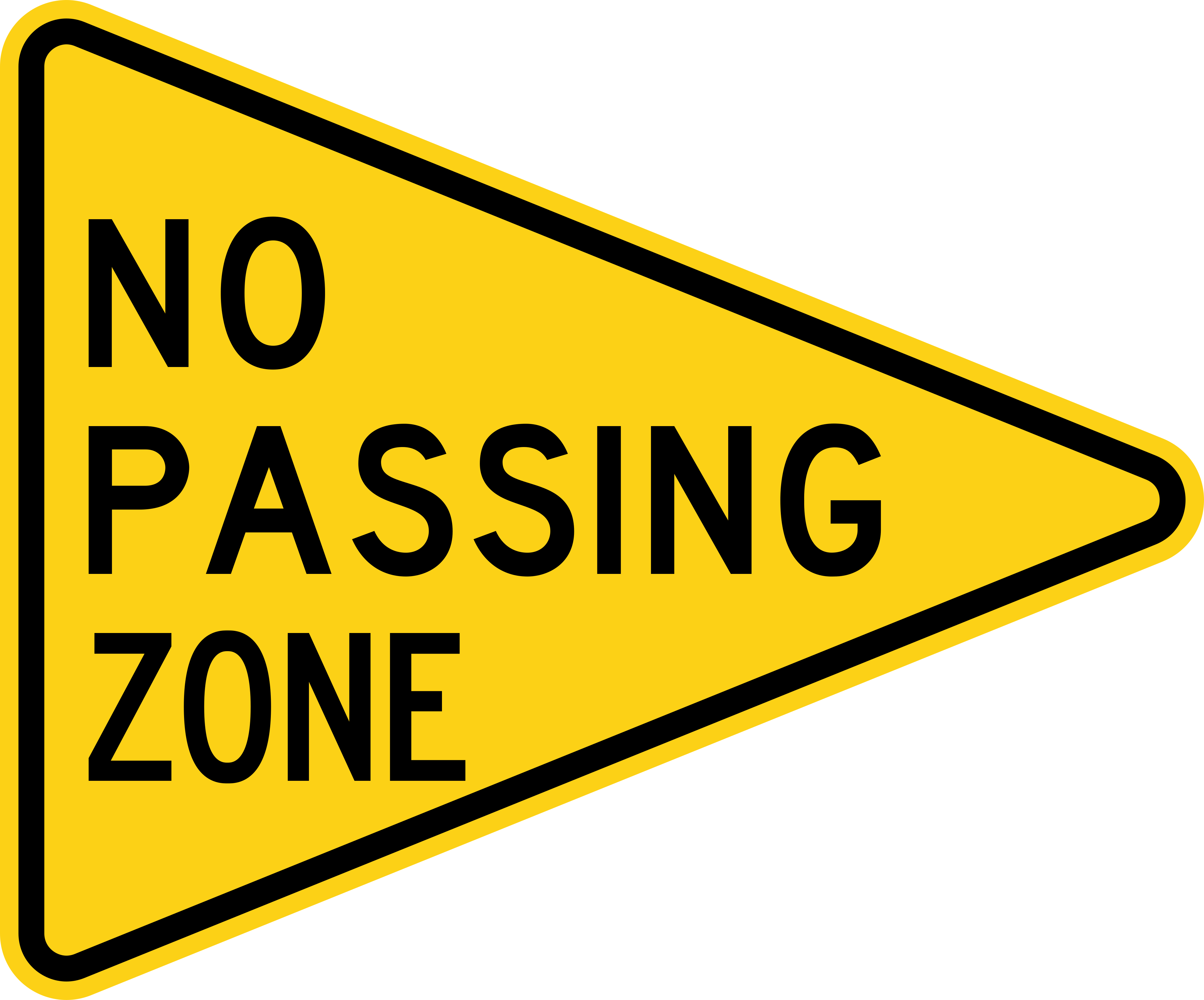
The sign material is a section titled Traffic Signs, opening on page 46 of the Connecticut Driver's Manual. Page 46 works through shape: a triangle means yield, a diamond means warning, an octagon means stop, rectangles and squares carry regulatory, warning and guide signs, a pentagon marks a school zone or a school crossing, a circle warns of a railroad crossing, and the pennant — three-sided, posted on the left-hand side of a two-lane two-way road — announces a no-passing zone. Page 47 turns to color. The section then closes the chapter in a way a reader can actually use: three numbered study questions with the answers printed at the back of the manual, two of which are sign questions, one asking what a pentagon-shaped sign means and one asking what green road signs are.
Red and black-and-white for regulatory signs. Yellow for warning, orange for warning in construction and maintenance areas. Green for guide signs, blue for guide signs about services along the roadway. Brown for parks and recreation. Fluorescent yellow-green, which the manual says may be used for pedestrian, bicycle and school warning signs. That is Connecticut's whole color system, and more of the questions in this set rest on it than on any other passage of the manual — one broad discussion of color, then short entries on individual signs, and the questions fall in the same proportions. Learning the list clears the largest block here in one go, but only that block. Every other heading in the set contributes exactly one question, and those turn on shape or on a single named sign: no amount of color knowledge will tell you what a pentagon marks, where a pennant is posted, or why a crossbuck carries the force of a yield.
15 published Connecticut road-sign questions, each with an explanation and a citation to the handbook section it came from.
Content reviewed against official driver handbooks · August 12, 2026
Every sign you can be tested on in Connecticut
Regulatory signs
- Stop
- Yield
- Do Not Enter
- Wrong Way
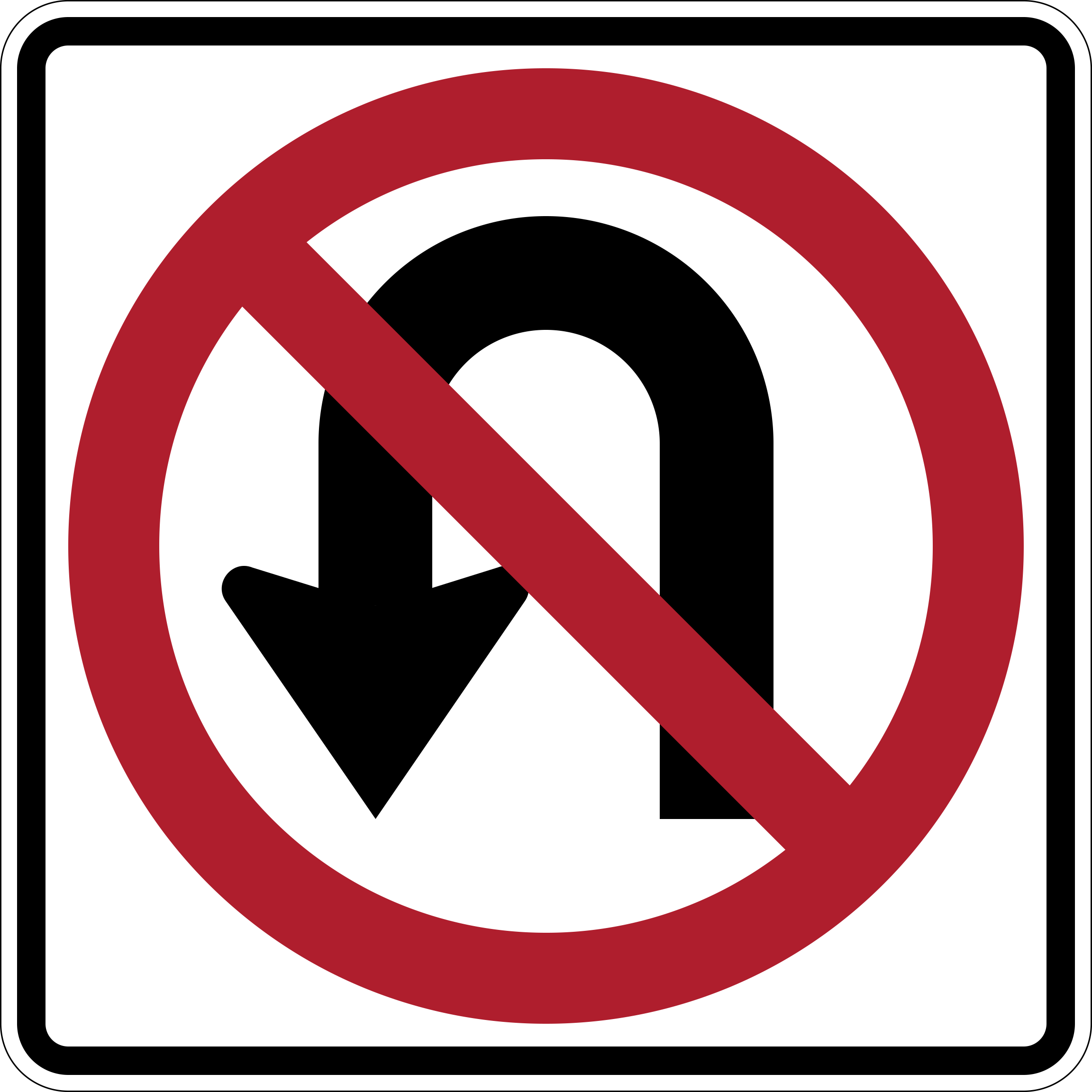
- No U-Turn
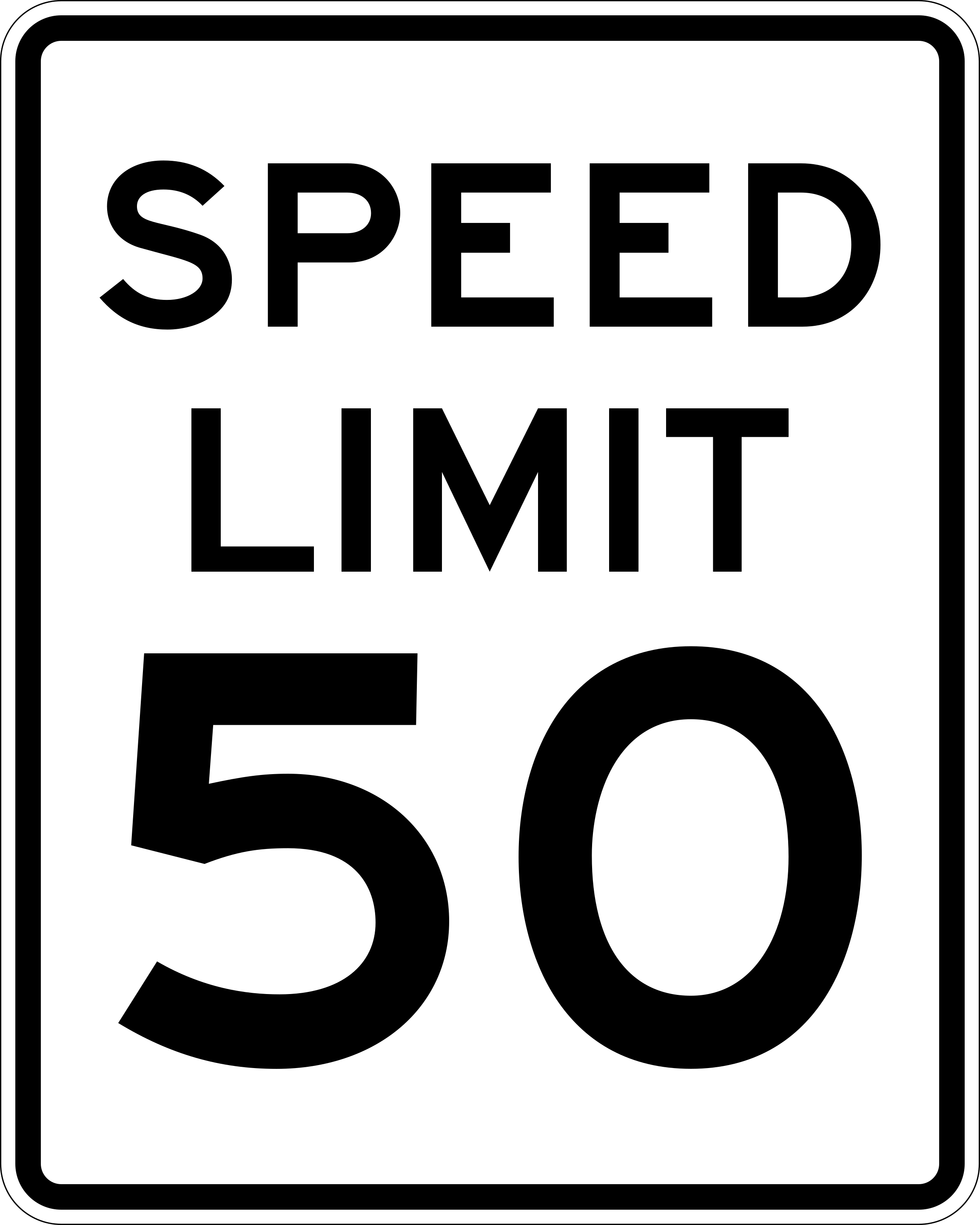
- Speed Limit
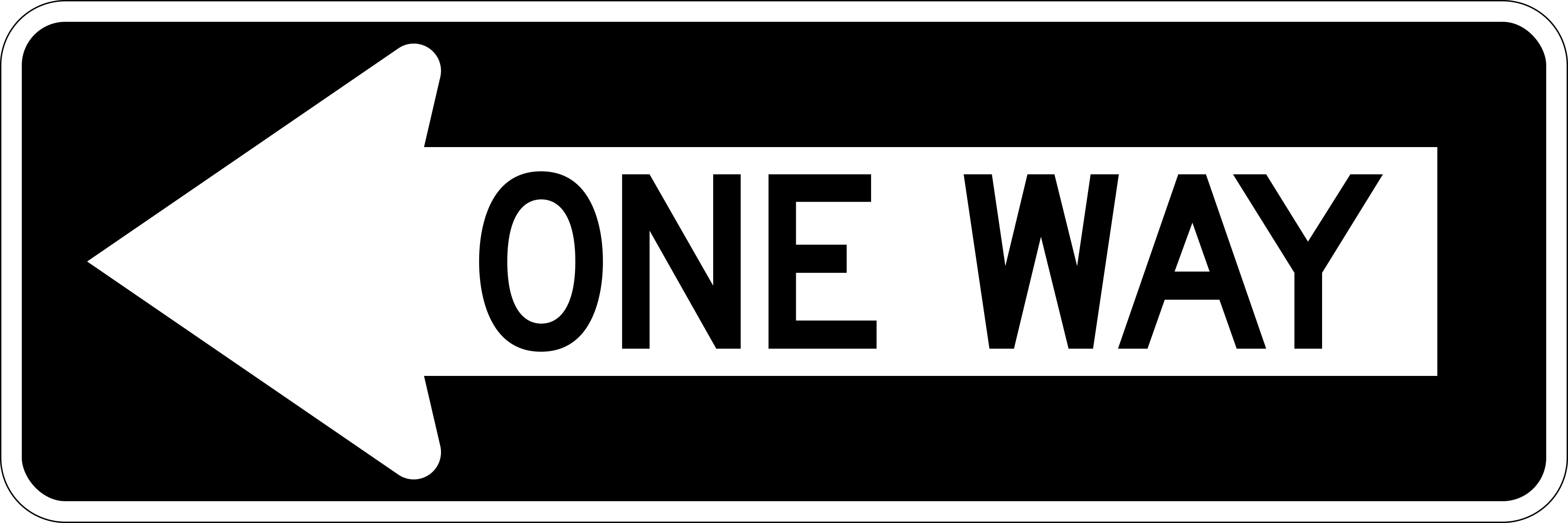
- One Way
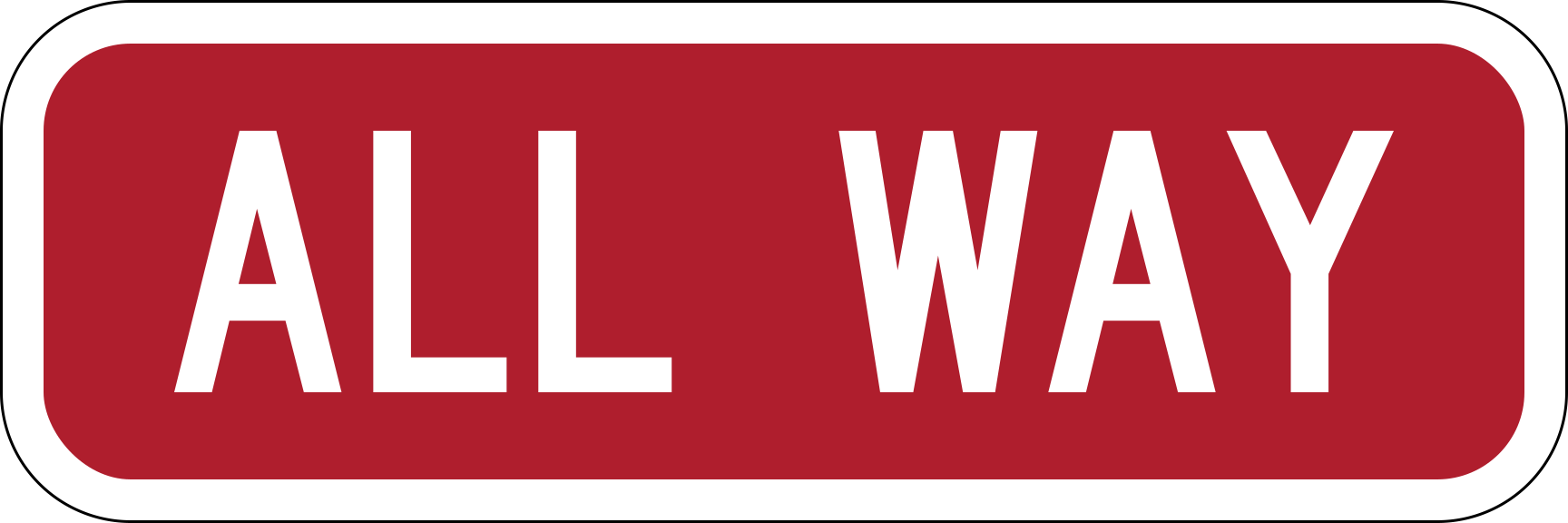
- All Way
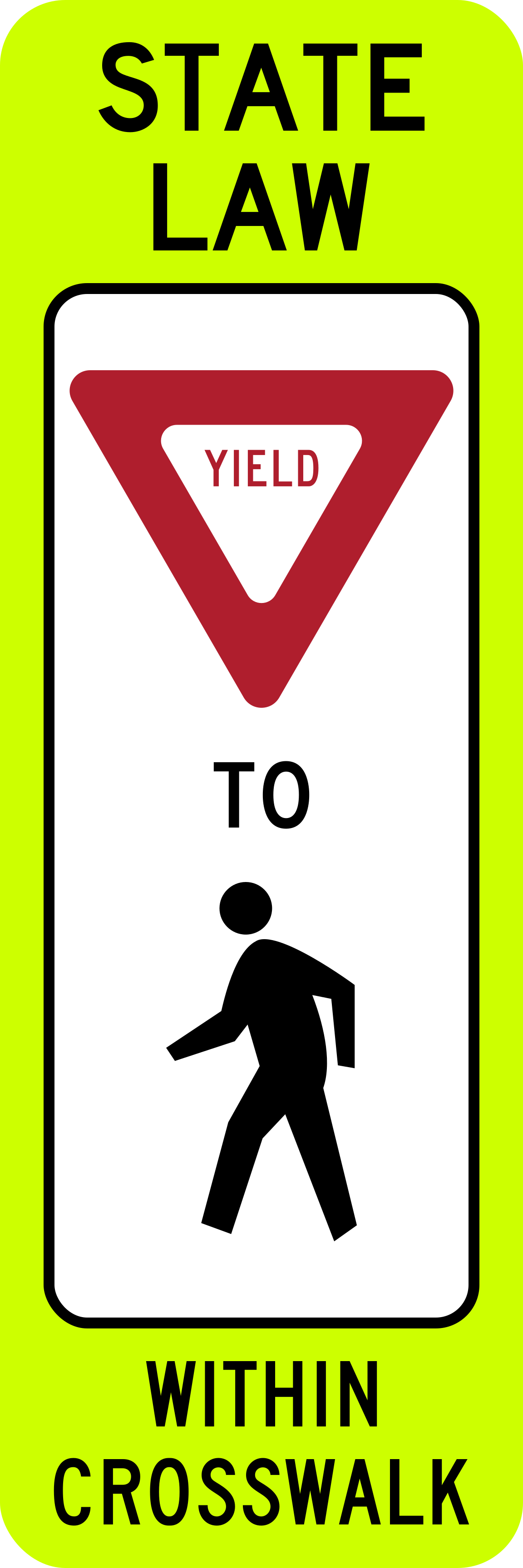
- State Law: Yield to Pedestrians
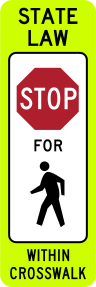
- State Law: Stop for Pedestrians
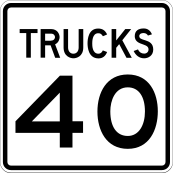
- Truck Speed Limit
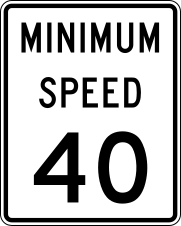
- Minimum Speed Limit
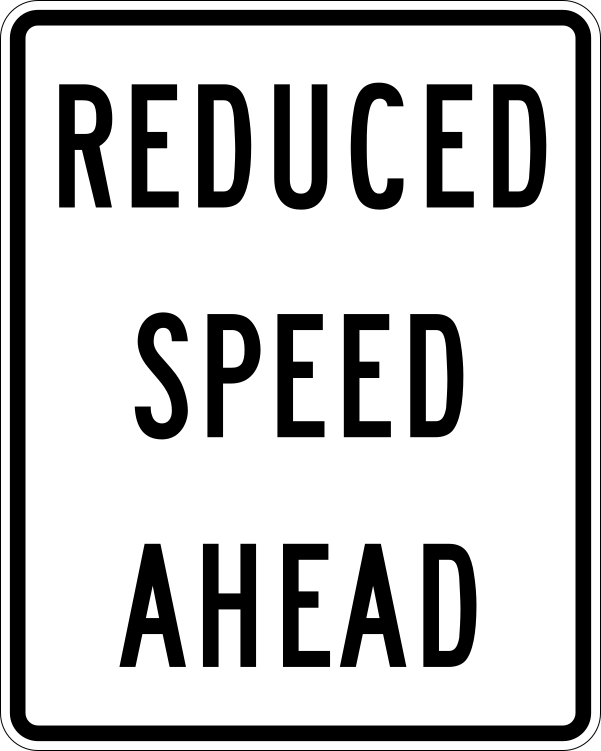
- Reduced Speed Limit Ahead
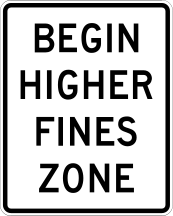
- Begin Higher Fines Zone
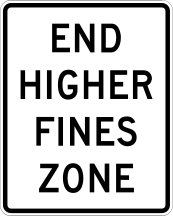
- End Higher Fines Zone
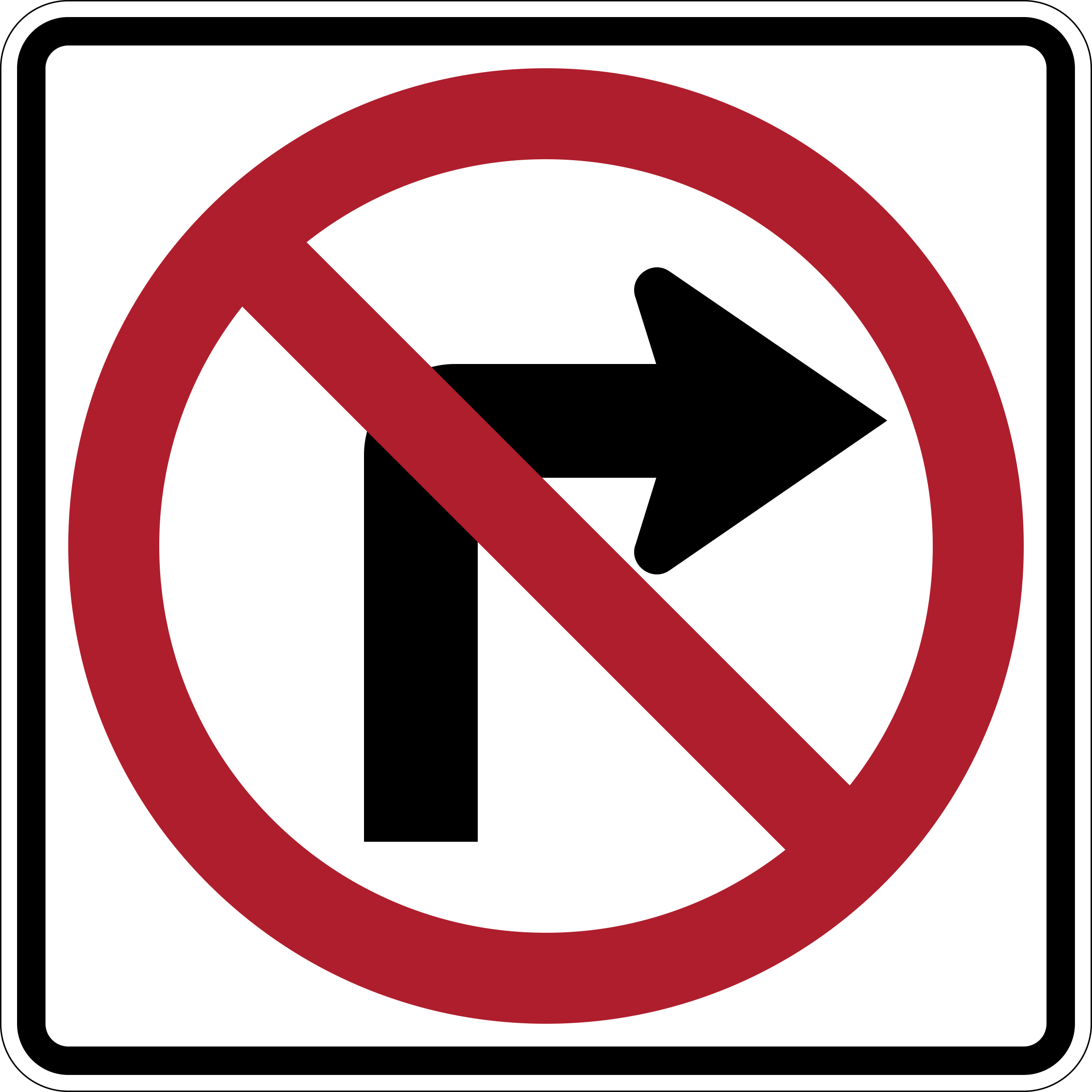
- No Right Turn
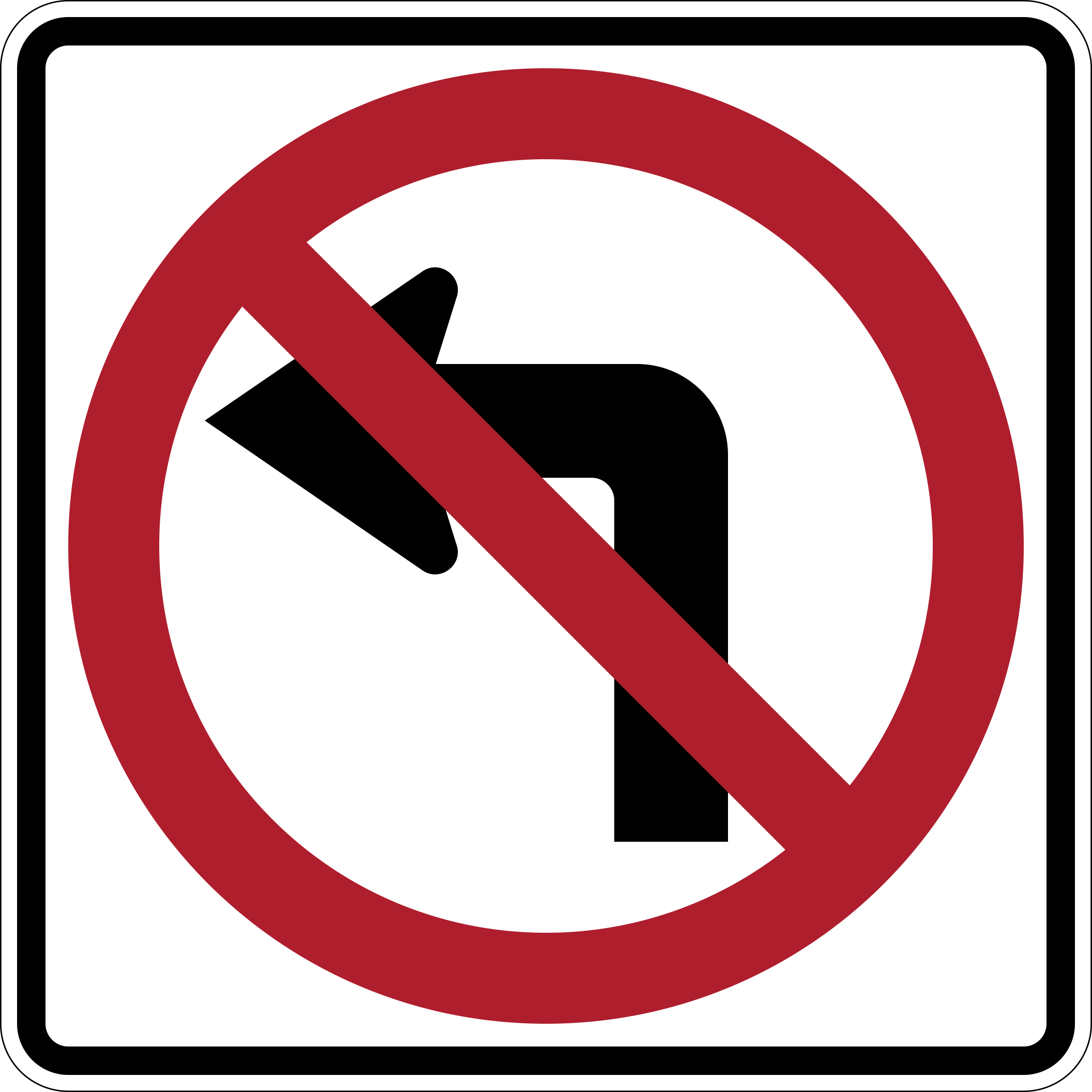
- No Left Turn
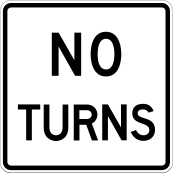
- No Turns
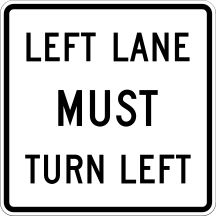
- Left Lane Must Turn Left
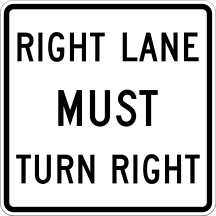
- Right Lane Must Turn Right
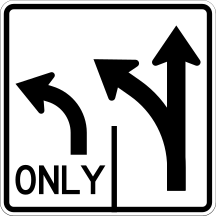
- Intersection Lane Control
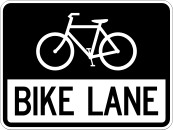
- Bike Lane
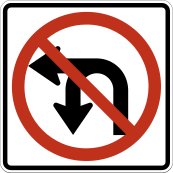
- No Left or U-Turn
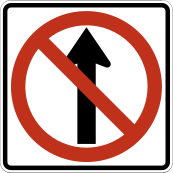
- No Straight Through
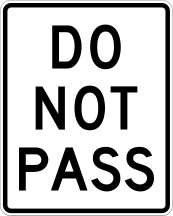
- Do Not Pass
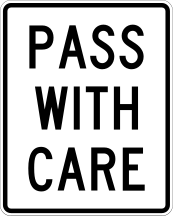
- Pass With Care
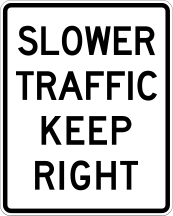
- Slower Traffic Keep Right
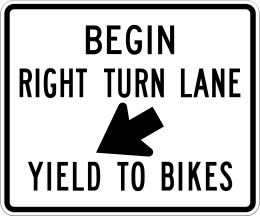
- Begin Right Turn Lane — Yield to Bikes
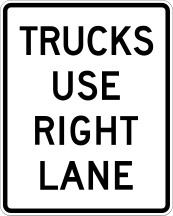
- Trucks Use Right Lane
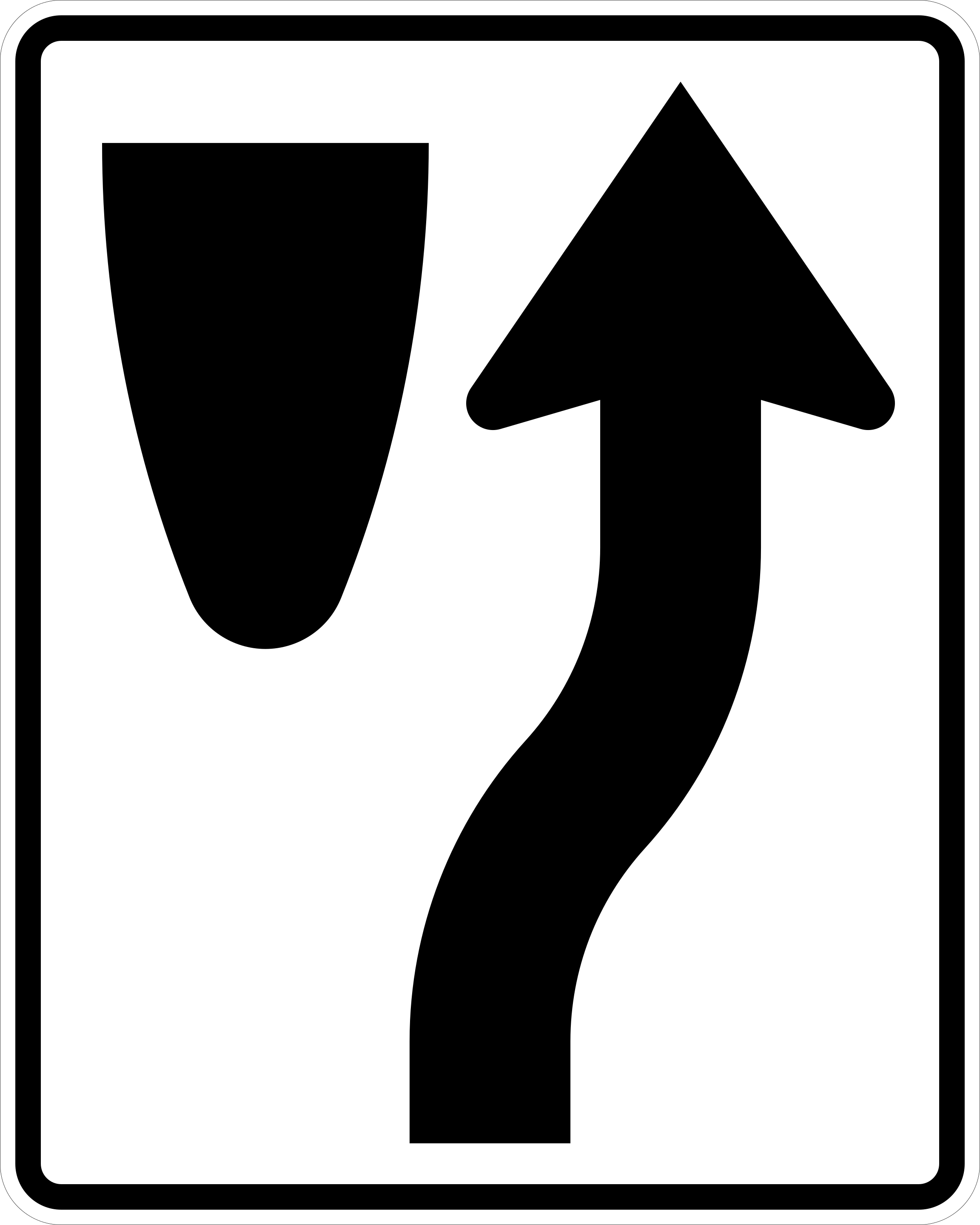
- Keep Right
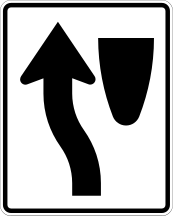
- Keep Left
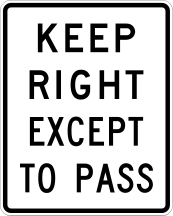
- Keep Right Except to Pass
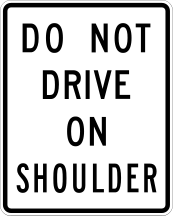
- Do Not Drive on Shoulder
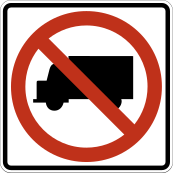
- No Trucks
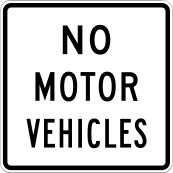
- No Motor Vehicles
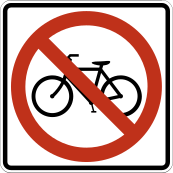
- No Bicycles
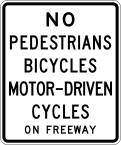
- No Pedestrians, Bicycles, or Motor-Driven Cycles
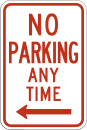
- No Parking Any Time
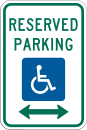
- Accessible Parking
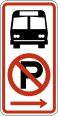
- No Parking Bus Stop
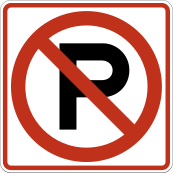
- No Parking
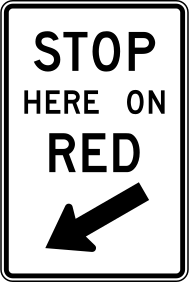
- Stop Here on Red
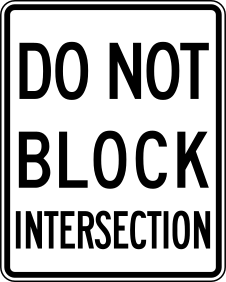
- Do Not Block Intersection
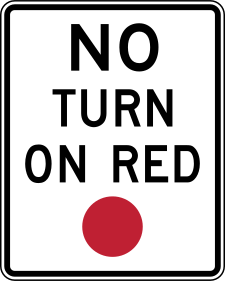
- No Turn on Red
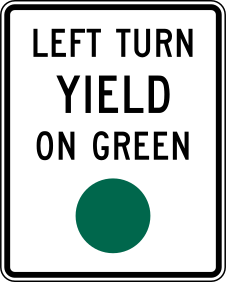
- Left Turn Yield on Green
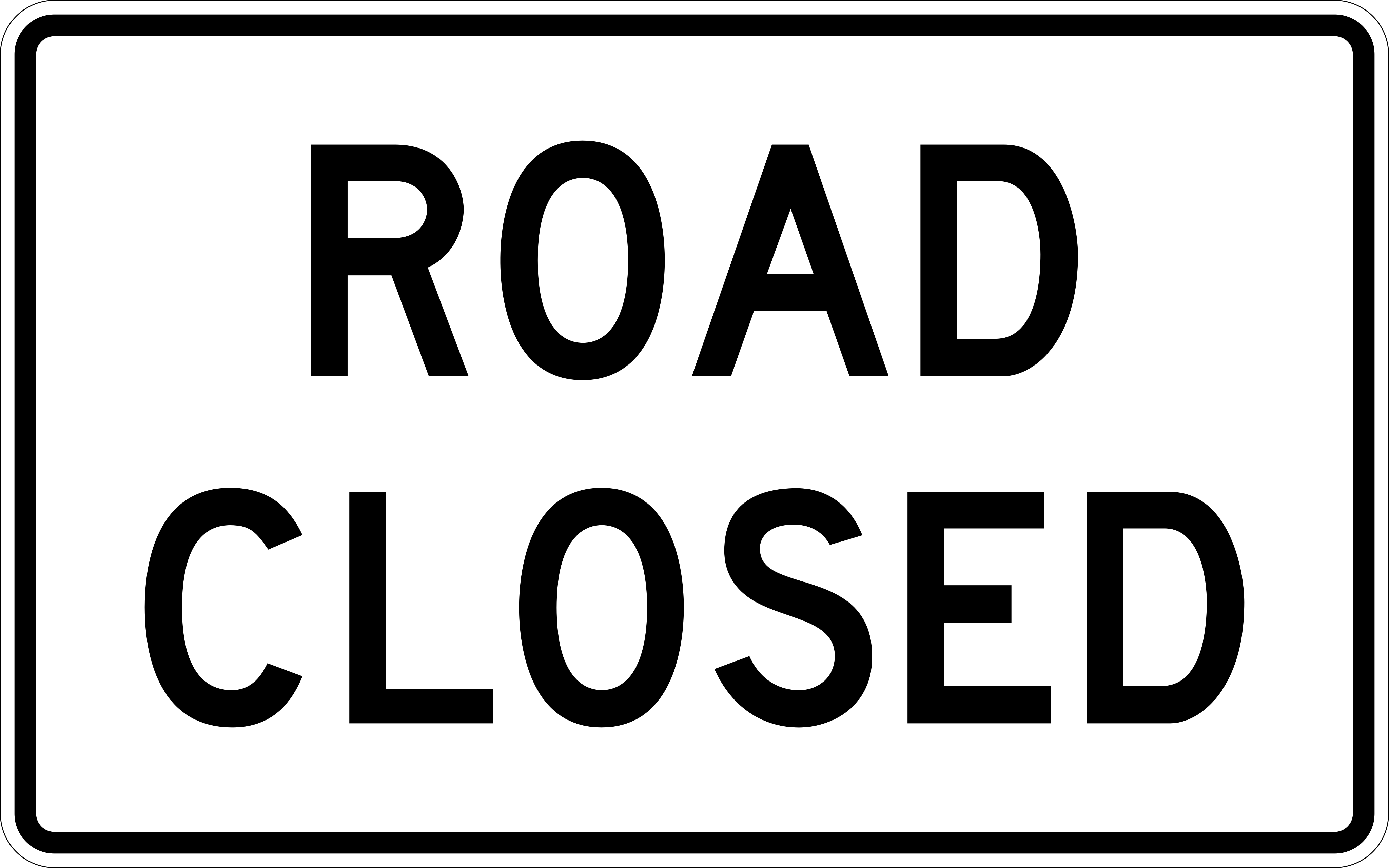
- Road Closed
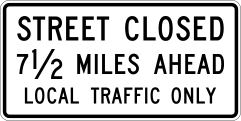
- Road Closed — Local Traffic Only
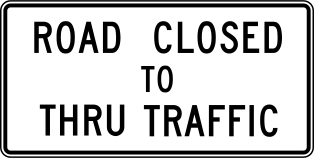
- Road Closed to Thru Traffic
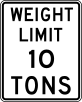
- Weight Limit
- No Hazardous Materials

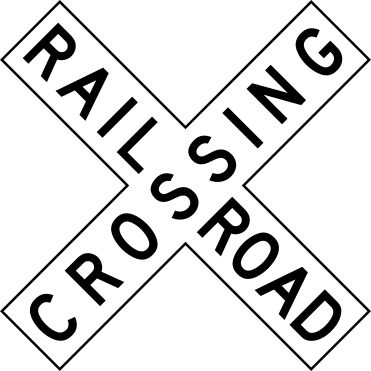
- Railroad Crossing (Crossbuck)
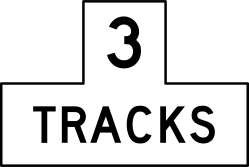
- Number of Tracks
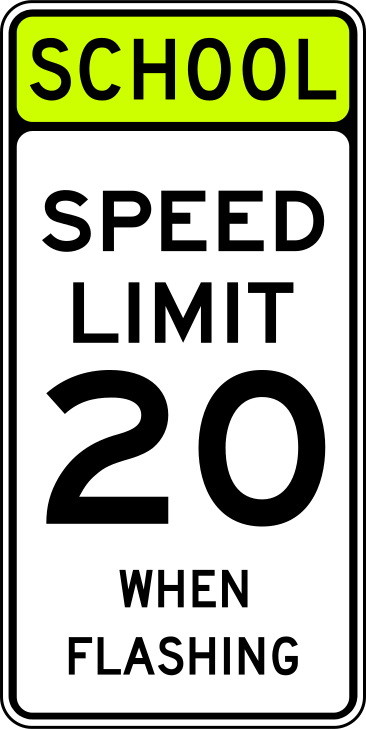
- School Speed Limit When Flashing
- HOV Lane
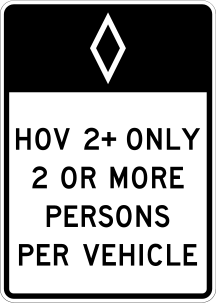
- Exempt

- Two-Way Left Turn Only
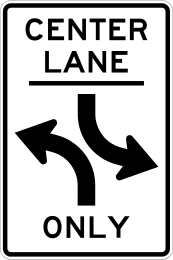
Warning signs
- Turn Ahead

- Stop Ahead

- Signal Ahead
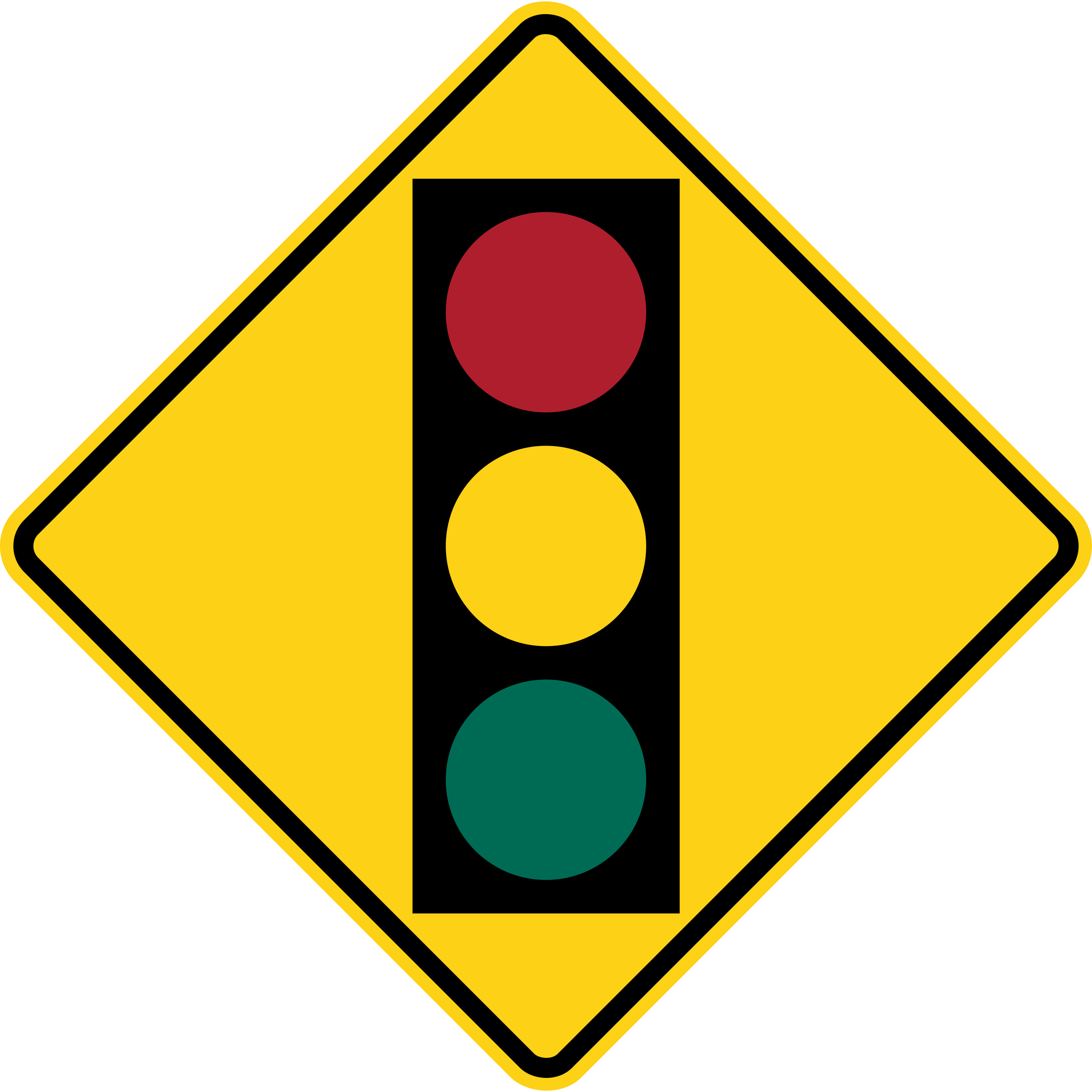
- Pedestrian Crossing

- Curve

- Reverse Turn

- Reverse Curve

- Winding Road

- One-Direction Large Arrow
- Two-Direction Large Arrow

- Chevron Alignment

- Hairpin Curve

- Cross Road

- Side Road

- Roundabout Ahead

- Yield Ahead

- Be Prepared to Stop

- Reduced Speed Limit Ahead
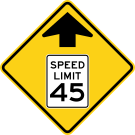
- Merging Traffic

- Lane Ends

- Added Lane

- Lanes Merge
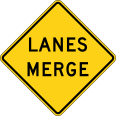
- Road Narrows

- Narrow Bridge

- One Lane Bridge

- Ramp Narrows

- Divided Highway Begins

- Divided Highway Ends

- Two-Way Traffic
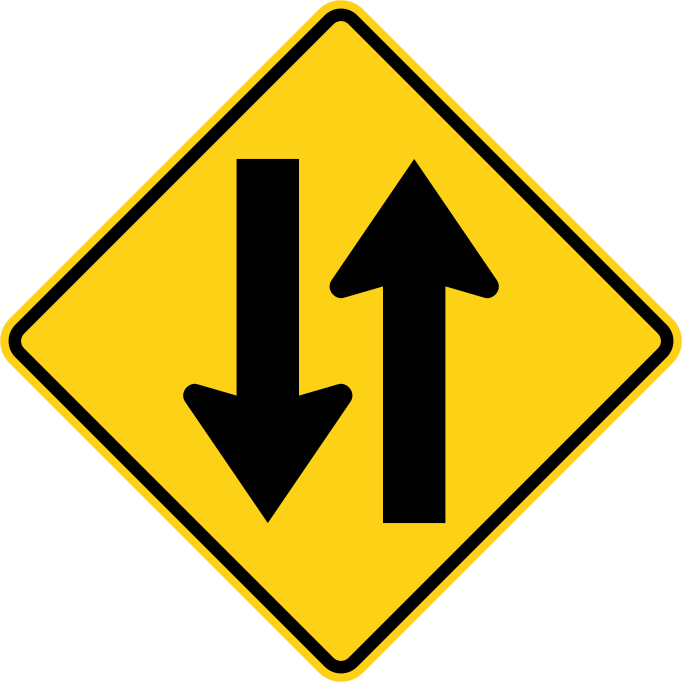
- Hill / Steep Grade

- Bump

- Dip

- Pavement Ends

- Soft Shoulder

- Slippery When Wet

- Loose Gravel

- Rough Road

- Low Shoulder

- Uneven Lanes

- Grooved Pavement
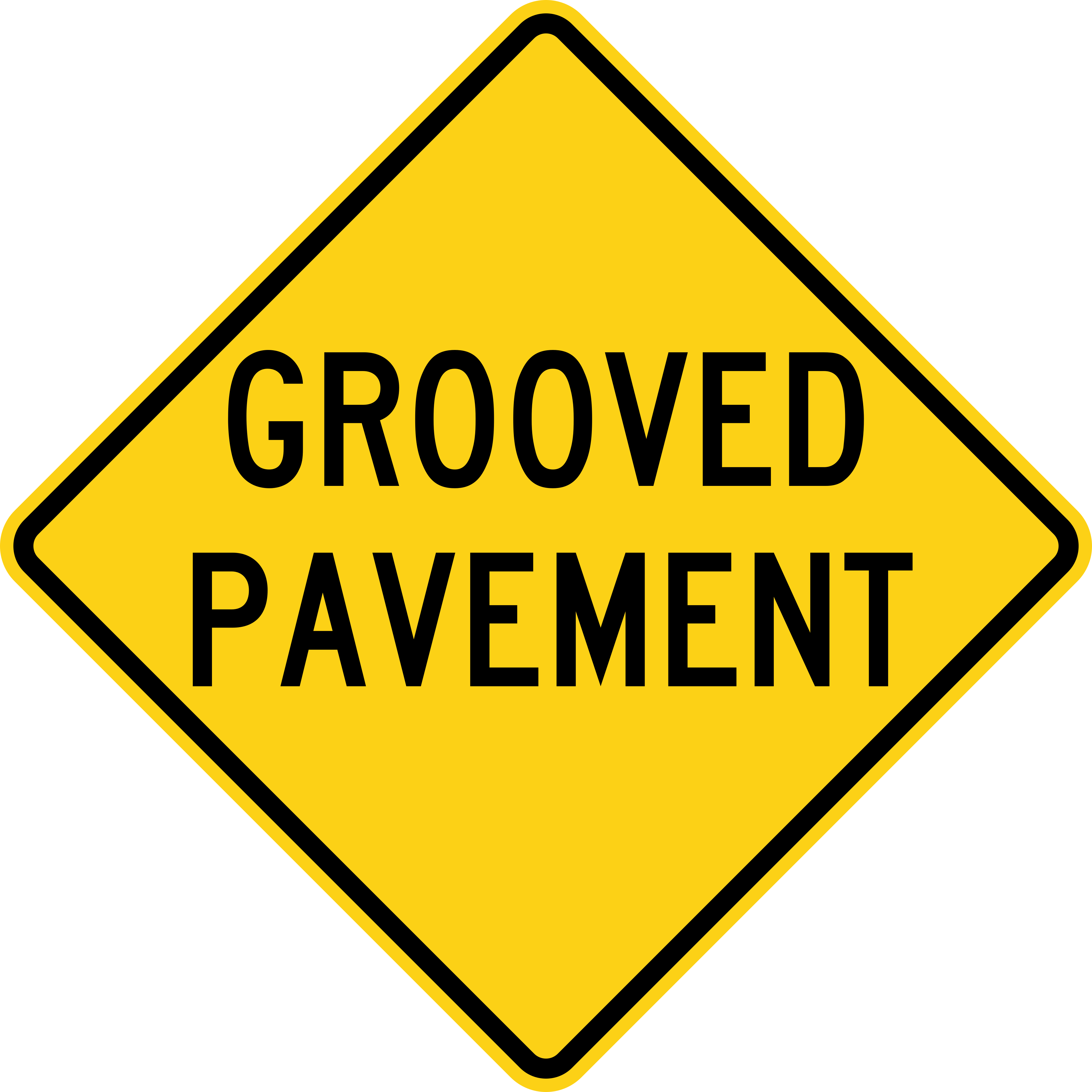
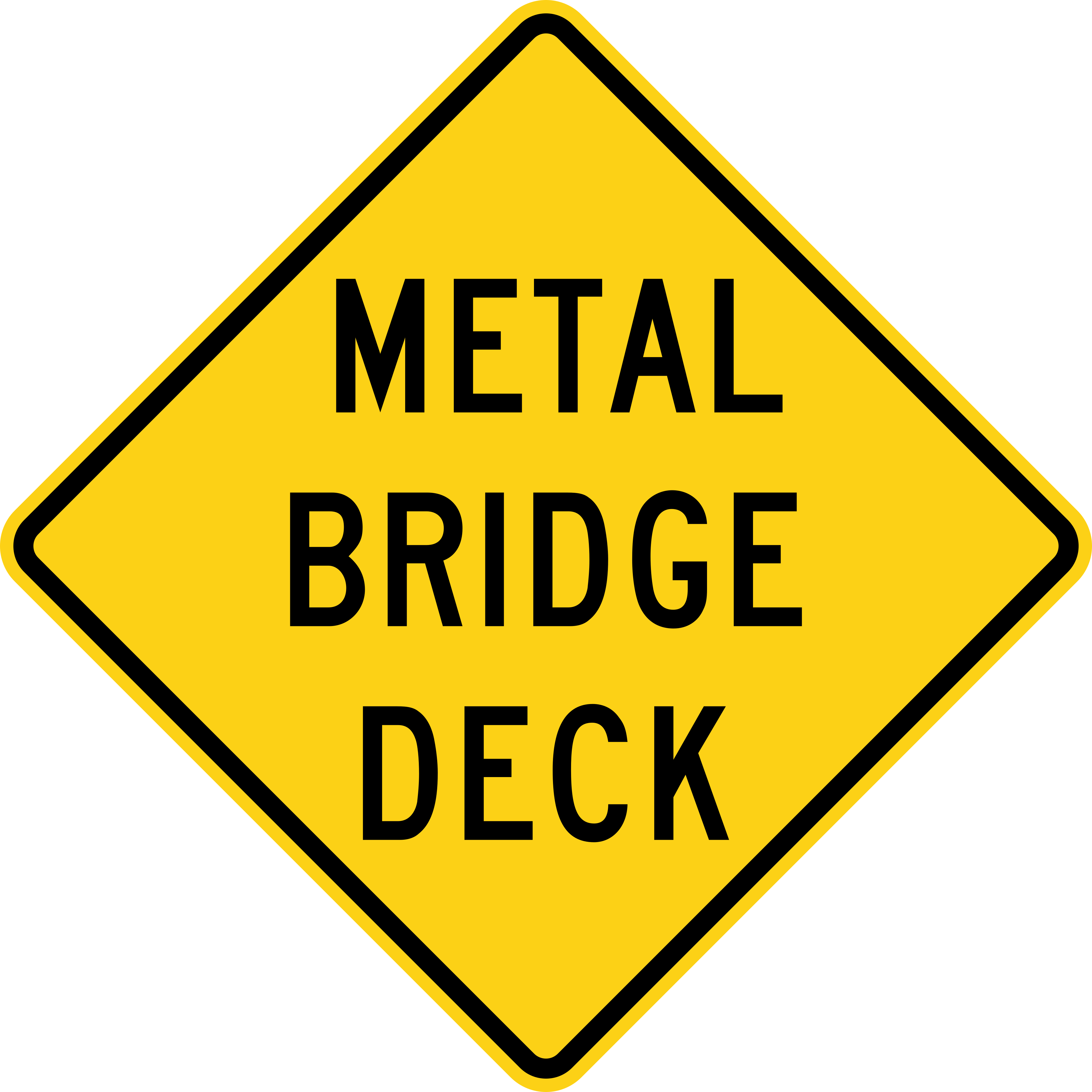
- Metal Bridge Deck
- Railroad Crossing Ahead

- Bicycle Crossing

- Deer Crossing

- Cattle Crossing

- Farm Machinery

- Snowmobile Crossing

- Equestrian Crossing

- Persons with Disabilities

- Golf Cart Crossing

- Horse-Drawn Vehicle Crossing

- Low Clearance

- Advisory Speed

- Dead End

- No Outlet

- No Passing Zone
- Playground

- Speed Hump

- School

- Truck Rollover

- Bridge Ices Before Road

- Road May Flood

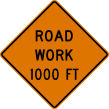
- Runaway Truck Ramp
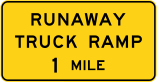
Construction & work-zone signs


Guide signs
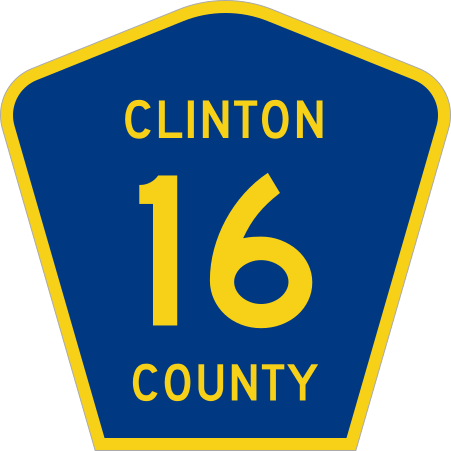
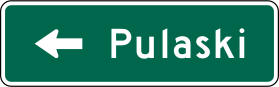
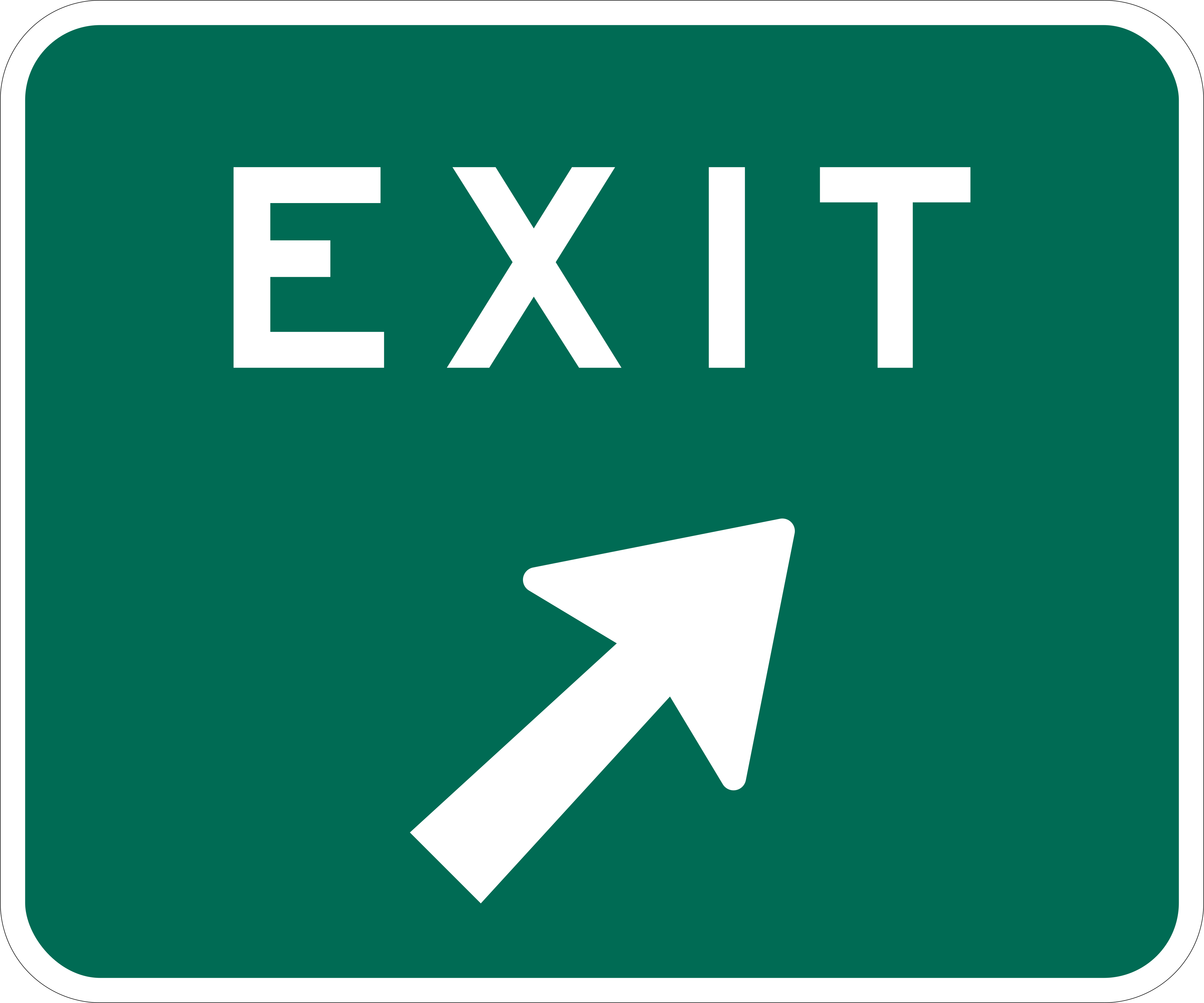


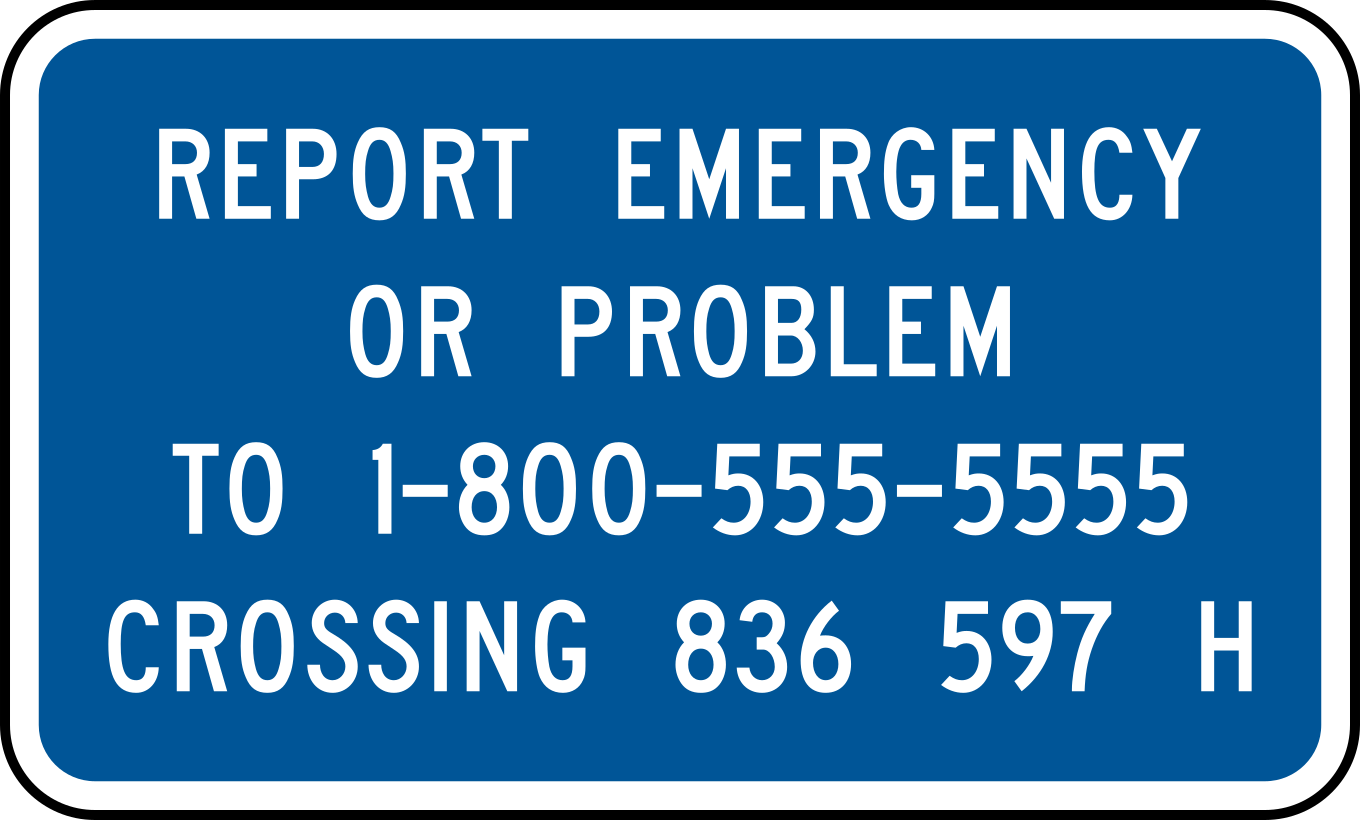
Service & information signs



Connecticut road signs: frequently asked questions
I hold a license issued outside Connecticut. Do I still need a learner's permit?
Not if it came from one of a short, named list. DMV states that if you already have a driver's license from another U.S. state or territory, Germany, Canada, or France, you can transfer your license to Connecticut without getting an adult learner's permit. Those three countries are named individually rather than covered by a general reciprocity rule, so a license from anywhere else is not on the list. Connecticut also runs a separate drive-only credential for undocumented residents.
What is the Connecticut Work Zone Safety Course, and does it affect my knowledge test?
DMV lists it as step one of three on the way to a learner's permit: complete the course, pass the vision test, pass the knowledge test. That order is most of the answer — the course sits ahead of the twenty-five questions rather than inside them. DMV describes its purpose as teaching not only what to do in a work zone but why being a work-zone safe driver matters every time you get behind the wheel, and breaks the course itself into three steps: create an account in your legal name, print the completion certificate, and hand that certificate in. You will need it twice. DMV names the course again among the conditions for taking the road test, alongside passing the vision and knowledge tests, having held the permit for the required amount of time, and completing required driver training.
Why does the Connecticut manual show a round sign for a railroad crossing?
Because the circle is the shape Connecticut assigns to that warning: a circular sign indicates you are approaching a railroad crossing, and the manual tells you to slow down, look and listen for trains. It is the advance warning, placed along the road before the tracks — a round yellow sign carrying an X and the black letters RR. The sign at the crossing itself is a different one, the white X-shaped crossbuck, and the manual is precise about its force: it has the same meaning as a Yield sign, so you must yield to crossing trains.
Can I do any of Connecticut's testing from home?
No. DMV's instruction is flat: all testing must be done in person, and it is offered by appointment only at select DMV offices. What you can do at home is prepare — the manual notes that sample tests are available on the DMV mobile app, and DMV keeps practice tests in the Resources section of its testing page. A practice set such as this one is in the same category: useful before the appointment, and with no bearing on it.
What does the exam cost, and how long is a Connecticut learner's permit good for?
DMV lists a forty-dollar license exam fee among the items required at the appointment, alongside your identity documents and, if you need them for the vision test, your glasses or contact lenses. On duration, the manual and DMV describe the same thing from two angles: the permit is valid until you obtain a driver's license or two years from the date it is issued, whichever comes first, and DMV notes that adult learner's permits are valid for two years. Anyone aged eighteen or over needs an adult learner's permit before a license.
Official sources
- Connecticut Driver's Manual (CT DMV)
- CT DMV — knowledge and vision tests for drivers and motorcyclists
Checked against official state sources on 2026-07-29.