Arkansas Road Signs and Their Meanings
Arkansas has no DMV, and it does not keep licensing and testing under one roof either. The Office of Driver Services, a part of the Department of Finance and Administration, issues driver's licenses, permits and ID cards, and it does that through revenue offices. The Arkansas State Police runs the exams; its Driver Examination page states that driver license tests are administered in all Arkansas counties, at troop testing sites, and carries the statewide scheduling link for both the knowledge and the skills test. The division shows up in the finance department's own navigation: every other item under Driver Services stays on the finance department's site, and the Driver Examination link leaves it for the State Police. So the book you study is the State Police's — the Arkansas Driver License Study Guide, Volume 1, Edition 10, dated July 2026 — while the office that finally hands you a license belongs to the other agency.
No slice of an Arkansas score is reserved for signs, and no published document sets a number of sign questions either. The state leaves a great deal unsaid here: the study guide never states how many questions the knowledge exam holds, how long you get, or what score passes it. The nearest it comes to a figure is a sentence of encouragement — "The more you are familiar with the information within the guide, the higher your chances of passing the knowledge exam and skills test." That silence is the honest answer to how many signs you will be shown. Treat any total quoted for Arkansas, including the one this site uses to size a practice run, as a model rather than a published number. What Arkansas does publish is the price of guessing wrong. Act 1289 of 2015, reprinted in capitals on the guide's opening page, requires a five-dollar fee for each written examination and states that there is no limit to the number of exams charged at the time of license.
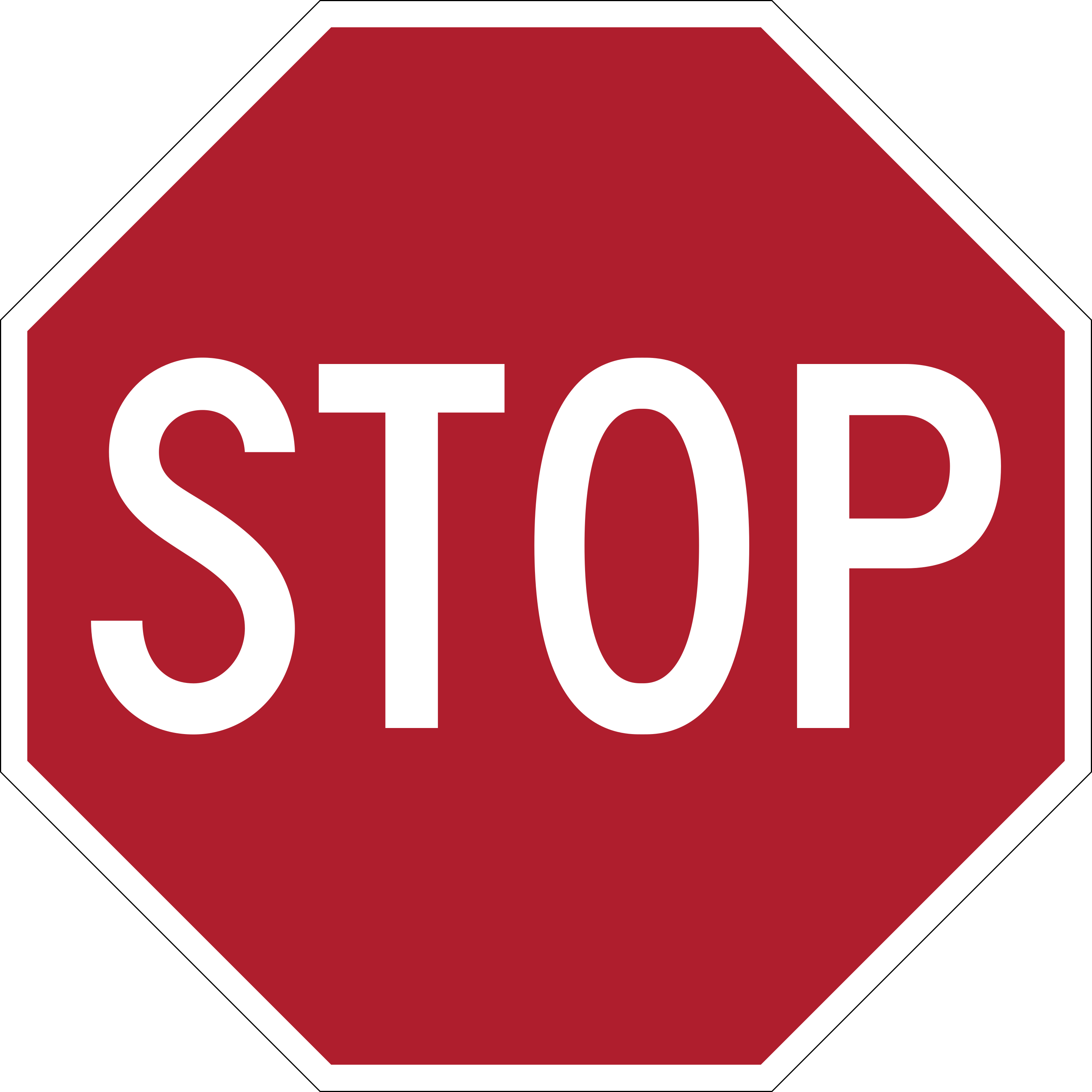
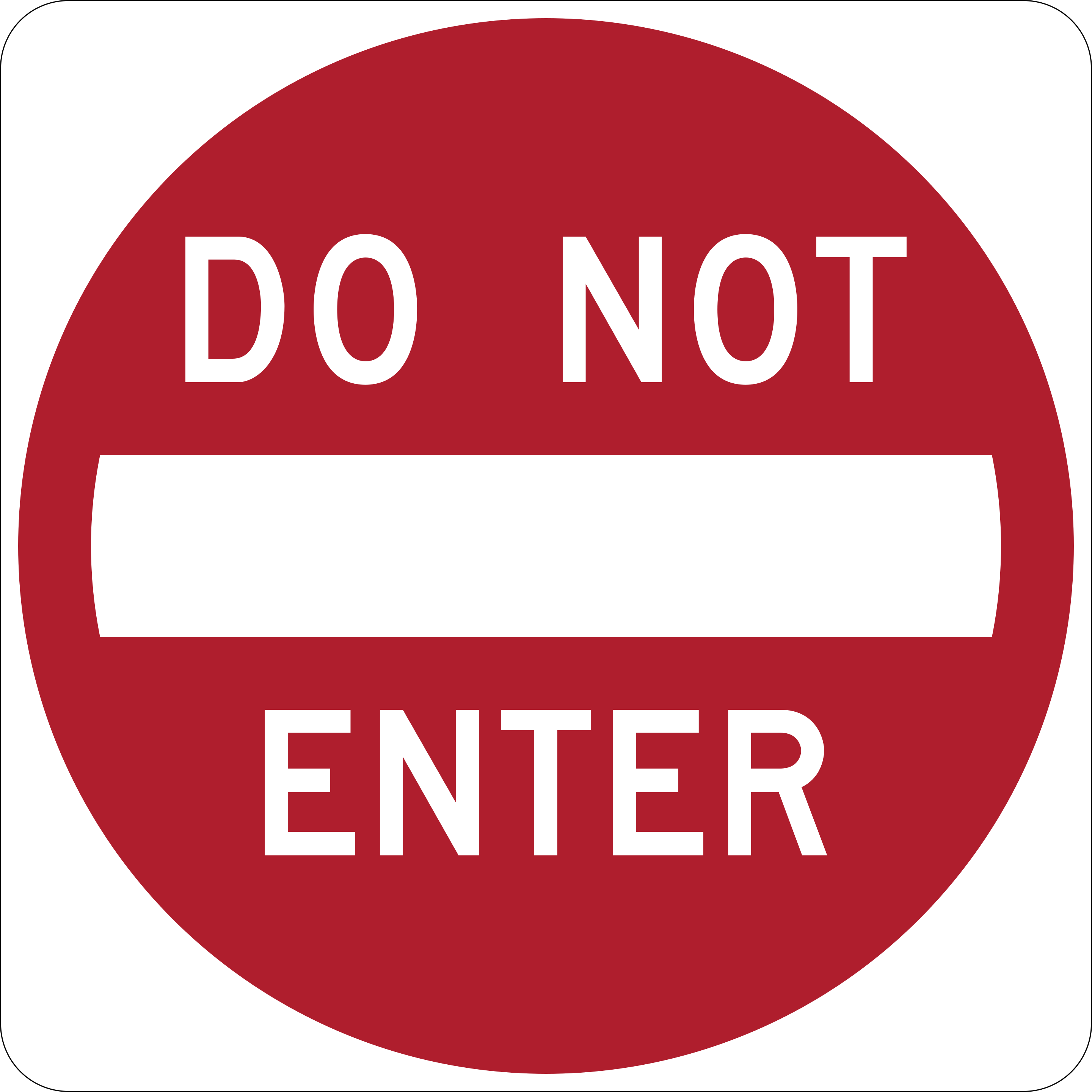
There is no signs chapter to turn to. Signs sit inside Chapter 2: Arkansas Rules and Regulations, a chapter that opens on work-zone safety, moves through lighted signals and the right-on-red rule, and only reaches signs across its closing pages. Four headings carry them there. Traffic Control Signs takes stop signs, the speed limit sign, the do not enter sign, the yield sign and the slow moving vehicle sign. Roadway Signs holds warning signs. Regulation Signs stands alone. Railroad Crossing Signs runs longest, gathering the round yellow advance warning sign, pavement markings, the cross buck, gates and lights, the emergency notification system sign, the exempt sign, multiple tracks and a list of safety tips. The contents page gives each of those a line and a page number of its own, so the guide can be opened at one sign rather than at a chapter. Its single general statement about signs arrives under Stop Signs instead of as a preamble: "Traffic signs display traffic rules, hazards, location, travel directions, and where services are located. The shape and color of these signs will determine the type of information that will be placed on the sign." Even the title wobbles — the State Police's download link calls it the Arkansas Driver License Test Study Guide, while the cover drops the word Test.
The published Arkansas sign questions name the study guide and then, rather than the chapter, the sign itself: Stop Signs, Speed Limit Sign, Do Not Enter Signs, Yield Sign, Slow Moving Vehicle Sign, Warning Signs, Regulation Signs, Cross Buck Sign, Railroad (Exempt) Signs, Multiple Tracks, Pavement Markings, Work Zone Signs. Almost every one of those is a heading the guide's contents page prints with its page beside it. That changes how the set is worth using. Get something wrong and the citation does not send you to a chapter to hunt through; it names the heading whose few lines the state's own text argues with your answer under. Open the guide there, read what sits below it, and come back. The coverage leans where the chapter leans, which in Arkansas means railroad crossings get real attention rather than a token appearance — the guide spends more headings on them than on any other family of sign, and the questions follow.
14 published Arkansas road-sign questions, each with an explanation and a citation to the handbook section it came from.
Content reviewed against official driver handbooks · August 12, 2026
Every sign you can be tested on in Arkansas
Regulatory signs
- Stop
- Yield
- Do Not Enter
- Wrong Way
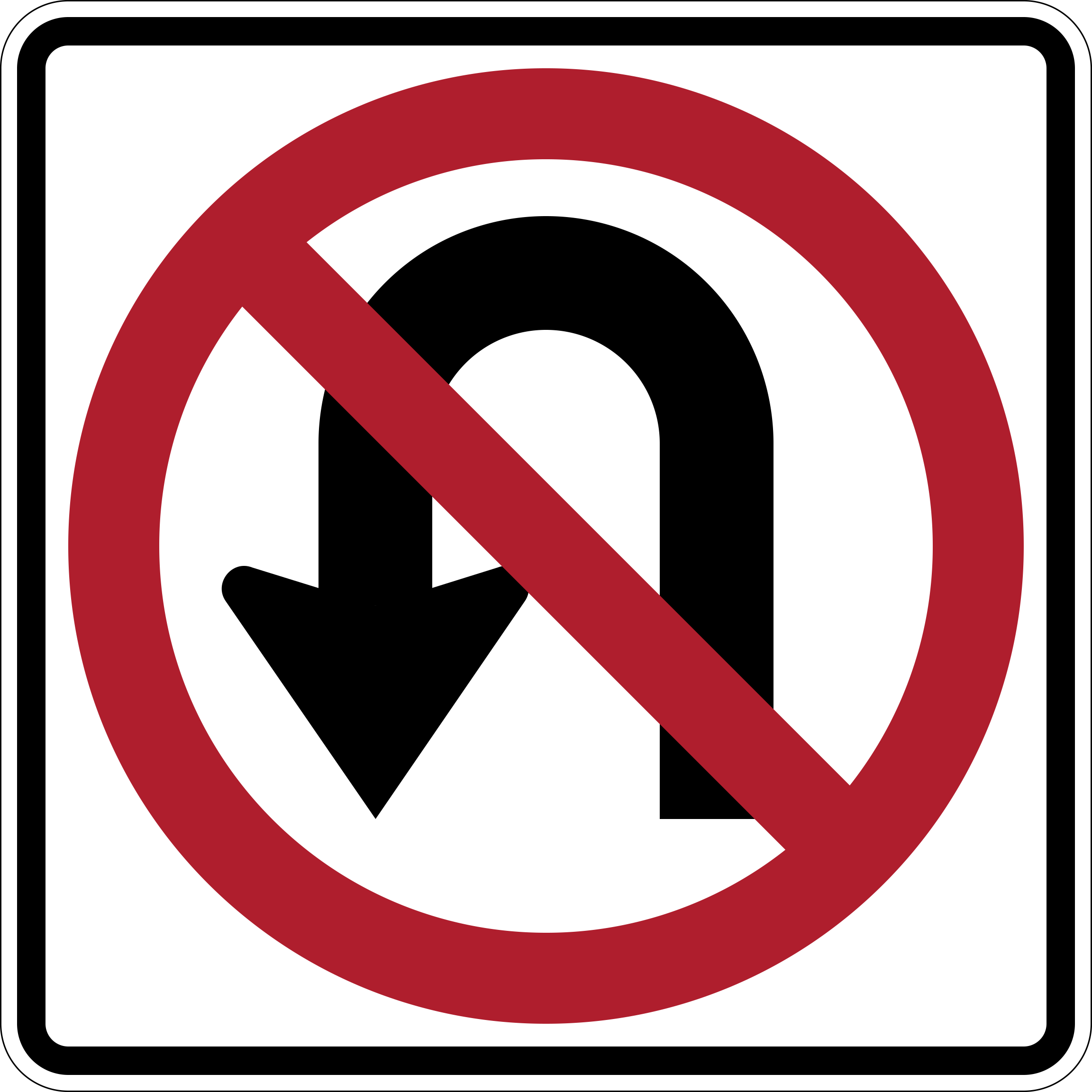
- No U-Turn
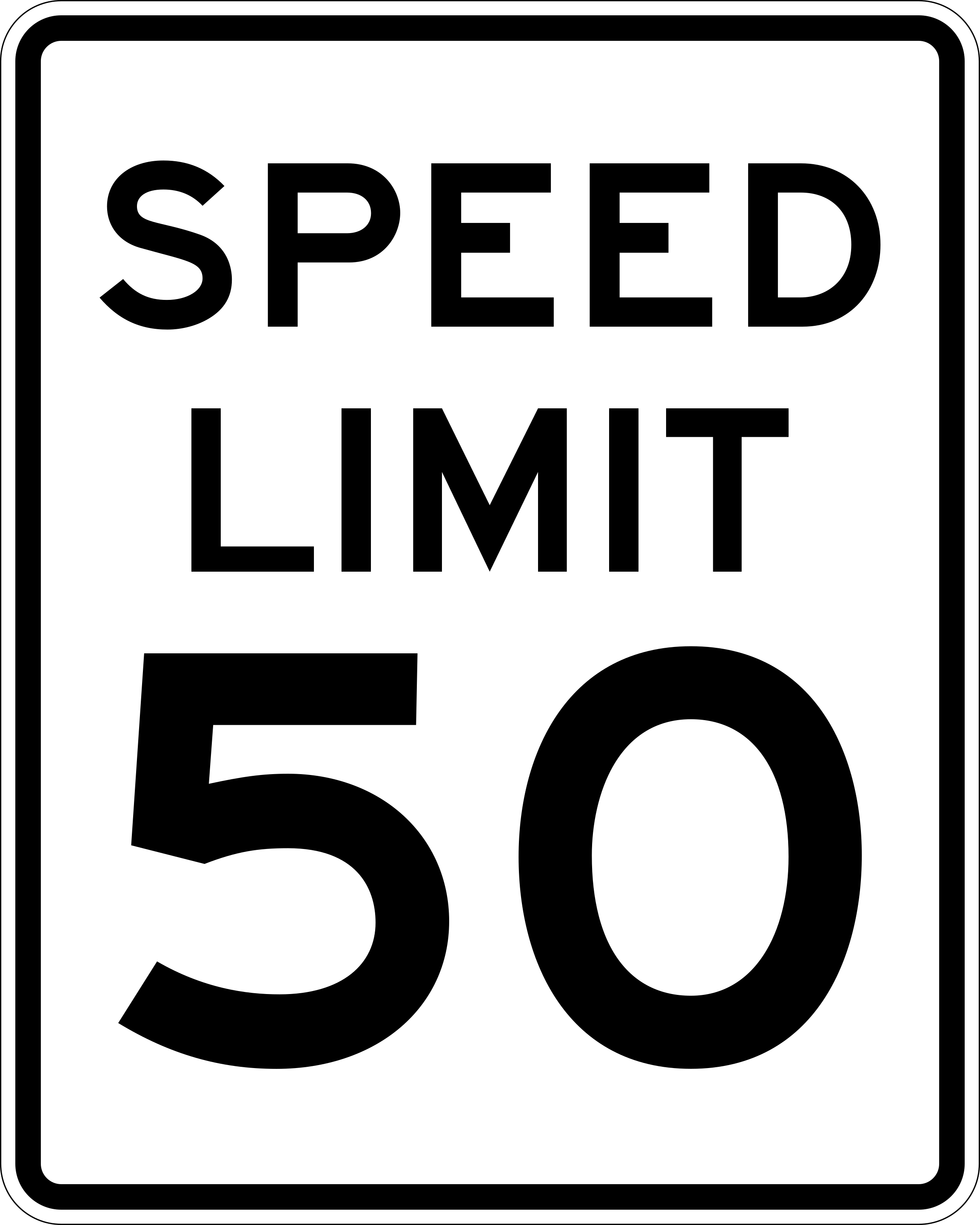
- Speed Limit
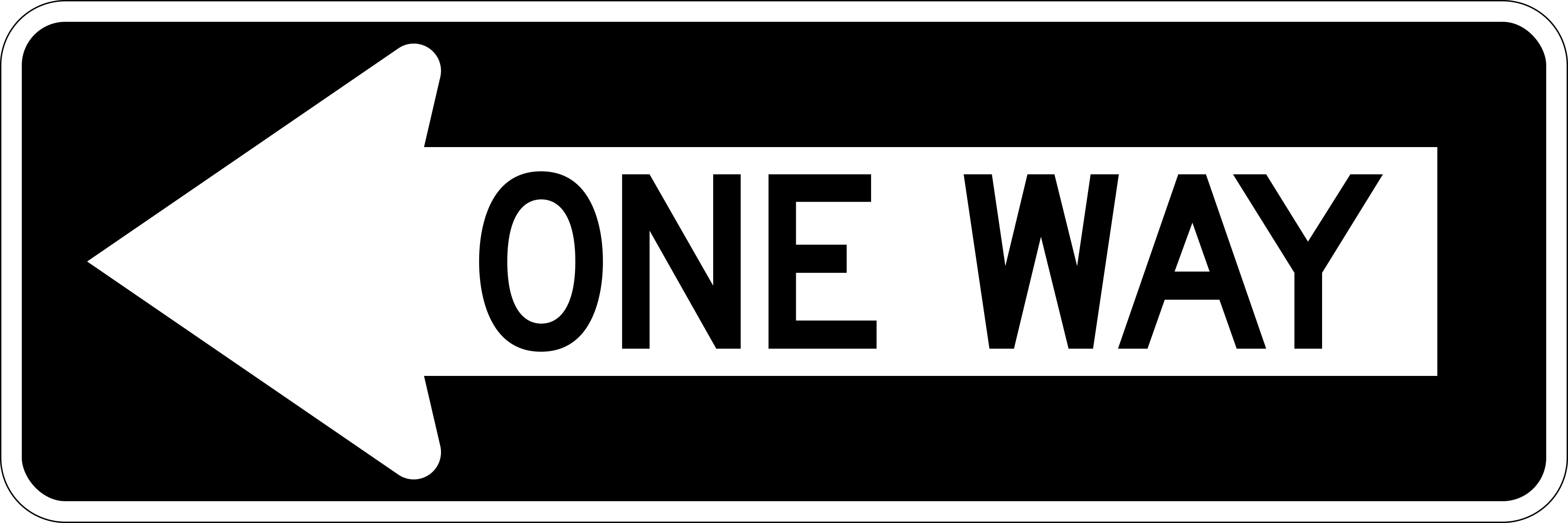
- One Way
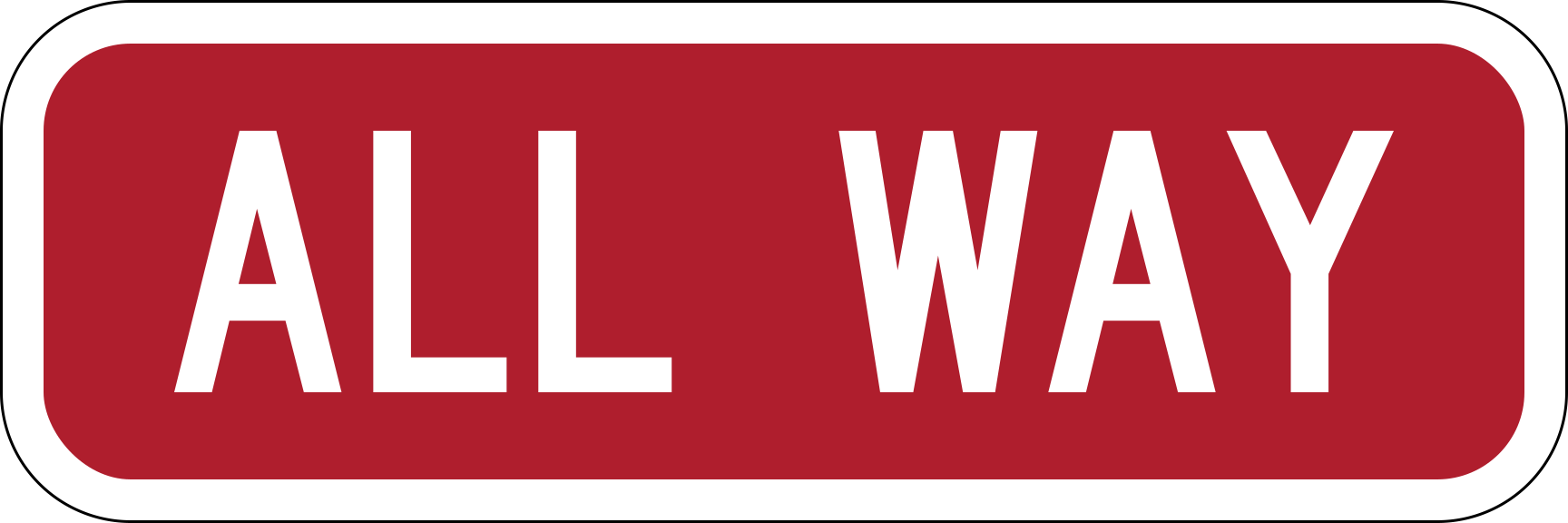
- All Way
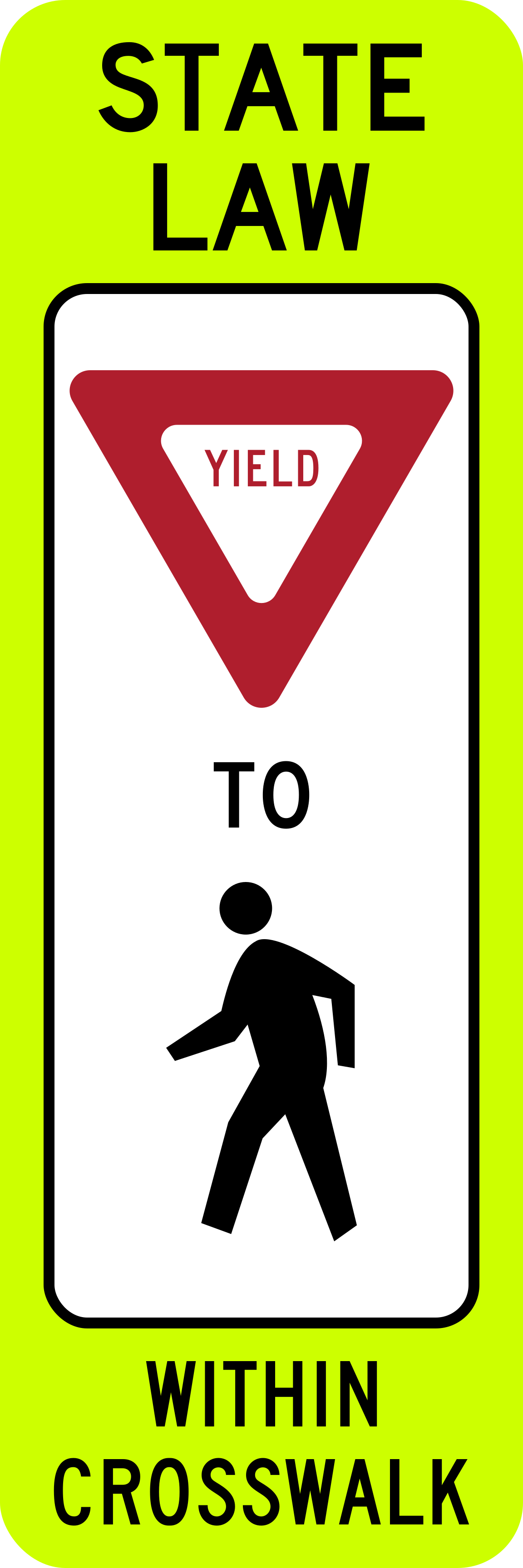
- State Law: Yield to Pedestrians
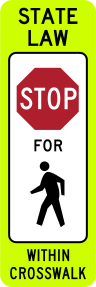
- State Law: Stop for Pedestrians
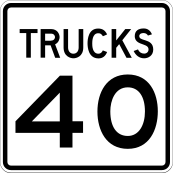
- Truck Speed Limit
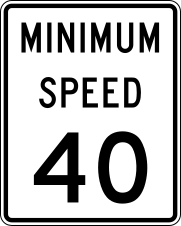
- Minimum Speed Limit
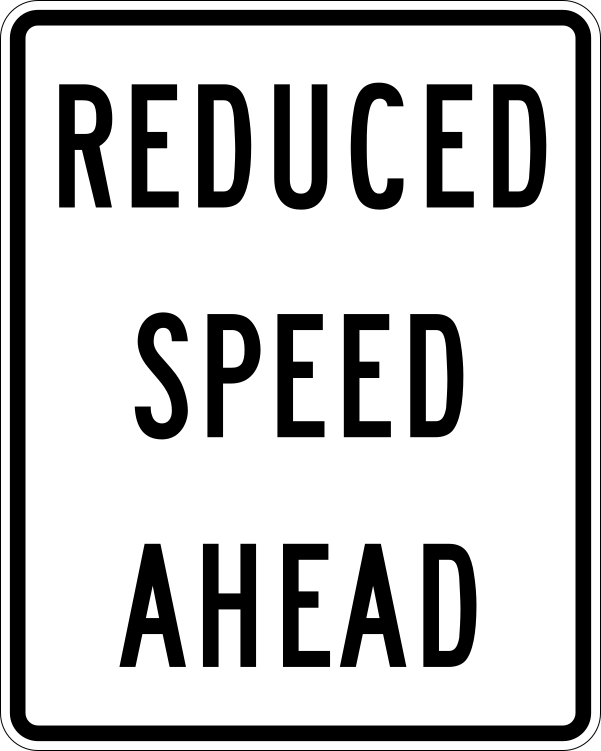
- Reduced Speed Limit Ahead
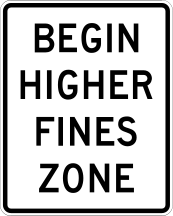
- Begin Higher Fines Zone
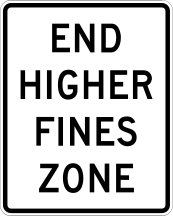
- End Higher Fines Zone
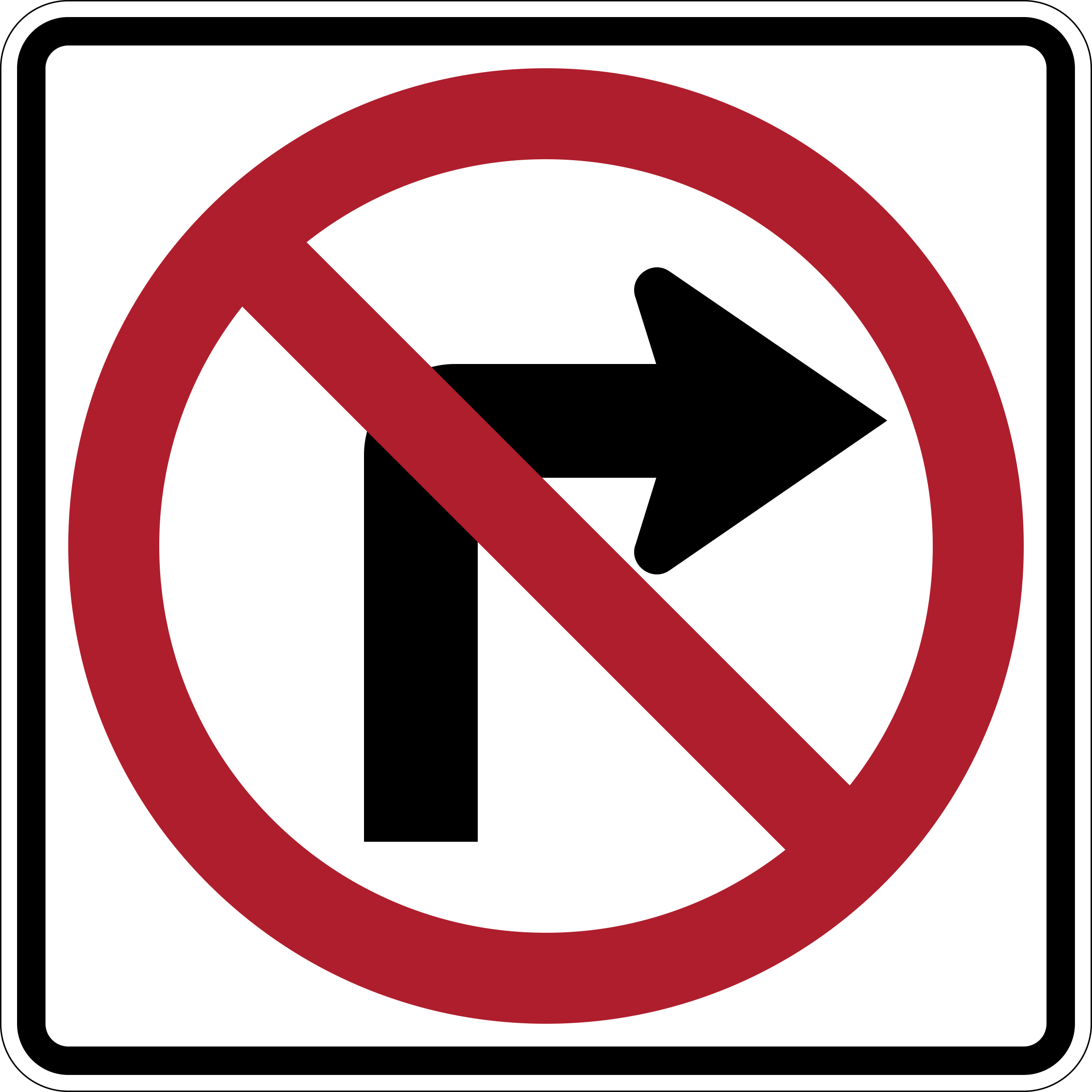
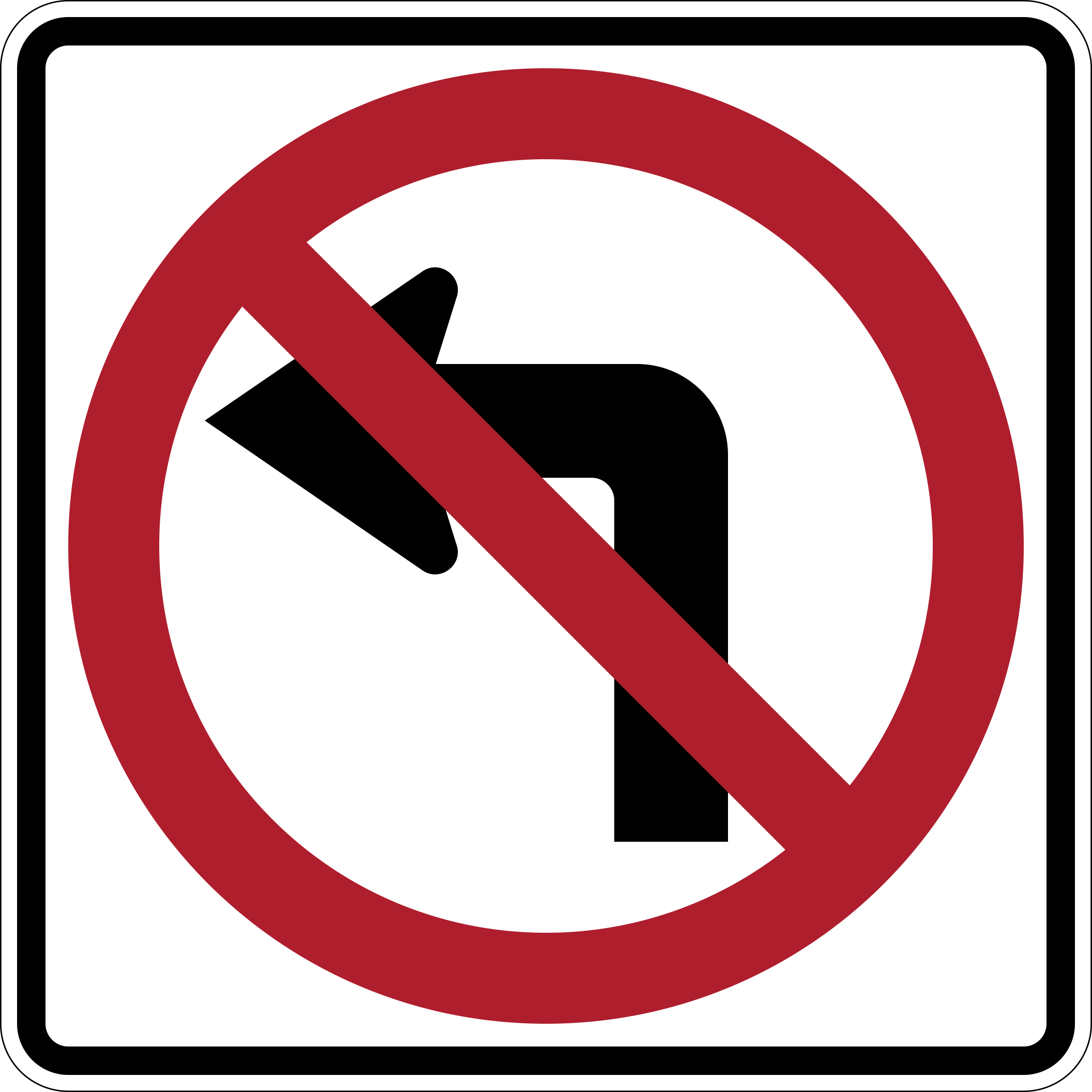
- No Right Turn
- No Left Turn
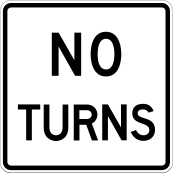
- No Turns
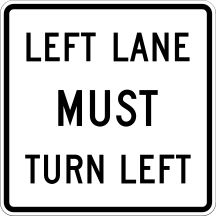
- Left Lane Must Turn Left
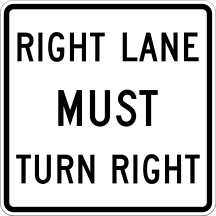
- Right Lane Must Turn Right
- Intersection Lane Control
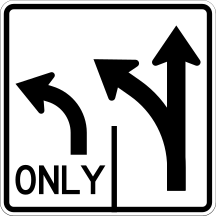
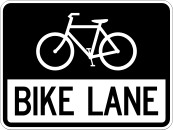
- Bike Lane
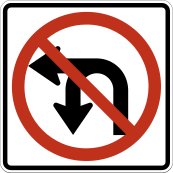
- No Left or U-Turn
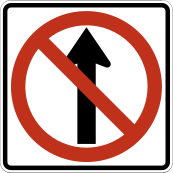
- No Straight Through
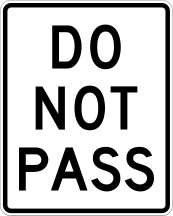
- Do Not Pass
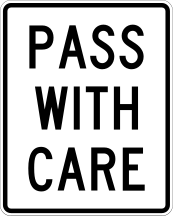
- Pass With Care
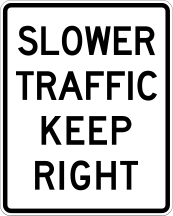
- Slower Traffic Keep Right
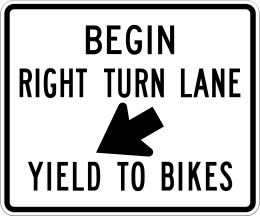
- Begin Right Turn Lane — Yield to Bikes
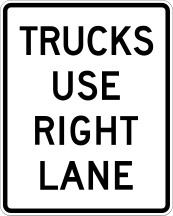
- Trucks Use Right Lane
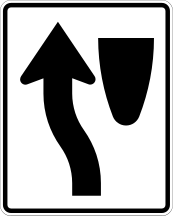
- Keep Right
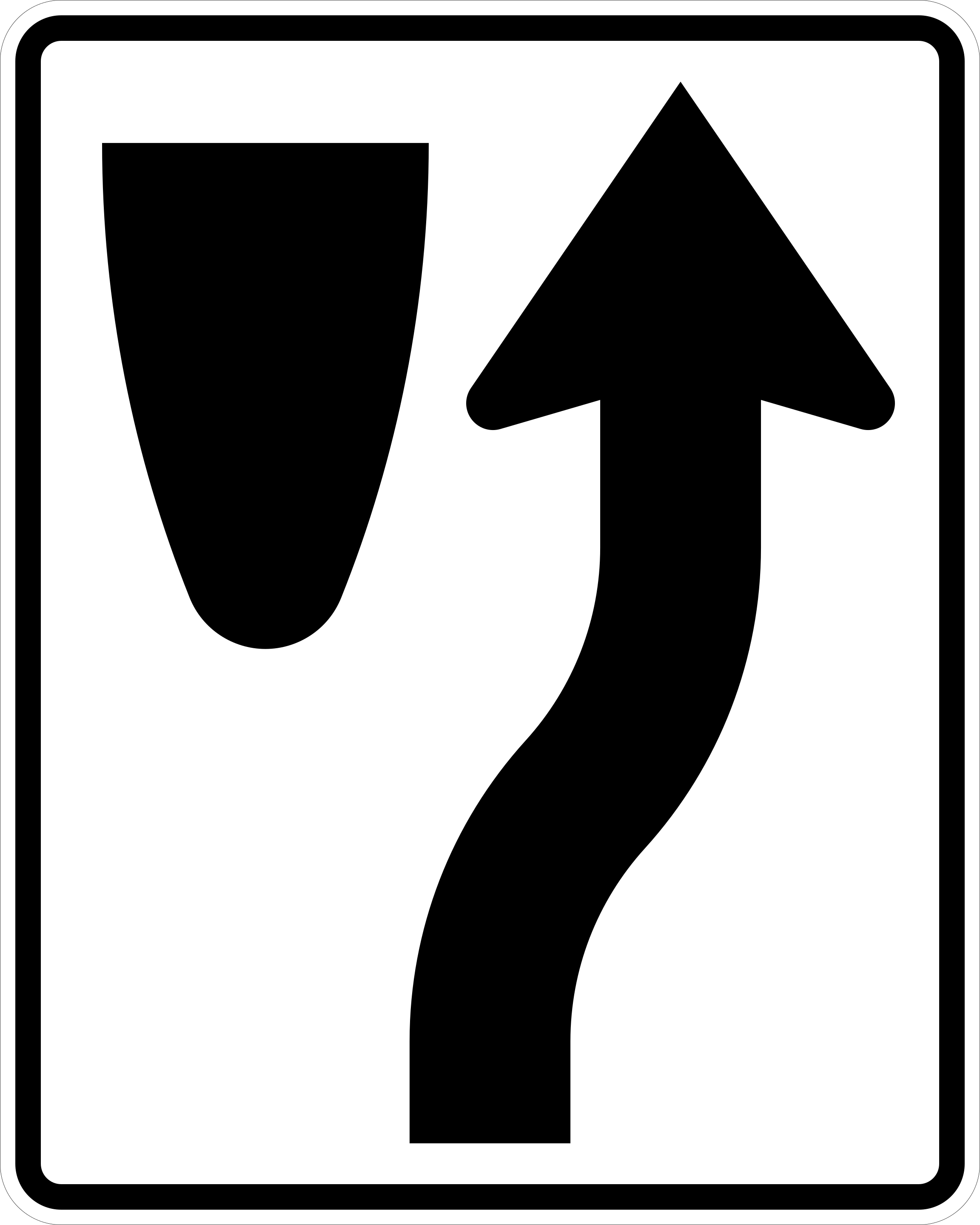
- Keep Left
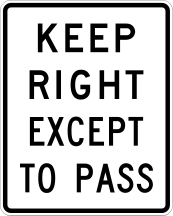
- Keep Right Except to Pass
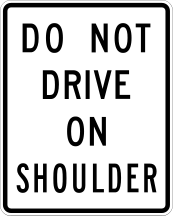
- Do Not Drive on Shoulder
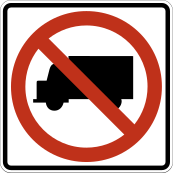
- No Trucks
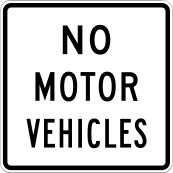
- No Motor Vehicles
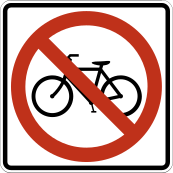
- No Bicycles
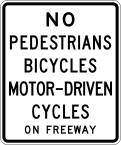
- No Pedestrians, Bicycles, or Motor-Driven Cycles
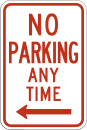
- No Parking Any Time
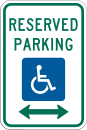
- Accessible Parking
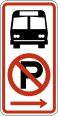
- No Parking Bus Stop
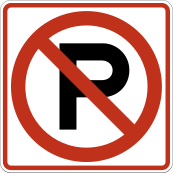
- No Parking
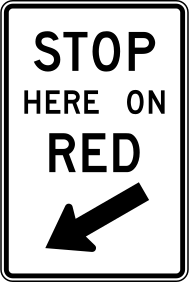
- Stop Here on Red
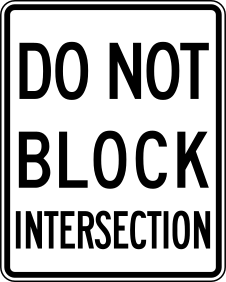
- Do Not Block Intersection
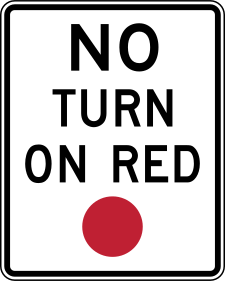
- No Turn on Red
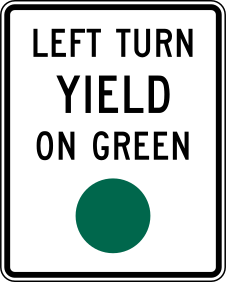
- Left Turn Yield on Green
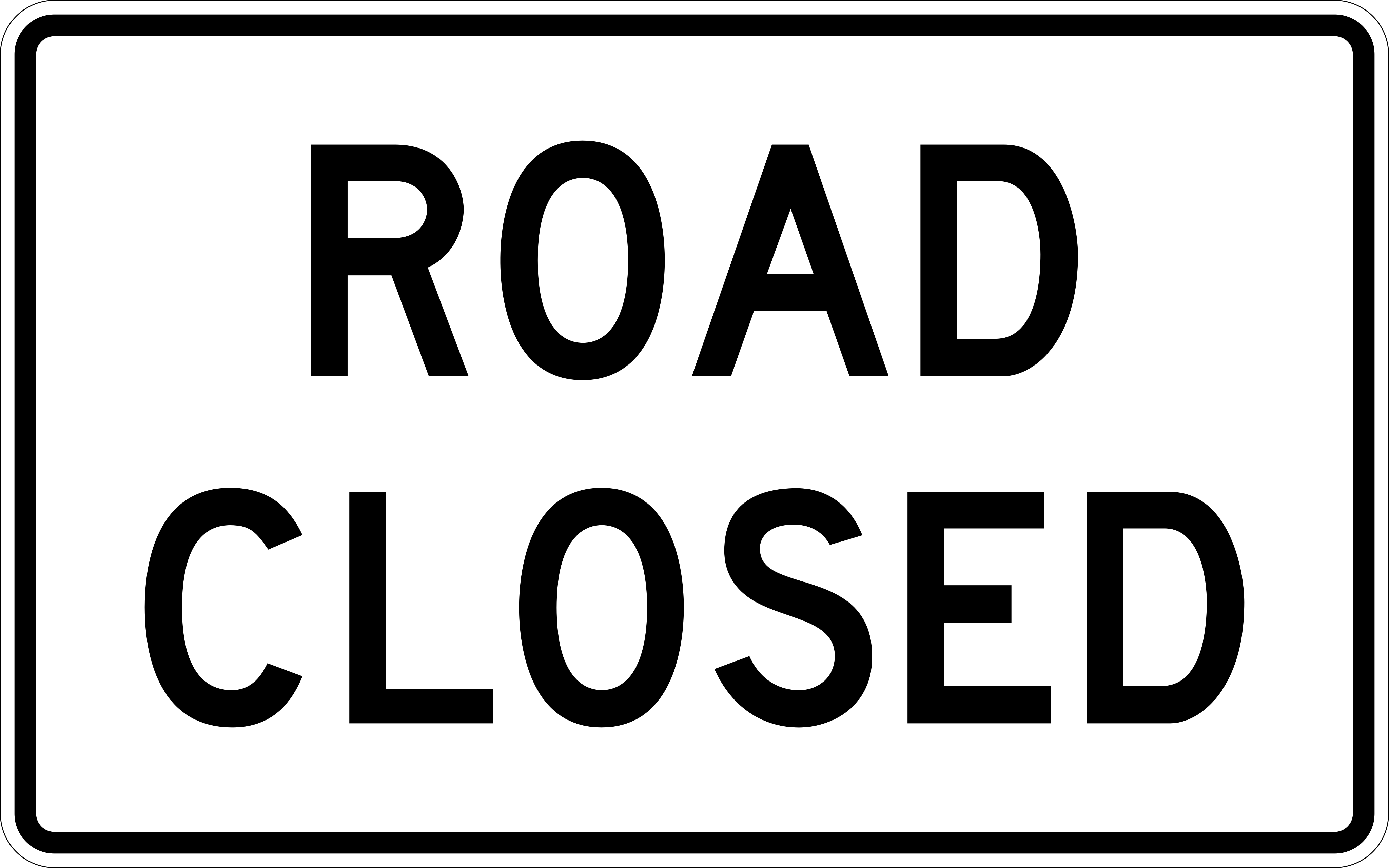
- Road Closed
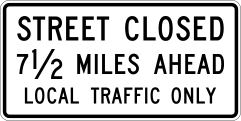
- Road Closed — Local Traffic Only
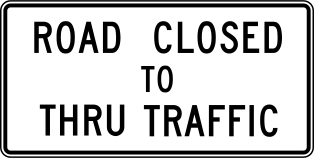
- Road Closed to Thru Traffic
- Weight Limit
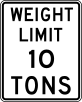
- No Hazardous Materials

- Railroad Crossing (Crossbuck)
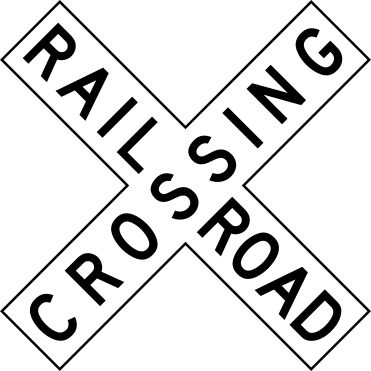
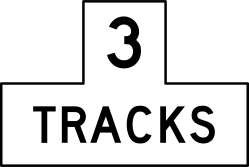
- Number of Tracks
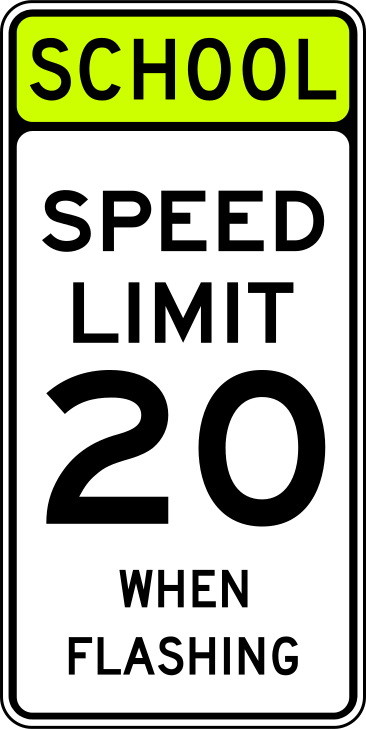
- School Speed Limit When Flashing
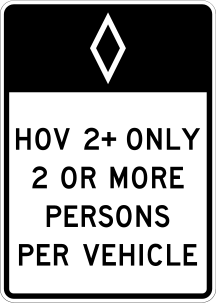
- HOV Lane
- Exempt

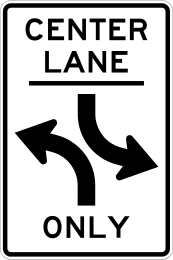
- Two-Way Left Turn Only
Warning signs
- Turn Ahead

- Stop Ahead

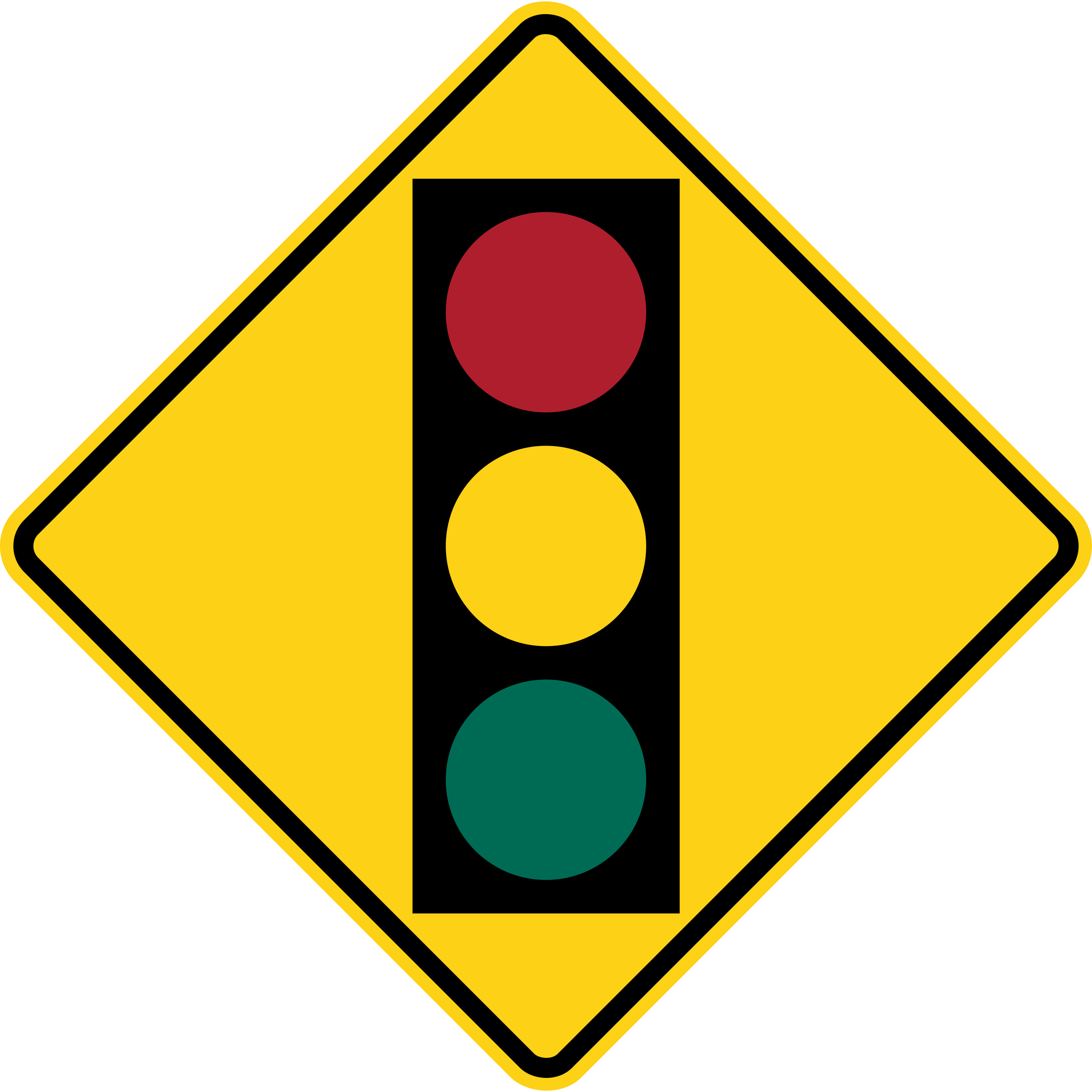
- Signal Ahead
- Pedestrian Crossing

- Curve

- Reverse Turn

- Reverse Curve

- Winding Road

- One-Direction Large Arrow

- Two-Direction Large Arrow

- Chevron Alignment

- Hairpin Curve

- Cross Road

- Side Road

- Roundabout Ahead

- Yield Ahead

- Be Prepared to Stop

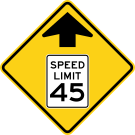
- Reduced Speed Limit Ahead
- Merging Traffic

- Lane Ends

- Added Lane

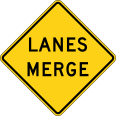
- Lanes Merge
- Road Narrows

- Narrow Bridge

- One Lane Bridge

- Ramp Narrows

- Divided Highway Begins

- Divided Highway Ends

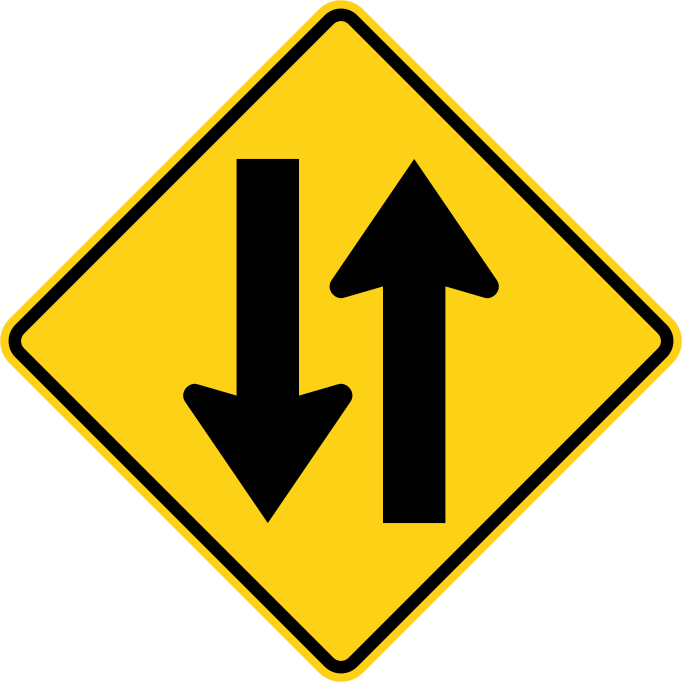
- Two-Way Traffic
- Hill / Steep Grade

- Bump

- Dip

- Pavement Ends

- Soft Shoulder

- Slippery When Wet

- Loose Gravel

- Rough Road

- Low Shoulder

- Uneven Lanes

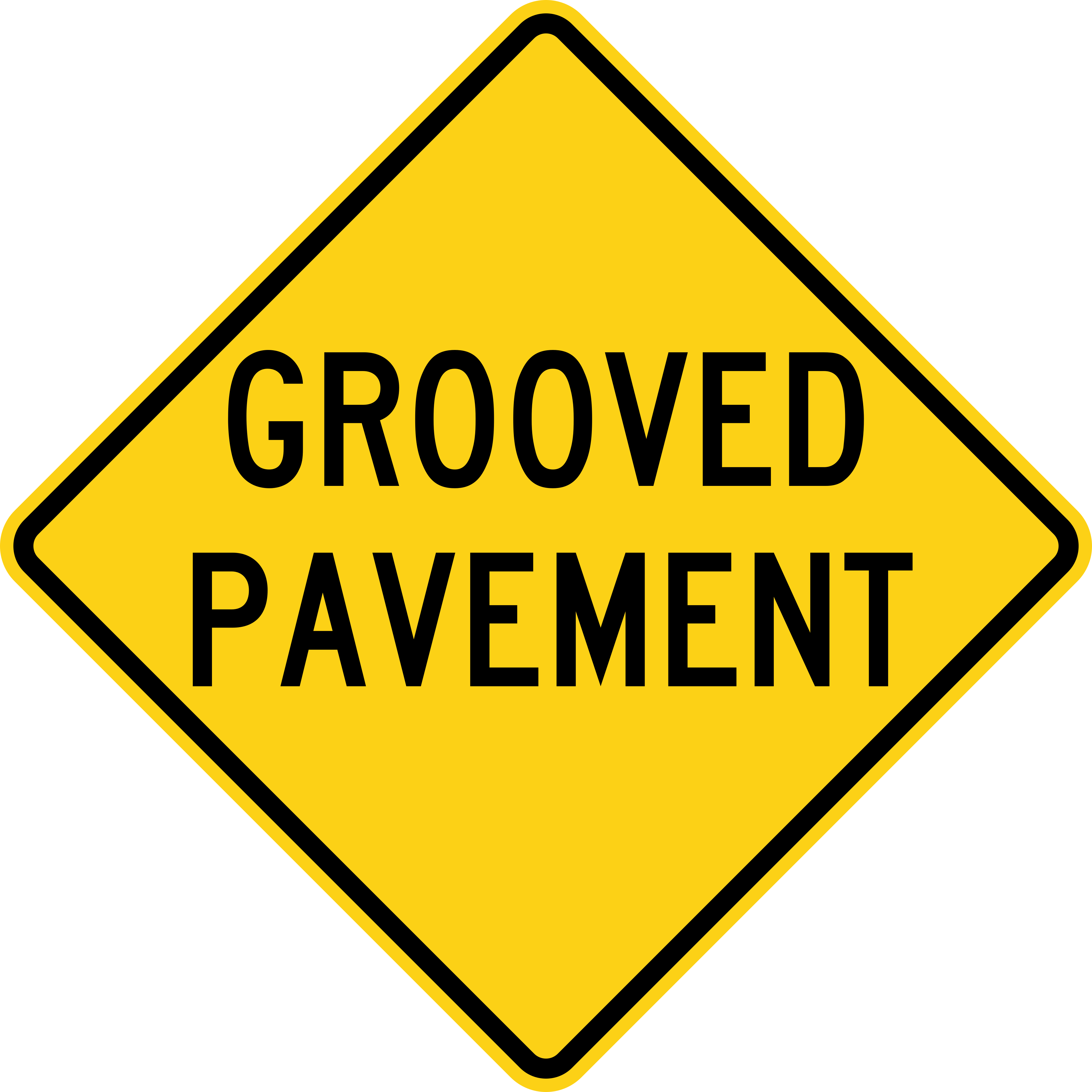
- Grooved Pavement
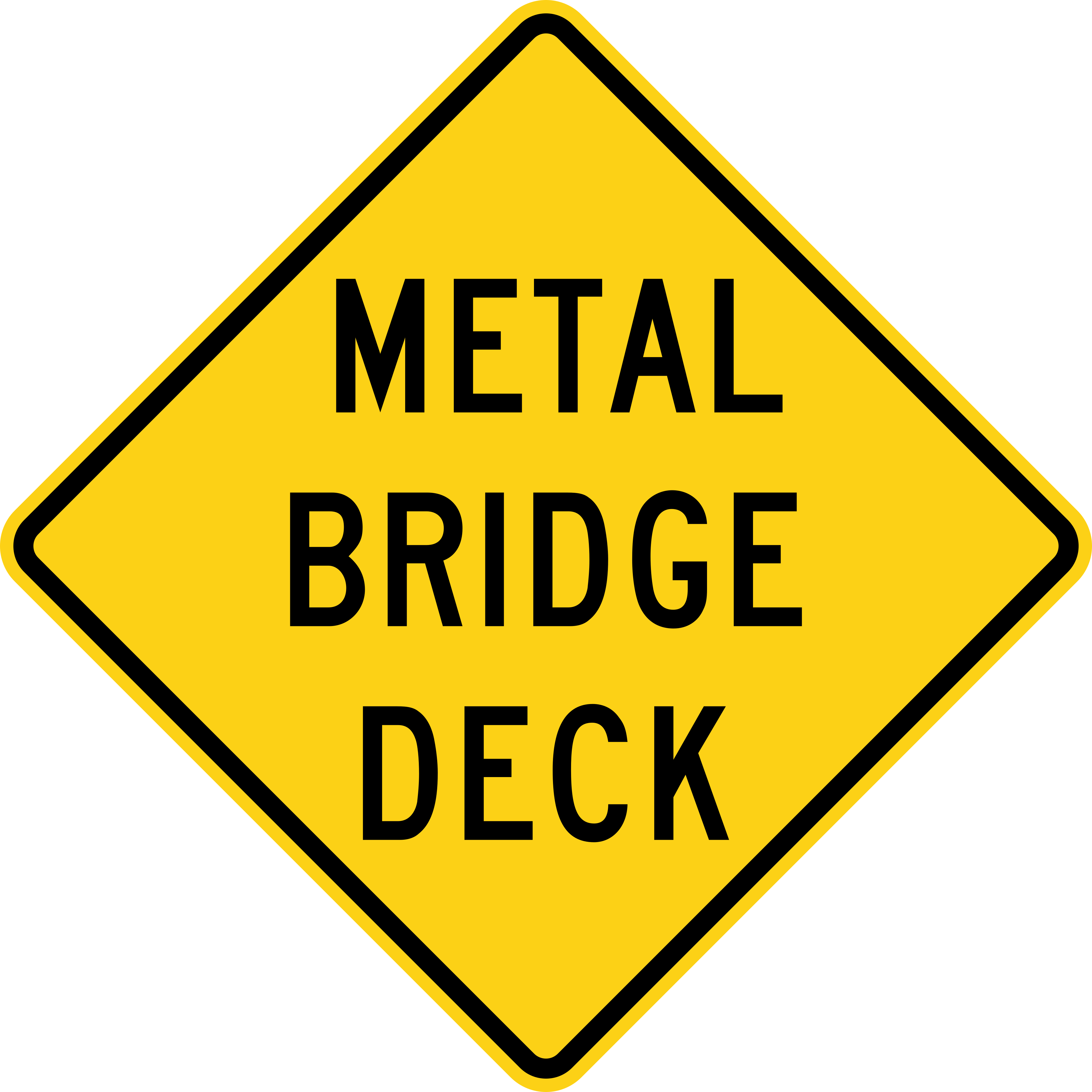
- Metal Bridge Deck
- Railroad Crossing Ahead

- Bicycle Crossing

- Deer Crossing

- Cattle Crossing

- Farm Machinery

- Snowmobile Crossing

- Equestrian Crossing

- Persons with Disabilities

- Golf Cart Crossing

- Horse-Drawn Vehicle Crossing

- Low Clearance

- Advisory Speed

- Dead End

- No Outlet

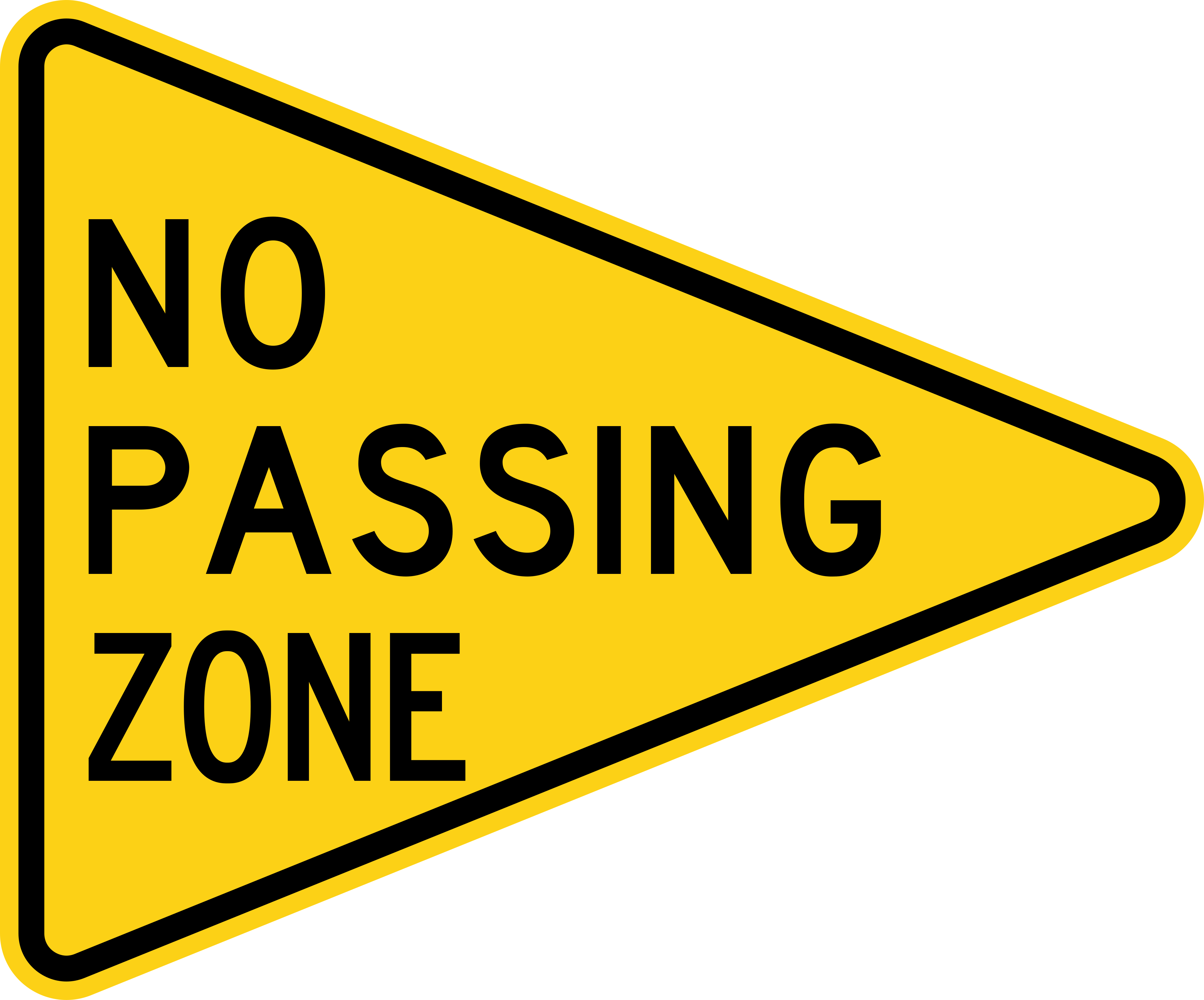
- No Passing Zone
- Playground

- Speed Hump

- School

- Truck Rollover

- Bridge Ices Before Road

- Road May Flood

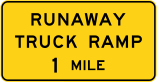
- Runaway Truck Ramp
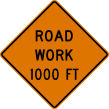
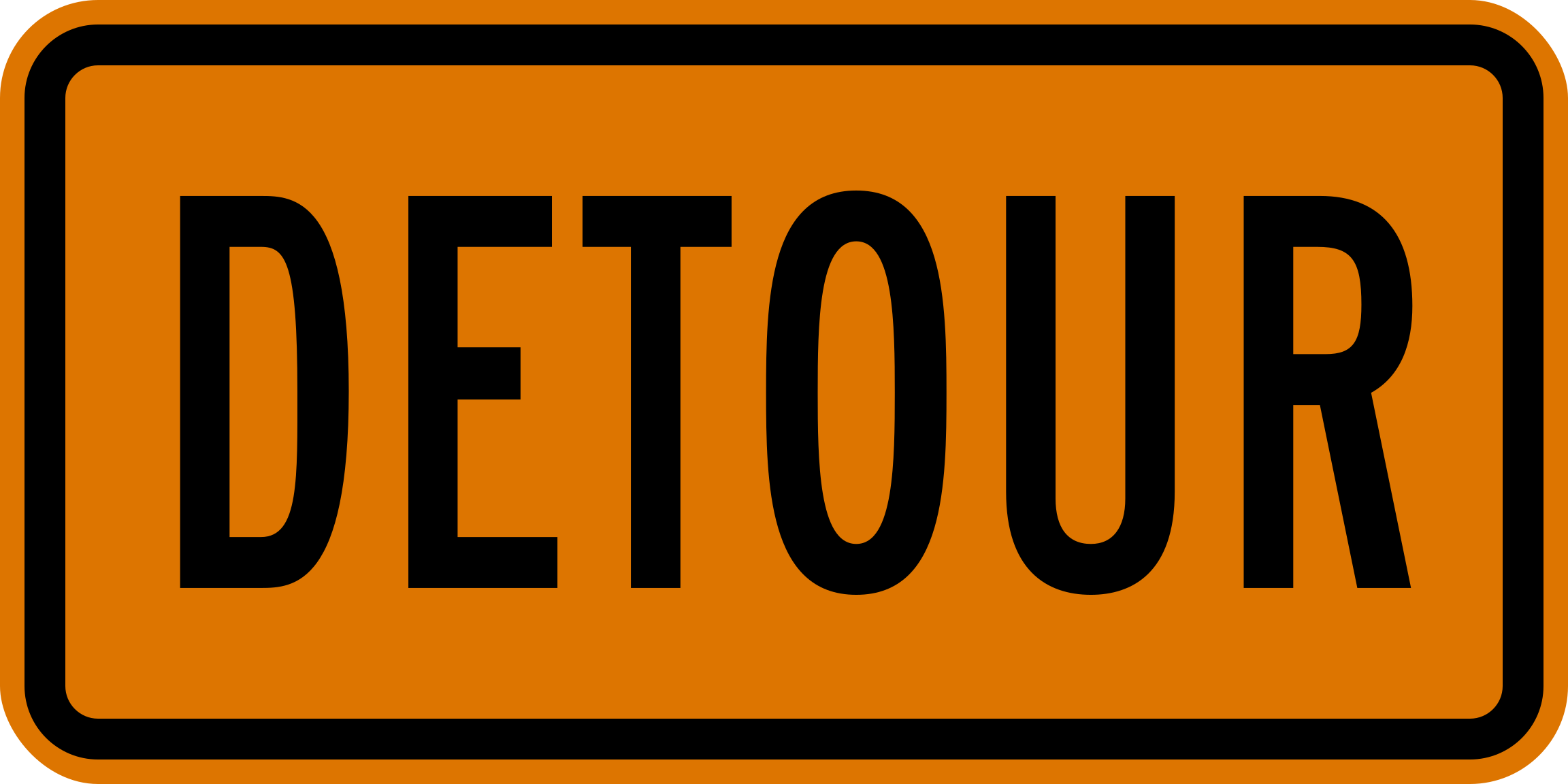
Construction & work-zone signs


Guide signs
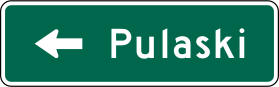
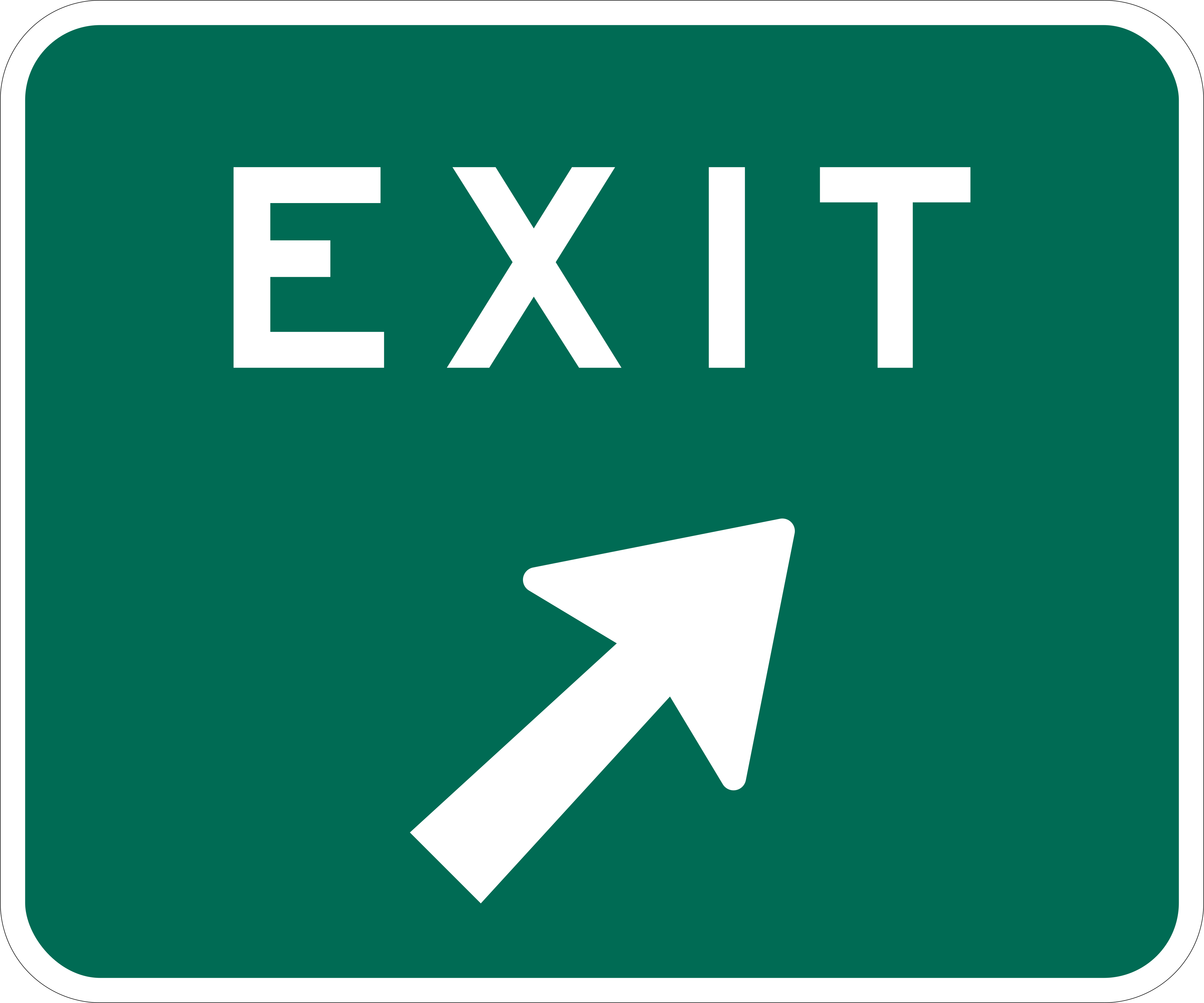


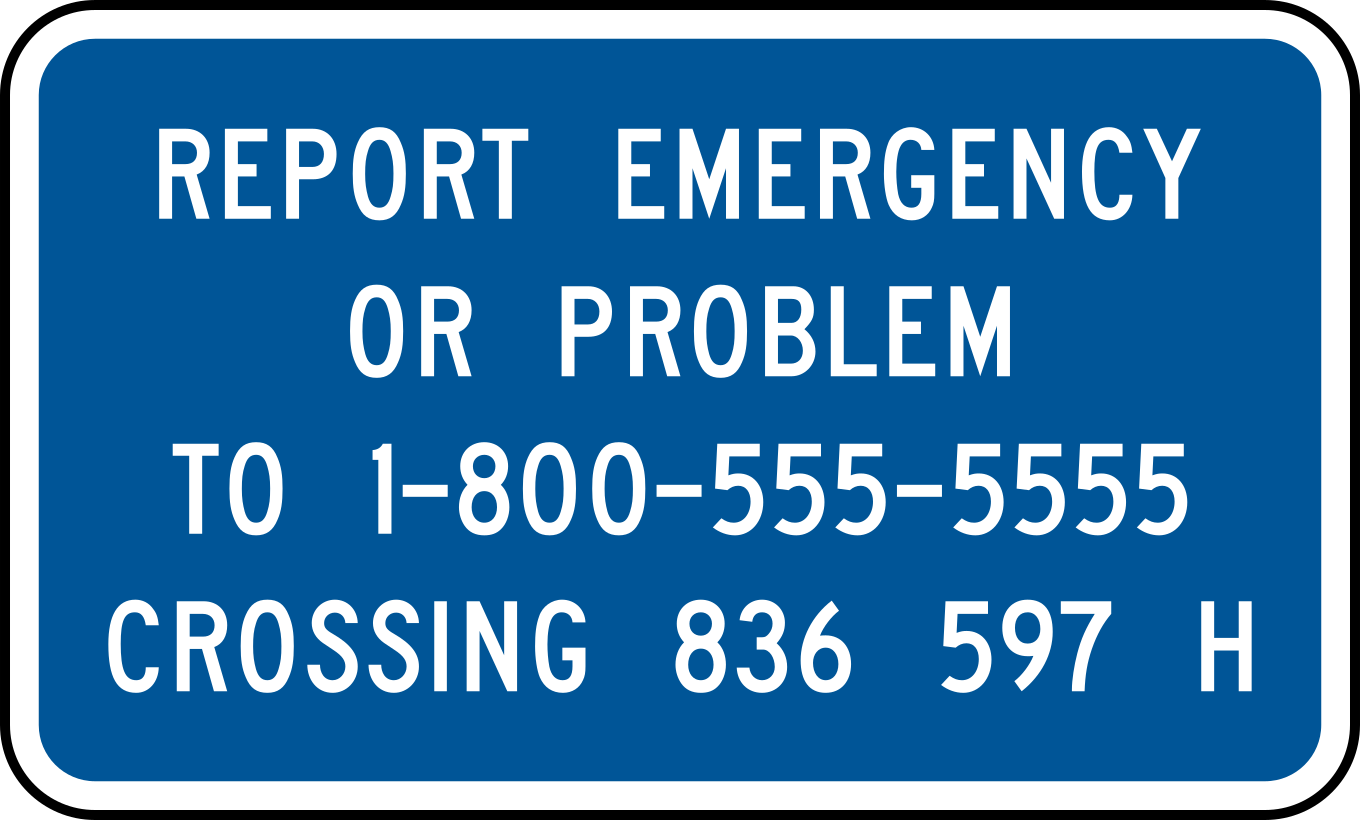
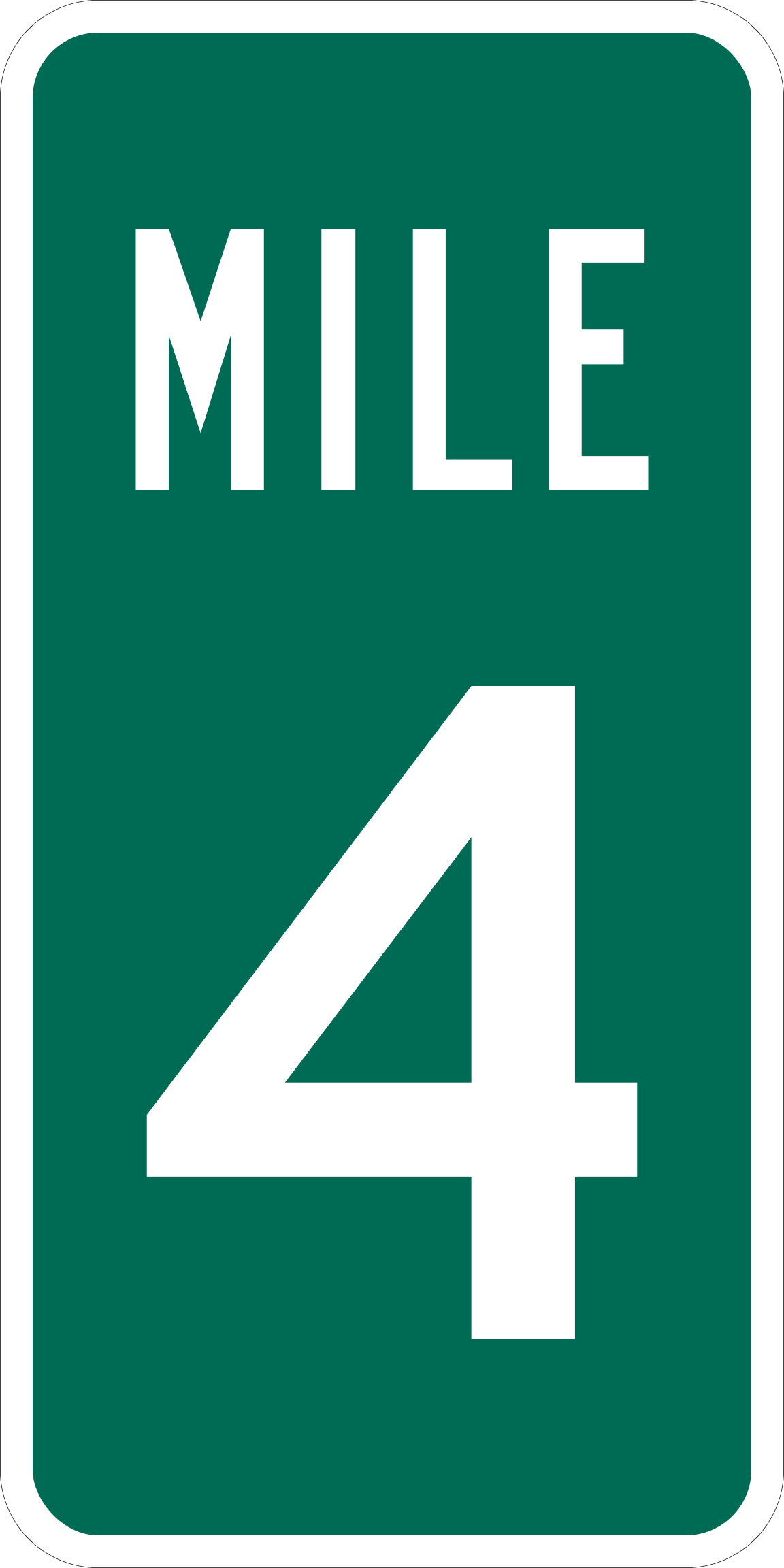
Service & information signs




Arkansas road signs: frequently asked questions
Who gives the written test in Arkansas if there is no DMV?
The Arkansas State Police. Its Driver Examination page says driver license tests are administered in all Arkansas counties and routes applicants to troop testing sites through one statewide scheduling link. The Office of Driver Services, inside the Department of Finance and Administration, does the licensing rather than the examining, and the study guide reflects that hand-off: after a learner's, intermediate or Class D applicant clears the knowledge, vision and skills requirements, the guide says the applicant will return to any Arkansas Revenue Office to receive the license.
What does it cost to fail the Arkansas written exam?
Five dollars an attempt. Act 1289 of 2015 sits on the first page of the study guide and is blunt about it: a five-dollar fee for each written examination, no limit to the number of exams charged at the time of license, the fee added to the cost of your driver's license, collected by the Department of Finance and Administration, and kept separate from the duplicate fee. Notice where the money changes hands — the State Police gives the exam, the finance department bills for it when the license is issued. The guide names no waiting period between attempts.
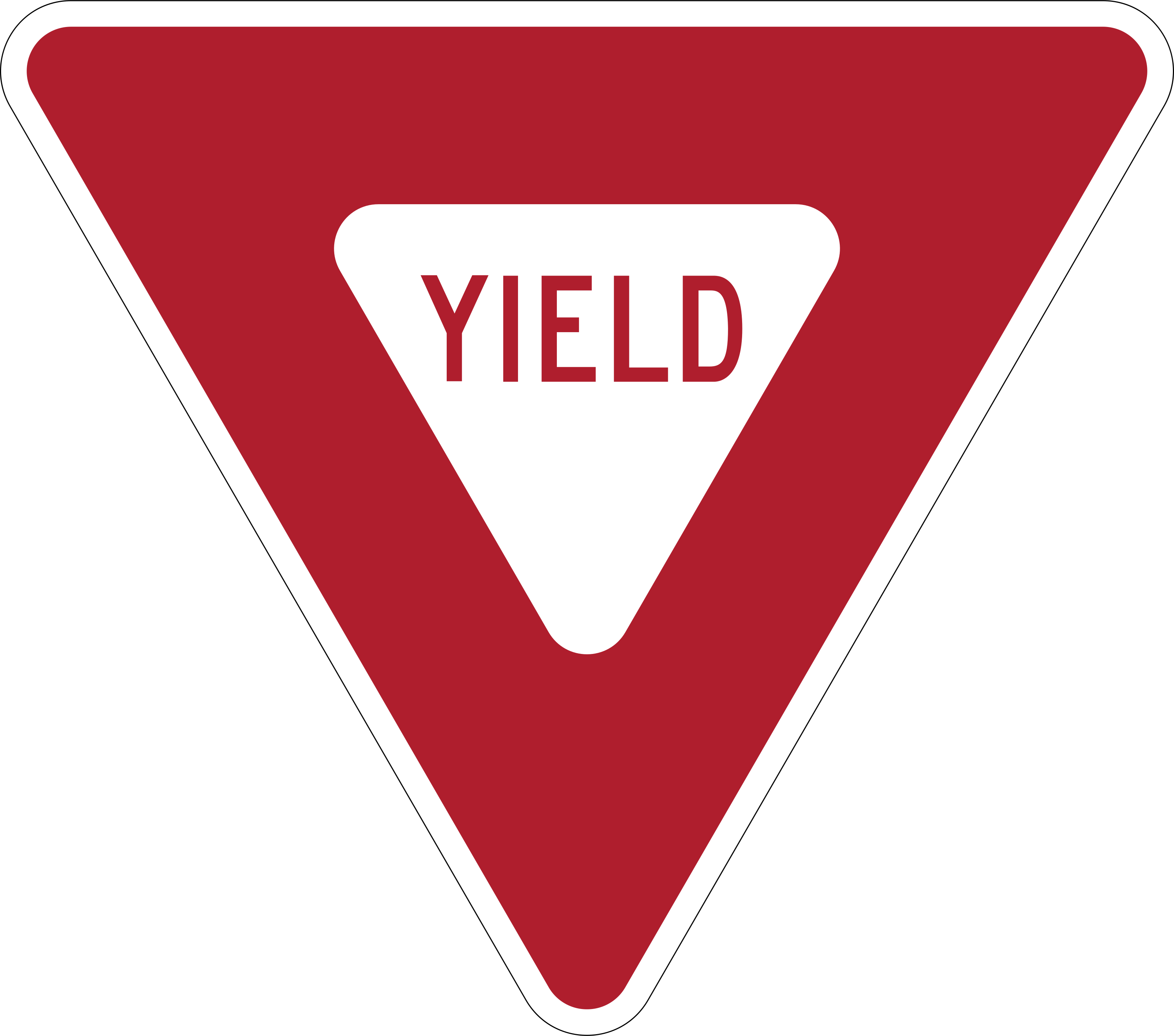
What does the Arkansas guide actually say about the yield sign?
It describes the sign and then prices the violation, which is unusual placement for a handbook. On shape and color: "A yield sign is a red and white or yellow and black that is triangular shaped displaying the word 'YIELD' or 'YIELD RIGHT OF WAY.'" On the duty: slow down or yield the right of way to traffic in the intersection you are crossing or entering, and stop when necessary. Then the penalty, inside the sign section itself — a driver who fails to yield could receive a fine of up to a thousand dollars and a one-hundred-and-eighty-day license suspension.
Do work-zone signs count as Arkansas road-sign material?
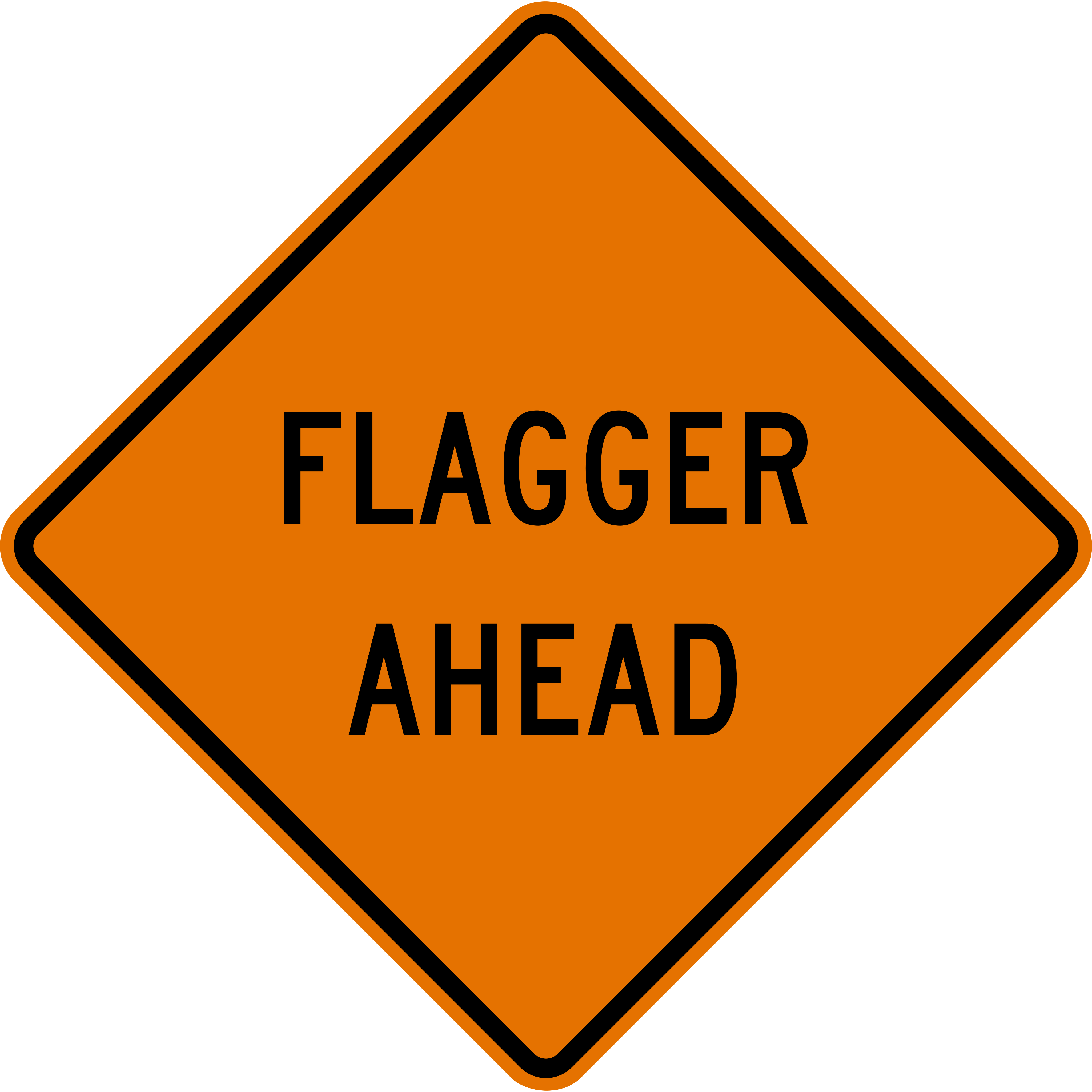
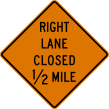
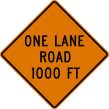
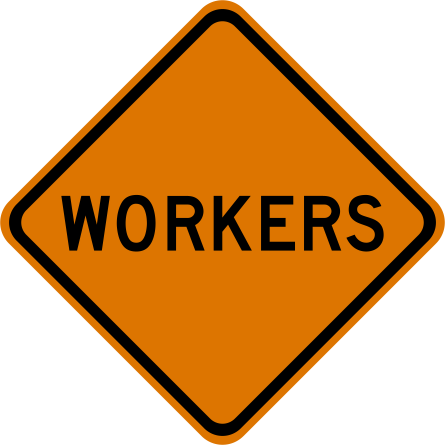
They do, and they sit in the same chapter, ahead of the sign headings. The guide describes them loosely on purpose: "They may be diamond or rectangular shaped, and the background may be orange, white or black with white or black letters or symbols." The consequences are specific, though. Any moving violation in a work zone carries double the fine, as high as five thousand dollars depending on the violation, and mobile work zones count the same as standard ones. Speed enforcement cameras are used in Interstate work zones, and the legislature recently authorized flashing green lights on construction and maintenance vehicles.
What are Arkansas's railroad crossing signs, and what is an EXEMPT sign?
The crossbuck is the one at the tracks: "This is a white 'X' shaped sign with black letters. This sign marks the grade crossing and requires you to yield the right-of-way to the train." A sign beneath it carrying a number tells you how many sets of tracks are there. An EXEMPT sign means the crossing has been abandoned or its use discontinued, and Arkansas describes two kinds — yellow with black letters below the advance warning sign, white with black letters below the crossbuck. The gate instruction is worth reading twice: if the gates begin to come down as you begin to cross, keep going even if it means you will break the gate.
Is this the official Arkansas practice test?
No, and the study guide addresses sites like this one directly: "The Arkansas State Police is not associated with third-party websites offering practice tests." The State Police runs its own, both on the Driver Examination page and as an app called AR Driver Testing in the Google Play and Apple stores. This site is independent of the State Police and of the Department of Finance and Administration, it is free, and it asks for no account. Every question here carries an explanation and a citation into the study guide, which the State Police also publishes in Spanish and Vietnamese alongside the English edition.
Official sources
- Arkansas Driver Services (Department of Finance and Administration)
- Arkansas State Police — Driver Examination
- Arkansas DFA — Learner's and Intermediate License
Checked against official state sources on 2026-08-29.