Arizona Road Signs and Their Meanings
Arizona checks that you know your signs twice, and only one of those checks is the written test. The first is the written permit test — thirty multiple-choice questions, 80 percent or higher to pass, and nobody who has never held a driver license in the United States can schedule a road test without clearing it, whatever their age. The second comes later, in the car. The Arizona Driver License Manual's road-test section states that before you can take the road test you will have to show that you understand the meaning of Arizona traffic signs, and then respond in English to a short list of spoken instructions: stop, slow down, change lanes left or right, drive straight ahead, turn at the next street or corner or stop sign or traffic light. Passing the written test does not retire the subject.
Neither of those checks comes with a published sign quota. The Motor Vehicle Division states the written test's length and its passing standard and stops there, and the road-test requirement is written as a condition rather than as a score. What Arizona does spell out is how and when you sit the thing. Teenagers under eighteen can take the Permit Test @ Home, through a parent or legal guardian's AZ MVD Now account or through a participating Arizona Professional Driving School; the adult verifies their own identity, enters the teenager's information, pays a seven-dollar application fee and supervises the test. Anyone can instead take it at an MVD office on a touch screen, with an audio version available, no appointment needed — though the MVD publishes a fixed testing window: weekdays from early morning to late afternoon, closed on state holidays and on the second Wednesday of every month.
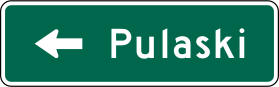
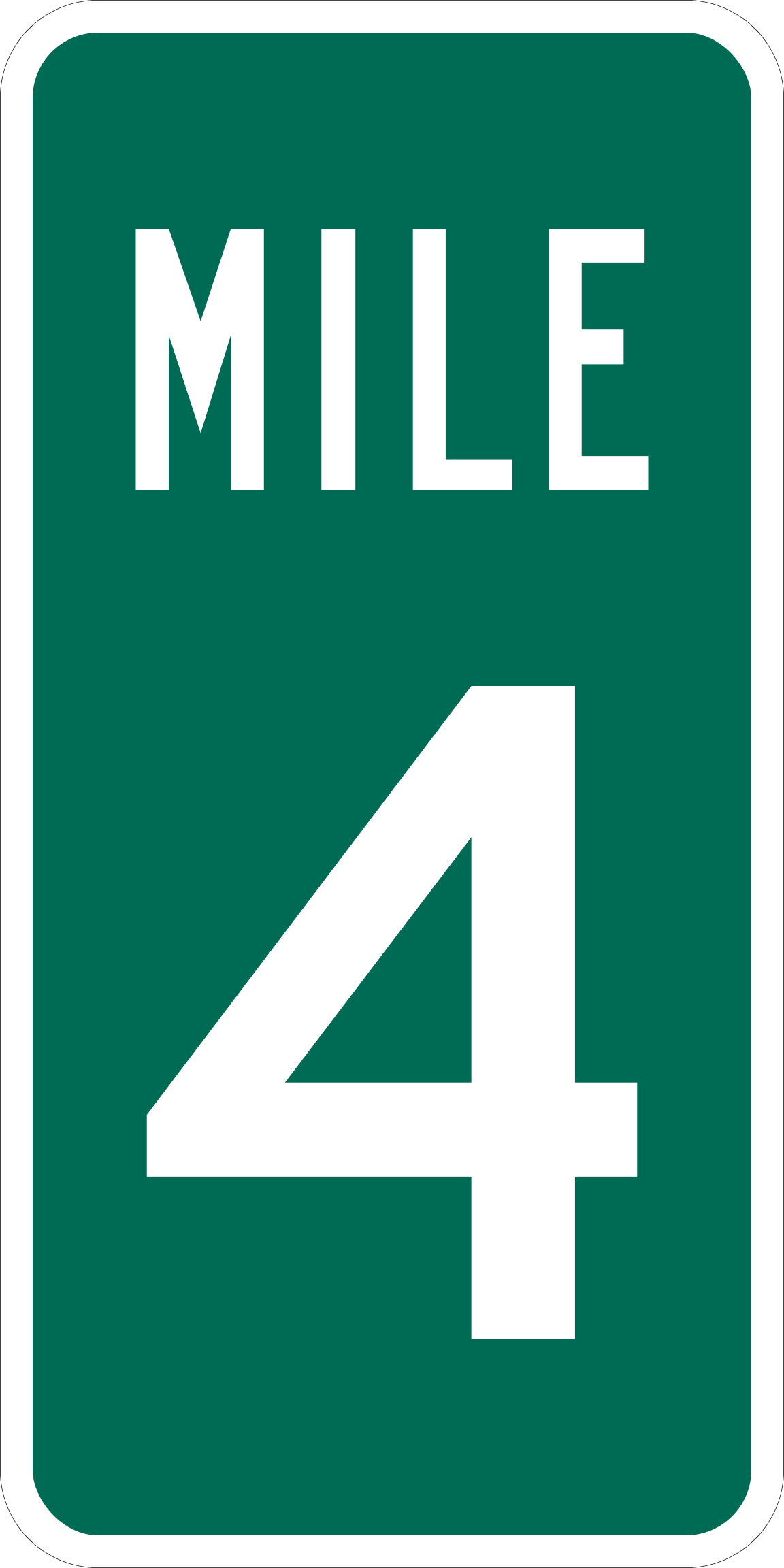
The book is the Arizona Driver License Manual and Customer Service Guide, and its traffic-signs pages open by justifying the whole idea of sign shapes in specifically Arizonan terms. The shape of a sign, it says, can tell you as much as its color or its wording, because when visibility is poor — in heavy rain, dust storms or fog — the shape may be all you can make out. Much of what follows is written the same way, as national symbols with a local rule attached. The pentagon entry notes that school crossing signs may be yellow and that yellow-green ones are being posted by many Arizona school districts, sets the maximum speed from the first sign to past the school crossing sign at 15 mph, and prohibits passing another vehicle inside the zone. The guide-signs entry claims Arizona as one of the few states where every state highway carries mileage markers, set two feet off the right shoulder and about a mile apart. The work-zone pages end on the state's own penalty: fines double.
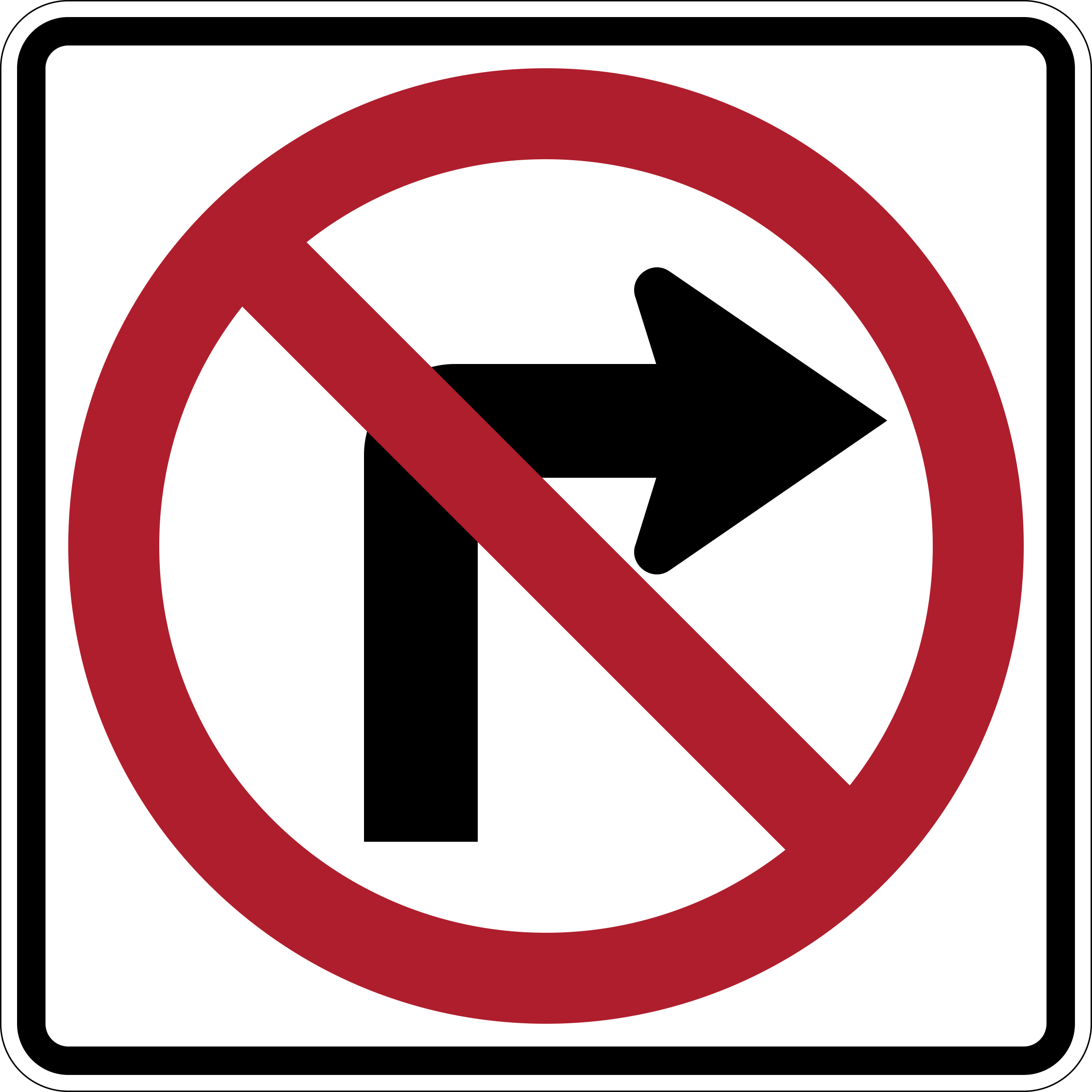
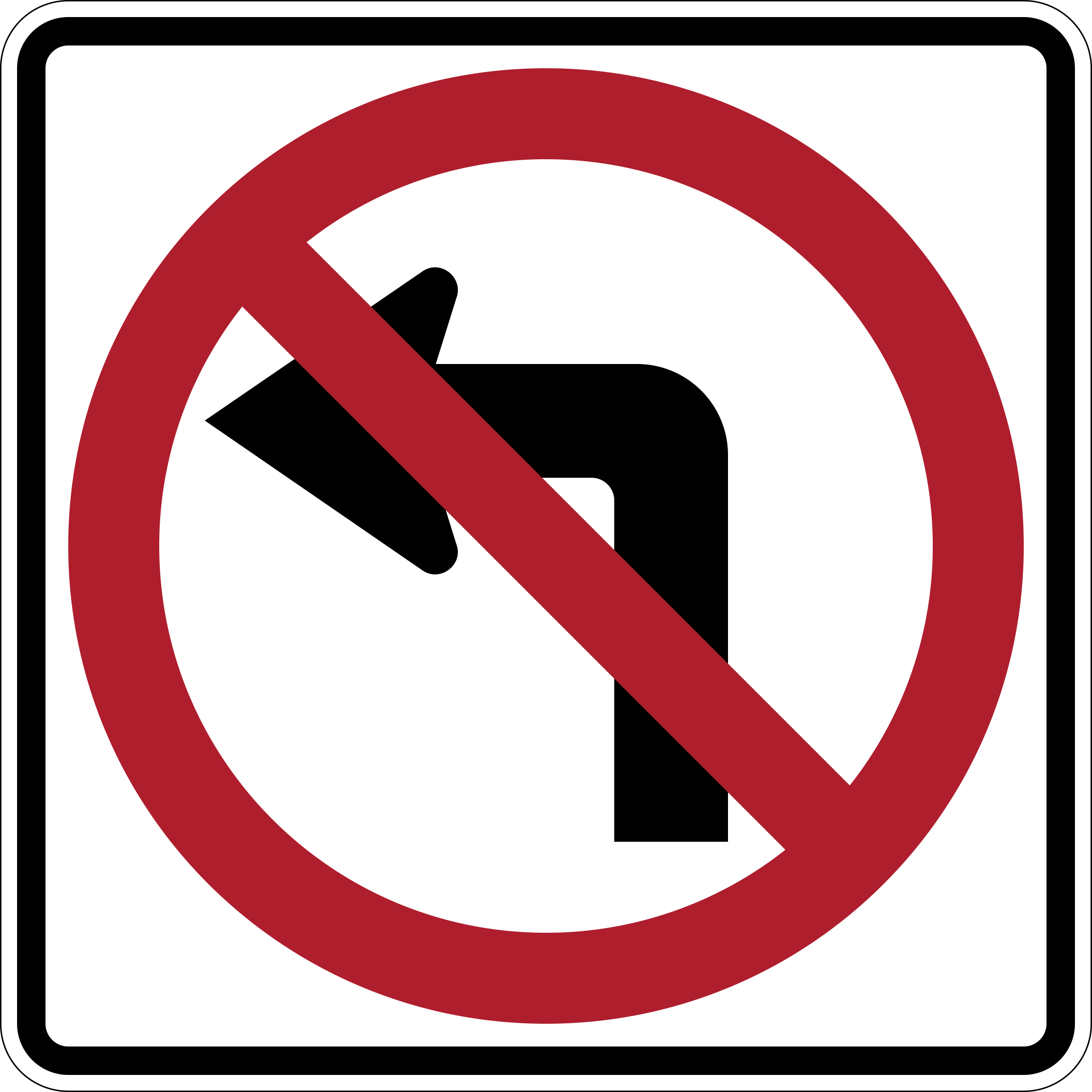
Two of the published Arizona questions here have no national answer at all. Ask what the maximum speed is as you approach a school crosswalk, or how far apart the mileage posts along a state highway are set, and the answer is a figure printed in Arizona's manual and nowhere in the federal sign standard. A third is Arizonan in its framing rather than in its answer: it asks how you would still recognize a stop sign in heavy rain or blowing dust, which is the manual's own argument turned into a question. Most of what remains works through the regulatory family the way the manual presents it, in plain visual descriptions — a white sign with a left-turn arrow crossed out in red, a black-and-white horizontal arrow reading one way, a white circular sign with a truck crossed out — plus the work-zone devices Arizona treats as signs in their own right, including the flashing arrow panel and the overhead electronic message board. The warning family is here too, and it is worth noticing where Arizona files the pennant that opens a no-passing zone: not with the octagon and the triangle under Regulatory Signs, but in the turn, curve and winding road run, immediately ahead of the diamond. The school-zone pentagon, the round railroad warning and a question on what the color orange means belong to that half as well. One sign in the set sits in neither family — the blue and white one carrying the wheelchair symbol and the word parking.
34 published Arizona road-sign questions, each with an explanation and a citation to the handbook section it came from.
Content reviewed against official driver handbooks · August 12, 2026
Every sign you can be tested on in Arizona
Regulatory signs
- Stop

- Yield
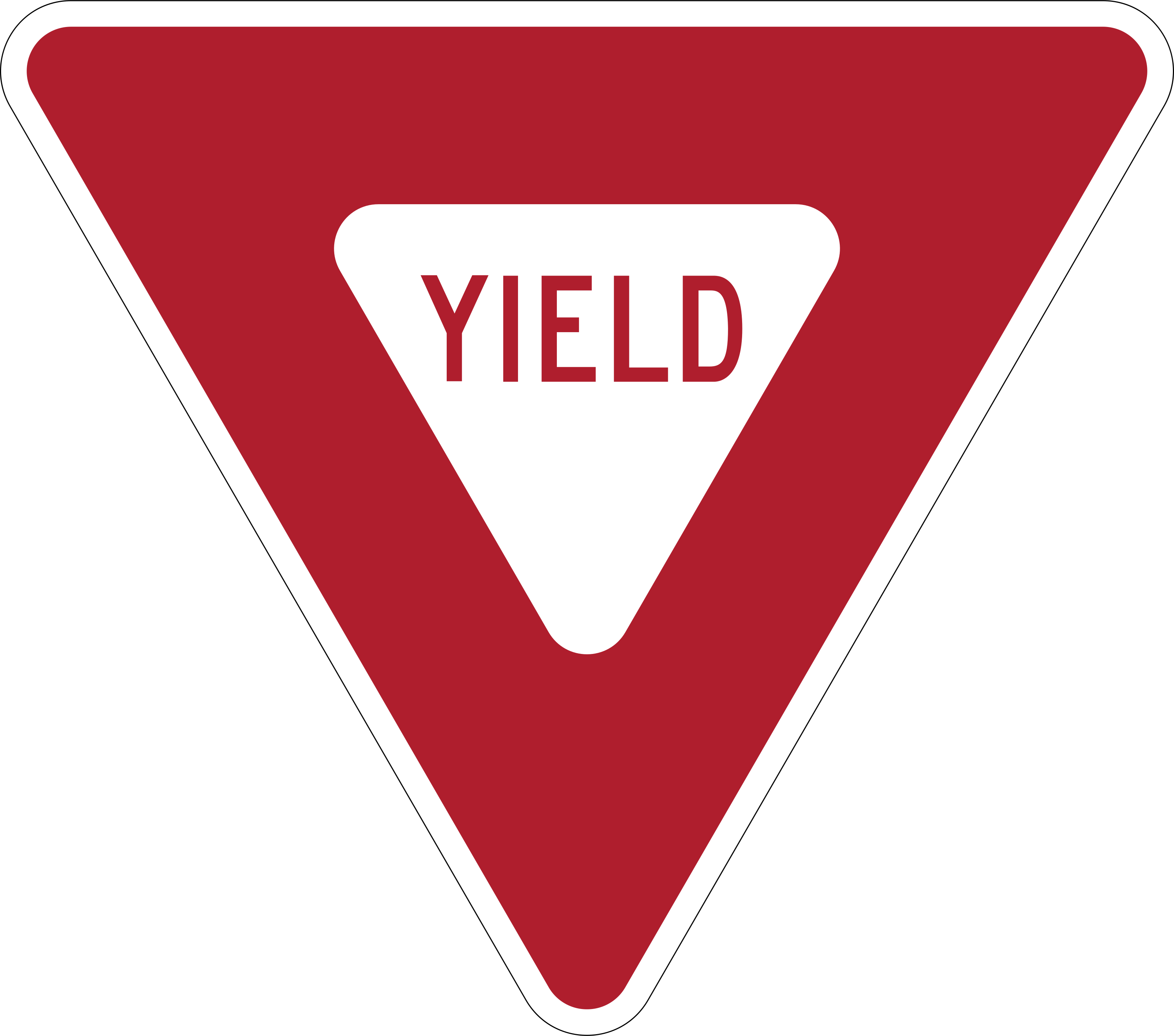
- Do Not Enter
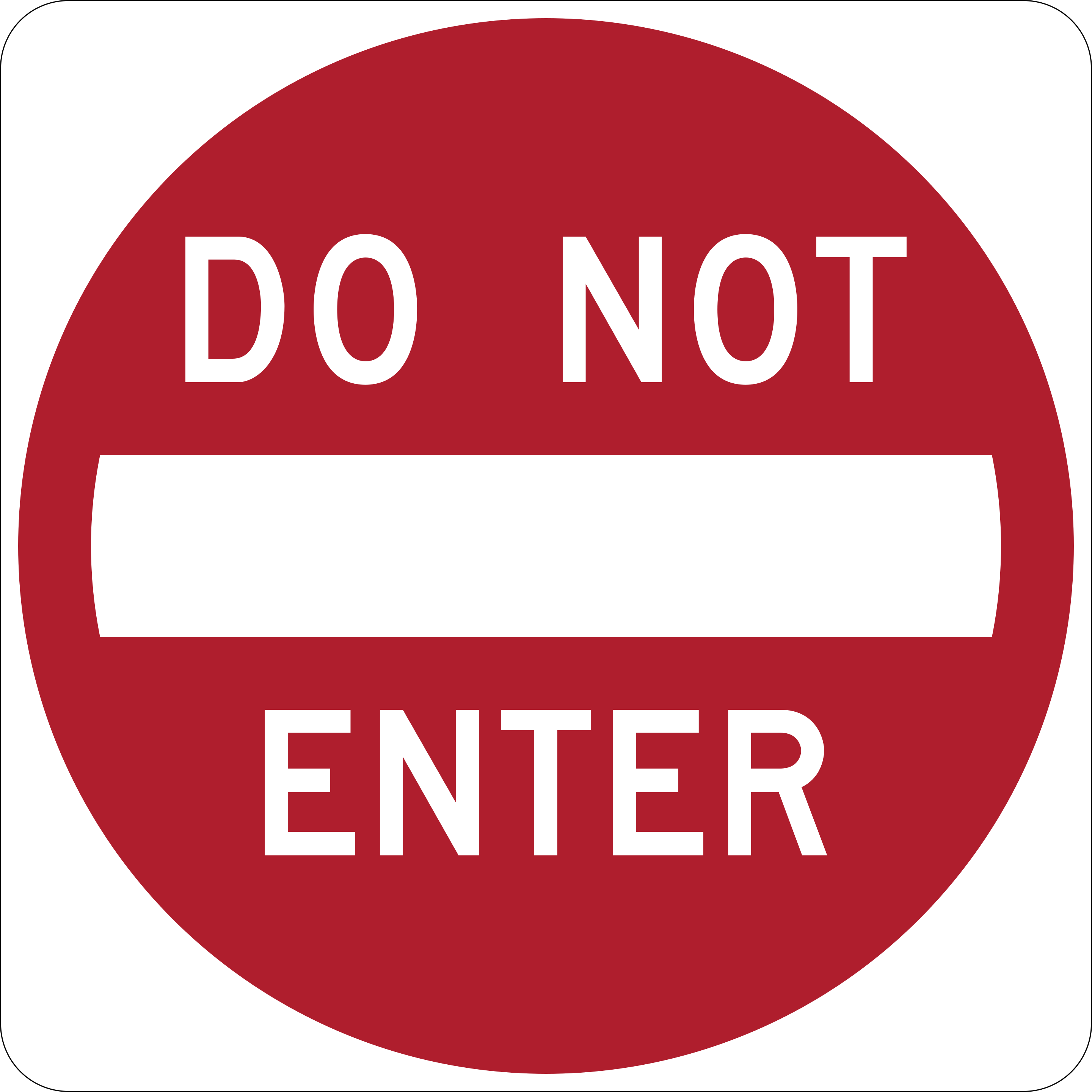
- Wrong Way
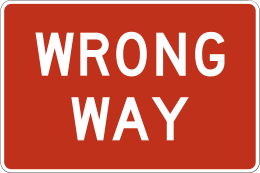
- No U-Turn
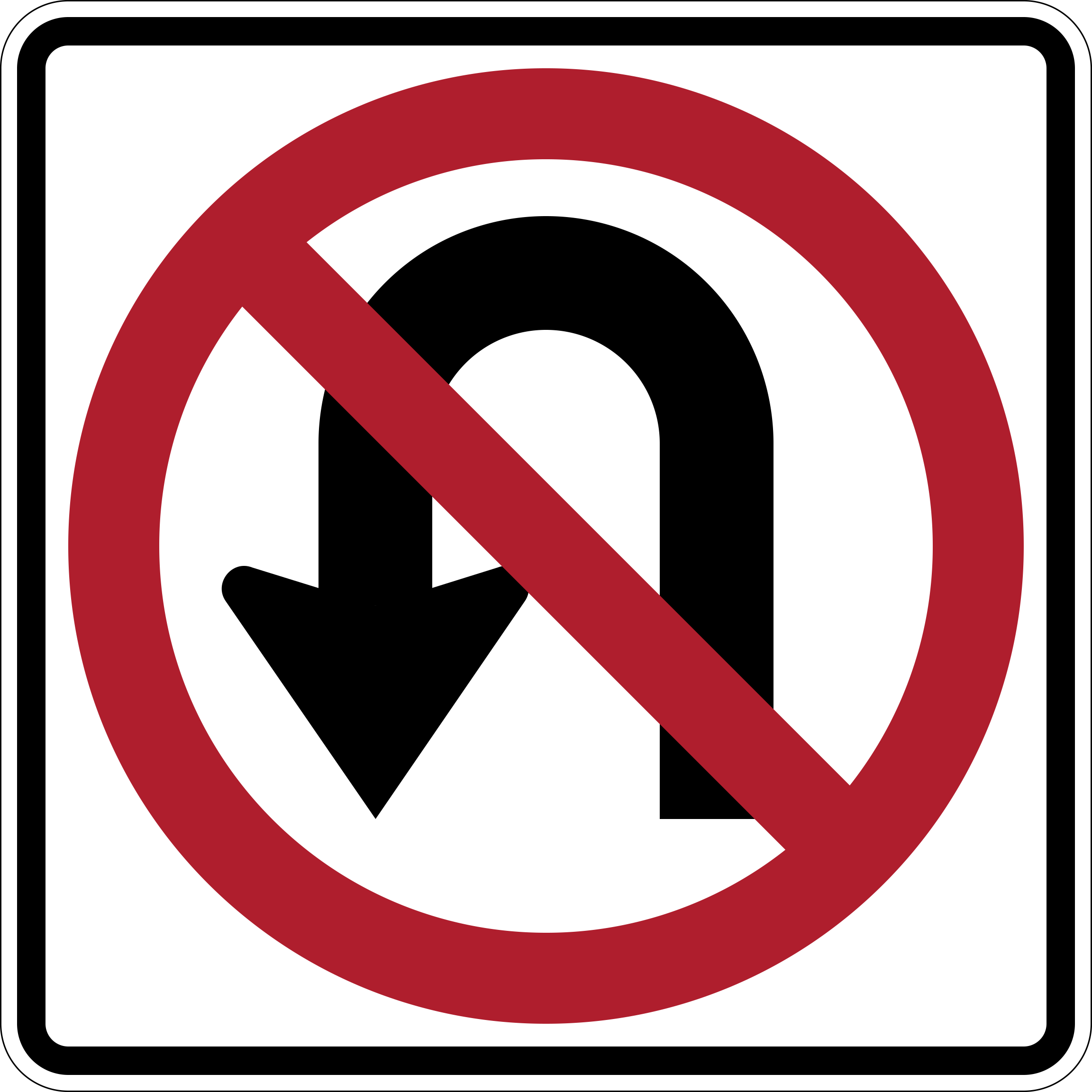
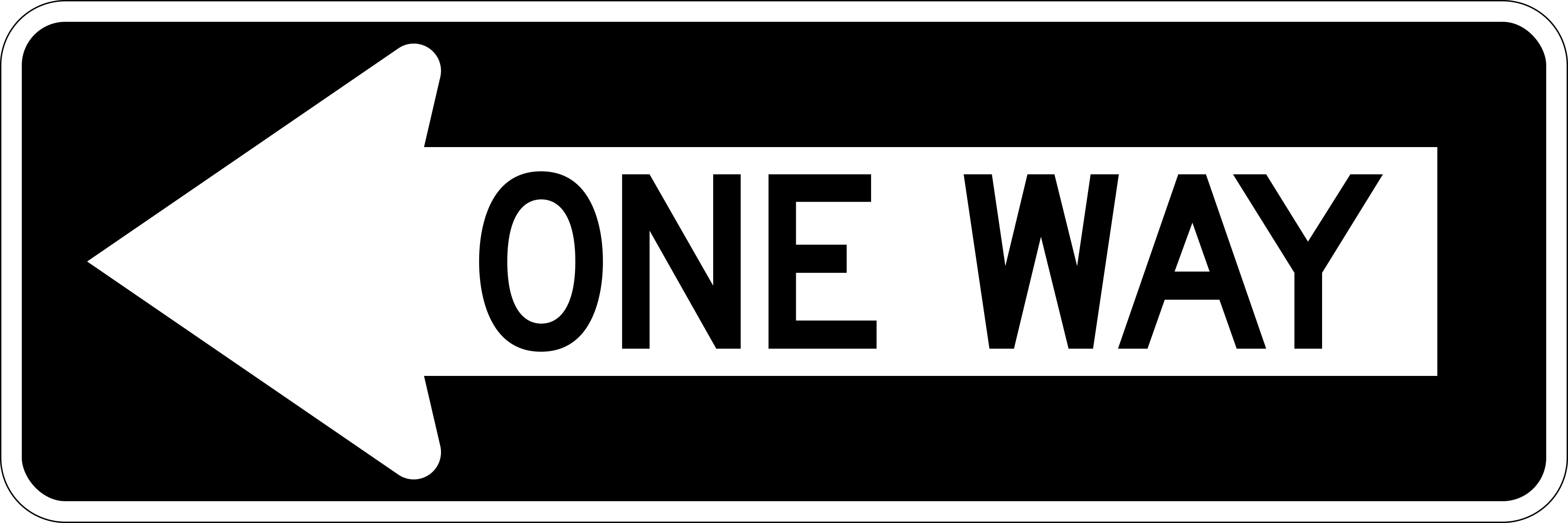
- Speed Limit
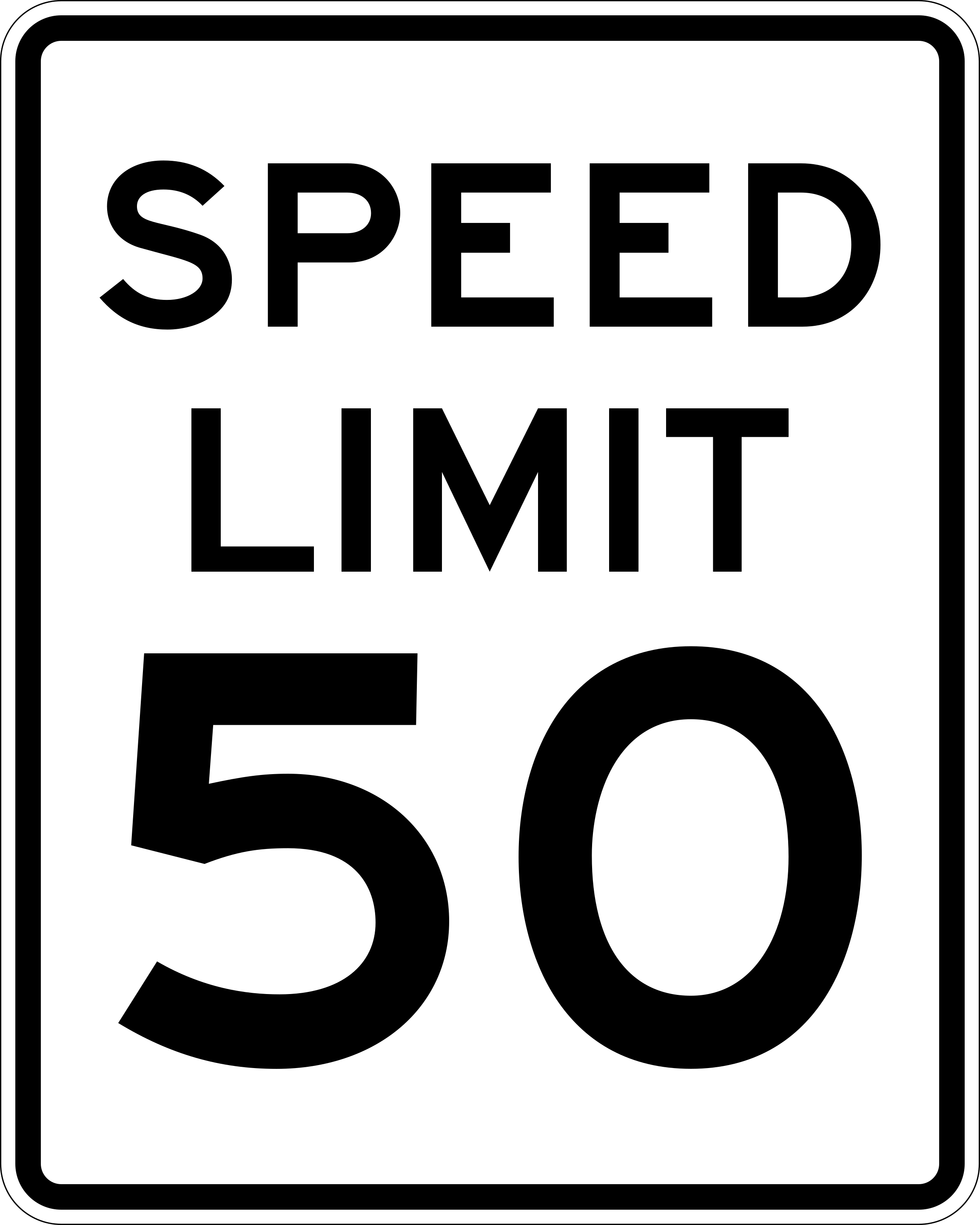
- One Way
- All Way

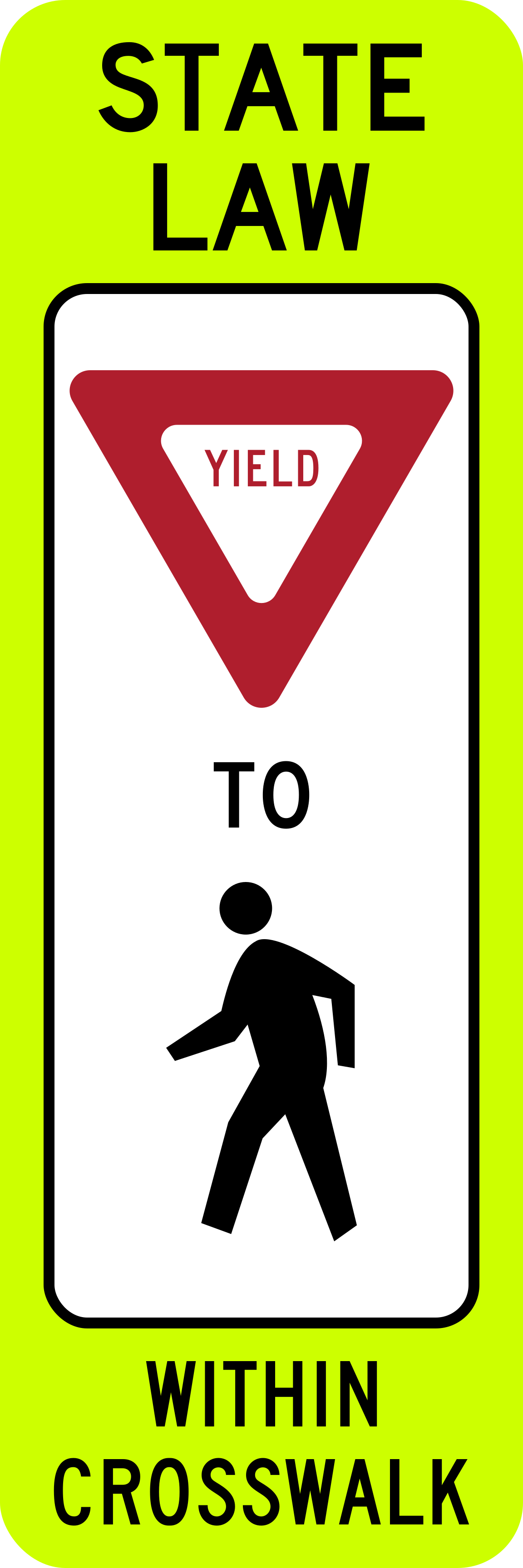
- State Law: Yield to Pedestrians
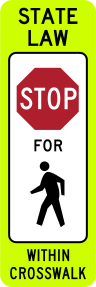
- State Law: Stop for Pedestrians
- Truck Speed Limit
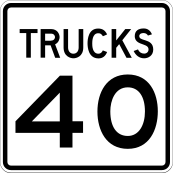
- Minimum Speed Limit
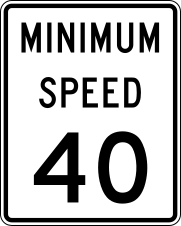
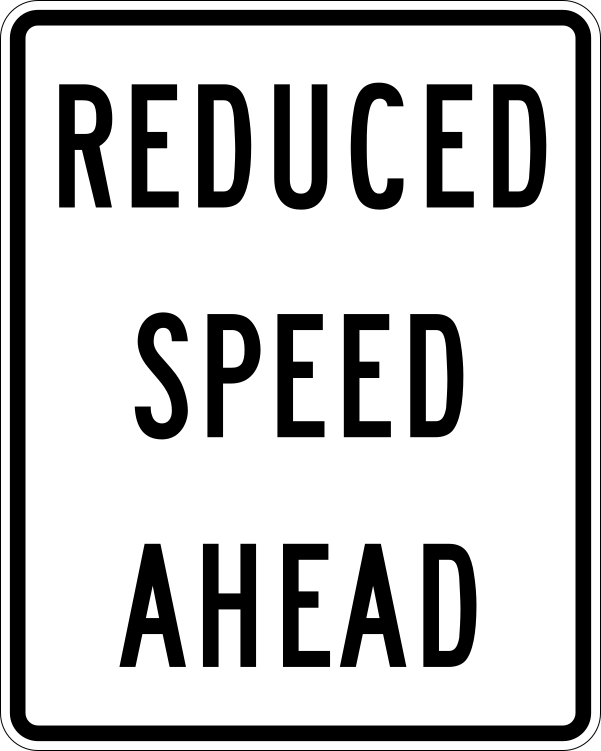
- Reduced Speed Limit Ahead
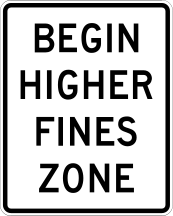
- Begin Higher Fines Zone
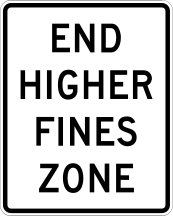
- End Higher Fines Zone
- No Right Turn
- No Left Turn
- No Turns
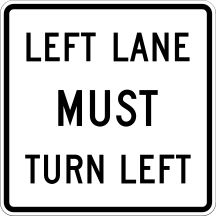
- Left Lane Must Turn Left
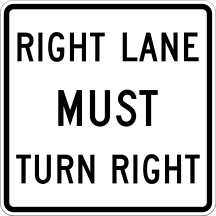
- Right Lane Must Turn Right
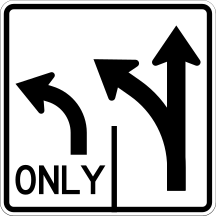
- Intersection Lane Control
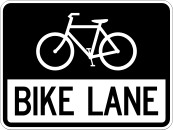
- Bike Lane
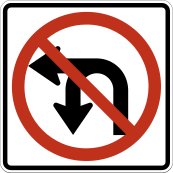
- No Left or U-Turn
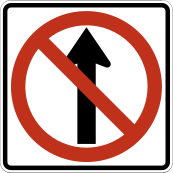
- No Straight Through
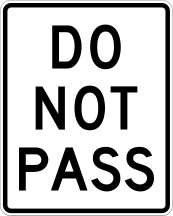
- Do Not Pass
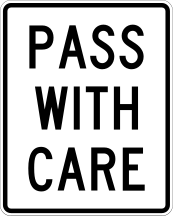
- Pass With Care
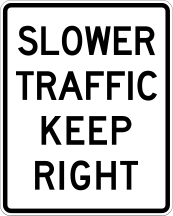
- Slower Traffic Keep Right
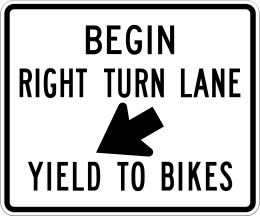
- Begin Right Turn Lane — Yield to Bikes
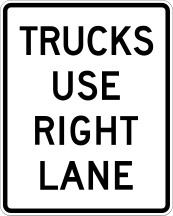
- Trucks Use Right Lane
- Keep Right
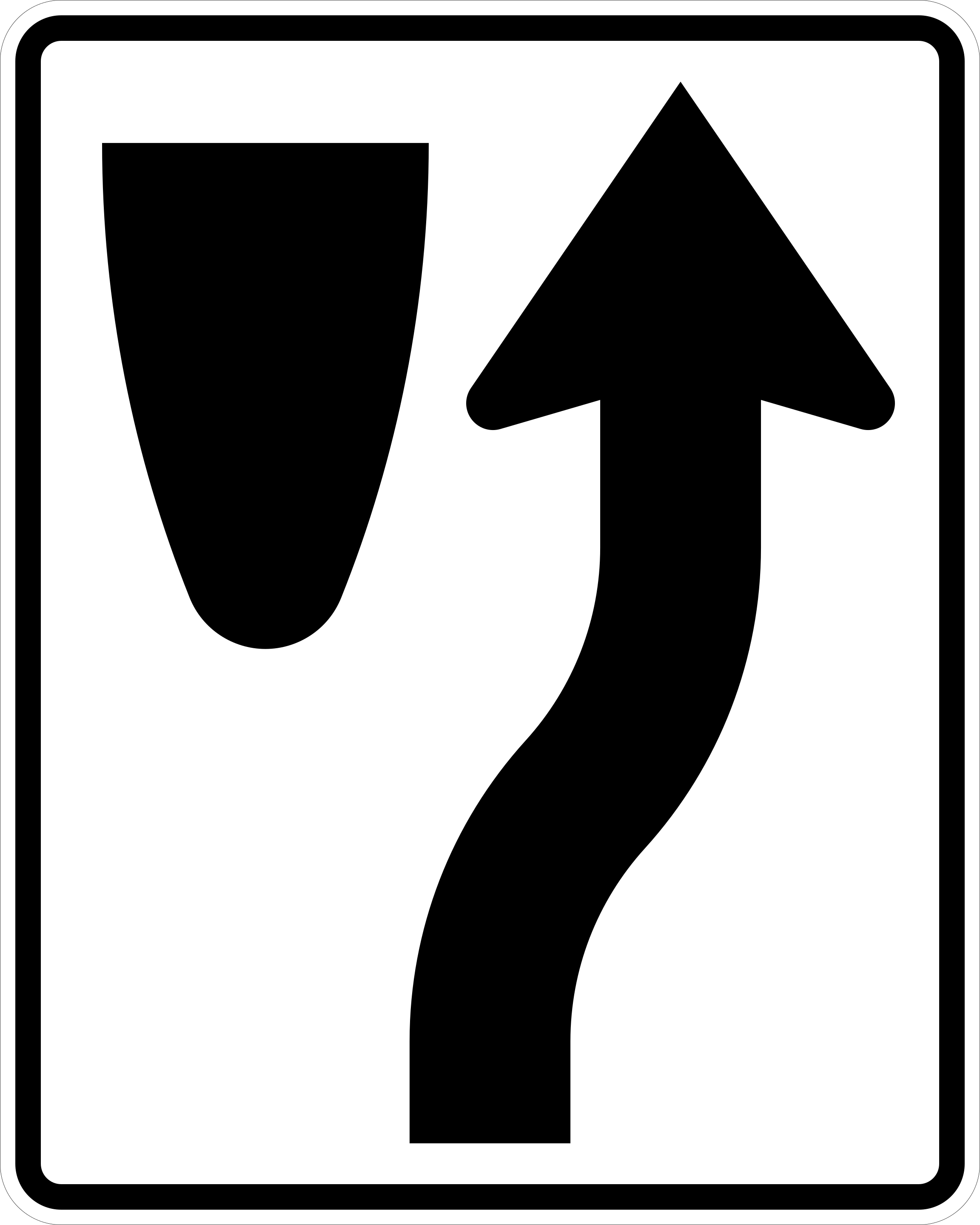
- Keep Left
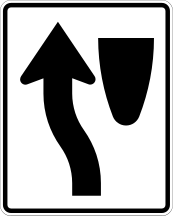
- Keep Right Except to Pass
- Do Not Drive on Shoulder
- No Trucks
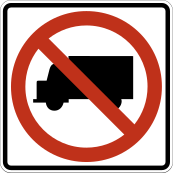
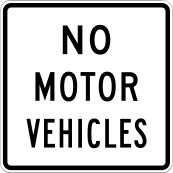
- No Motor Vehicles
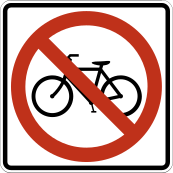
- No Bicycles
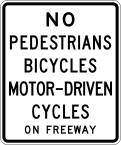
- No Pedestrians, Bicycles, or Motor-Driven Cycles
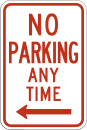
- No Parking Any Time
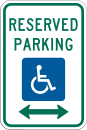
- Accessible Parking
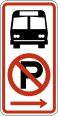
- No Parking Bus Stop
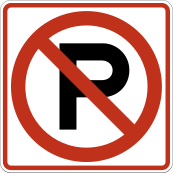
- No Parking
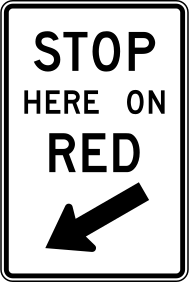
- Stop Here on Red
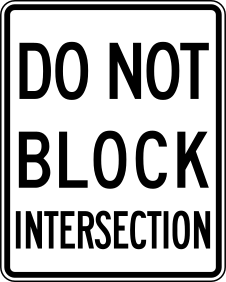
- Do Not Block Intersection
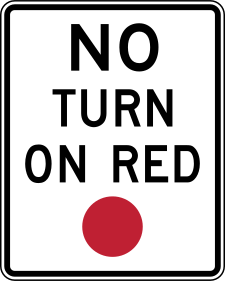
- No Turn on Red
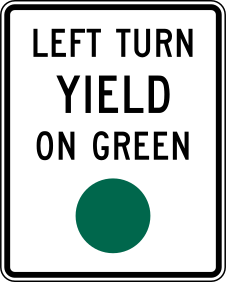
- Left Turn Yield on Green
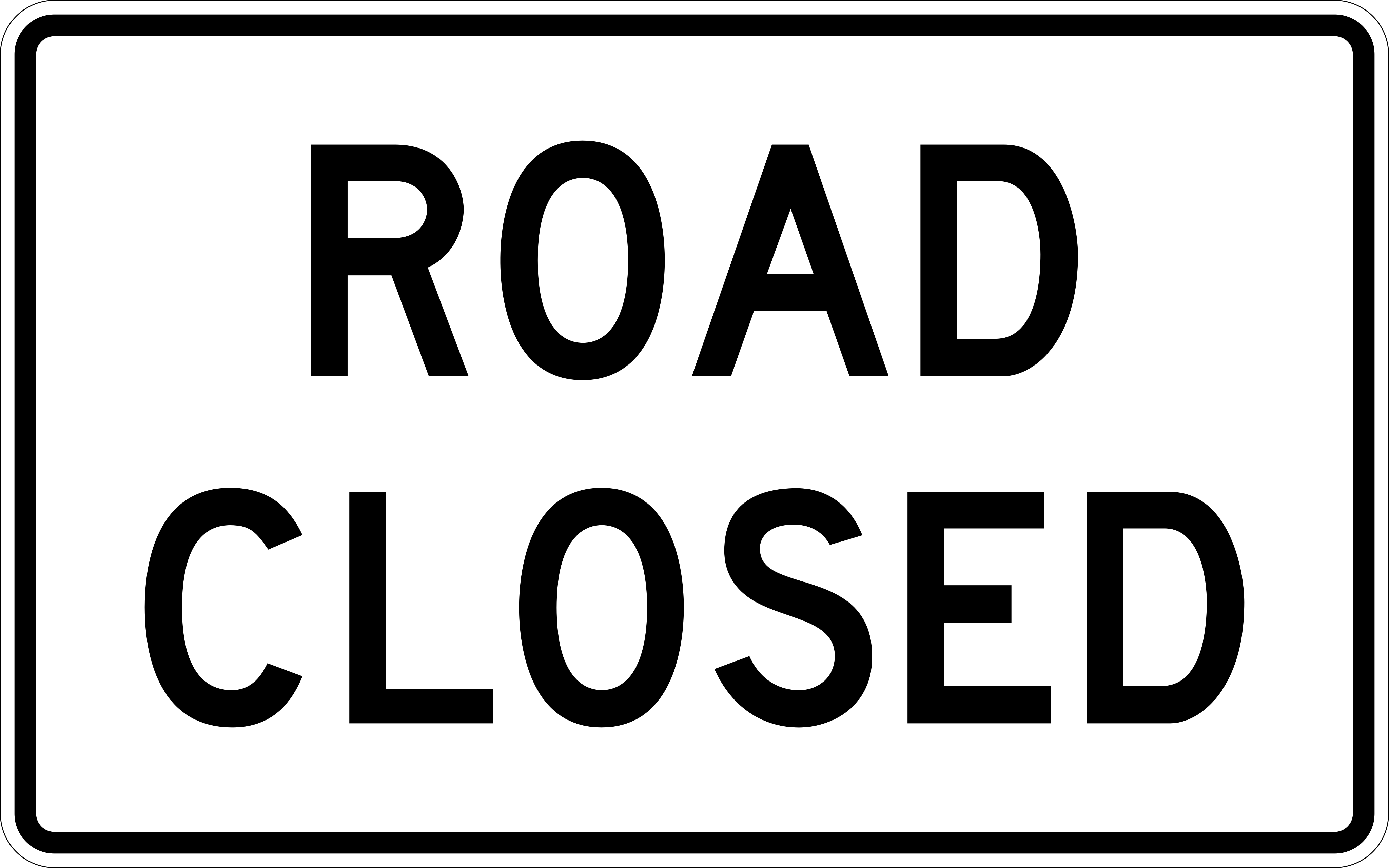
- Road Closed
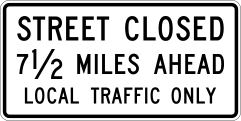
- Road Closed — Local Traffic Only
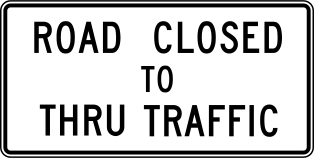
- Road Closed to Thru Traffic
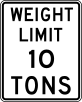
- Weight Limit
- No Hazardous Materials

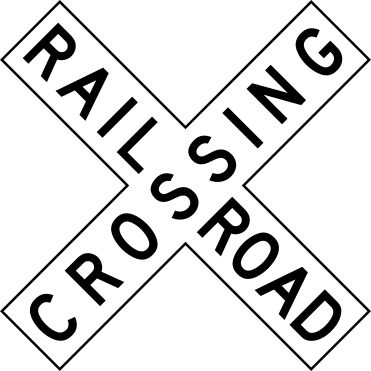
- Railroad Crossing (Crossbuck)
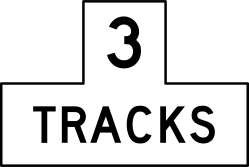
- Number of Tracks
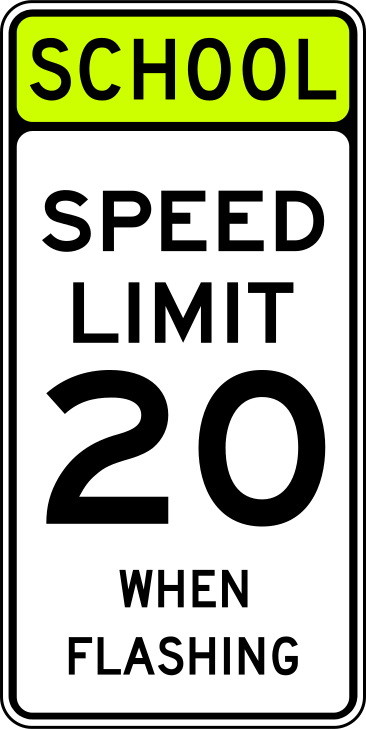
- School Speed Limit When Flashing
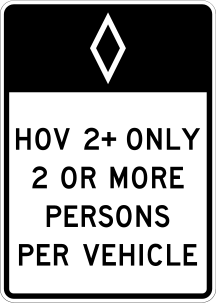
- HOV Lane
- Exempt

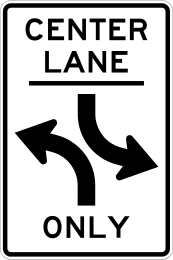
- Two-Way Left Turn Only
Warning signs
- Turn Ahead

- Stop Ahead

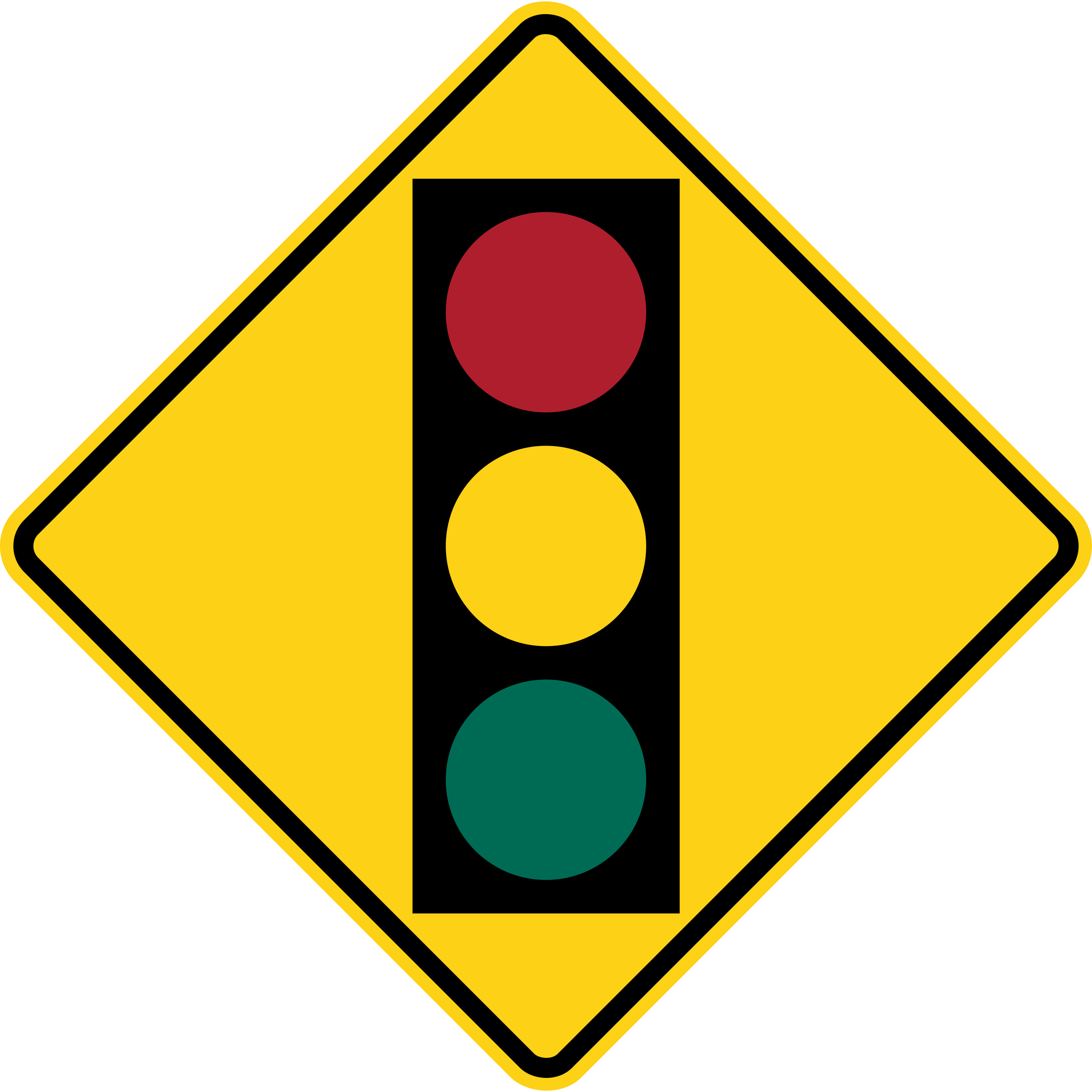
- Signal Ahead
- Pedestrian Crossing

- Curve

- Reverse Turn

- Reverse Curve

- Winding Road

- One-Direction Large Arrow

- Two-Direction Large Arrow

- Chevron Alignment

- Hairpin Curve

- Cross Road

- Side Road

- Roundabout Ahead

- Yield Ahead

- Be Prepared to Stop

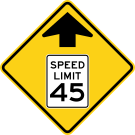
- Reduced Speed Limit Ahead
- Merging Traffic

- Lane Ends

- Added Lane

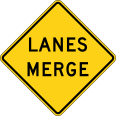
- Lanes Merge
- Road Narrows

- Narrow Bridge

- One Lane Bridge

- Ramp Narrows

- Divided Highway Begins

- Divided Highway Ends

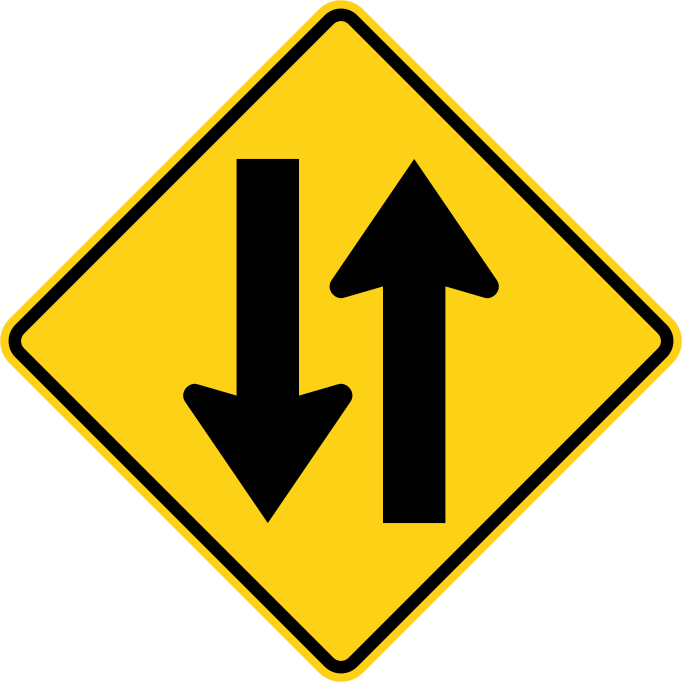
- Two-Way Traffic
- Hill / Steep Grade

- Bump

- Dip

- Pavement Ends

- Soft Shoulder

- Slippery When Wet

- Loose Gravel

- Rough Road

- Low Shoulder

- Uneven Lanes

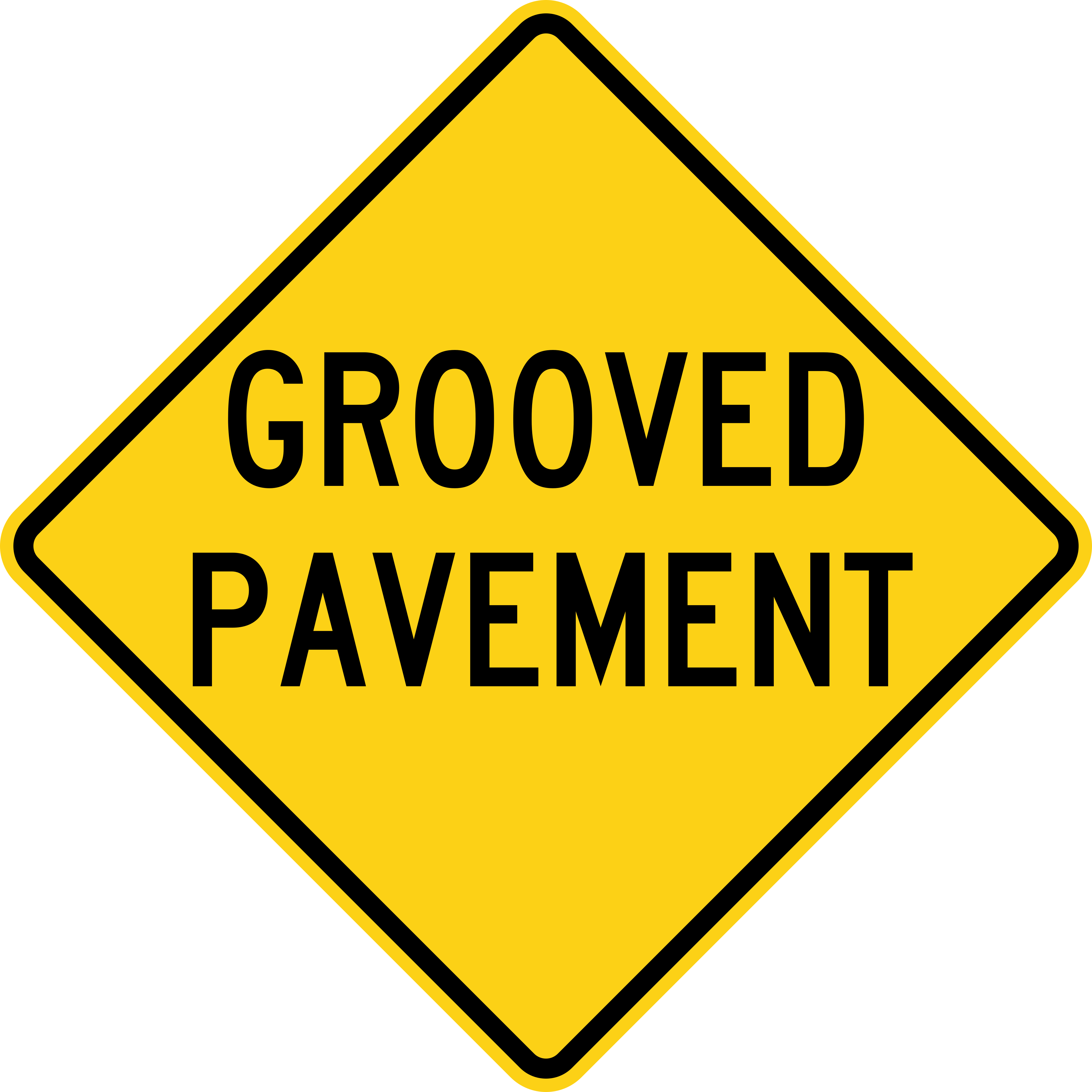
- Grooved Pavement
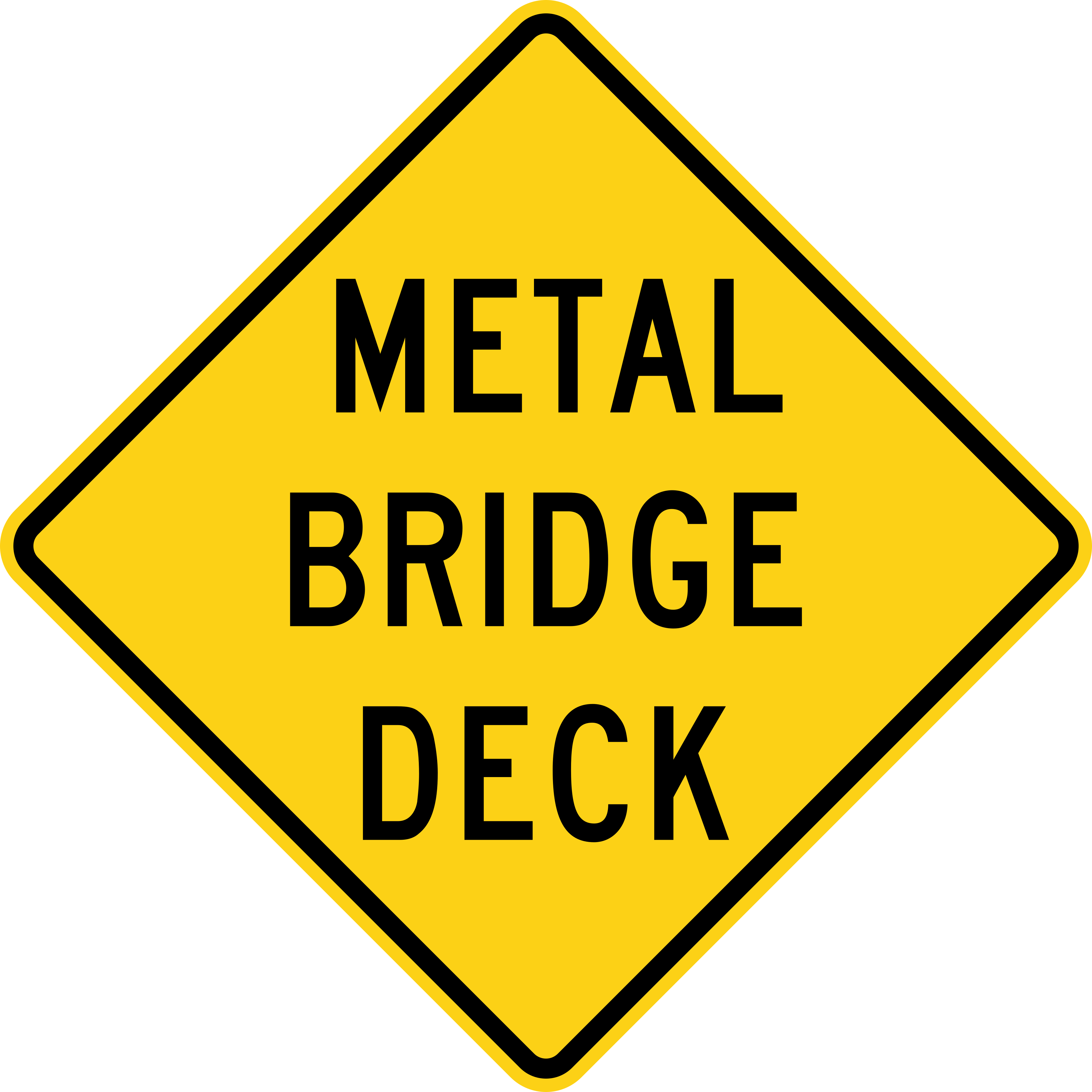
- Metal Bridge Deck
- Railroad Crossing Ahead

- Bicycle Crossing

- Deer Crossing

- Cattle Crossing

- Farm Machinery

- Snowmobile Crossing

- Equestrian Crossing

- Persons with Disabilities

- Golf Cart Crossing

- Horse-Drawn Vehicle Crossing

- Low Clearance

- Advisory Speed

- Dead End

- No Outlet

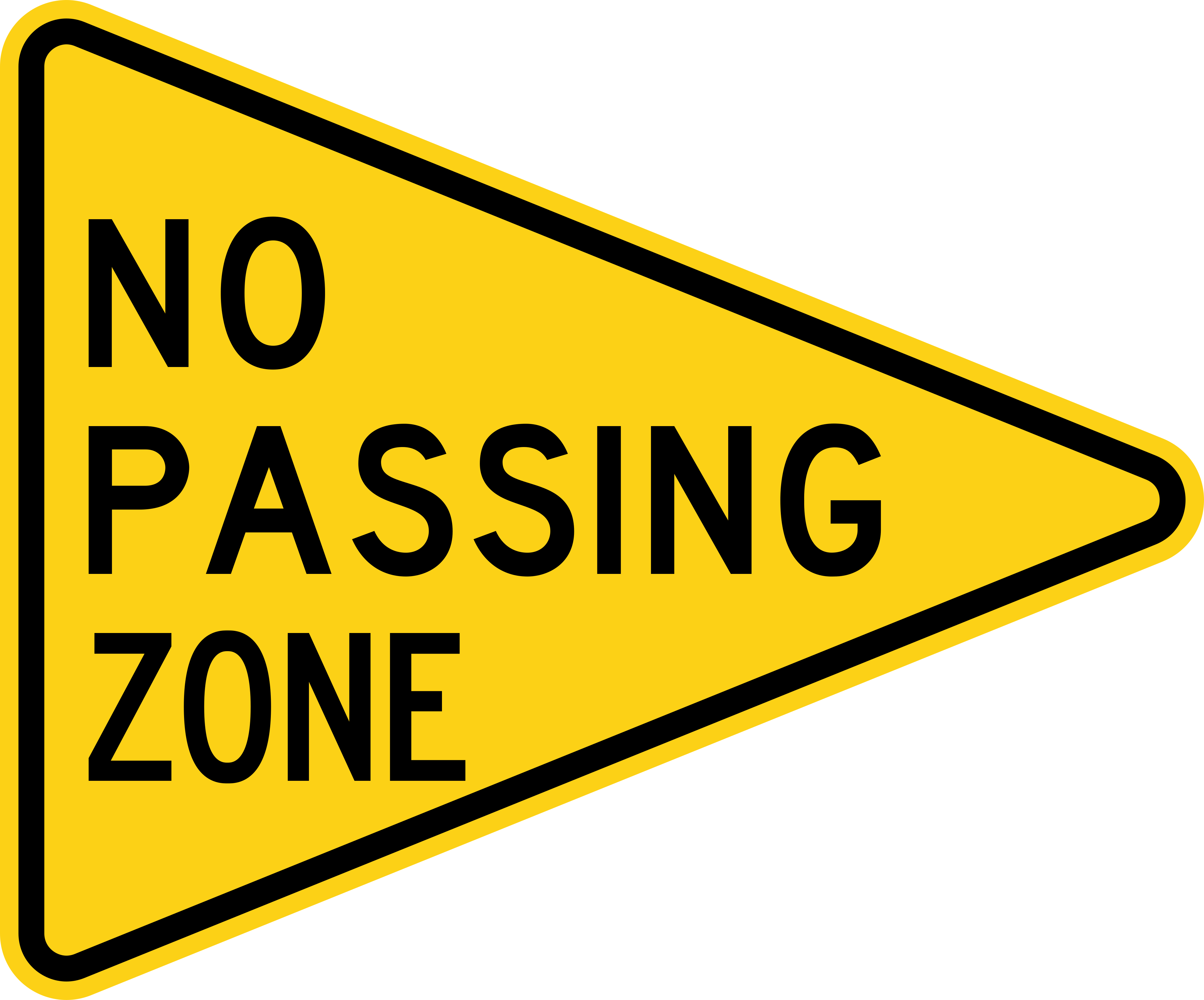
- No Passing Zone
- Playground

- Speed Hump

- School

- Truck Rollover

- Bridge Ices Before Road

- Road May Flood

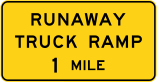
- Runaway Truck Ramp
Construction & work-zone signs



Guide signs



Service & information signs




Arizona road signs: frequently asked questions
Can I take the Arizona permit test at home?
If you are an Arizona teenager under eighteen, yes, by the route described above. What testing at home does not remove is the office visit that follows it. You still go in to have your vision tested and your photo taken, you bring a completed application form and the originals of your supporting documents, and your parent or guardian has to be there to sign approval — or, if they cannot come, the application must be notarised. The instruction permit you walk out with is valid for twelve months, and you must hold it for six months, or until you turn eighteen, before you are eligible for a driver license.
How many questions is the Arizona written test, and what do I need to pass?
Thirty multiple-choice questions, and a score of 80 percent or higher. The Motor Vehicle Division publishes both figures on the same page and tells applicants to study the Arizona Driver Manual and work through the online practice tests before attempting the real one. It does not break the thirty down by subject, so how many of them are about signs is not something Arizona states.
What can stop my Arizona road test from going ahead?
Three things that have nothing to do with how well you drive. The manual puts the sign and spoken-instruction check ahead of the road test rather than inside it, so it has to be cleared before the drive begins. The vehicle is the second: you supply it, and it must be in good operating condition, with functioning brakes, brake lights, turn signals and horn, a windshield free of cracks, inside and outside rearview mirrors, and tires in good condition. Weather is the third — the MVD may suspend road tests in extreme weather or unsafe conditions.
What is the speed limit at an Arizona school crossing?
15 mph, and the restricted stretch runs from the first sign until you have cleared the crossing sign itself. Passing another vehicle inside that zone is prohibited. The portable signs placed in the center of the roadway must be obeyed the same as the permanent ones; when the portable signs are not in place, the area's normal speed limit applies again. Permanent school crossing signs are the five-sided pentagon, and Arizona notes that many of its school districts are moving to the yellow-green version.
Why does the Arizona manual keep returning to the shape of a sign?
Because of the weather. The traffic-signs pages state that in heavy rain, dust storms or fog you may be able to make out only the shape of a particular sign — so the shape has to carry the meaning on its own. That is why an octagon can only ever be a stop, why the pennant on the left shoulder marks a no-passing zone, and why the round sign before a level crossing means a railroad ahead. Read for shape first and the color and wording become confirmation rather than the whole message.
Official sources
- Arizona Driver License Manual and Customer Service Guide
- Arizona MVD — permit test (at home or in an office)
Checked against official state sources on 2026-07-29.