Virginia Road Signs and Their Meanings
Virginia splits its knowledge exam in two, and the first half is entirely about road signs. Part one is ten sign questions; part two is thirty questions on general driving knowledge. You cannot pass the exam by being strong on one and weak on the other — failing either part fails the whole test, and the sign part is the stricter of the two by a wide margin.
All ten sign questions must be correct. Not eight, not nine — the Virginia DMV requires a perfect score on the road-sign section, while the general-knowledge section passes at 24 of 30. That makes Virginia the least forgiving sign test of any state on this site: a single missed sign ends the attempt regardless of how well the rest went.
Every Virginia sign question in this bank cites the section of the Virginia Driver's Manual it's drawn from — traffic signs, warning signs, sign shapes, sign colors, and a handful of others, never just one blanket reference. That's the same manual the DMV hands to every new driver, so an answer here is never a guess dressed up as fact.
Because part one has to be perfect before part two even loads, there's no such thing as a nearly-ready score to aim for on Virginia's sign section — recognizing most of a sign chart doesn't help if the one you don't recognize is the one shown. This bank is built around that gap: every question carries a plain-language explanation of why the correct answer is right, so a candidate can work through the set until nothing left is a guess. Ten-for-ten on a test you've never seen before is a high bar, and the only reliable way to clear it is repetition against explanations rather than flashcards of shapes and colors — a test-taker who can explain why a sign means what it means is far less likely to be thrown by one shown at an unfamiliar angle.
34 published Virginia road-sign questions, each with an explanation and a citation to the handbook section it came from.
Content reviewed against official driver handbooks · August 12, 2026
Every sign you can be tested on in Virginia
Regulatory signs
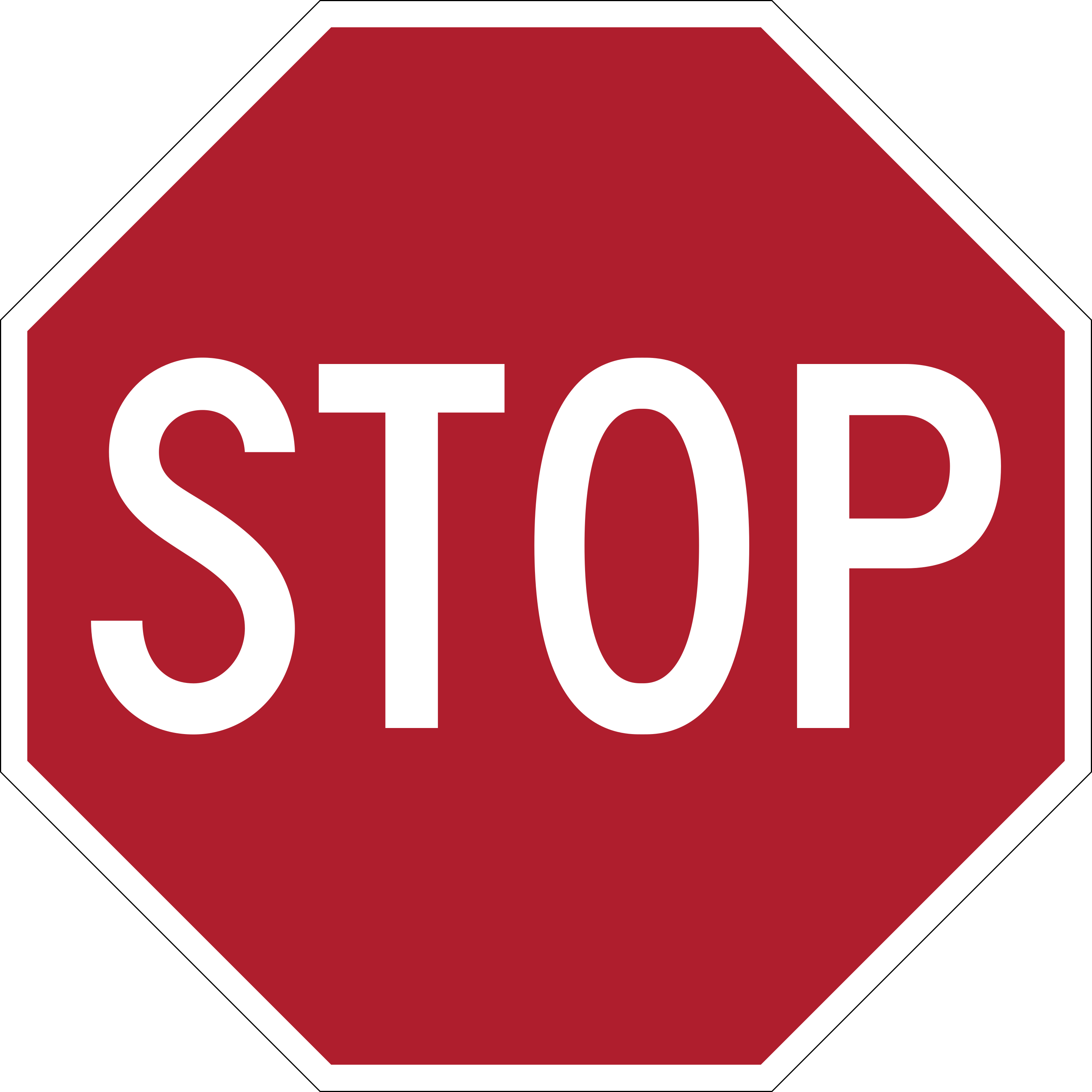
- Stop
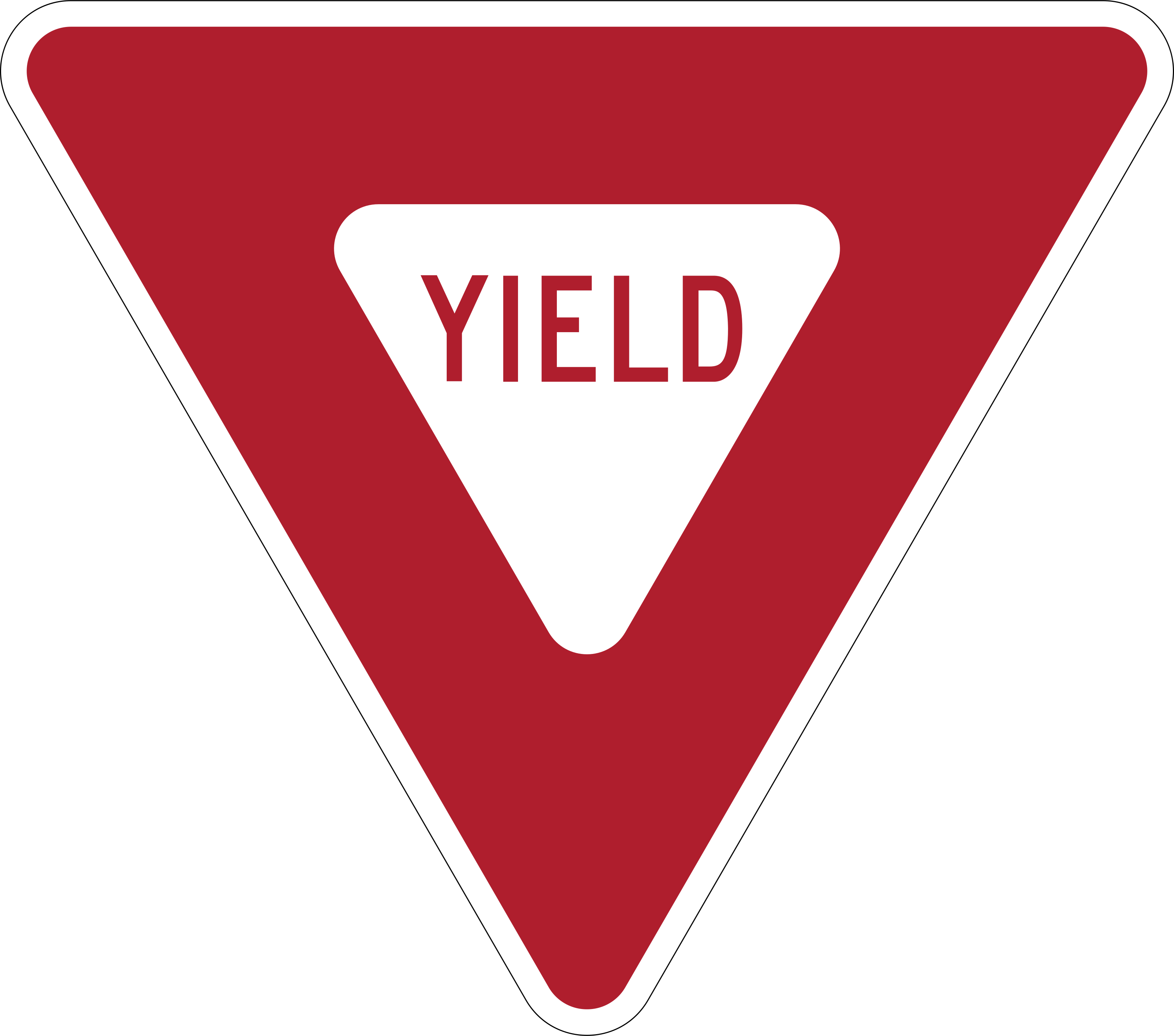
- Yield
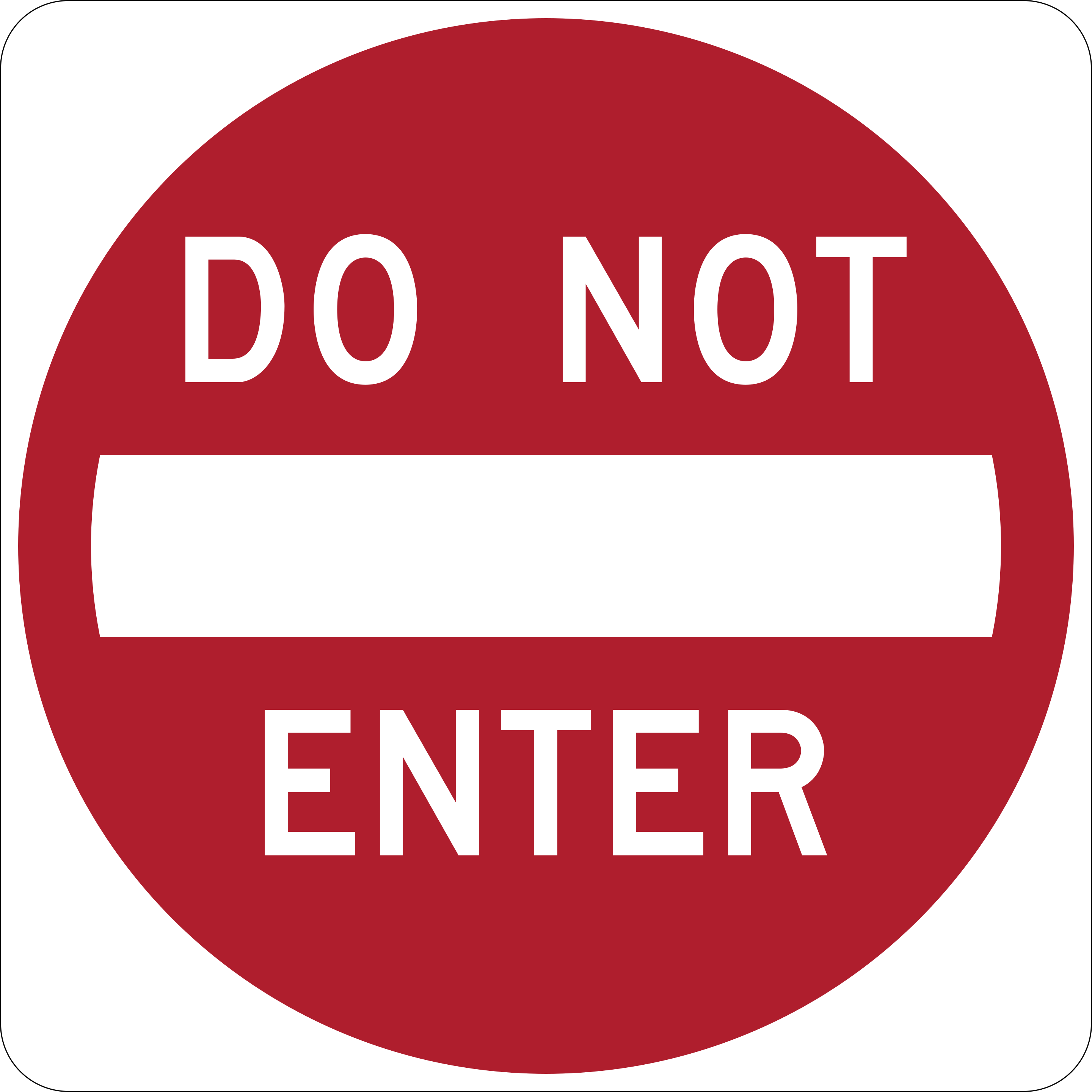
- Do Not Enter
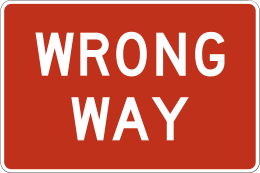
- Wrong Way
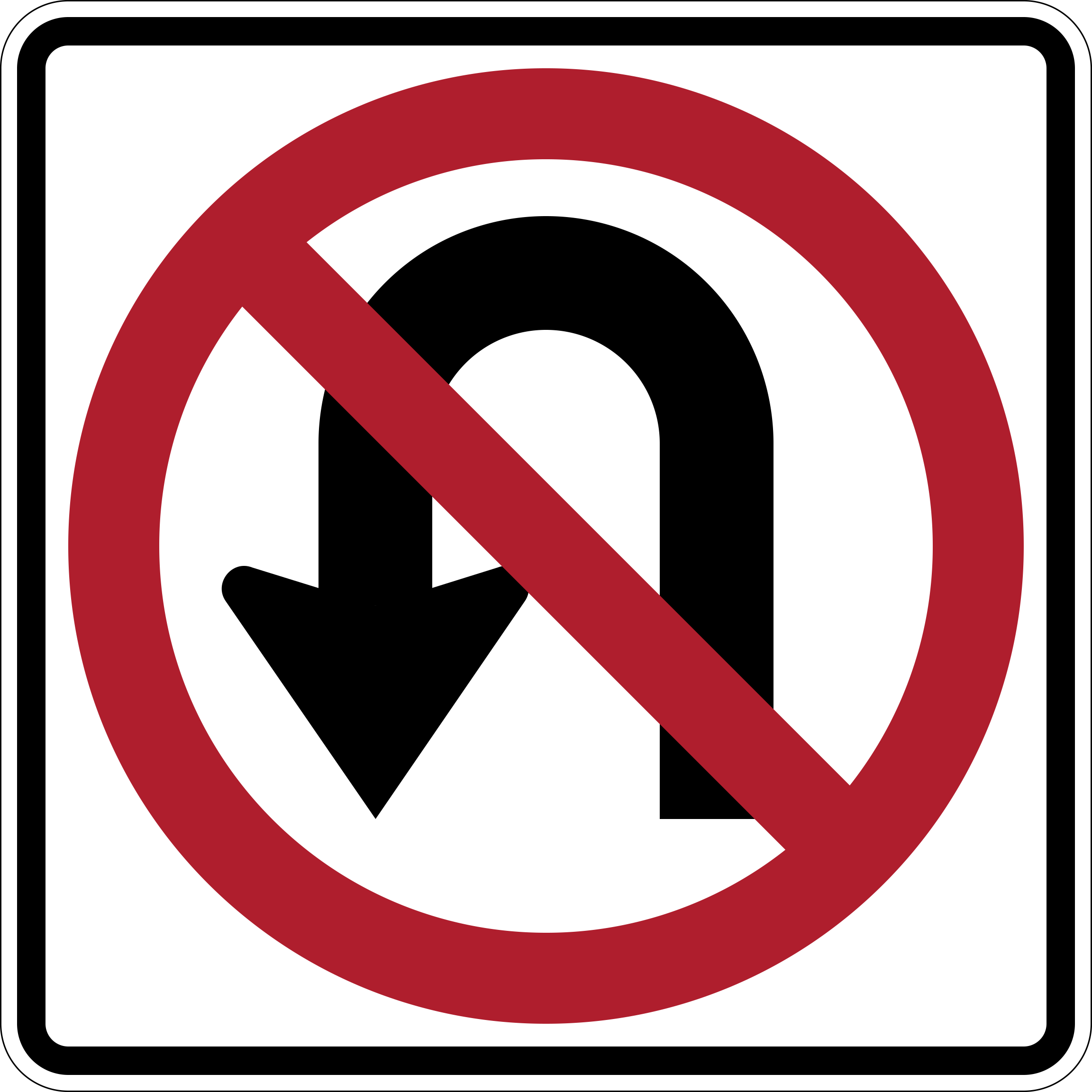
- No U-Turn
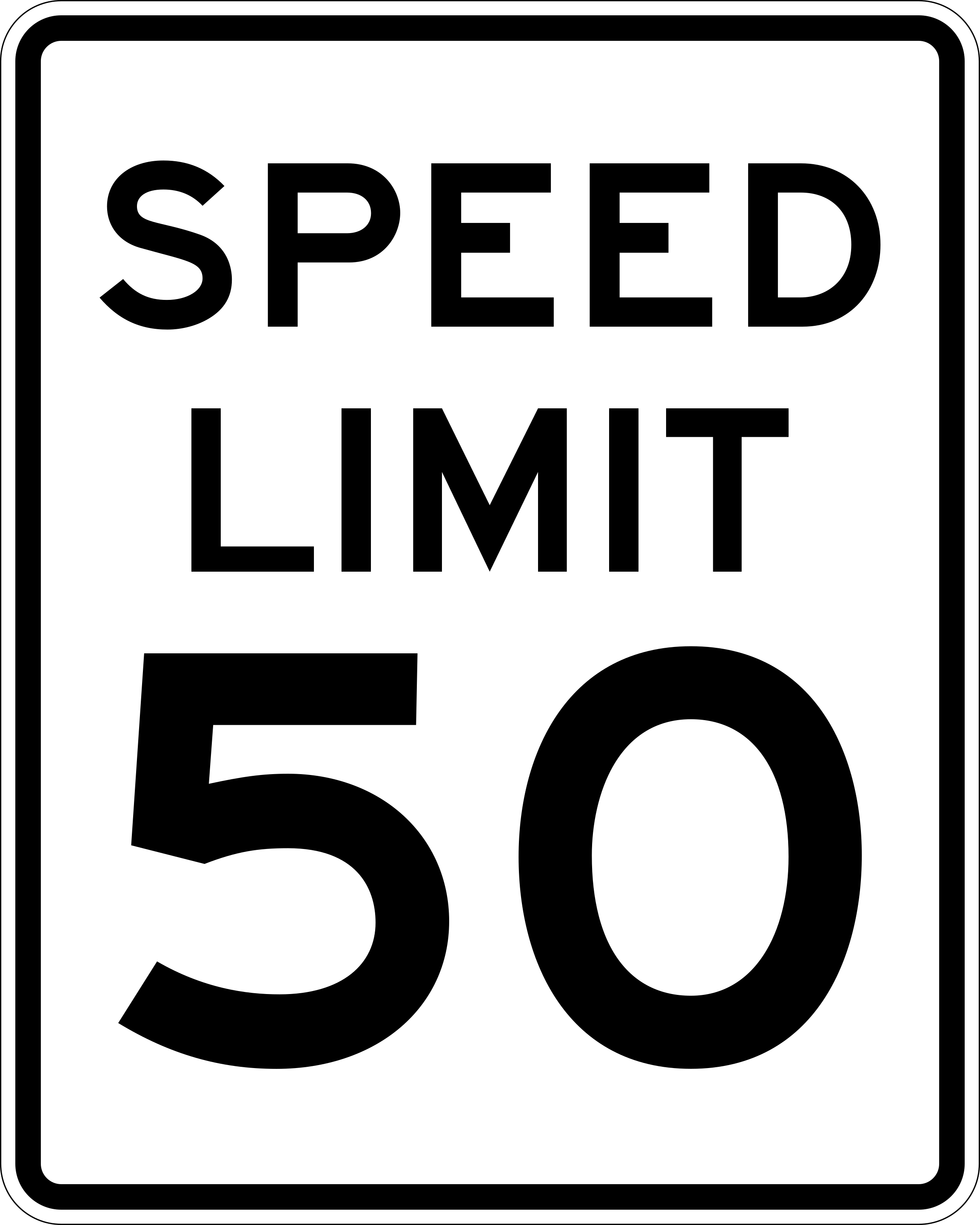
- Speed Limit
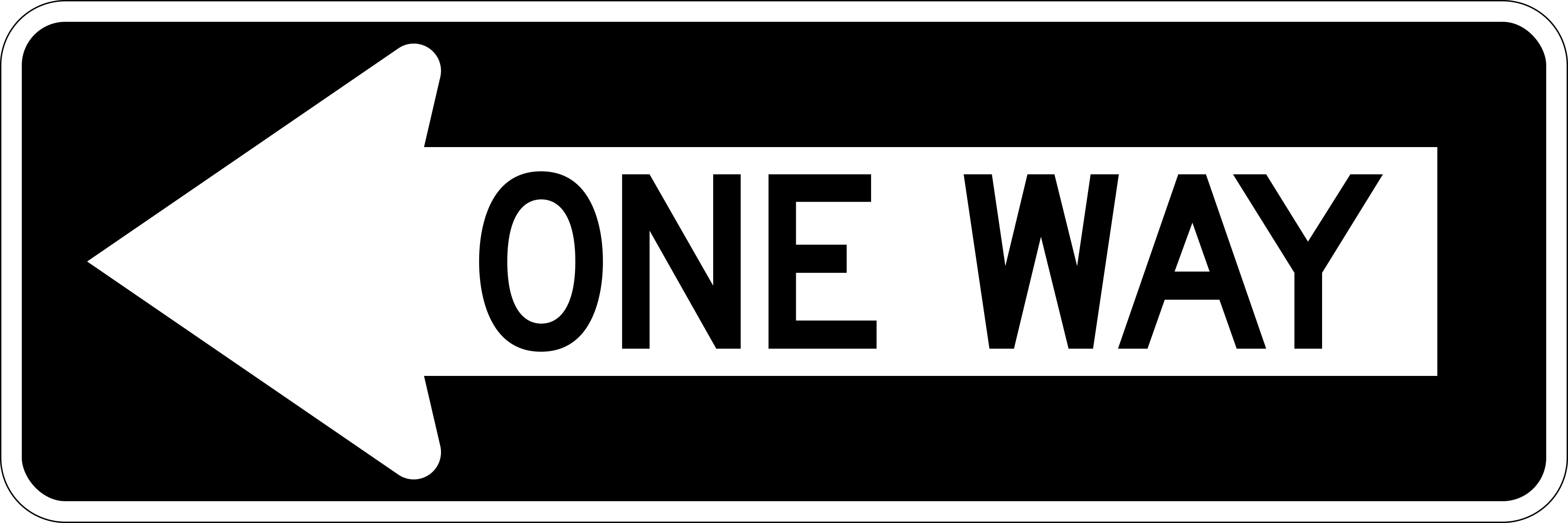
- One Way
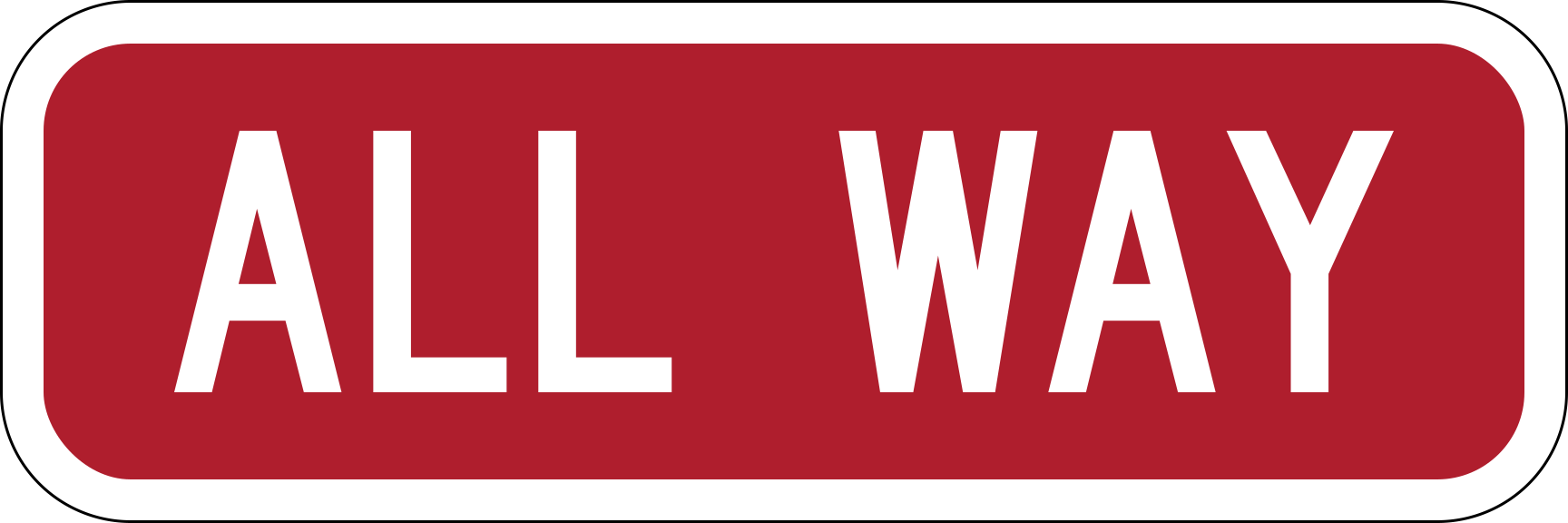
- All Way
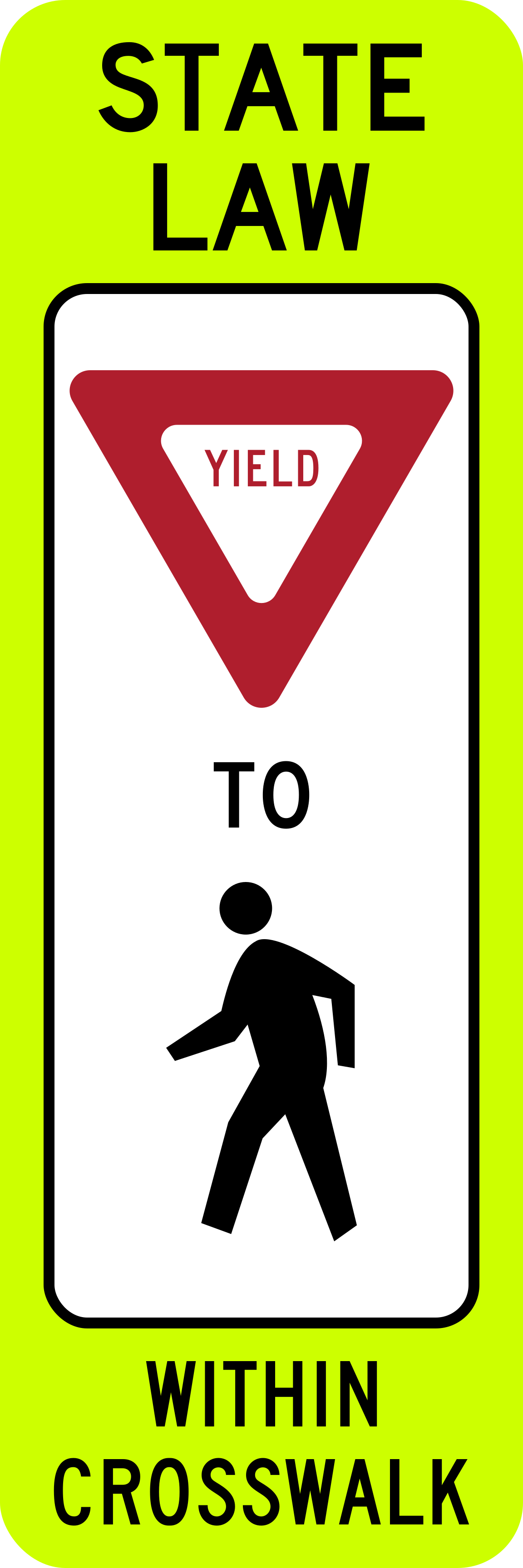
- State Law: Yield to Pedestrians
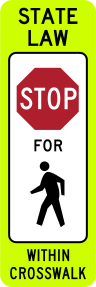
- State Law: Stop for Pedestrians
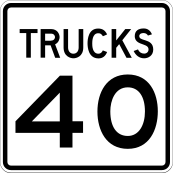
- Truck Speed Limit
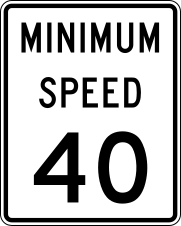
- Minimum Speed Limit
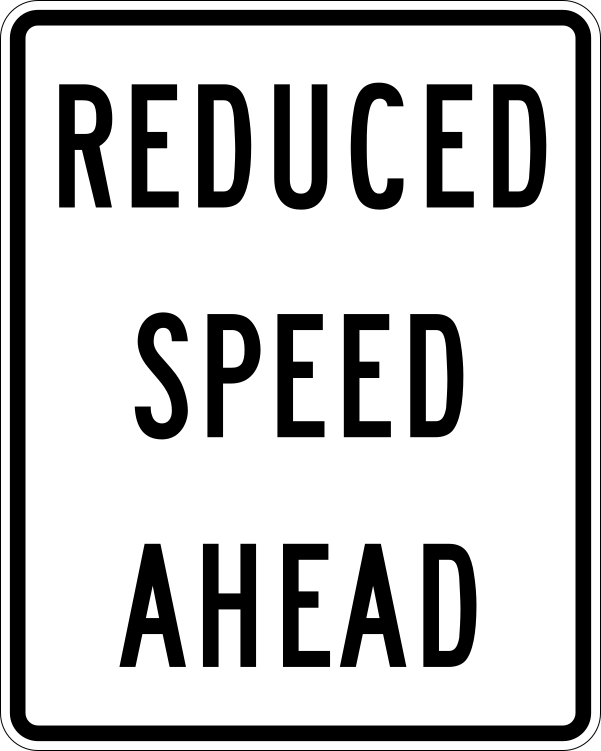
- Reduced Speed Limit Ahead
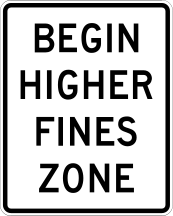
- Begin Higher Fines Zone
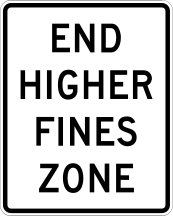
- End Higher Fines Zone
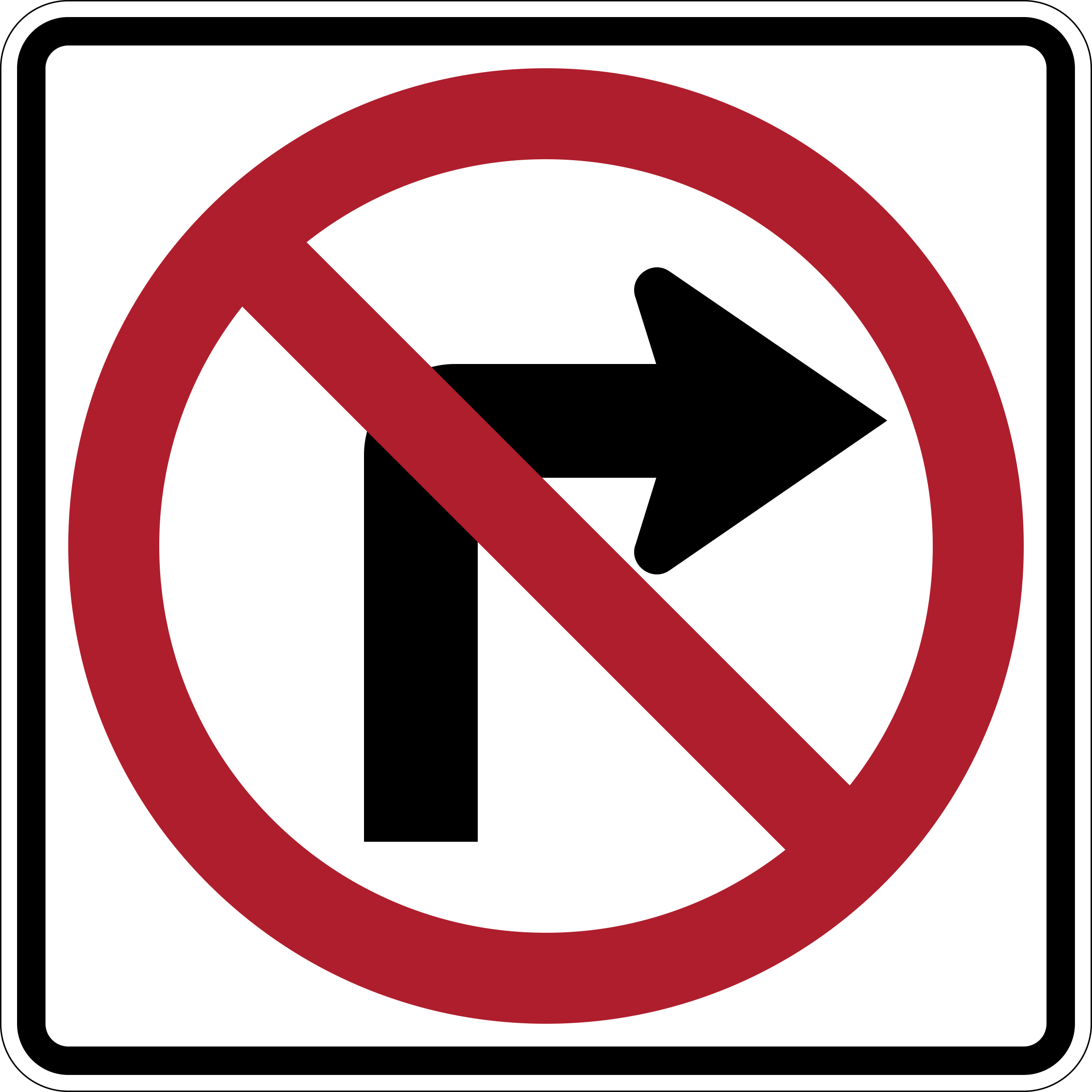
- No Right Turn
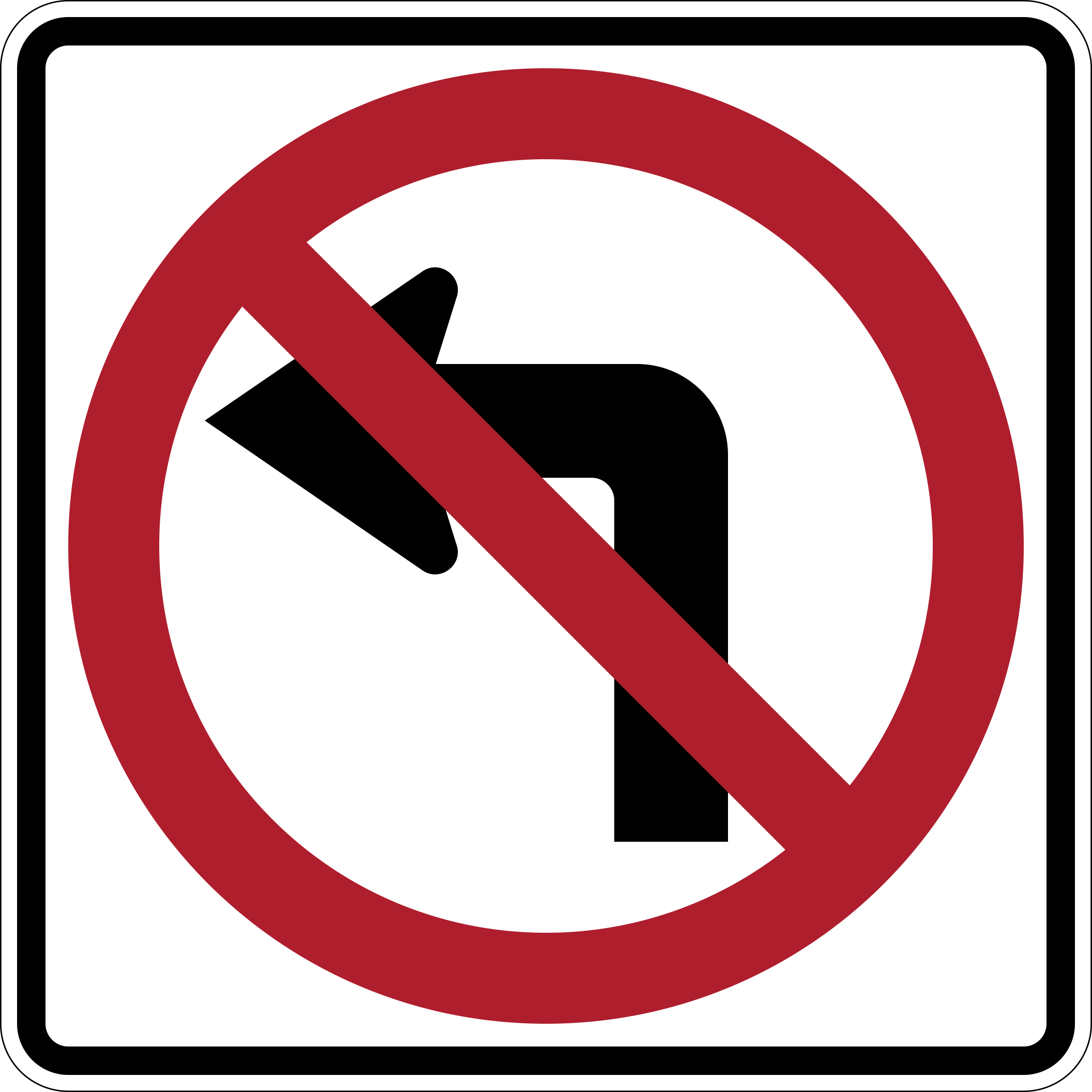
- No Left Turn
- No Turns
- Left Lane Must Turn Left
- Right Lane Must Turn Right
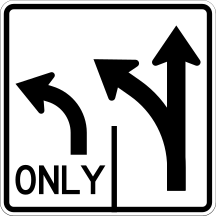
- Intersection Lane Control
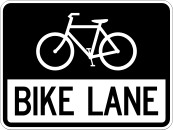
- Bike Lane
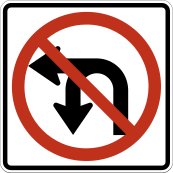
- No Left or U-Turn
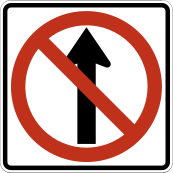
- No Straight Through
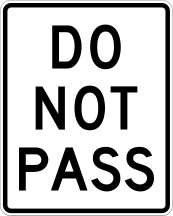
- Do Not Pass
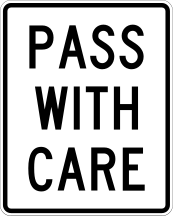
- Pass With Care
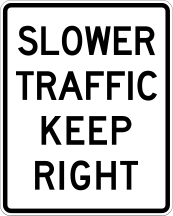
- Slower Traffic Keep Right
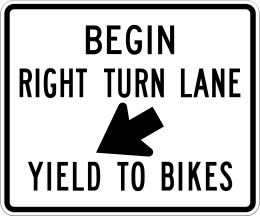
- Begin Right Turn Lane — Yield to Bikes
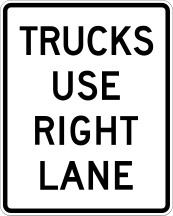
- Trucks Use Right Lane
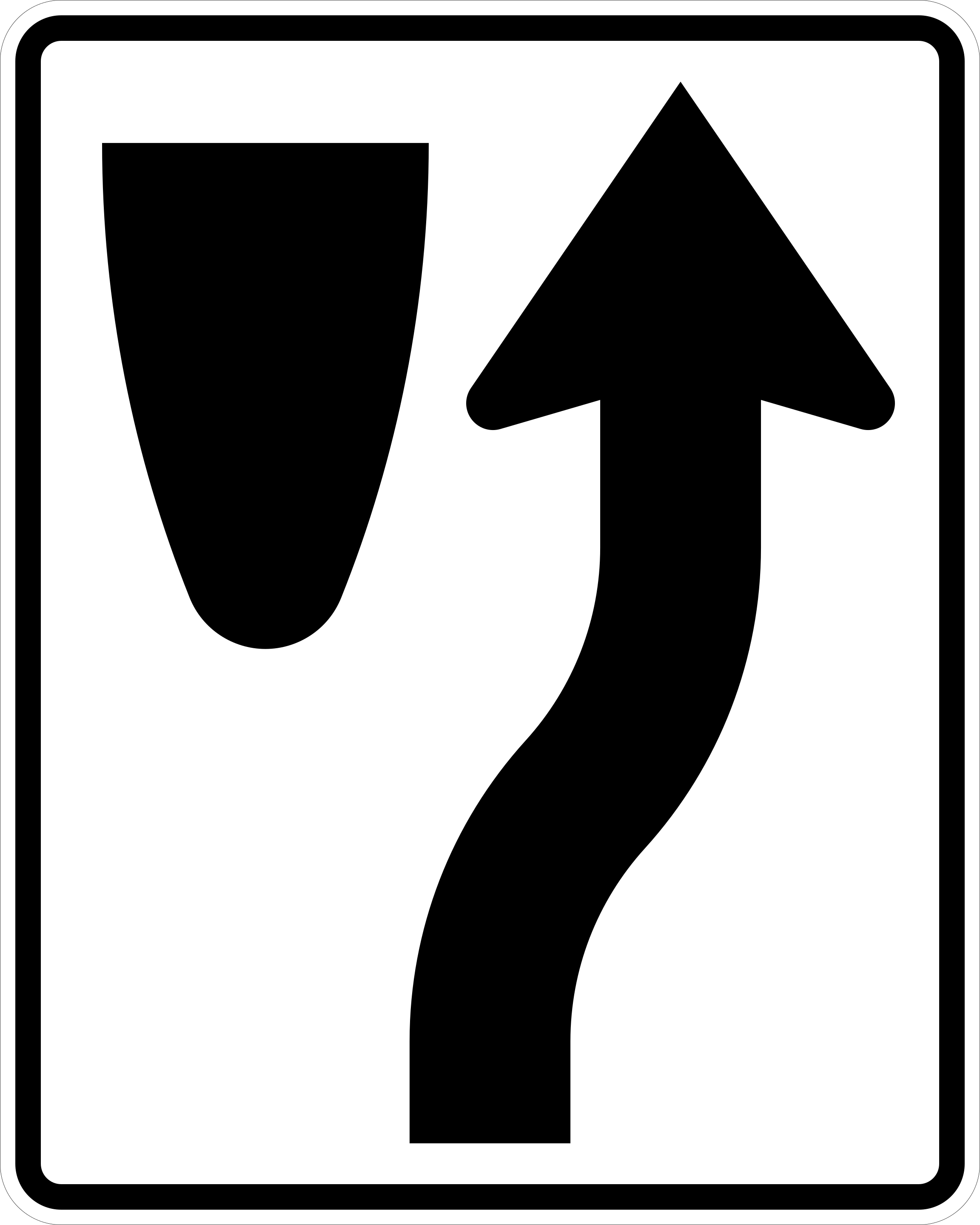
- Keep Right
- Keep Left
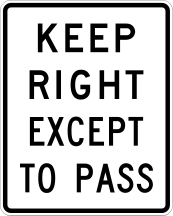
- Keep Right Except to Pass
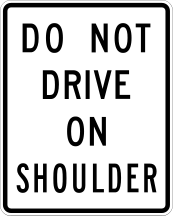
- Do Not Drive on Shoulder
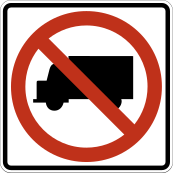
- No Trucks
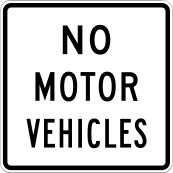
- No Motor Vehicles
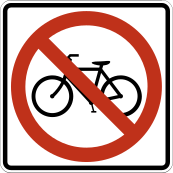
- No Bicycles
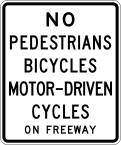
- No Pedestrians, Bicycles, or Motor-Driven Cycles
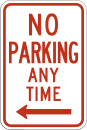
- No Parking Any Time
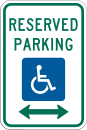
- Accessible Parking
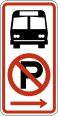
- No Parking Bus Stop
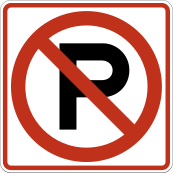
- No Parking
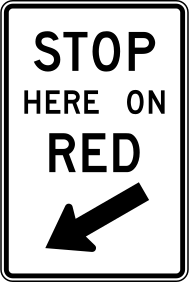
- Stop Here on Red
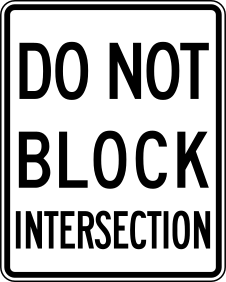
- Do Not Block Intersection
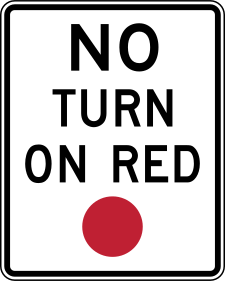
- No Turn on Red
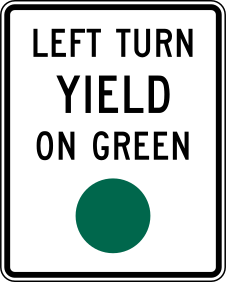
- Left Turn Yield on Green
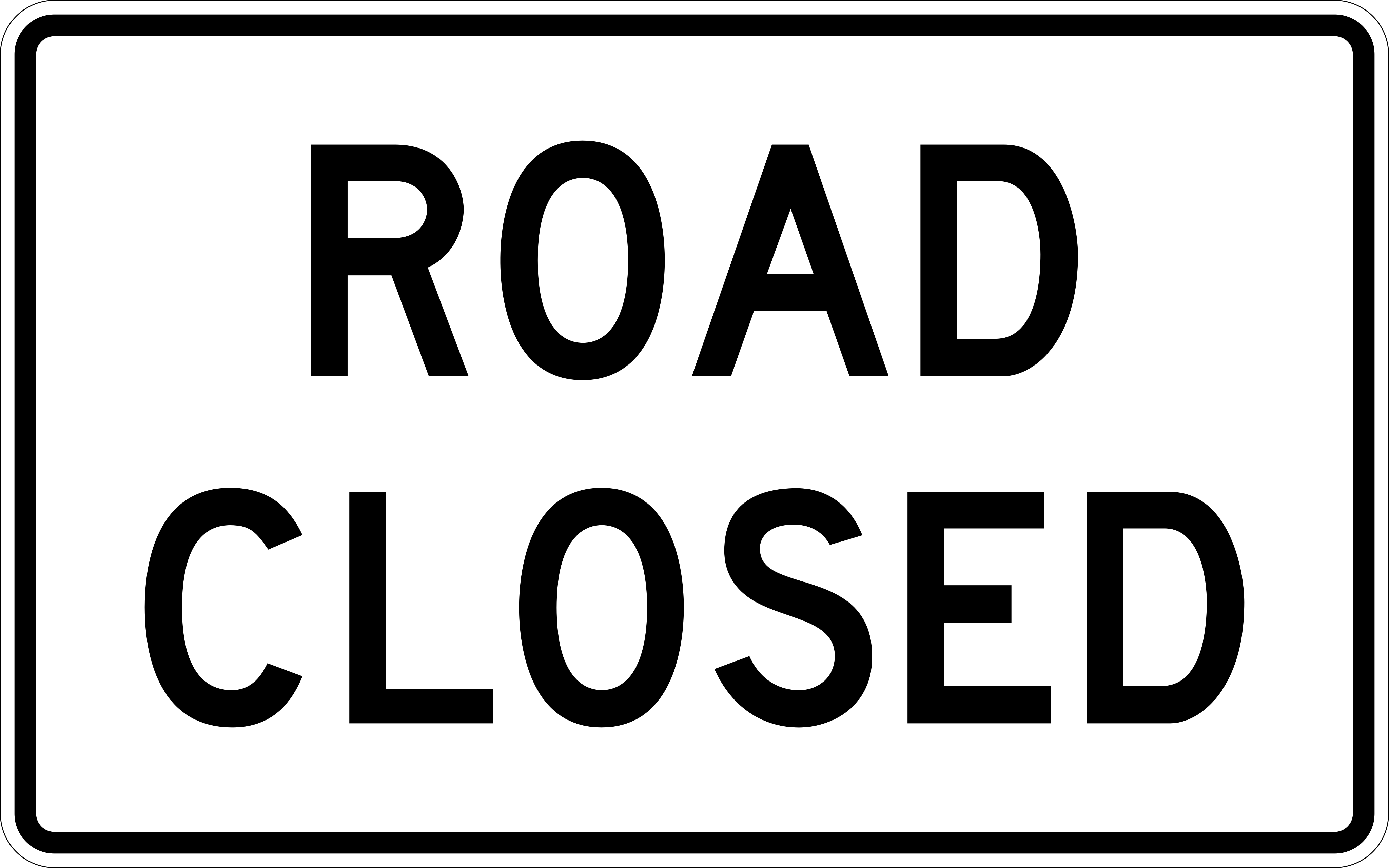
- Road Closed
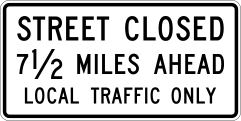
- Road Closed — Local Traffic Only
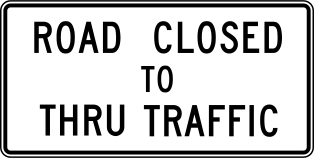
- Road Closed to Thru Traffic
- Weight Limit
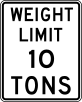
- No Hazardous Materials

- Railroad Crossing (Crossbuck)
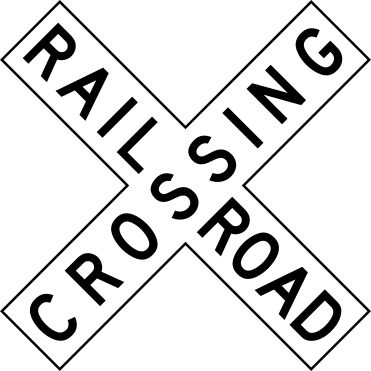
- Number of Tracks
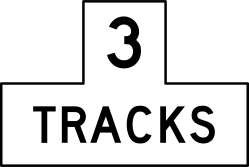
- School Speed Limit When Flashing
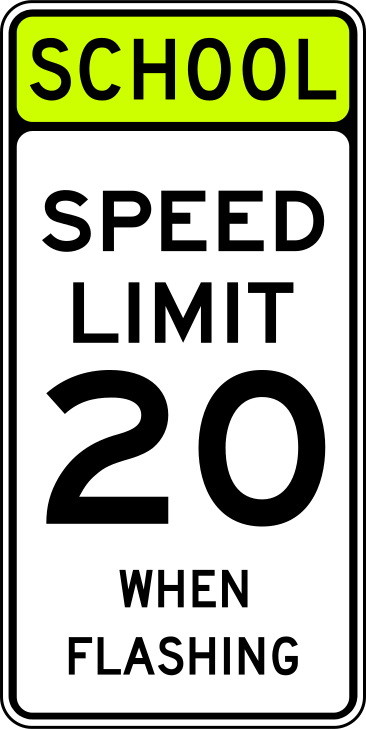
- HOV Lane
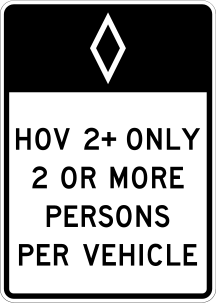
- Exempt

- Two-Way Left Turn Only
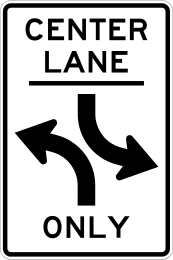
Warning signs
- Turn Ahead

- Stop Ahead

- Signal Ahead
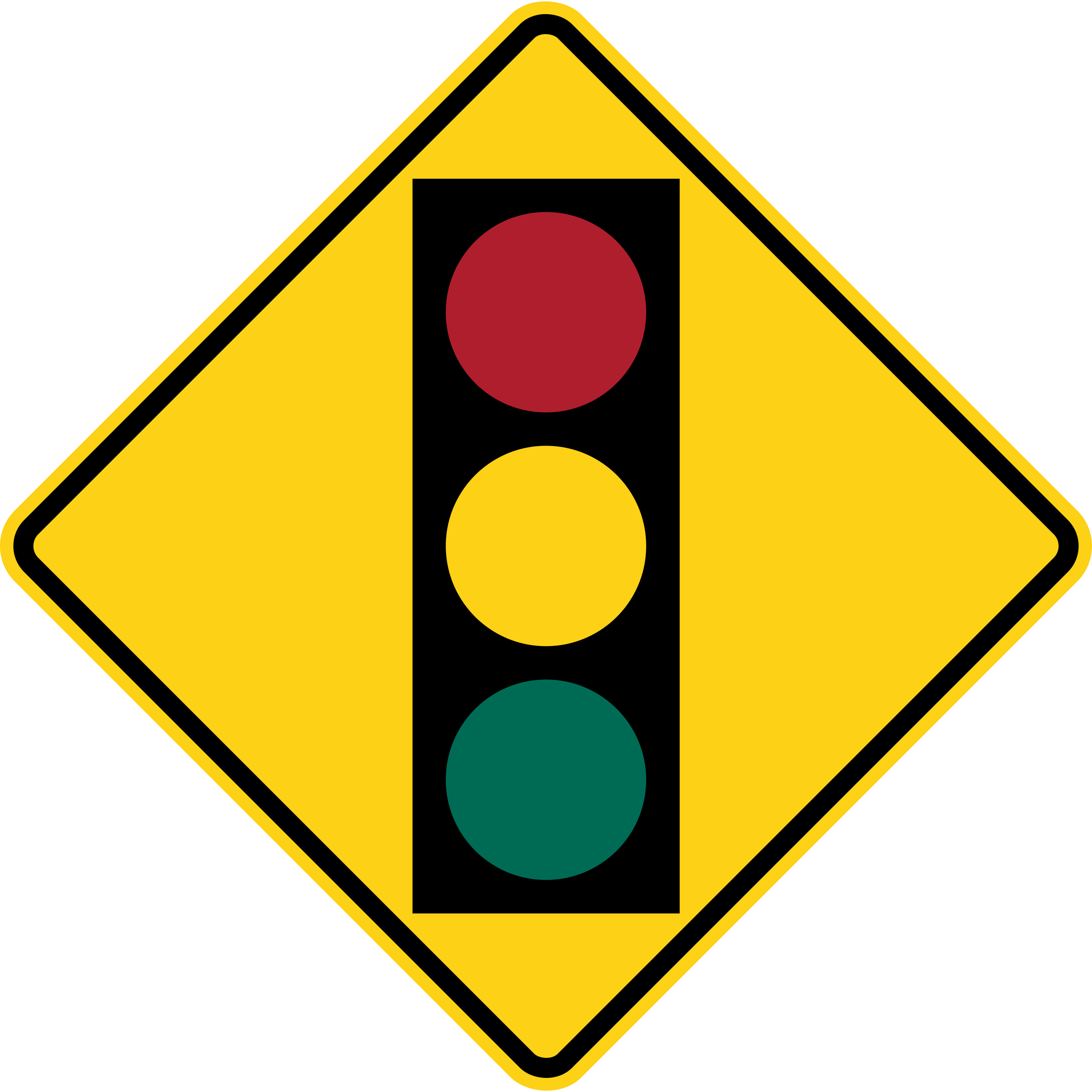
- Pedestrian Crossing

- Curve

- Reverse Turn

- Reverse Curve

- Winding Road

- One-Direction Large Arrow

- Two-Direction Large Arrow

- Chevron Alignment

- Hairpin Curve

- Cross Road

- Side Road

- Roundabout Ahead

- Yield Ahead

- Be Prepared to Stop

- Reduced Speed Limit Ahead
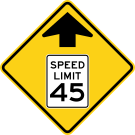
- Merging Traffic

- Lane Ends

- Added Lane

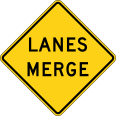
- Lanes Merge
- Road Narrows

- Narrow Bridge

- One Lane Bridge

- Ramp Narrows

- Divided Highway Begins

- Divided Highway Ends

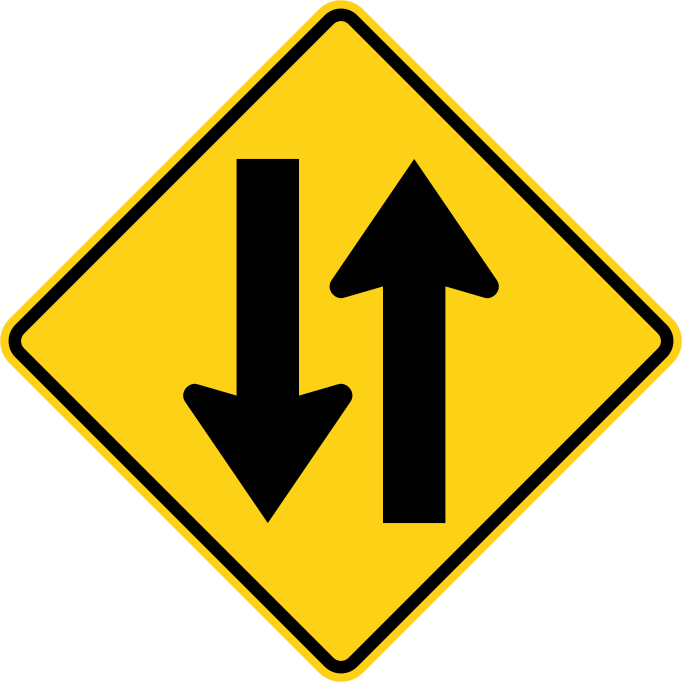
- Two-Way Traffic
- Hill / Steep Grade

- Bump

- Dip

- Pavement Ends

- Soft Shoulder

- Slippery When Wet

- Loose Gravel

- Rough Road

- Low Shoulder

- Uneven Lanes

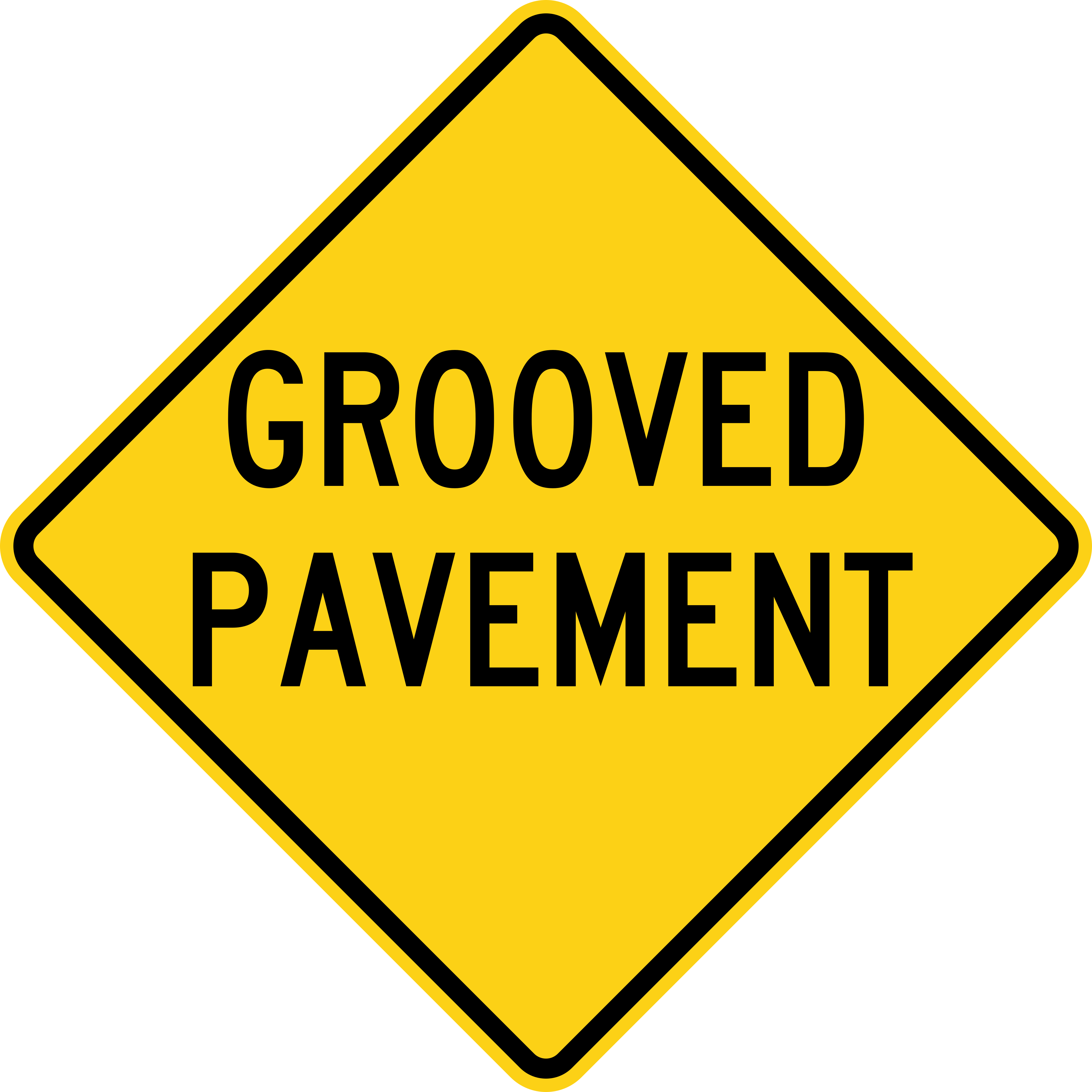
- Grooved Pavement
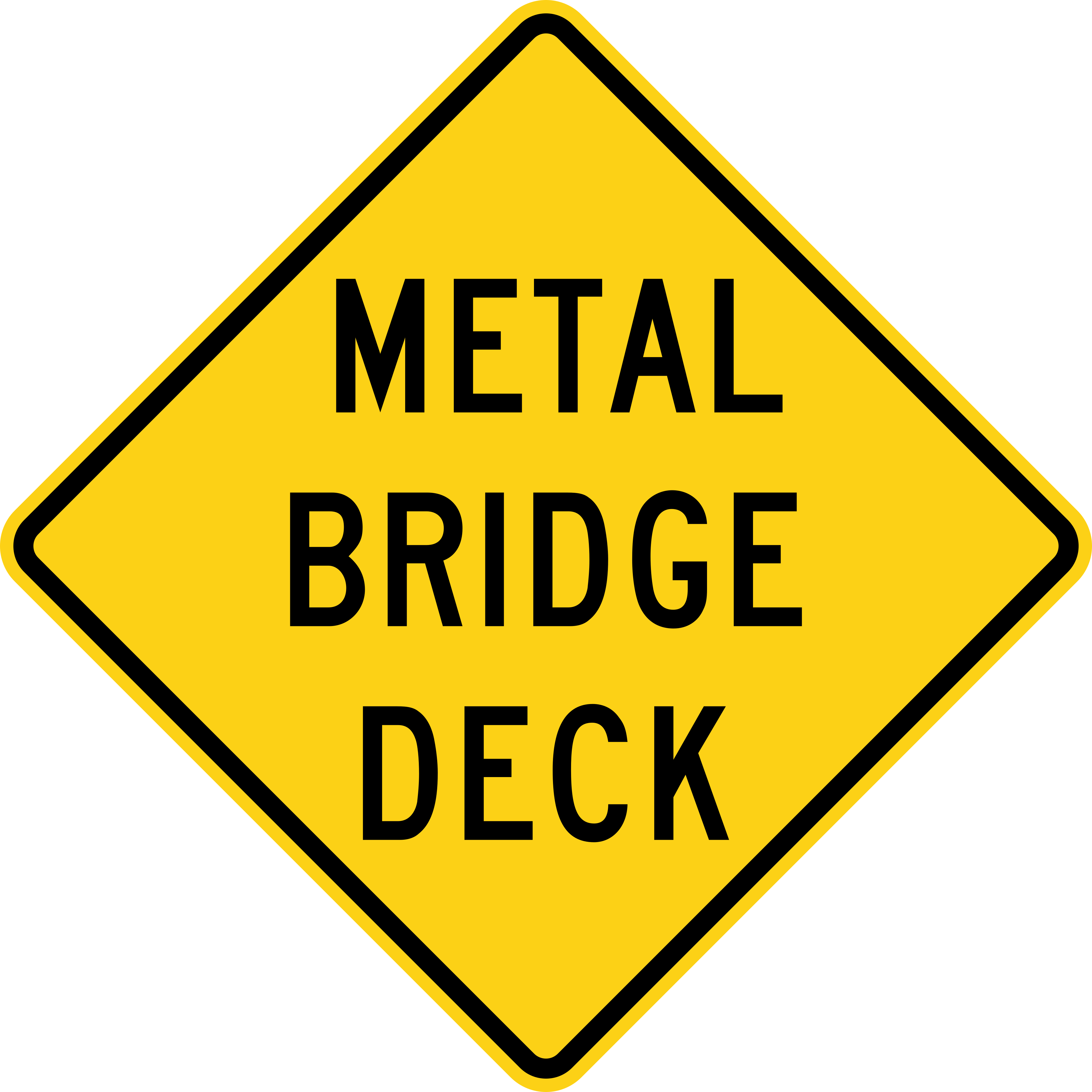
- Metal Bridge Deck
- Railroad Crossing Ahead

- Bicycle Crossing

- Deer Crossing

- Cattle Crossing

- Farm Machinery

- Snowmobile Crossing

- Equestrian Crossing

- Persons with Disabilities

- Golf Cart Crossing

- Horse-Drawn Vehicle Crossing

- Low Clearance

- Advisory Speed

- Dead End

- No Outlet

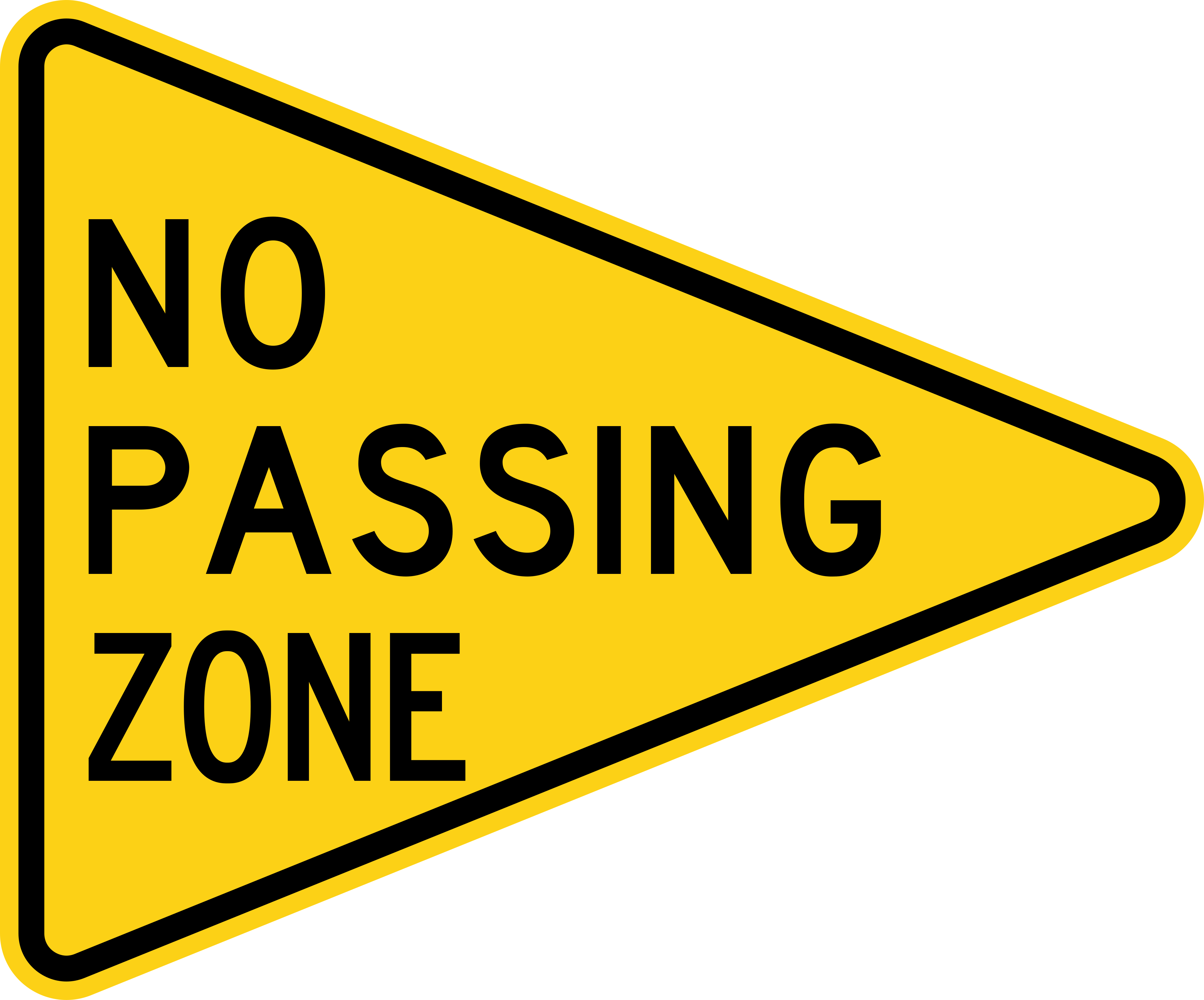
- No Passing Zone
- Playground

- Speed Hump

- School

- Truck Rollover

- Bridge Ices Before Road

- Road May Flood

- Runaway Truck Ramp
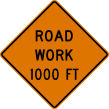
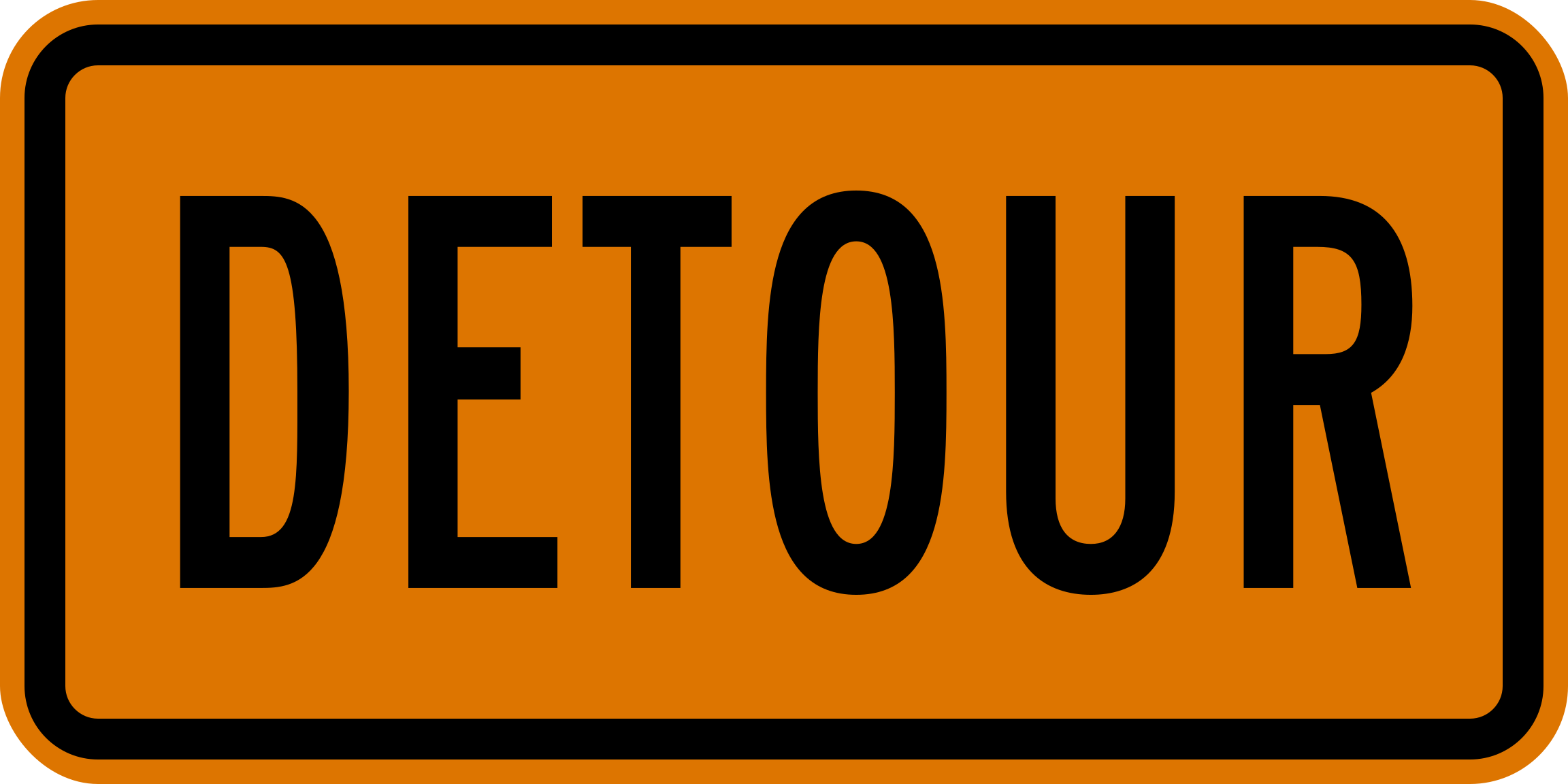
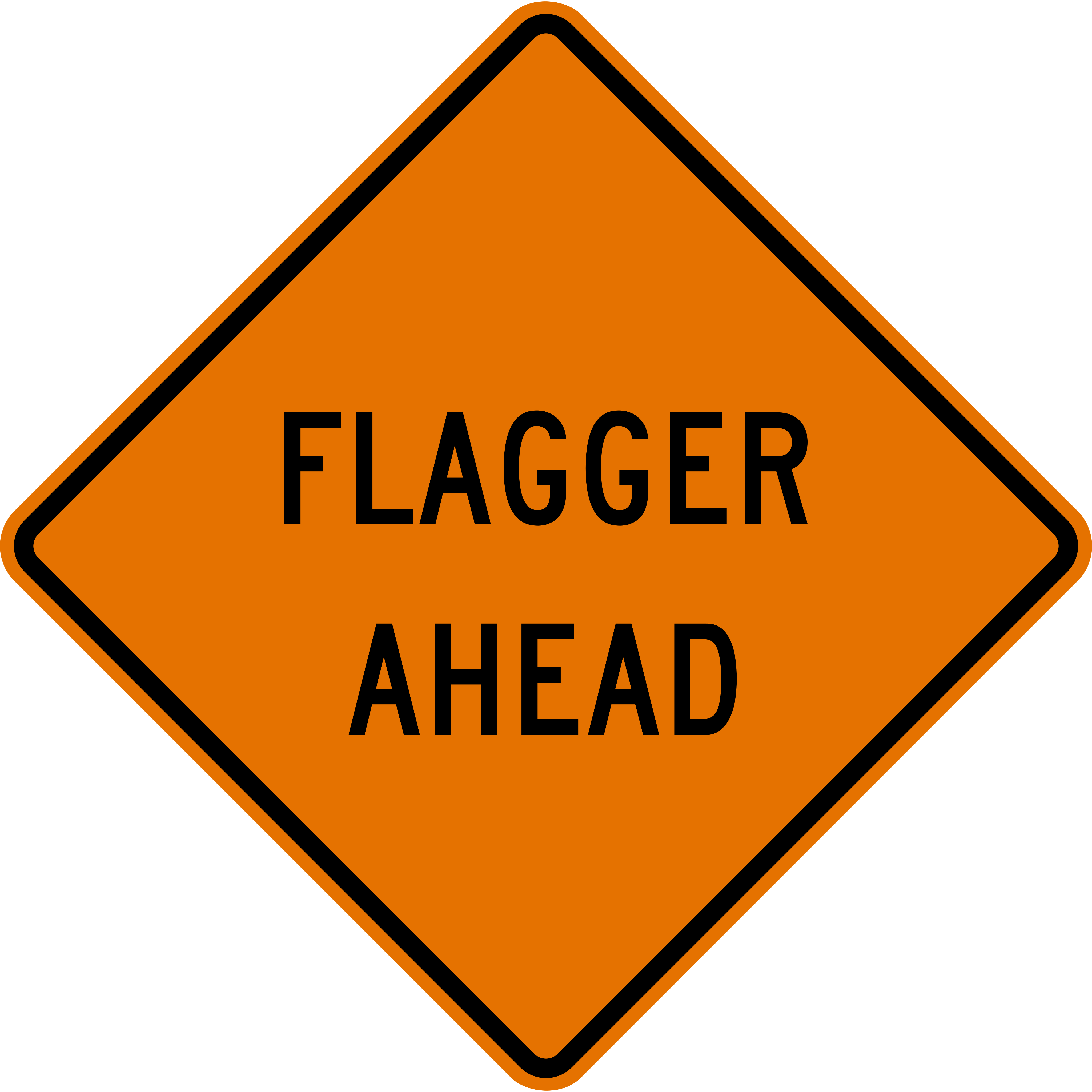
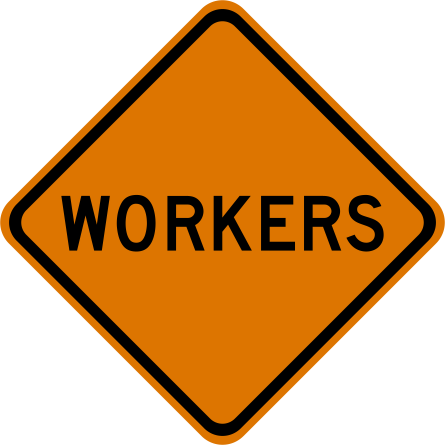
Construction & work-zone signs


Guide signs


Service & information signs



Virginia road signs: frequently asked questions
What's the sign-question count on Virginia's knowledge exam?
Ten, and all ten must be answered correctly before the exam moves on. They come first, ahead of the thirty general-knowledge questions, which pass at 24 of 30 — Virginia's exam is sequential, not two scores added together.
What happens if I miss one sign question on the Virginia test?
You don't get to attempt the general-knowledge half at all. The Virginia Driver's Manual is explicit that all ten sign questions in part one must be answered correctly before the system moves you on to part two. Part two is thirty general-knowledge questions, per the DMV's knowledge-exam page — missing even one sign question ends the exam right there, so a strong performance on the rest was never in reach, because you're never asked those questions.
What happens if I fail Virginia's knowledge exam?
You can retake it, though not immediately. The exam can only be taken once per business day, and if you're under 18, you must wait a full 15 days before retaking it — fail on January 1 and the earliest retake is January 17. After a third failure, Virginia requires completing the classroom component of driver education before a fourth attempt is allowed. The manual also describes a shorter, DMV-approved 8-hour course — offered at a driver training school or online — that can satisfy that requirement for adult candidates; for candidates under 18, that shorter course is only available once they've already completed the classroom component, so it isn't a way to skip that requirement for minors.
Are the sign and general-knowledge sections of Virginia's exam scored together?
No — they're sequential, not parallel. The Virginia Driver's Manual requires all ten sign questions correct before part two is even presented — thirty general-knowledge questions, per the DMV's knowledge-exam page. There's no way to offset a missed sign with a strong general-knowledge score, because those questions are never reached until part one is cleared.
Is Virginia's knowledge exam available in Spanish?
Yes. Virginia's DMV offers the Driver knowledge exam in more than twenty languages, including Spanish, in addition to English and American Sign Language — only the separate CDL HAZMAT exam is English-only. Whatever language you test in, the same sequential rule applies: all ten sign questions in part one must be correct before part two is even presented.
Official sources
Checked against official state sources on 2026-07-28.