Utah Road Signs and Their Meanings
Utah does not have one written test. It has two, and which one you sit turns on a fact about your past rather than anything about your driving. The Driver License Division puts it in a single line: "Never licensed is a closed-book 50-question test. Previously licensed is an open-book 25-question test." A first-time applicant answers fifty questions with the book shut. Someone who has held a license before — in another state, or here, years ago — answers half as many and may keep the book open. Both versions draw on the same material: the DLD says every question is based on information in the Utah Driver Handbook, which puts the sign chart squarely inside the syllabus for either paper.
Neither version sets aside part of its score for signs. There is one bar for the whole paper and the handbook publishes it plainly: "you must pass with a score of 80% or better." It publishes something else candidates rarely expect, too — the written knowledge test is not timed, though it generally takes thirty to forty-five minutes to finish. One consequence of Utah's two-test structure is worth planning around: a passing score does not stay valid forever. Scores for an entry-level learner permit are good for eighteen months, and scores for the six-month renewal permit for twelve. On the entry-level permit the handbook is explicit about what follows: if you renew it or let it expire, you must retake the written knowledge test, signs and all.
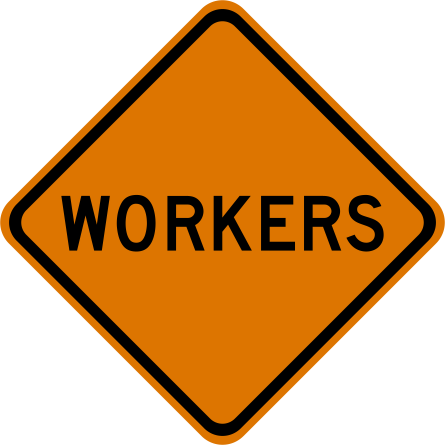
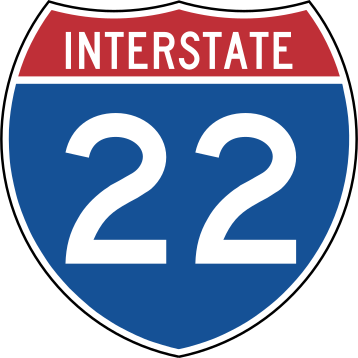
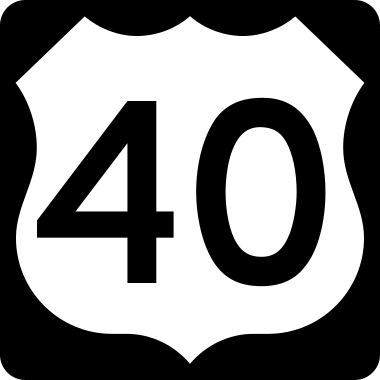
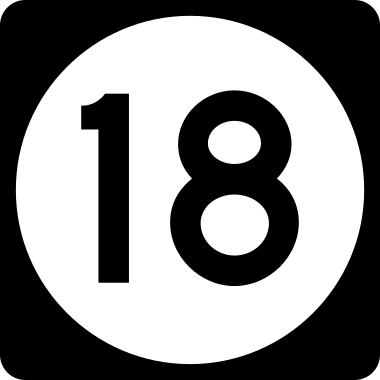
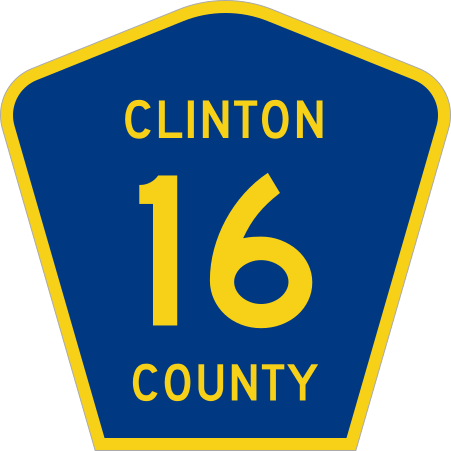
Utah's handbook is not written only in Utah. Its cover carries the words AAMVA MODEL NON-COMMERCIAL, and its opening page describes the book as "a collaborative effort between the American Association of Motor Vehicle Administrators (AAMVA) and the Utah Driver License Division" — a model document adapted for one state rather than a state document written from nothing. Signs get no chapter of their own inside it. They are subsection I, Traffic Signs, of Section 9: Rules of the Road, sharing that section with flex lanes, freeway driving and the I-15 express lanes. Below it the families are named flatly, each with its own shape-and-color formula: warning signs "usually diamond shaped and yellow with black lettering," work zone signs "diamond or rectangular and orange," guide signs "square or rectangular and are green, brown, or blue," then regulatory, route number and railroad crossing signs.
A chart is arranged by what a sign looks like. A driver handbook is arranged by the situation you are standing in when you meet it — and Utah's citations keep landing on the second arrangement. The reflective orange-and-red triangle a slow-moving vehicle carries at its rear is filed under Sharing the Road, among the other users of the highway you have to accommodate rather than among the signs you have to read. The question of what an animal-crossing warning sign is doing at the spot it stands on is answered by the handbook's material on avoiding collisions with animals, inside the section on driving challenges. Those placements are the handbook's rather than ours, and they are worth knowing before you work the chart below: Utah is asking whether you have read the situation, not only whether you memorized the shape. Warning signs draw more of this set than any other family; the rest spreads thinly across work zone, railroad crossing, regulatory, route number and guide signs.
14 published Utah road-sign questions, each with an explanation and a citation to the handbook section it came from.
Content reviewed against official driver handbooks · August 12, 2026
Every sign you can be tested on in Utah
Regulatory signs
- Stop

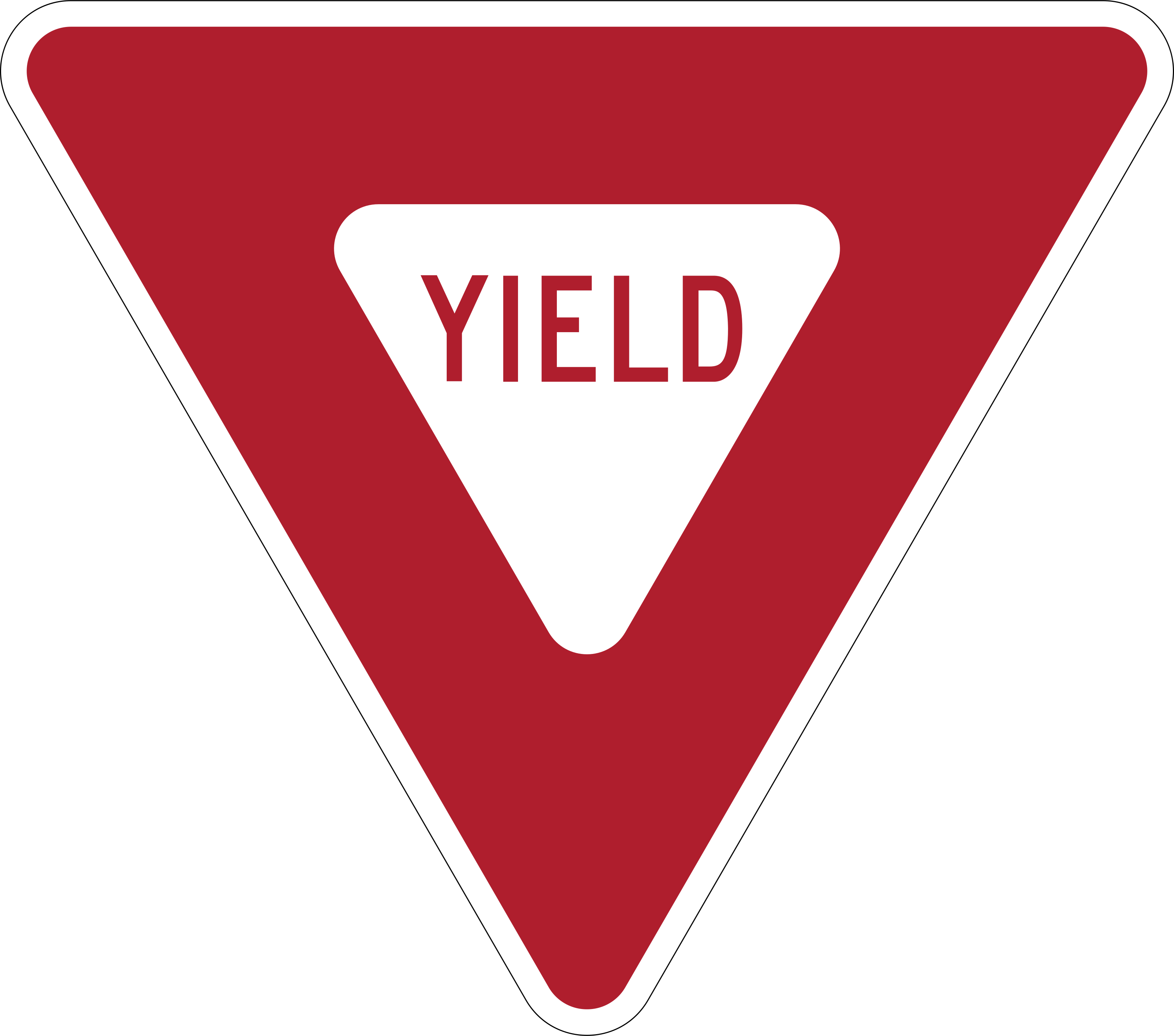
- Yield
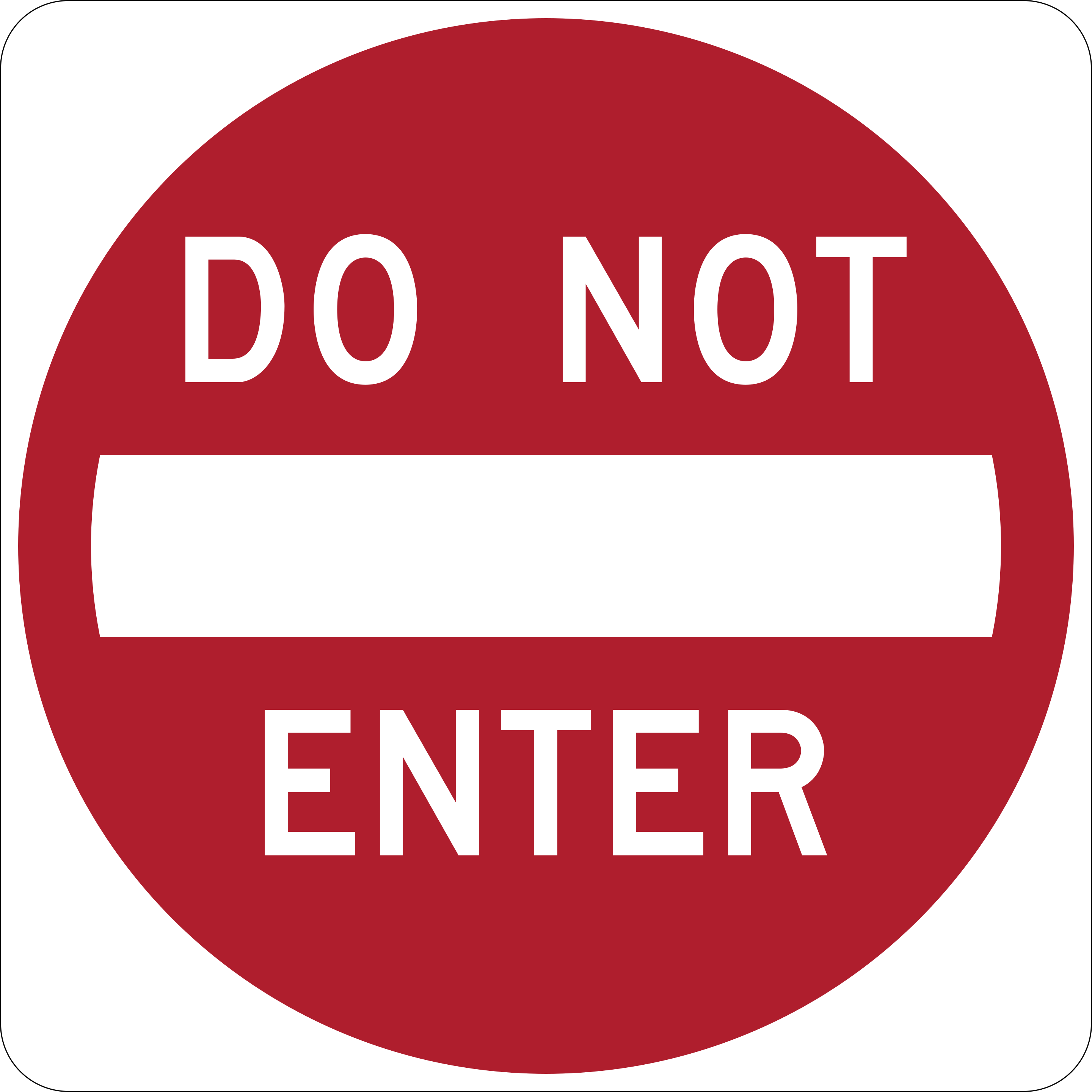
- Do Not Enter
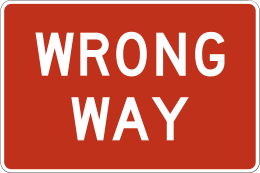
- Wrong Way
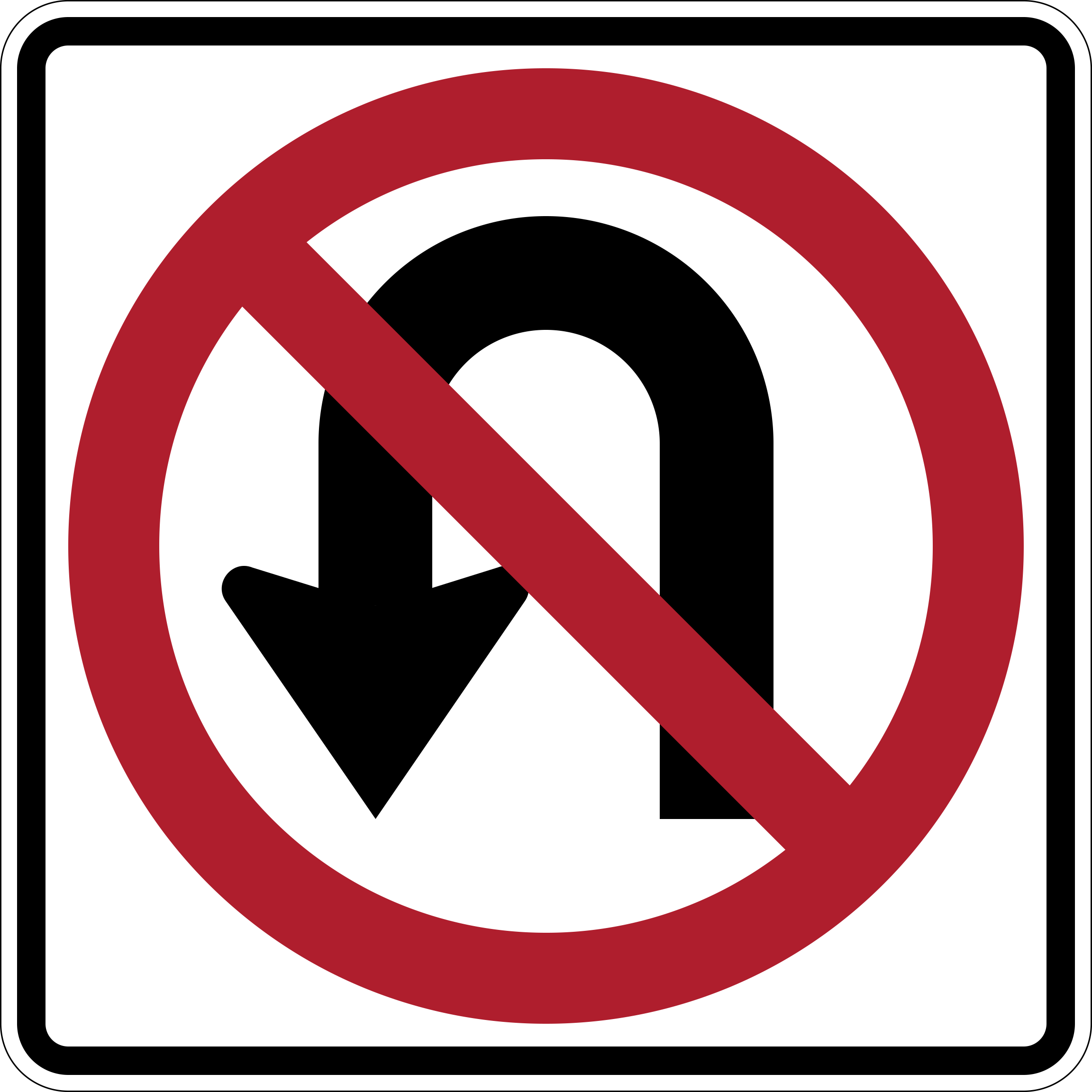
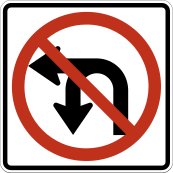
- No U-Turn
- Speed Limit
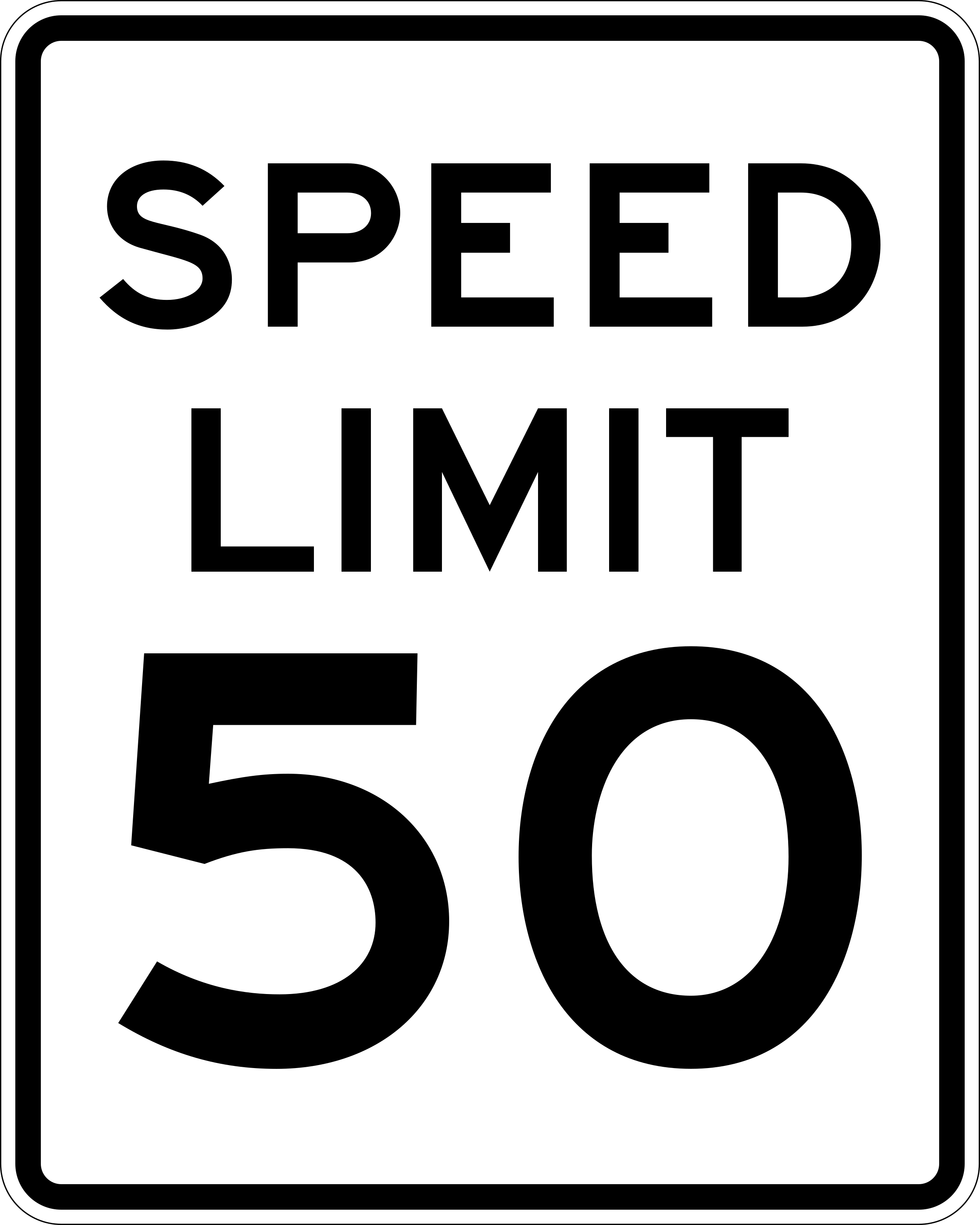
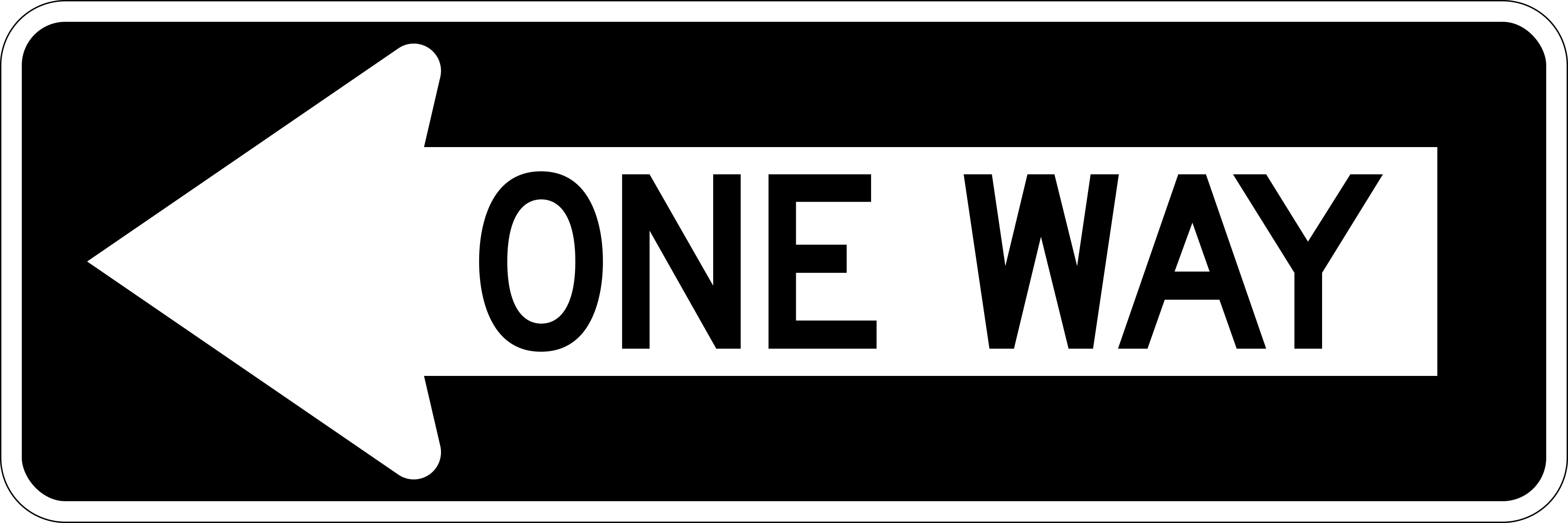
- One Way
- All Way

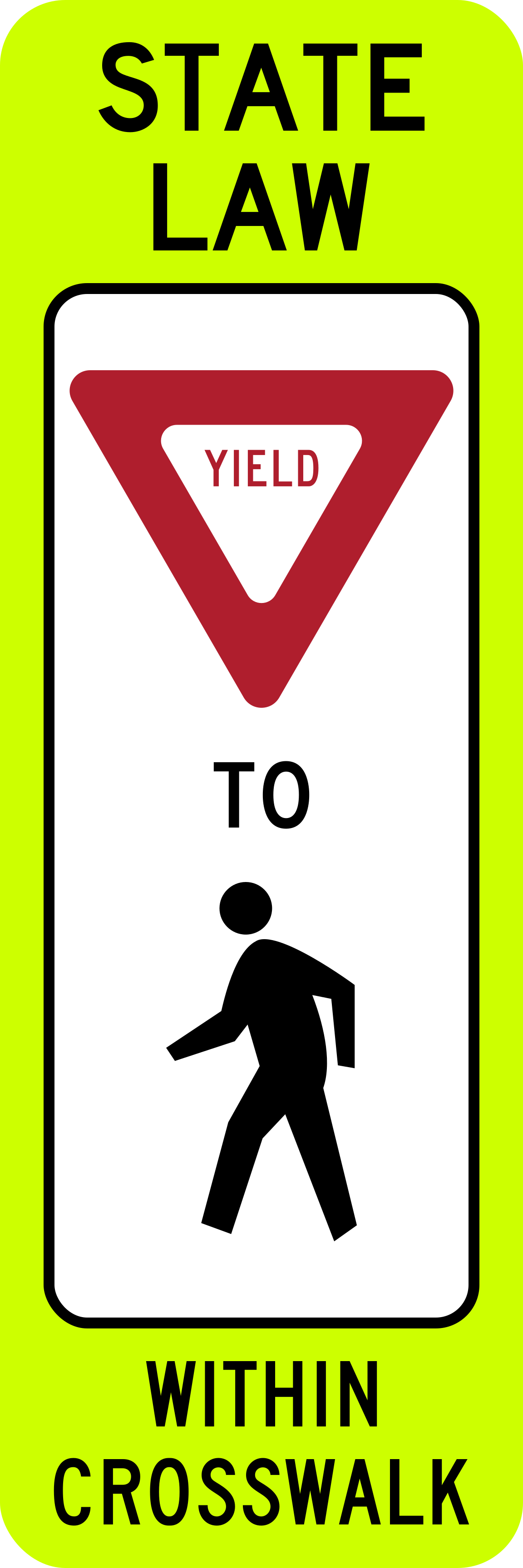
- State Law: Yield to Pedestrians
- State Law: Stop for Pedestrians
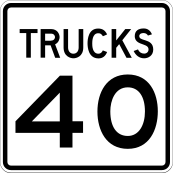
- Truck Speed Limit
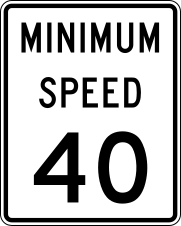
- Minimum Speed Limit
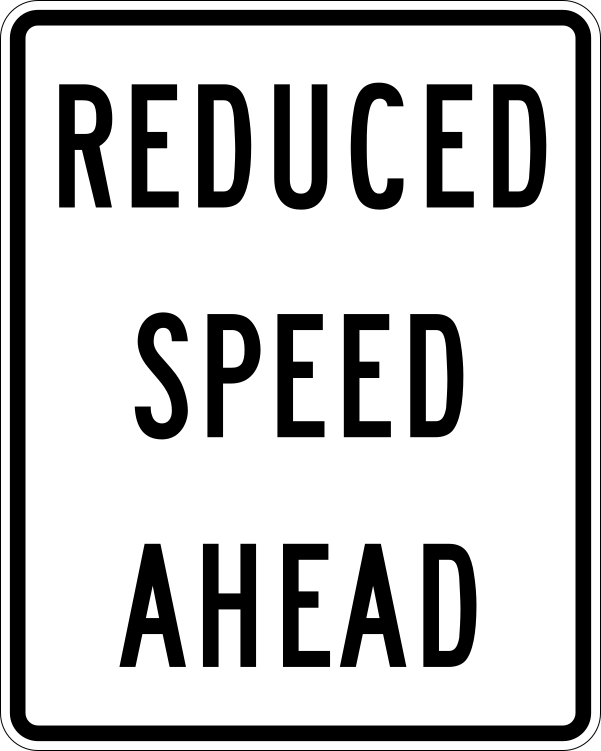
- Reduced Speed Limit Ahead
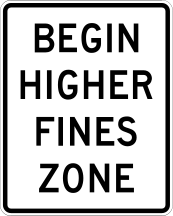
- Begin Higher Fines Zone
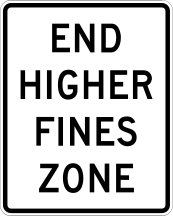
- End Higher Fines Zone
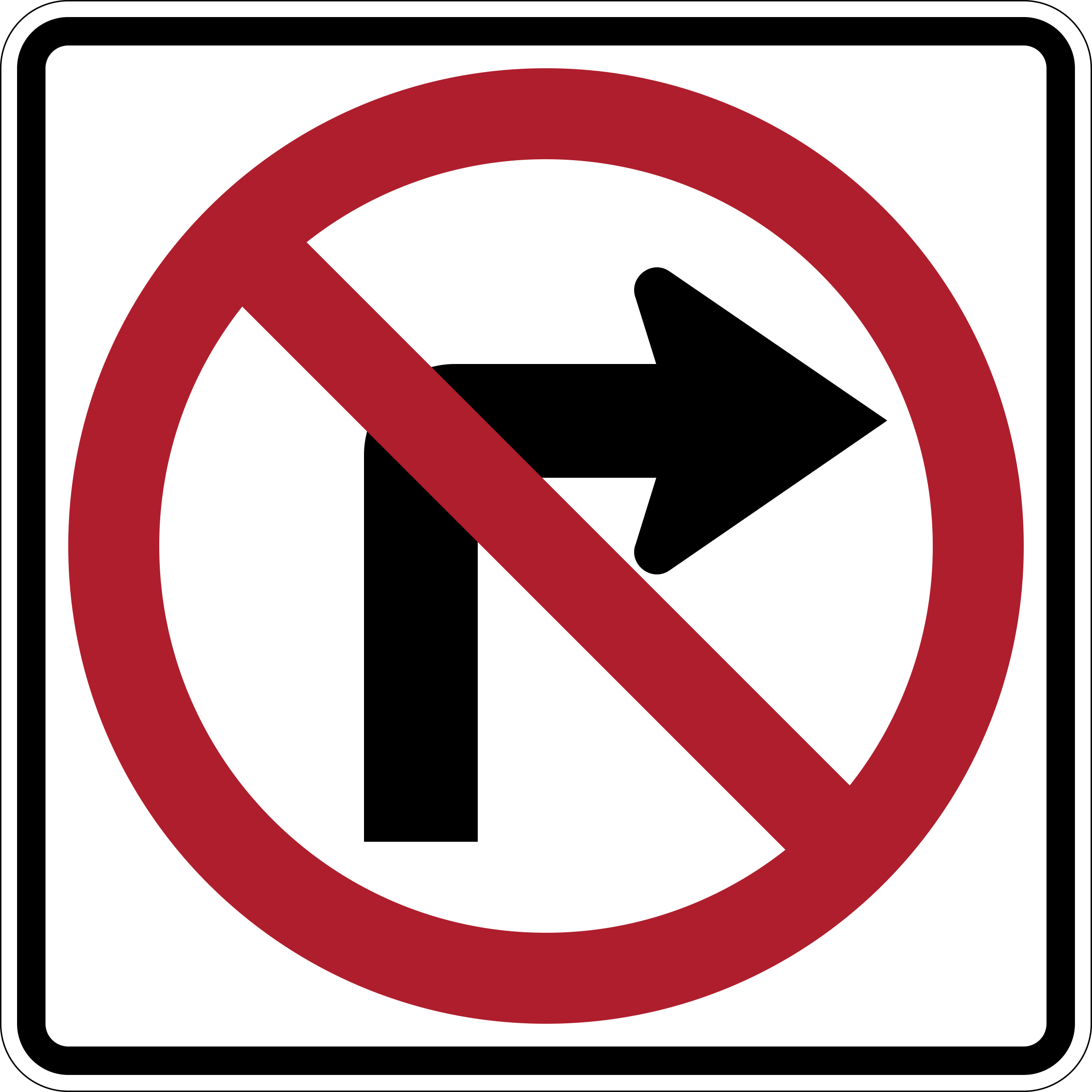
- No Right Turn
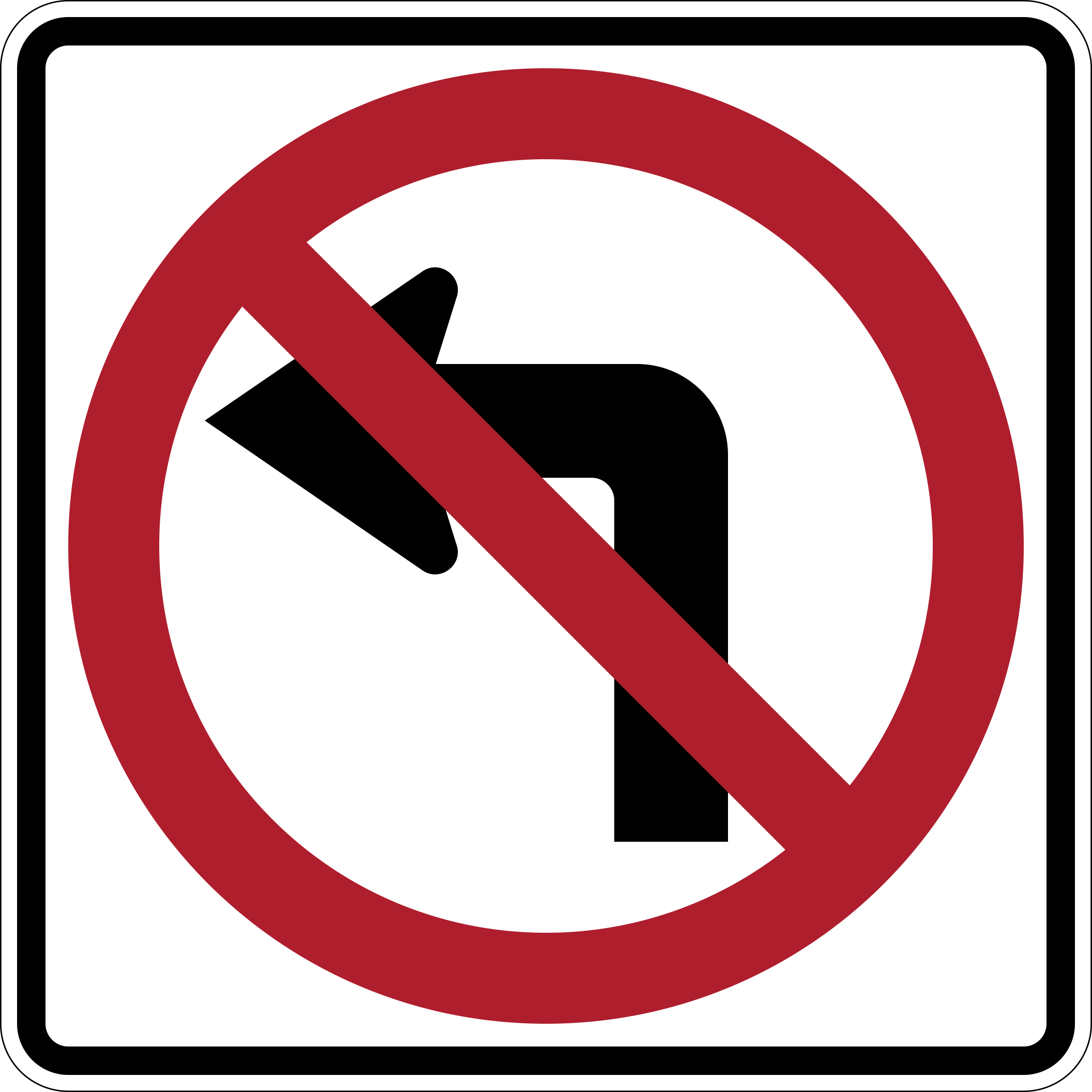
- No Left Turn
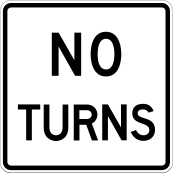
- No Turns
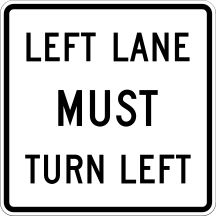
- Left Lane Must Turn Left
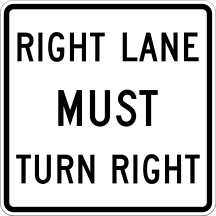
- Right Lane Must Turn Right
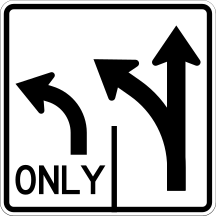
- Intersection Lane Control
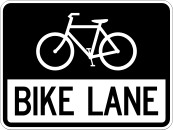
- Bike Lane
- No Left or U-Turn
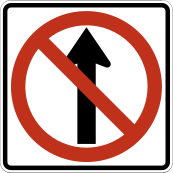
- No Straight Through
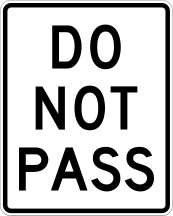
- Do Not Pass
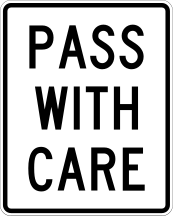
- Pass With Care
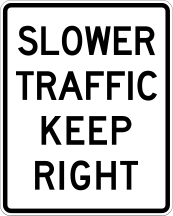
- Slower Traffic Keep Right
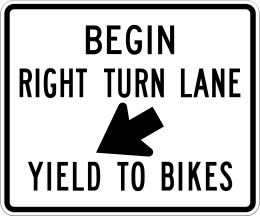
- Begin Right Turn Lane — Yield to Bikes
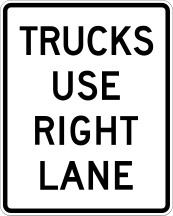
- Trucks Use Right Lane
- Keep Right
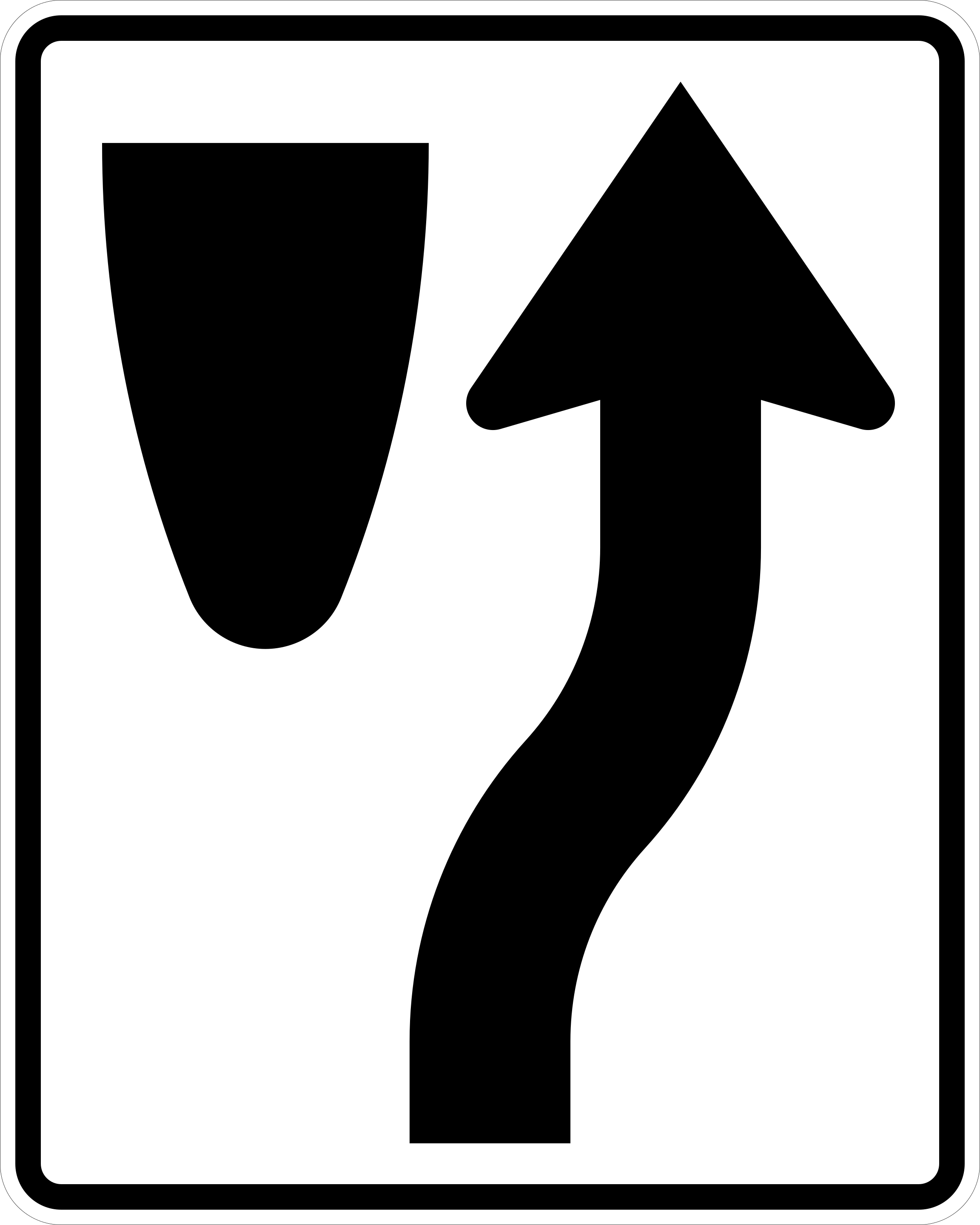
- Keep Left
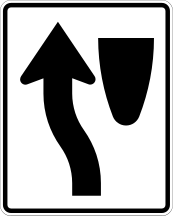
- Keep Right Except to Pass
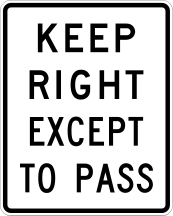
- Do Not Drive on Shoulder
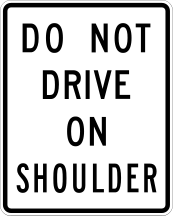
- No Trucks
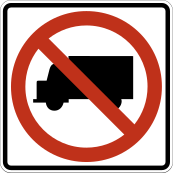
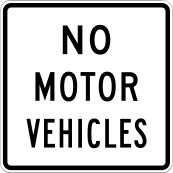
- No Motor Vehicles
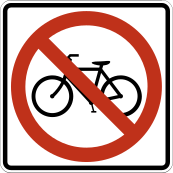
- No Bicycles
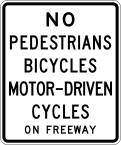
- No Pedestrians, Bicycles, or Motor-Driven Cycles
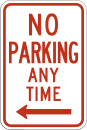
- No Parking Any Time
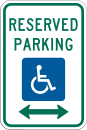
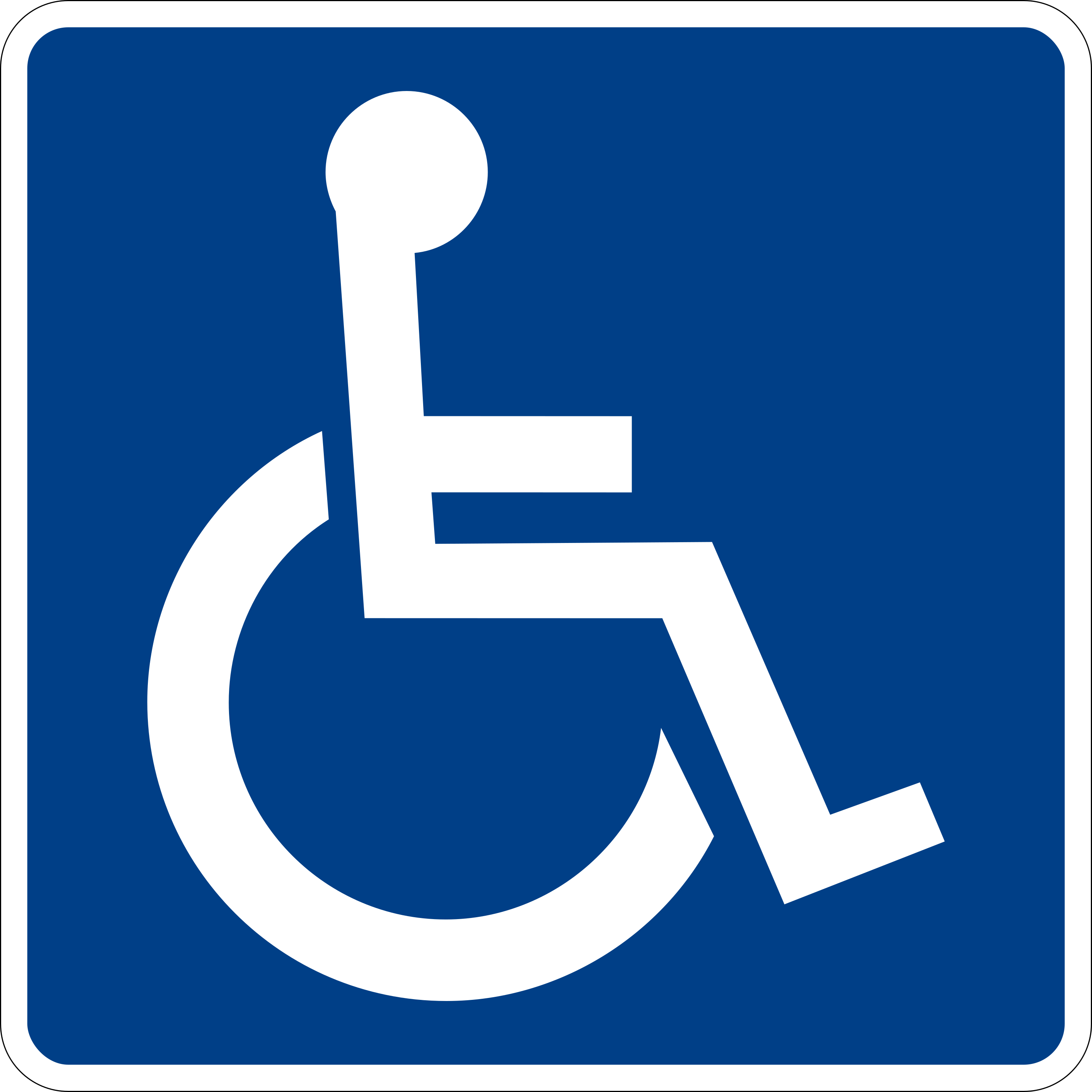
- Accessible Parking
- No Parking Bus Stop

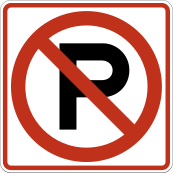
- No Parking
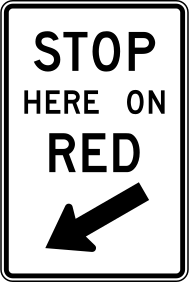
- Stop Here on Red
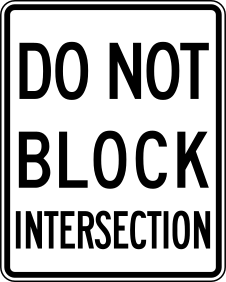
- Do Not Block Intersection
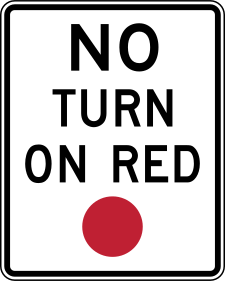
- No Turn on Red
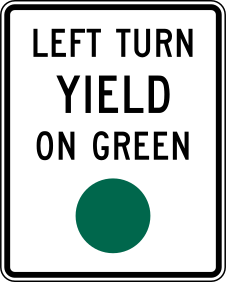
- Left Turn Yield on Green
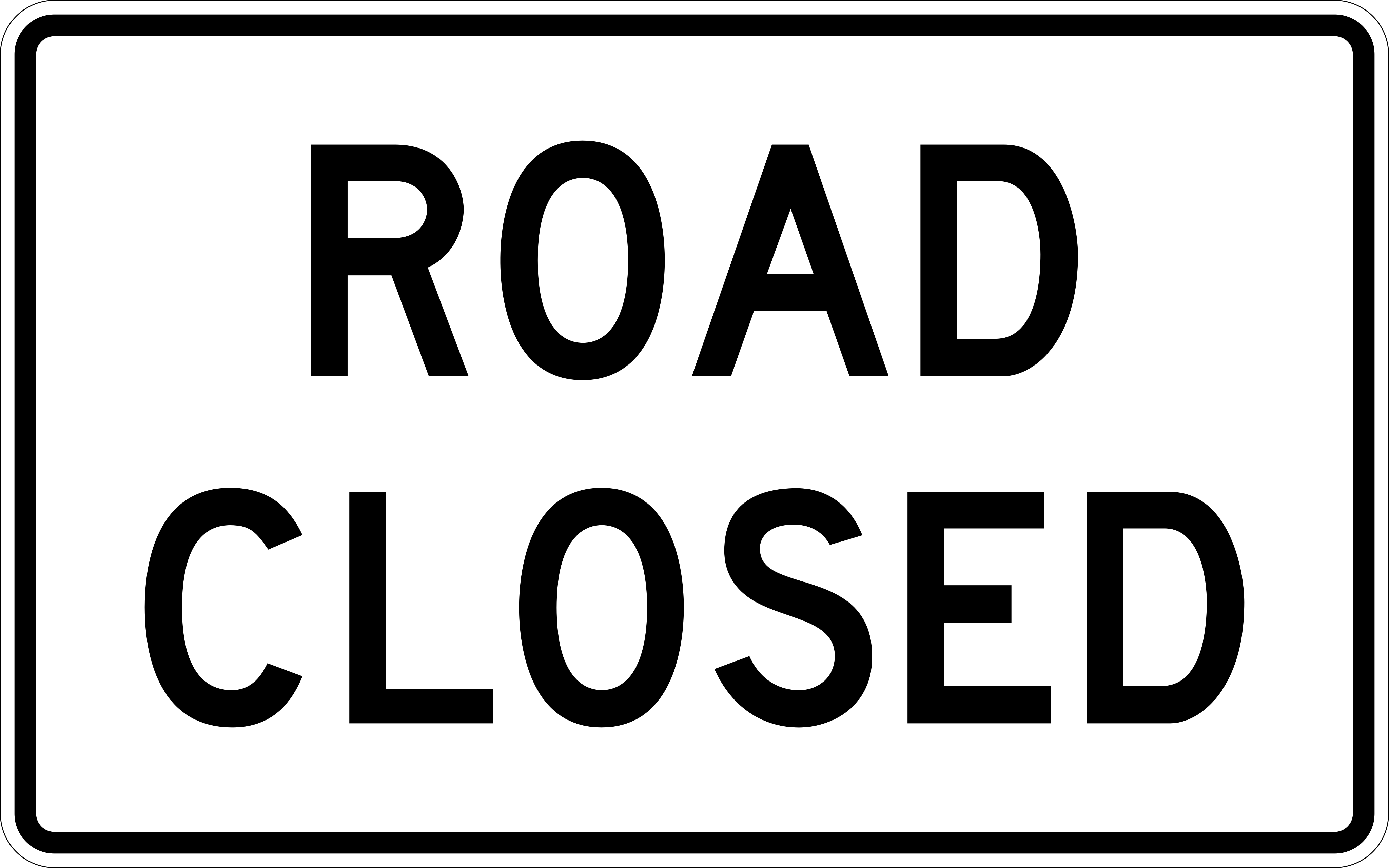
- Road Closed
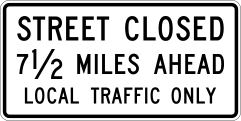
- Road Closed — Local Traffic Only
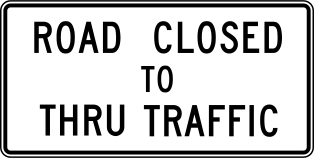
- Road Closed to Thru Traffic
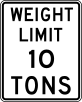
- Weight Limit
- No Hazardous Materials

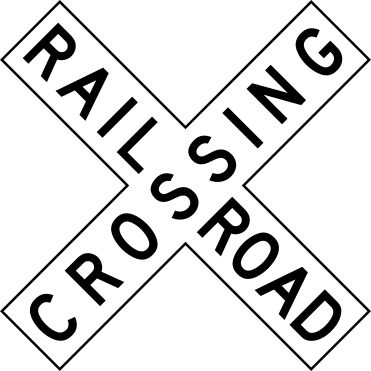
- Railroad Crossing (Crossbuck)
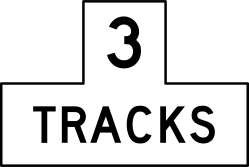
- Number of Tracks
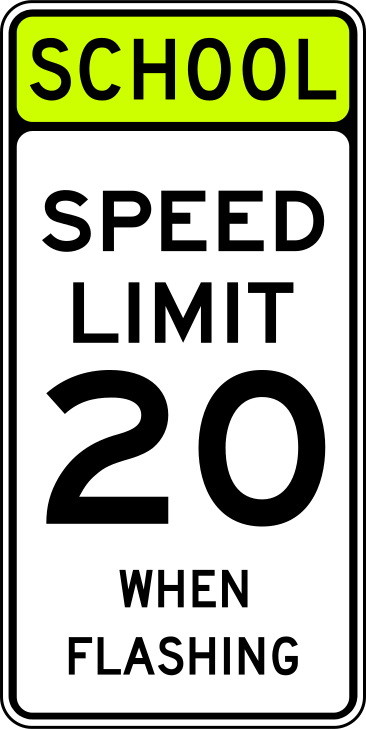
- School Speed Limit When Flashing
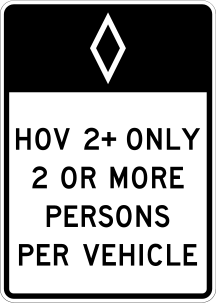
- HOV Lane
- Exempt

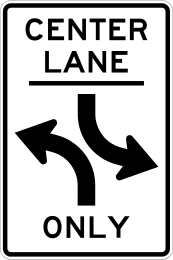
- Two-Way Left Turn Only
Warning signs
- Turn Ahead

- Stop Ahead

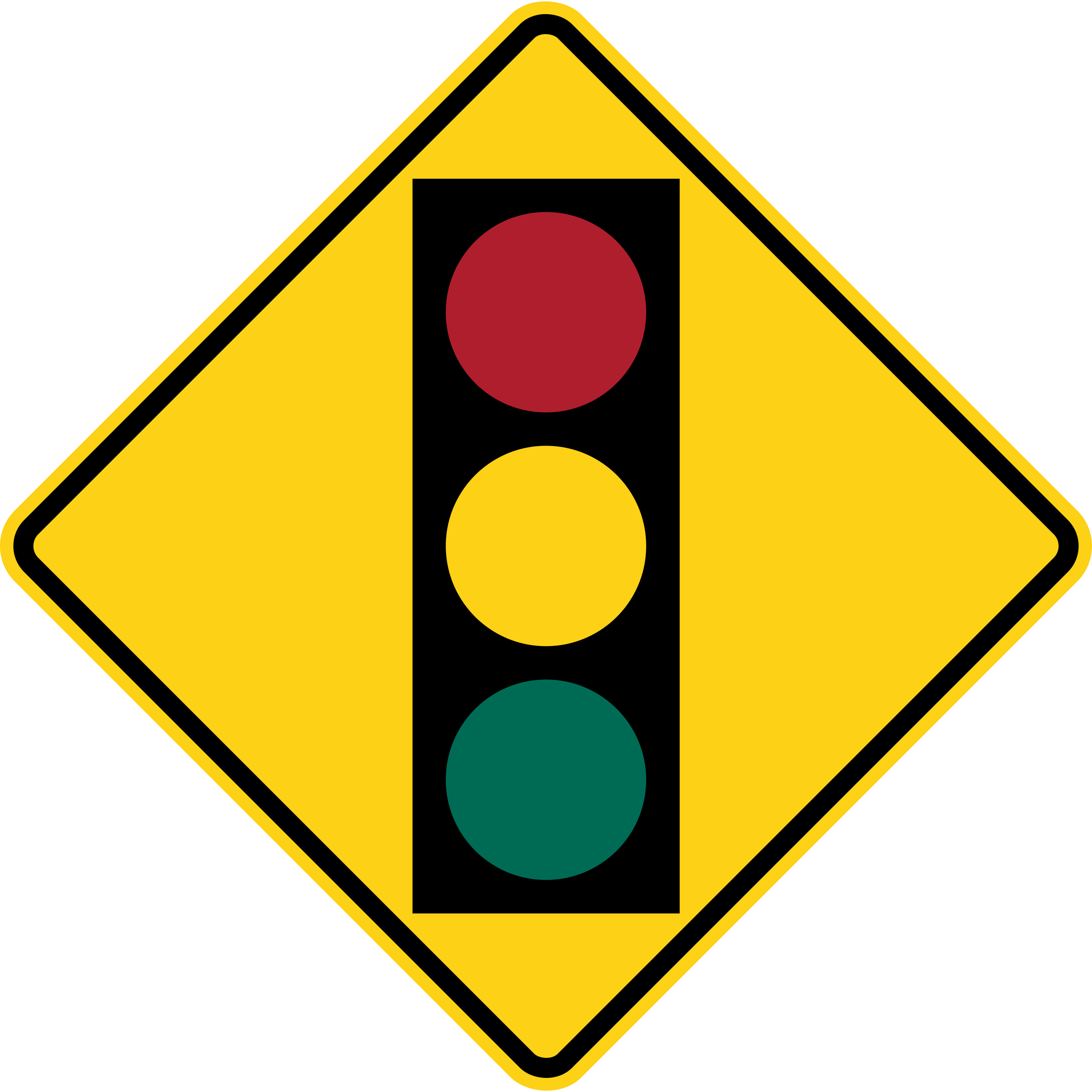
- Signal Ahead
- Pedestrian Crossing

- Curve

- Reverse Turn

- Reverse Curve

- Winding Road

- One-Direction Large Arrow

- Two-Direction Large Arrow

- Chevron Alignment

- Hairpin Curve

- Cross Road

- Side Road

- Roundabout Ahead

- Yield Ahead

- Be Prepared to Stop

- Reduced Speed Limit Ahead
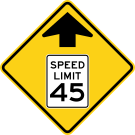
- Merging Traffic

- Lane Ends

- Added Lane

- Lanes Merge
- Road Narrows

- Narrow Bridge

- One Lane Bridge

- Ramp Narrows

- Divided Highway Begins

- Divided Highway Ends

- Two-Way Traffic
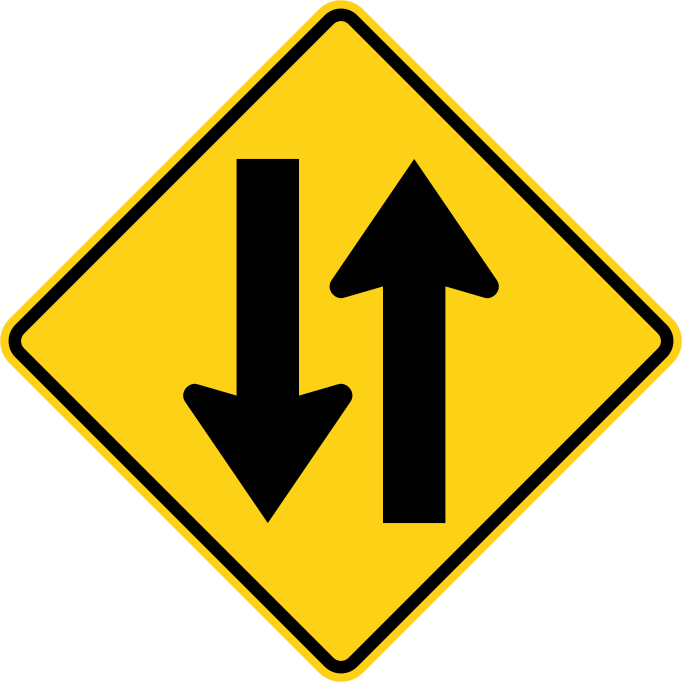
- Hill / Steep Grade

- Bump

- Dip

- Pavement Ends

- Soft Shoulder

- Slippery When Wet

- Loose Gravel

- Rough Road

- Low Shoulder

- Uneven Lanes

- Grooved Pavement
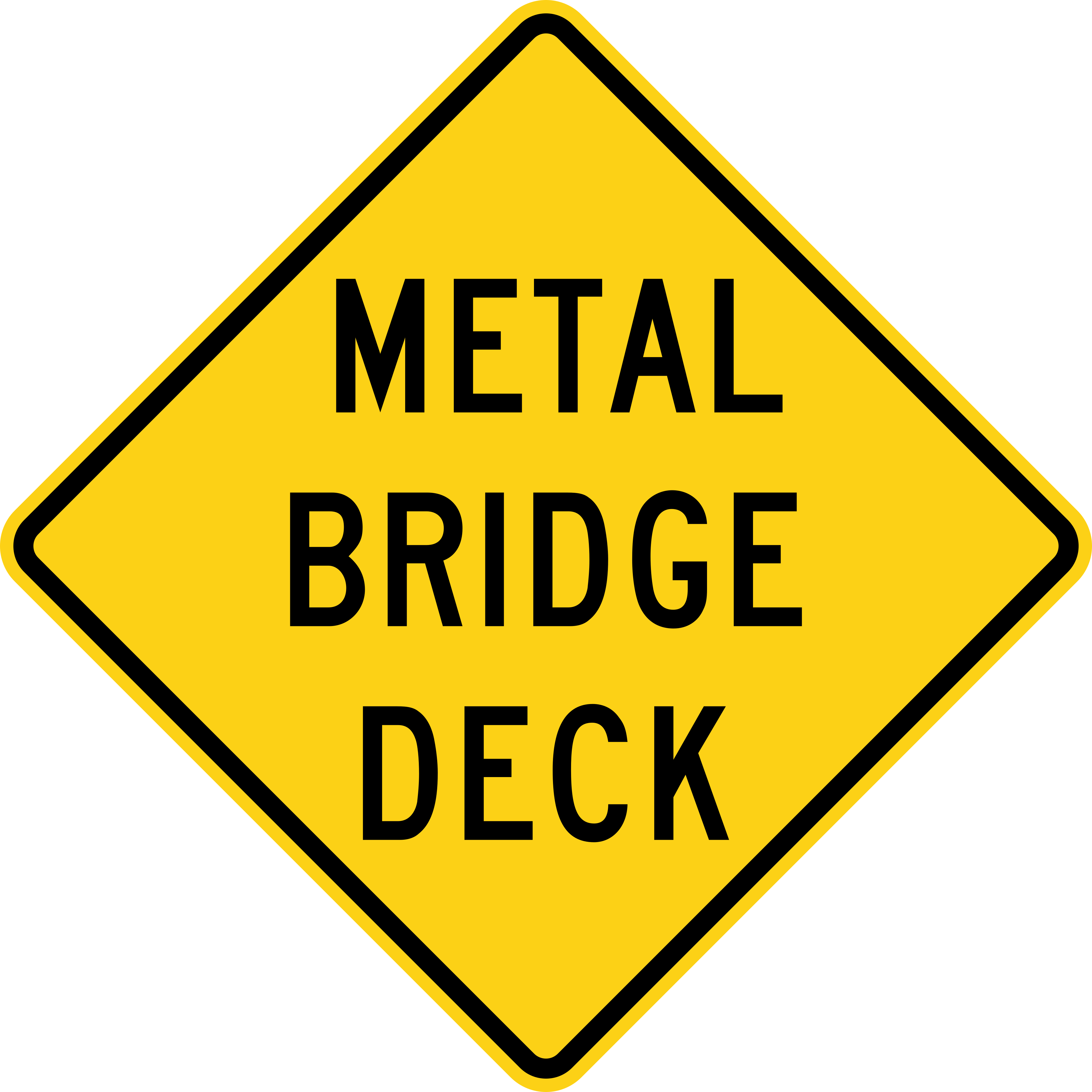
- Metal Bridge Deck
- Railroad Crossing Ahead

- Bicycle Crossing

- Deer Crossing

- Cattle Crossing

- Farm Machinery

- Snowmobile Crossing

- Equestrian Crossing

- Persons with Disabilities

- Golf Cart Crossing

- Horse-Drawn Vehicle Crossing

- Low Clearance

- Advisory Speed

- Dead End

- No Outlet

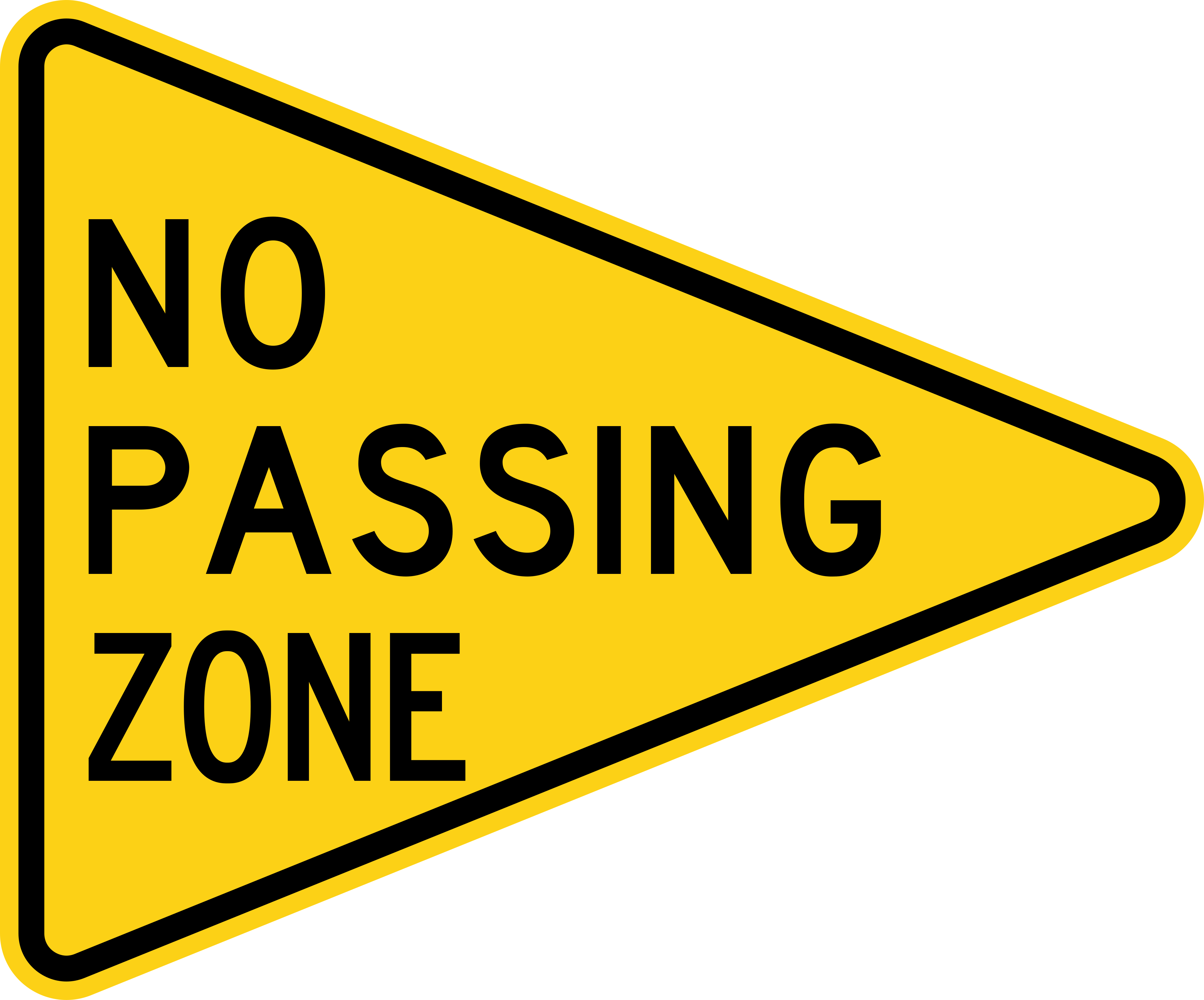
- No Passing Zone
- Playground

- Speed Hump

- School

- Truck Rollover

- Bridge Ices Before Road

- Road May Flood

- Runaway Truck Ramp
Construction & work-zone signs


Guide signs


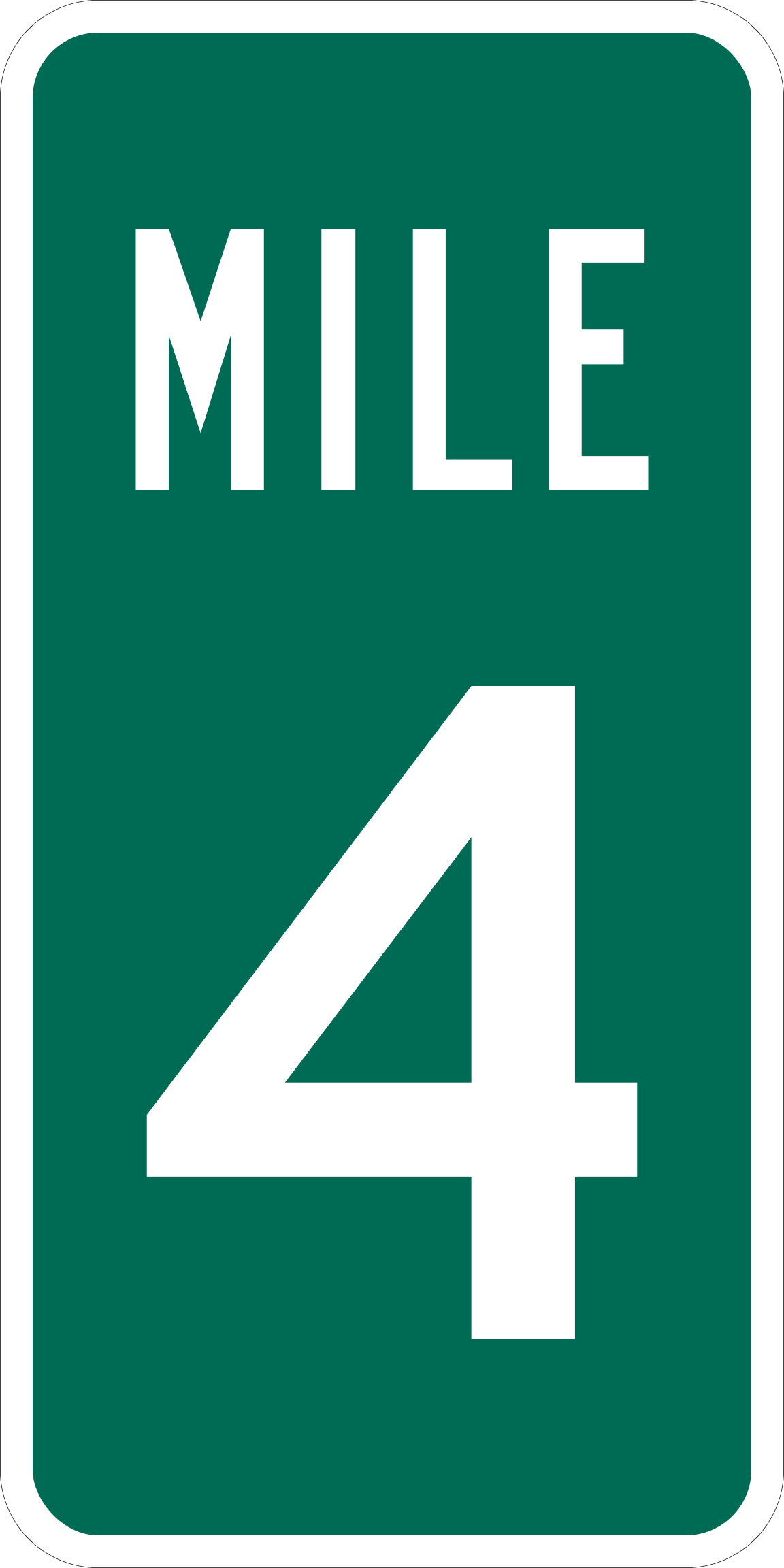
Service & information signs

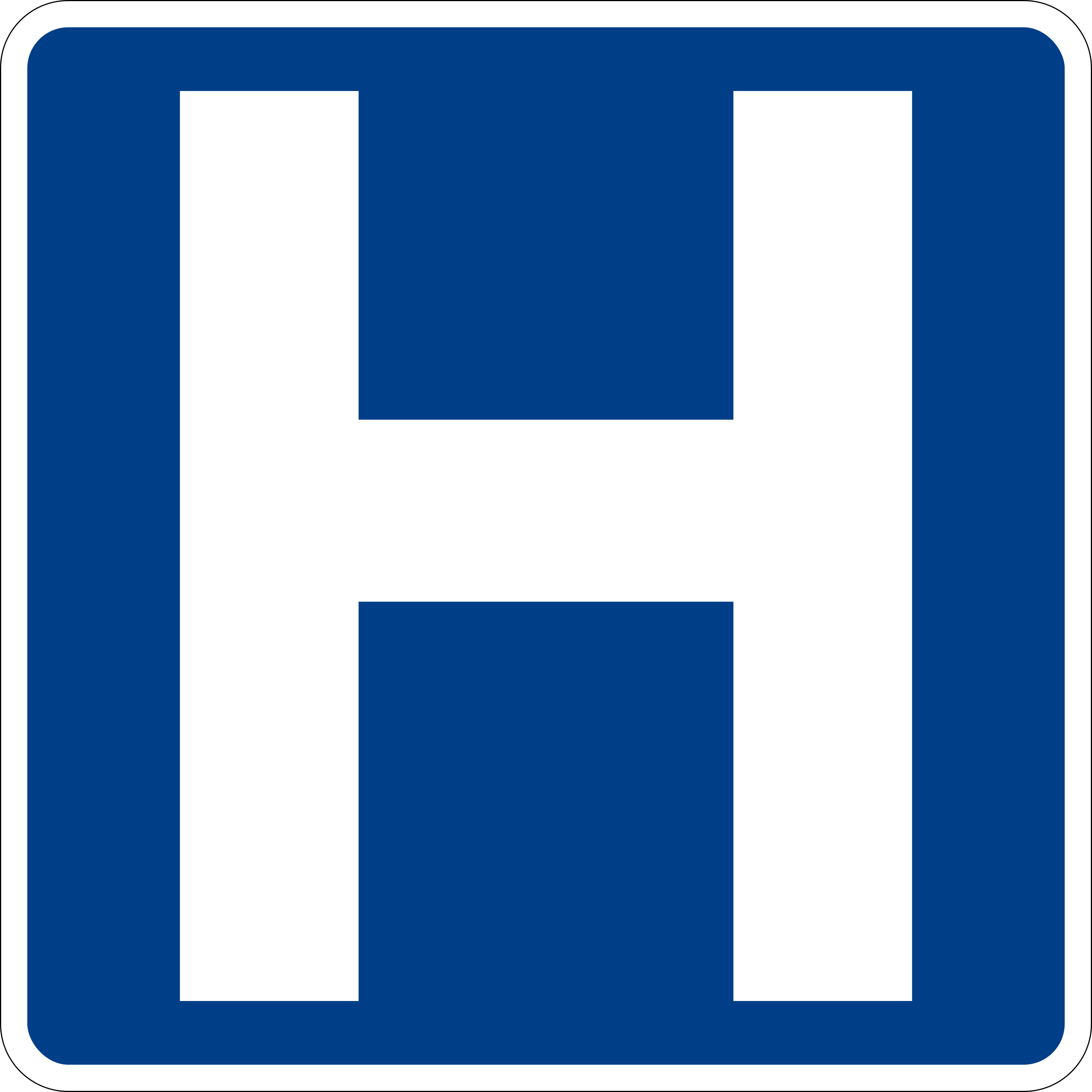



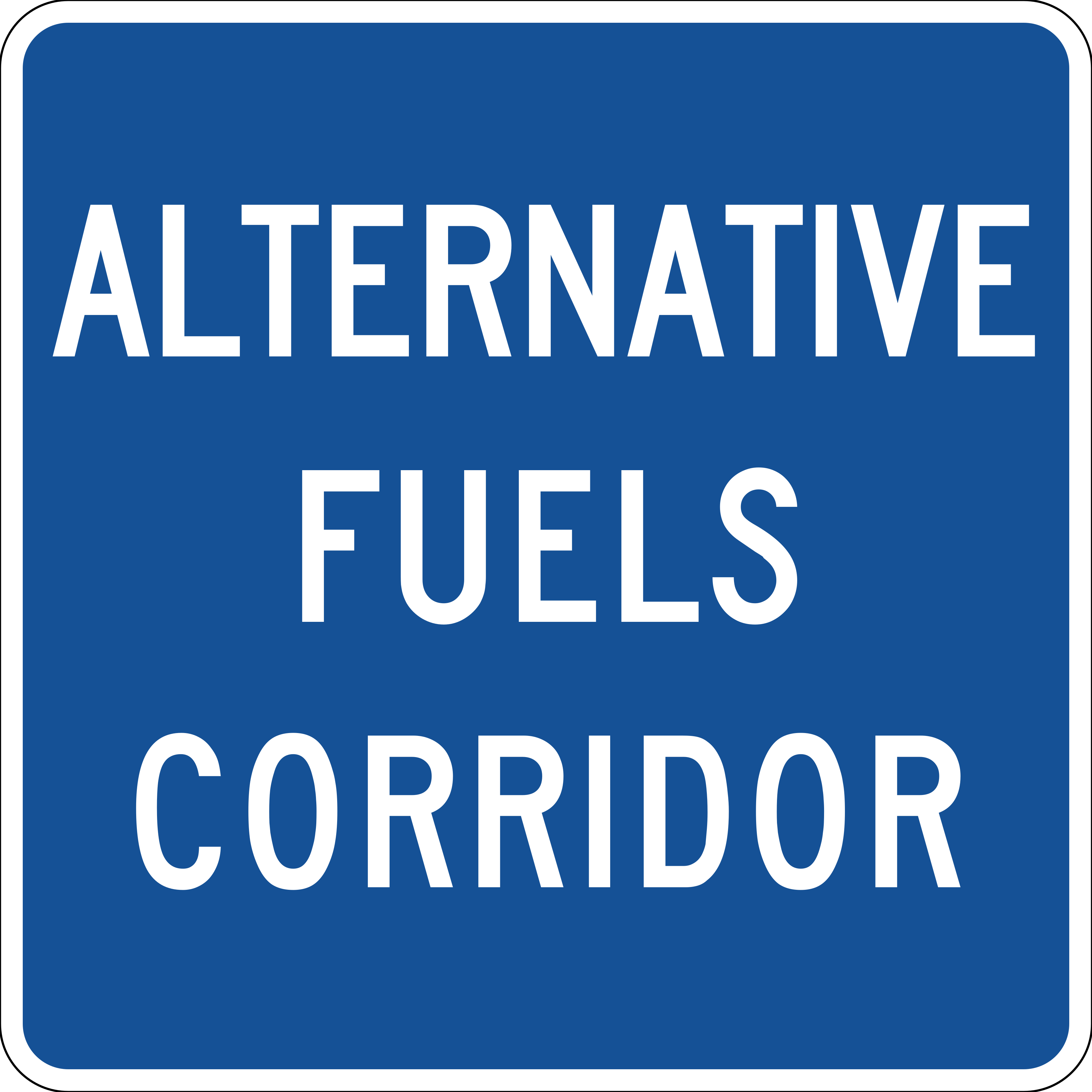
Utah road signs: frequently asked questions
Which Utah written test will I be given — the fifty-question one or the twenty-five-question one?
Whichever one you are handed, the sign material inside it is the same. The Division's one-line rule turns on prior licensure and nothing else, and what it settles is the length of your paper, not its syllabus. It does settle what one mistake costs, though. The pass mark the handbook publishes is a percentage rather than a count, so every question on the shorter paper carries twice the weight it would on the longer one — one sign you cannot place there costs you what two would cost on the fifty-question version.
Open book — can I genuinely look up an answer during Utah's written test?
For the previously licensed version, that is what the Division's own wording describes: an open-book twenty-five-question test. It is a weaker advantage than it sounds where signs are concerned. Looking up a rule you half-remember is quick; leafing through a sign section to match a shape and a color against four options is slow, and the pass mark is still eighty per cent. A sign question asks you to recognize something, and the book helps least exactly where recognition is what is wanted. Knowing the chart beforehand is faster than searching for it on the day.
What is Utah's Traffic Safety and Trends Exam, and does it ask about signs?
It is a second, separate exam that every first-time driver license applicant must pass, and the handbook sets its standard at one hundred per cent — not eighty. It is offered only on the Driver License Division website and may be taken as often as necessary before licensing, so the perfect score is a requirement to keep going rather than a single-shot hurdle. On content, the handbook says half its questions relate to significant causes of traffic-related deaths identified in statistics published by the Utah Highway Safety Office. It does not say what the other half covers.
How many attempts at Utah's written knowledge test does one fee buy?
Three within twelve months, according to the handbook — and after three failed attempts you may pay another fee for three more. Within a single day the Division allows two written knowledge tests, provided it can facilitate the testing, and the Division's own page adds that after three failures a second fee will be required. If you have to return to the office after a failure, the handbook notes a written retest appointment will need to be scheduled rather than walked in.
Is Utah's written test offered in languages other than English?
Yes, and the Division is unusually precise about the form each takes. Applicants for a regular or limited-term driver license may qualify to test in a preferred language, and the list distinguishes those available with both audio and text — Arabic, French, Korean, Mandarin Chinese, Portuguese and Spanish — from those offered as text only, which include Dari, Somali, Swahili, Tagalog, Tongan, Ukrainian and Vietnamese. If your language is not on the list, the Division says you may commission one of its approved interpreters.
Official sources
- Utah Driver Handbook 2025–2026 (Utah Driver License Division)
- Utah Driver License Division — Written Knowledge Test
Checked against official state sources on 2026-07-29.