New Hampshire Road Signs and Their Meanings
New Hampshire's knowledge test can stop before you reach the last question, and the manual states the trigger without softening it: "If more than 8 questions are answered incorrectly, the test will automatically end." That sentence is the state's passing standard, written backwards. The Required Driver's License Tests section builds the frame around it — "The knowledge test consists of 40 multiple choice questions pertaining to the rules of the road and general driving conditions," delivered "on a touch screen monitor, which does not require computer experience," four answers to a question, and one instruction about the clock: "Testers have 40 minutes to complete the test." Nine wrong answers end the sitting. Eight do not. At most eight misses out of forty is at least thirty-two right, and the Division of Motor Vehicles — a division of the Department of Safety, not of any transportation agency — puts that as a percentage in exactly one place, not the manual. Its Driver Licensing Testing Requirements page says it flatly: "All knowledge exams require a passing grade of 80%." Two documents, one standard, two shapes for it, and which you meet first changes how the test feels: the website hands you a score to chase, the manual an allowance to spend. What neither document does is divide those forty questions by subject. Signs are never given a share, a section or a score of their own anywhere in what New Hampshire publishes about it.
So there is no sign rule to clear here — no minimum number of signs to name, nothing that fences the sign questions off from the rest of the allowance. Miss the crossbuck and miss a following-distance question and New Hampshire records the same thing twice: one of the misses you were allowed. The state does name signs as something scored, but in the car rather than at the desk. The manual and the DMV's testing page both itemize what the licensing examiner grades on the road test, and the same phrase appears in each: "Working knowledge and understanding of traffic signs and rules of the road," listed beside skill in handling the vehicle in traffic, driving habits and attitude toward driving. Signs also open the manual's statement of first principles. Section 6 begins with a short list of "Some basic rules that should be followed," whose first bullet is "Know all traffic signals, signs, and markings" and whose last is a rule of precedence: "A police officer directing traffic overrules any traffic light or sign and must be obeyed." The closest thing to a published proportion is the manual's own self-test, worth reading for its shape rather than its arithmetic. Section 12, Test Your Knowledge, runs a hundred fill-in-the-blank items and prints no answer key anywhere in the book. More than a dozen are about signs, and here is the telling part: not one prints a sign for you to identify. Every one names a shape or a color and asks what it means — what an eight-sided sign always means, what a brown sign means, what a diamond shaped sign indicates, what a pennant-shaped sign on the left-hand side of the road is pointing at. New Hampshire quizzes signs by geometry and by color, never by picture.
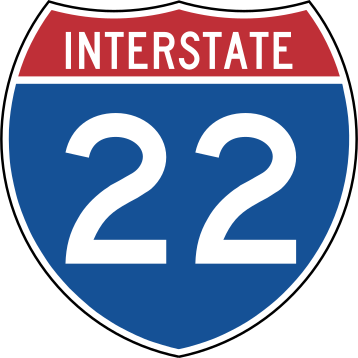
The book is the New Hampshire Driver's Manual, stamped DSMV 360: Drivers Manual (Rev. 11/25) on its final page and published by the Division of Motor Vehicles, a division of the New Hampshire Department of Safety. Governor Kelly A. Ayotte and the Director of Motor Vehicles each open with a message. Every sign question on this page cites the same part of it: Section 6, Rules of the Road. That one section holds Traffic Control Devices, Traffic Signals, Traffic Signs, Warning Signs, Regulatory Signs, Route Number Signs, Guide Signs, Railroad Crossing Warning Signs, Work Zone Signs and Pavement Markings, and no sign material is filed elsewhere in the book. The heading that carries the weight is Traffic Signs, because that is where the meaning is kept — and New Hampshire keeps it in two enumerated lists rather than in prose. The sentence introducing them explains why they are the whole lesson: a sign's shape, color, symbols and words, the manual says, "give clues to the type of information they provide." Then it counts them out. Nine standard colors: red for prohibition, green for direction or guidance, blue for driver services, yellow for general warning, white for a law or rule of the road, orange for road repair work warning, brown for tourist and recreation guidance, pink for incident management, purple for EZPass. Eight standard shapes, ending on the pair the railroad owns: a circle for advance warning of a crossing, a crossbuck for the crossing itself. What follows is mostly gallery: Warning Signs defines the family in one sentence and then hands over to captions — Cross Road Ahead, Divided Highway Begins, Merging Traffic, Slippery When Wet — names without definitions, the manual's way of saying the definitions were handed to you upstream.
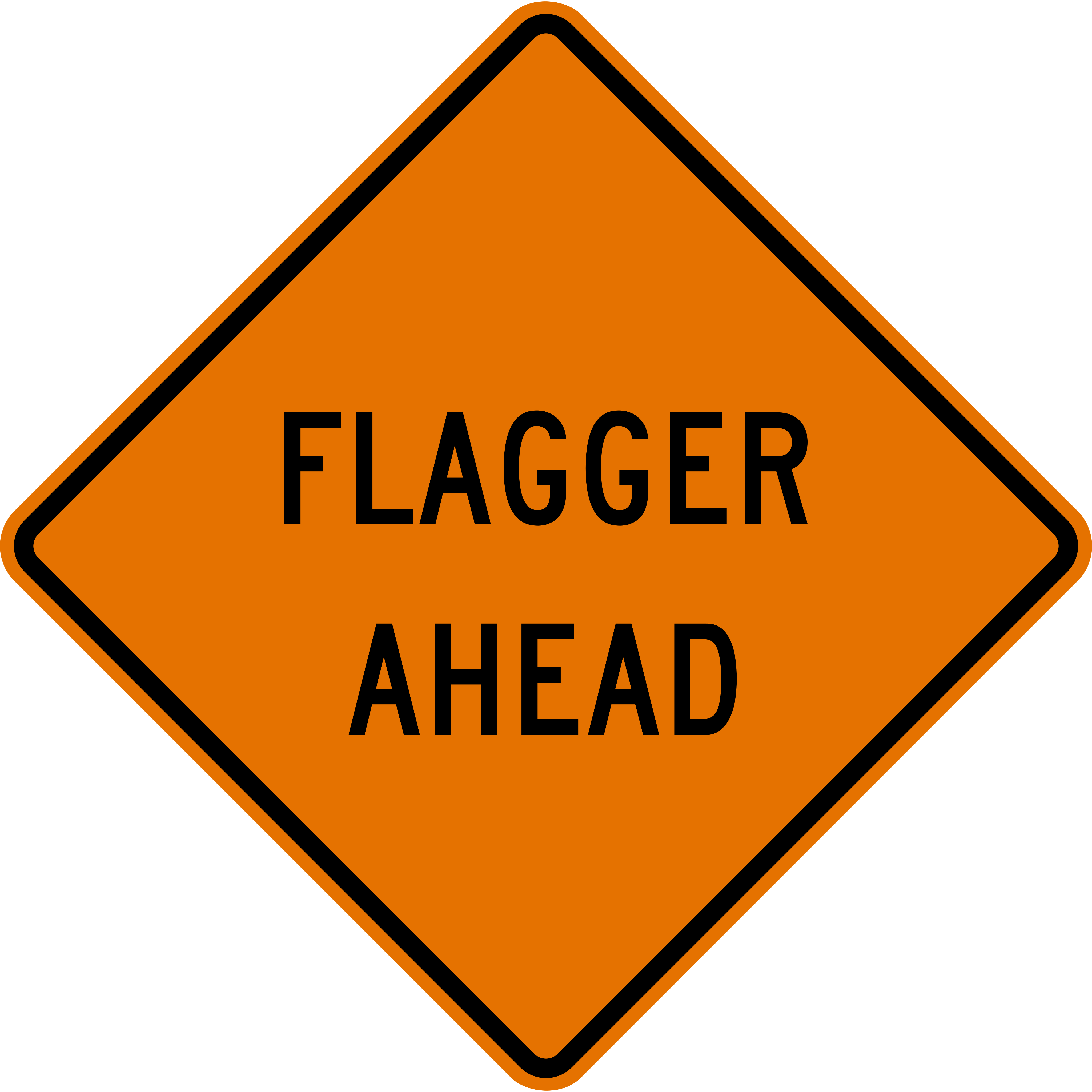
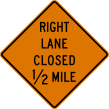
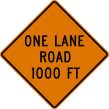
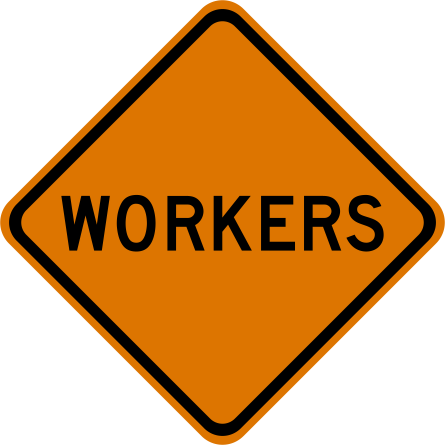
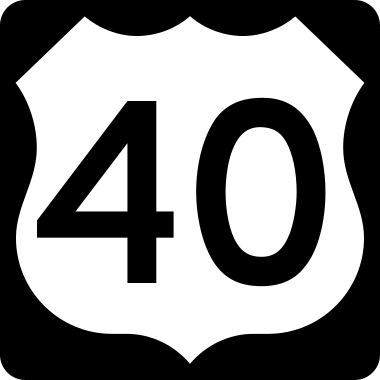
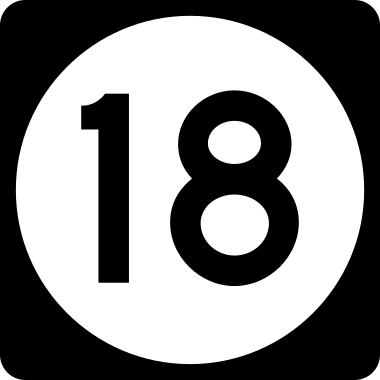
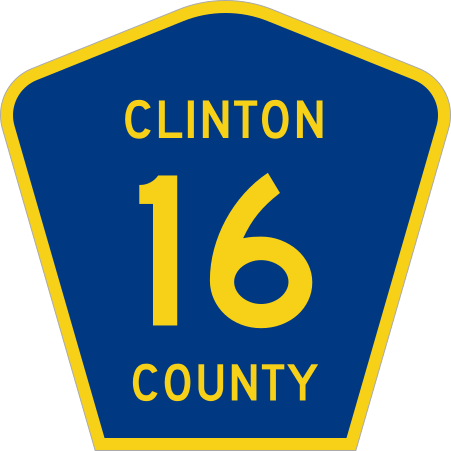
A short list of headings carries the whole of this bank, and one heading carries most of it. Each citation names the manual and then Section Six, Rules of the Road, before it reaches a heading, and the heading it reaches is usually Traffic Signs — not a habit of ours but a consequence of where New Hampshire keeps its explanations. If a question turns on what a color announces or what a shape promises, the passage that settles it is in that heading's two lists and nowhere else, so that is where a citation has to point. The rest go to the few places in Section Six where the manual says something a caption cannot. Route Number Signs, for the numbering code — even for west and east, odd for north and south, and the rule that tells you whether a three-figure interstate is running into a city or around it. Railroad Crossing Warning Signs, for the round advance sign with its X symbol and black RR letters, and the stopping distances that follow. Work Zone Signs, for the orange diamonds, the flagger whose instructions you must follow, and the fines that may double. Warning Signs, for the family definition itself. That concentration points at what to study: work the color list and the shape list until they are automatic and you have covered the ground most of these questions stand on. One note on provenance. The manual closes with its own long run of blanks under the heading Test Your Knowledge, and none of these questions came from there — they were written from the explaining text of Section Six.
14 published New Hampshire road-sign questions, each with an explanation and a citation to the handbook section it came from.
Content reviewed against official driver handbooks · August 12, 2026
Every sign you can be tested on in New Hampshire
Regulatory signs
- Stop
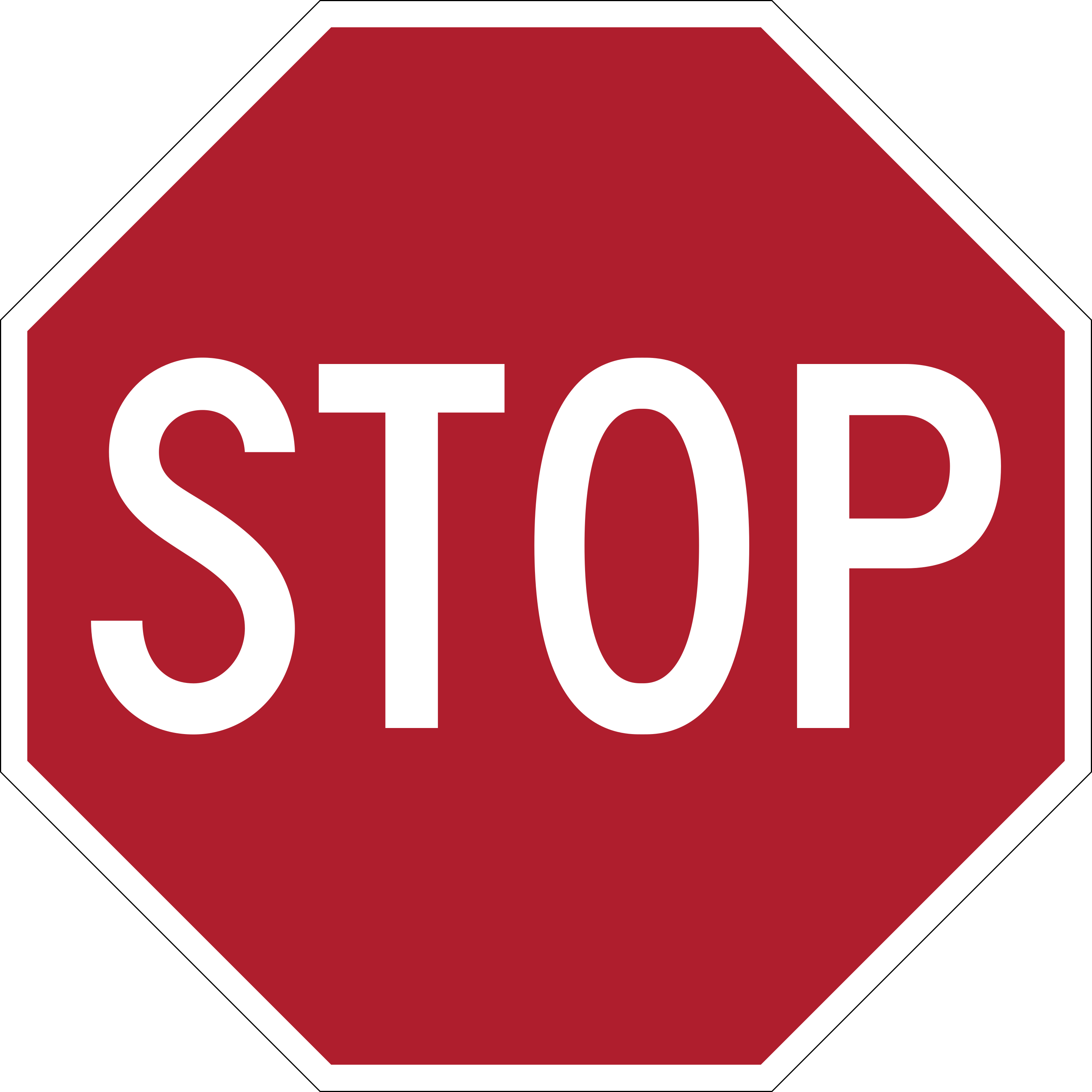
- Yield
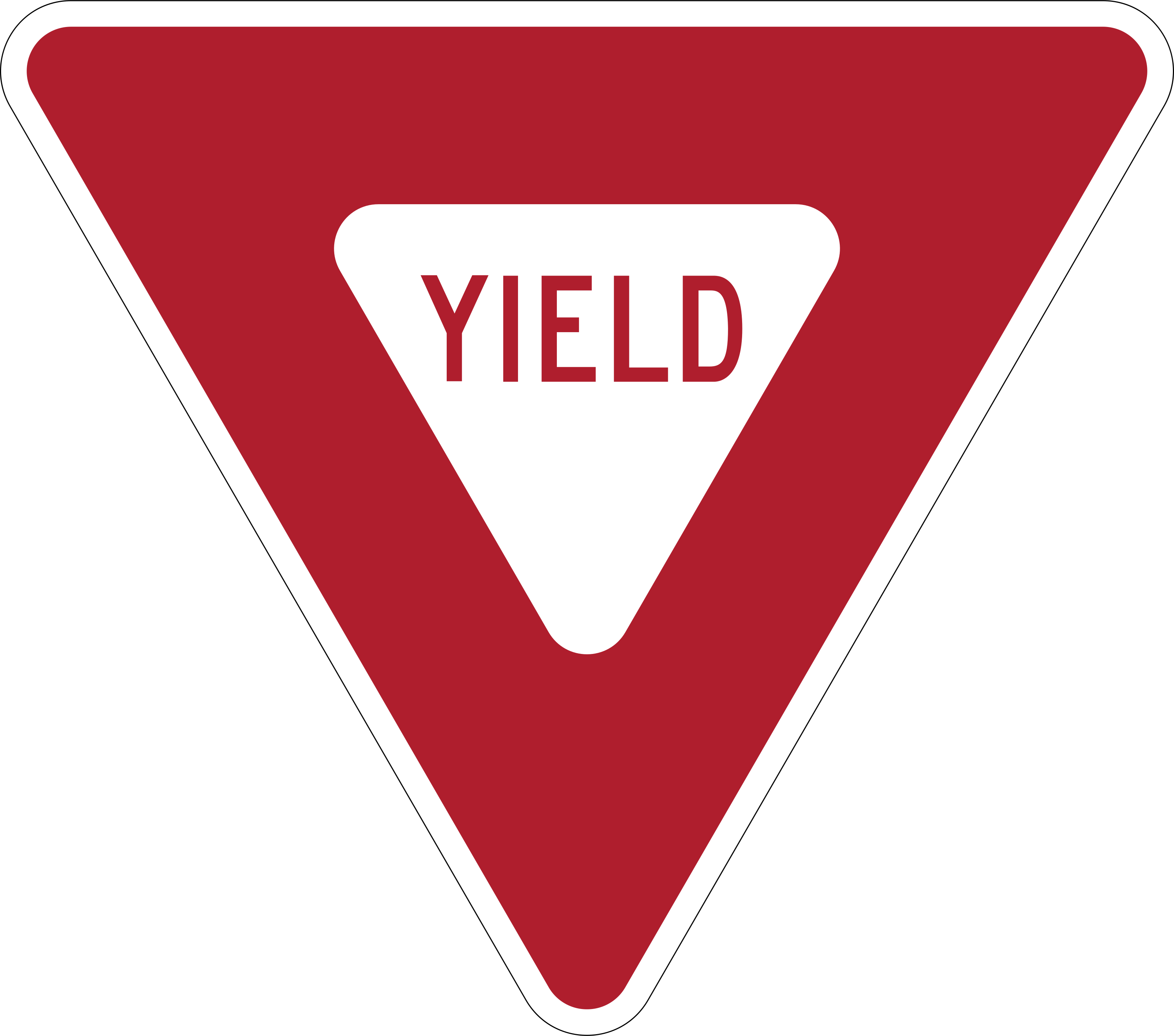
- Do Not Enter
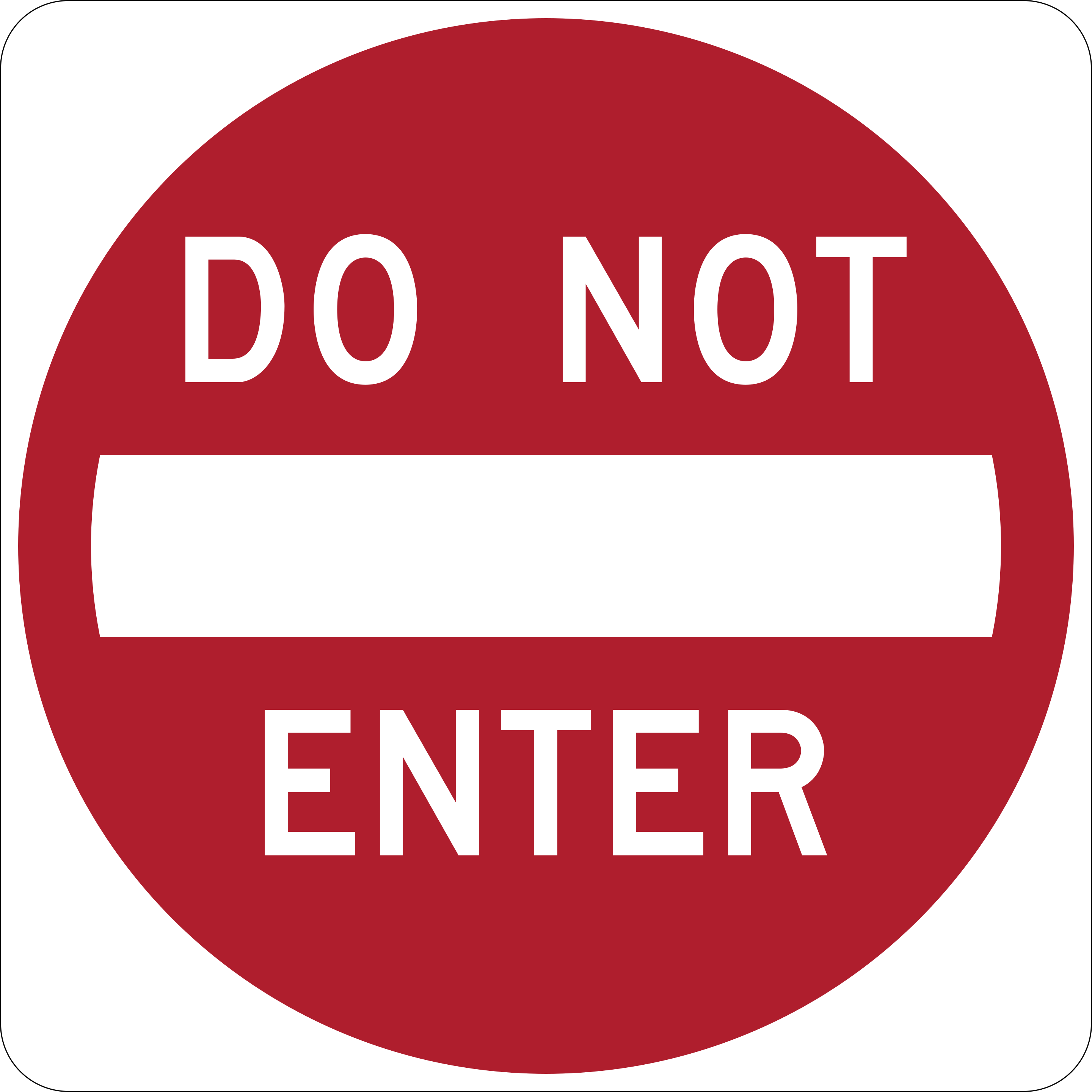
- Wrong Way
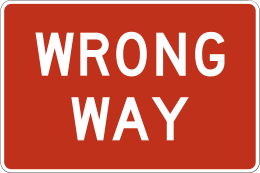
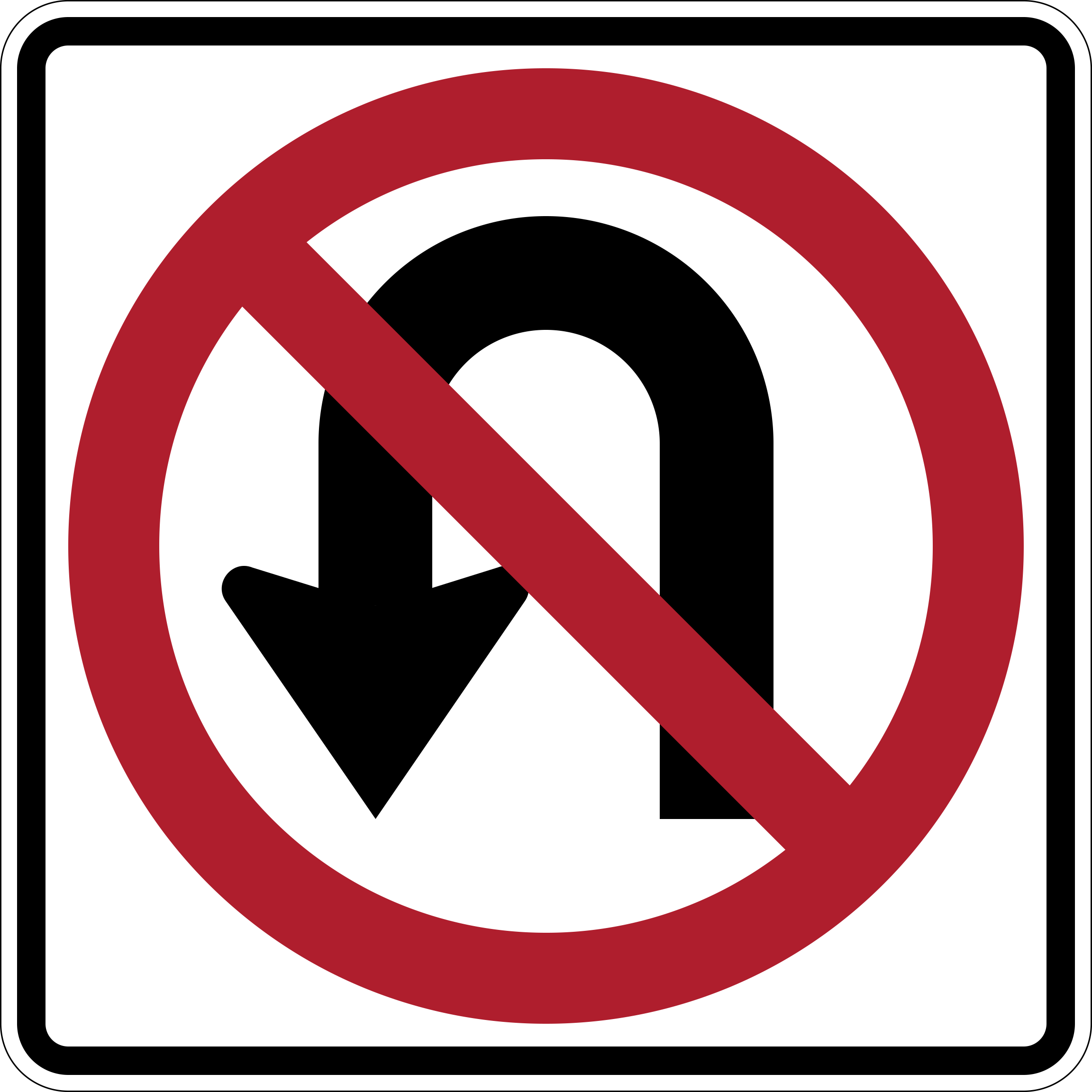
- No U-Turn
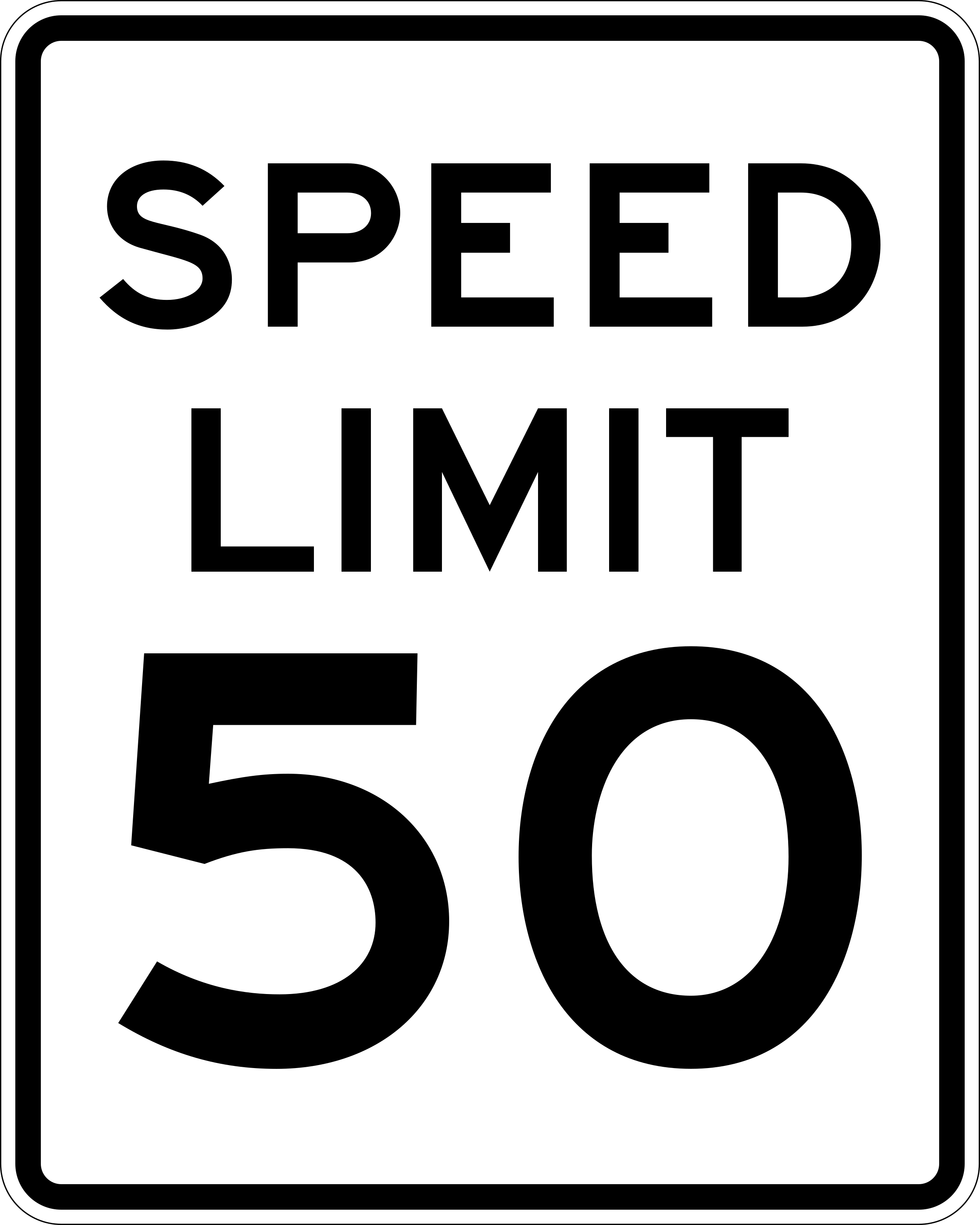
- Speed Limit
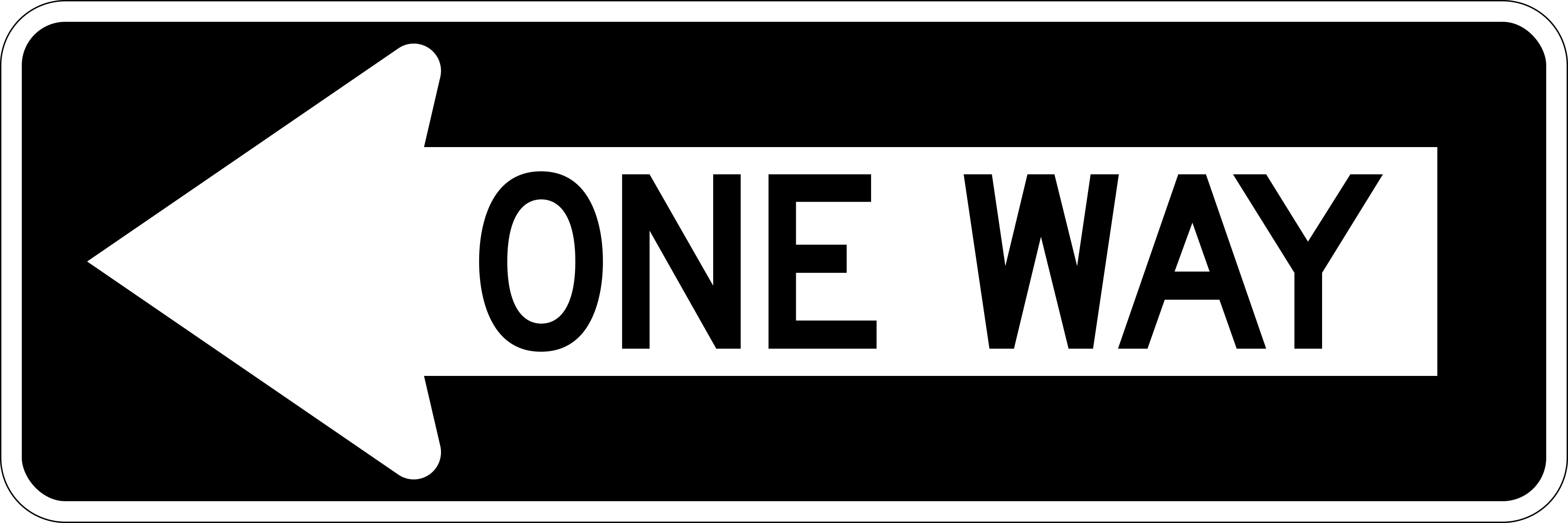
- One Way
- All Way
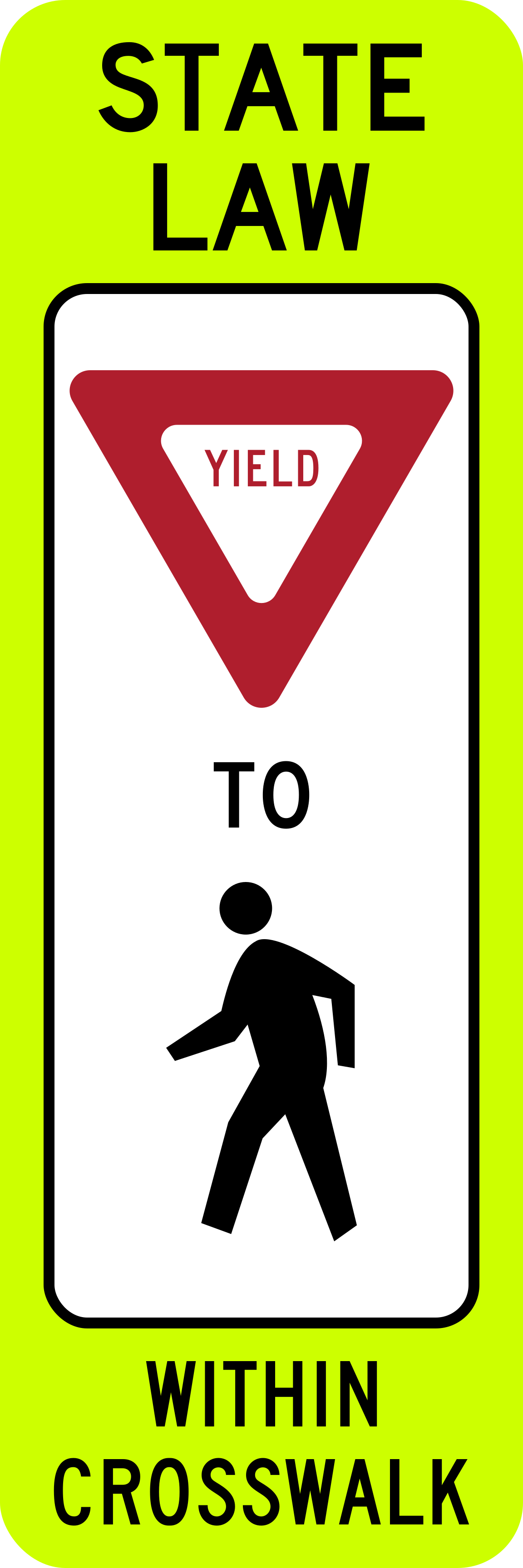
- State Law: Yield to Pedestrians
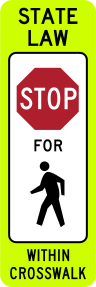
- State Law: Stop for Pedestrians
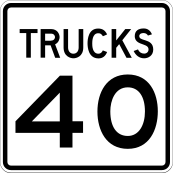
- Truck Speed Limit
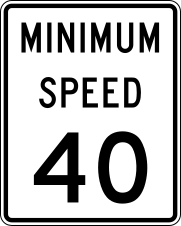
- Minimum Speed Limit
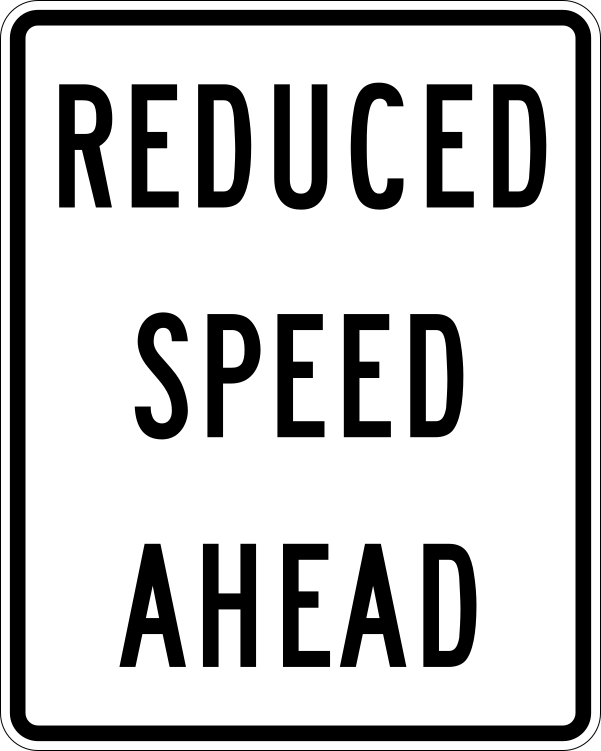
- Reduced Speed Limit Ahead
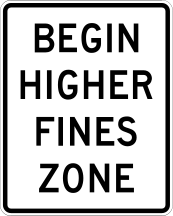
- Begin Higher Fines Zone
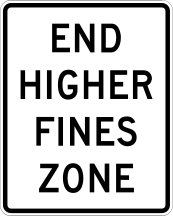
- End Higher Fines Zone
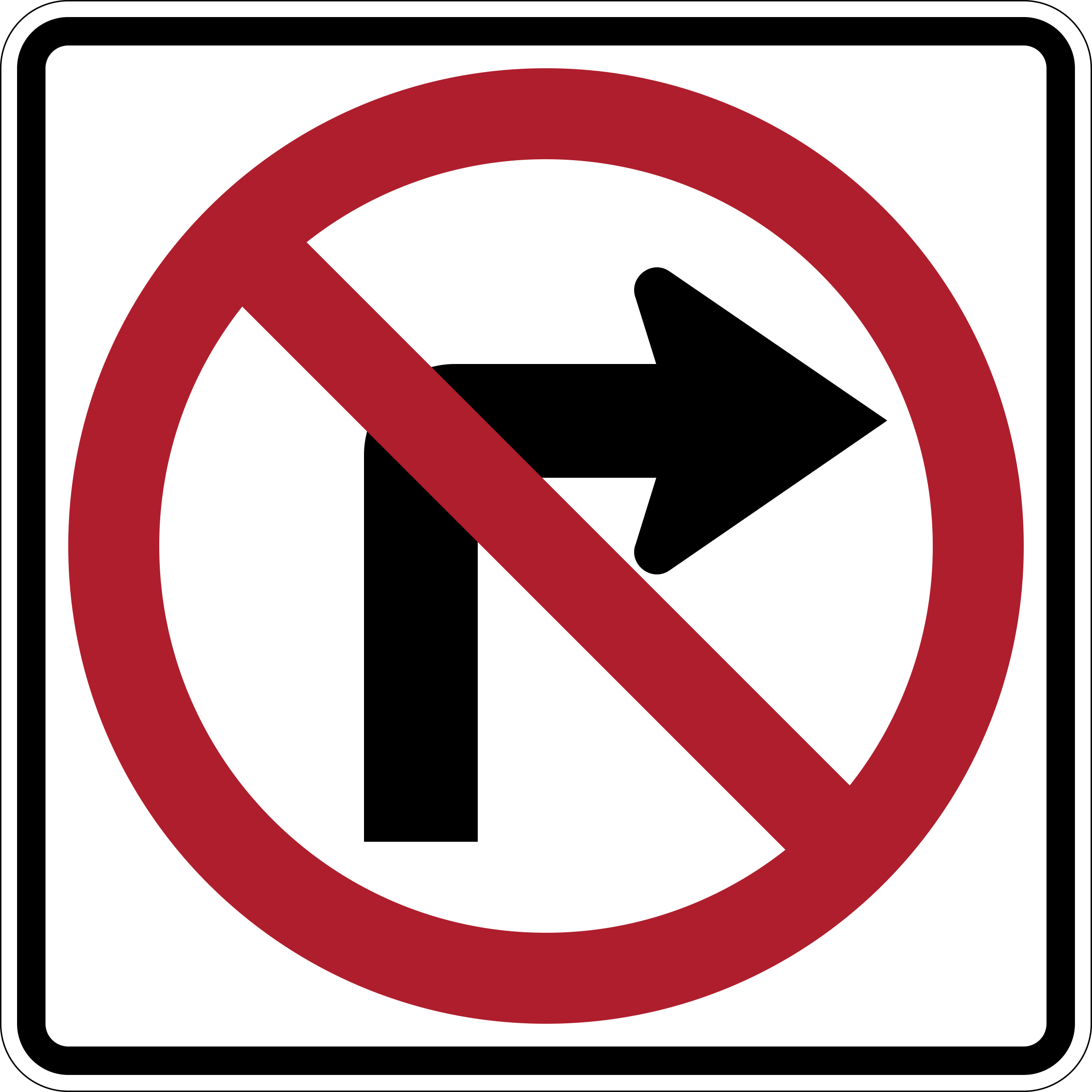
- No Right Turn
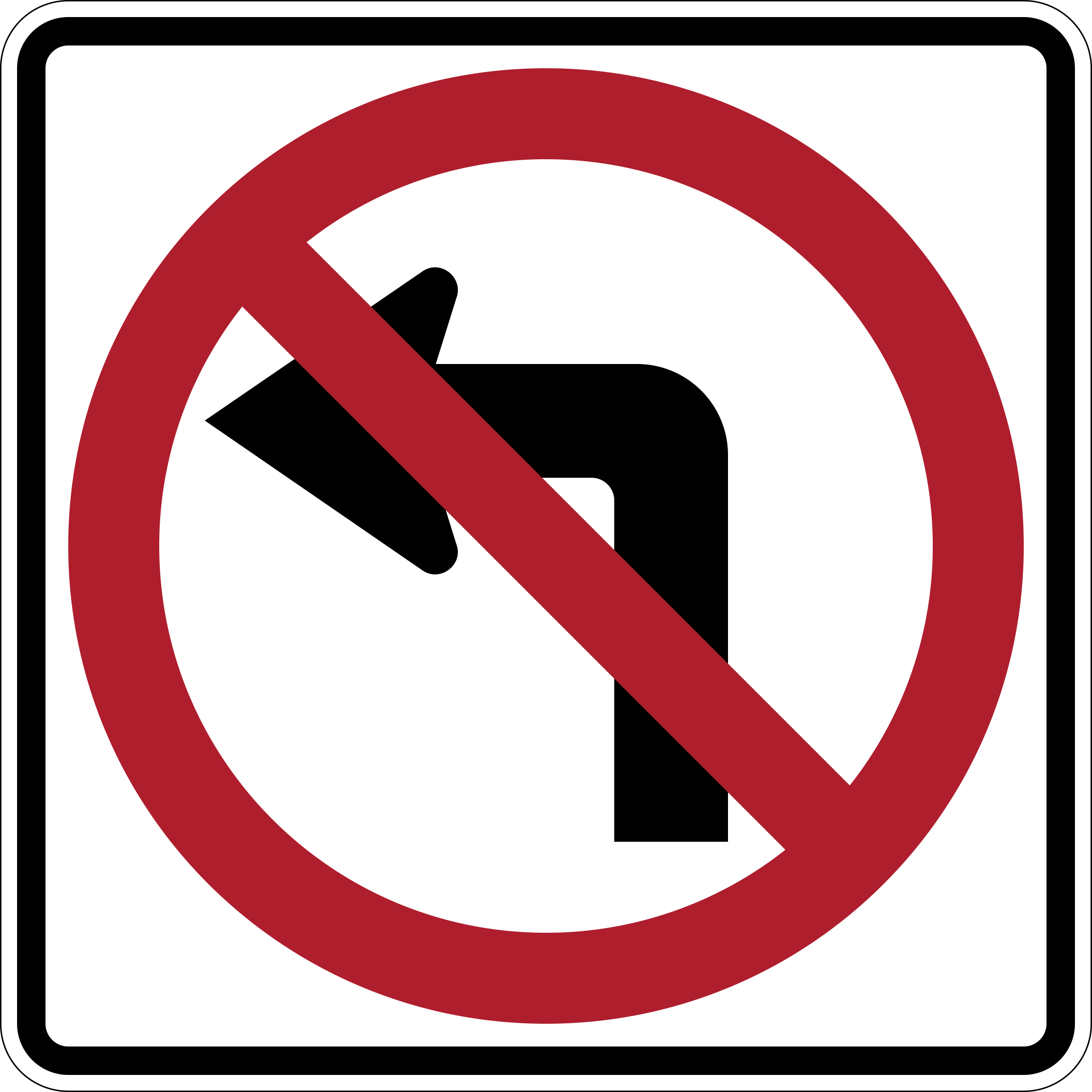
- No Left Turn
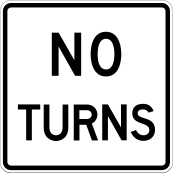
- No Turns
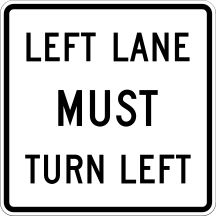
- Left Lane Must Turn Left
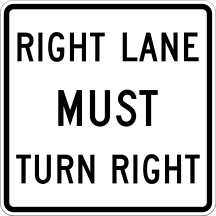
- Right Lane Must Turn Right
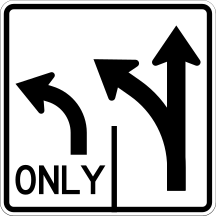
- Intersection Lane Control
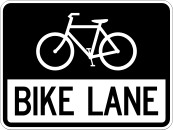
- Bike Lane
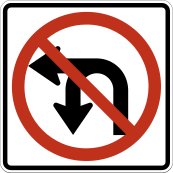
- No Left or U-Turn
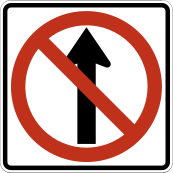
- No Straight Through
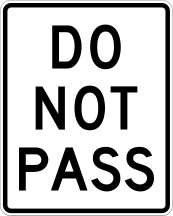
- Do Not Pass
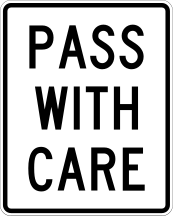
- Pass With Care
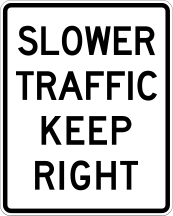
- Slower Traffic Keep Right
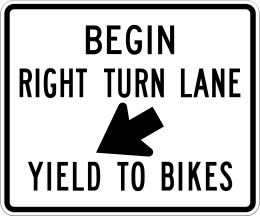
- Begin Right Turn Lane — Yield to Bikes
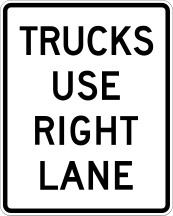
- Trucks Use Right Lane
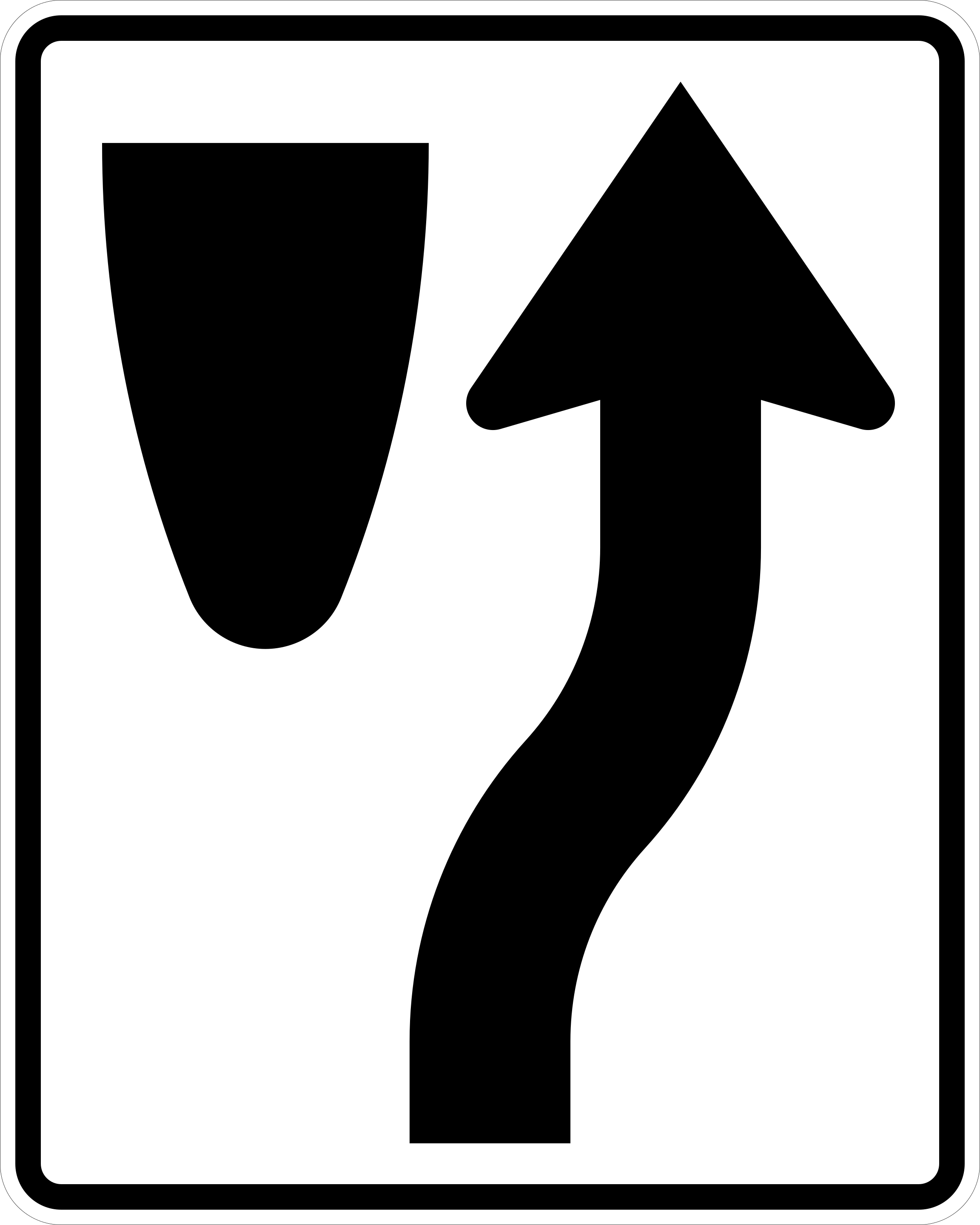
- Keep Right
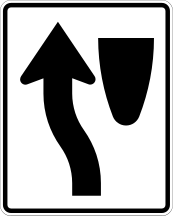
- Keep Left
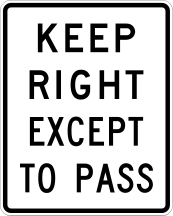
- Keep Right Except to Pass
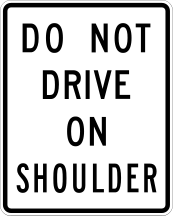
- Do Not Drive on Shoulder
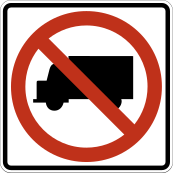
- No Trucks
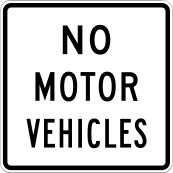
- No Motor Vehicles
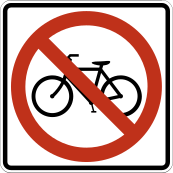
- No Bicycles
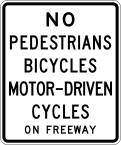
- No Pedestrians, Bicycles, or Motor-Driven Cycles
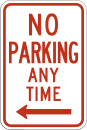
- No Parking Any Time
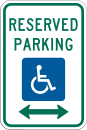
- Accessible Parking
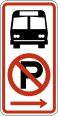
- No Parking Bus Stop
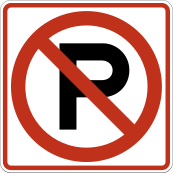
- No Parking
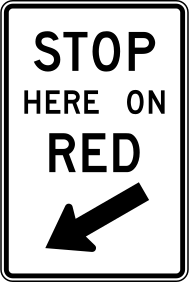
- Stop Here on Red
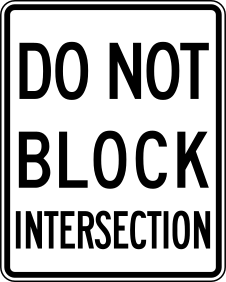
- Do Not Block Intersection
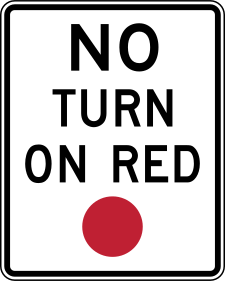
- No Turn on Red
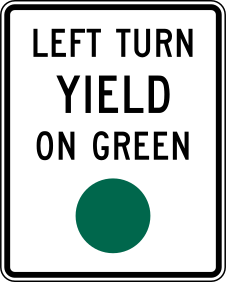
- Left Turn Yield on Green
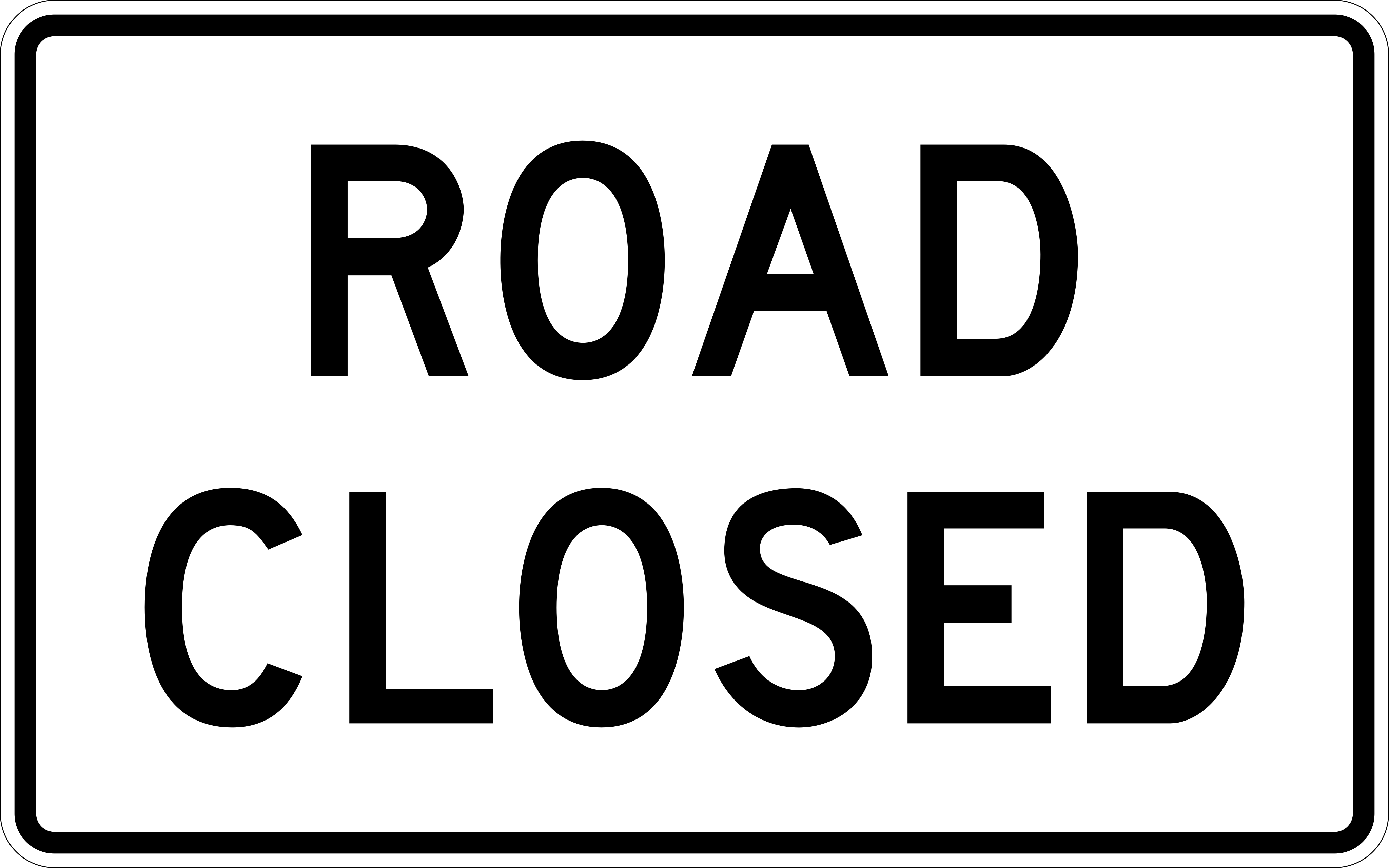
- Road Closed
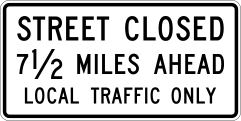
- Road Closed — Local Traffic Only
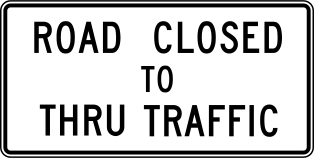
- Road Closed to Thru Traffic
- Weight Limit
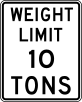
- No Hazardous Materials

- Railroad Crossing (Crossbuck)
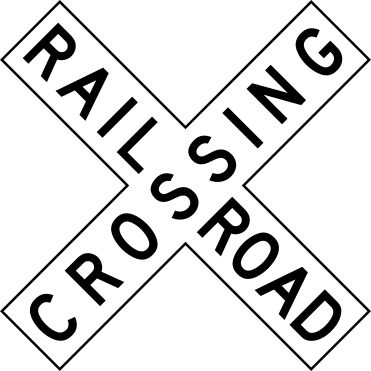
- Number of Tracks
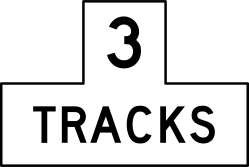
- School Speed Limit When Flashing
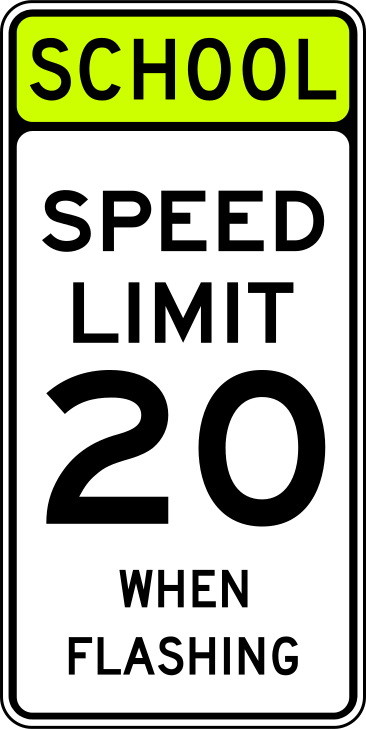
- HOV Lane
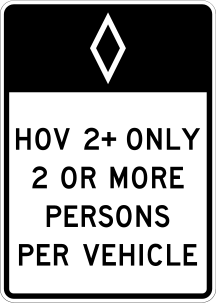
- Exempt

- Two-Way Left Turn Only
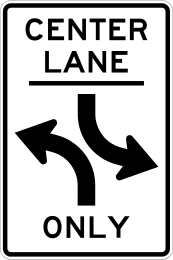
Warning signs
- Turn Ahead

- Stop Ahead

- Signal Ahead
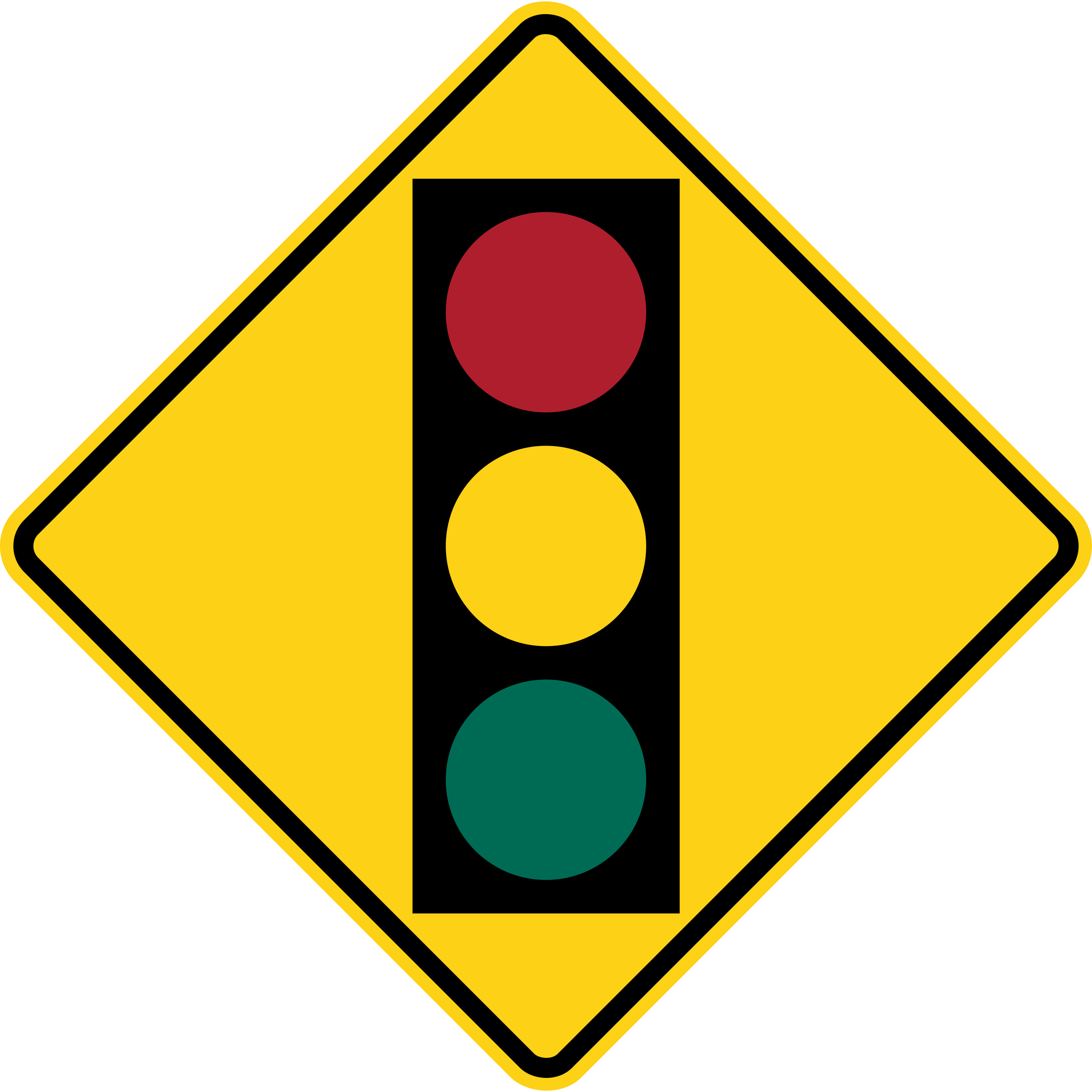
- Pedestrian Crossing

- Curve

- Reverse Turn

- Reverse Curve

- Winding Road

- One-Direction Large Arrow

- Two-Direction Large Arrow

- Chevron Alignment

- Hairpin Curve

- Cross Road

- Side Road

- Roundabout Ahead

- Yield Ahead

- Be Prepared to Stop

- Reduced Speed Limit Ahead
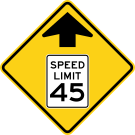
- Merging Traffic

- Lane Ends

- Added Lane

- Lanes Merge
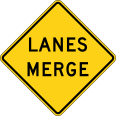
- Road Narrows

- Narrow Bridge

- One Lane Bridge

- Ramp Narrows

- Divided Highway Begins

- Divided Highway Ends

- Two-Way Traffic
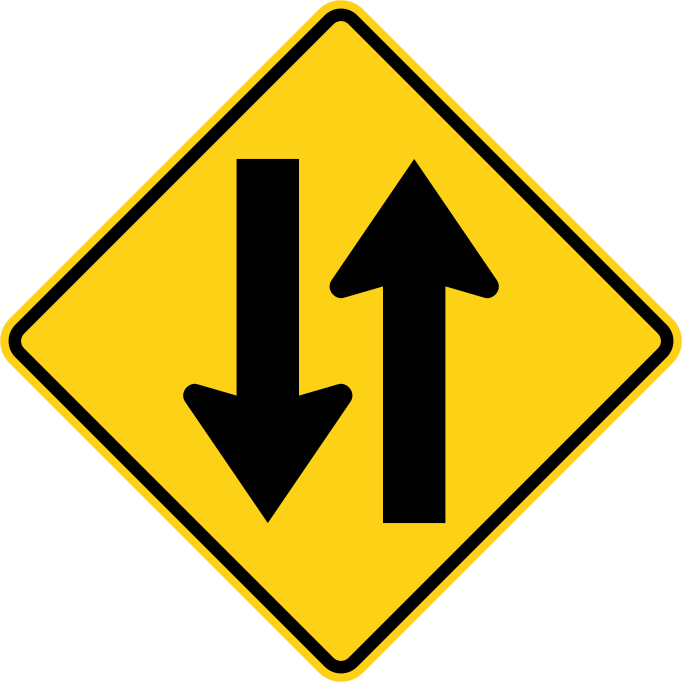
- Hill / Steep Grade

- Bump

- Dip

- Pavement Ends

- Soft Shoulder

- Slippery When Wet

- Loose Gravel

- Rough Road

- Low Shoulder

- Uneven Lanes

- Grooved Pavement
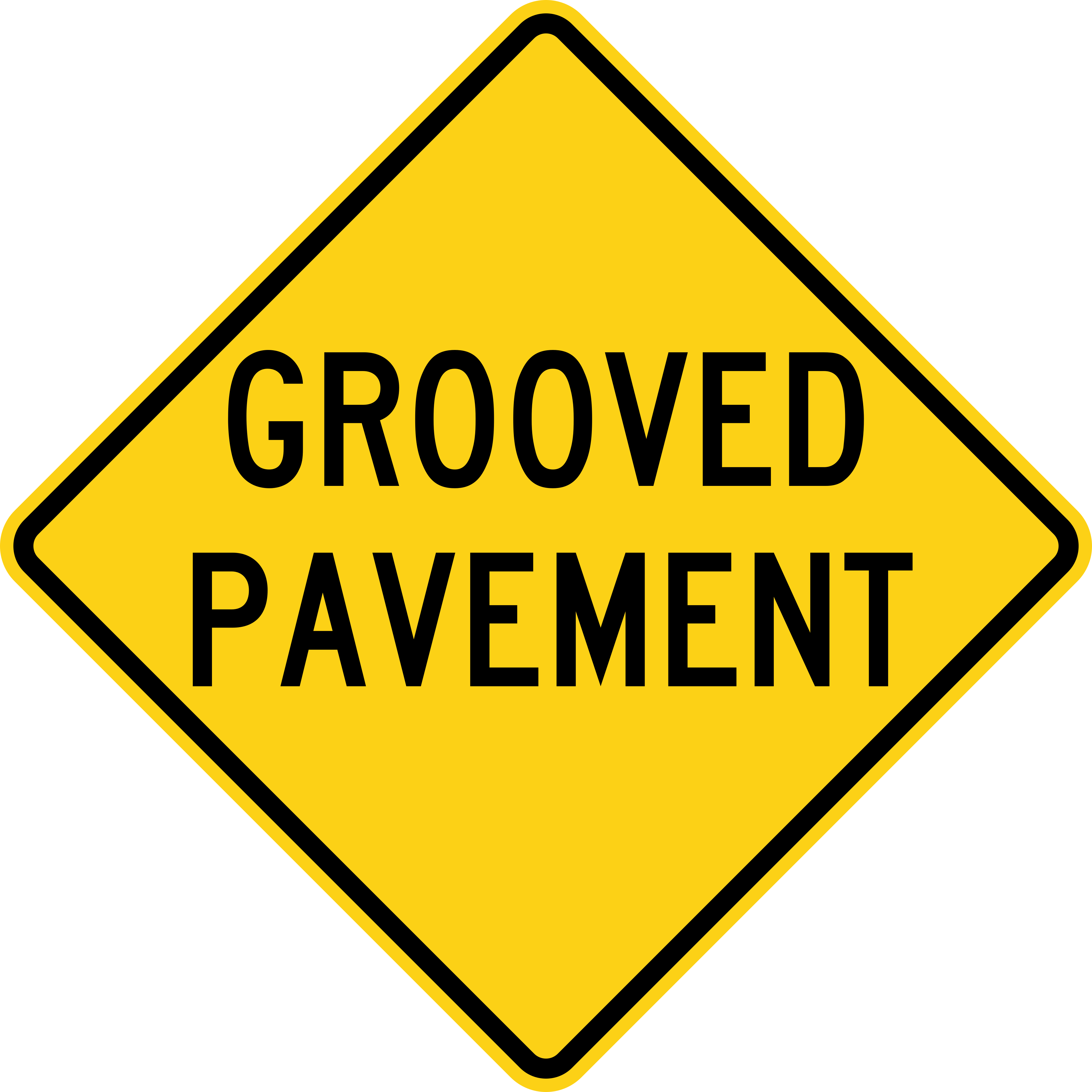
- Metal Bridge Deck
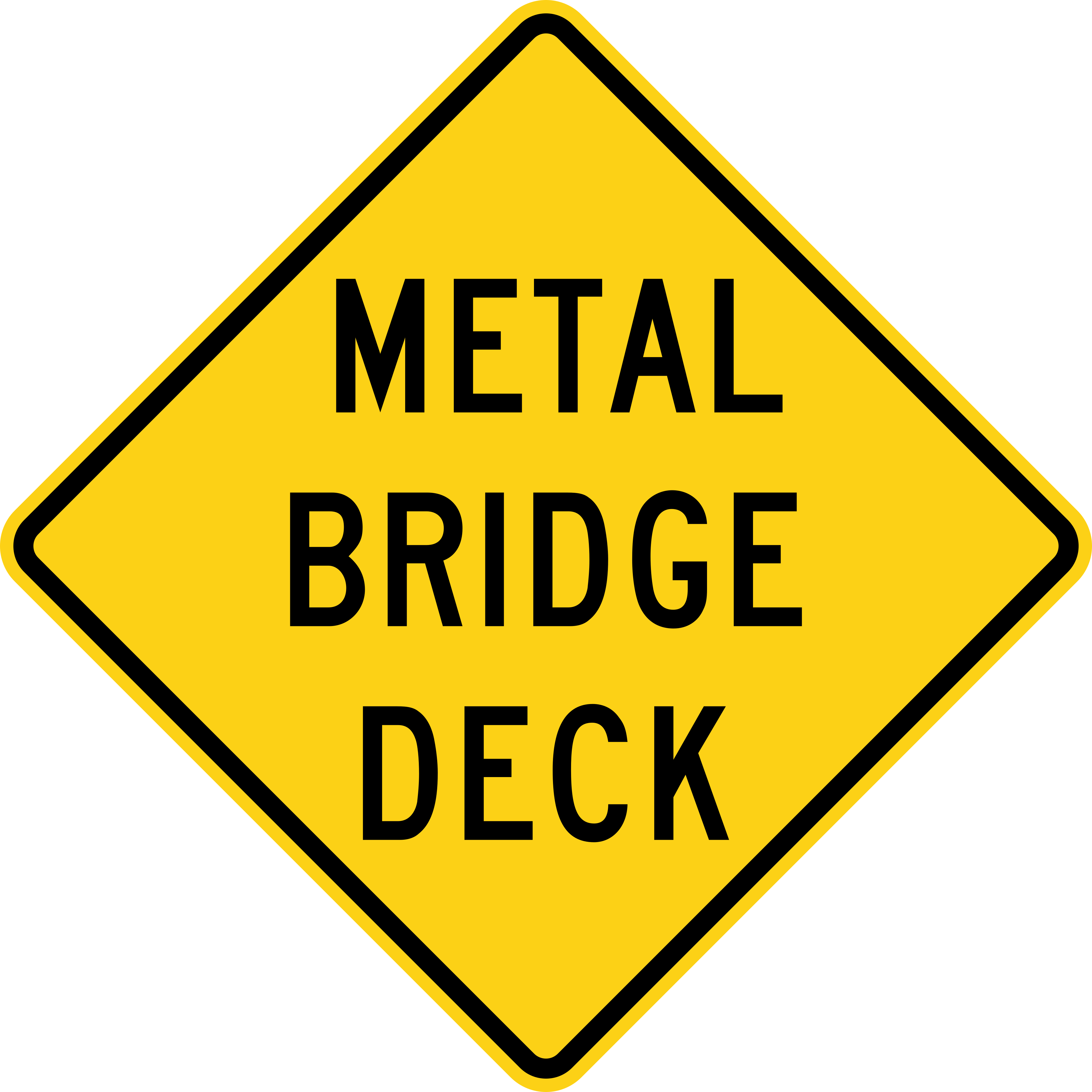
- Railroad Crossing Ahead

- Bicycle Crossing

- Deer Crossing

- Cattle Crossing

- Farm Machinery

- Snowmobile Crossing

- Equestrian Crossing

- Persons with Disabilities

- Golf Cart Crossing

- Horse-Drawn Vehicle Crossing

- Low Clearance

- Advisory Speed

- Dead End

- No Outlet

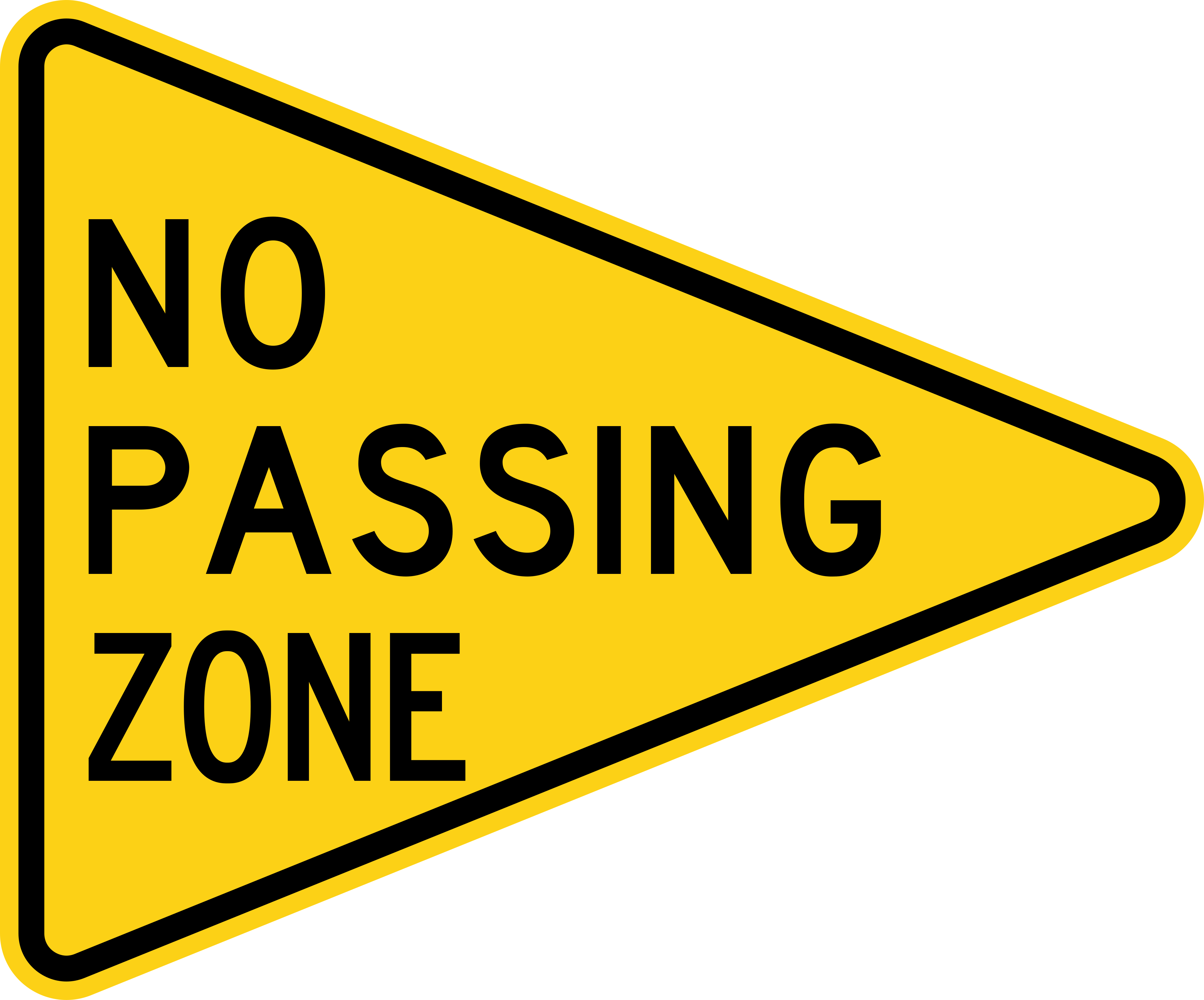
- No Passing Zone
- Playground

- Speed Hump

- School

- Truck Rollover

- Bridge Ices Before Road

- Road May Flood

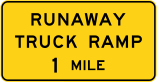
- Runaway Truck Ramp
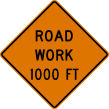
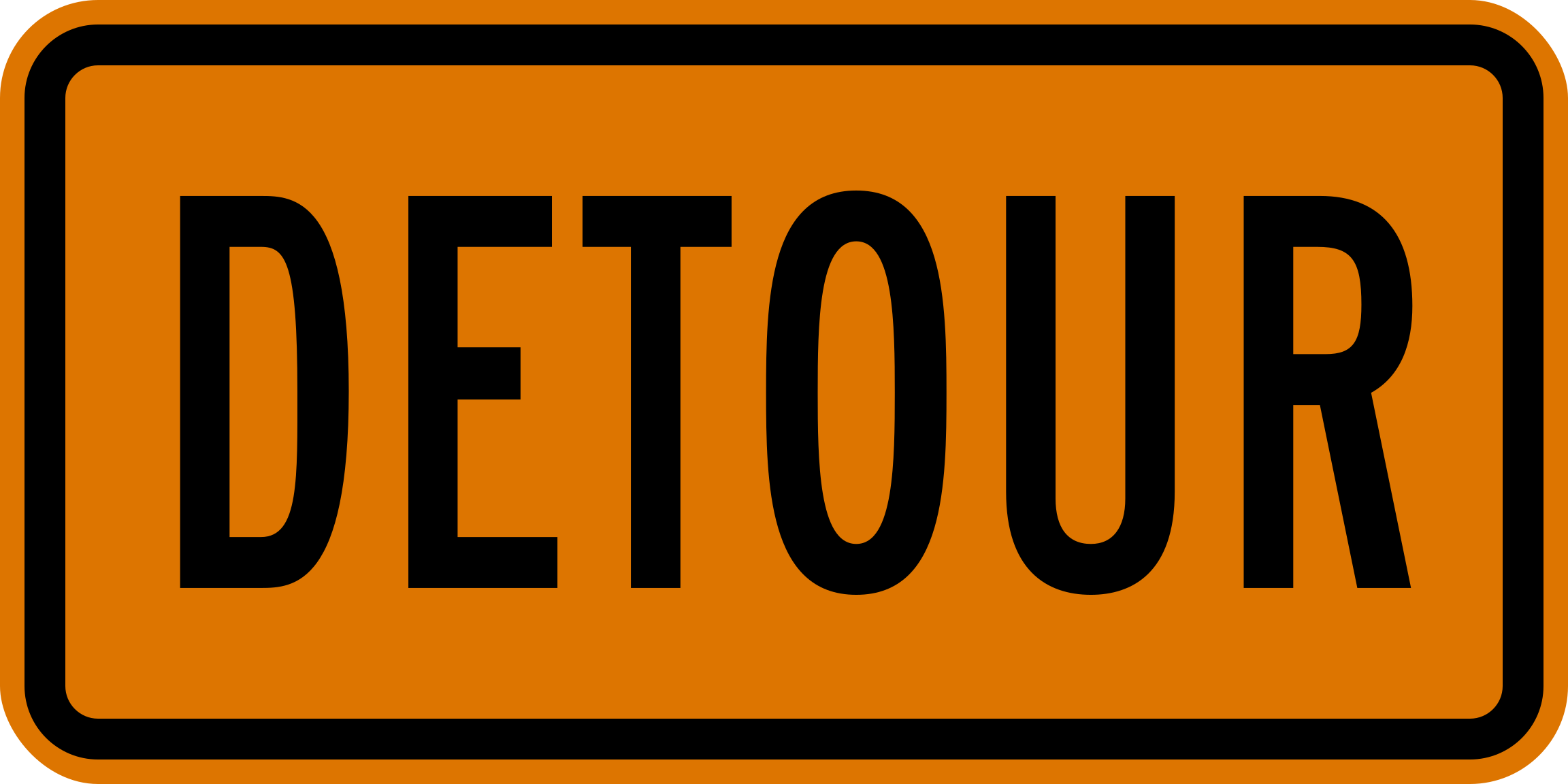
Construction & work-zone signs


Guide signs
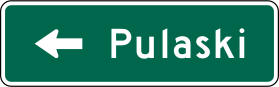
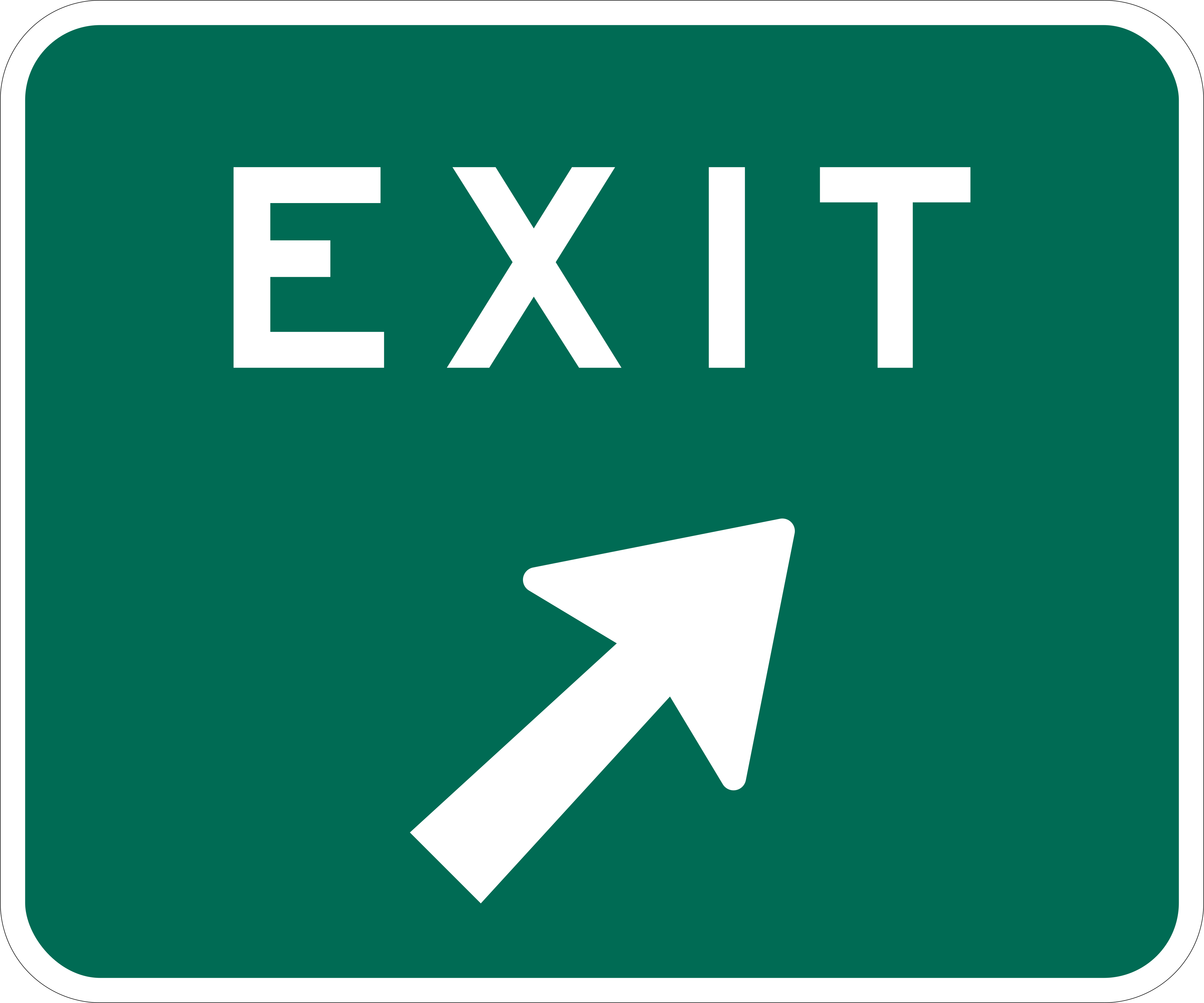


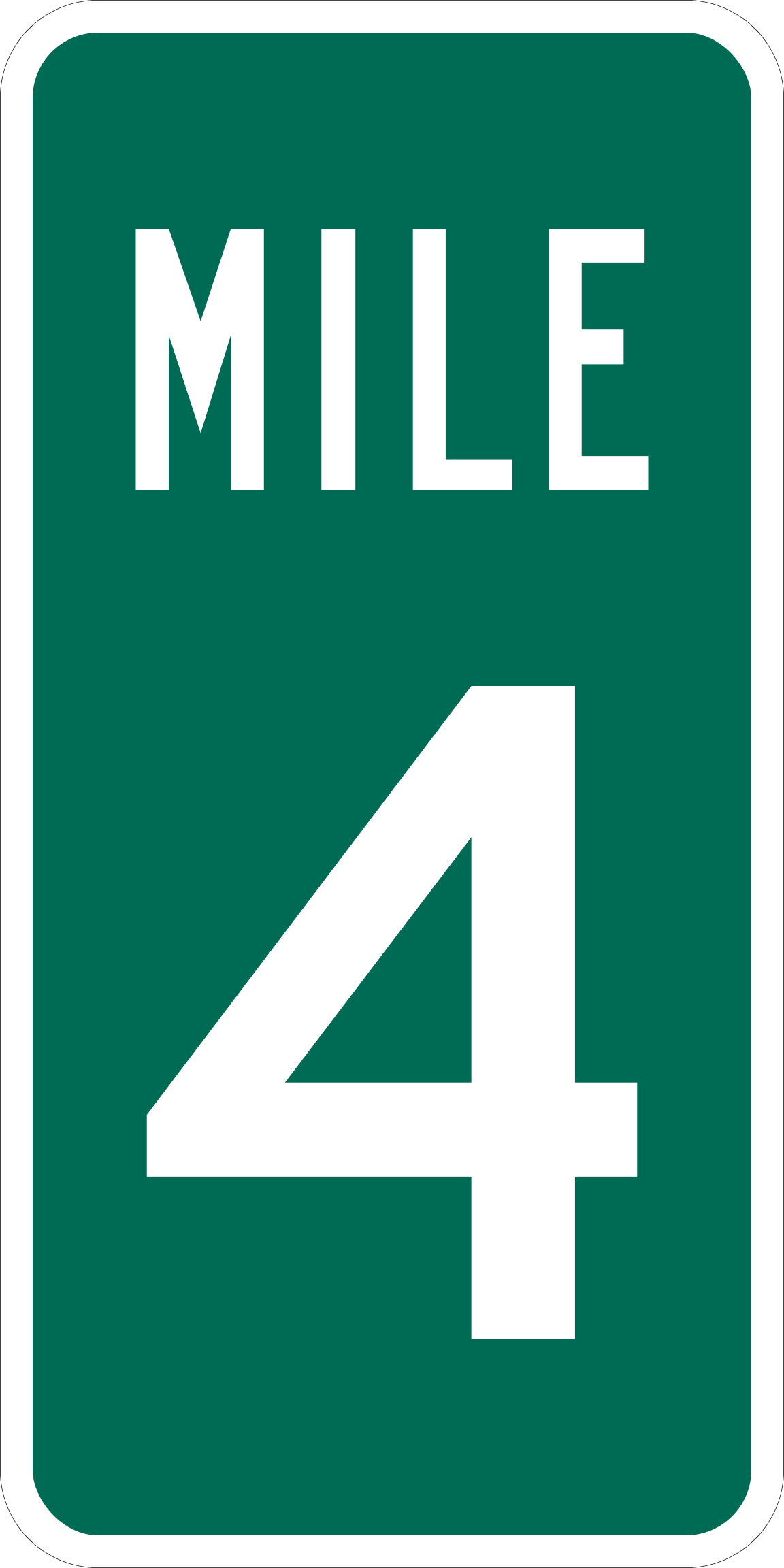
Service & information signs



New Hampshire road signs: frequently asked questions
How many of New Hampshire's 40 questions will put a road sign in front of me?
New Hampshire does not say. The Automated Knowledge Test paragraph describes the whole of the test — 40 multiple choice questions "pertaining to the rules of the road and general driving conditions" — and then stops, and the DMV's testing page adds only that the exams "are completely random, and you will not see the same exam if you have to retake the test." So there is no fixed number of sign items to plan for. Plan instead around the form the state's own questions take: in the manual's self-test, sign items ask what a shape or a color means rather than which sign is pictured. Learn the two lists under Traffic Signs cold and you have answered the question New Hampshire actually asks.
What happens if I get too many wrong?
The test ends by itself. "If more than 8 questions are answered incorrectly, the test will automatically end," says the manual, and the DMV's testing page joins that outcome to its consequence: "If you exceed the time limit or miss too many questions, the test will automatically terminate; you may request an appointment to retest no sooner than ten days from the current date." Operator and motorcycle applicants wait those ten calendar days; CDL applicants wait five. Pass instead and you walk out with a 60-day paper temporary license. The two official accounts of when the permanent one arrives disagree — the manual says within 45 days, the DMV's page for applicants under 18 says within 60 — so treat the paper as your license until the real one shows up.
Can I take the knowledge test in Spanish, or listen to it instead of reading it?
Both. The manual says automated testing is available "in both written and audible formats" in English, American Sign Language, French, Spanish, Portuguese, Arabic, Farsi and Mandarin Chinese, and the DMV's testing page repeats the same list. The audio is a request rather than a default: "Automated oral testing with the use of headphones is available for anyone requiring this service," says the manual, and both it and the website tell you to say so to the representative before the test starts. Note what is not on that list. The DMV's Forms and Documents page offers the operator manual, the commercial manual with its supplement, and the Motorcycle Operator Manual, every one of them in English and none in Spanish. You can sit the test in Spanish; the book behind it will not meet you there, which is part of why this page is written in both.
Do I need a learner's permit before I can practice on New Hampshire roads?
There is no permit here to need. "New Hampshire does not issue permits to learn to drive," the manual says, and the DMV's Learning to Drive page sets out what stands in its place: at least 15½ years old and carrying proof of age, in a non-commercial vehicle, accompanied by a parent, legal guardian or other responsible licensed adult at least 25 years old in the front seat — who, in the DMV's words, "shall be liable for any motor vehicle violation committed by the unlicensed driver." The authority is RSA 263:25. Practice driving is closed to anyone suspended or revoked in this or any other state, and New Hampshire "does not honor or transfer driving permits from other states" either, so a permit earned elsewhere buys nothing on arrival.
I am moving to New Hampshire with a license from another state. Do I take the knowledge test again?
You have 60 days to get a New Hampshire license after moving in, and RSA 263:4 — what the manual calls the One License Concept — requires you to surrender every other license you hold when you apply. On the test itself, read the DMV's transfer page closely: for an applicant of at least 18 it lists the application, proof of identity and residency, the fee and a vision test, and stops there. A knowledge test is on the first-license list and not on this one. Under 18 is a different route — those drivers must satisfy the full requirements for minors, driver education included, and anyone transferring a course from another state is told to contact the Driver Education office first.
Official sources
- New Hampshire Driver's Manual, DSMV 360 (Rev. 11/25) — NH Division of Motor Vehicles
- NH DMV — Driver Licensing Testing Requirements (the published 80% passing grade)
- NH DMV — Learning to Drive (New Hampshire issues no learner's permits)
- NH DMV — Transfer License/Non Driver ID From Another State
- NH DMV — Forms and Documents (the manuals the division publishes)
Checked against official state sources on 2026-08-30.