Nevada Road Signs and Their Meanings
Nevada does have a Department of Motor Vehicles, and the Nevada DMV is the agency that licenses drivers here. Its Driver License Testing page lays out the Class C, non-commercial exam in two short sentences: the test "consists of 25 multiple-choice questions," and "80 percent or better is a passing score. The test will stop when you have reached 20 correct answers or six incorrect." That second sentence is the one worth sitting with. Nevada scores as you go and ends the session the moment the outcome is settled, so twenty-five is a ceiling rather than a fixed length — a confident run finishes early, and so does a bad one. No clock is published alongside it. What is also not published anywhere is a statement about how many of those questions will put a sign in front of you.
Nevada sets no separate standard for signs. There is no second sign test, no minimum number of sign items, and no rule making a sign miss cost more or less than any other miss. The two official descriptions of what the exam covers both name signs and then stop there. The handbook's Knowledge Testing paragraph promises that "Your understanding of highway signs and markings, traffic laws and safe driving practices will be tested." Its instruction-permit requirements say the same thing in a different order: an applicant must "Pass a knowledge test about Nevada's traffic laws, highway signs, markings and safe driving practices." Signs are in both lists; neither list attaches a weight to them. Read alongside the stopping rule, that has a blunt practical meaning. There is no reserved pool of sign questions to protect, and no subject where a soft spot can be carried by strength somewhere else. Across the whole exam you can be wrong five times, whatever the five were about, because the sixth wrong answer is where Nevada stops the attempt.
The book behind all of it is the Nevada Driver's Handbook, catalog number DMV 700, dated March 2024 and published by the Department of Motor Vehicles at 555 Wright Way in Carson City. Signs live inside CHAPTER 3 — DRIVING SAFELY, in a block the contents call Signs, Signals and Markings and then split three ways: Signs, Signals, Highway Markings. The Signs part opens with a definition rather than a gallery: "Signs have three purposes: they regulate, warn, and inform. The shapes and colors of highway signs have special meanings. This helps you understand the message quickly." Two lists follow. The color list is worth reading closely, because a couple of its entries are broader than the shorthand most drivers carry: warning is "yellow or yellow green," white is "regulatory, law, or rule," blue is "driver services, such as food and lodging," and brown is "recreation and scenic area information." The shape list runs octagon, diamond, rectangle, inverted triangle, pennant for no passing and pentagon for school zones, then splits the railroad warning in two — "Circle — railroad crossing ahead" and "Crossbuck (X) — actual railroad crossing" — before closing on the shield route marker. Short paragraphs on stop, yield, regulatory, warning, railroad, route and construction signs carry the rest.
Nearly every published Nevada sign question in this set cites the same place: the Nevada Driver's Handbook, then the Signs heading inside its driving-safely chapter. Not a page number, not a bullet — the heading. What does not carry that line points instead at Railroad Crossings, and that citation is more interesting than it first looks, because Railroad Crossings is a heading you will not find in the handbook's table of contents at all. It sits on the page between Highway Markings and Right-of-Way without ever being listed, which makes it exactly the kind of passage a reader working from the contents can walk straight past. So the honest description of this bank is concentrated rather than scattered: it works the Signs part hard, and reaches beyond it only where the handbook itself files sign material somewhere else. That shape mirrors the source. Nevada keeps most of what it wants a driver to know about signs in one short run of text, then puts the remainder — what color a work-zone speed limit sign is, what a painted curb means, what the arrows and crosses hanging over a freeway lane are telling you — into sections about other subjects entirely.
14 published Nevada road-sign questions, each with an explanation and a citation to the handbook section it came from.
Content reviewed against official driver handbooks · August 12, 2026
Every sign you can be tested on in Nevada
Regulatory signs
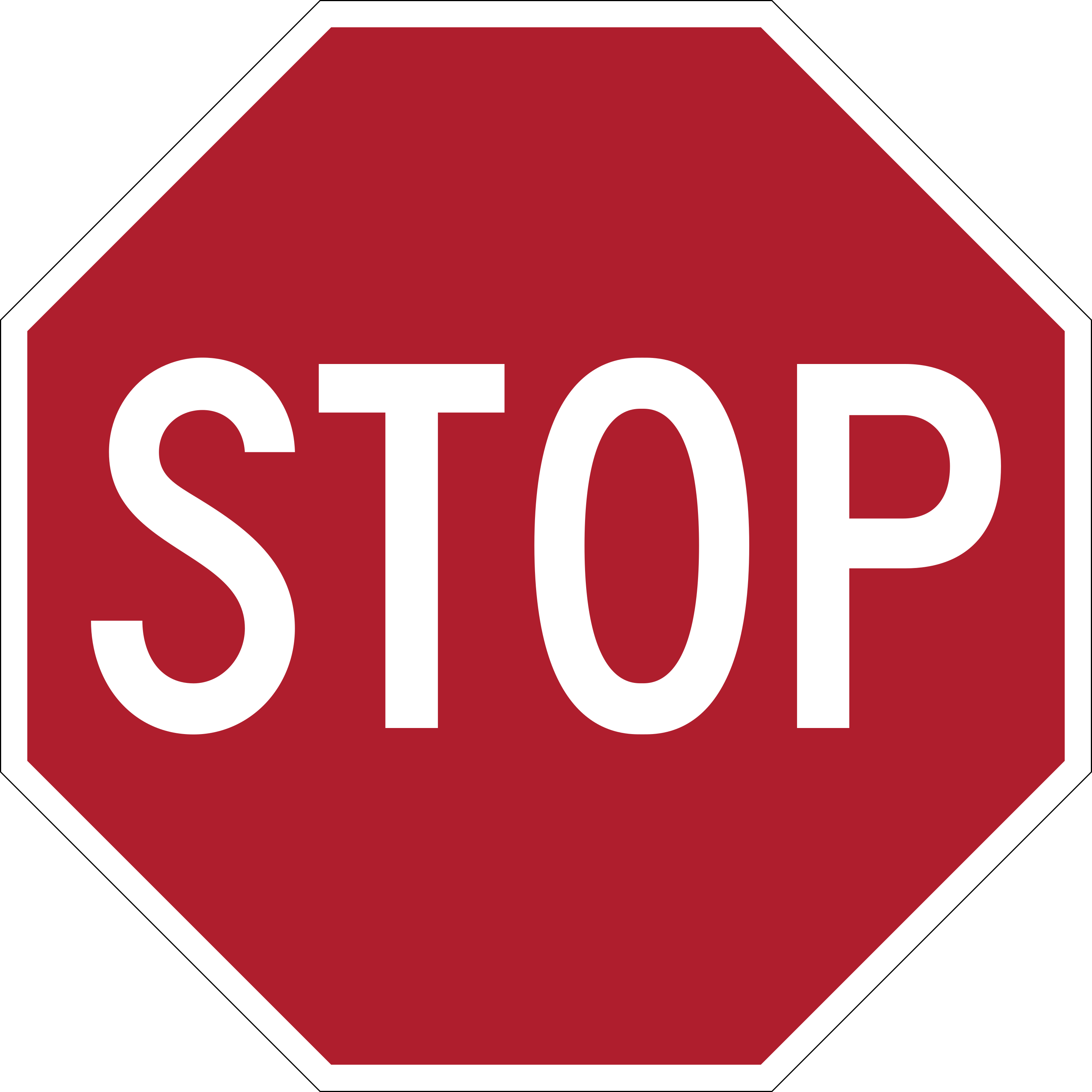
- Stop
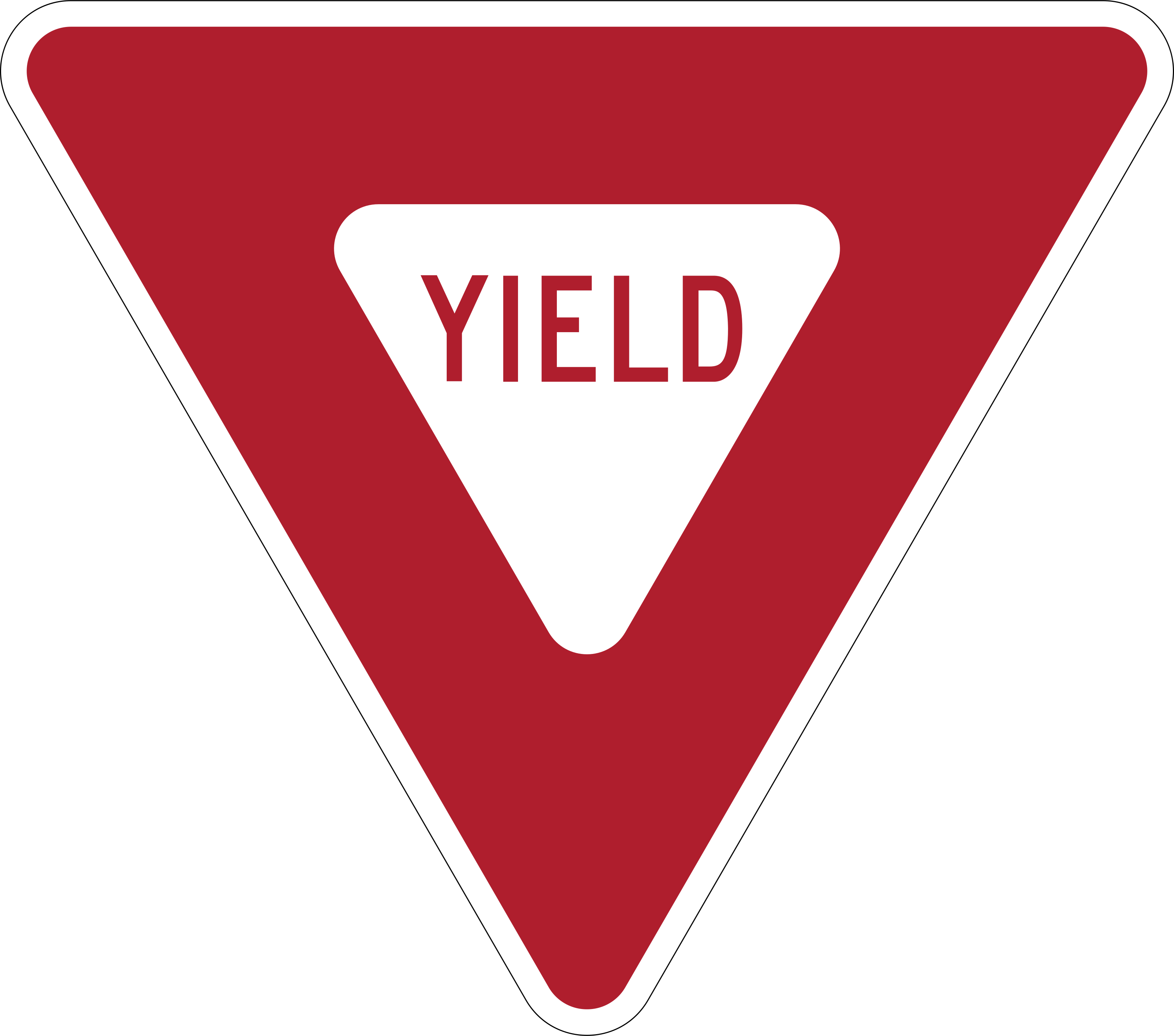
- Yield
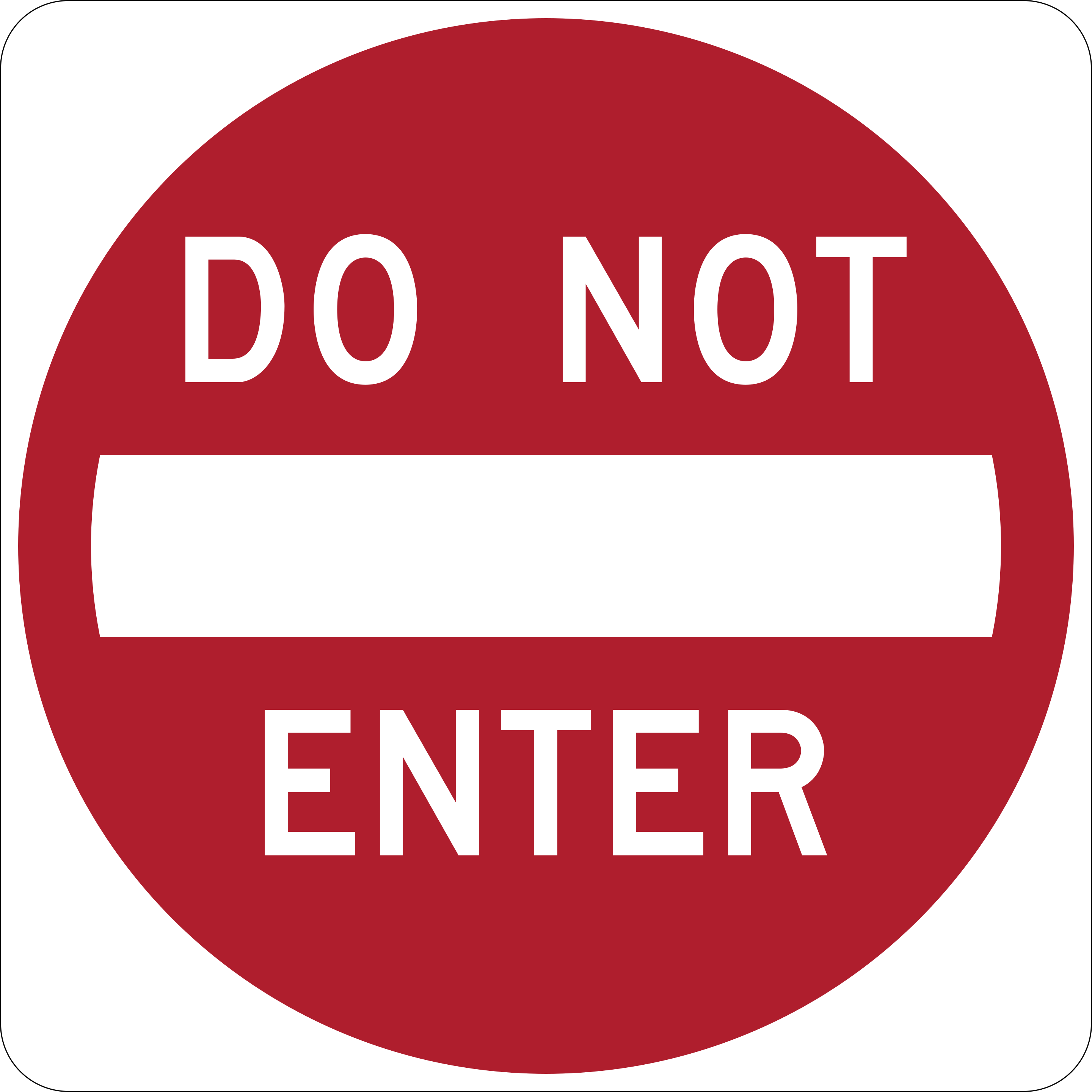
- Do Not Enter
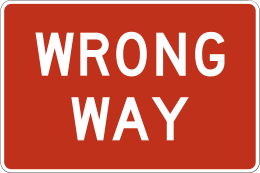
- Wrong Way
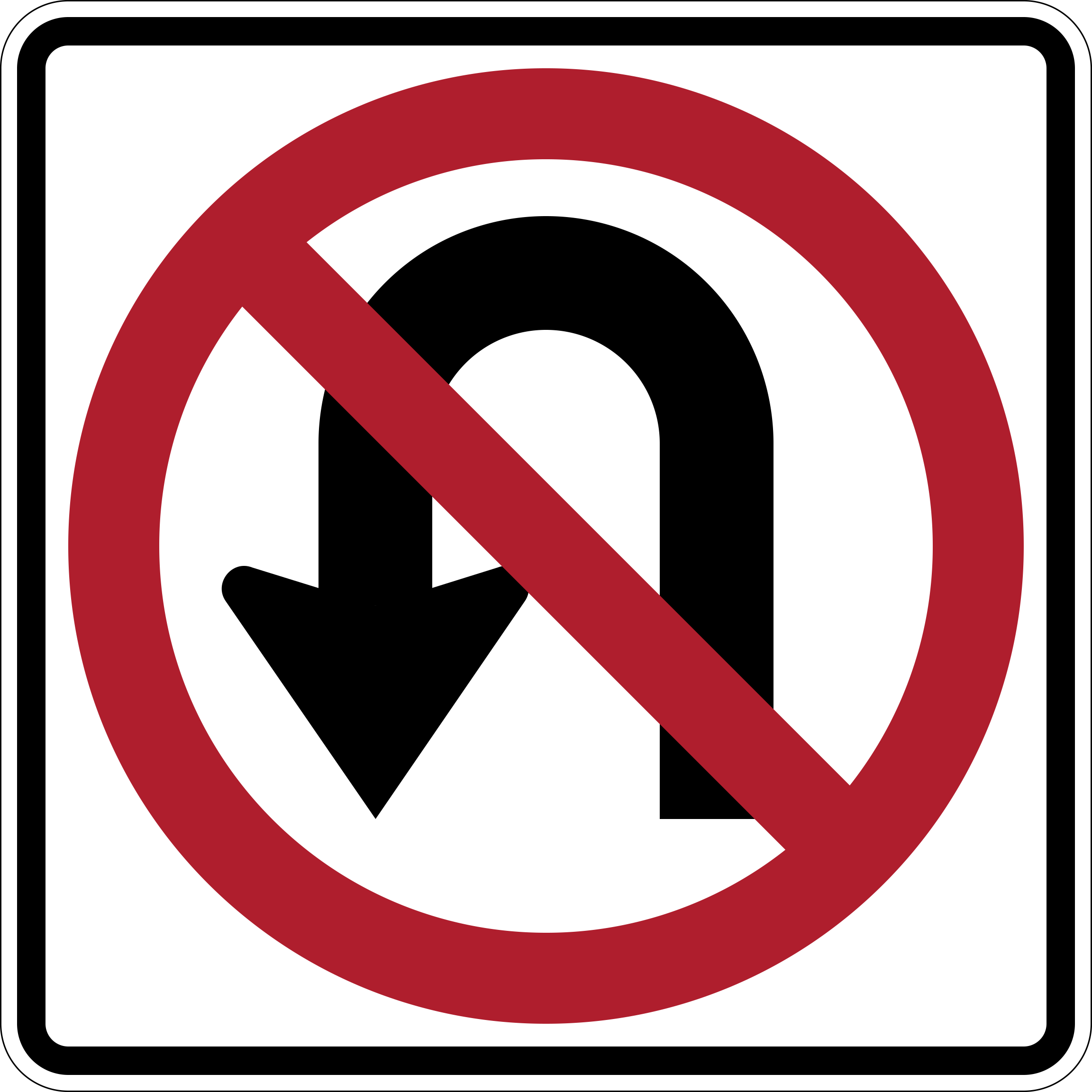
- No U-Turn
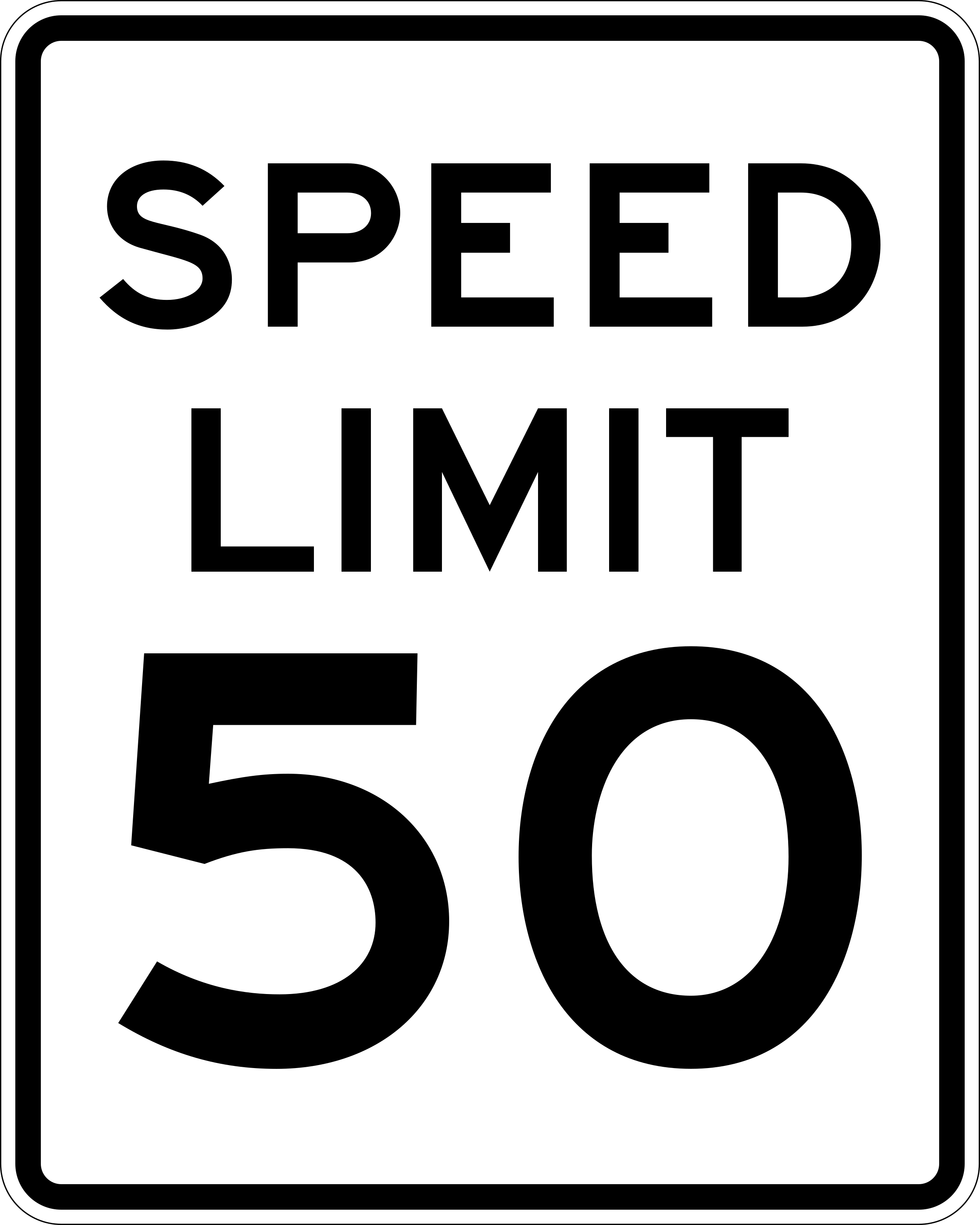
- Speed Limit
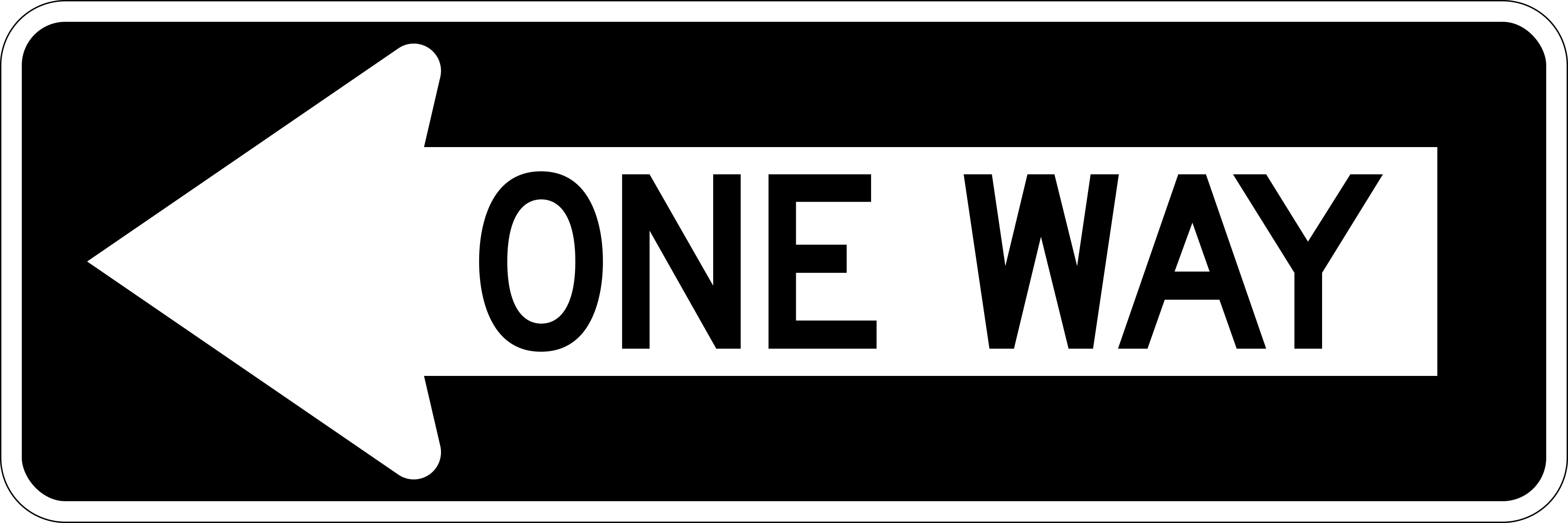
- One Way
- All Way
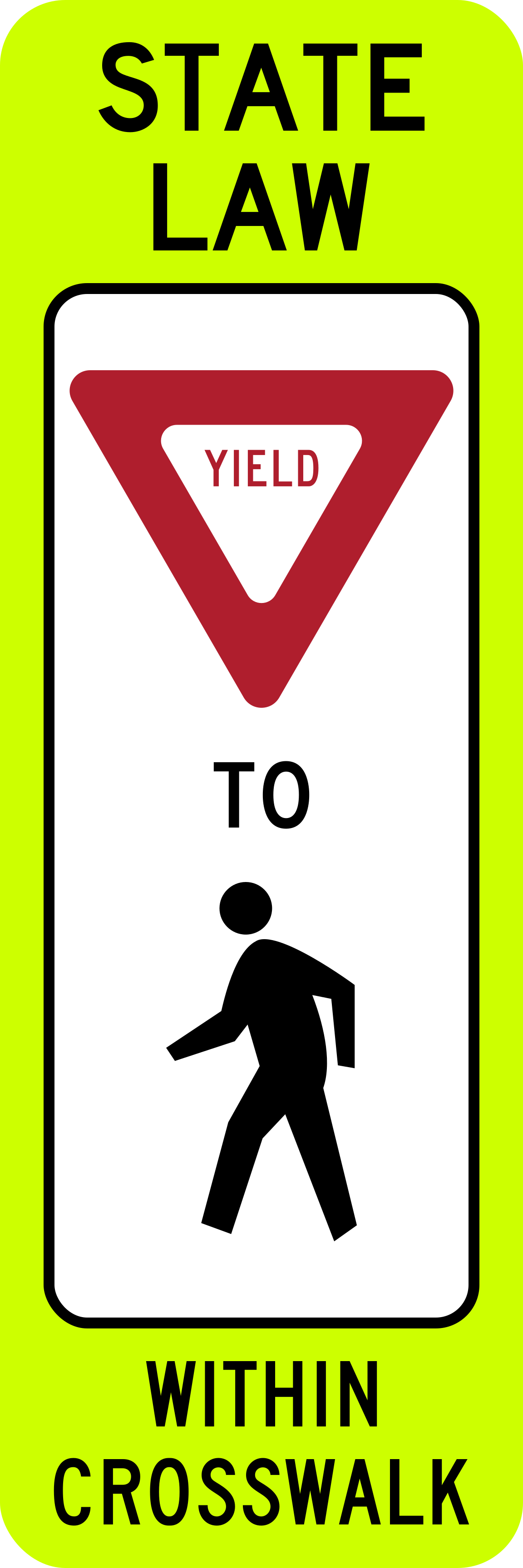
- State Law: Yield to Pedestrians
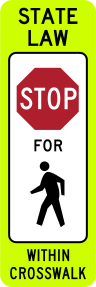
- State Law: Stop for Pedestrians
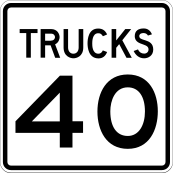
- Truck Speed Limit
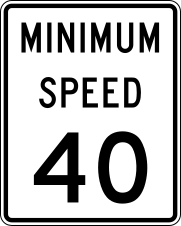
- Minimum Speed Limit
- Reduced Speed Limit Ahead
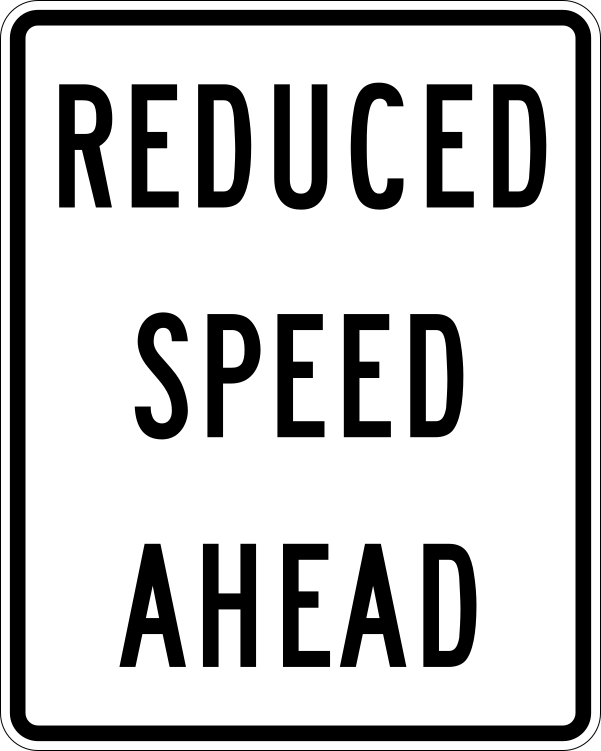
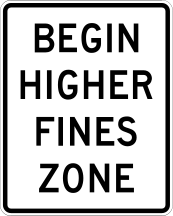
- Begin Higher Fines Zone
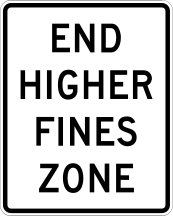
- End Higher Fines Zone
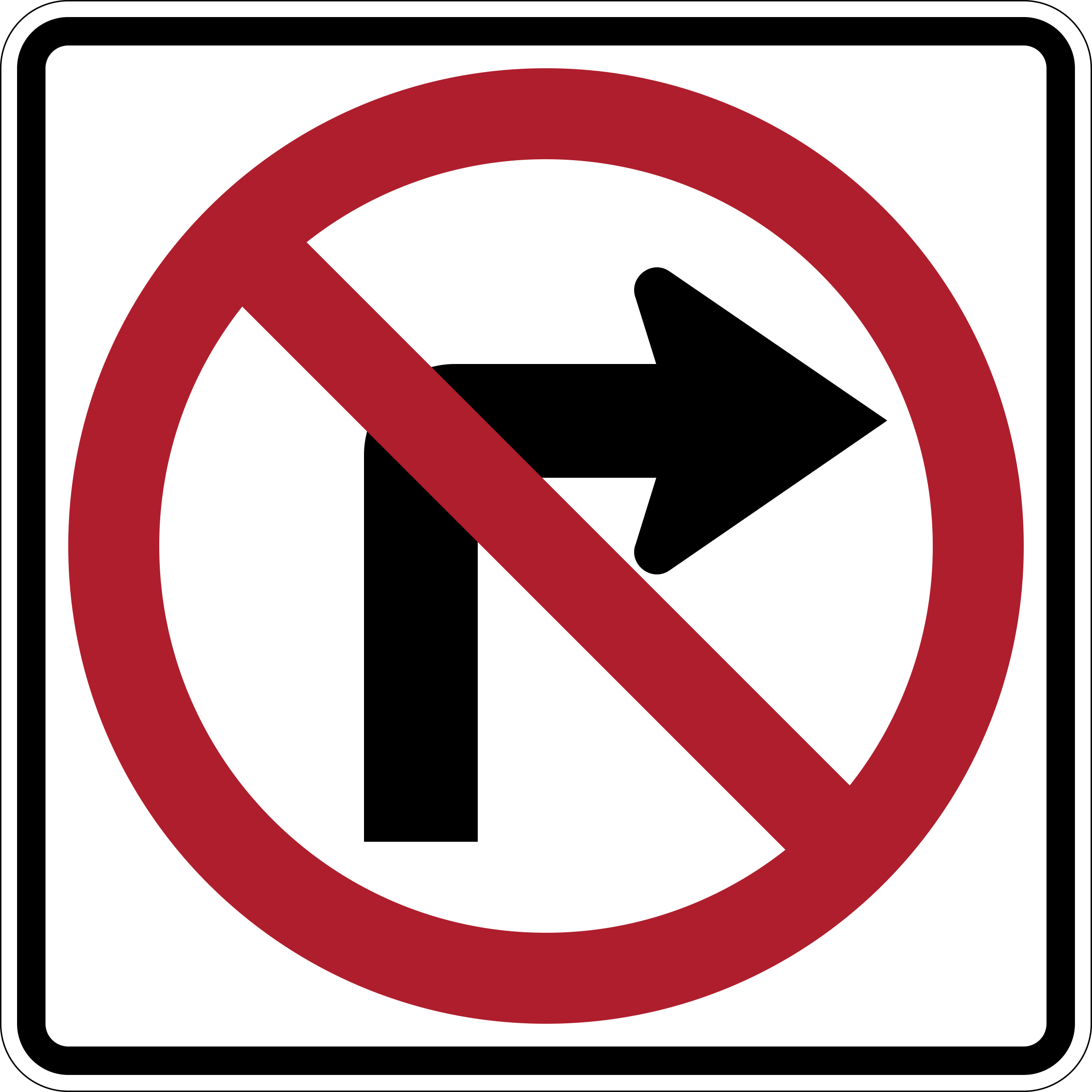
- No Right Turn
- No Left Turn
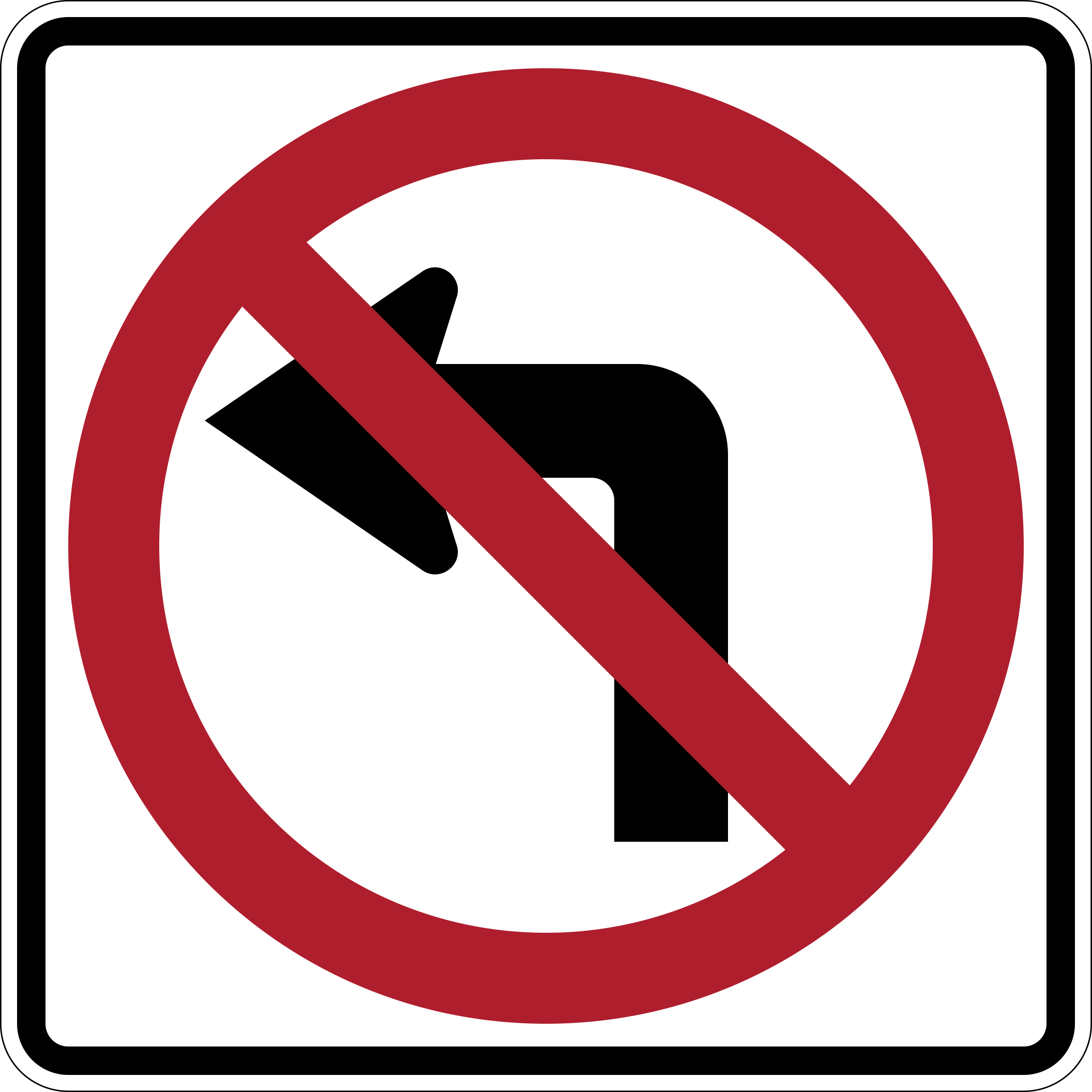
- No Turns
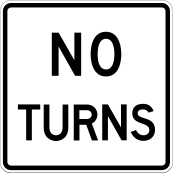
- Left Lane Must Turn Left
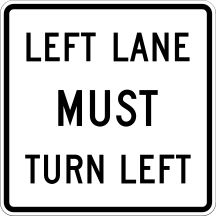
- Right Lane Must Turn Right
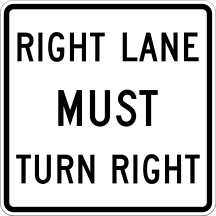
- Intersection Lane Control
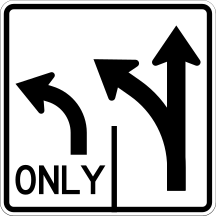
- Bike Lane
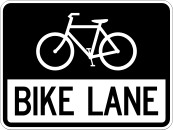
- No Left or U-Turn
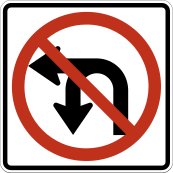
- No Straight Through
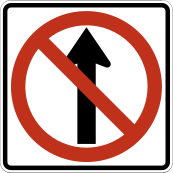
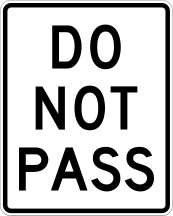
- Do Not Pass
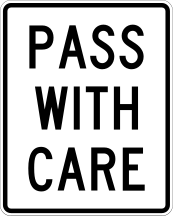
- Pass With Care
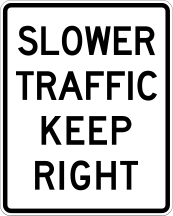
- Slower Traffic Keep Right
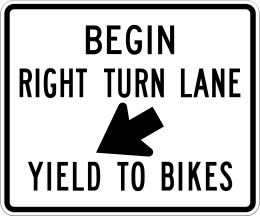
- Begin Right Turn Lane — Yield to Bikes
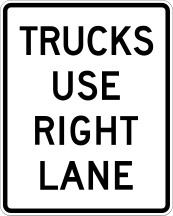
- Trucks Use Right Lane
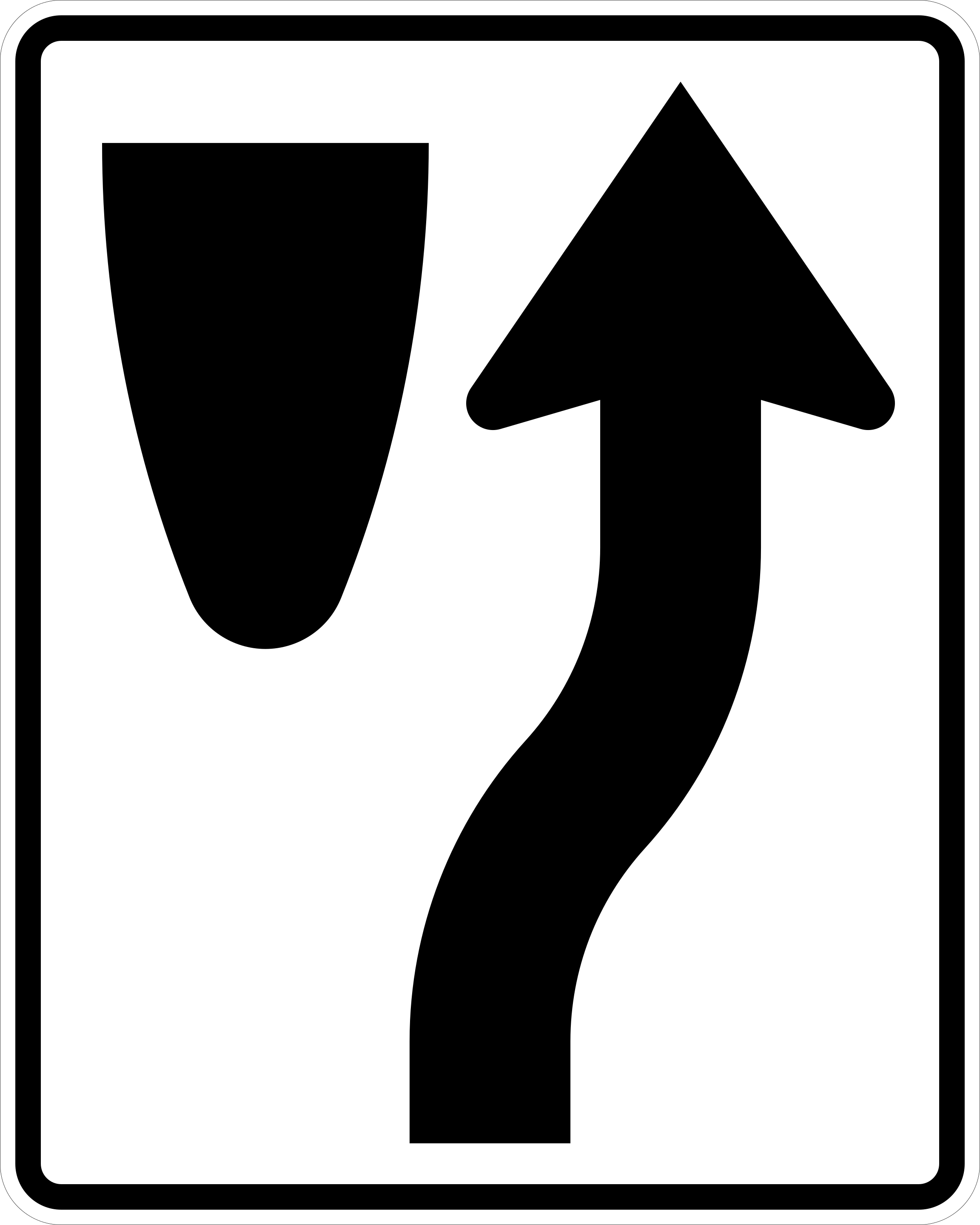
- Keep Right
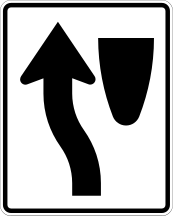
- Keep Left
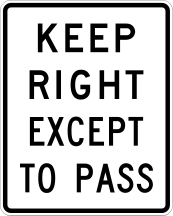
- Keep Right Except to Pass
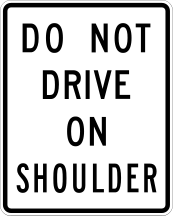
- Do Not Drive on Shoulder
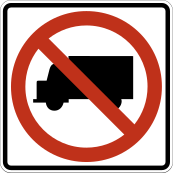
- No Trucks
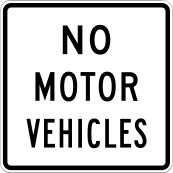
- No Motor Vehicles
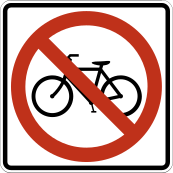
- No Bicycles
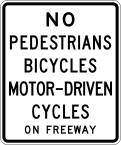
- No Pedestrians, Bicycles, or Motor-Driven Cycles
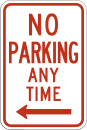
- No Parking Any Time
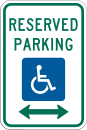
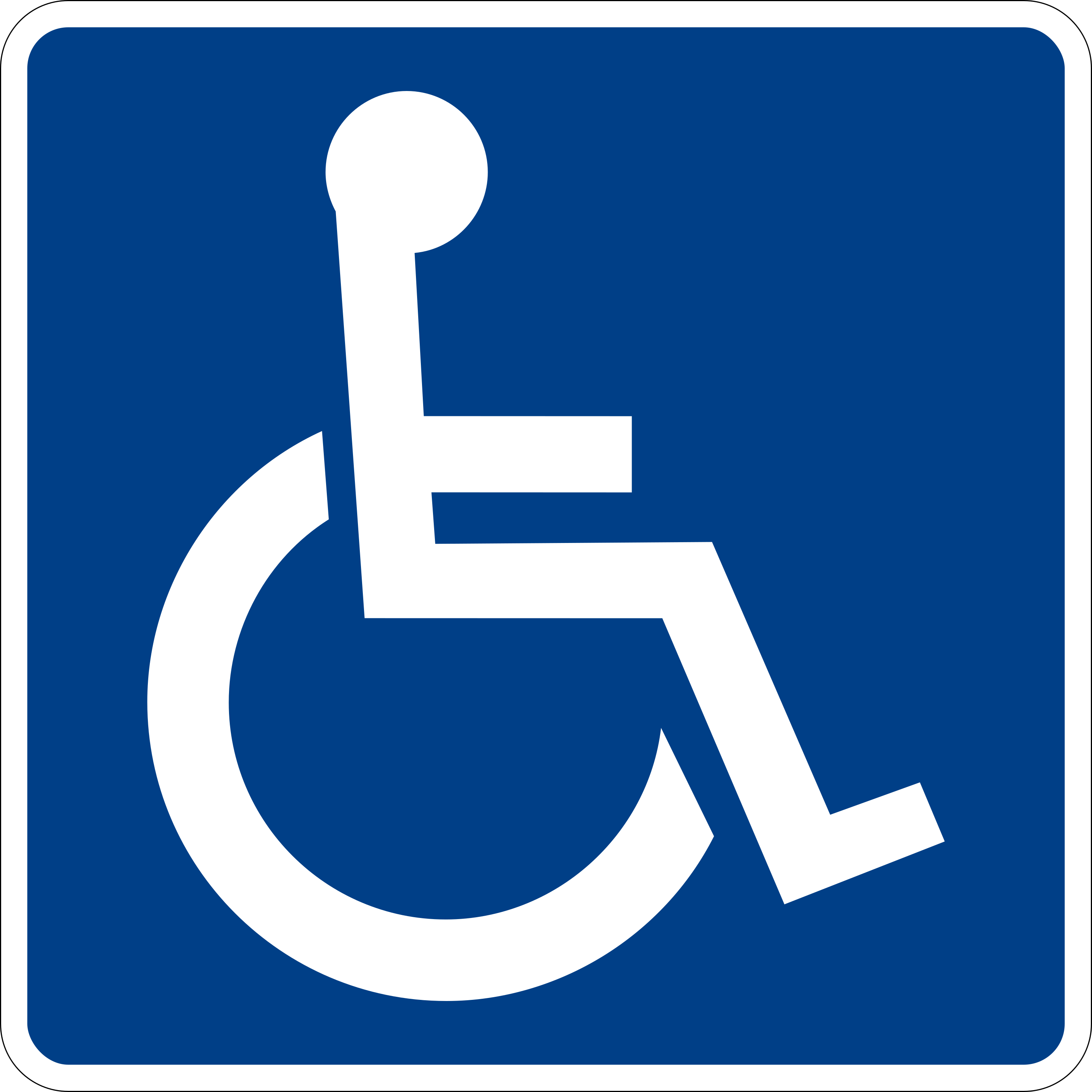
- Accessible Parking
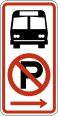
- No Parking Bus Stop
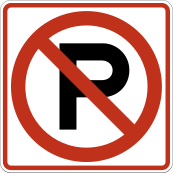
- No Parking
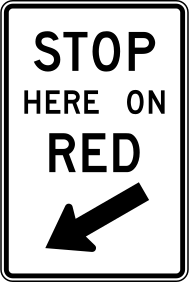
- Stop Here on Red
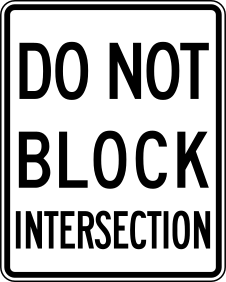
- Do Not Block Intersection
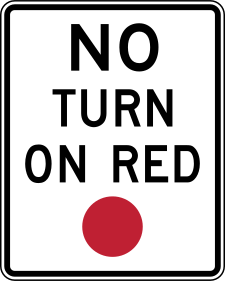
- No Turn on Red
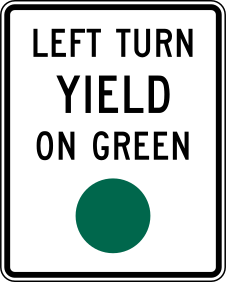
- Left Turn Yield on Green
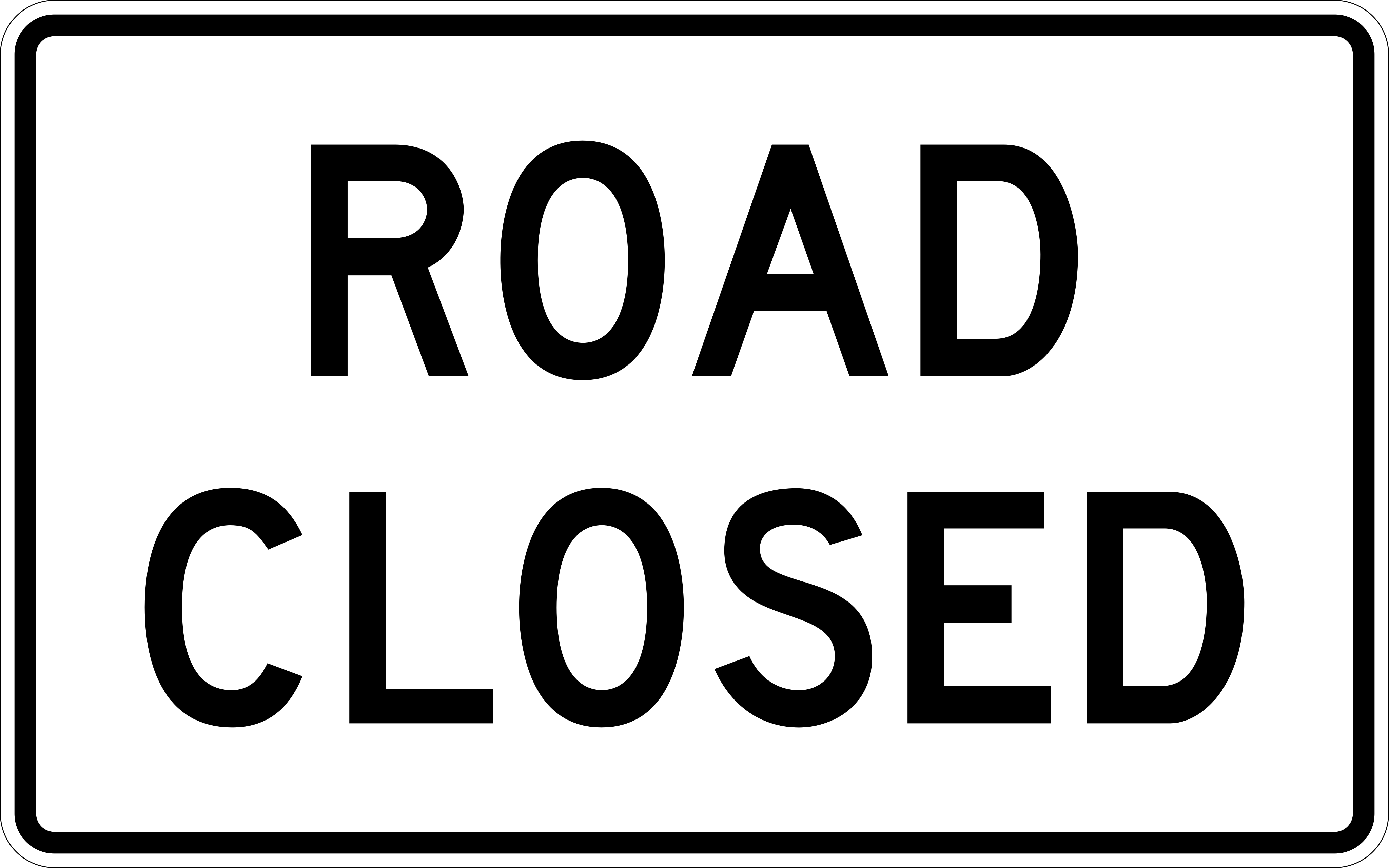
- Road Closed
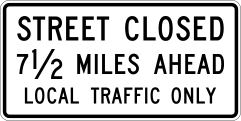
- Road Closed — Local Traffic Only
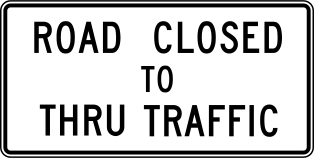
- Road Closed to Thru Traffic
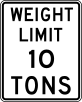
- Weight Limit
- No Hazardous Materials

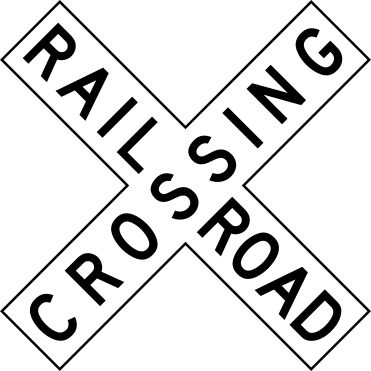
- Railroad Crossing (Crossbuck)
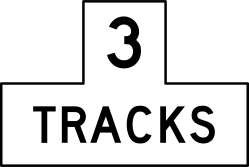
- Number of Tracks
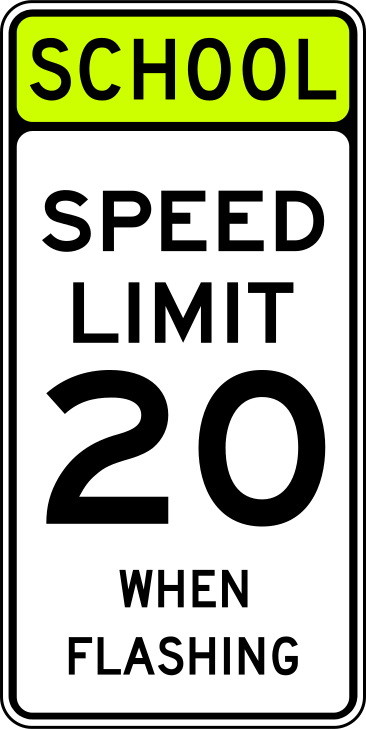
- School Speed Limit When Flashing
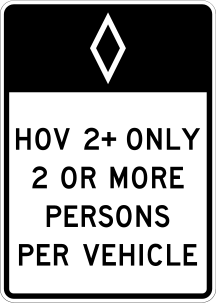
- HOV Lane
- Exempt

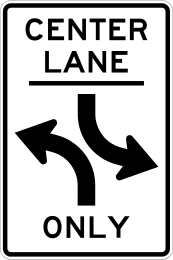
- Two-Way Left Turn Only
Warning signs
- Turn Ahead

- Stop Ahead

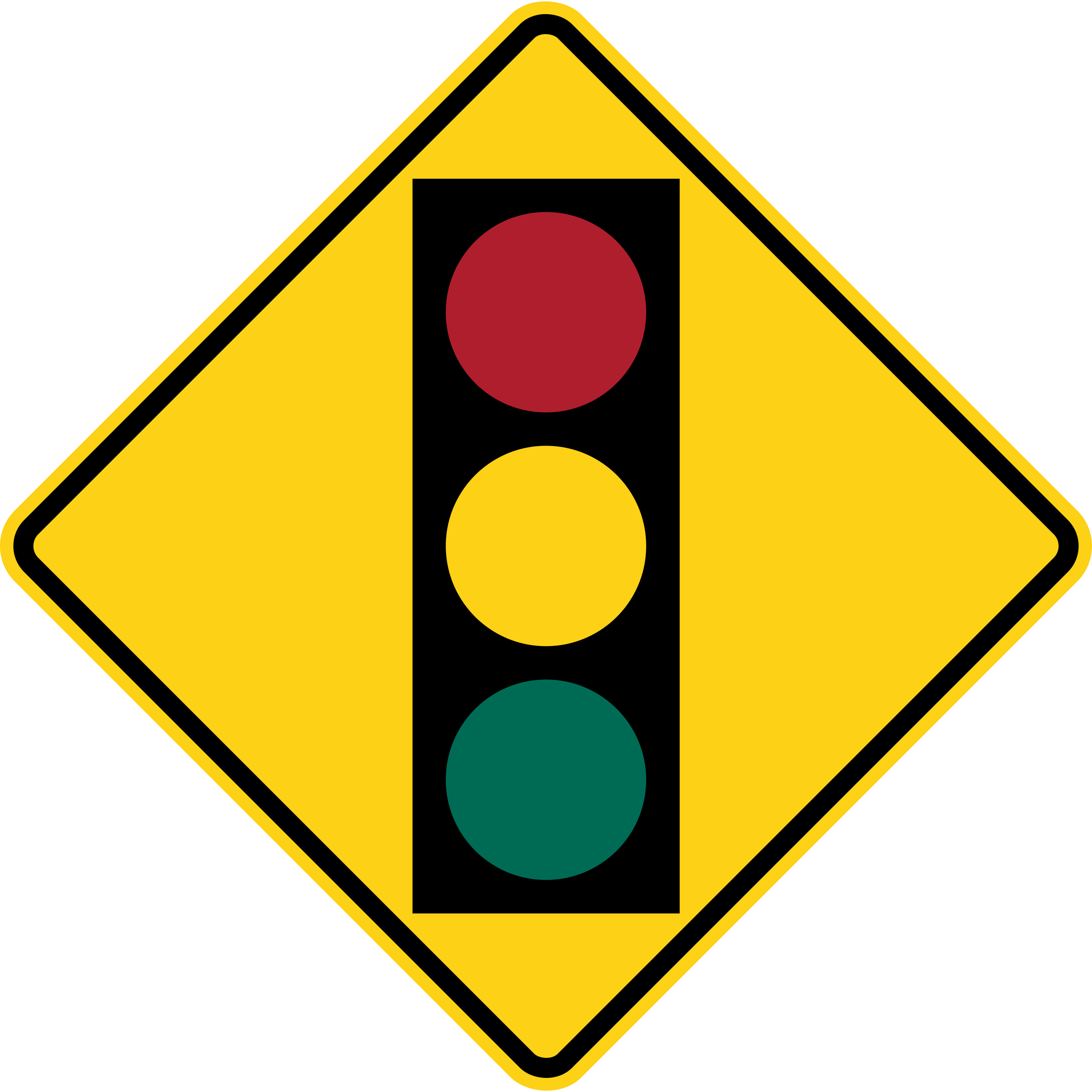
- Signal Ahead
- Pedestrian Crossing

- Curve

- Reverse Turn

- Reverse Curve

- Winding Road

- One-Direction Large Arrow
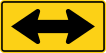
- Two-Direction Large Arrow
- Chevron Alignment

- Hairpin Curve

- Cross Road

- Side Road

- Roundabout Ahead

- Yield Ahead

- Be Prepared to Stop

- Reduced Speed Limit Ahead
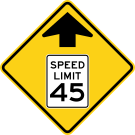
- Merging Traffic

- Lane Ends

- Added Lane

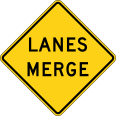
- Lanes Merge
- Road Narrows

- Narrow Bridge

- One Lane Bridge

- Ramp Narrows

- Divided Highway Begins

- Divided Highway Ends

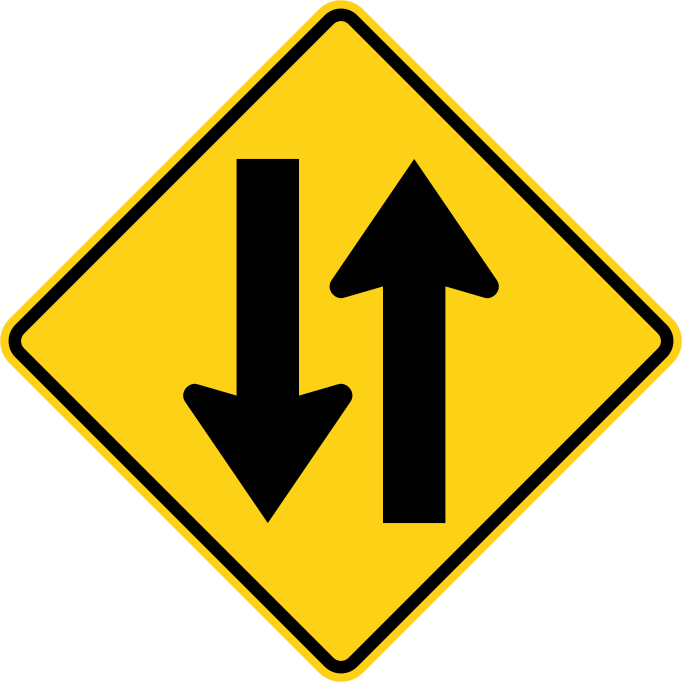
- Two-Way Traffic
- Hill / Steep Grade

- Bump

- Dip

- Pavement Ends

- Soft Shoulder

- Slippery When Wet

- Loose Gravel

- Rough Road

- Low Shoulder

- Uneven Lanes

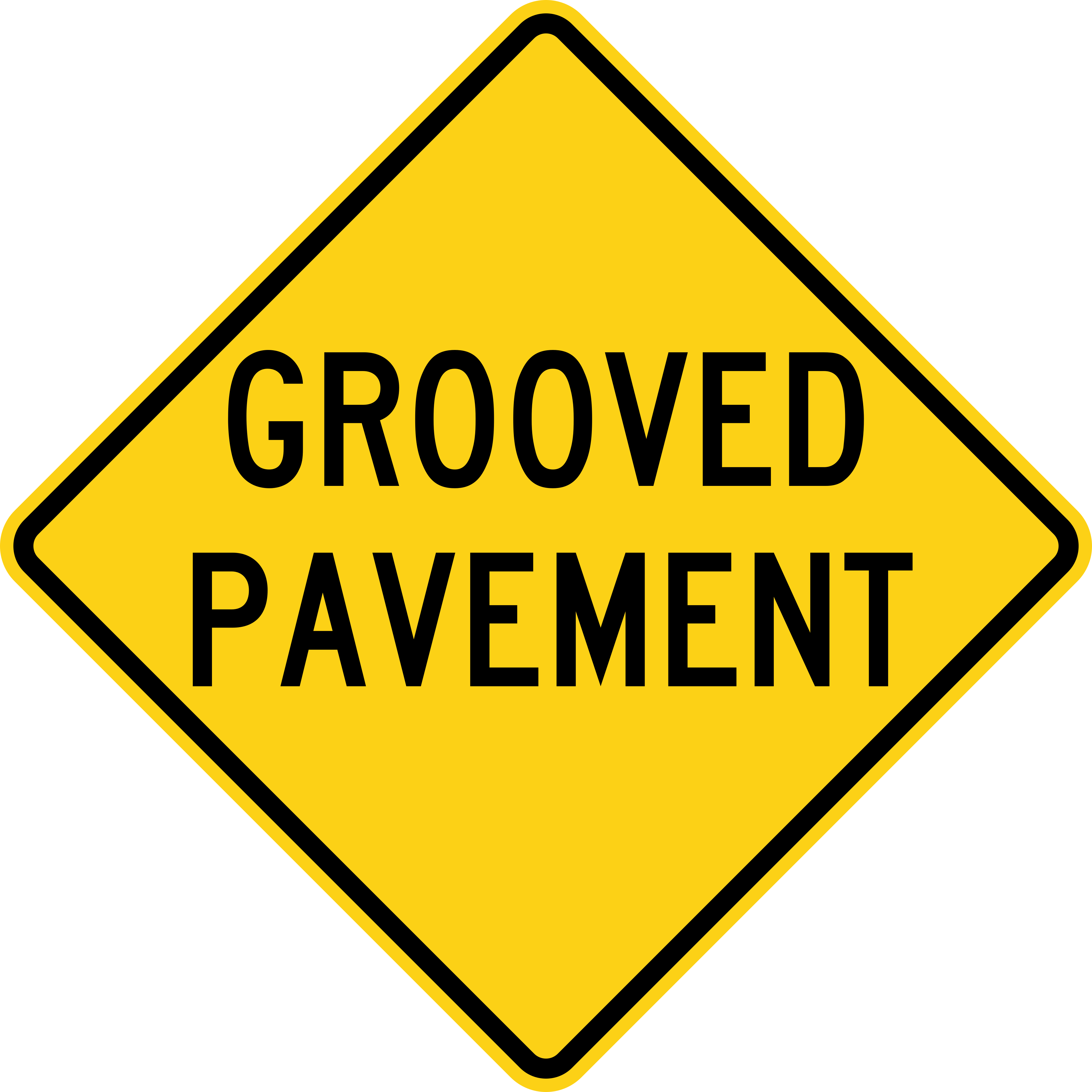
- Grooved Pavement
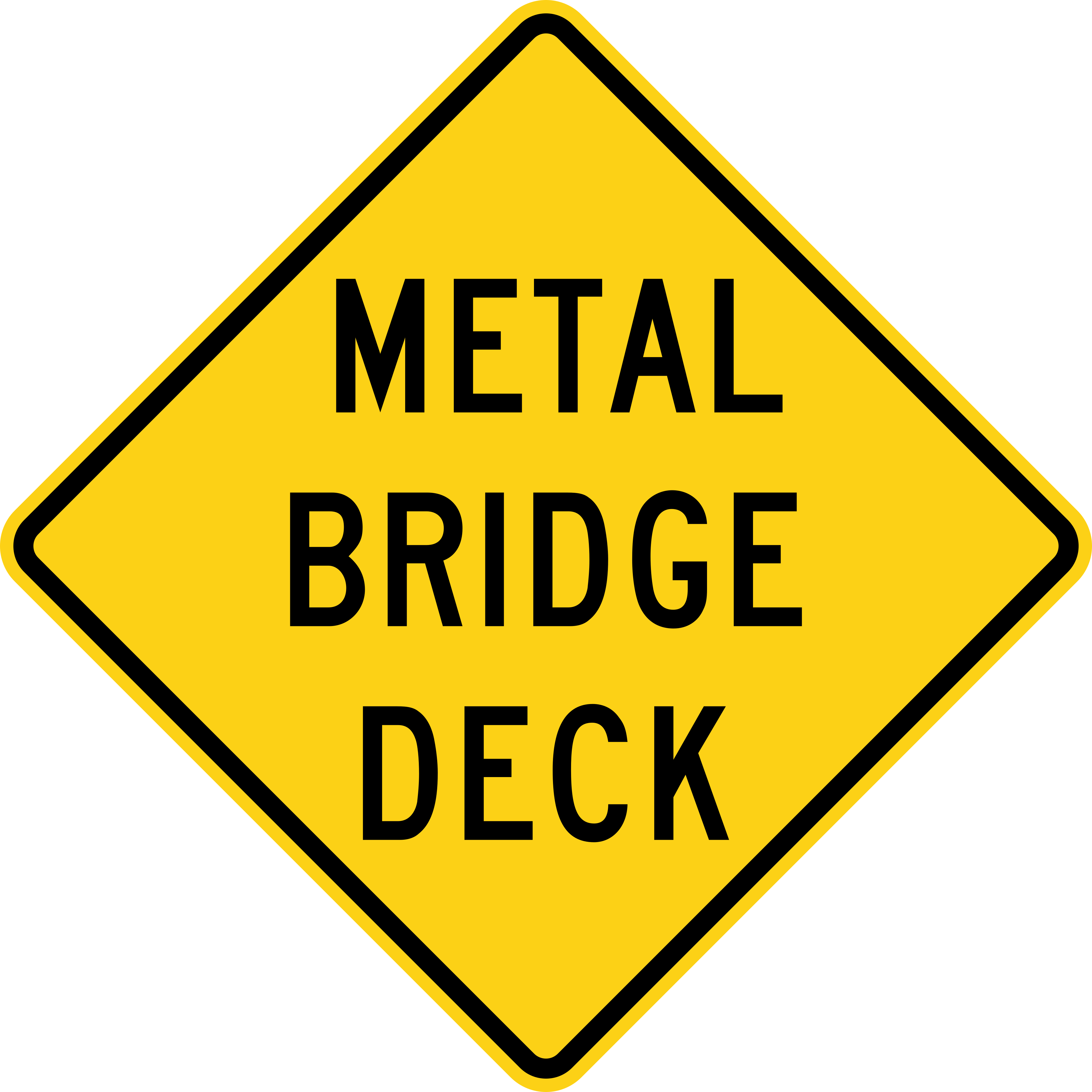
- Metal Bridge Deck
- Railroad Crossing Ahead

- Bicycle Crossing

- Deer Crossing

- Cattle Crossing

- Farm Machinery

- Snowmobile Crossing

- Equestrian Crossing

- Persons with Disabilities

- Golf Cart Crossing

- Horse-Drawn Vehicle Crossing

- Low Clearance

- Advisory Speed

- Dead End

- No Outlet

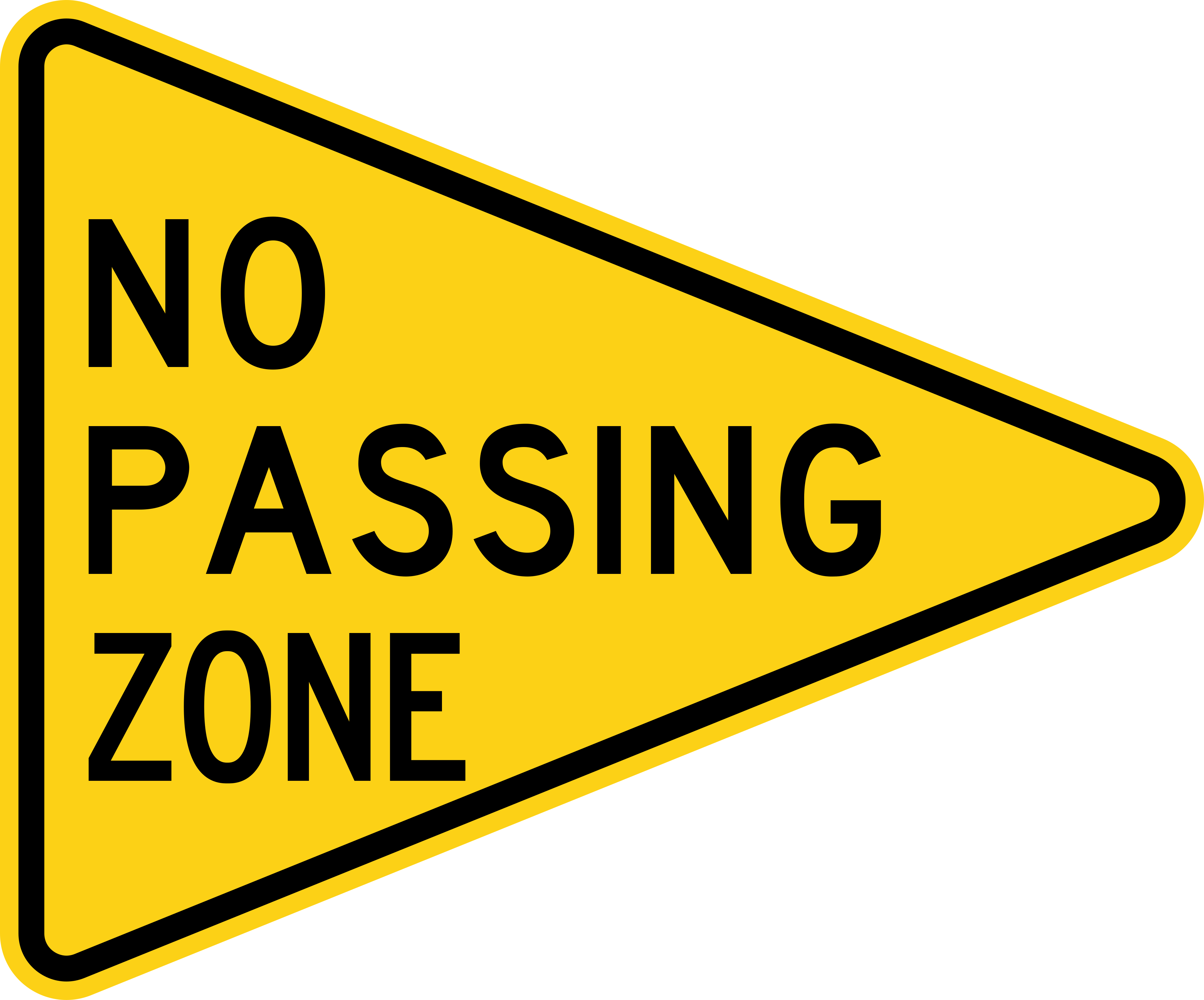
- No Passing Zone
- Playground

- Speed Hump

- School

- Truck Rollover

- Bridge Ices Before Road

- Road May Flood

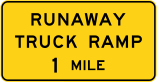
- Runaway Truck Ramp
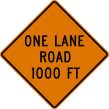
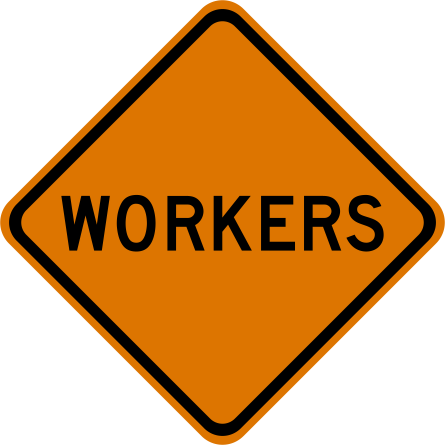
Construction & work-zone signs
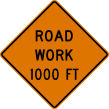
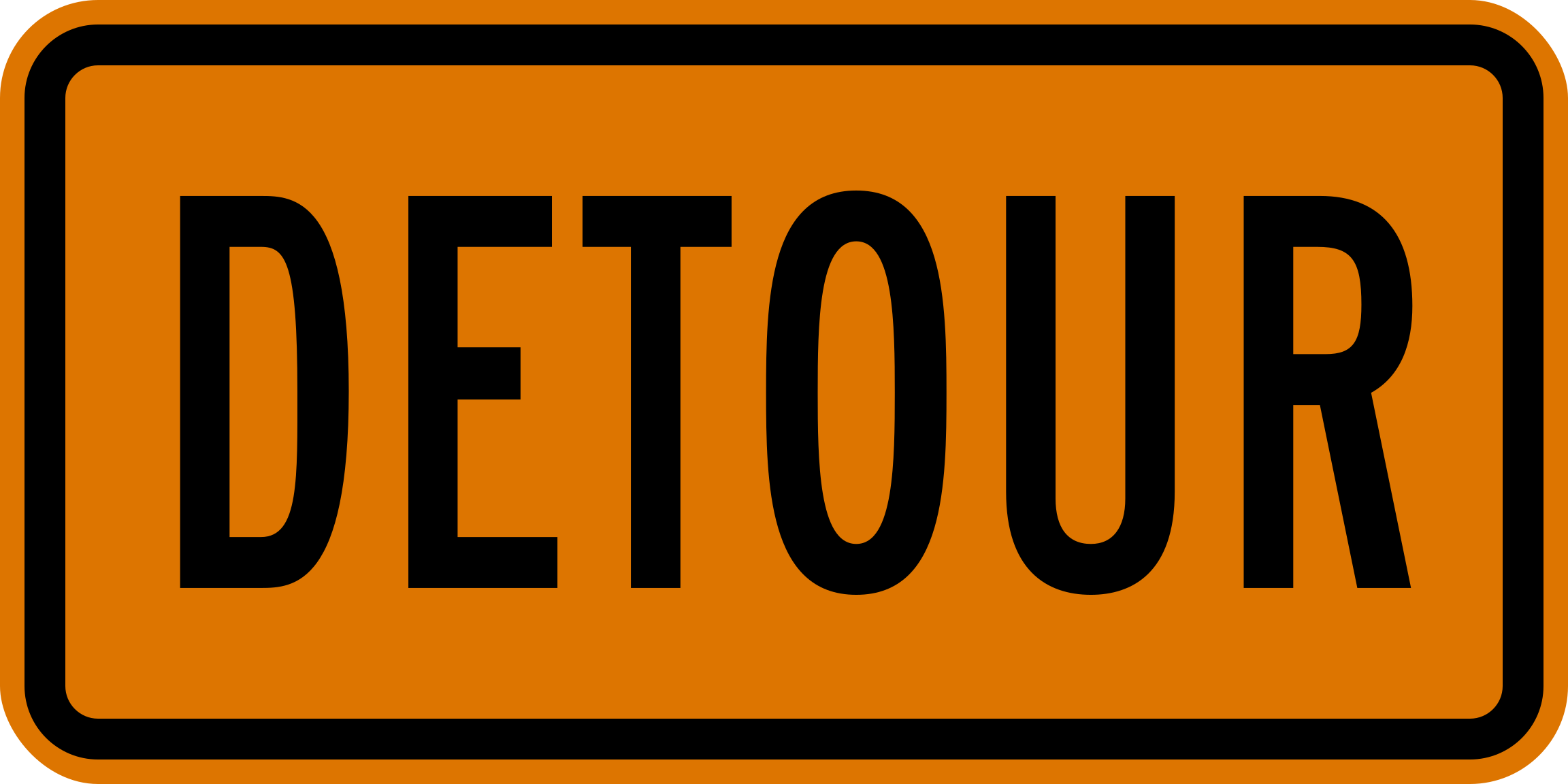
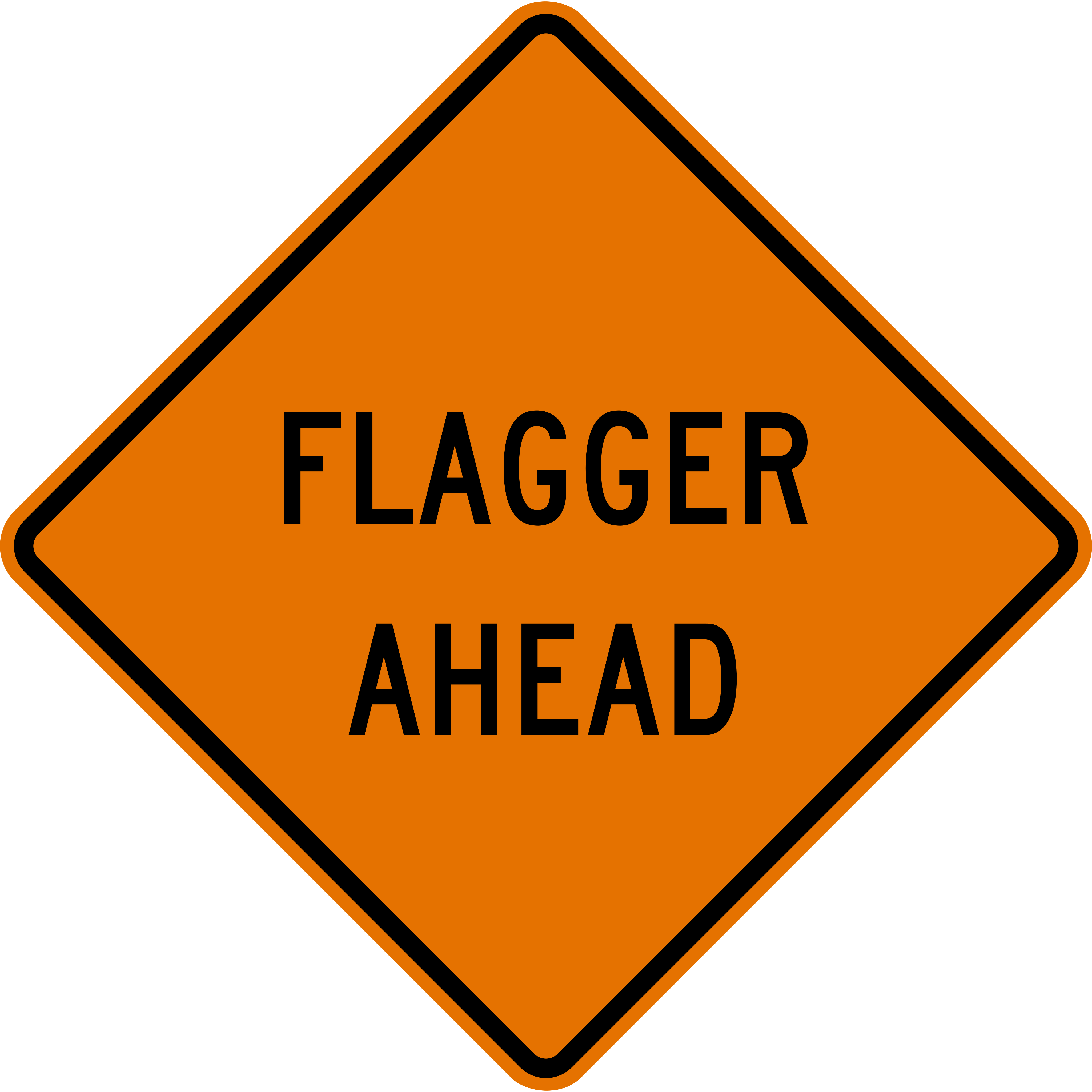
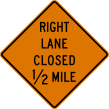


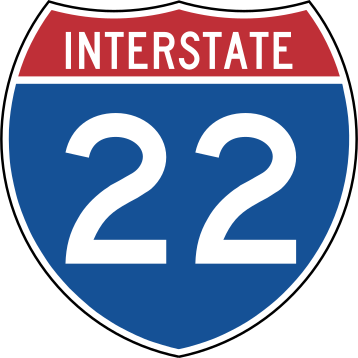
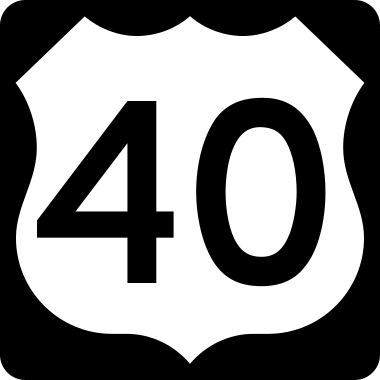
Guide signs


Service & information signs



Nevada road signs: frequently asked questions
How many road-sign questions are on Nevada's knowledge test?
Nevada does not say. The DMV's Driver License Testing page publishes the size of the exam and the standard for clearing it but nothing that divides the questions by subject, and the handbook is no more specific, committing only to test "your understanding of highway signs and markings, traffic laws and safe driving practices." Anyone quoting you a fixed number of Nevada sign questions is guessing at something the state has not printed. The published rule to plan around is the other one: your whole margin for error is five wrong answers, and signs draw on the same margin as everything else.
Can I take Nevada's knowledge test in Spanish?
Yes, on both routes. The DMV states that its online exam at KnowToDrive Nevada "is available in both English and Spanish," and that the in-office knowledge tests run on touch-screen computers in English and Spanish as well, adding that "The system also offers audio." The handbook is published in Spanish too, and the DMV's Driver Handbooks page hosts chapter-by-chapter audio recordings in both languages, with a track of their own for the signs section. One caveat is printed directly above those recordings: they come from the previous edition, and the DMV tells listeners to follow along in the 2021 handbook. Treat the audio as a study aid and check anything you are relying on against the current PDF.
Can I take Nevada's written test from home, and what does it cost?
You can, through KnowToDrive Nevada, and the DMV says those results "are transmitted to the DMV automatically for the purposes of issuing instruction permits or driver licenses." A hardware condition catches people out: the DMV warns that "Touch-screen devices are not compatible with the online exam" and that it needs a computer with a front-facing camera or a camera peripheral, so a phone or a tablet will not do. Cost stacks as well. The DMV's testing fee is $25 for a first-time knowledge and skills test and $10 for all retests, and the online exam adds $6.75 every time it is taken; the $25 is still collected when you pick up your credential. Vision tests carry no charge.
What does Nevada's handbook say about an orange speed limit sign?
That it is advice rather than law. The Highway Work Zones section draws the line in two sentences: "Black and white speed limit signs are regulatory. Orange speed limit signs are advisory and indicate slower, safer speeds." None of that makes an orange sign safe to ignore. The same section warns that fines for speeding double in work zones, and that moving a barrier or a sign to cross a closed road is illegal and brings double penalties for work-zone violations; the signs chapter adds its own line that "Violations in work zones result in increased traffic fines." Work zones are also where Nevada's color code earns its keep, because the section says they are "identified with orange signs, cones and barrels" — orange is the cue to change how you are driving before you have read a single word on the sign.
Why does Nevada's shape list have two railroad entries?
Because they mark different points on the road. The round sign is advance warning; the crossbuck stands at the tracks themselves. The handbook's Railroad Crossings passage keeps the same split: on seeing "the round railway crossing sign" you slow down, get ready to stop and look both ways "even if there is no stop sign or signal that a train is coming," while "A crossbuck sign indicates the location of a train crossing and means drivers must yield to trains." That passage carries the hard rules too — stop at least 15 feet from the tracks if a train is coming, never go around a lowered gate even when no train is visible, stop for flashing lights, and never park within 50 feet of the nearest rail.
Official sources
- Nevada DMV — Driver License Testing
- Nevada Driver's Handbook (DMV 700, March 2024)
- Nevada DMV — Driver Handbooks
Checked against official state sources on 2026-08-29.