Montana Road Signs and Their Meanings
In Montana the driver's license is a Department of Justice document. The Motor Vehicle Division sits inside the Montana Department of Justice, under the Attorney General, and the Montana Driver Manual opens with a letter signed by Attorney General Austin Knudsen — so the examiner who grades your written test answers to the state's chief legal officer rather than to a transportation department. What the Division does not publish is the shape of that test. The manual, revised April 2024, never says how many questions the written exam asks or how many correct answers clear it, and mvdmt.gov supplies neither figure. Its page for applicants eighteen and over gives the entire description in one clause — "you'll have to pass written, vision, and road tests" — and adds the sequencing rule: "You must pass the written test before being eligible to take your driving test." Start with that gap rather than working around it. Any total quoted for the Montana written exam, this site's own included, is a working model and not a published number; with no subject breakdown behind it either, nobody can tell you in advance how many of the questions you face will put a sign on the screen.
Montana does put a sign requirement in writing, but it lives in the statute book rather than in the handbook. Section 61-5-110, MCA, tells the department what every applicant's examination has to reach: it "must include a test of the applicant's eyesight, a knowledge test examining the applicant's ability to read and understand highway signs and the applicant's knowledge of the traffic laws of this state," plus a road or skills test. Reading highway signs is therefore one of the two subjects the knowledge test exists to examine, named in law and set beside traffic law itself. Now notice what the sentence declines to do. It sizes nothing. There is no count of sign items in it, no share of the score reserved for them, and no threshold stated anywhere in that section or in any rule the Division points readers toward. The legislature says what the test must reach; the department builds it. For you that means a missed sign question spends a wrong answer and nothing more — there is no second, sign-only score waiting to be cleared afterward. The manual's front matter makes the same point without the legal furniture, warning that unless you know the information the book contains, you cannot pass the written and road tests.
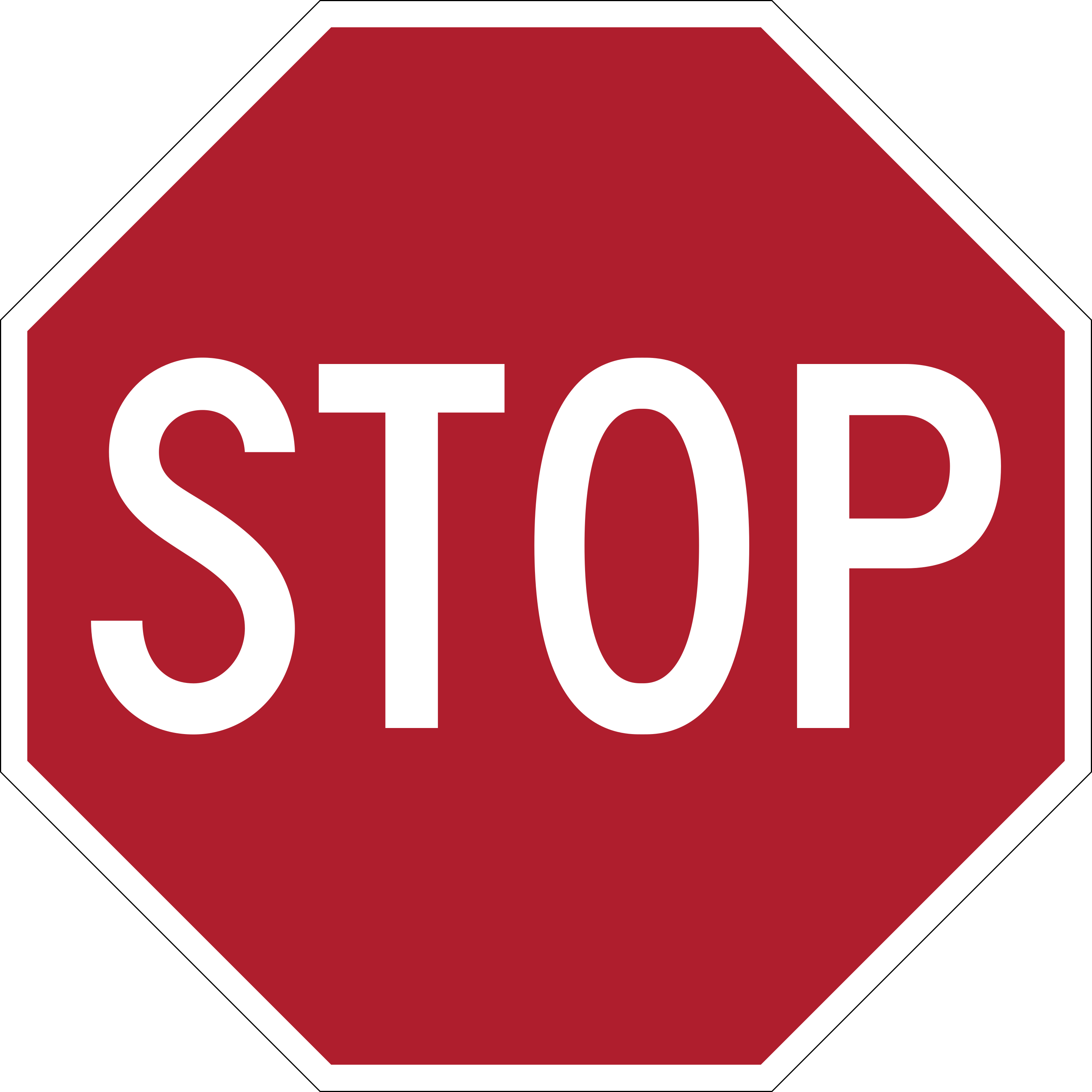
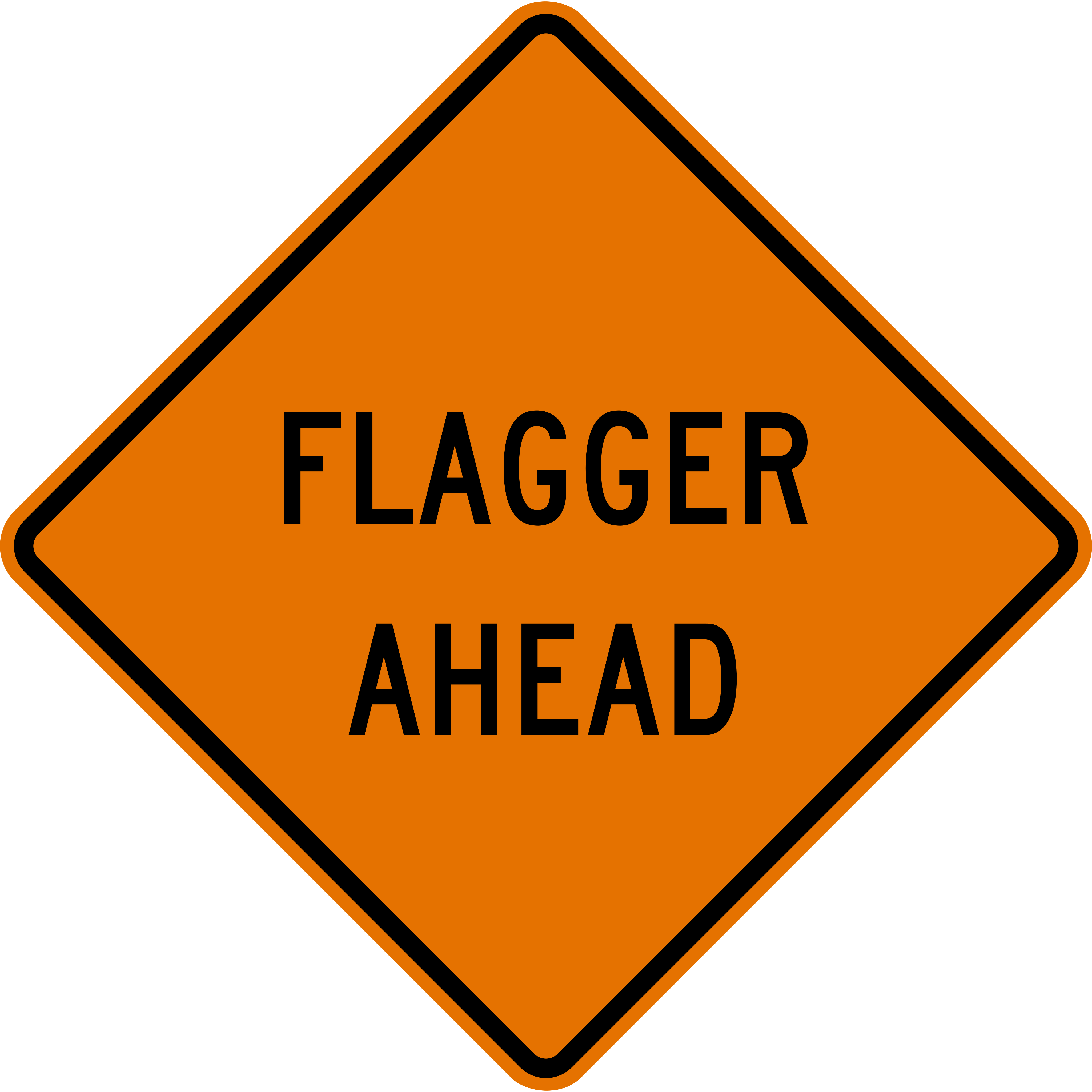
The book is the Montana Driver Manual, published by the Motor Vehicle Division and downloadable from mvdmt.gov, whose cover doubles as an instruction: schedule your test online. Signs occupy Chapter 3, Signs, Signals, & Markings, which opens on a metaphor instead of a list — "The language of the road is spoken in signs, signals, and pavement markings. It is a language you must know well if you are to drive safely." Its first heading argues for shape and color as a backup system, because in poor visibility "such as heavy fog, you may be able to make out only the shape of a sign." The chapter then sorts traffic signs by function into three families, "regulatory, warning, and information guide signs" — and it is worth watching what the pages actually deliver next, because the galleries that follow are intersection traffic control signs, regulatory signs, warning signs, and construction and maintenance signs. Guide signs are named in the classification and never given a gallery of their own. Two shape rules are stated as absolutes in Montana's own text: "The STOP sign is the only eight-sided traffic sign," and, of the round railroad crossing warning, "It is the only round warning traffic sign." The warning gallery is unmistakably local — range cattle where there are no fences, a cattle crossing at the point where "a highway quite often splits a farm," icy road, loose gravel, a one-lane bridge with no room to meet or pass. One structural detail matters more than it looks: the table of contents prints that whole gallery as a single line, "Signs, 23," and then jumps straight to Construction Zone on 28, listing nothing in between. Every sign in the book sits under one contents entry, with no subheading to find it by — which is worth remembering when you go looking for a particular family later.
Every published Montana sign question in this set carries the same citation, letter for letter. Each one names the Montana Driver Manual and then its signs chapter by number and by the full title of the block those pages sit in — Signs, Signals, and Road Markings — and not one of them narrows further. No heading, no family, no page. The citation is an address for a chapter, never for a paragraph, and that concentration is total: there is no second citation anywhere in the sign material to compare it against. The cause is the handbook's own arrangement rather than a shortcut of ours. Montana prints the entire sign gallery under one undivided contents entry, so there is no finer heading in the book to cite even when a question plainly belongs to one family. You can see the contrast in the neighboring material: questions on signals and markings, which the contents does break out by name, get pointed at those named headings instead. So use this set the way its citation asks to be used. Read the signs pages straight through in order rather than trying to reverse-engineer which gallery an explanation came from, and while you are in the chapter, finish the traffic-signal, railroad-crossing and pavement-marking pages too — they carry the same chapter address, and Montana asks about them under the same heading.
14 published Montana road-sign questions, each with an explanation and a citation to the handbook section it came from.
Content reviewed against official driver handbooks · August 12, 2026
Every sign you can be tested on in Montana
Regulatory signs
- Stop
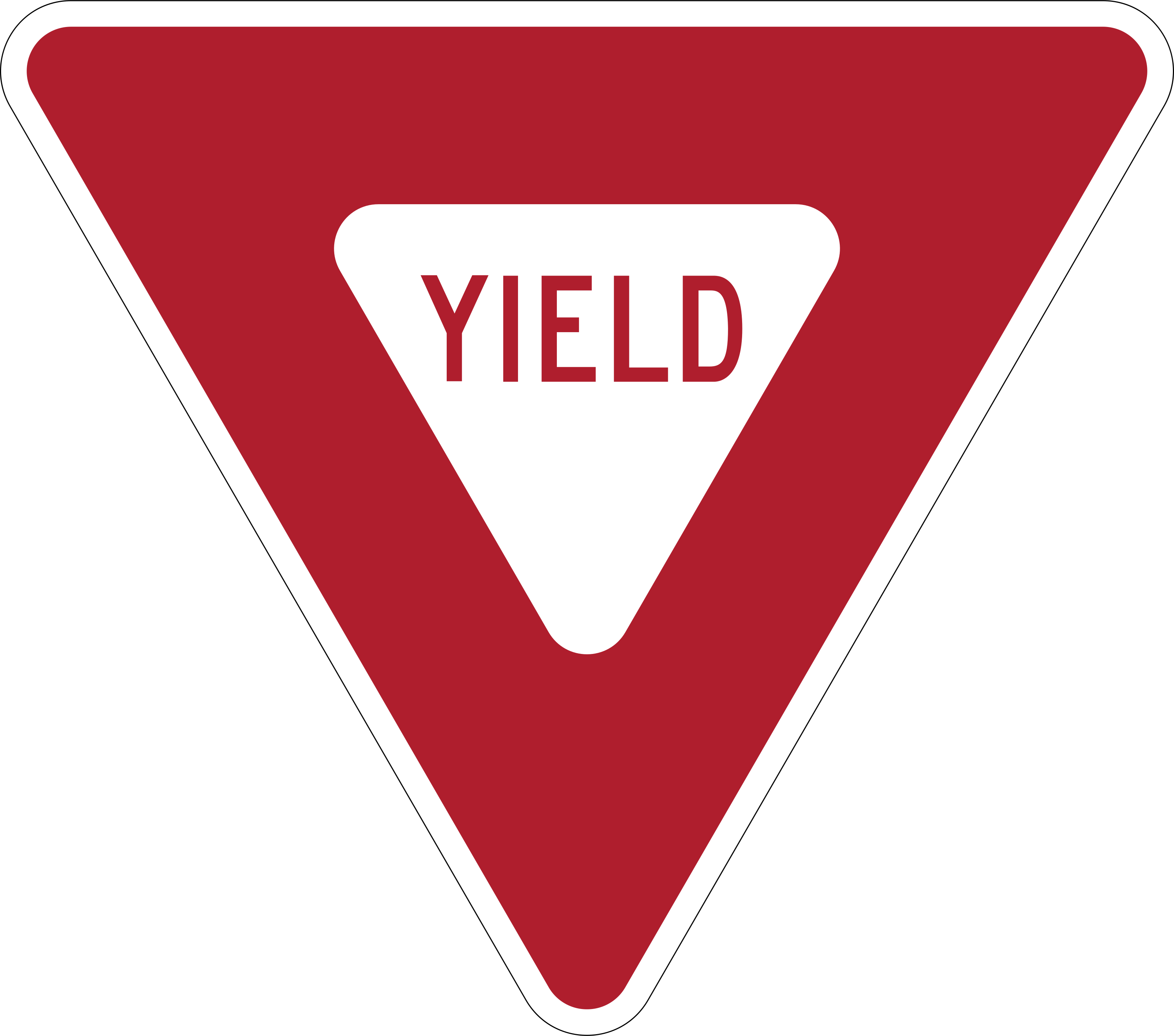
- Yield
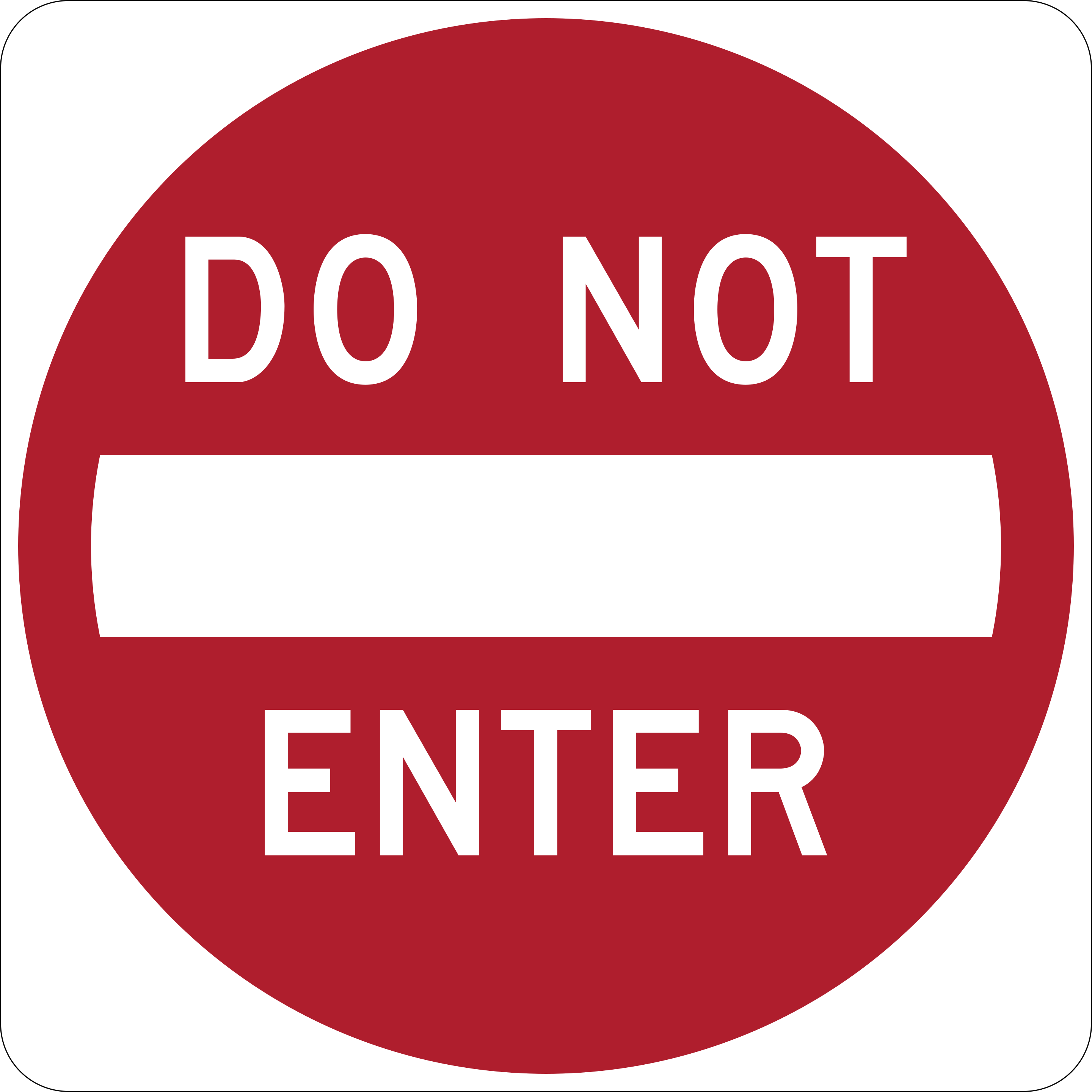
- Do Not Enter
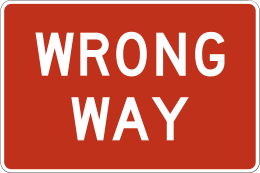
- Wrong Way
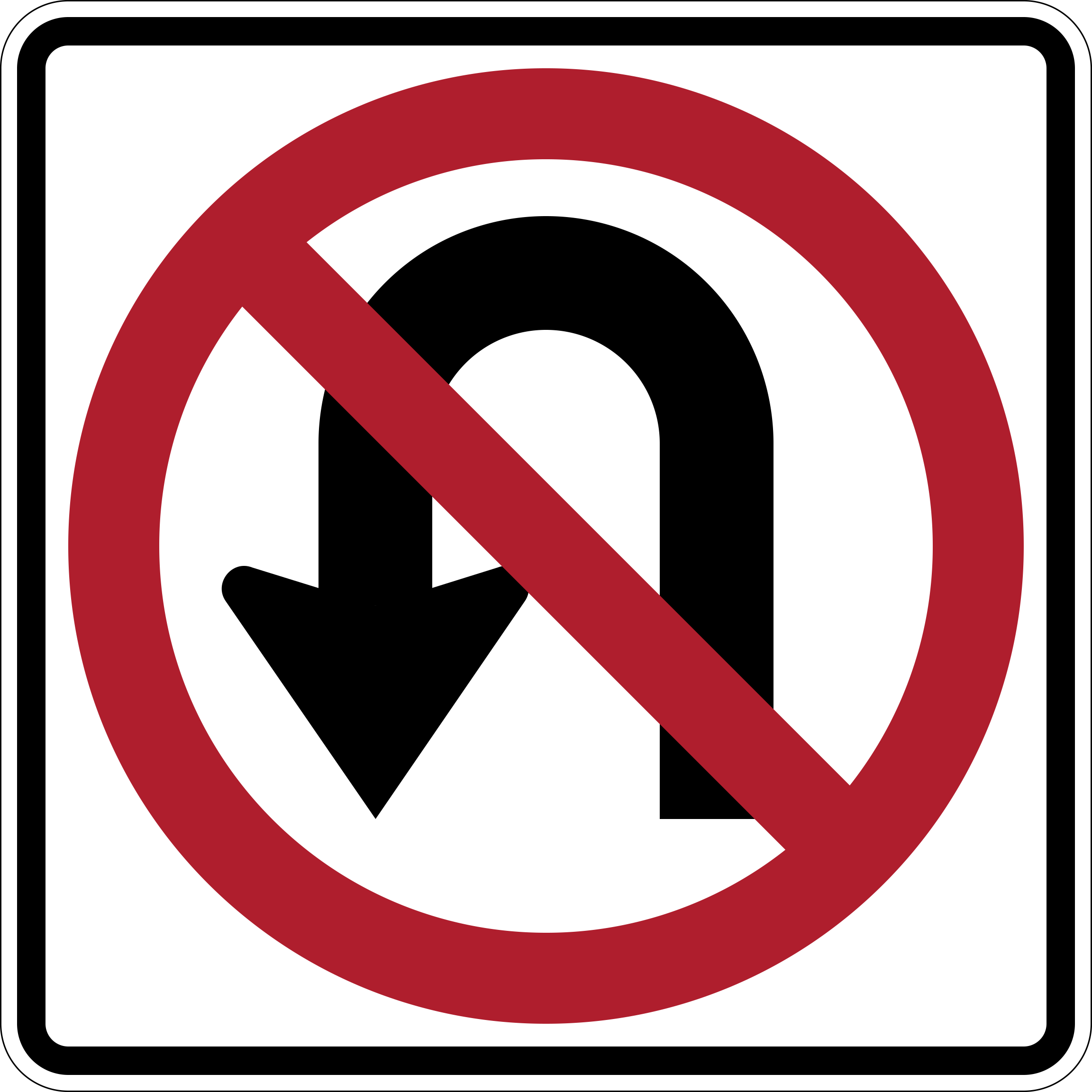
- No U-Turn
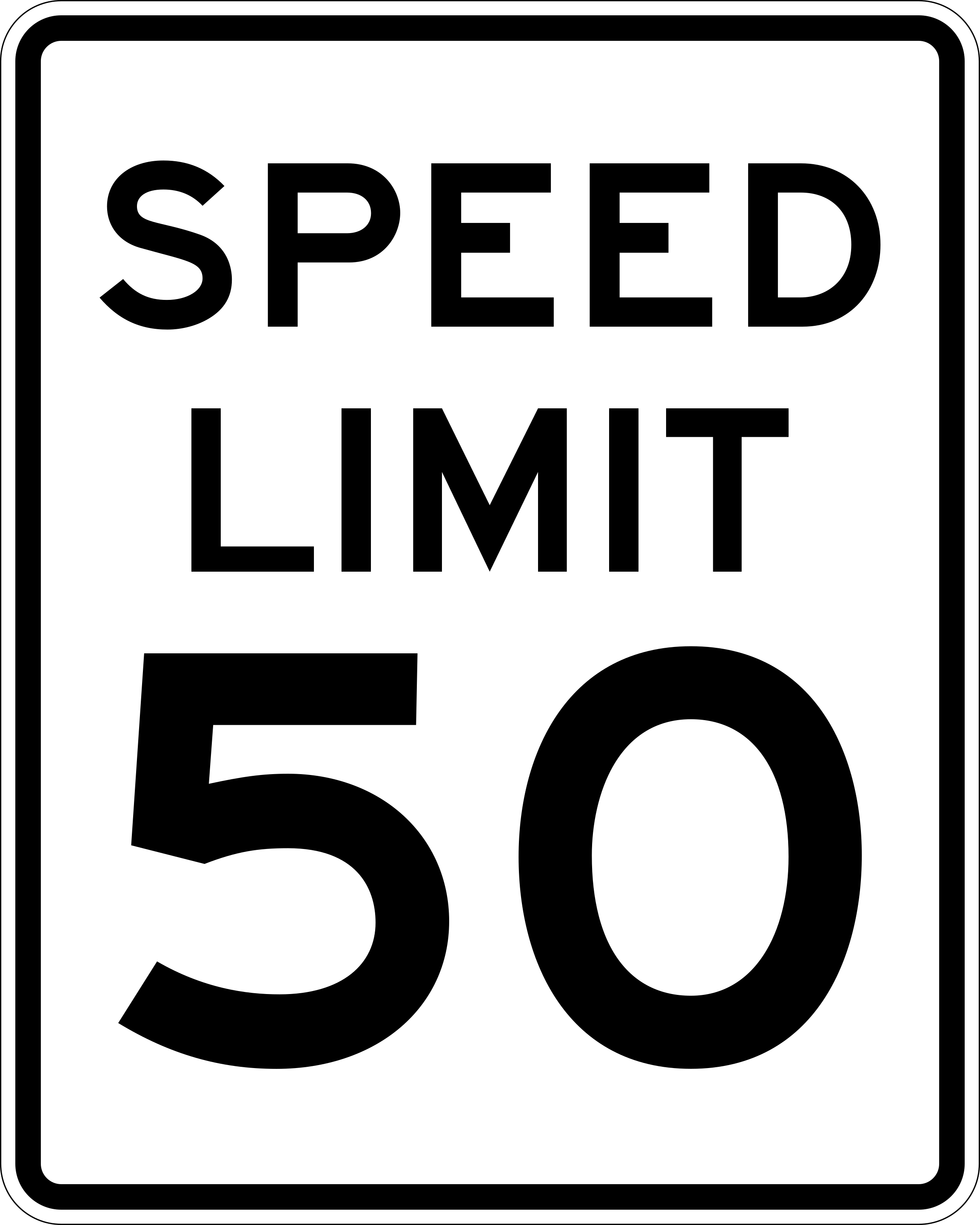
- Speed Limit
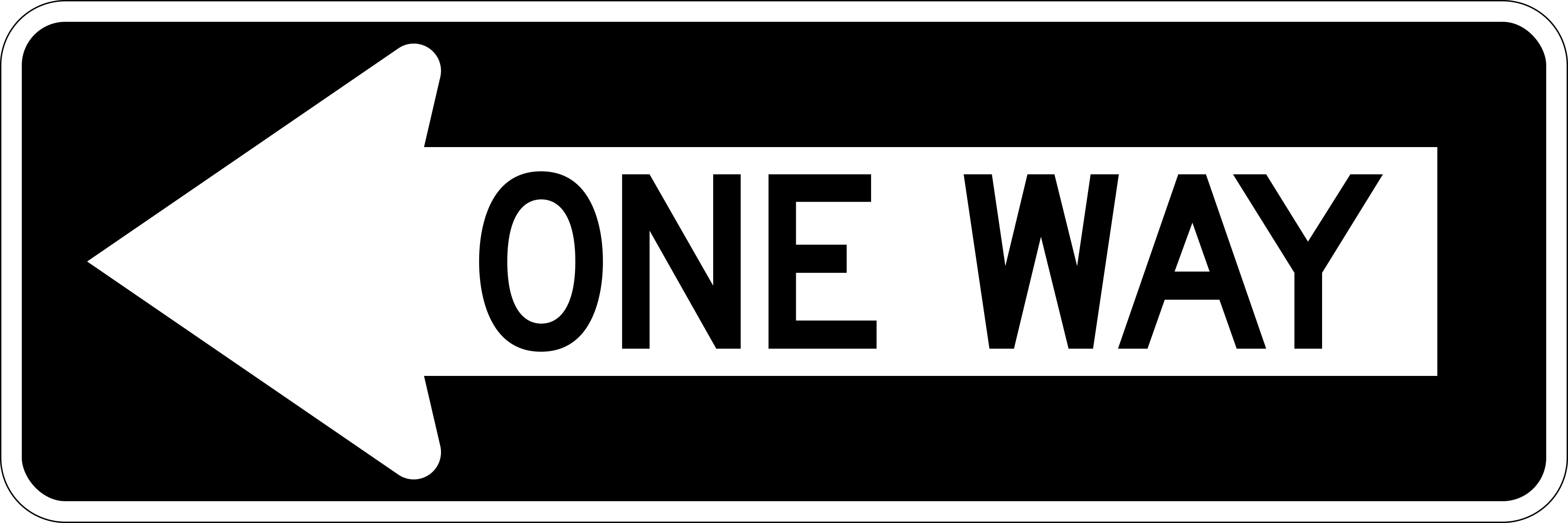
- One Way
- All Way
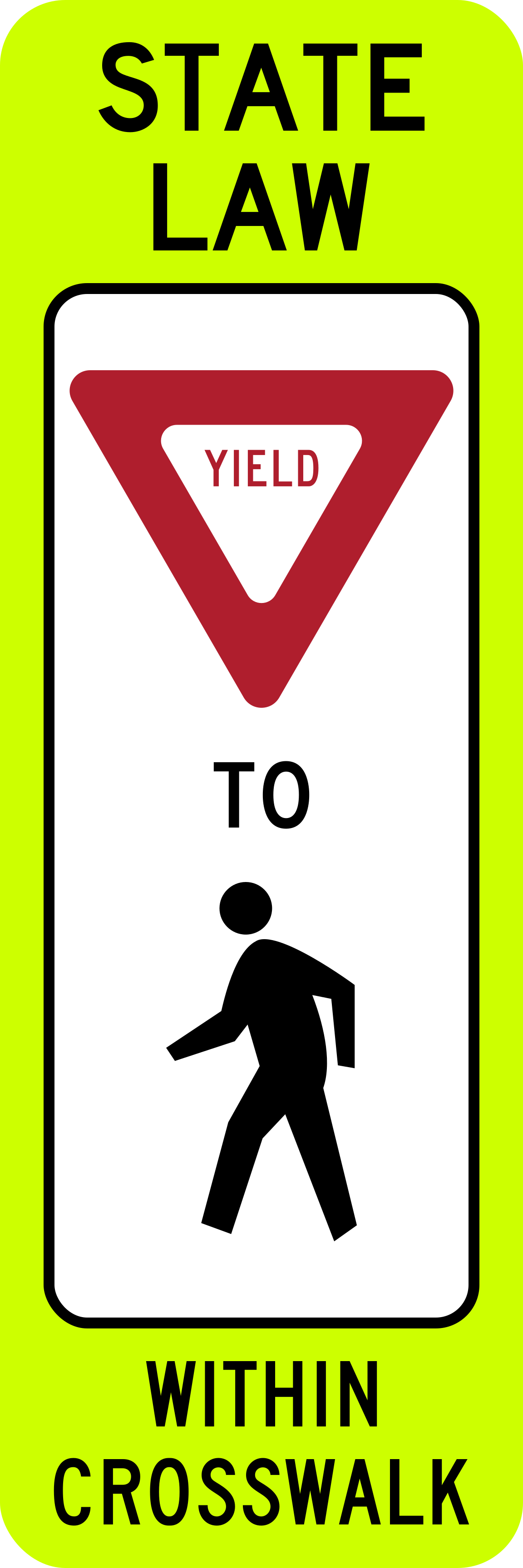
- State Law: Yield to Pedestrians
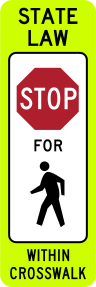
- State Law: Stop for Pedestrians
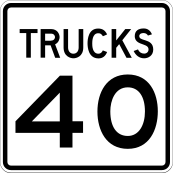
- Truck Speed Limit
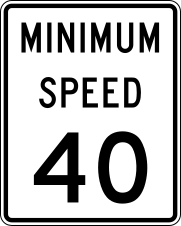
- Minimum Speed Limit
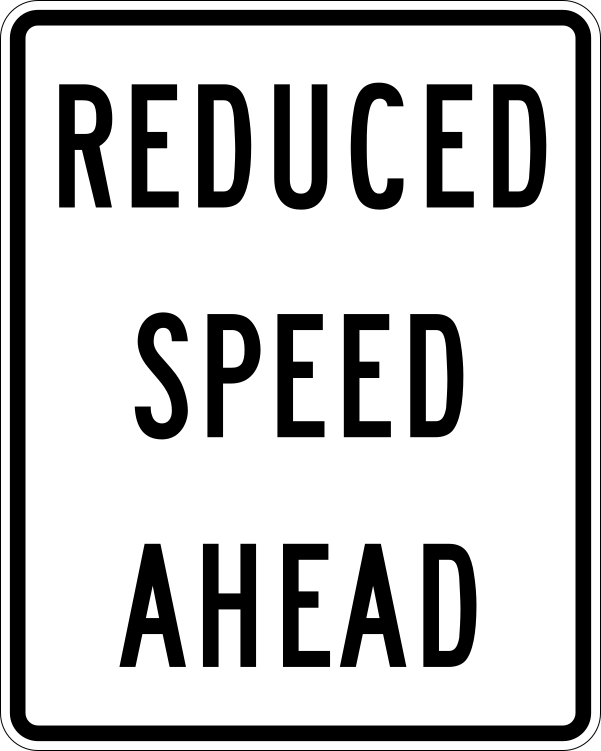
- Reduced Speed Limit Ahead
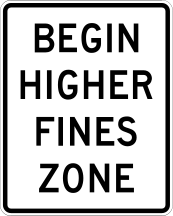
- Begin Higher Fines Zone
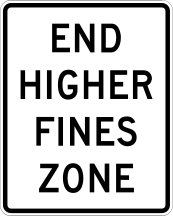
- End Higher Fines Zone
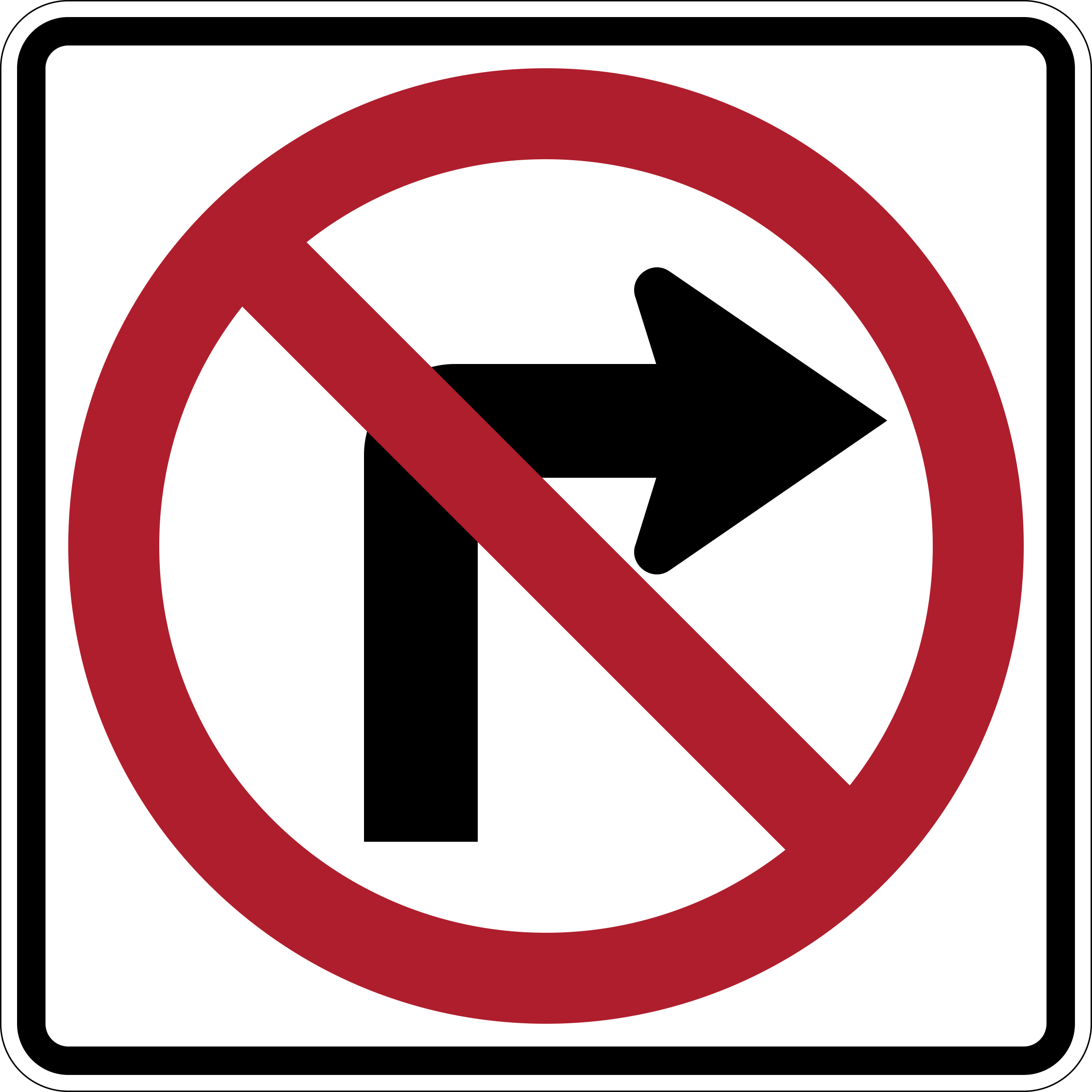
- No Right Turn
- No Left Turn
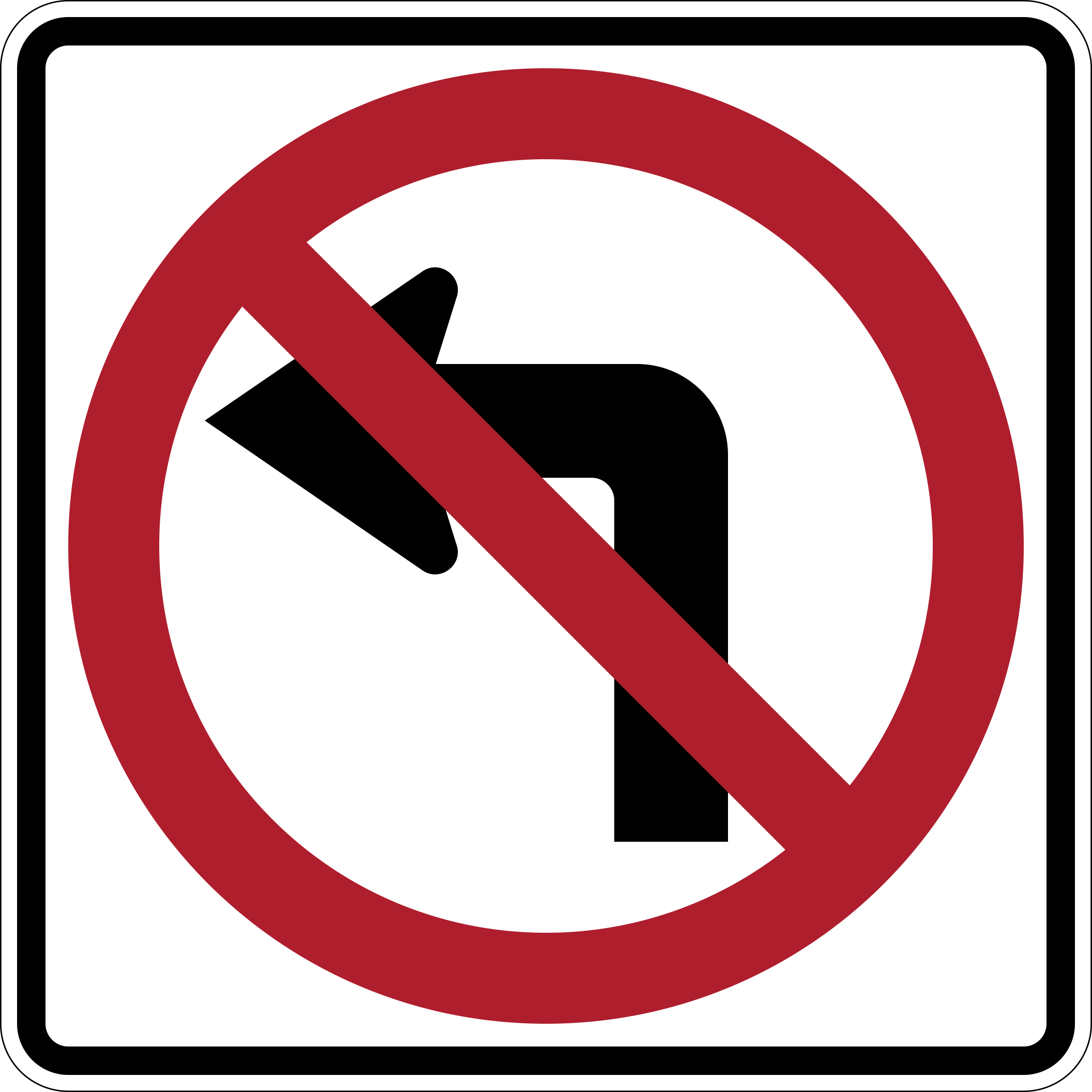
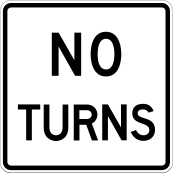
- No Turns
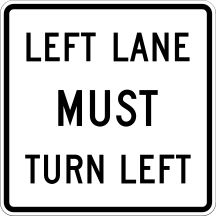
- Left Lane Must Turn Left
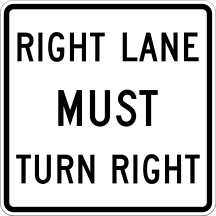
- Right Lane Must Turn Right
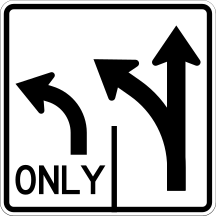
- Intersection Lane Control
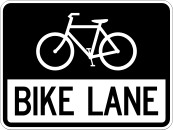
- Bike Lane
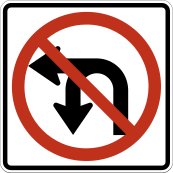
- No Left or U-Turn
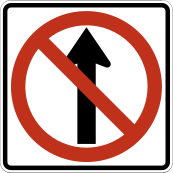
- No Straight Through
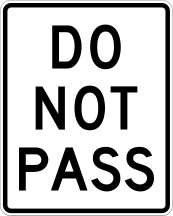
- Do Not Pass
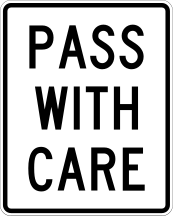
- Pass With Care
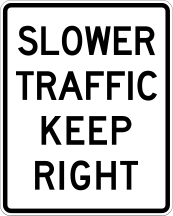
- Slower Traffic Keep Right
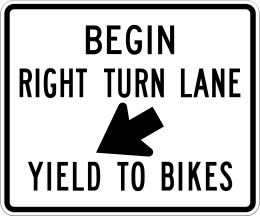
- Begin Right Turn Lane — Yield to Bikes
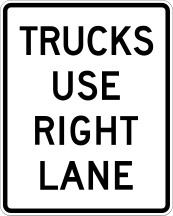
- Trucks Use Right Lane
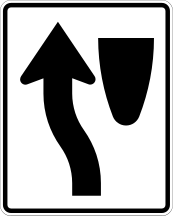
- Keep Right
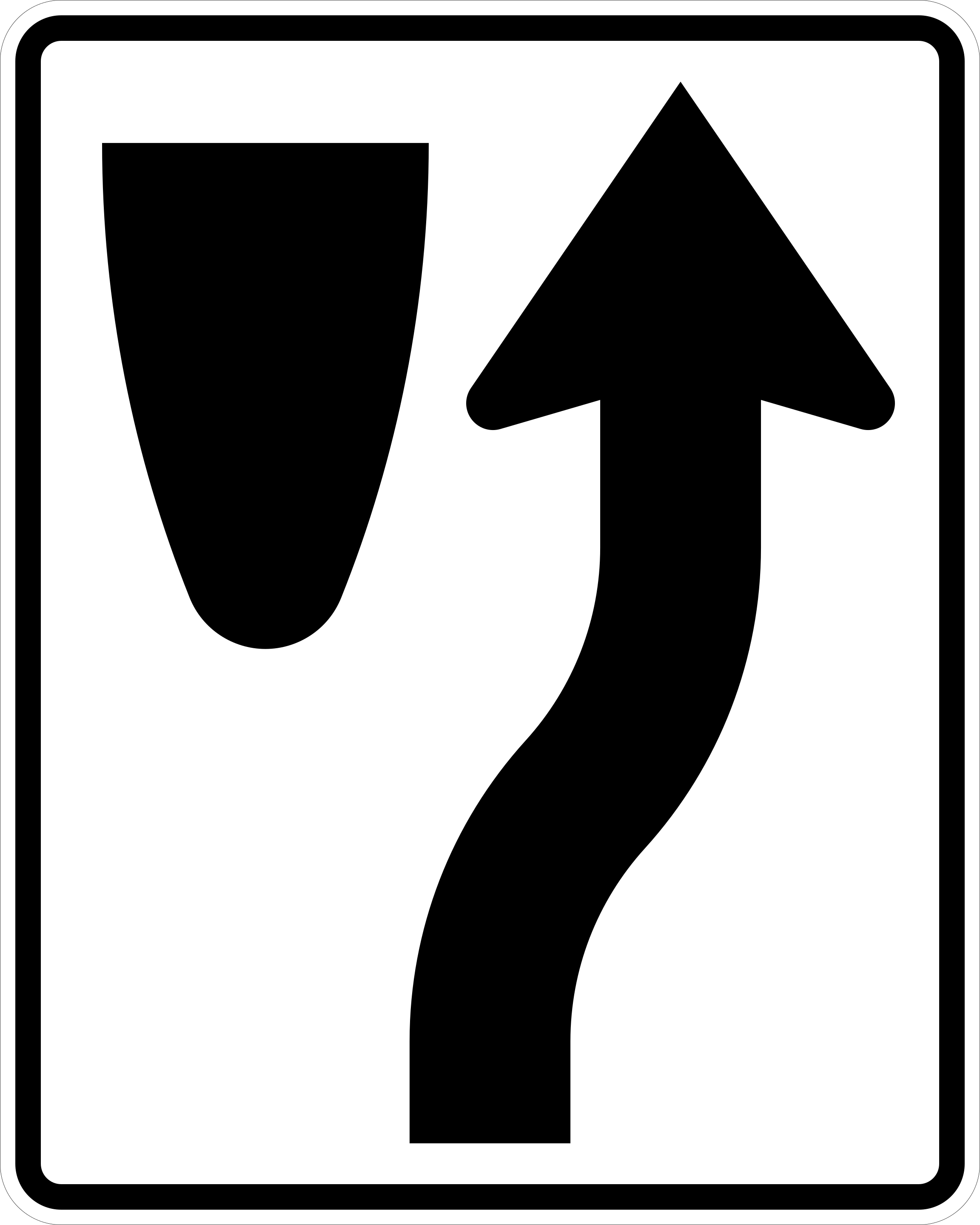
- Keep Left
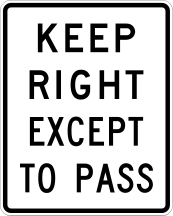
- Keep Right Except to Pass
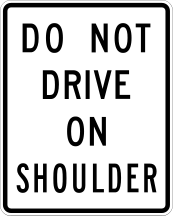
- Do Not Drive on Shoulder
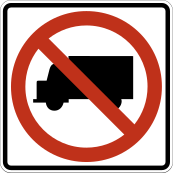
- No Trucks
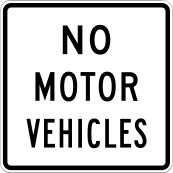
- No Motor Vehicles
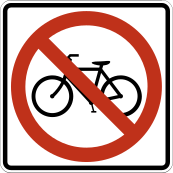
- No Bicycles
- No Pedestrians, Bicycles, or Motor-Driven Cycles
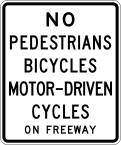
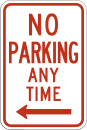
- No Parking Any Time
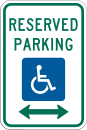
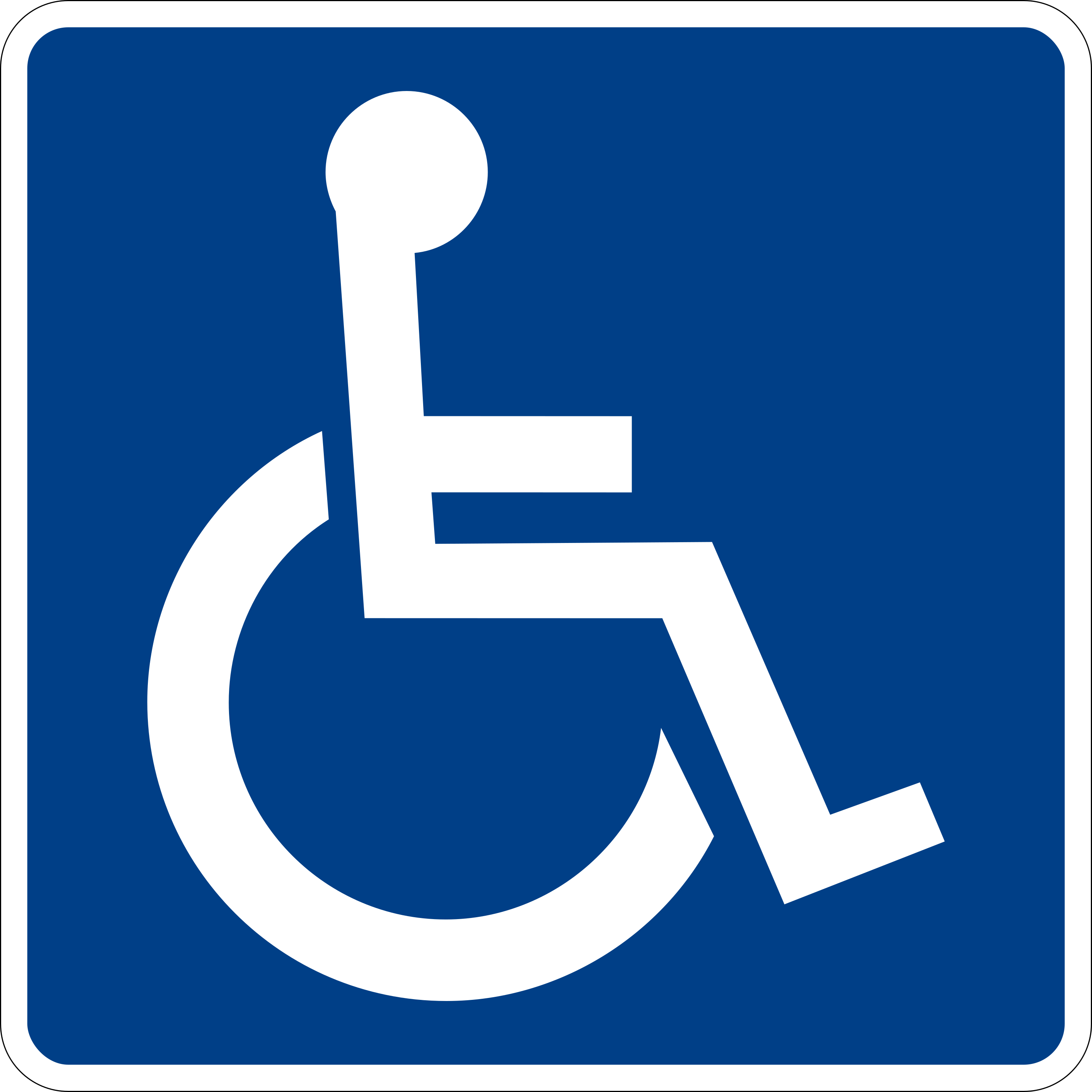
- Accessible Parking
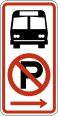
- No Parking Bus Stop
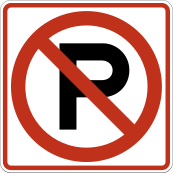
- No Parking
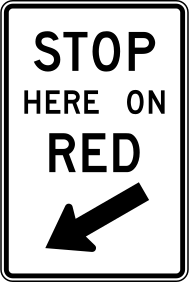
- Stop Here on Red
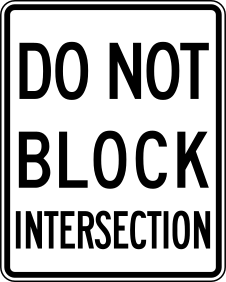
- Do Not Block Intersection
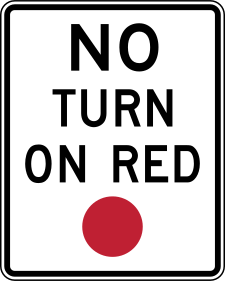
- No Turn on Red
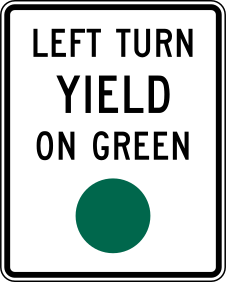
- Left Turn Yield on Green
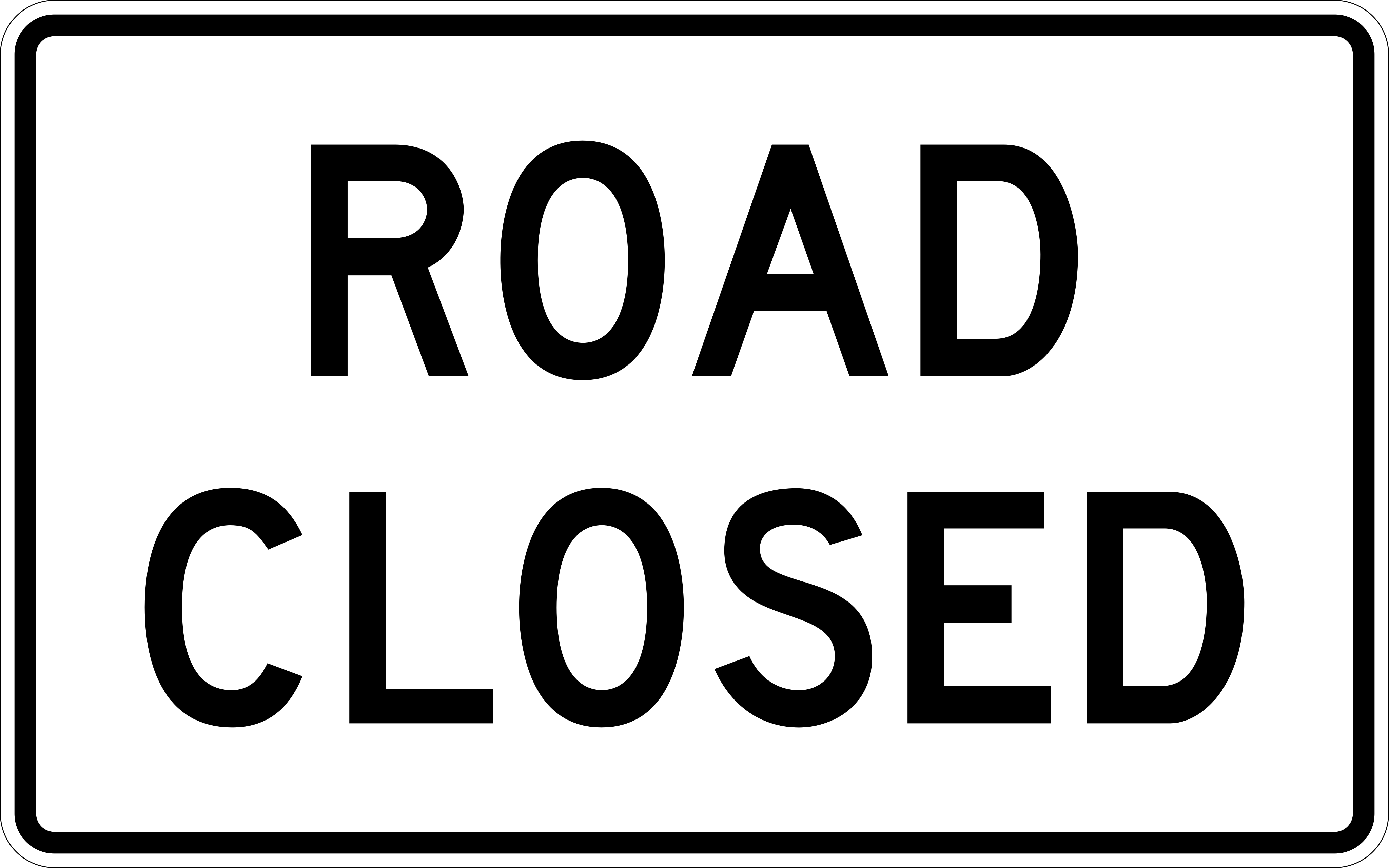
- Road Closed
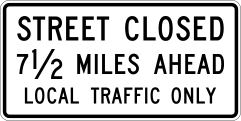
- Road Closed — Local Traffic Only
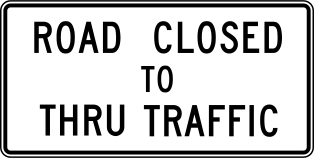
- Road Closed to Thru Traffic
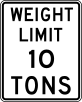
- Weight Limit
- No Hazardous Materials

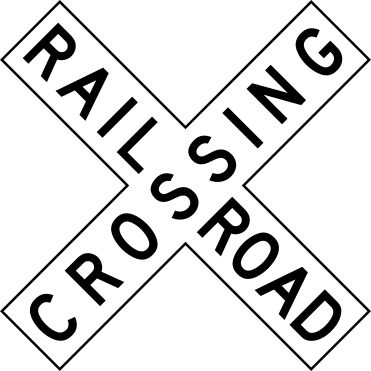
- Railroad Crossing (Crossbuck)
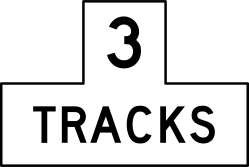
- Number of Tracks
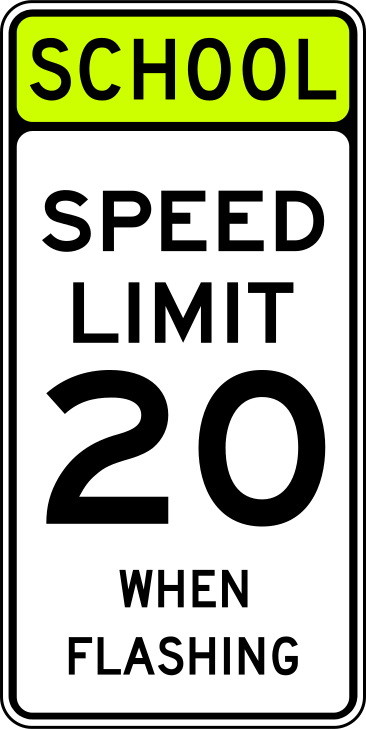
- School Speed Limit When Flashing
- HOV Lane
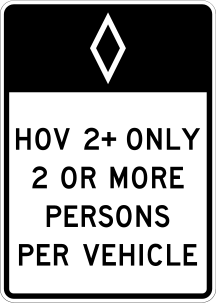
- Exempt

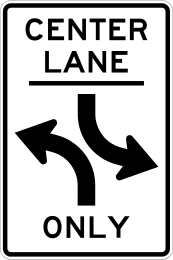
- Two-Way Left Turn Only
Warning signs
- Turn Ahead

- Stop Ahead

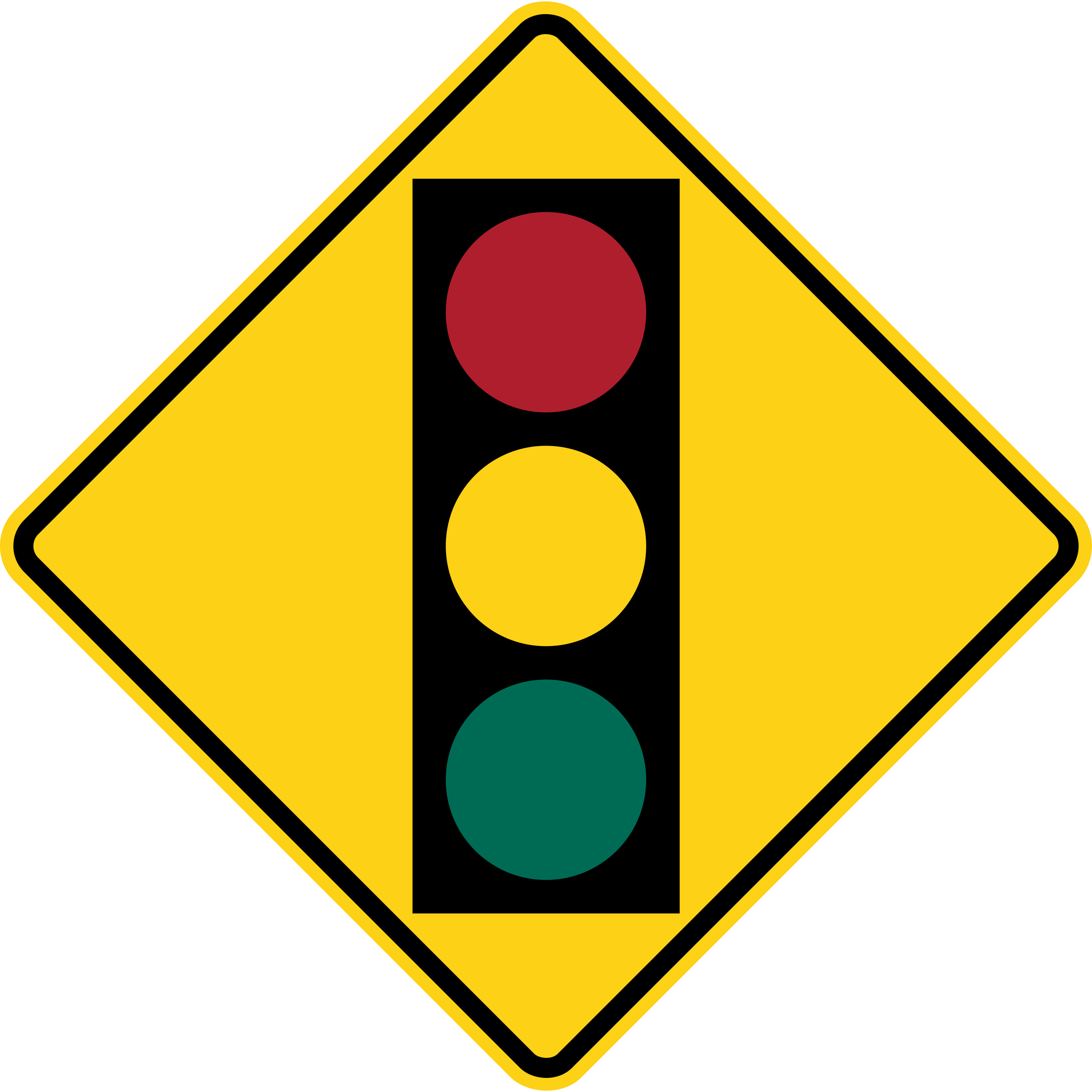
- Signal Ahead
- Pedestrian Crossing

- Curve

- Reverse Turn

- Reverse Curve

- Winding Road

- One-Direction Large Arrow

- Two-Direction Large Arrow

- Chevron Alignment

- Hairpin Curve

- Cross Road

- Side Road

- Roundabout Ahead

- Yield Ahead

- Be Prepared to Stop

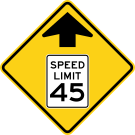
- Reduced Speed Limit Ahead
- Merging Traffic

- Lane Ends

- Added Lane

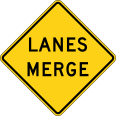
- Lanes Merge
- Road Narrows

- Narrow Bridge

- One Lane Bridge

- Ramp Narrows

- Divided Highway Begins

- Divided Highway Ends

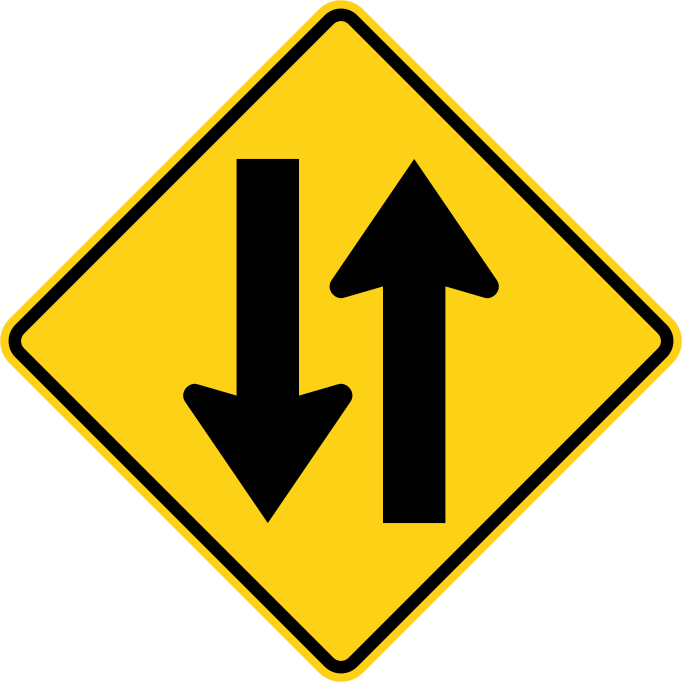
- Two-Way Traffic
- Hill / Steep Grade

- Bump

- Dip

- Pavement Ends

- Soft Shoulder

- Slippery When Wet

- Loose Gravel

- Rough Road

- Low Shoulder

- Uneven Lanes

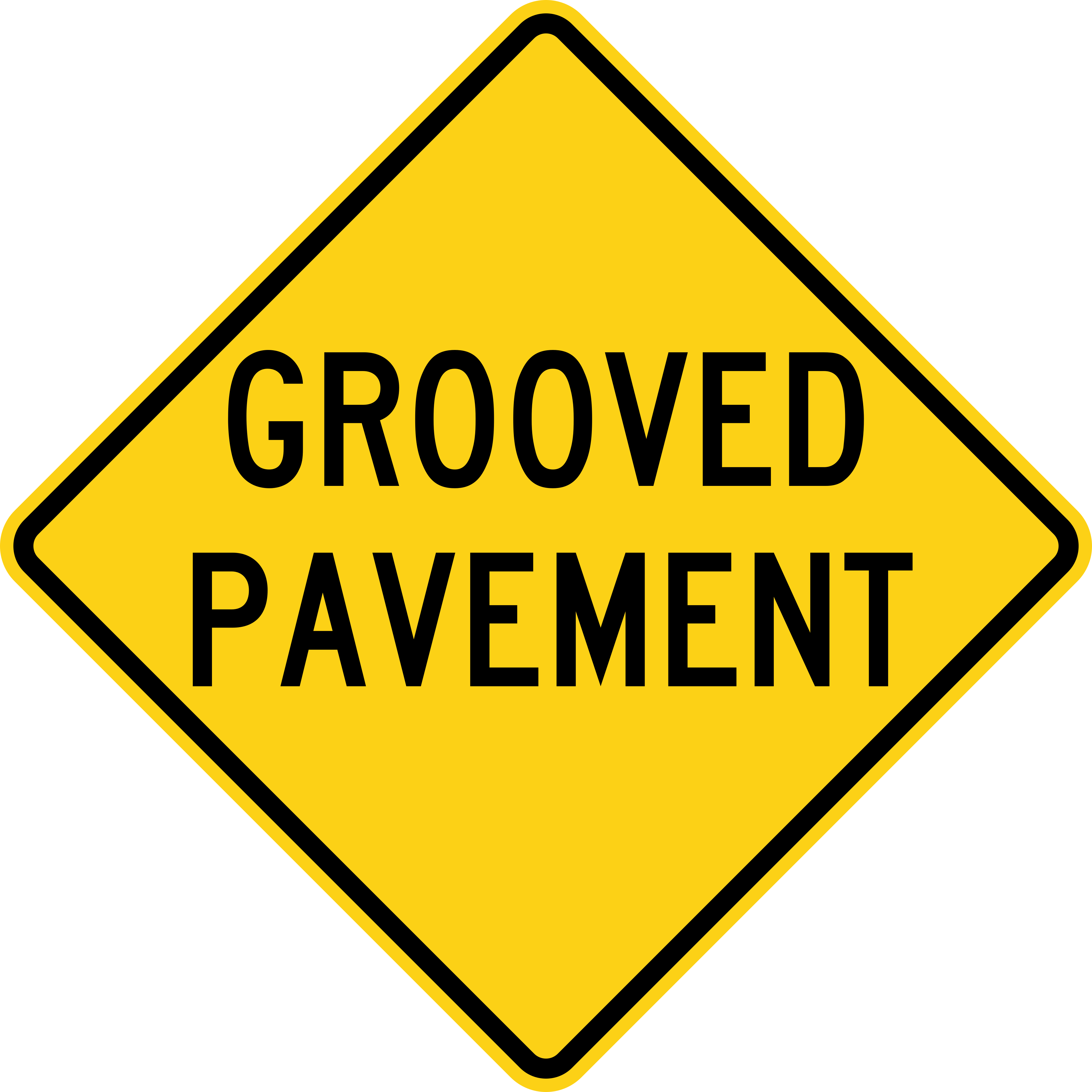
- Grooved Pavement
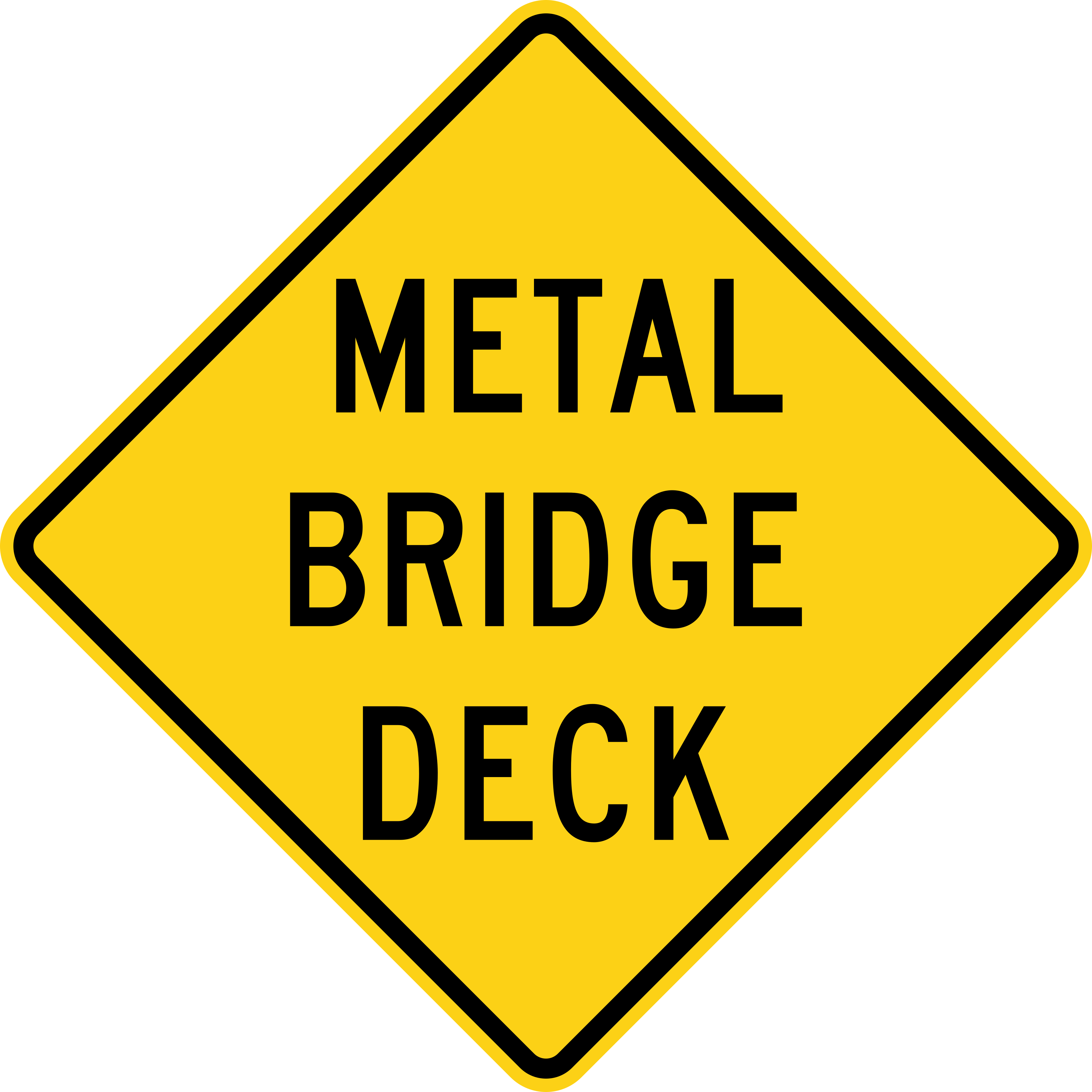
- Metal Bridge Deck
- Railroad Crossing Ahead

- Bicycle Crossing

- Deer Crossing

- Cattle Crossing

- Farm Machinery

- Snowmobile Crossing

- Equestrian Crossing

- Persons with Disabilities

- Golf Cart Crossing

- Horse-Drawn Vehicle Crossing

- Low Clearance

- Advisory Speed

- Dead End

- No Outlet

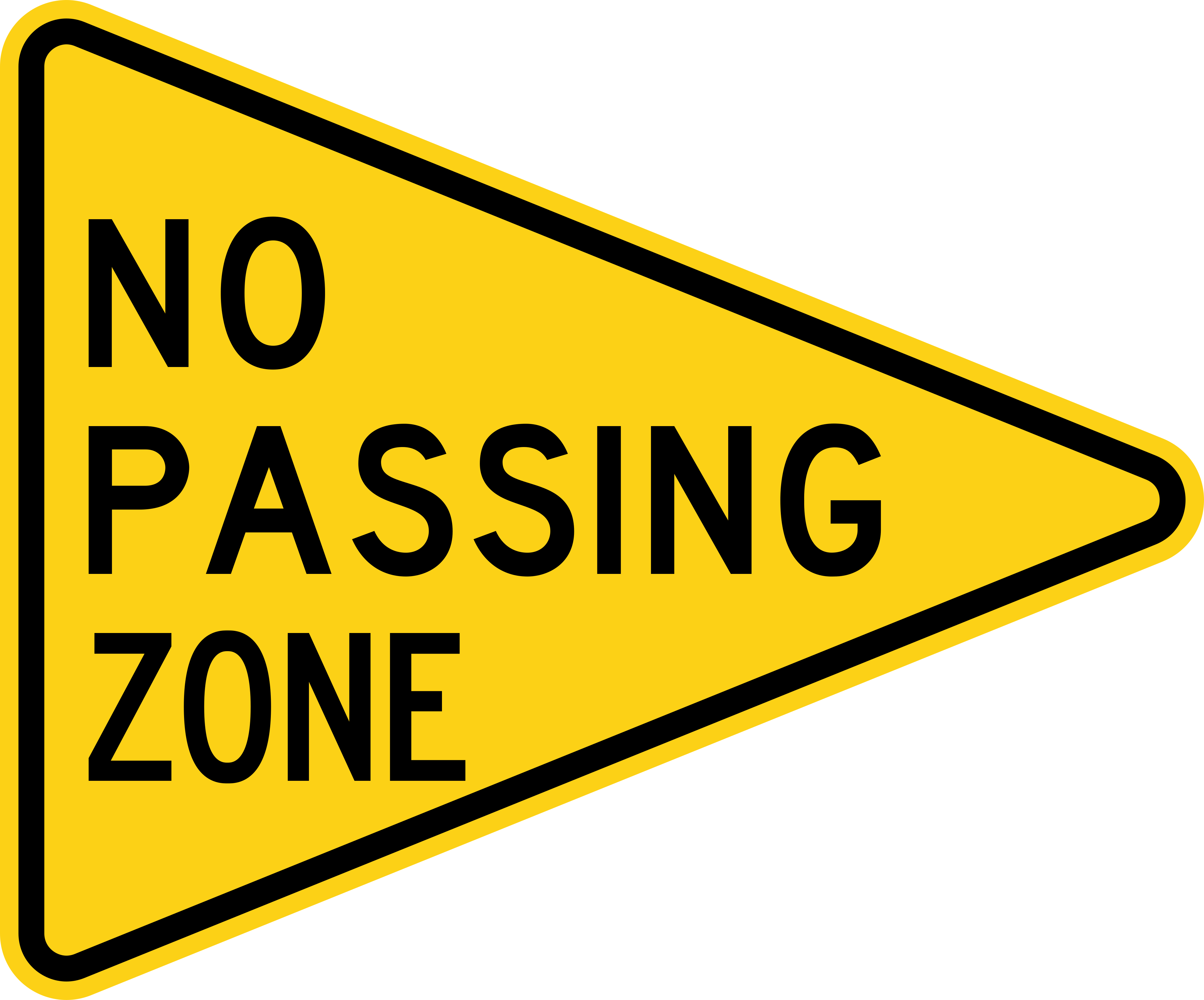
- No Passing Zone
- Playground

- Speed Hump

- School

- Truck Rollover

- Bridge Ices Before Road

- Road May Flood

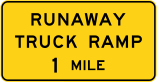
- Runaway Truck Ramp
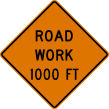
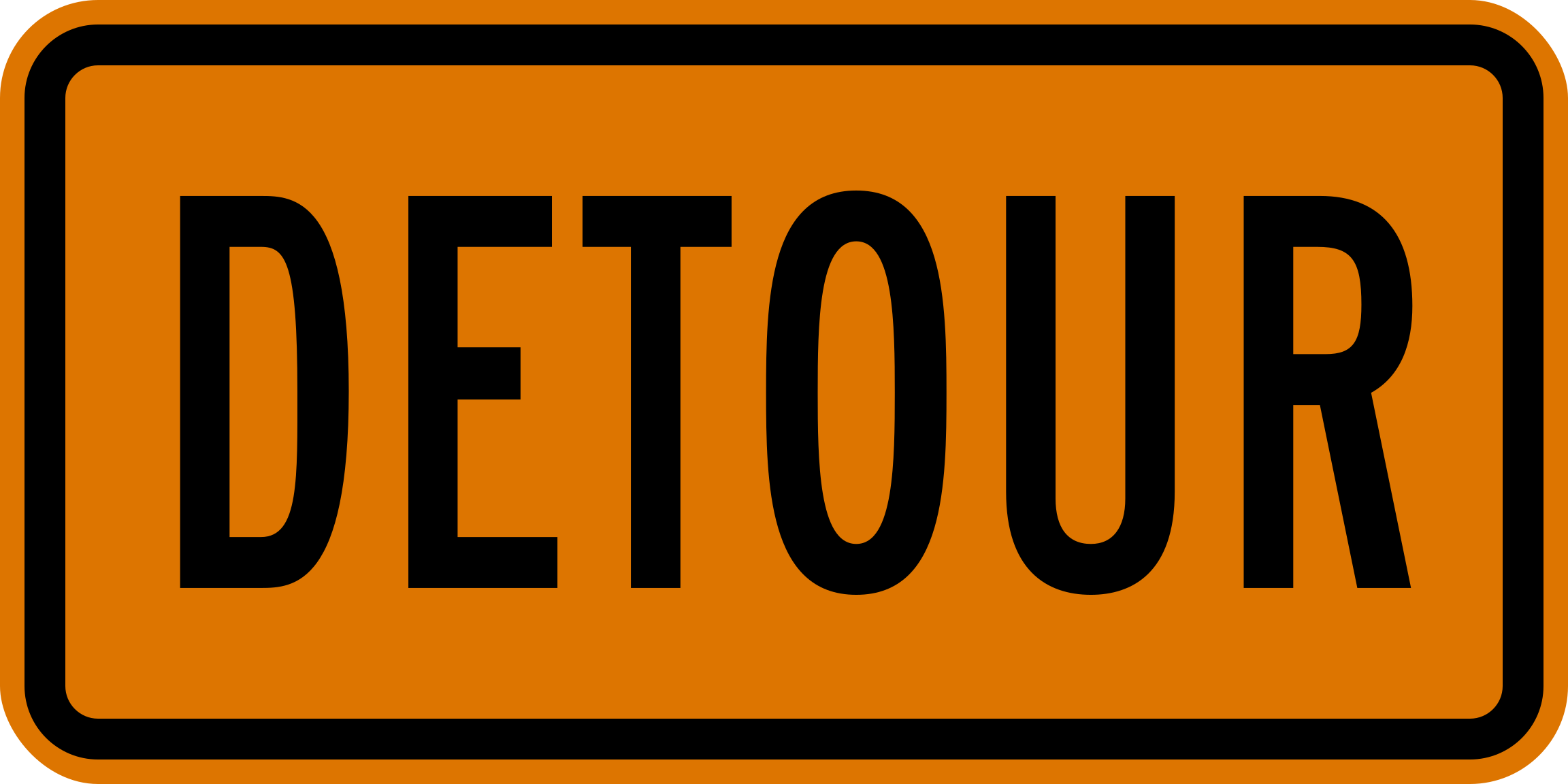
Construction & work-zone signs


Guide signs


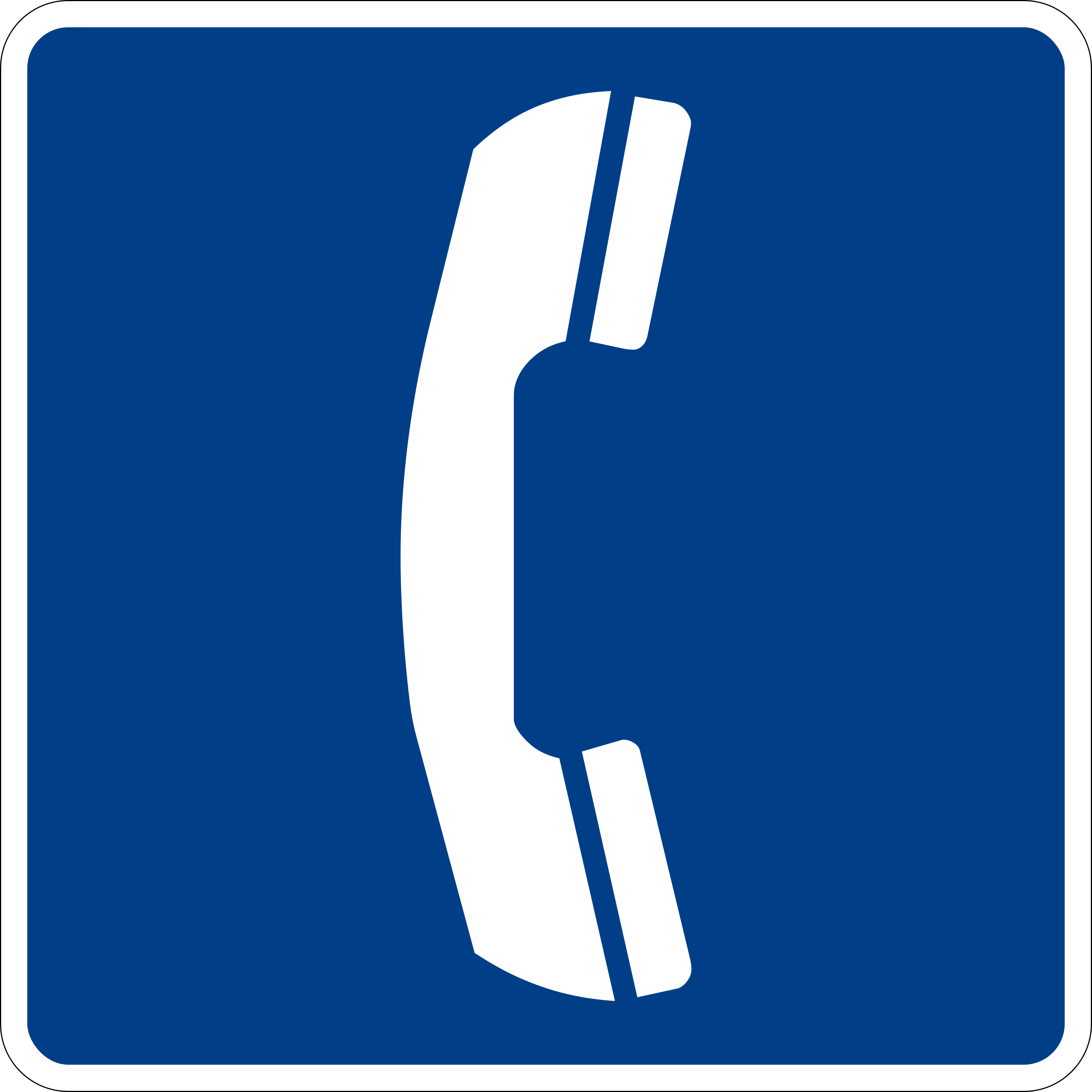
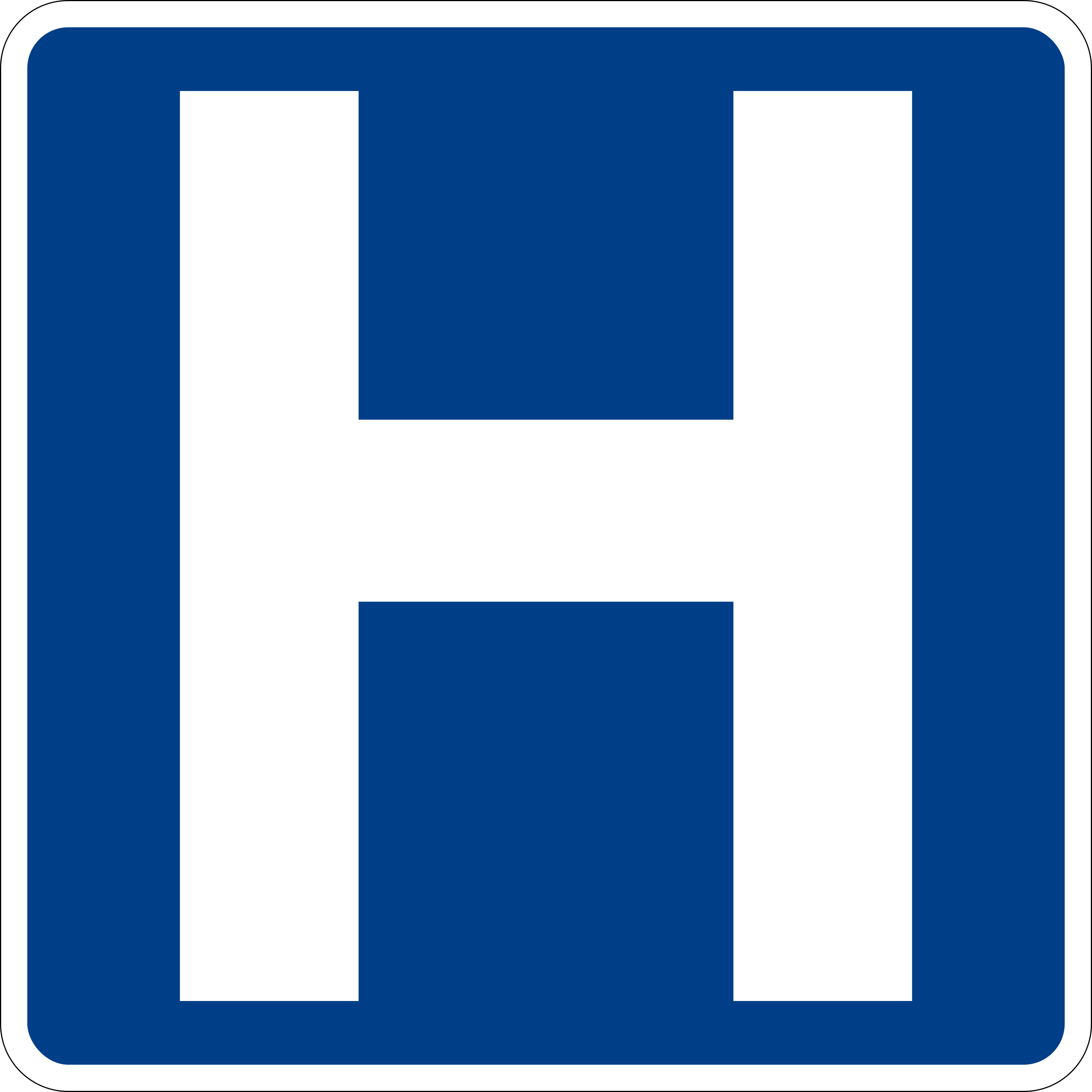
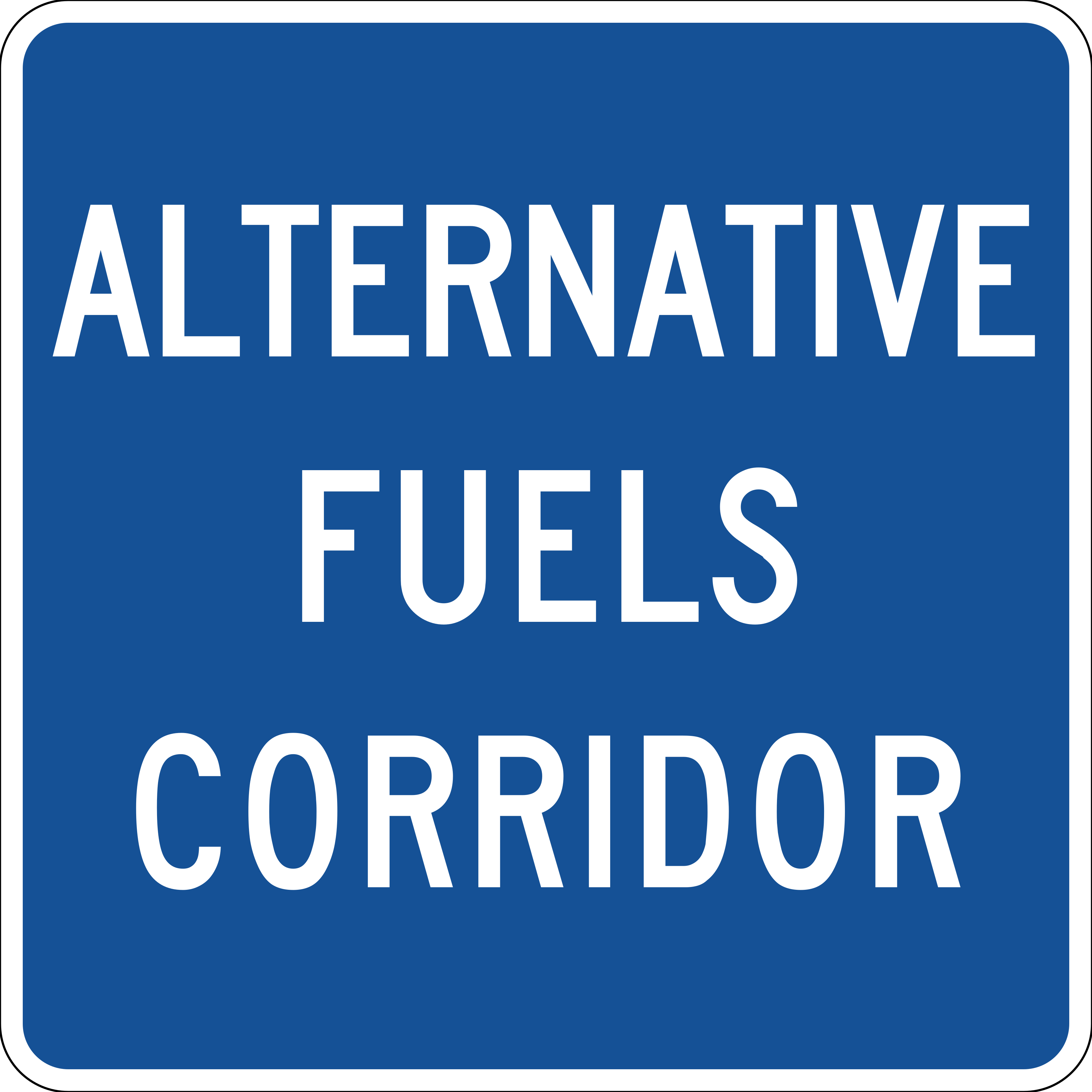
Service & information signs



Montana road signs: frequently asked questions
How many of Montana's written-test questions show you a road sign?
Montana publishes no answer to that, and it is better to know that than to be given a confident guess. Neither the Montana Driver Manual nor mvdmt.gov states a total for the written exam, a passing mark, or any breakdown by subject, so there is no published fraction to quote and no share of the score set aside for signs. What is on the record is a requirement with no size attached to it: state law says the examination must include a knowledge test examining the applicant's ability to read and understand highway signs, alongside the traffic laws of the state. Read that as the useful part. Sign knowledge is required by statute; how much of it reaches your particular screen is simply not something Montana has told anyone.
Why does Montana's Department of Justice give the driver license test?
Because that is where licensing lives in this state. The Motor Vehicle Division is a division of the Montana Department of Justice, its Driver Services Bureau is the office you must notify within ten days of any change of address, and appointments are booked through a dojmt.gov address rather than a transportation-department one. The manual's opening letter is signed by the Attorney General. In day-to-day terms this changes one thing you should plan around: every Montana driver license station requires a scheduled appointment, and the Division's instructions for teen applicants add that when you book, you should say specifically that you are coming in for a regular written exam.
Can Montana's written test be waived?
Two waivers are written into the statute, and a third route avoids the test rather than waiving it. Section 61-5-110, MCA, lets the department accept certification from a certified cooperative driver testing program — which the same section defines as a state-approved high school traffic education course whose endorsed instructor administers the standardized tests and certifies the results — or honor a driver's license reciprocity agreement with a foreign country. The Division lists active agreements with Taiwan and the Republic of Korea, under which a valid license may be transferred "without the requirement of knowledge or skills testing." The third route is for new residents: an applicant surrendering an out-of-state license that is valid, or expired less than a year, takes a vision examination and pays the fees. The Division asks you to begin within sixty days of moving and to bring the physical license, since that document is what keeps testing off the table.
Does renewing a Montana license mean sitting the written test again?
Normally no. A standard Montana driver license now runs twelve years, or eight with REAL ID, and you may renew up to six months before it expires. A renewal completed within one year after expiration is done without retesting; what it does require is a personal appearance at an exam station, the proper identification, the fee, a vision test and a new photo. Two things change that. Let the license sit expired for more than a year and you reapply as a new driver, which means passing all applicable licensing tests again. And the manual reserves a discretion in between: applicants who may lack the functional ability to operate a motor vehicle safely on the highway may be required to complete written and road tests.
Which parts of Montana's signs chapter deserve the most attention?
Start with the quiz Montana wrote for that chapter, since it is the closest the state comes to showing its hand. Seven questions close the chapter and six of them put an illustration in front of the reader and ask what it means: stop ahead, a school warning, a curve sequence, a narrow bridge, road work, loose gravel. After that, learn the colors and shapes before the wording, which is the chapter's own argument — the outline survives fog, dirt and distance that the lettering does not. Then read the two doubled-penalty rules, which are Montana law rather than sign trivia. Fines double in work zones, where no standard speed limit exists and whichever authority set up the zone posts its own; and fines are doubled in every school zone in the state, where the posted limit can be as low as 15 mph. The chapter also warns that ignoring, removing or striking a traffic control device in a construction zone is charged the way reckless driving is.
Official sources
- Montana Driver Manual (Montana Department of Justice, Motor Vehicle Division)
- Montana MVD — New Drivers 18+ (what the written test requires)
- Montana MVD — Getting a Montana Driver License (reciprocity agreements)
- Montana MVD — Drivers Under 18 (booking the written exam)
- Montana MVD — Drivers New to Montana (transferring a license)
- 61-5-110, MCA — examination of applicants; cooperative driver testing programs
Checked against official state sources on 2026-08-29.