Florida Road Signs and Their Meanings
Florida does not have a chapter about road signs. Chapter 6 of the Official Florida Driver License Handbook is called Traffic Controls, and it gathers pavement markings, signs, signals and a handful of specialized devices under that one heading. The Class E Knowledge Exam is built on the same idea. FLHSMV describes it as 50 multiple-choice questions about Florida traffic laws, safe driving practices, and identifying traffic controls — the third of those being where signs live. You have 60 minutes for the 50, a little over a minute apiece, and 40 have to be right.
Florida sets no floor a candidate has to clear on the sign questions specifically, and publishes no figure for how many of the 50 there are. What Florida does publish, as a numbered list, is what the examination exists to establish — and road signs open it. The stated purpose of the driver license examination is to determine that you can understand road signs, traffic signals and markings; that you know Florida driving laws; that you meet the minimum vision standards; that you have the knowledge, skills and experience to drive safely; and that you have no physical or mental condition that would affect your ability to drive safely. That is a statement of priority rather than a scoring rule, and it is worth reading as one: Florida is not promising signs will be a fixed share of your 50 questions, it is saying that recognizing them is the first thing the whole examination is checking.
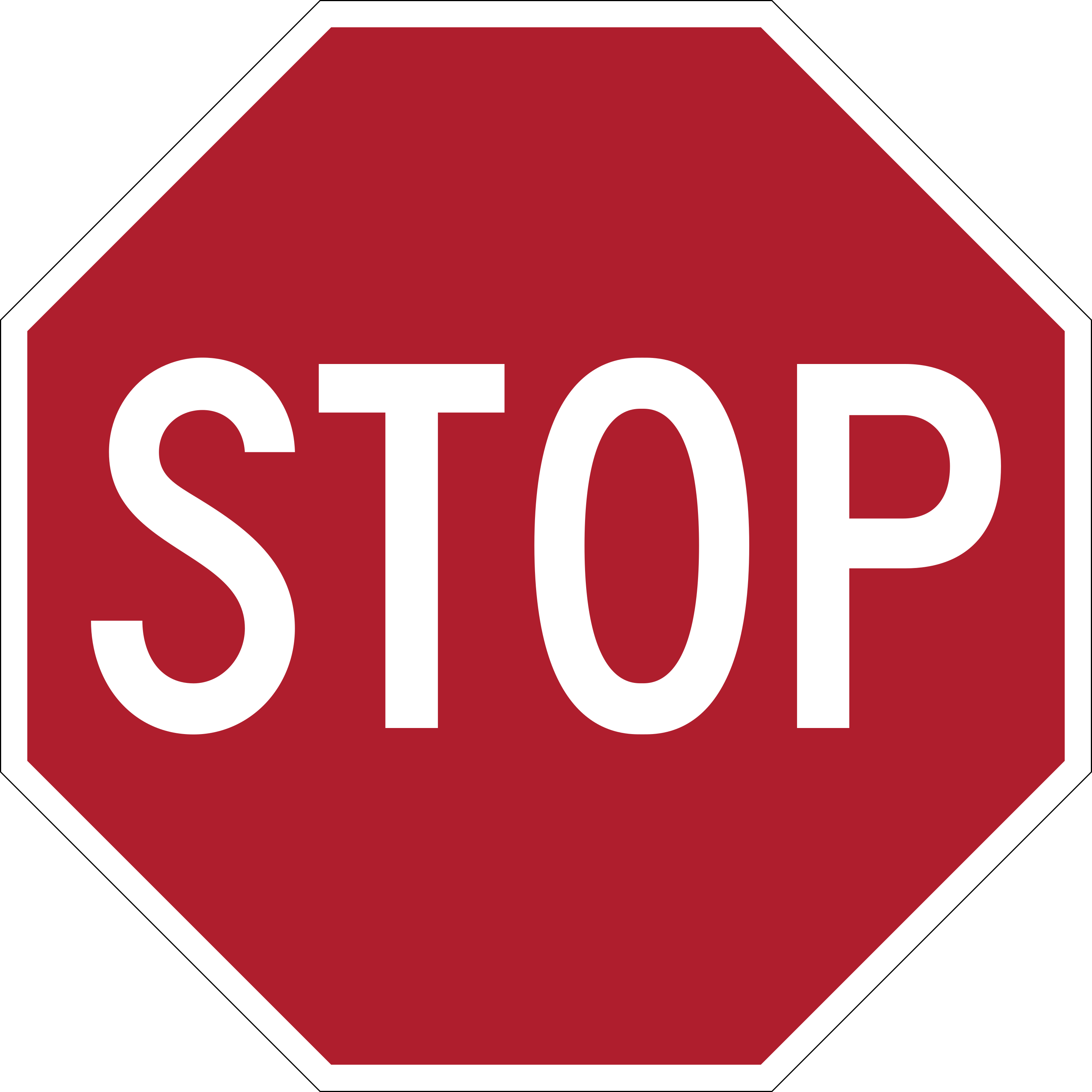
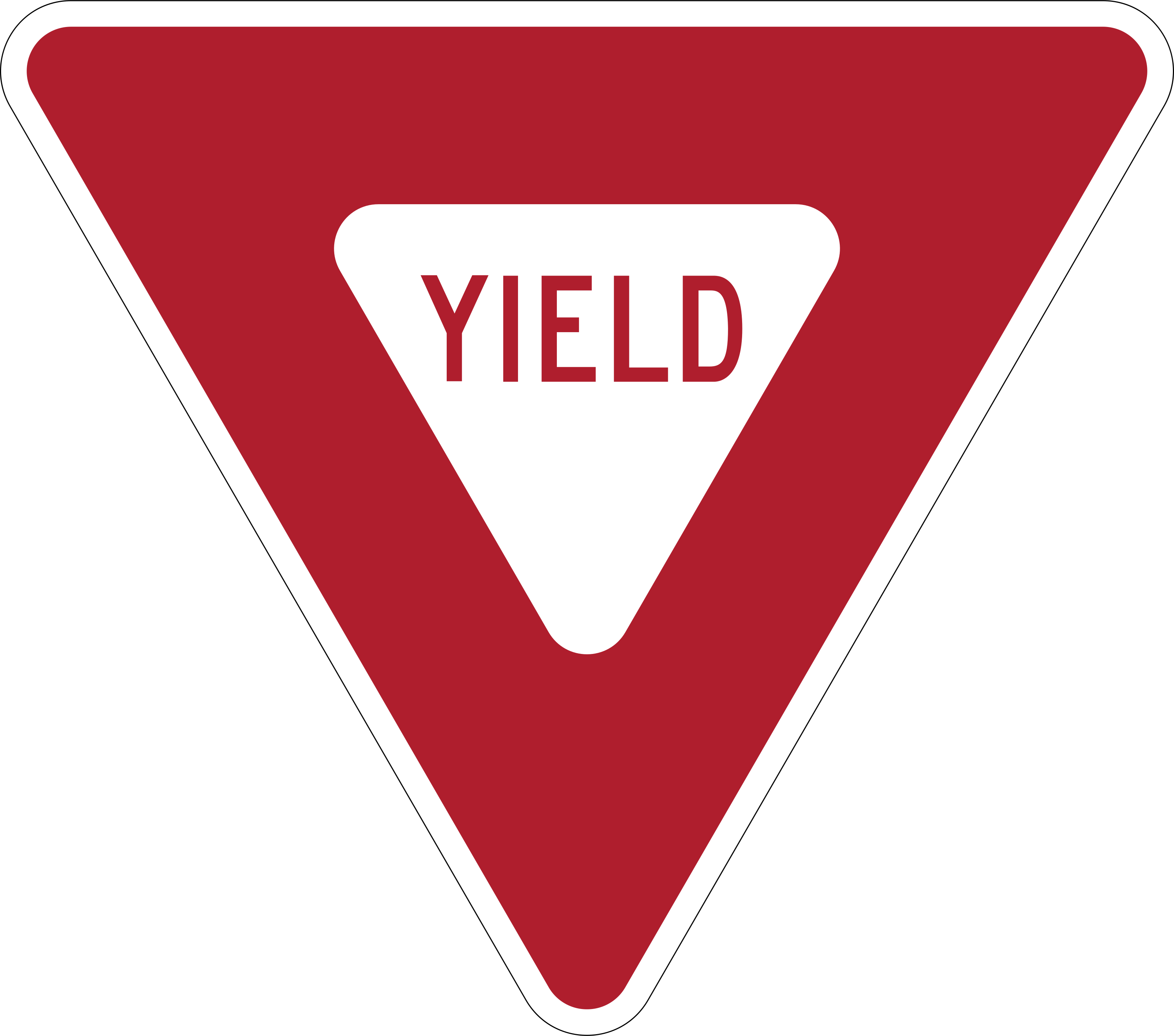
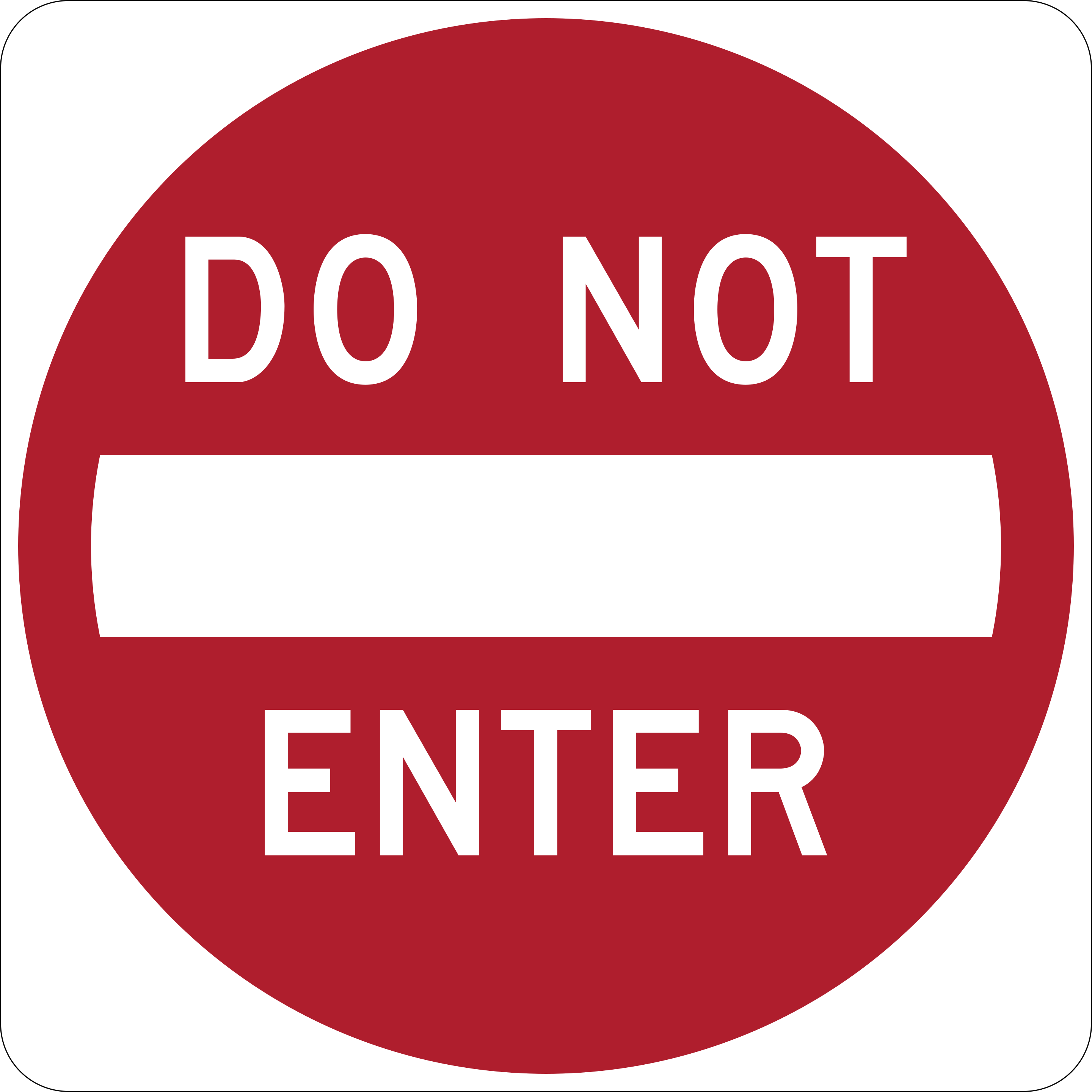
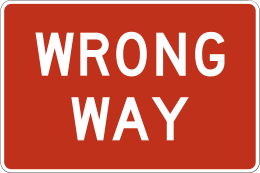
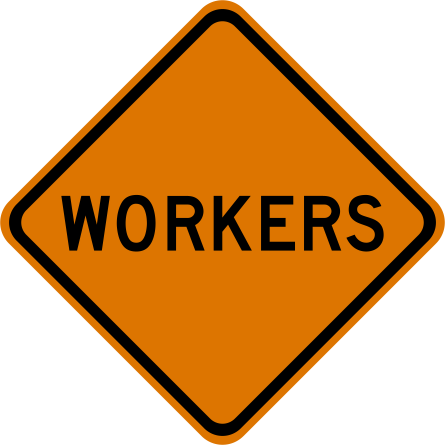
Chapter 6 begins on page 43 with pavement markings, reaches Traffic Signs on page 46, traffic signals on page 51, and then a run of specialized signs and signals from page 54: construction and maintenance, drawbridges, pedestrian signals, railroad crossings on page 56, and school zones on page 57. The handbook is published by the Florida Department of Highway Safety and Motor Vehicles, and the sign section opens with the color key — red for stop, do not enter, wrong way and yield; orange for construction and maintenance warning; yellow for general warning and advisories about unexpected road conditions; fluorescent yellow-green for high-emphasis warning of school, pedestrian and bicycling activity; white and black for regulatory; green for guidance; blue for driver guidance and disabled parking; brown for recreation, cultural and historical sites. Every published Florida sign question here cites that chapter, either by its umbrella Traffic Signs heading or by the specific sign family it came from.
One thing this set does not currently ask about is drawbridges — a category that only earns a section in a state with this much navigable water, and Florida gives it one. Read it anyway. The devices there behave unlike anything else in the sign chapter: the lights there report what the bridge itself is doing rather than what to expect from other traffic, the gates carry their own stopping rule, and driving around or under a gate is a specific offense rather than a judgment call. Nothing in this bank will test you on any of it, which is the reason for flagging the gap here rather than leaving you to find it on a bridge.
32 published Florida road-sign questions, each with an explanation and a citation to the handbook section it came from.
Content reviewed against official driver handbooks · August 12, 2026
Every sign you can be tested on in Florida
Regulatory signs
- Stop
- Yield
- Do Not Enter
- Wrong Way
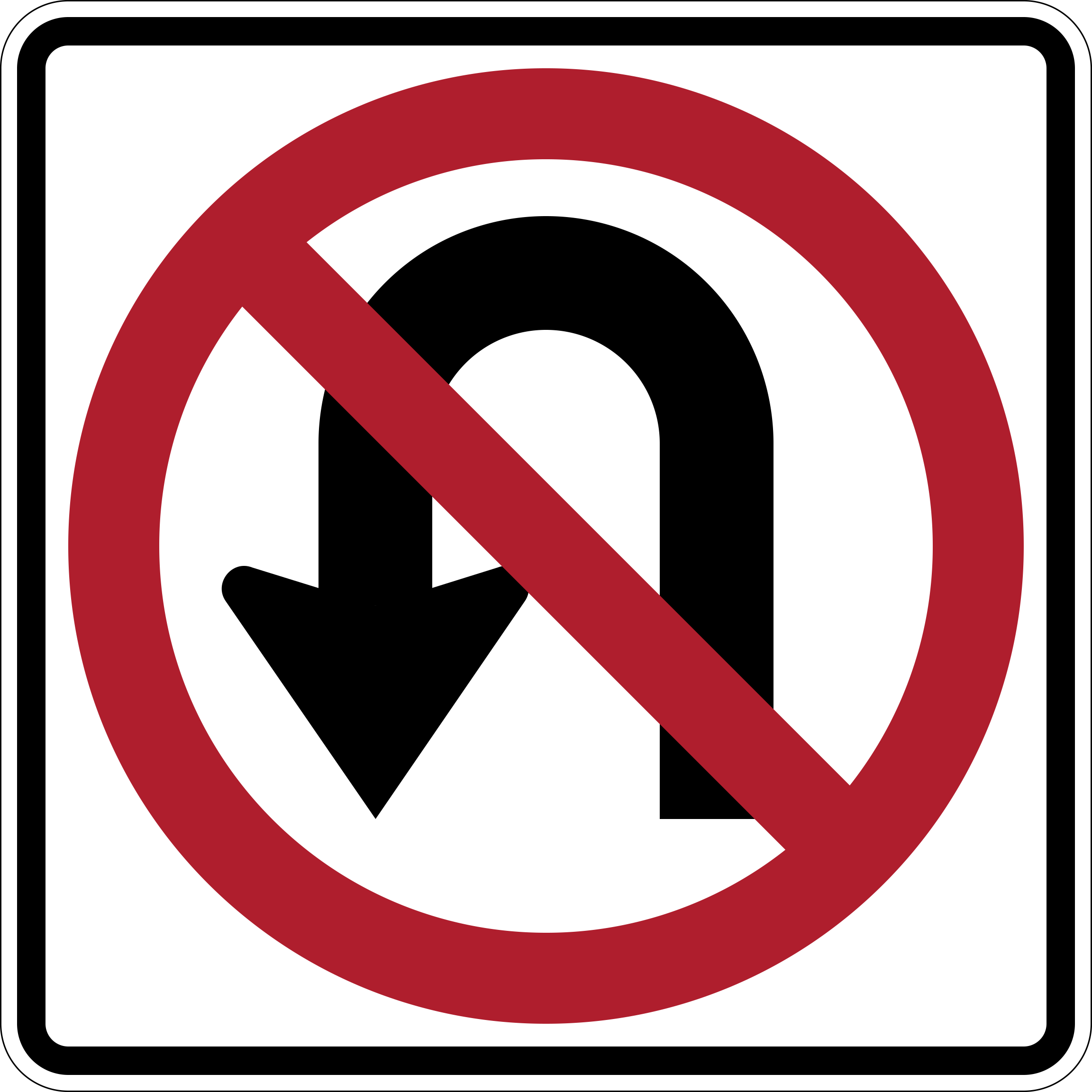
- No U-Turn
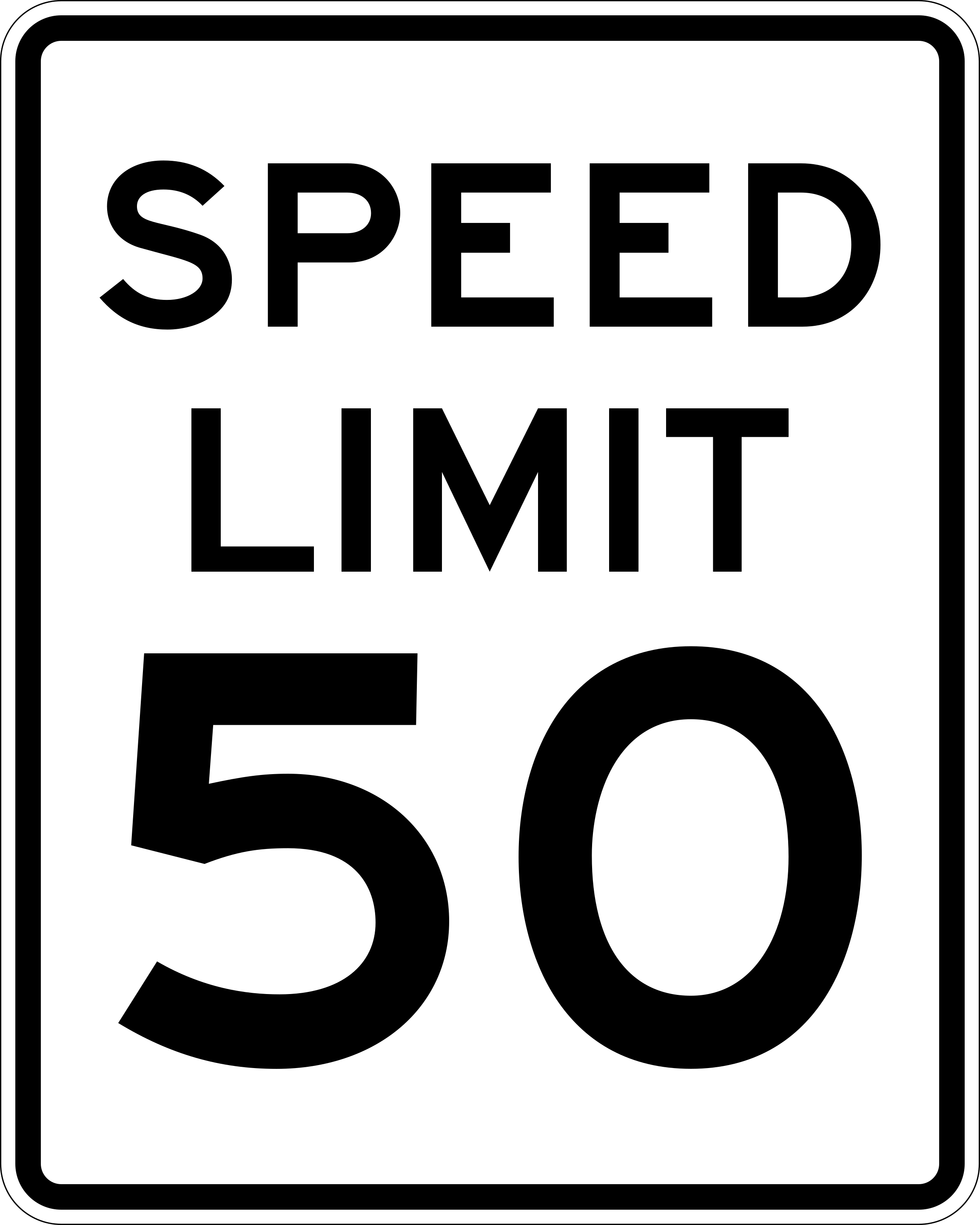
- Speed Limit
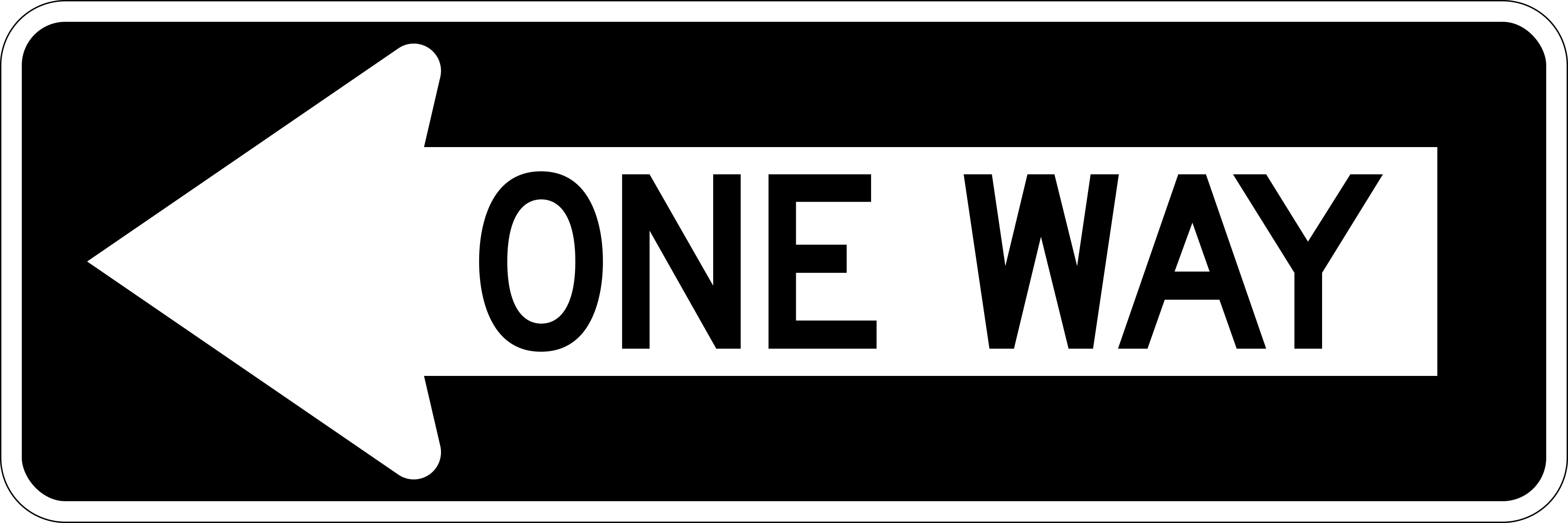
- One Way
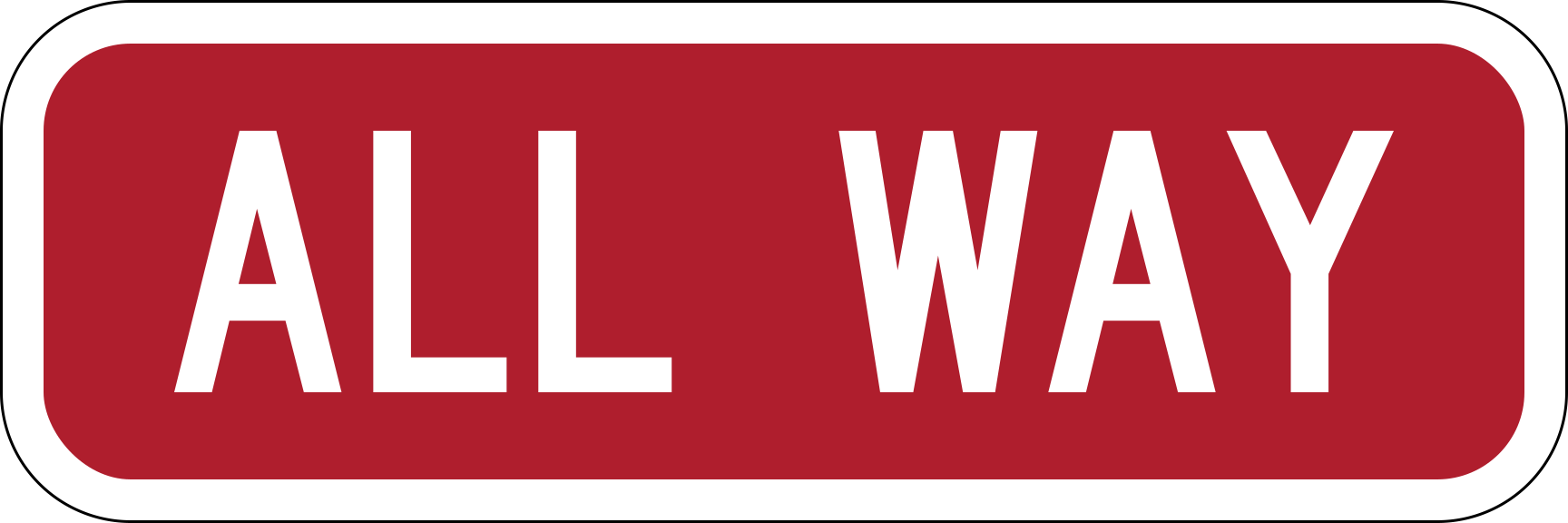
- All Way
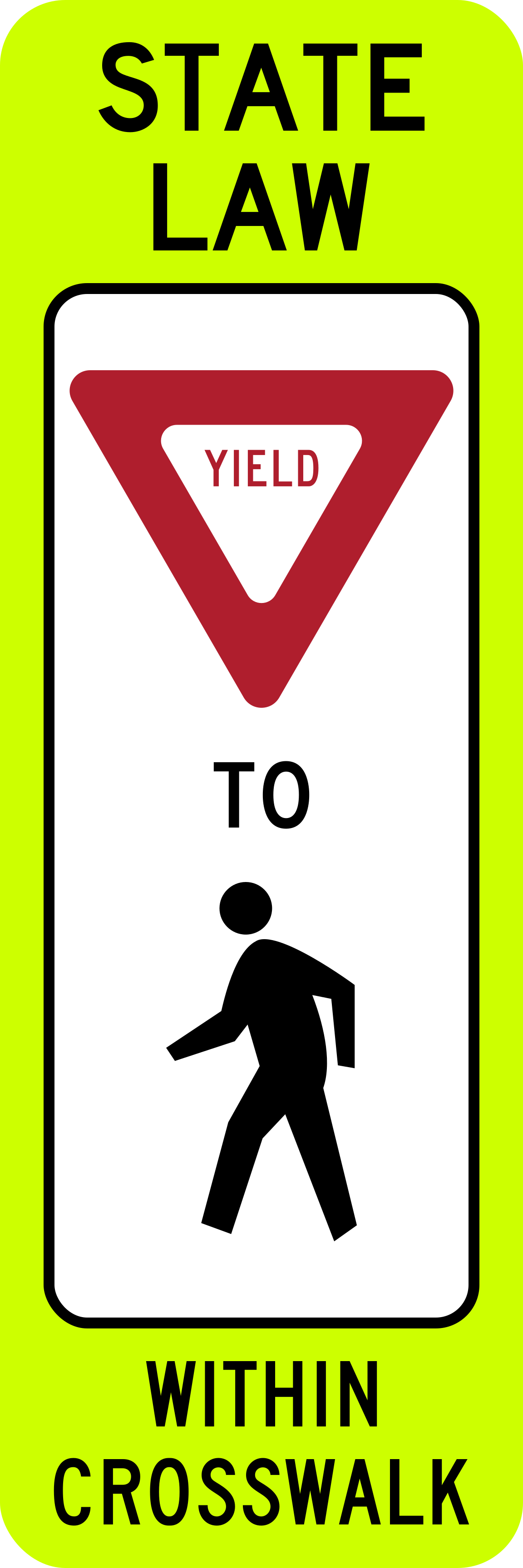
- State Law: Yield to Pedestrians
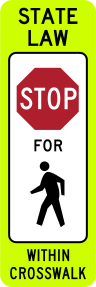
- State Law: Stop for Pedestrians
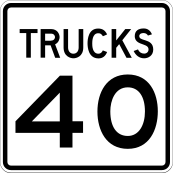
- Truck Speed Limit
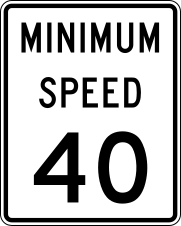
- Minimum Speed Limit
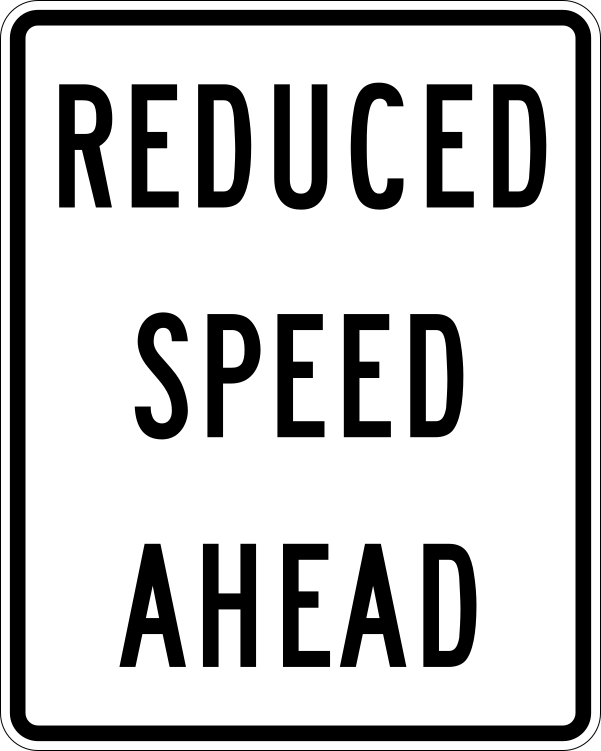
- Reduced Speed Limit Ahead
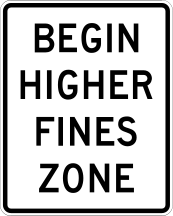
- Begin Higher Fines Zone
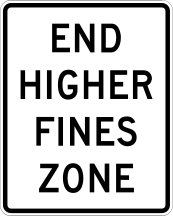
- End Higher Fines Zone
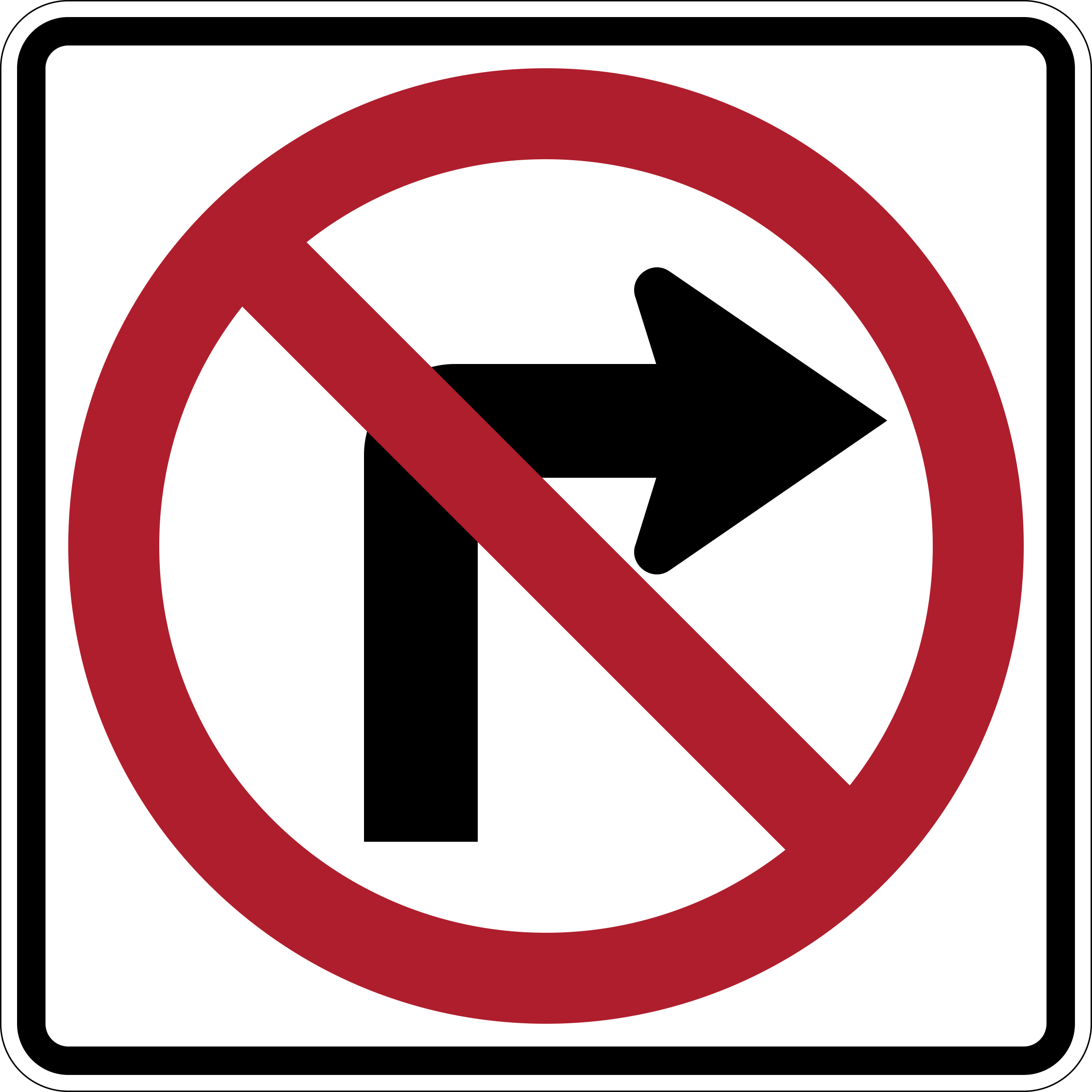
- No Right Turn
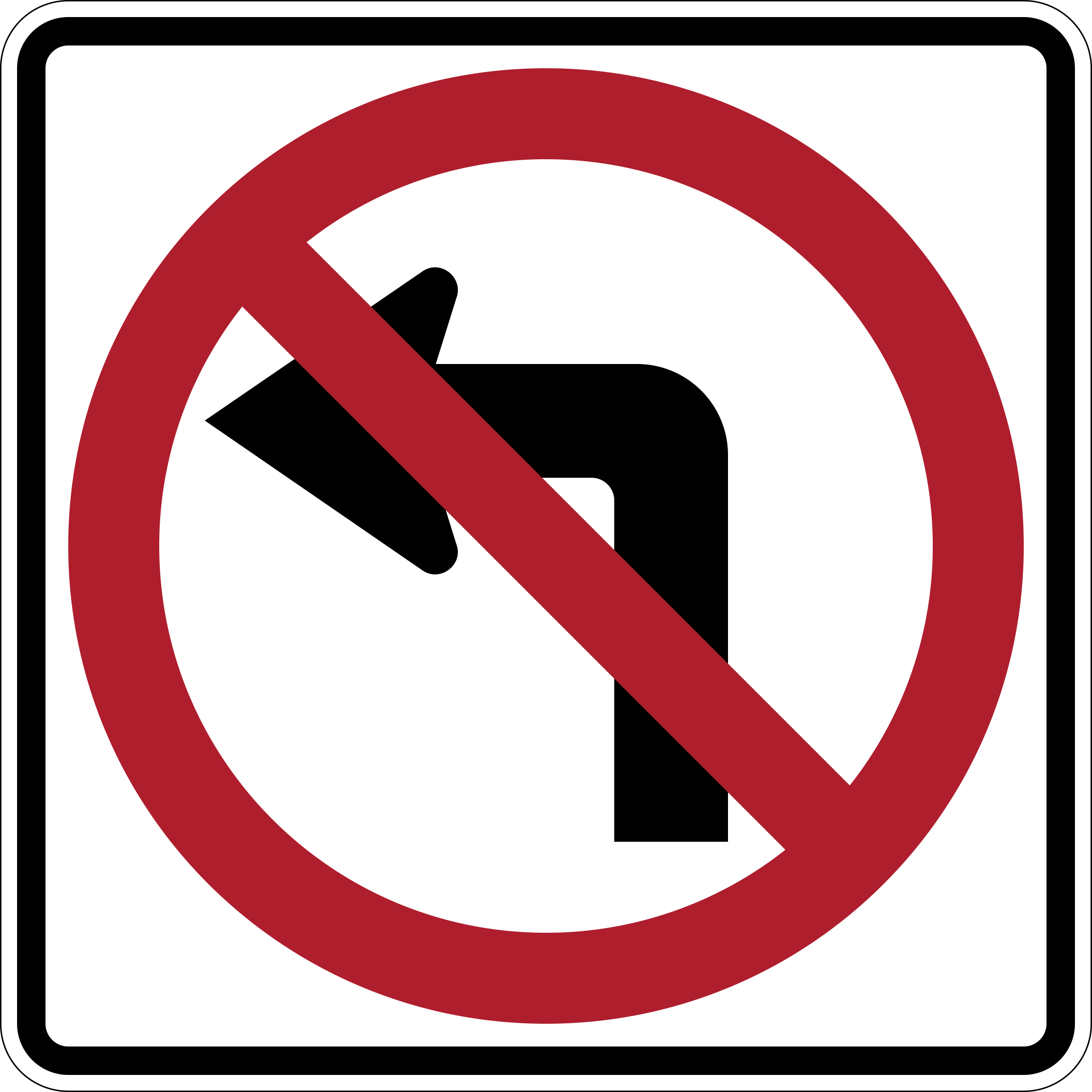
- No Left Turn
- No Turns
- Left Lane Must Turn Left
- Right Lane Must Turn Right
- Intersection Lane Control
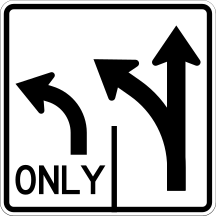
- Bike Lane
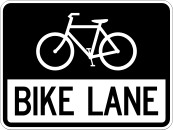
- No Left or U-Turn
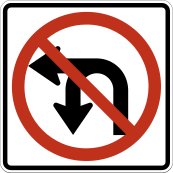
- No Straight Through
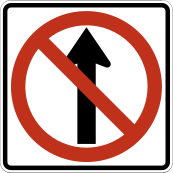
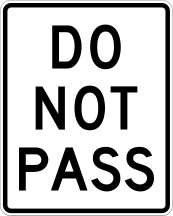
- Do Not Pass
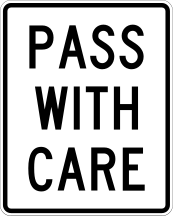
- Pass With Care
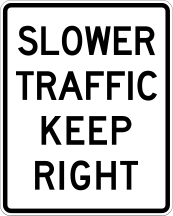
- Slower Traffic Keep Right
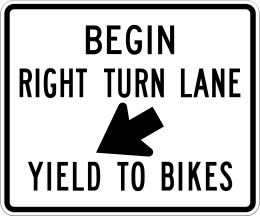
- Begin Right Turn Lane — Yield to Bikes
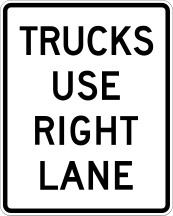
- Trucks Use Right Lane
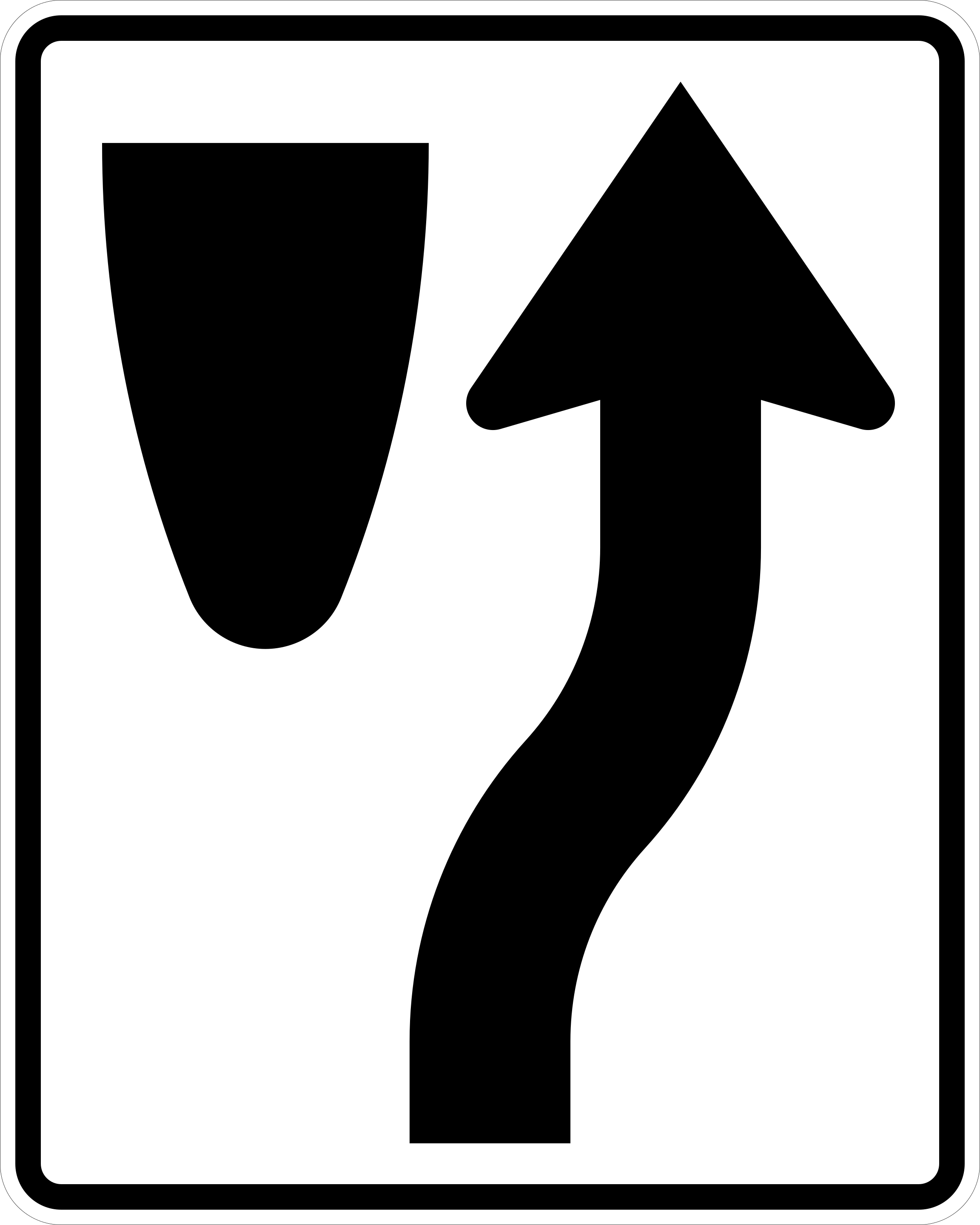
- Keep Right
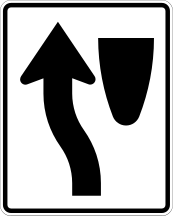
- Keep Left
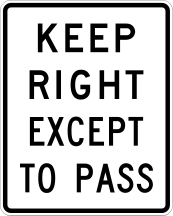
- Keep Right Except to Pass
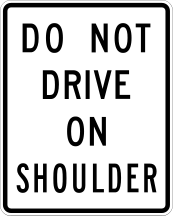
- Do Not Drive on Shoulder
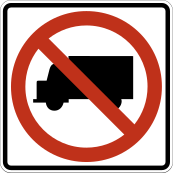
- No Trucks
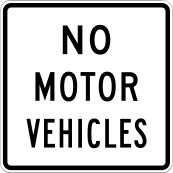
- No Motor Vehicles
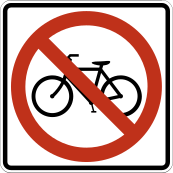
- No Bicycles
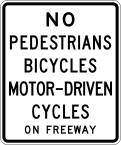
- No Pedestrians, Bicycles, or Motor-Driven Cycles
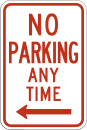
- No Parking Any Time
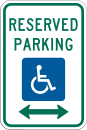
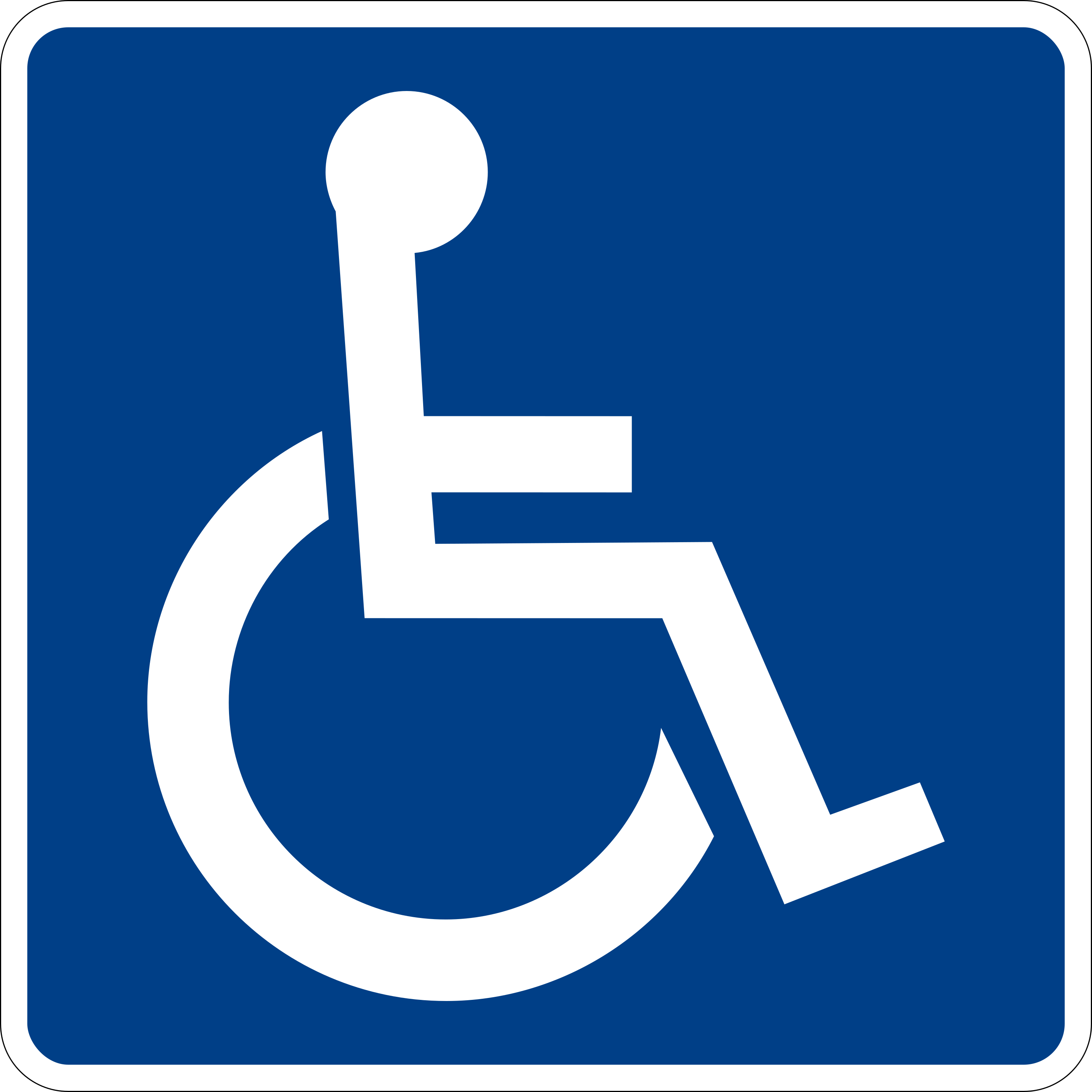
- Accessible Parking
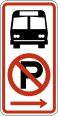
- No Parking Bus Stop
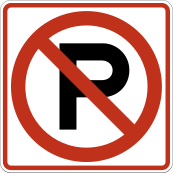
- No Parking
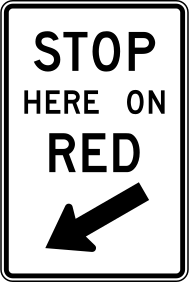
- Stop Here on Red
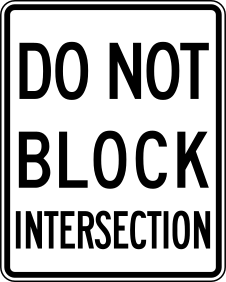
- Do Not Block Intersection
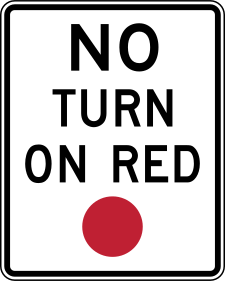
- No Turn on Red
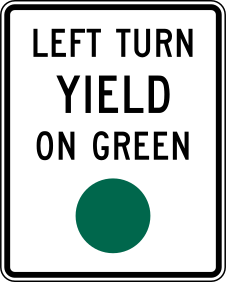
- Left Turn Yield on Green
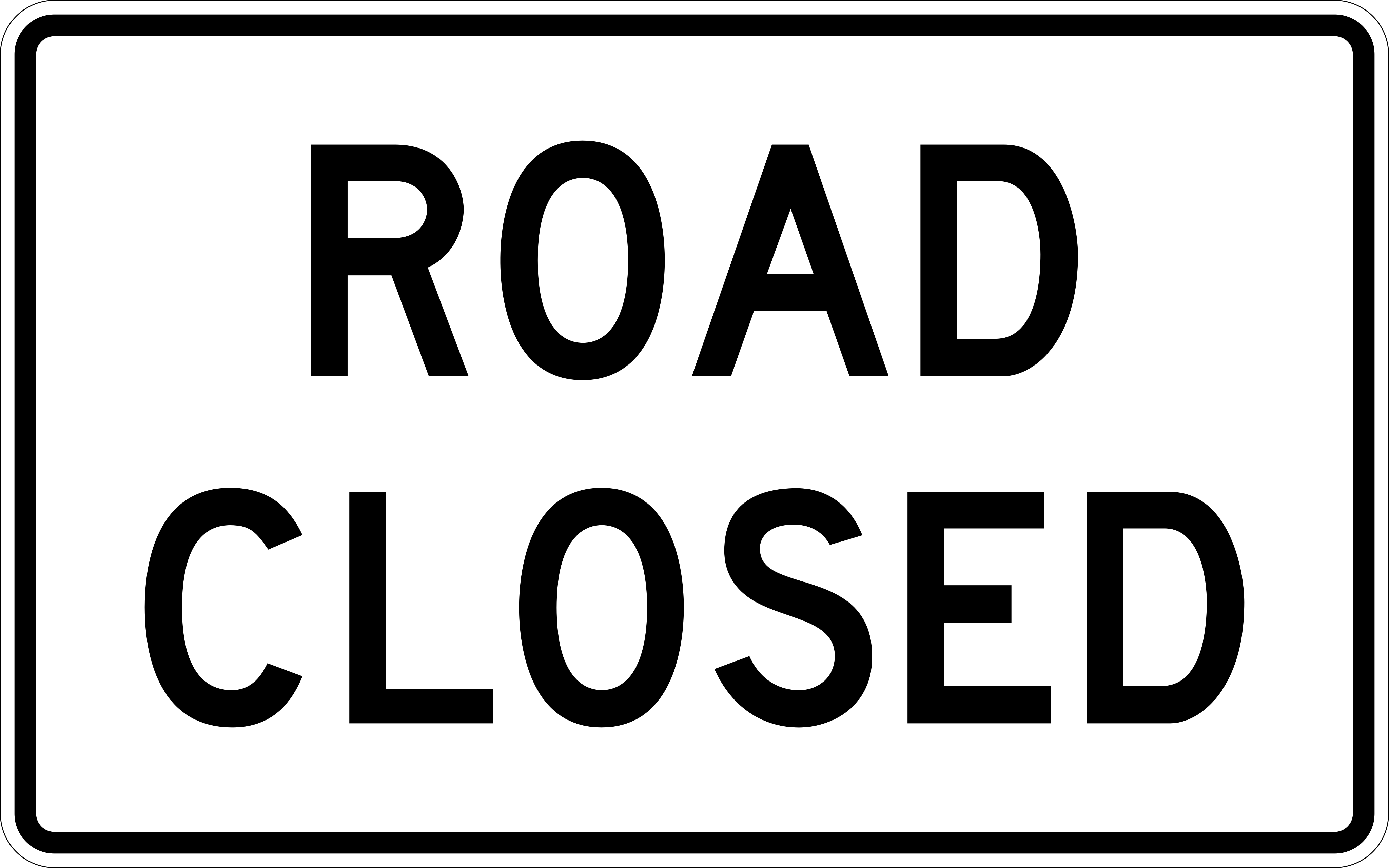
- Road Closed
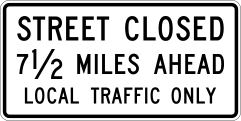
- Road Closed — Local Traffic Only
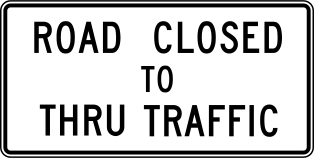
- Road Closed to Thru Traffic
- Weight Limit
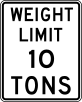
- No Hazardous Materials

- Railroad Crossing (Crossbuck)
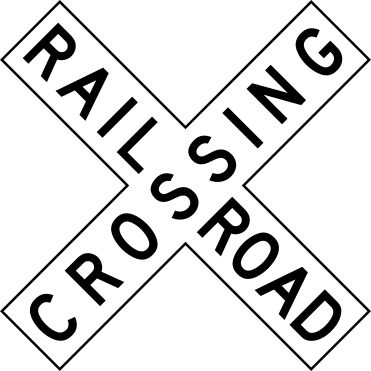
- Number of Tracks
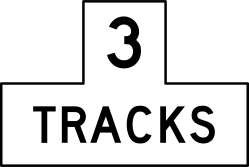
- School Speed Limit When Flashing
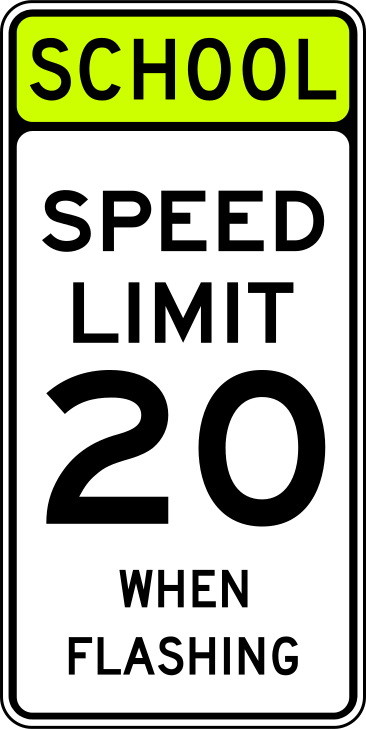
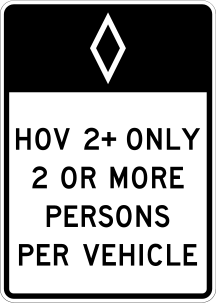
- HOV Lane
- Exempt

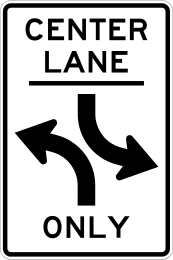
- Two-Way Left Turn Only
Warning signs
- Turn Ahead

- Stop Ahead

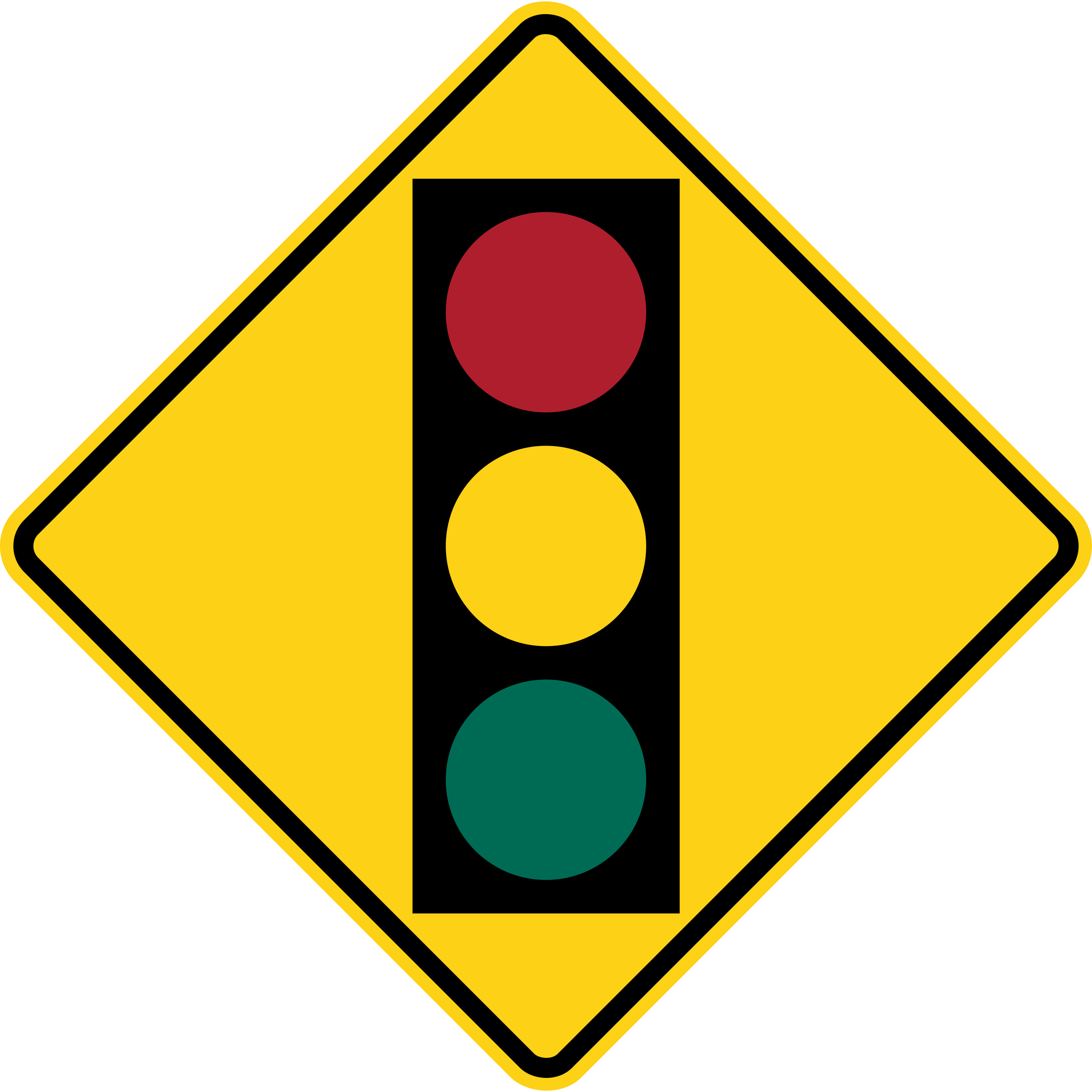
- Signal Ahead
- Pedestrian Crossing

- Curve

- Reverse Turn

- Reverse Curve

- Winding Road

- One-Direction Large Arrow
- Two-Direction Large Arrow

- Chevron Alignment

- Hairpin Curve

- Cross Road

- Side Road

- Roundabout Ahead

- Yield Ahead

- Be Prepared to Stop

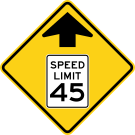
- Reduced Speed Limit Ahead
- Merging Traffic

- Lane Ends

- Added Lane

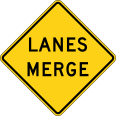
- Lanes Merge
- Road Narrows

- Narrow Bridge

- One Lane Bridge

- Ramp Narrows

- Divided Highway Begins

- Divided Highway Ends

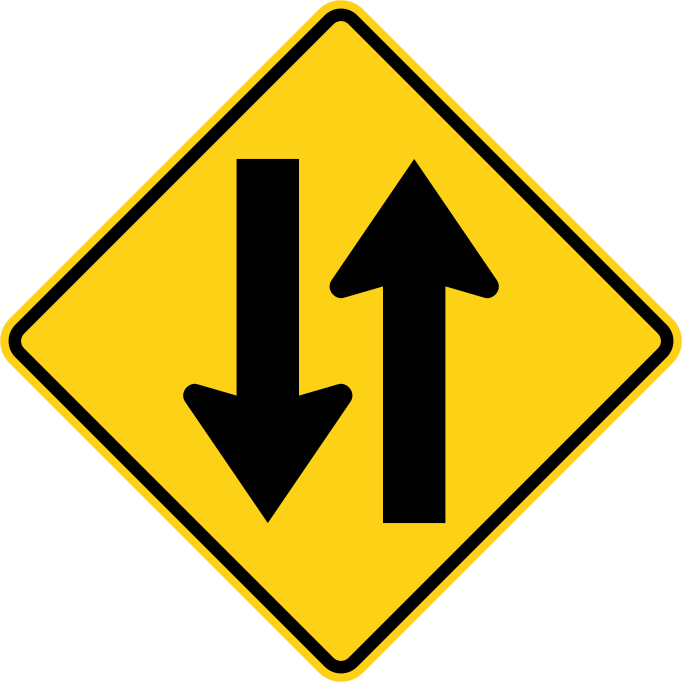
- Two-Way Traffic
- Hill / Steep Grade

- Bump

- Dip

- Pavement Ends

- Soft Shoulder

- Slippery When Wet

- Loose Gravel

- Rough Road

- Low Shoulder

- Uneven Lanes

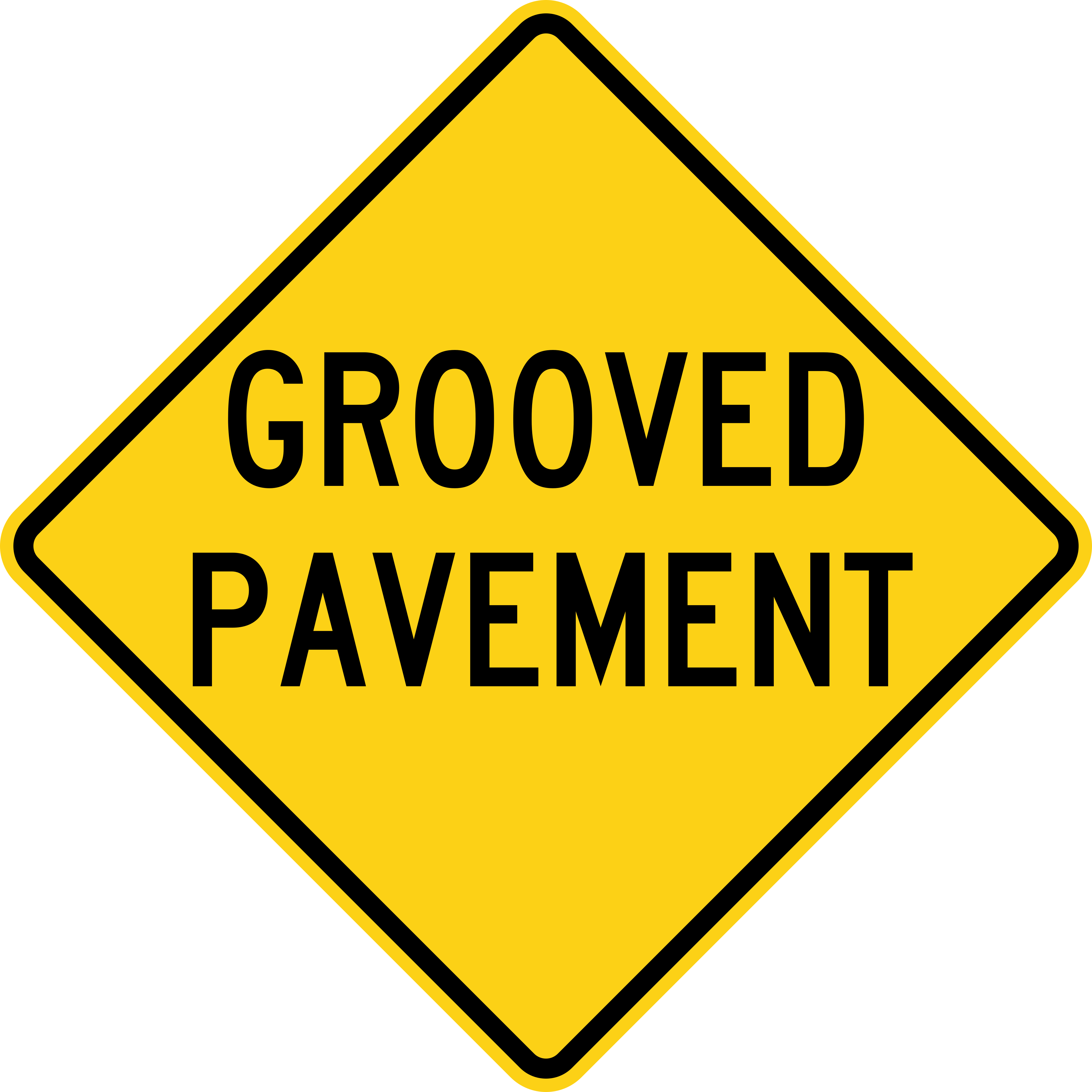
- Grooved Pavement
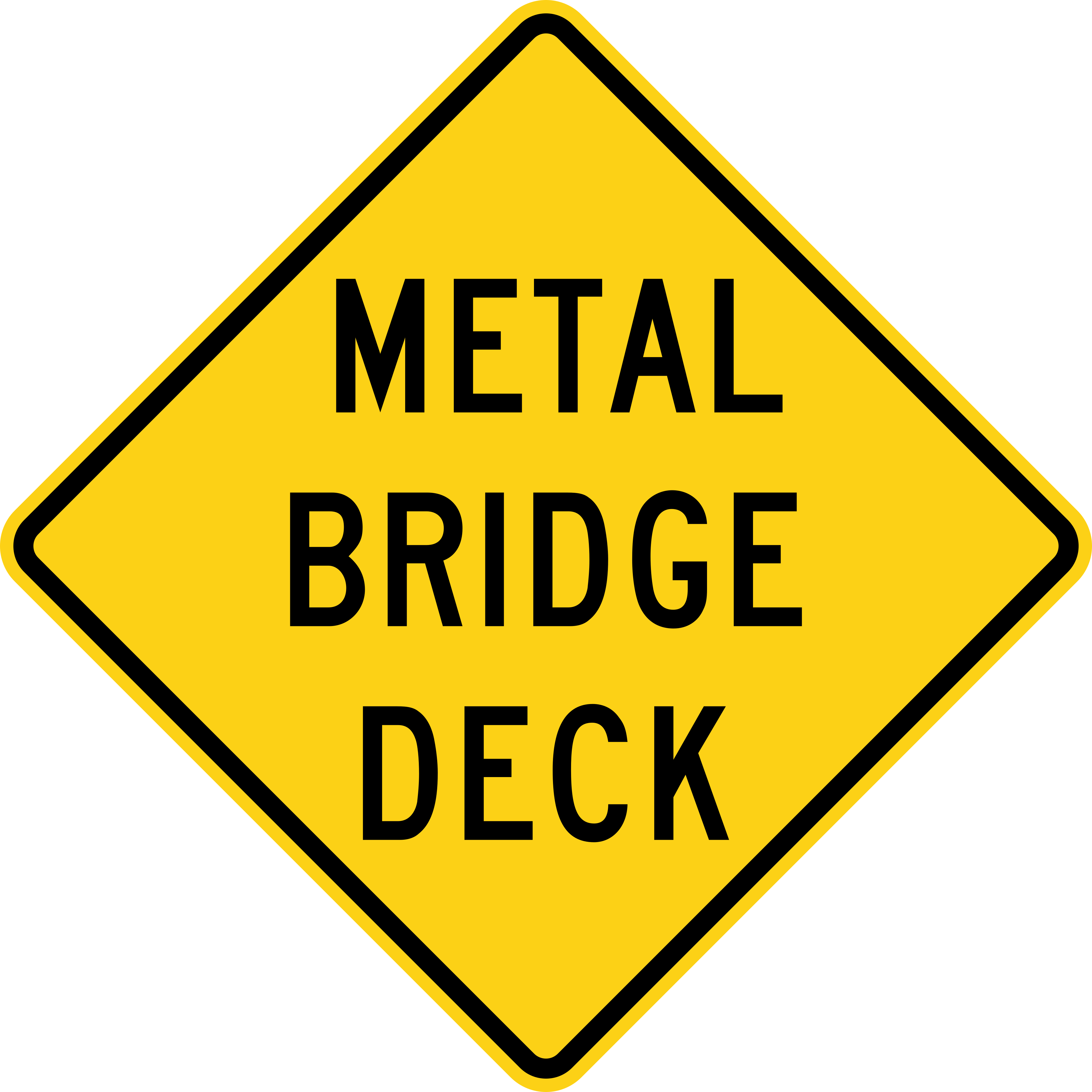
- Metal Bridge Deck
- Railroad Crossing Ahead

- Bicycle Crossing

- Deer Crossing

- Cattle Crossing

- Farm Machinery

- Snowmobile Crossing

- Equestrian Crossing

- Persons with Disabilities

- Golf Cart Crossing

- Horse-Drawn Vehicle Crossing

- Low Clearance

- Advisory Speed

- Dead End

- No Outlet

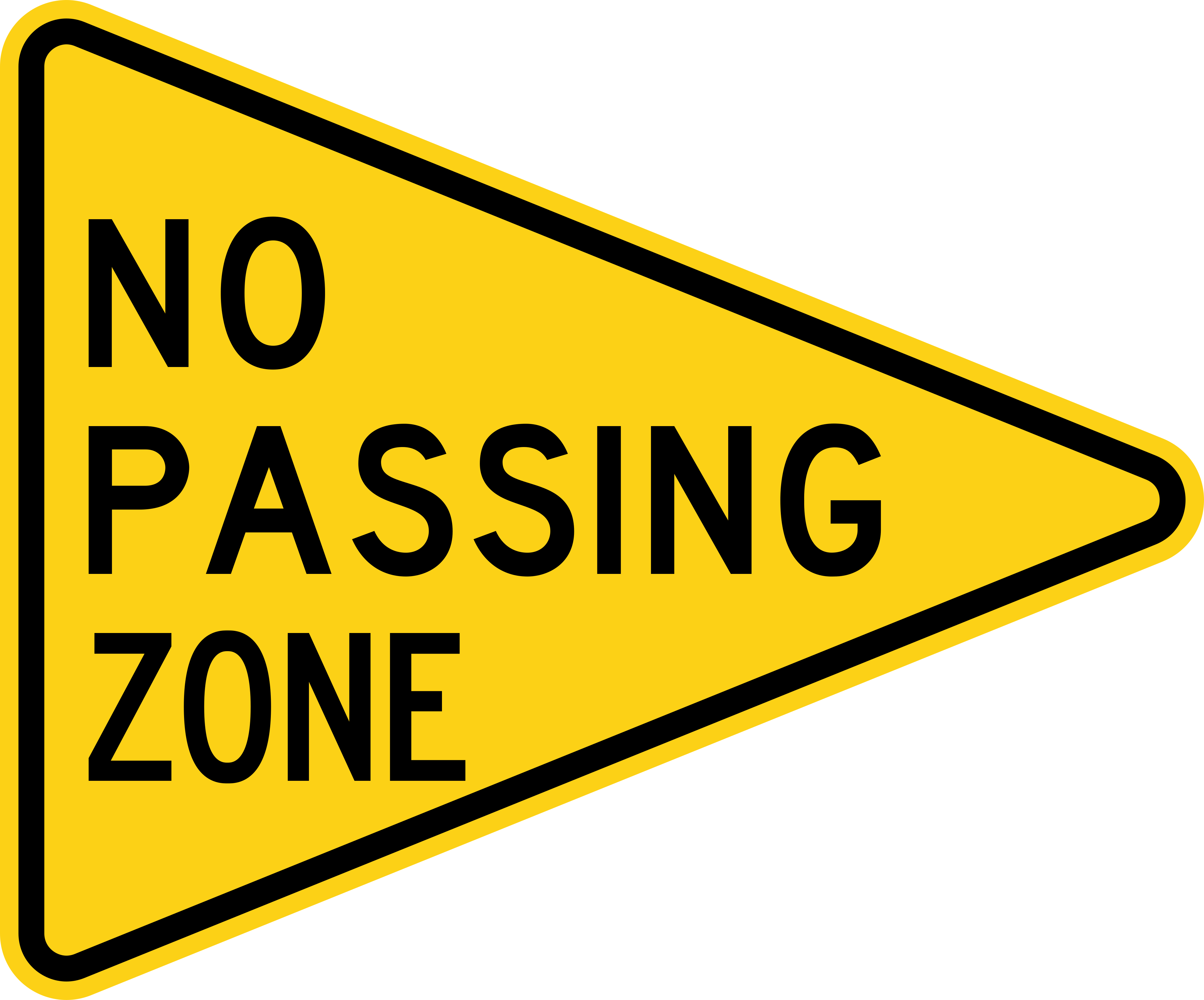
- No Passing Zone
- Playground

- Speed Hump

- School

- Truck Rollover

- Bridge Ices Before Road

- Road May Flood

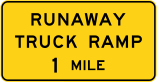
- Runaway Truck Ramp
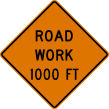
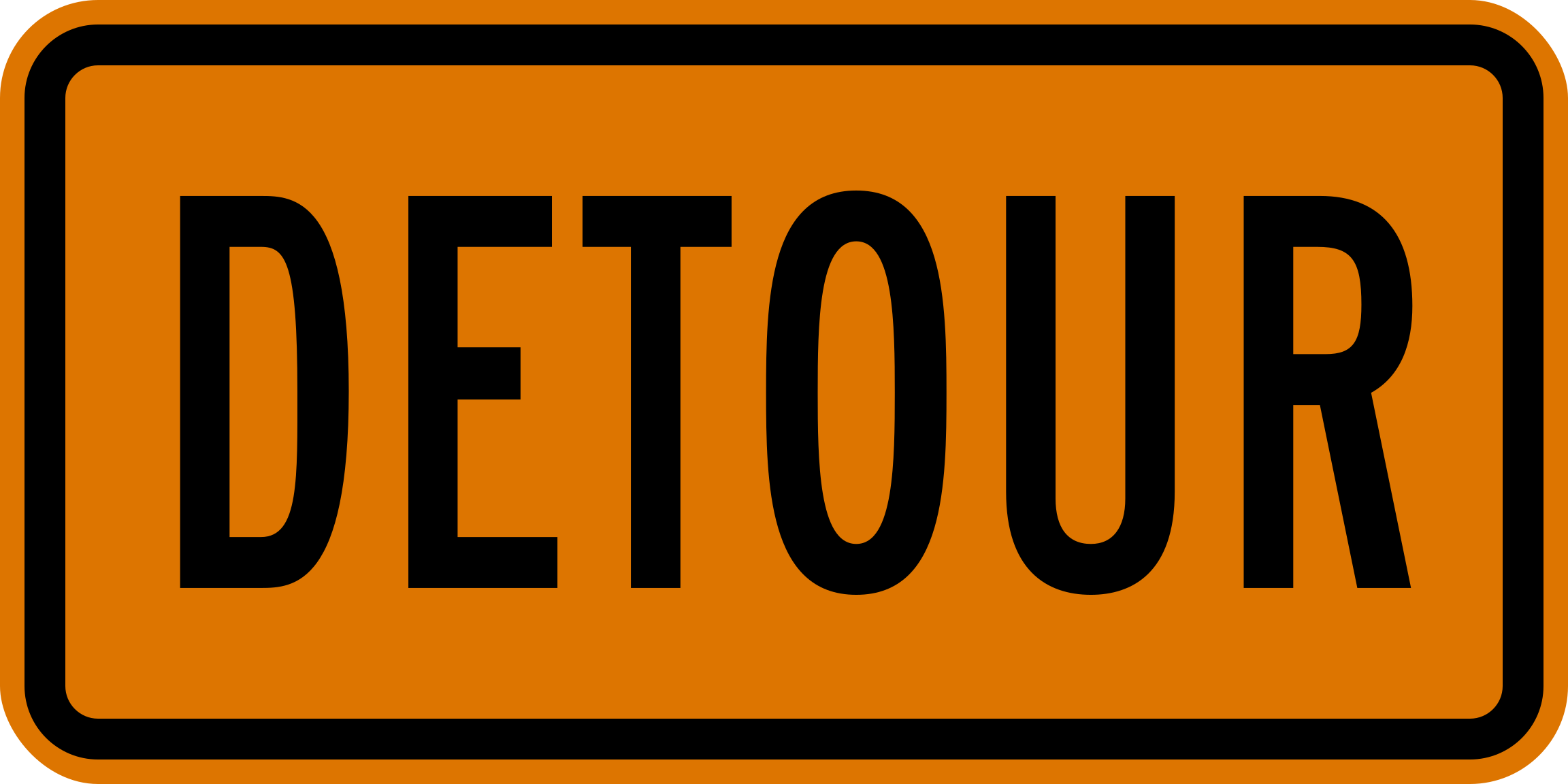
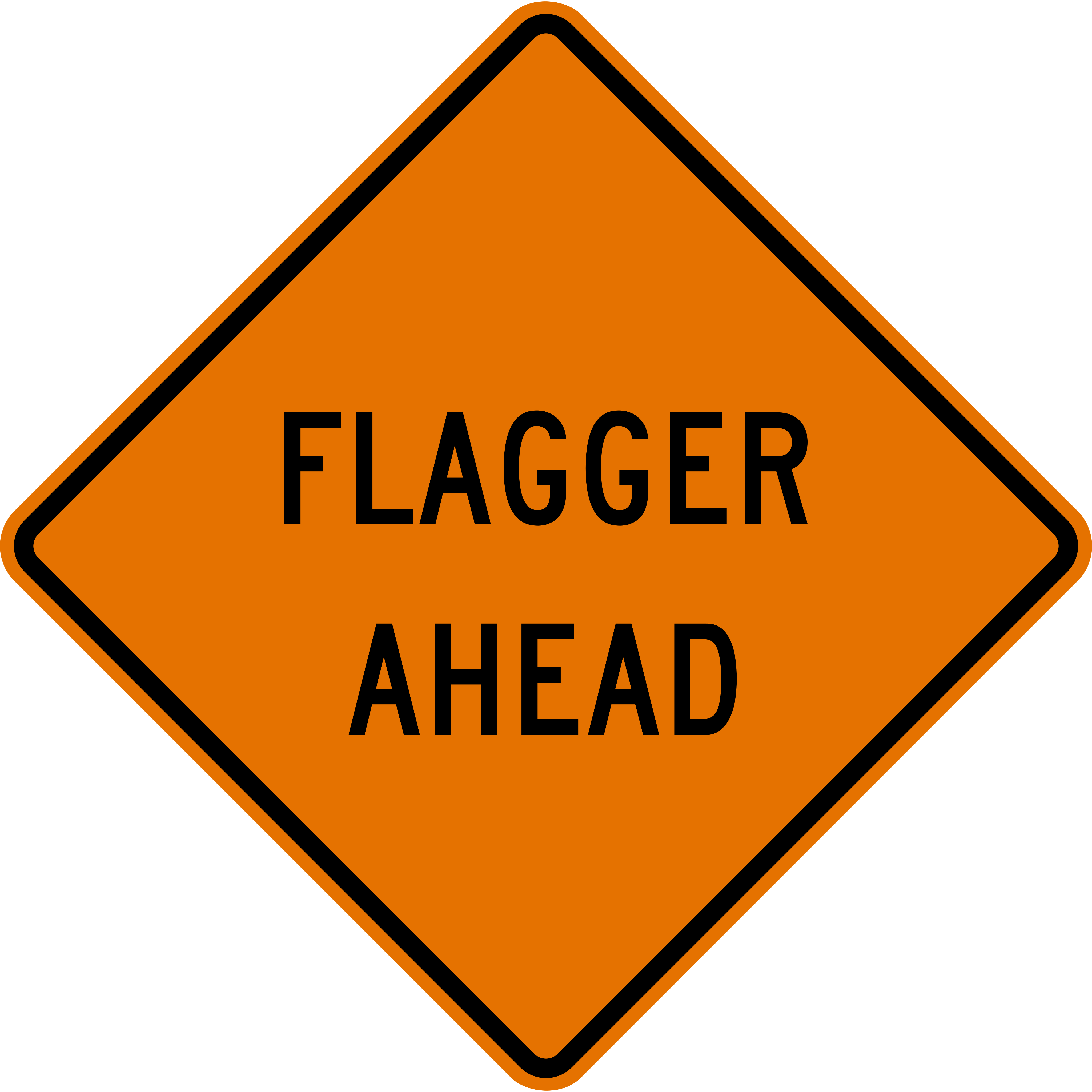
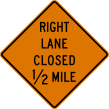
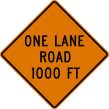
Construction & work-zone signs


Guide signs
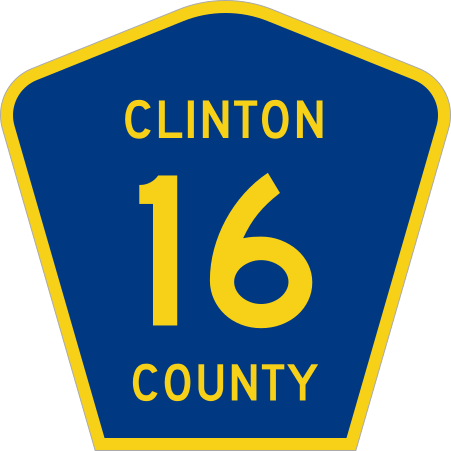
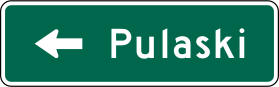
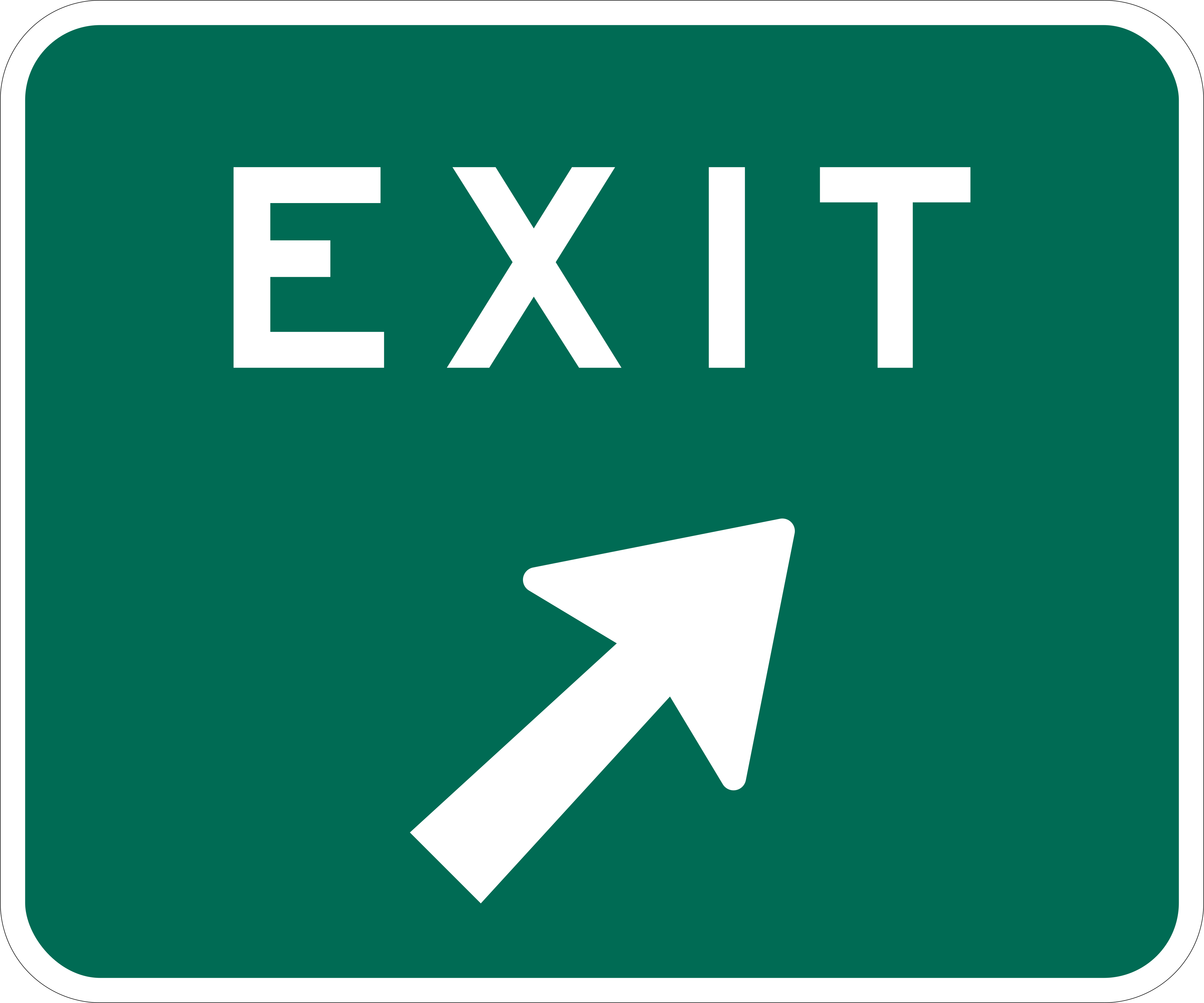


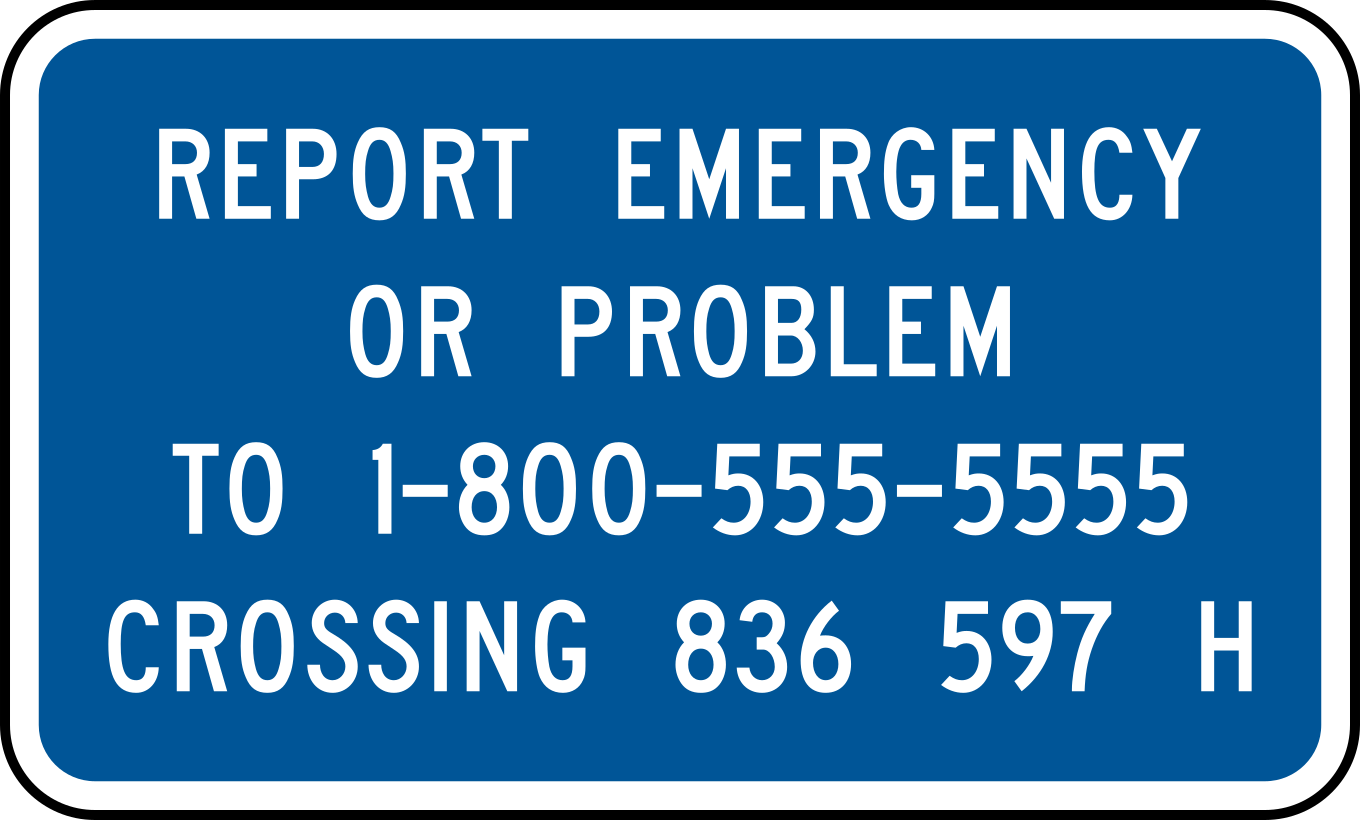
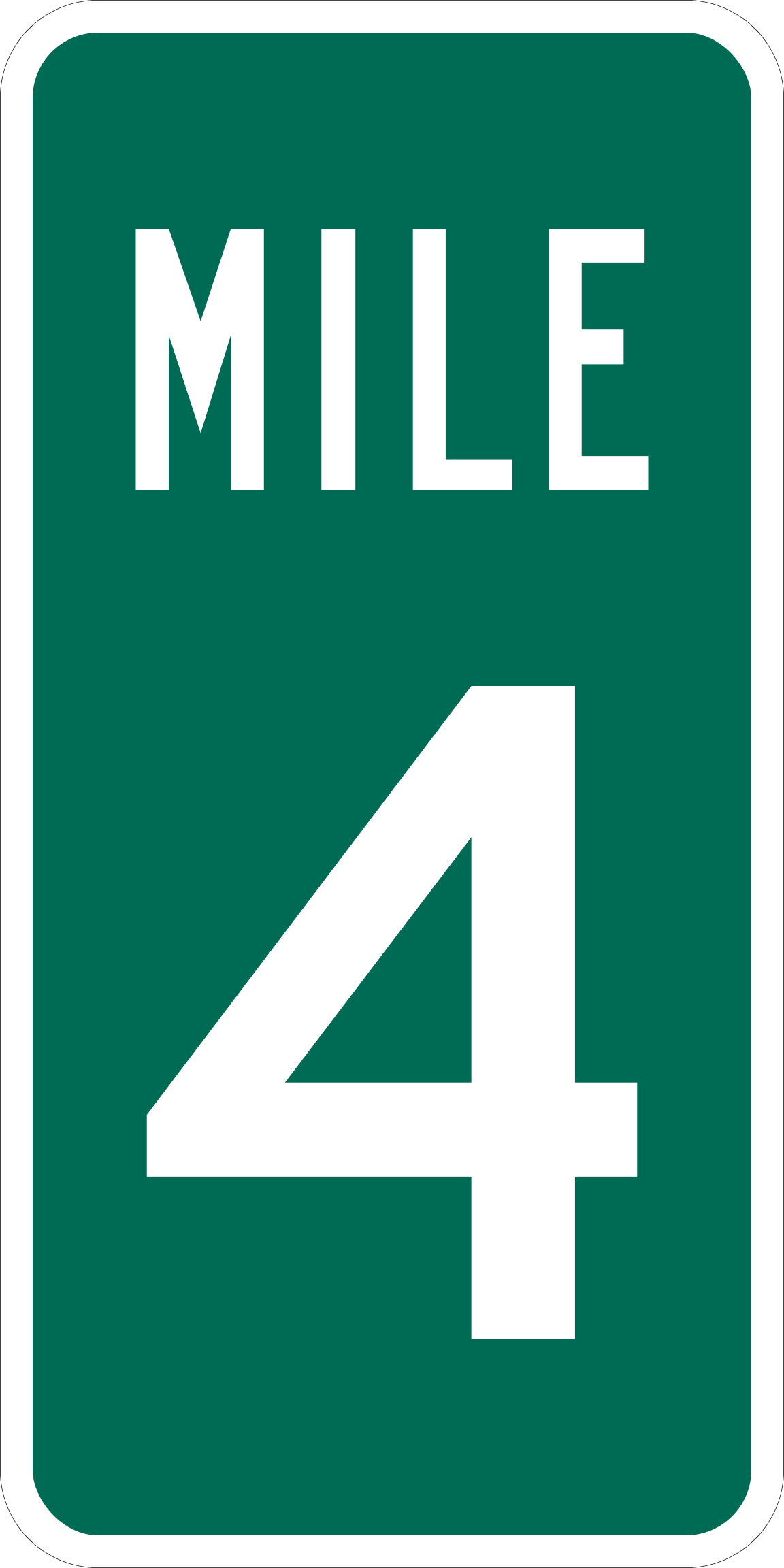
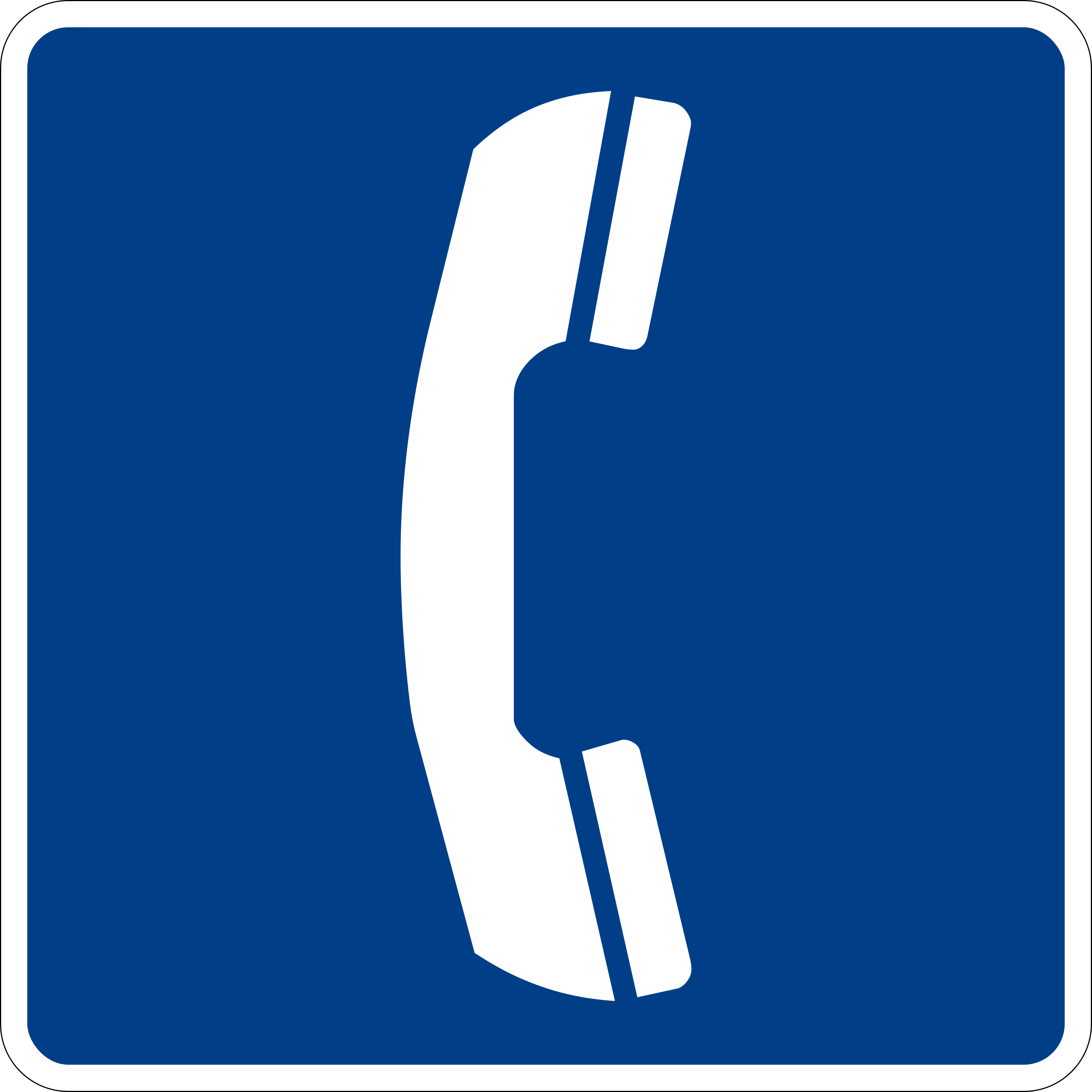
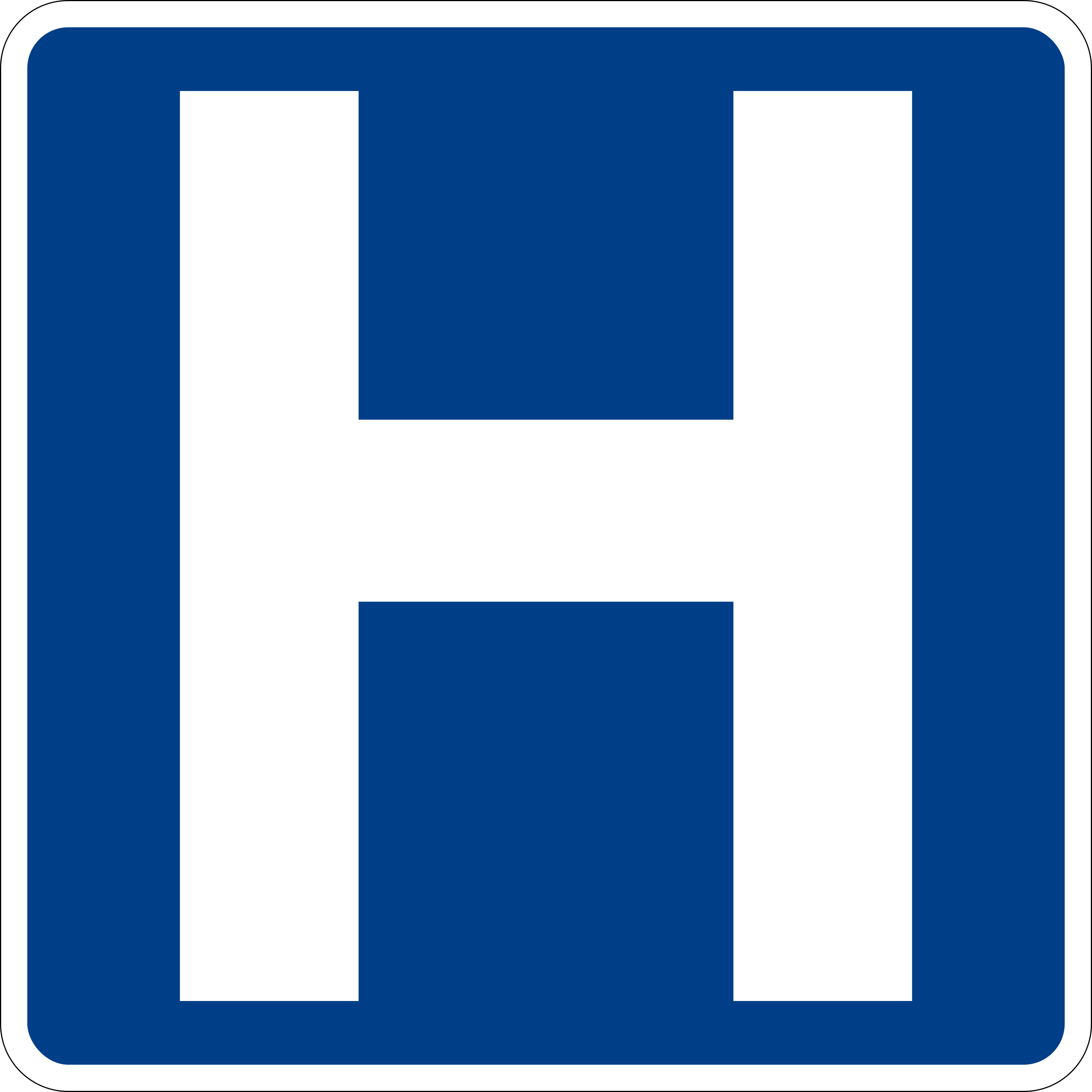
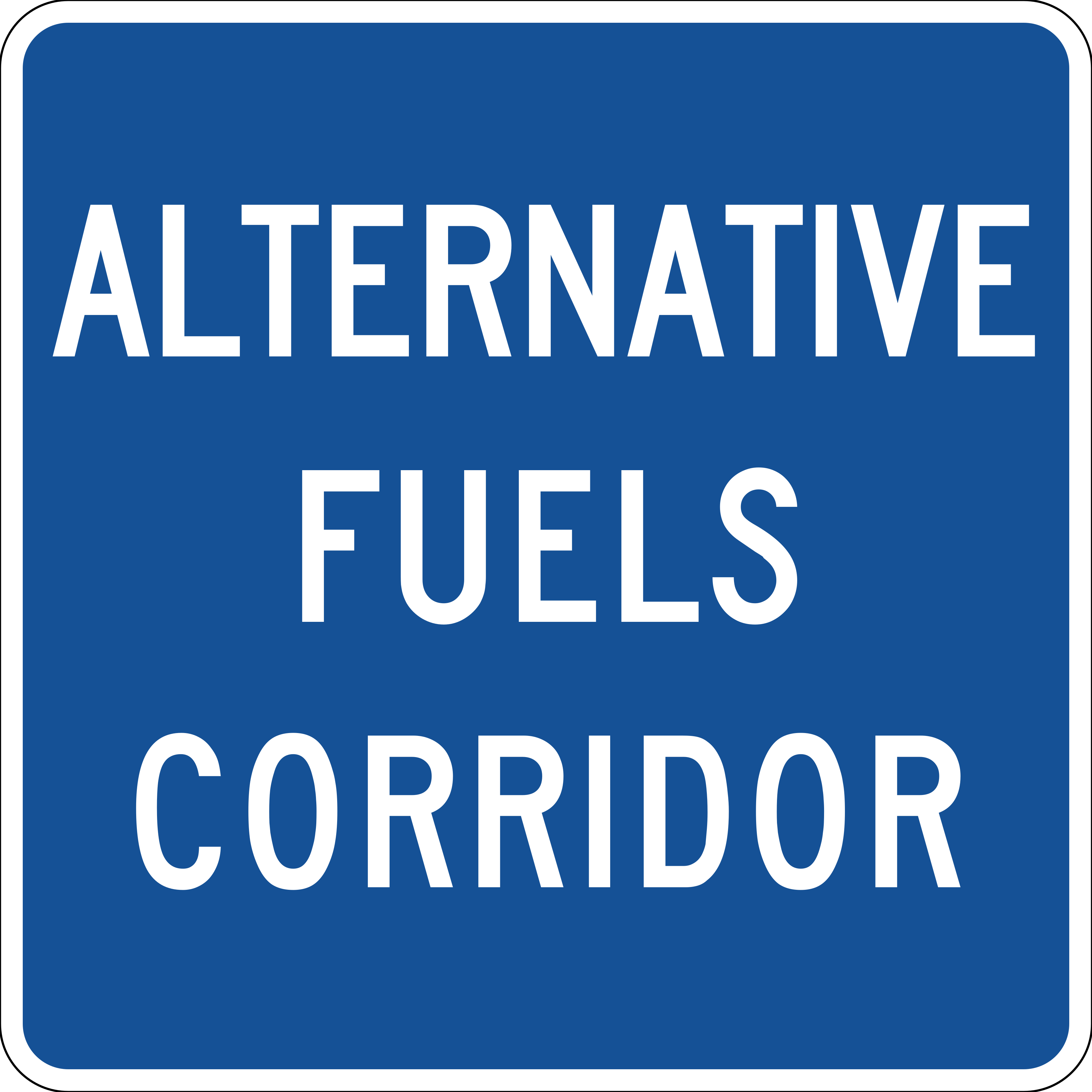
Service & information signs



Florida road signs: frequently asked questions
How long do I get for the Florida Class E Knowledge Exam?
Sixty minutes for 50 multiple-choice questions, with 40 correct answers needed to pass — 80 percent. That works out to a little over a minute per question, which is comfortable for anything you actually know and very tight for anything you are reasoning your way toward. Sign questions are the ones most likely to be settled in seconds or not at all, so they are where the clock is either your friend or the reason you ran out of it.
Is "identifying traffic controls" the same thing as road signs?
No — it is wider, and the difference costs people marks. A traffic control in Florida's usage is anything that directs traffic, so the category takes in the pavement markings that open Chapter 6 and the signals that follow the signs, not just the signs in between. Someone who studies the sign pages and stops has prepared for part of one of the exam's three named subjects. Florida has never published how many of the 50 questions come from each subject, so there is no way to know what that part is worth.
What do Florida's drawbridge signals mean?
Red means come to a complete stop at the marked stop line: the bridge is in operation and the road is closed to pedestrians and vehicles alike. Yellow means the light is about to turn red and the bridge is about to start operating, so stop if you can do so safely. Green means proceed with caution. A flashing yellow signal means the bridge is already in operation — slow down and prepare to stop. Where gates are fitted, stop as soon as the red lights begin flashing, before the gate comes down.
Can I take the Florida Class E Knowledge Exam online?
Any applicant under 18 may take the knowledge exam online through a third-party provider approved by FLHSMV, and FLHSMV requires a Parent Proctoring Form for online tests — notarized, or signed in front of a driver license examiner. Applicants of any age can take it in person with an approved provider, at a state driver license service center, or through a Driver Education Licensing Assistance Program at a public or private school. One thing to know about the school route: the driver license service center may test a DELAP student again on a random basis before issuing the license.
What do Florida's green highway signs and mile markers tell me?
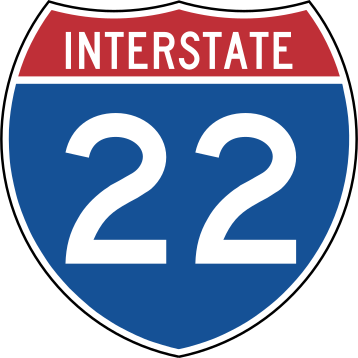
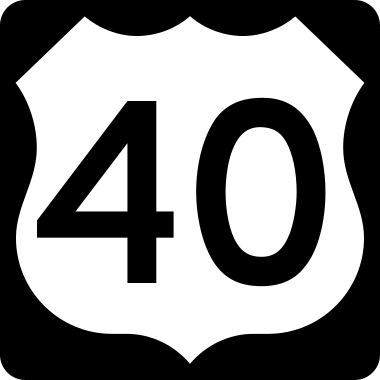
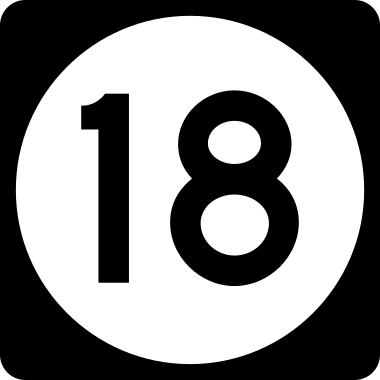
Green guide signs give directions and distances. Florida's handbook adds two conventions worth knowing before a long drive: east-west routes carry even numbers and north-south routes carry odd numbers, and in Florida the mile markers showing your position on an interstate match the exit numbers, so the marker you just passed tells you how far the next exit is. Blue and white service signs point to gas, food, motels and hospitals; brown and white signs point to scenic areas, parks, and places of cultural or historical significance.
Official sources
- Official Florida Driver License Handbook
- FLHSMV — Class E Knowledge Exam and Driving Skills Test
- FLHSMV — Third Party Administrator Program (ADLTS)
Checked against official state sources on 2026-07-29.
Study offline
Florida Practice Test Pack — 2026 Printable Edition
$4.99 · One-time purchase. Instant download.
Our own printable edition — nobody paid us to show it to you, and everything in it is free to read here too.