Alaska Road Signs and Their Meanings
Alaska licenses its drivers from a department that has nothing to do with roads. The Division of Motor Vehicles belongs to the Alaska Department of Administration, and the book it puts out says so on its own first page: "PREPARED BY ALASKA DEPARTMENT OF ADMINISTRATION DIVISION OF MOTOR VEHICLES," above a title that is simply DRIVER MANUAL and a revision stamp reading 10/2025. Three pages in, in capitals and alone on the line, comes the sentence that sets the terms — "THIS MANUAL MAY NOT BE USED DURING THE TEST." What the manual does not do is describe the test it is preparing you for. Its EXAMINATIONS section runs through vision, written and driving in order, and the written paragraph gives scope, a retake rule and an accommodation without ever giving a length: no count, no passing mark, no clock. Alaska does publish those numbers, but in one place only, and it is neither the manual nor the credential pages. They sit atop the DMV's own Sample Knowledge Test application, which the instruction-permit page links as "Practice for your test here," where a single line reads: "General Knowledge Test at Alaska DMV: 25 minutes allowed, 20 questions, 16 correct answers to pass." Read what that sentence takes as its subject. It names the real examination, not the rehearsal underneath it — and the rehearsal is untimed and has nothing to pass, which is how you can tell the two apart.
No part of those questions is reserved for signs, and Alaska sets no separate sign score. What it does instead is name signs as one third of the written test's declared subject matter. The manual's written paragraph says the test "covers only information found in this manual, including traffic laws, safe driving practices, and highway sign recognition" — three headings, and the last of them is this page. That is scope rather than structure, and it is worth more than a percentage, because it also tells you what is out of bounds: nothing on the test comes from outside the book. Two other rules in that paragraph shape a sign question more than any quota would. If you fail, "the test may be retaken the following day," so a wasted attempt costs a night rather than a week. And if you understand spoken English but read it slowly or not at all, "you may bring someone who may read the questions to you, but you must independently answer the questions" — which is why Alaska's sign material has to be learnable by ear as well as by eye, and why the manual writes each sign as a color formula and a numbered instruction rather than as a caption under a picture. Signs then come back a second time, in the car: item ten on the manual's list of what the examiner grades during the driving test is "Traffic signs and signals." For some Alaskans that second look never happens, and the written test is the whole examination.
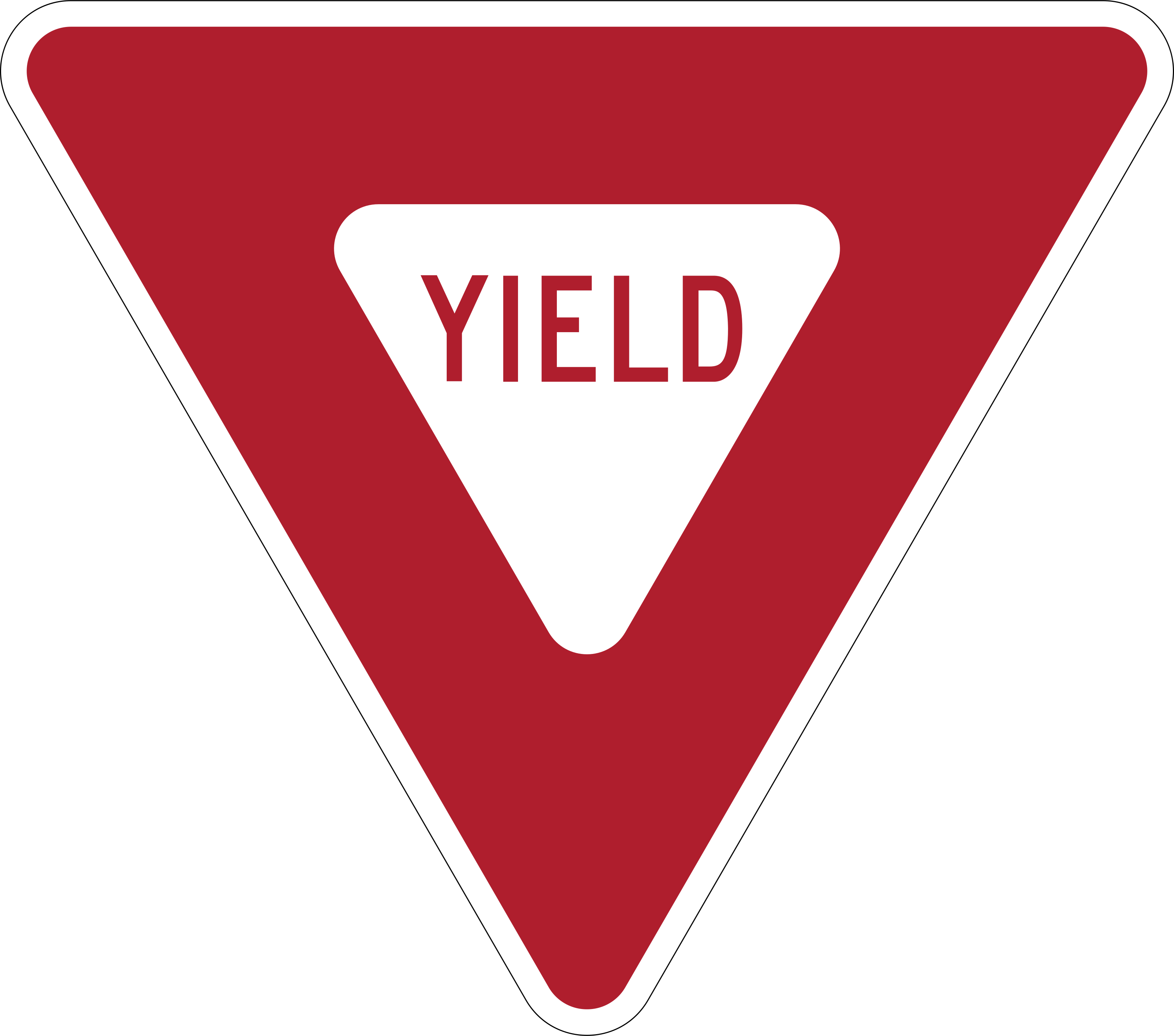
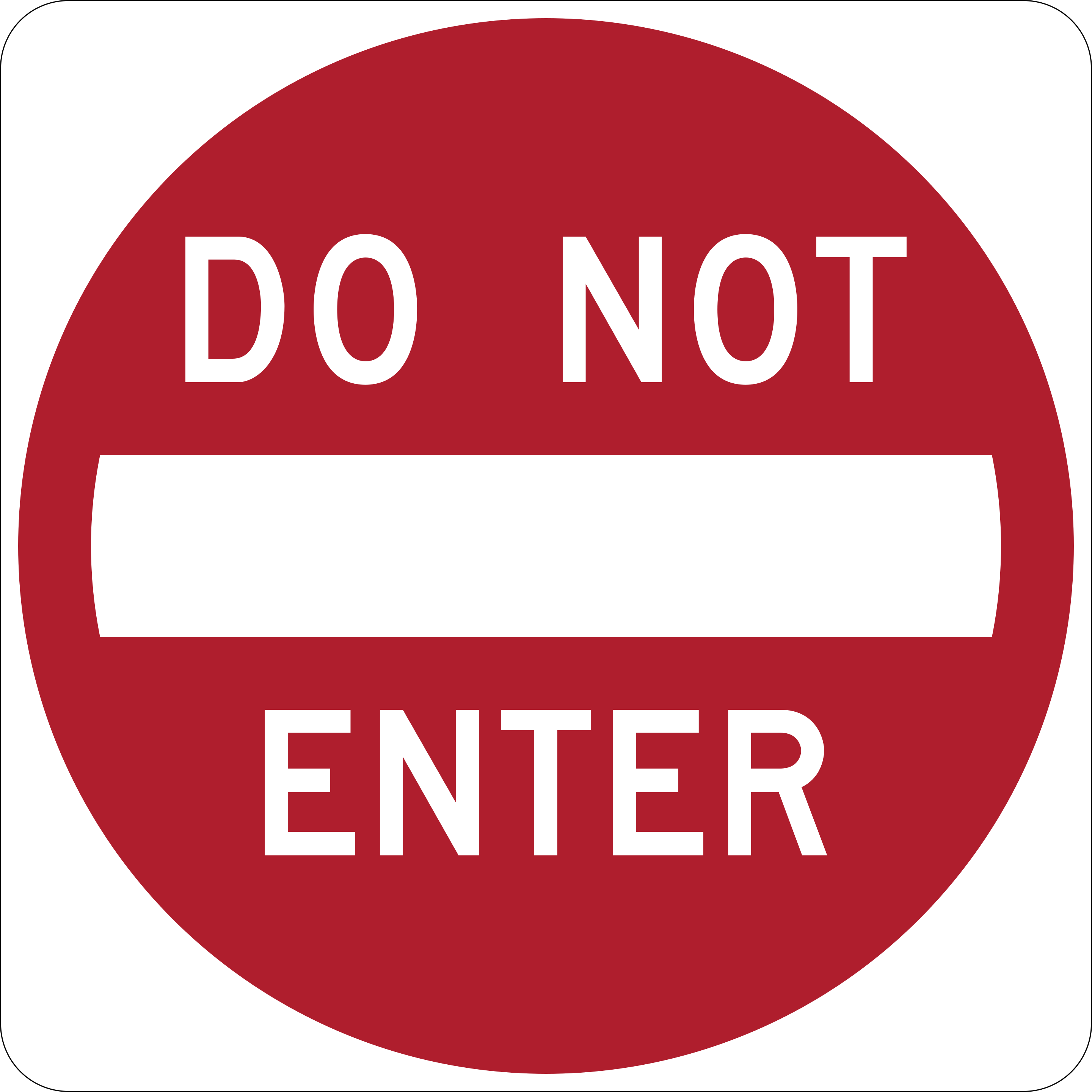
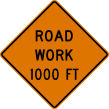
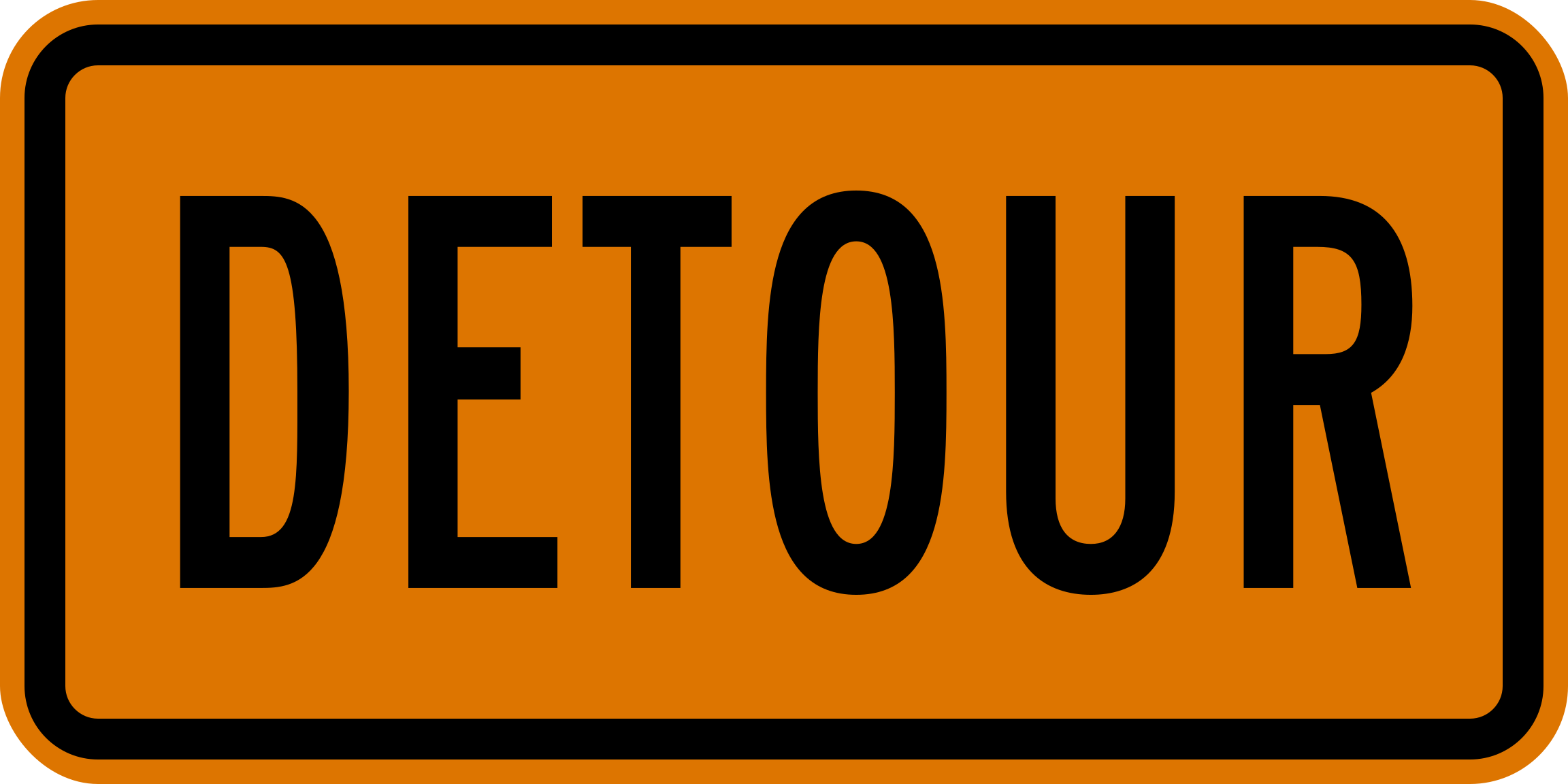
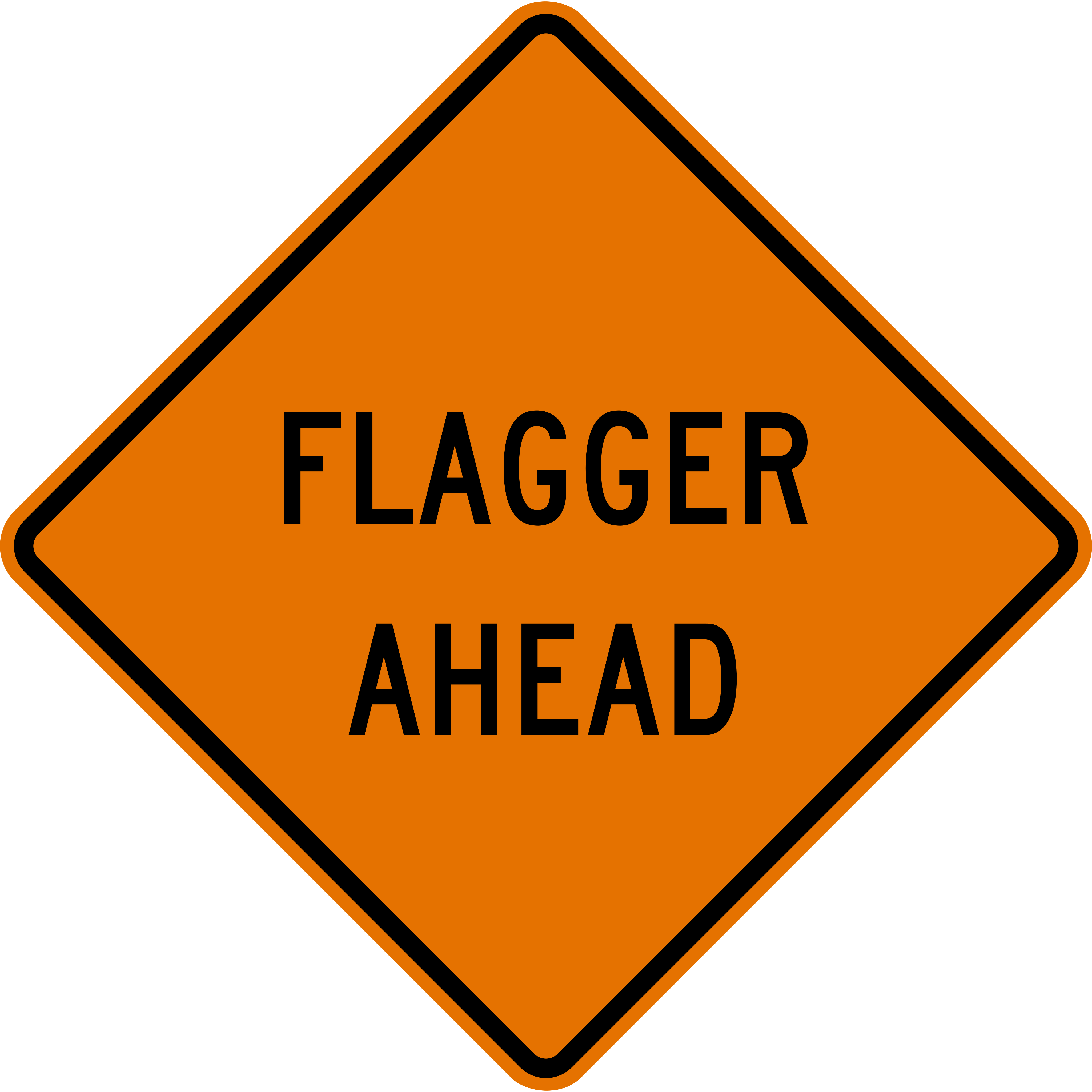
The DMV's Driver Manuals page lists three documents — the Alaska Driver Manual, the Commercial Driver License Manual and the Motorcycle Driver License Manual — and the first is the one these questions cite. Its sign material lives in a section headed simply SIGNS, opening on a line set off in quotation marks: "Traffic signs speak a special kind of language to the driver." Two lists follow, and their titles are unusual enough to be worth naming. HOW SIGNS CAN HELP YOU BE A BETTER DRIVER gives three reasons a sign exists — warning, guidance, regulation — and HOW YOU CAN BECOME A BETTER "SIGN" DRIVER gives three instructions to the reader, the first of which is the method the rest of the section assumes: "Study the sign section of this manual and associate the meaning of each sign with the behavior that is expected of you as a driver." Then the section does something most state manuals do not. Instead of grouping signs under family headings, it gives each one a heading of its own, and pins a color formula to it: REGULATORY SIGN, black or red on white; STOP SIGN, white on red; YIELD SIGN, red and white; DO NOT ENTER SIGN, red and white; WARNING SIGN, black on yellow; GUIDE SIGN, white on green; CONSTRUCTION & MAINTENANCE SIGN, black on orange; SCHOOL SIGN, black on yellow; SERVICE SIGN, white on blue. Under each heading is a short numbered list of what you must do. Pavement material sits apart, under Markings on Pavement, and the railroad and wildlife signs sit further out still, in the chapters that own those hazards.
Because the manual gives each sign its own heading, the published Alaska sign questions here can do something almost no other state's can: point at one sign apiece. Nearly every question carries a citation of its own — Stop Sign, Yield Sign, Do Not Enter Sign, Regulatory Sign, Warning Sign, Guide Sign, School Sign, Service Sign, Construction & Maintenance Sign — with the opening Signs heading standing behind the passage that introduces the section as a whole. That is not a finer-grained convention chosen here. It is the granularity Alaska wrote, followed exactly. The effect on checking an answer is direct: an explanation you doubt leads to a heading holding a color formula and a short numbered instruction, not to a chapter you then have to search. A few citations leave the signs section, and they leave it because the signs themselves do. The orange triangle is filed under the slow-moving vehicles material, where the manual introduces it with an imperative rather than a definition. The crossbuck and the flashing lights belong to the railroad chapter, and beside them sits the blue Emergency Notification System sign, which carries a telephone number rather than a rule. And the wildlife warning is cited to the chapter on animals, where Alaska explains why it needed one. A citation that sends you somewhere unexpected is tracking the book, not drifting from it.
14 published Alaska road-sign questions, each with an explanation and a citation to the handbook section it came from.
Content reviewed against official driver handbooks · August 12, 2026
Every sign you can be tested on in Alaska
Regulatory signs
- Stop

- Yield
- Do Not Enter
- Wrong Way
- No U-Turn
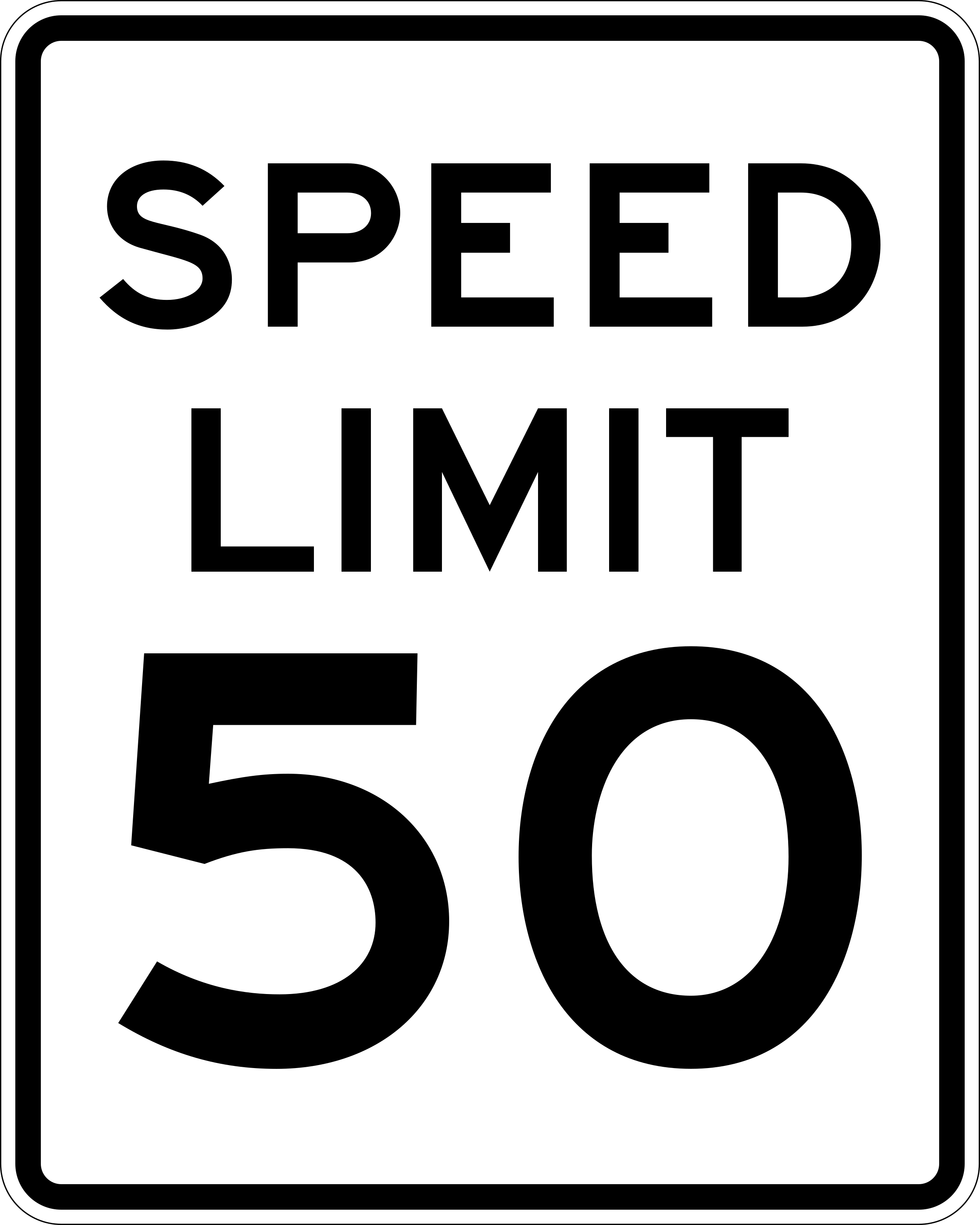
- Speed Limit
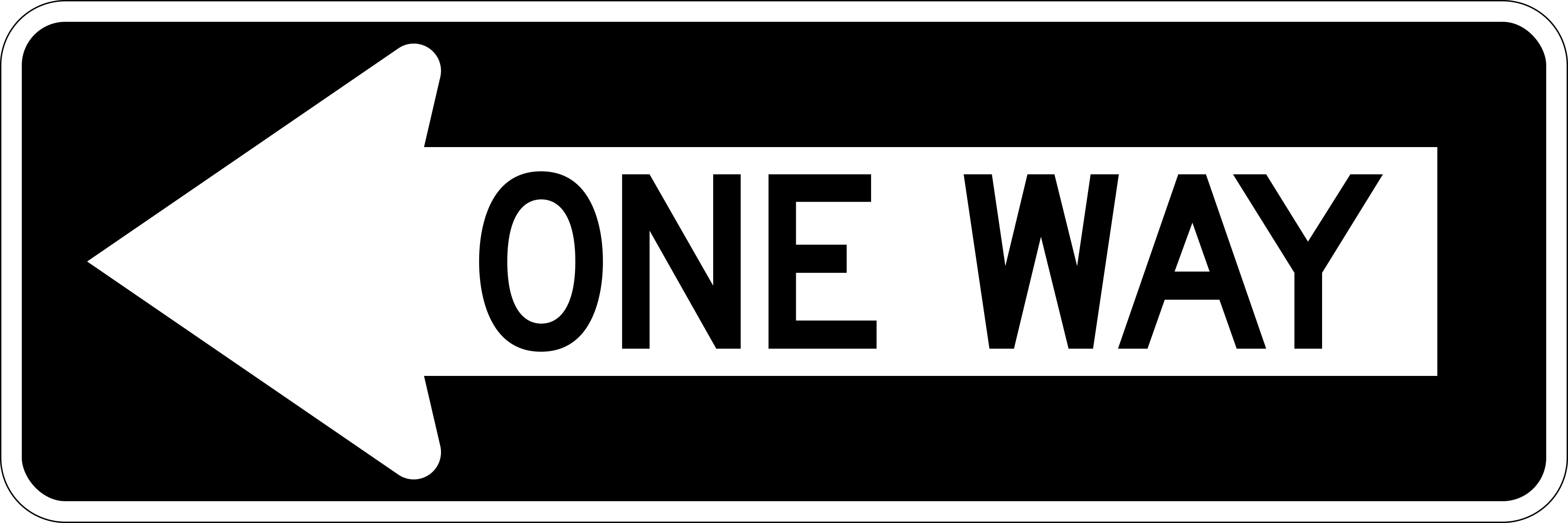
- One Way
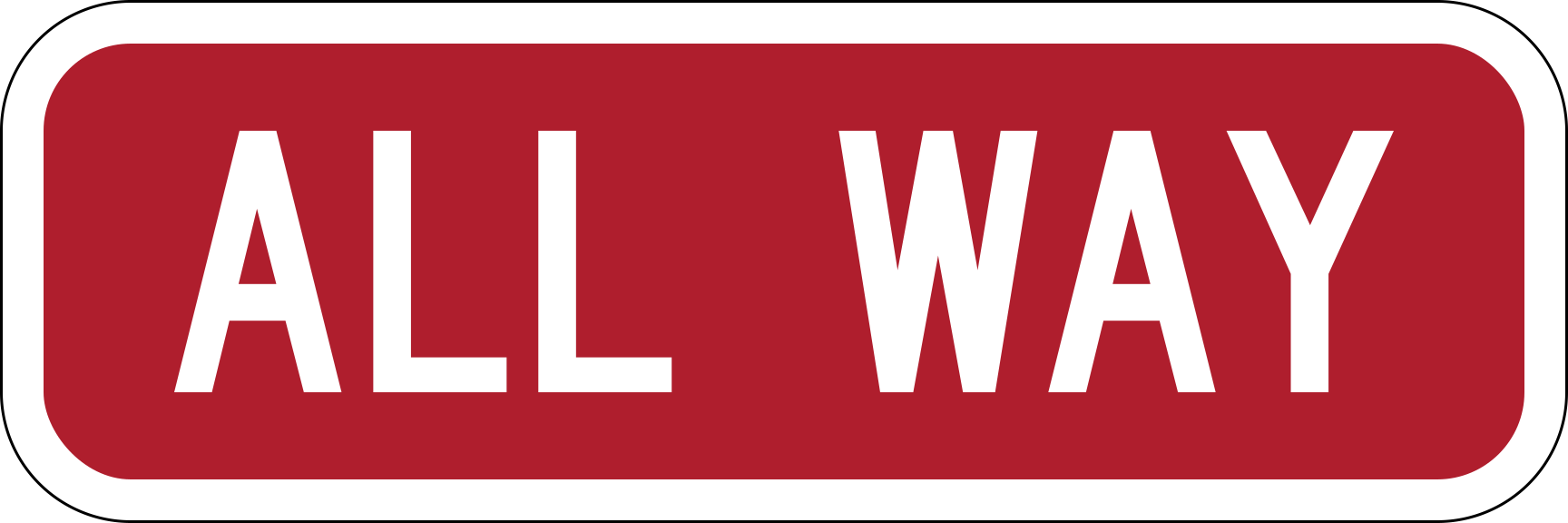
- All Way
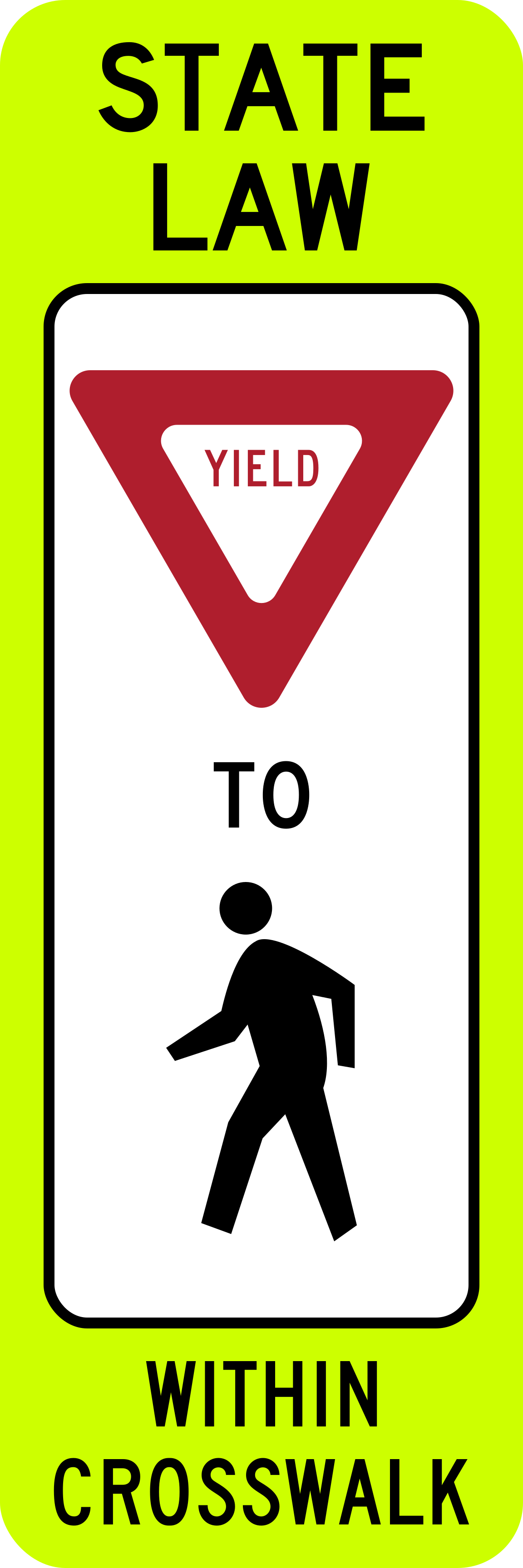
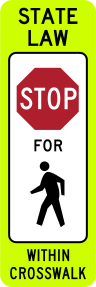
- State Law: Yield to Pedestrians
- State Law: Stop for Pedestrians
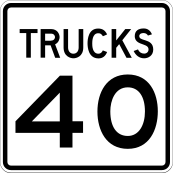
- Truck Speed Limit
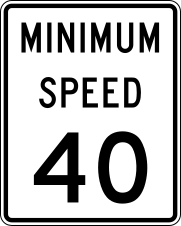
- Minimum Speed Limit
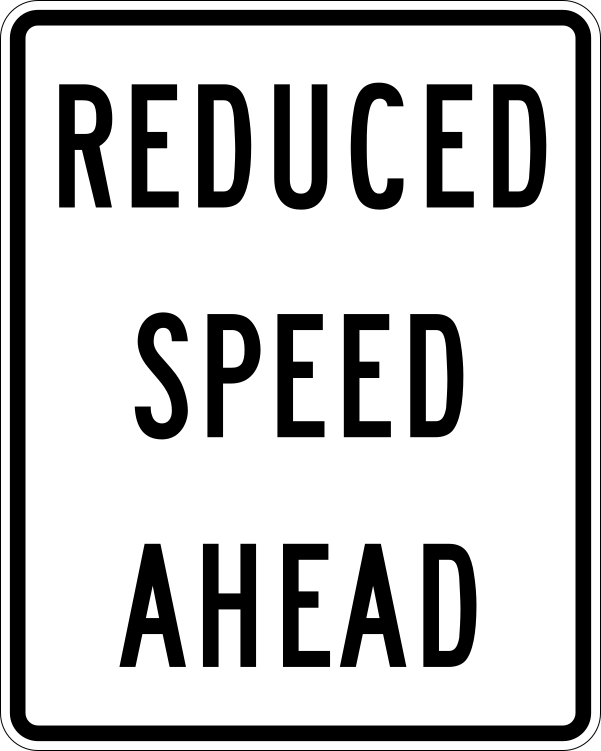
- Reduced Speed Limit Ahead
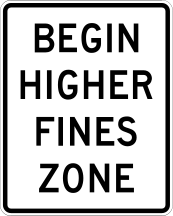
- Begin Higher Fines Zone
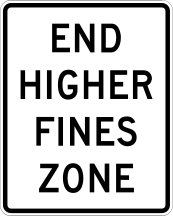
- End Higher Fines Zone
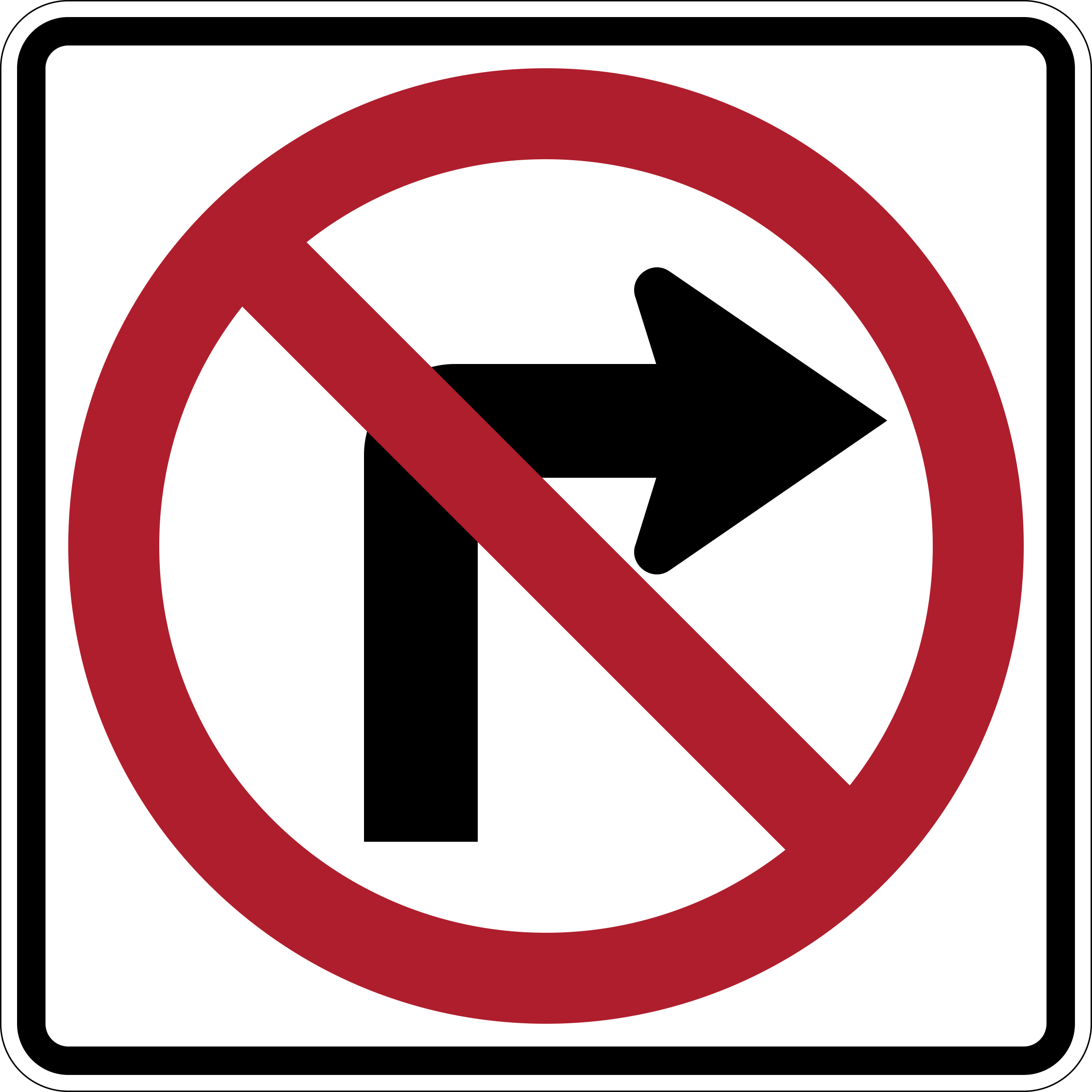
- No Right Turn
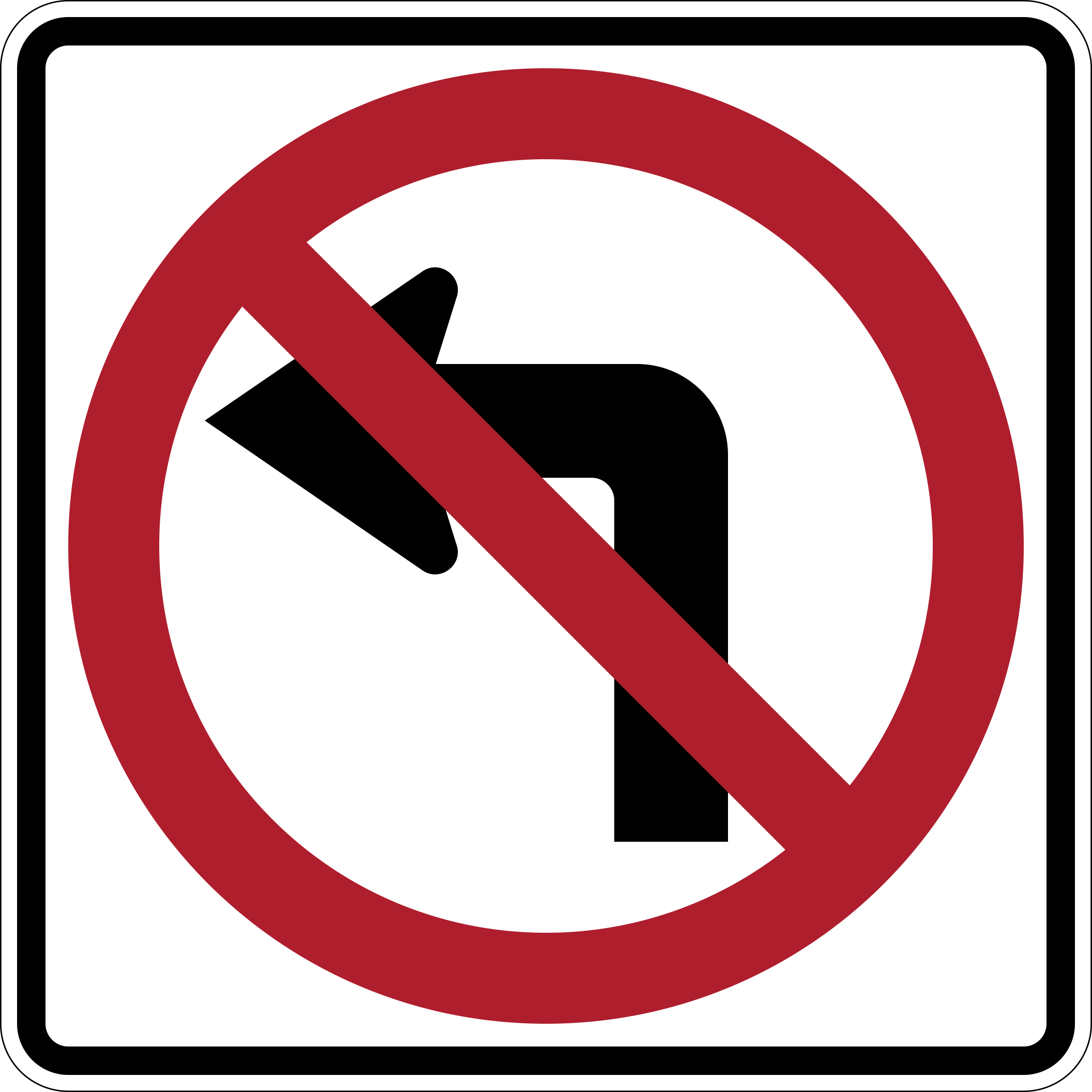
- No Left Turn
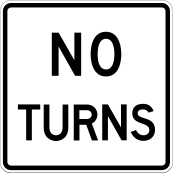
- No Turns
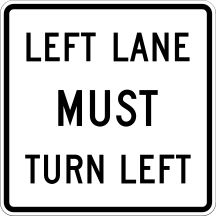
- Left Lane Must Turn Left
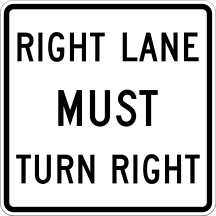
- Right Lane Must Turn Right
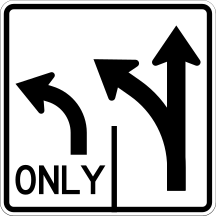
- Intersection Lane Control
- Bike Lane
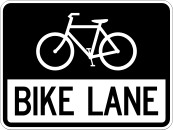
- No Left or U-Turn
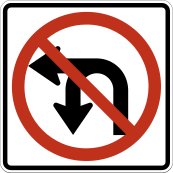
- No Straight Through
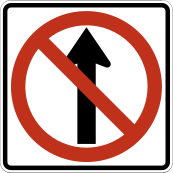
- Do Not Pass
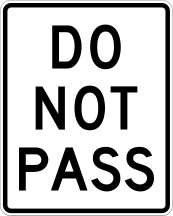
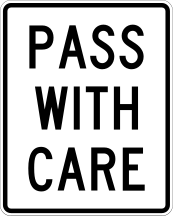
- Pass With Care
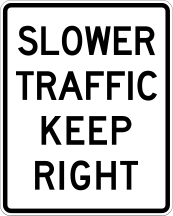
- Slower Traffic Keep Right
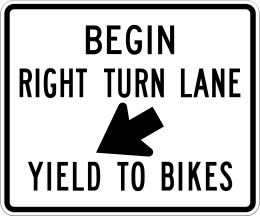
- Begin Right Turn Lane — Yield to Bikes
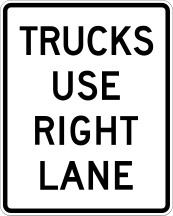
- Trucks Use Right Lane
- Keep Right
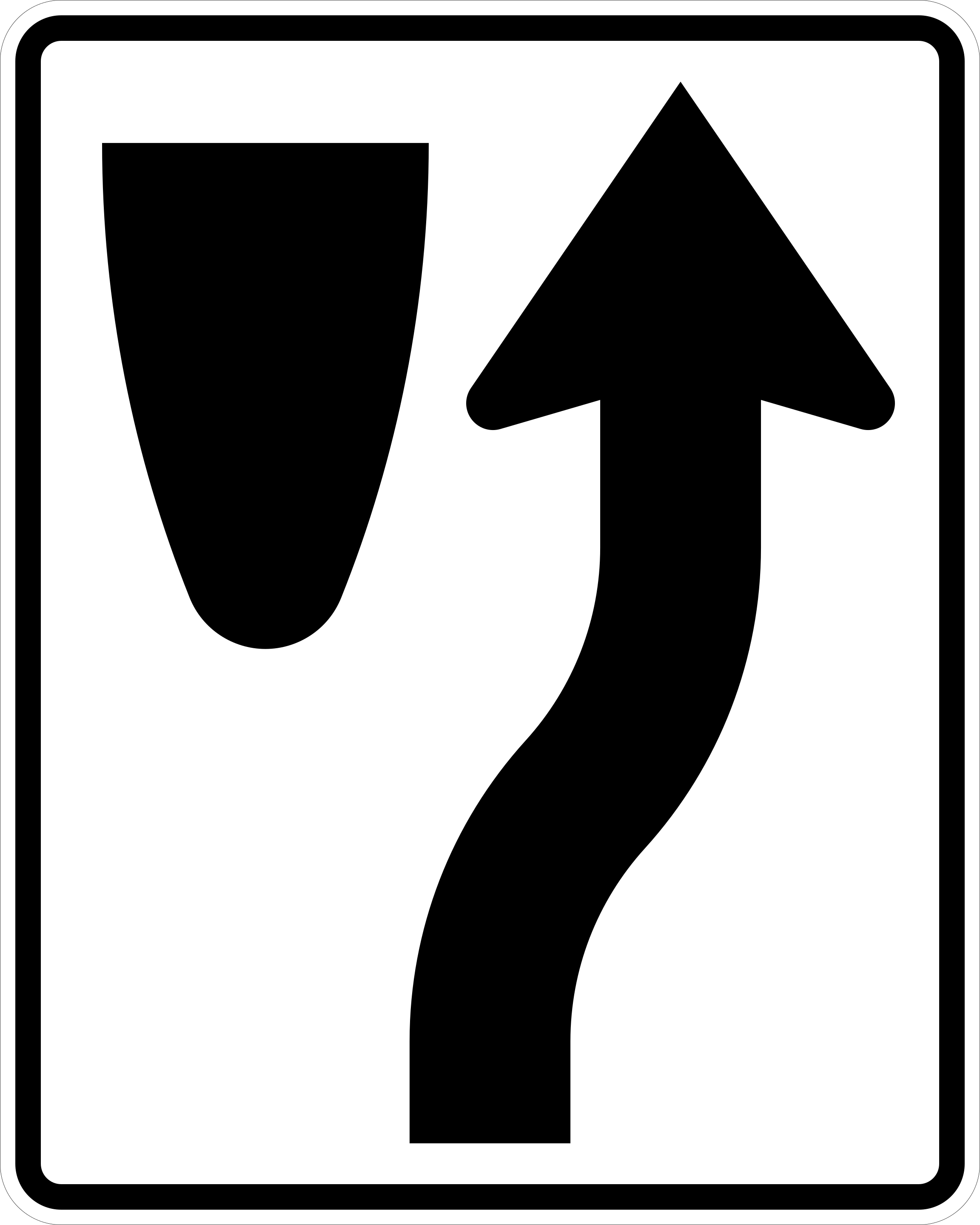
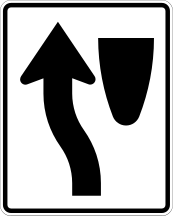
- Keep Left
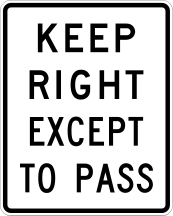
- Keep Right Except to Pass
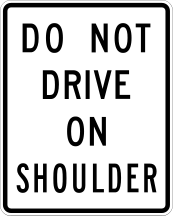
- Do Not Drive on Shoulder
- No Trucks
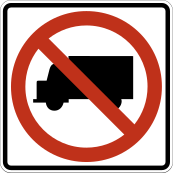
- No Motor Vehicles
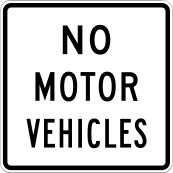
- No Bicycles
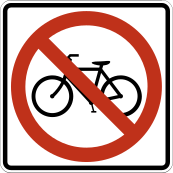
- No Pedestrians, Bicycles, or Motor-Driven Cycles
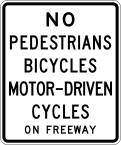
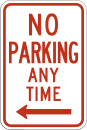
- No Parking Any Time
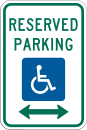
- Accessible Parking
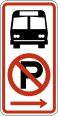
- No Parking Bus Stop
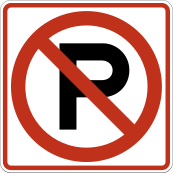
- No Parking
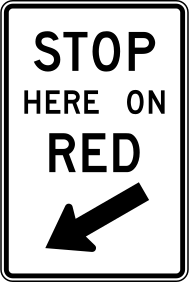
- Stop Here on Red
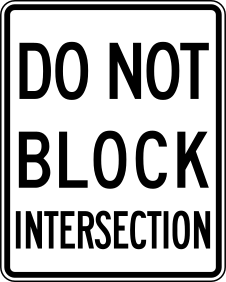
- Do Not Block Intersection
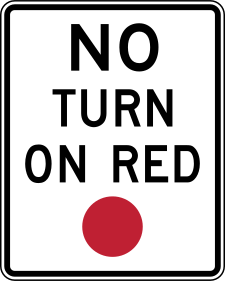
- No Turn on Red
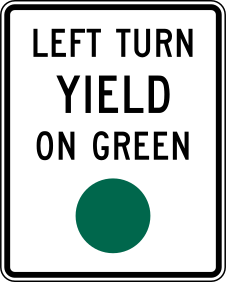
- Left Turn Yield on Green
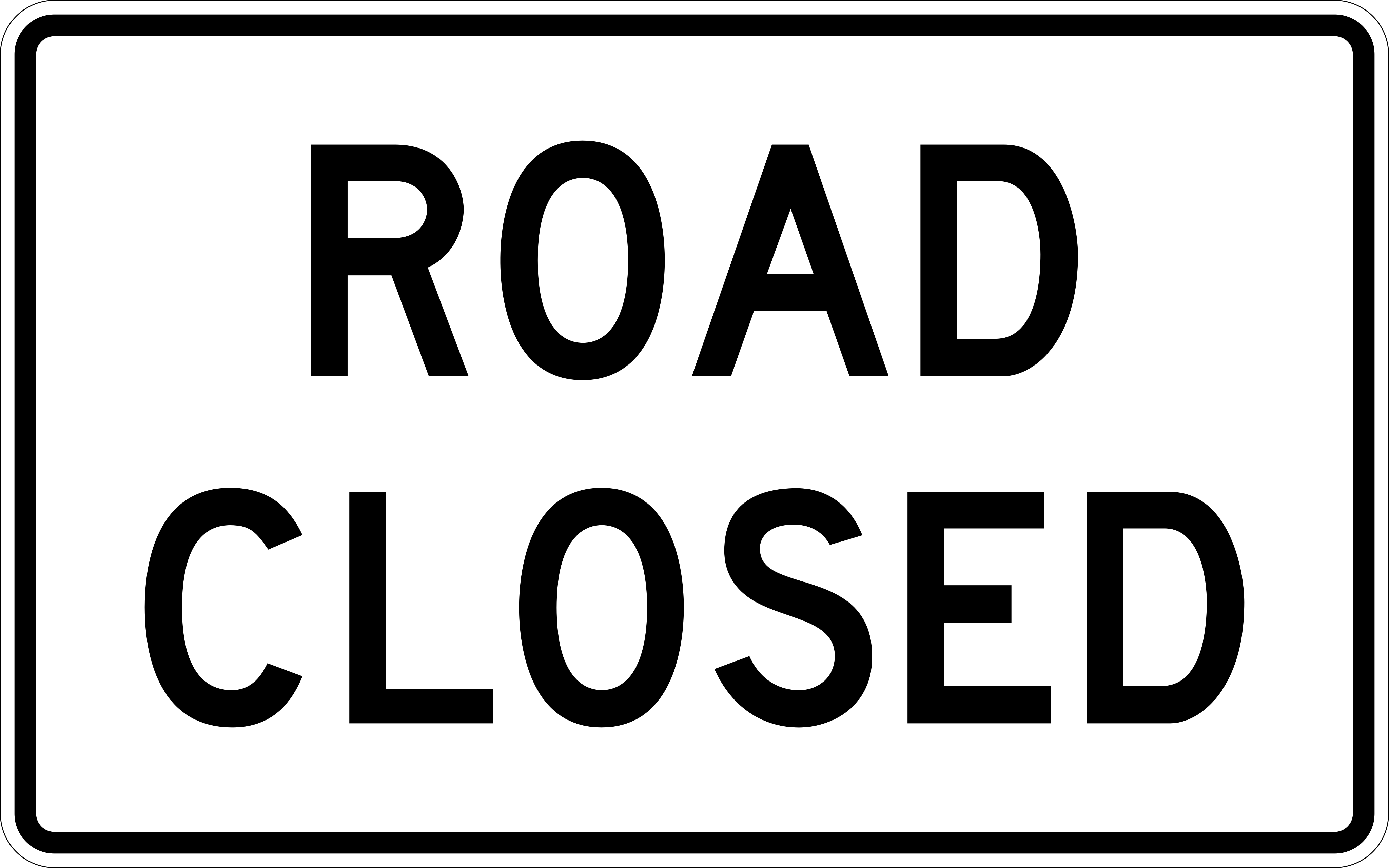
- Road Closed
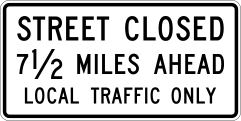
- Road Closed — Local Traffic Only
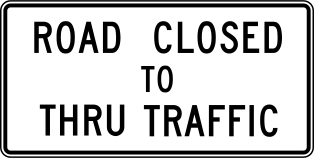
- Road Closed to Thru Traffic
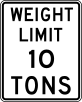
- Weight Limit
- No Hazardous Materials

- Railroad Crossing (Crossbuck)
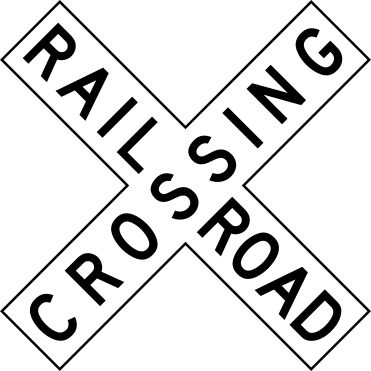
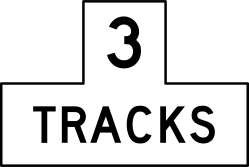
- Number of Tracks
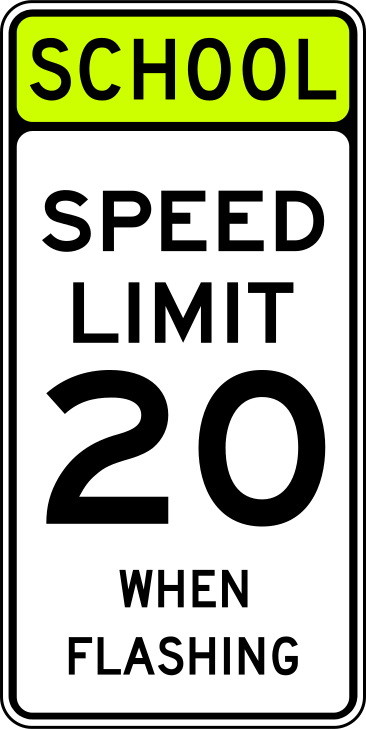
- School Speed Limit When Flashing
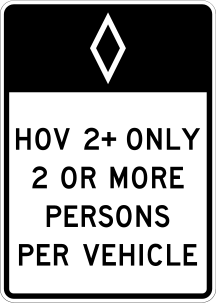
- HOV Lane
- Exempt

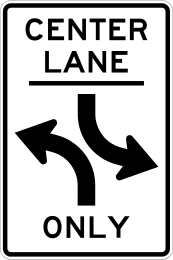
- Two-Way Left Turn Only
Warning signs
- Turn Ahead

- Stop Ahead

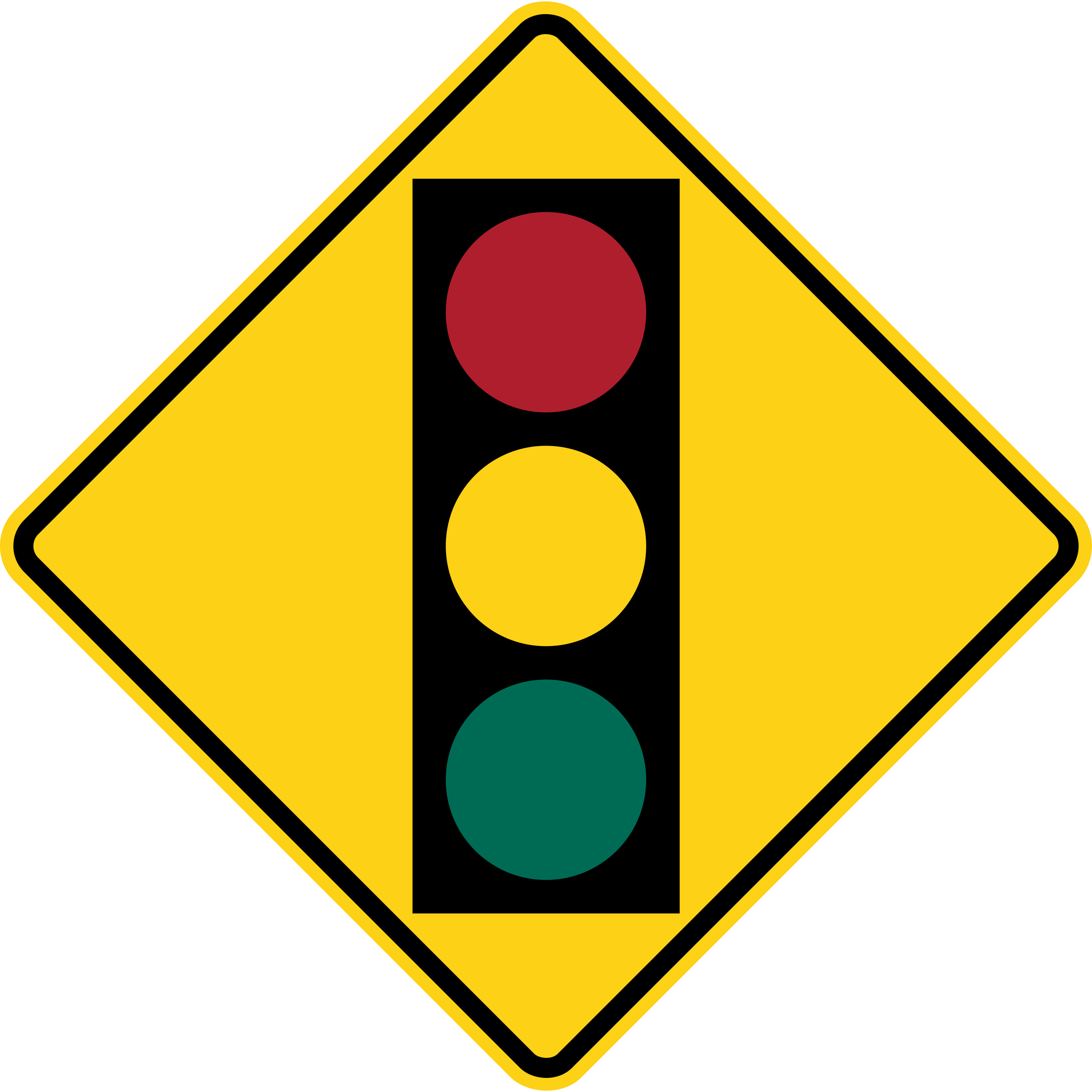
- Signal Ahead
- Pedestrian Crossing

- Curve

- Reverse Turn

- Reverse Curve

- Winding Road

- One-Direction Large Arrow

- Two-Direction Large Arrow

- Chevron Alignment

- Hairpin Curve

- Cross Road

- Side Road

- Roundabout Ahead

- Yield Ahead

- Be Prepared to Stop

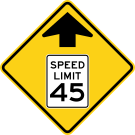
- Reduced Speed Limit Ahead
- Merging Traffic

- Lane Ends

- Added Lane

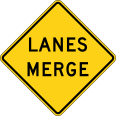
- Lanes Merge
- Road Narrows

- Narrow Bridge

- One Lane Bridge

- Ramp Narrows

- Divided Highway Begins

- Divided Highway Ends

- Two-Way Traffic
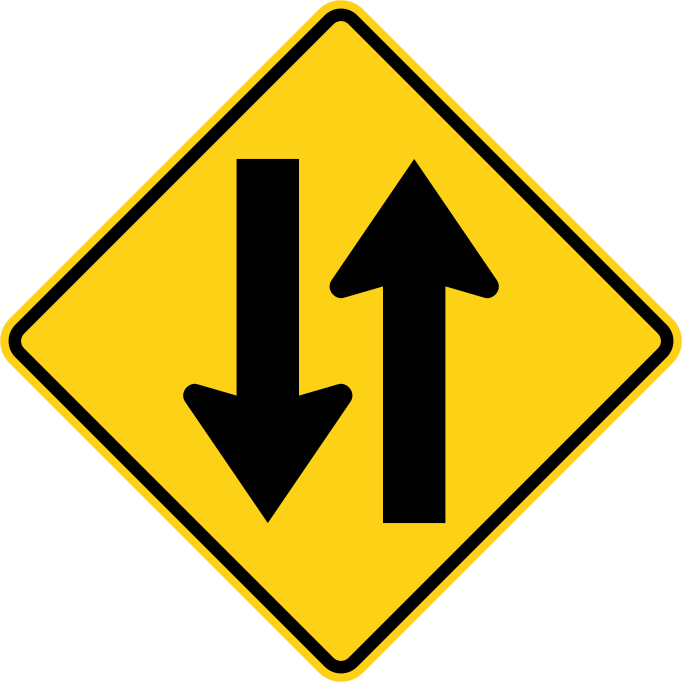
- Hill / Steep Grade

- Bump

- Dip

- Pavement Ends

- Soft Shoulder

- Slippery When Wet

- Loose Gravel

- Rough Road

- Low Shoulder

- Uneven Lanes

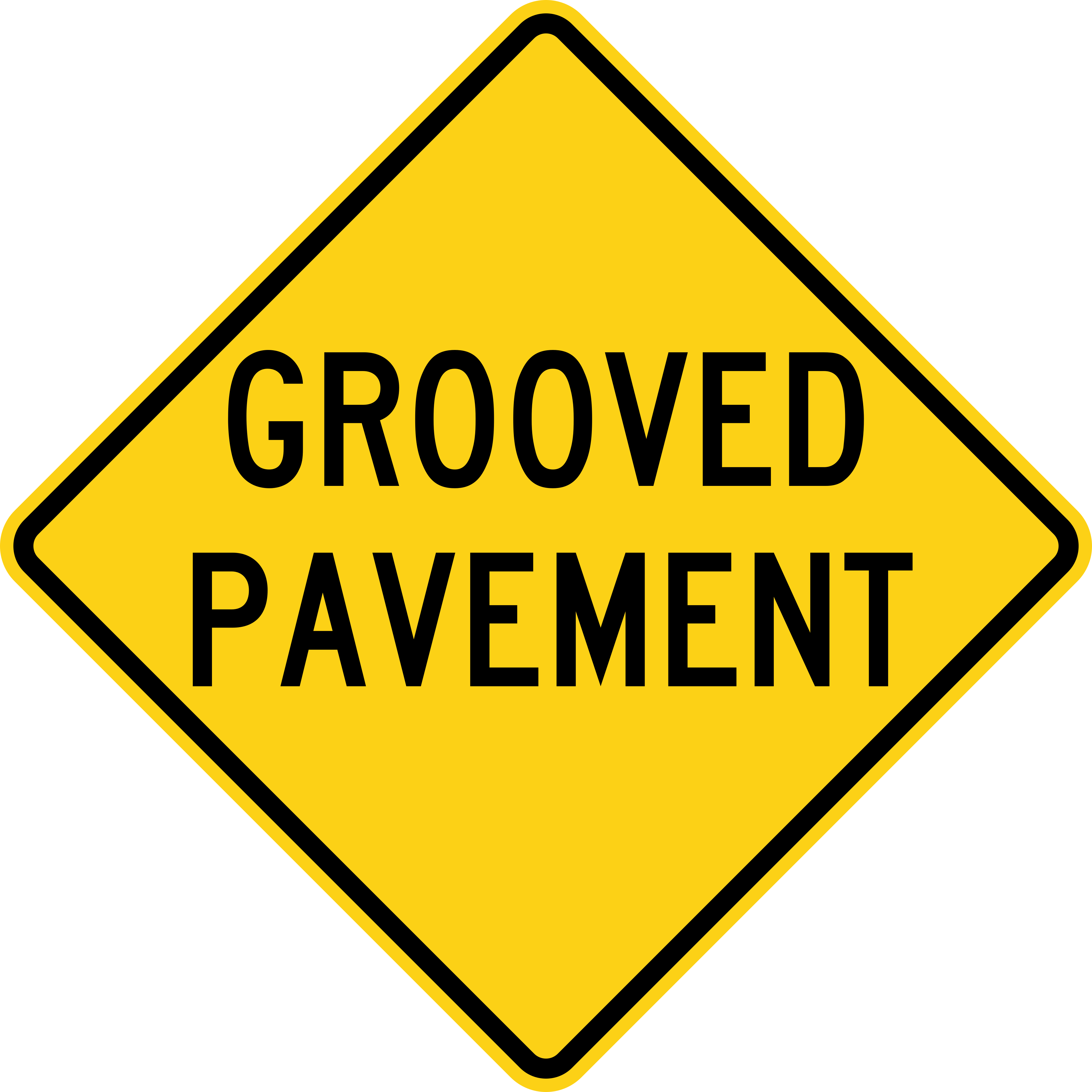
- Grooved Pavement
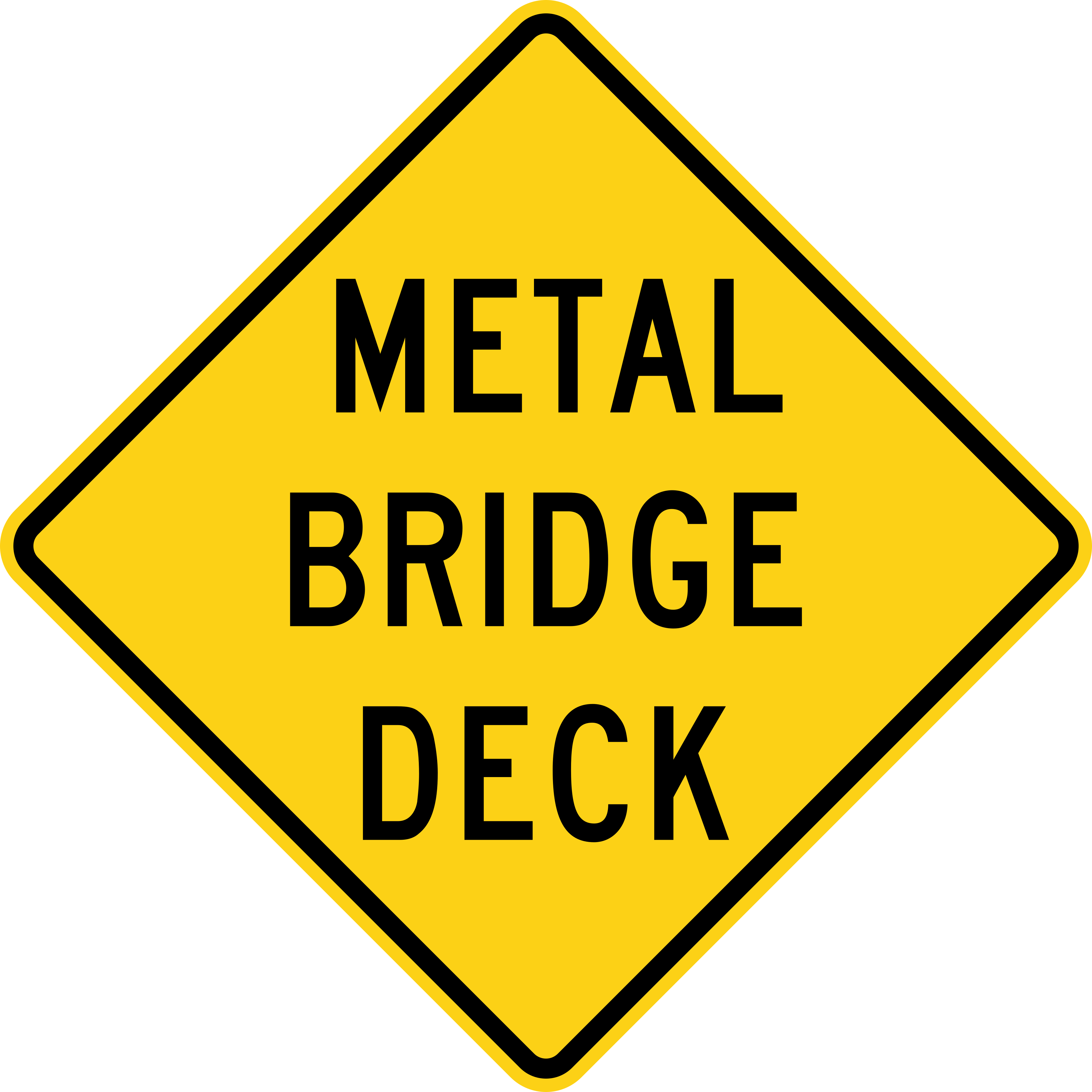
- Metal Bridge Deck
- Railroad Crossing Ahead

- Bicycle Crossing

- Deer Crossing

- Cattle Crossing

- Farm Machinery

- Snowmobile Crossing

- Equestrian Crossing

- Persons with Disabilities

- Golf Cart Crossing

- Horse-Drawn Vehicle Crossing

- Low Clearance

- Advisory Speed

- Dead End

- No Outlet

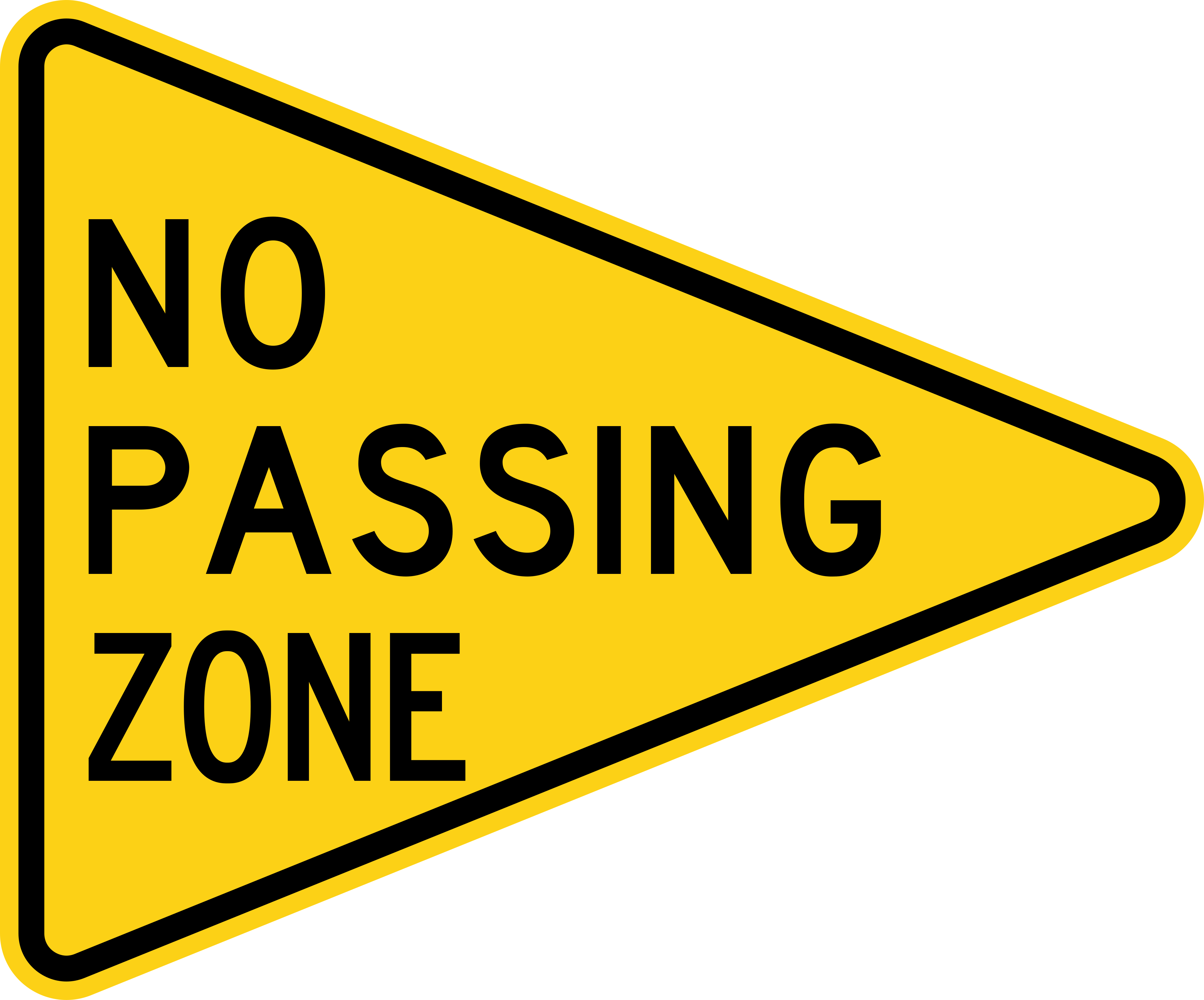
- No Passing Zone
- Playground

- Speed Hump

- School

- Truck Rollover

- Bridge Ices Before Road

- Road May Flood

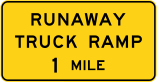
- Runaway Truck Ramp
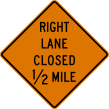
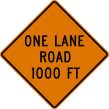
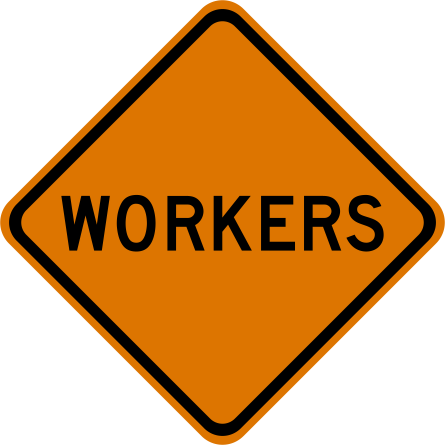
Construction & work-zone signs


Guide signs
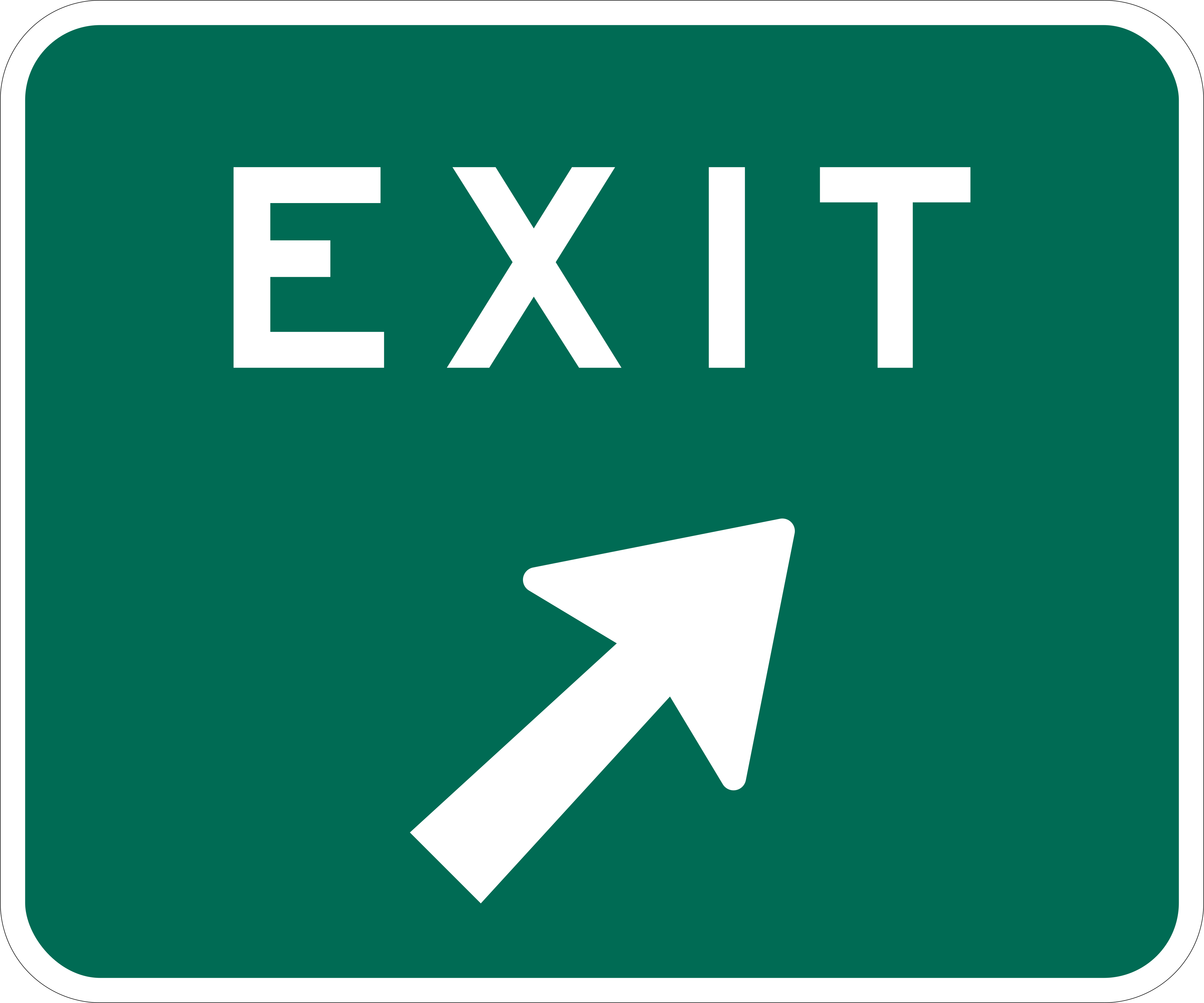


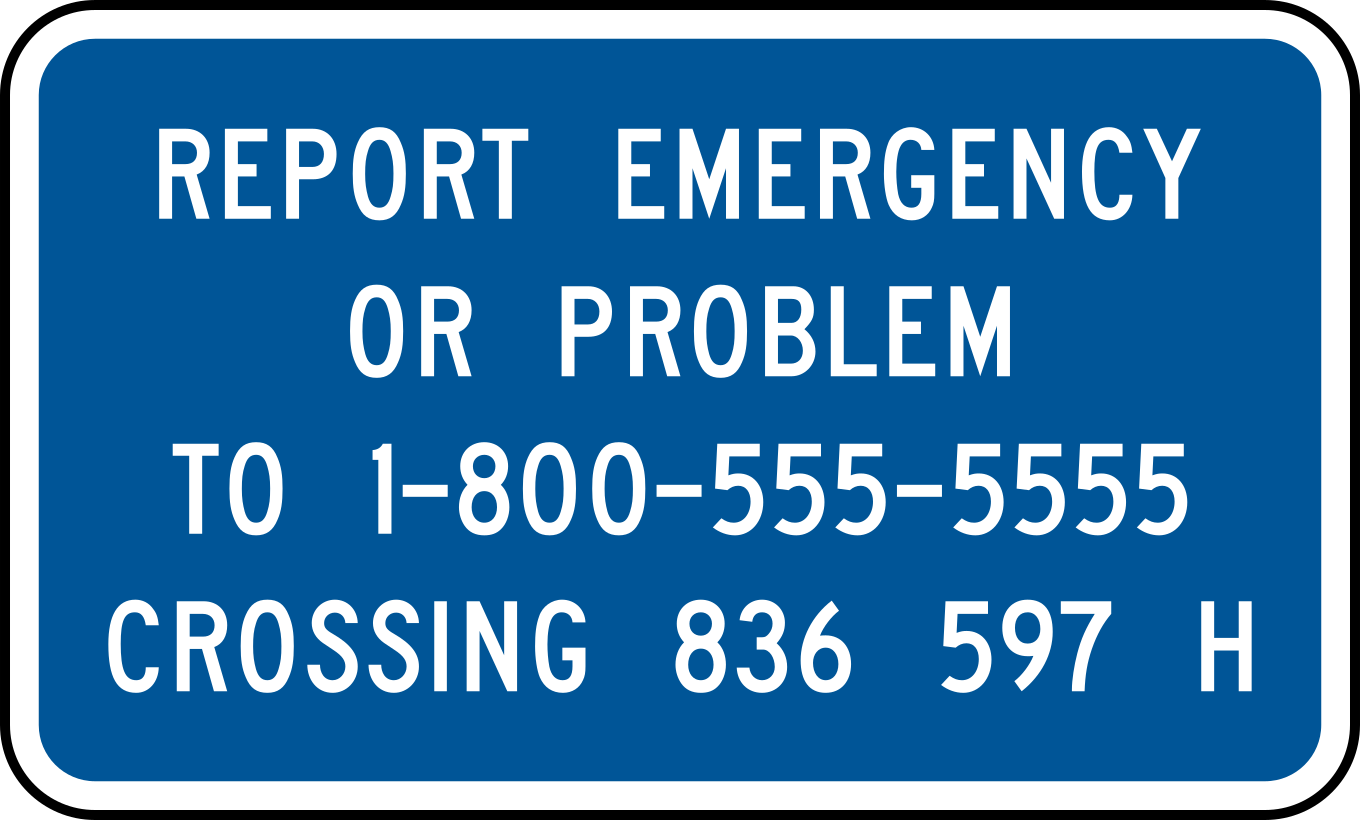
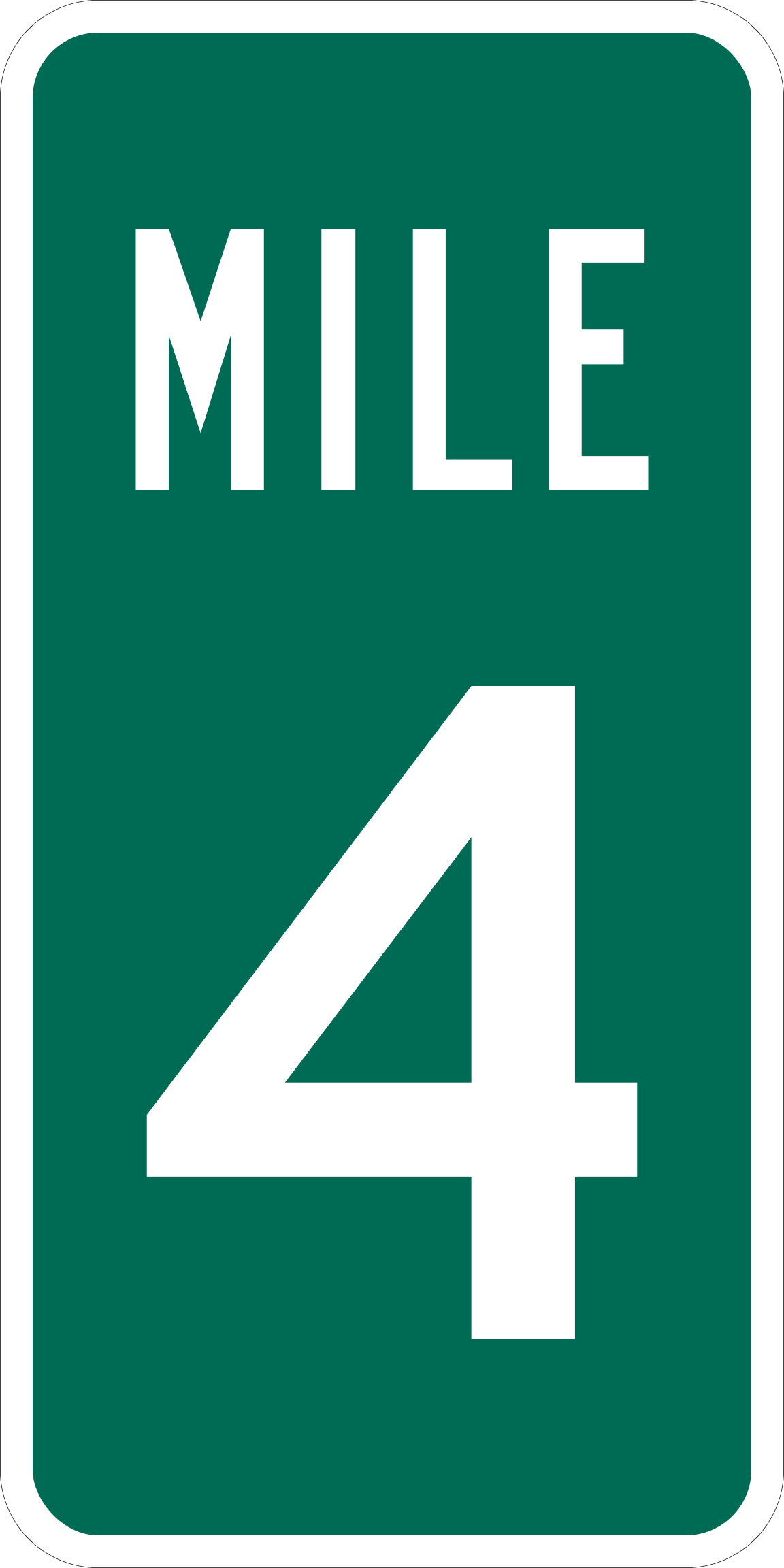
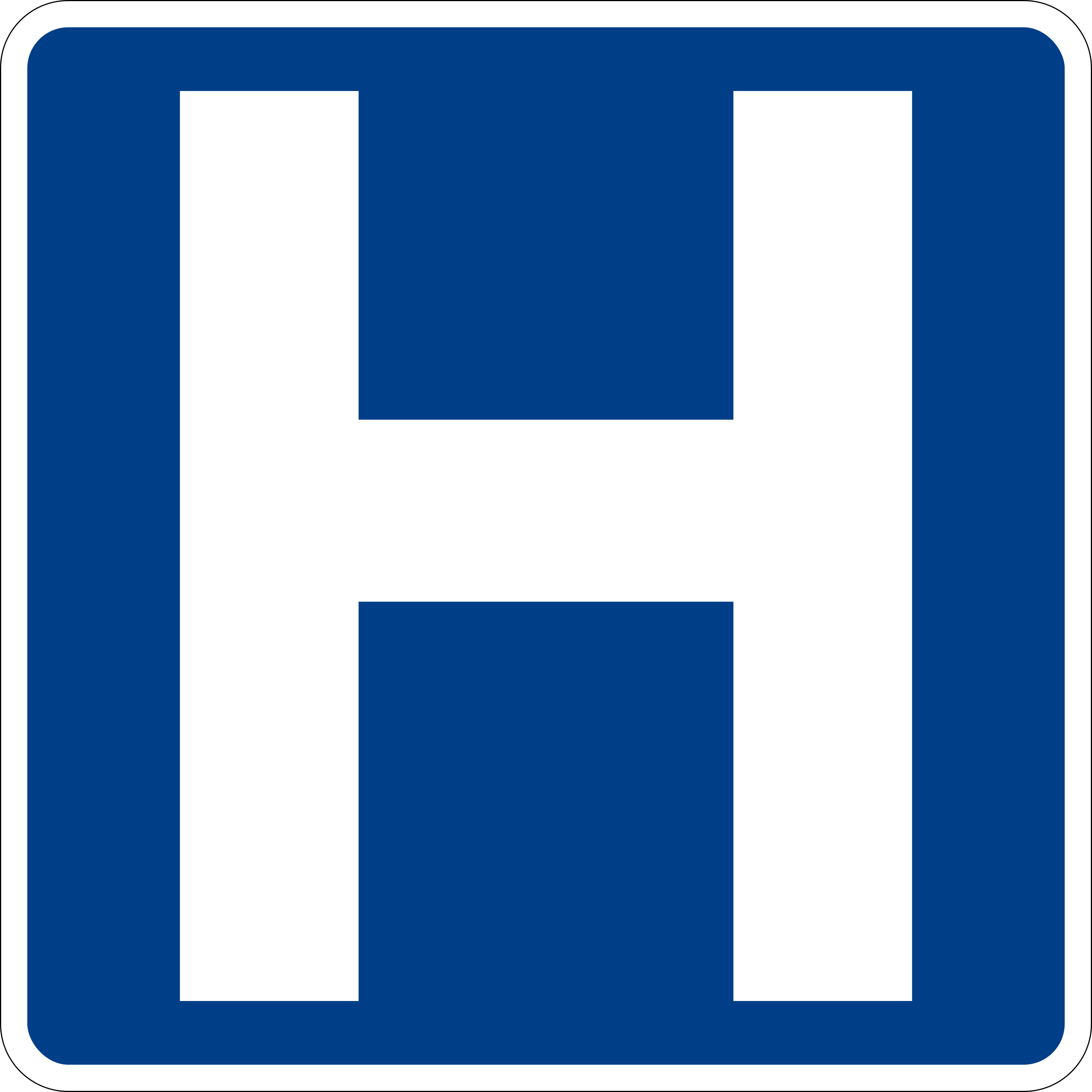
Service & information signs




Alaska road signs: frequently asked questions
How long is Alaska's written knowledge test, and where does the state say so?
One line, in one place. The DMV's Sample Knowledge Test application, hosted on the division's own online-services site and linked from the instruction-permit page as "Practice for your test here," carries this heading above the start button: "General Knowledge Test at Alaska DMV: 25 minutes allowed, 20 questions, 16 correct answers to pass." Sixteen of twenty is eighty percent, and four wrong answers is the whole allowance. Two things are worth being careful about. The sentence names the General Knowledge Test at Alaska DMV, so it describes the examination the division administers; Alaska publishes nothing about the length of the at-home version the permit page then routes applicants to, which runs on an outside testing vendor's site. And the Alaska Driver Manual itself gives no figure at all — its examinations section describes the written test's scope and says nothing about its size, so a reader who studies only the book will never meet these numbers.
How many of those questions show you a road sign?
The DMV does not break the test down that way, and nothing it publishes attaches a count or a separate threshold to the sign portion. What the manual gives instead is the subject list: the written test "covers only information found in this manual, including traffic laws, safe driving practices, and highway sign recognition." Signs are one of three named areas out of a total that leaves room for only four mistakes, which is the arithmetic that actually matters — on a twenty-question paper, missing a couple of sign items uses up half your margin before you reach anything else. The manual's own advice on how to close that gap is not memorization but association: study the sign section and connect each sign to the behavior expected of you. Its headings are built for exactly that, since each one pairs a color with an instruction.
Do I take Alaska's written test at a DMV office?
Not necessarily, and the instruction-permit page splits the two steps in a single sentence: "Pass the written knowledge test (Practice for your test here) then take the actual test online here." The first link is the division's own sample application; the second is an outside testing vendor, not a state site, so nothing published on it is Alaska's figure. Everything else on that page still happens in person — a completed application, parental consent forms for a minor, proof of relationship, a vision test and a fifteen-dollar fee at a local DMV office. The permit is valid for two years and may be renewed once. If you fail the written test, the manual's rule is short: it may be retaken the following day. That is a different pace from the road test, where the manual says you must normally wait two business days, counting Monday to Friday and excluding state and federal holidays.
What if I live in a community with no road to it?
Then the written test may be the only test you take. The DMV's Guide to Rural Driving Information opens on the reason: "Unlike other states, Alaska is unique in its vast number of remote communities that are not accessible via the standard road network." For residents of a community off the road system who have no access to DMV services and live where a skills test is not offered at least once a year, the division issues an Off-Highway Class D license under Restriction 6. The requirements are the ordinary ones minus the driving part — pass the written test online or through a proctor in your area, pass a vision test, pay the fee, mail the application and documents to Anchorage — and the page states the exemption plainly: no skills road test is required. Alaska secured the same waiver federally for rural commercial drivers, and the page notes that this makes it the only state authorized to issue an off-highway license to operators of commercial motor vehicles. For a driver on that path, everything an examiner would otherwise watch you do with a sign has to be demonstrated at a desk instead.
Are there signs in the Alaska manual you would not find in another state's?
A few, and they are worth learning first because a driver from elsewhere will not already know them. The caption gallery that follows the sign headings runs through the familiar warnings and then prints two side by side: "Be alert for deer crossing unexpectedly" and "Be alert for caribou crossing unexpectedly." The chapter on animals explains why the second one exists — moose, caribou, deer and other large animals are described as prevalent in most areas of the state, with caribou common on the Kenai Peninsula, sheep and bear in Southcentral, mountain goats and deer in the Southeast — and it tells drivers to look for wildlife warning signs in areas known to have higher activity near the roadway. Two more are worth knowing by sight. The orange triangle is introduced with an imperative instead of a definition: "Recognize this sign. Some day (or night) it may save your life. Look for it!" And at every highway-rail grade crossing there is a blue Emergency Notification System sign carrying a round-the-clock number and a crossing identifier, with the Alaska Railroad's own line at the head of the list the manual prints.
Official sources
- Alaska Driver Manual, rev. 10/2025 (Alaska Department of Administration, Division of Motor Vehicles)
- Alaska DMV — Sample Knowledge Test (the published 25 minutes / 20 questions / 16 to pass line)
- Alaska DMV — Instruction Permit
- Alaska DMV — Guide to Rural Driving Information (the off-highway license and its skills-test exemption)
- Alaska DMV — Driver Manuals
Checked against official state sources on 2026-08-30.